
1. Search Result
Search Result
Results for "

memory impairment

" in MedChemExpress (MCE) Product Catalog:

156

Inhibitors & Agonists

1

Biochemical Assay Reagents

13

Peptides

1

Inhibitory Antibodies

29

Natural
Products

8

Isotope-Labeled Compounds

2

Click Chemistry

2

Oligonucleotides

1

GMP Molecules

Cat. No. Product Name Target Research Areas Chemical Structure
  • HY-N9410

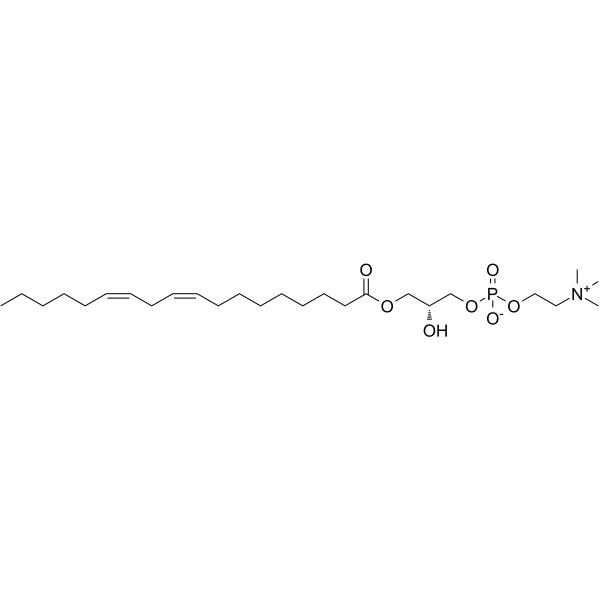
    1-Linoleoyl-2-Hydroxy-sn-glycero-3-PC; LPC(18:2/0:0); LysoPC(18:2)

    Endogenous Metabolite Metabolic Disease
    Lysophosphatidylcholine 18:2 (1-Linoleoyl-2-Hydroxy-sn-glycero-3-PC), a lysophospholipid, is a potential biomarker identified from insulin resistance (IR) polycystic ovary syndrome (PCOS). Low plasma Lysophosphatidylcholine 18:2 also has been shown to predict impaired glucose tolerance, insulin resistance, type 2 diabetes, coronary artery disease, and memory impairment .
    Lysophosphatidylcholine 18:2
  • HY-N0691
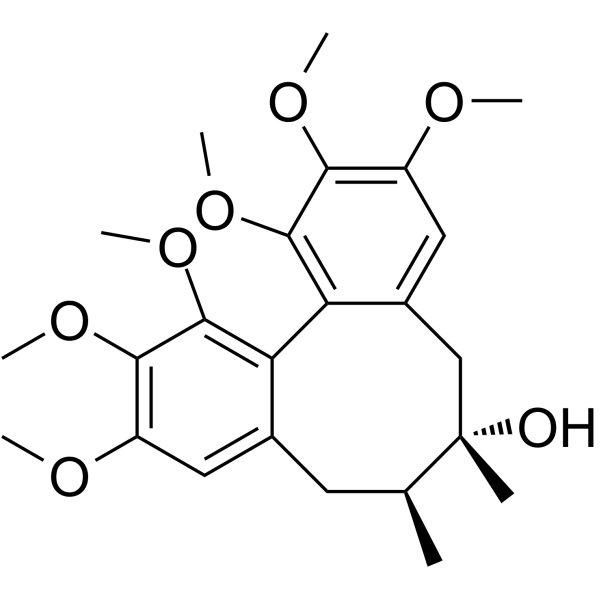
    Schisandrin
    3 Publications Verification

    Schizandrin; Schizandrol; Schizandrol-A

    Autophagy Inflammation/Immunology Cancer
    Schisandrin (Schizandrin), a dibenzocyclooctadiene lignan, is isolated from the fruit of Schisandra chinensis Baill. Schisandrin exhibits antioxidant, hepatoprotective, anti-cancer and anti-inflammatory activities. Schisandrin also can reverses memory impairment in rats .
    Schisandrin
  • HY-W011370
    Pelargonidin chloride
    1 Publications Verification

    Quinone Reductase Reactive Oxygen Species (ROS) Neurological Disease Cancer
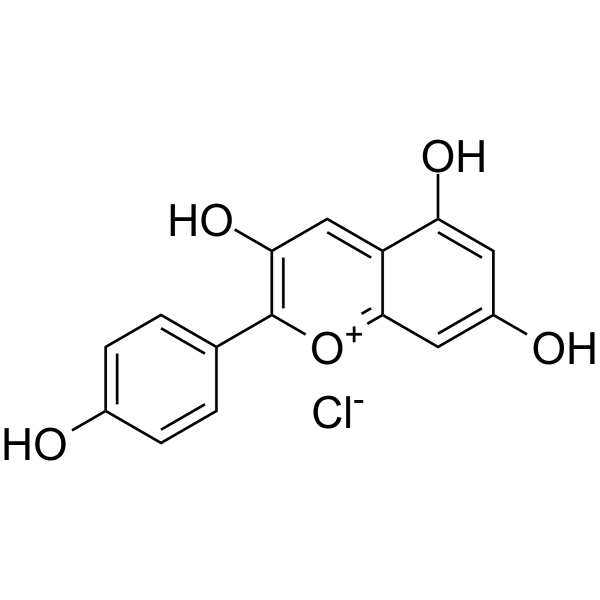
    Pelargonidin chloride is an anthocyanidin and also is a scavenger of nitric oxide radical and has antioxidant activities. Pelargonidin inhibits cell viability and induces cell cycle arrest at sub-G1 phase. Pelargonidin chloride increases the mRNA and protein expression of HO-1, NQO1, Nrf2. Pelargonidin chloride improves Aβ-induced memory and learning impairment .
    Pelargonidin chloride
  • HY-131892
    2-Deoxy-D-galactose
    1 Publications Verification

    Endogenous Metabolite Metabolic Disease Cancer
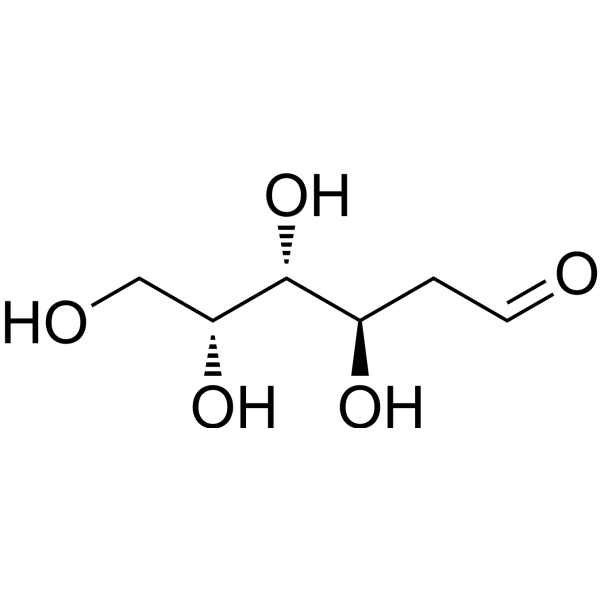
    2-Deoxy-D-galactose is a glucose analog. 2-Deoxy-D-galactose inhibits glycolysis to inhibits tumor growth. 2-Deoxy-D-galactose is a substance interfering with the fucosylation of glycomacromolecules and impairing memory consolidation in various learning tasks. 2-Deoxy-d-galactose hinders glycoprotein fucosylation in vivo .
    2-Deoxy-D-galactose
  • HY-N2189
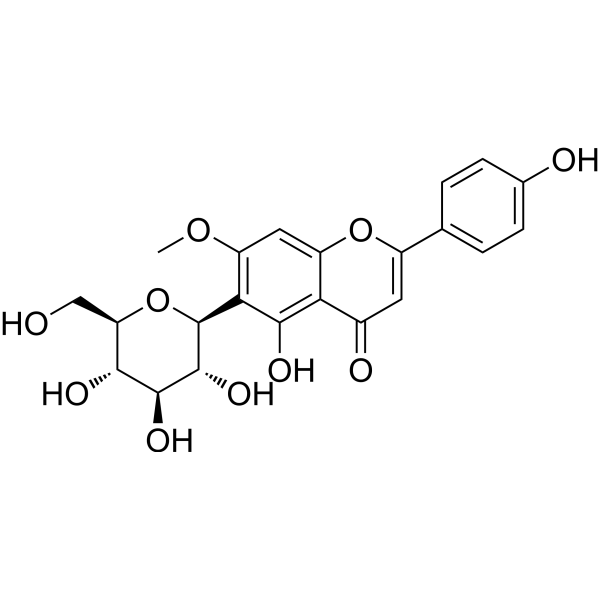
    Swertisin
    2 Publications Verification

    Adenosine Receptor HBV SGLT Infection Neurological Disease Inflammation/Immunology
    Swertisin is an oral adenosine A1 receptor antagonist and an SGLT2 inhibitor. Swertisin has anti-diabetic, antioxidant properties, inhibits HBV, and improves cognitive and memory impairments in mice .
    Swertisin
  • HY-11068
    SB 239063
    30+ Cited Publications

    p38 MAPK Autophagy Neurological Disease Metabolic Disease Inflammation/Immunology Cancer
    SB 239063 is a potent, selective and orally active p38 MAPK inhibitor, exhibits an IC50 of 44 nM for recombinant purified human p38α, with equipotent inhibitory activity against p38α and p38β. SB 239063 has no effect on p38γ or p38δ. With anti-asthma activity and also be used to enhance memory which is impaired due to aging or medical conditions, such as, AD. SB 239063 can penetrate the blood brain barrier (BBB) .
    SB 239063
  • HY-N0310
    Soyasaponin Bb
    1 Publications Verification

    Aldose Reductase Heme Oxygenase (HO) Reactive Oxygen Species (ROS) Apoptosis Neurological Disease Metabolic Disease
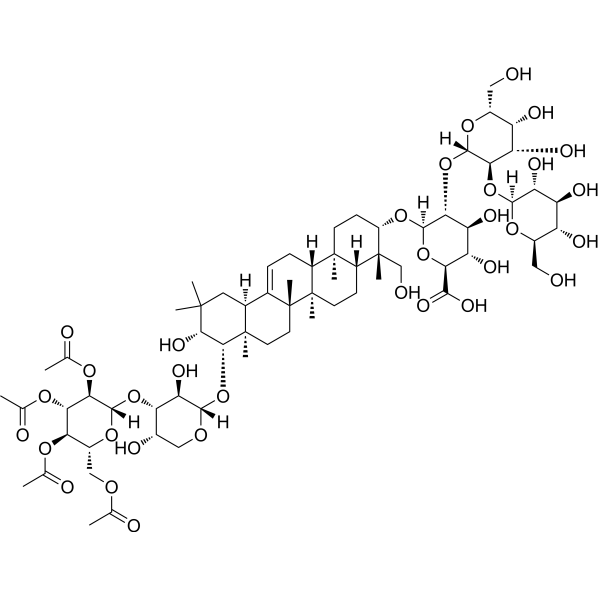
    Soyasaponin Bb is an orally active, covalent inducer of heme oxygenase HO-1 and an inhibitor of aldose reductase AKR1B1. Soyasaponin Bb can regulate oxidative stress pathways, enhance antioxidant capacity, reduce reactive oxygen species (ROS) generation, and inhibit lipid peroxidation and hepatocyte apoptosis. Soyasaponin Bb improves alcohol-induced hepatocyte membrane damage and liver function abnormalities, and improves Scopolamine (HY-N0296)-induced memory impairment. Soyasaponin Bb has antioxidant, hepatoprotective, and neuroprotective activities .
    Soyasaponin Bb
  • HY-17553
    Coluracetam
    3 Publications Verification

    MKC-231

    iGluR Neurological Disease
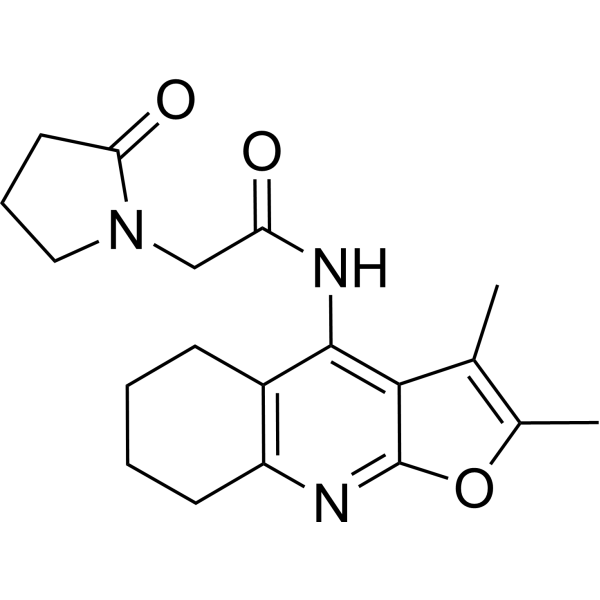
    Coluracetam (MKC-231) is an orally taken choline uptake enhancer. Coluracetam can improve the reduced acetylcholine levels in the hippocampus of rats and mice, enhancing learning difficulties, memory deficits, and cognitive impairments. Coluracetam induces a lower degree of hepatic venous hyperglycemia .
    Coluracetam
  • HY-15522
    WAY-267464
    2 Publications Verification

    Oxytocin Receptor Neurological Disease
    WAY-267464 is a non-peptide oxytocin receptor (OTR) agonist. WAY-267464 can impair social recognition memory in rats through a vasopressin 1A receptor antagonist action. WAY-267464 can be used for the research of psychiatric disorders, such disorders include autism spectrum disorder, schizophrenia, and social anxiety disorder .
    WAY-267464
  • HY-N0766
    Isorhynchophylline
    2 Publications Verification

    SOD NF-κB Cardiovascular Disease Neurological Disease Inflammation/Immunology Cancer
    Isorhynchophylline is an alkaloid isolated from Crocus sativus with anticancer, antihypertensive, anti-inflammatory, and neuroprotective properties. Isorhynchophylline can be applied to cardiovascular and neurological disorders, and cancer studies .
    Isorhynchophylline
  • HY-123037

    Environmental Pollutants AMPK Akt PERK Fungal Infection Neurological Disease Metabolic Disease Endocrinology
    Triadimefon is an orally active fungicide. Triadimefon significantly reduces the phosphorylation of AKT1 and ERK1/2. Triadimefon significantly increases pAMPK levels, but does not affect total AMPK levels. Triadimefon inhibits the growth of Saccharomyces cerevisiae, disrupts hormone homeostasis (affecting the synthesis of testosterone, etc.), inhibits fetal adrenal development in rats, induces metabolic shifts in hepatocytes, and impairs spatial learning and memory .
    Triadimefon
  • HY-118424

    iGluR Neurological Disease Metabolic Disease
    JNJ-55511118 is a selective TARP γ-8 binding AMPA receptor modulator with oral bioavailability and blood-brain barrier permeability, with a Ki of 26 nM. JNJ-55511118 reduces voluntary intake of sweetened alcohol in male mice. In rodent models, JNJ-55511118 inhibits hippocampal neurotransmission, reduces specific electroencephalogram frequency bands, induces transient hyperlocomotion, impairs learning and memory abilities, and exerts anticonvulsant effects. JNJ-55511118 is applicable to research related to alcohol use disorder and seizures .
    JNJ-55511118
  • HY-W011978

    Endogenous Metabolite Mitochondrial Metabolism Neurokinin Receptor Caspase Interleukin Related Neurological Disease Inflammation/Immunology
    N-Acetyl-L-tryptophan is an antagonist of the neurokinin-1 receptor (NK-1R), disrupting the binding of substance P (SP) to NK-1R. This action provides neuroprotective effects, improving memory deficits and motor impairments. N-Acetyl-L-tryptophan is also an inhibitor of cytochrome c (Cytochrome c), and it exerts antioxidant and anti-inflammatory effects by inhibiting the expression of IL-1β and the activation of caspase-1. N-Acetyl-L-tryptophan holds promise for research in neurodegenerative and inflammatory diseases .
    N-Acetyl-L-tryptophan
  • HY-132806

    RG-7816; RO-7017773

    GABA Receptor Neurological Disease
    Alogabat is a positive allosteric modulator (PAM) and agonist (Ki <100 nM) of the GABAA α5 receptor, targeting the α5β3γ2 subunit with a Ki of 8.7 nM. Alogabat increases the expression level of α5β3γ2 in oocytes (1.97-fold). GABAA has been implicated in cognitive impairment associated with central nervous system (CNS) disorders, brain cancer (including brain tumors such as medulloblastoma), and can be used in the study of mild cognitive impairment (MCI), amnestic MCI (aMCI), age-associated memory impairment (AAMI), age-related cognitive decline (ARCD), dementia, Alzheimer's disease (AD), prodromal AD, post-traumatic stress disorder (PTSD), schizophrenia, bipolar disorder, amyotrophic lateral sclerosis (ALS), cognitive impairment associated with cancer treatment, mental retardation, Parkinson's disease (PD), autism spectrum disorder, fragile X, Rett syndrome, obsessive-compulsive behavior, and substance addiction .
    Alogabat
  • HY-151518

    Aminopeptidase Neurological Disease
    Aminopeptidase-IN-1 (compound 16o) is an insulin-regulated aminopeptidase (IRAP) inhibitor with an Ki value of 7.7 μM. Aminopeptidase-IN-1 inhibits catalytic activity of IRAP.Aminopeptidase-IN-1 can be used for the research of memory impairments .
    Aminopeptidase-IN-1
  • HY-N3026
    Soyasaponin Ab
    1 Publications Verification

    PPAR Apoptosis Reactive Oxygen Species (ROS) Neurological Disease Metabolic Disease Inflammation/Immunology
    Soyasaponin Ab is an orally active soyasaponin. Soyasaponin Ab inhibits PPARγ transcriptional activity. Soyasaponin Ab induces apoptosis in high concentrations. Soyasaponin Ab exerts anti-obesity, anti-oxidation, anti-inflammation, anti-aging effects. Soyasaponin Ab prevents Scopolamine (HY-N0296)-induced memory impairment .
    Soyasaponin Ab
  • HY-16361A

    CGP3466B; CGP3446 maleate; TCH346 maleate

    Apoptosis Neurological Disease Metabolic Disease Inflammation/Immunology
    Omigapil maleate (CGP3466B), an orally active GAPDH nitrosylation inhibitor, abrogates Aβ1-42-induced tau acetylation, memory impairment, and locomotor dysfunction in mice. Omigapil maleate has the potential for the research of Alzheimer's disease. Omigapil maleate is a apoptosis inhibitor. Omigapil maleate can be used for the research of congenital muscular dystrophy (CMD). Omigapil maleate is a click chemistry reagent, it contains an Alkyne group and can undergo copper-catalyzed azide-alkyne cycloaddition (CuAAc) with molecules containing Azide groups .
    Omigapil maleate
  • HY-N1414

    Trk Receptor NF-κB Amyloid-β Neurological Disease
    (E)-3',6-Disinapoylsucrose is an orally active, blood-brain barrier permeable neuroprotective agent that inhibits protein aggregation. (E)-3',6-Disinapoylsucrose exerts anxiolytic, anti-inflammatory and cognitive-enhancing effects. (E)-3',6-Disinapoylsucrose regulates the TrkB/BDNF signaling pathway, inhibits the expression of NF-κB p65, reduces pro-inflammatory cytokine levels, and alleviates neuronal damage. (E)-3',6-Disinapoylsucrose also enhances the functions of central 5-HT and noradrenergic systems, thereby improving spatial learning and memory abilities and reducing anxiety-like behaviors. (E)-3',6-Disinapoylsucrose can be used for the research of related diseases such as Alzheimer's disease, depression, memory impairment and anxiety disorder .
    (E)-3',6-Disinapoylsucrose
  • HY-17549

    CRL 40028

    Adrenergic Receptor Neurological Disease
    Adrafinil (CRL 40028) is an orally active vigilance promoting agent. Adrafinil enhances central noradrenergic transmission, improves spontaneous activity, exploratory behavior, discriminative learning ability and response motivation, but impairs visuospatial working memory. Adrafinil antagonizes Prazosin (HY-B0193)-induced hypoactivity and hypothermia, exerts anticonvulsant effects, and induces sustained enhancement of high-frequency electrocortical activity. Adrafinil can be used for research on decreased alertness and specific cognitive deficits .
    Adrafinil
  • HY-105066
    Davunetide
    1 Publications Verification

    Microtubule/Tubulin Amyloid-β Neurological Disease
    Davunetide is an eight amino acid snippet derived from activity-dependent neuroprotective protein (ADNP), a neurotrophic factor that exists in the mammalian CNS. Davunetide possesses neuroprotective, neurotrophic and cognitive protective roperties. Davunetide, a microtubule-stabilizing peptide, interacts with and stabilises neuron-specific βIII-tubulin in vitro. Davunetide penetrates the blood-brain barrier and is non-toxic. Davunetide inhibits Aβ aggregation and Aβ-induced neurotoxicity .
    Davunetide
  • HY-14759

    PAZ-417

    PAI-1 Amyloid-β Neurological Disease
    Aleplastinin (PAZ-417) is an orally active, blood-brain barrier permeable, selective SERPINE1 (PAI-1) inhibitor (IC50=655 nM). Aleplastinin activates the tissue type plasminogen activator (tPA)/fibrinolysis cascade by inhibiting PAI-1, thereby promoting the degradation of amyloid-β (Aβ) oligomers and monomers. Aleplastinin can significantly reduce plasma and brain Aβ levels, improve memory impairment, and reverse cognitive impairment. Aleplastinin can be used for research on Alzheimer's disease .
    Aleplasinin
  • HY-N6074
    Soyasapogenol B
    1 Publications Verification

    Autophagy Apoptosis Inflammation/Immunology Cancer
    Soyasapogenol B is a component of soy that has oral activity. Soyasapogenol B promotes autophagy and apoptosis. Soyasapogenol B has anti-inflammatory, antioxidant and antitumor activities .
    Soyasapogenol B
  • HY-N9386
    Tellimagrandin II
    1 Publications Verification

    Eugeniin

    Bacterial Antibiotic Infection Neurological Disease Inflammation/Immunology
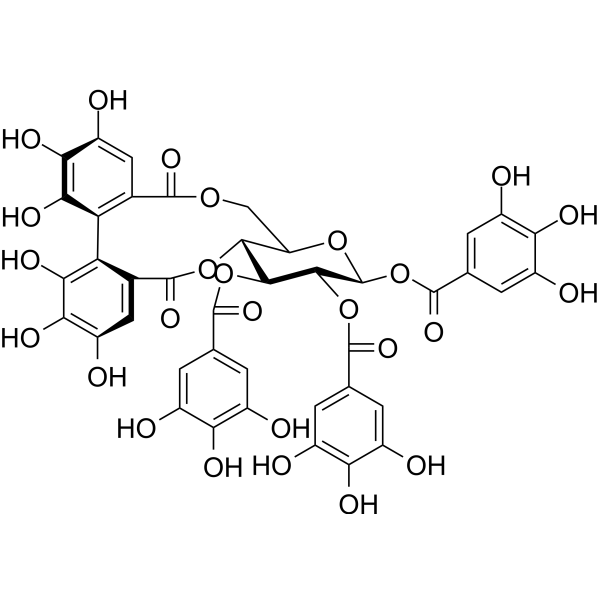
    Tellimagrandin II (Eugeniin), with oral activity, is the first intermediate of the ellagitannin series derived from 4C1-glucose. It inhibits the resistance of Staphylococcus aureus by disrupting the integrity of the cell wall, leading to the loss of cytoplasmic contents. Additionally, Tellimagrandin II exhibits anti-inflammatory effects and inhibits acetylcholinesterase (AChE) activity, improving memory impairment. Tellimagrandin II holds potential for research in the fields of antibacterial, anti-inflammatory, and neurodegenerative diseases .
    Tellimagrandin II
  • HY-N2125

    5-HT Receptor iGluR Caspase Interleukin Related TNF Receptor SOD NF-κB Neurological Disease Inflammation/Immunology
    Parishin C is a brain-penetrant major bioactive component found in Gastrodia elata Blume. Parishin C is a 5-HT1A receptor agonist with an EC50 of 34 nM. Parishin C has antipsychotic and neuroprotective effects. Parishin C protects against Aβ-induced long-term potentiation damage and NMDA receptor current impairment. Parishin C reduces oxidative stress, pro-inflammatory cytokine levels, caspase activity, brain water content, and cerebral infarct volume; increases antioxidant enzyme activity and BDNF levels; improves nerve function and histopathological brain damage. Parishin C attenuates phencyclidine-induced immobility time increases, sociability deficits, and visual recognition memory impairment. Parishin C can be used for the research of ischemic stroke, Alzheimer's disease, and schizophrenia-like psychosis .
    Parishin C
  • HY-15114
    S 17092
    1 Publications Verification

    S 17092-1

    Prolyl Endopeptidase (PREP) Apoptosis Neurological Disease
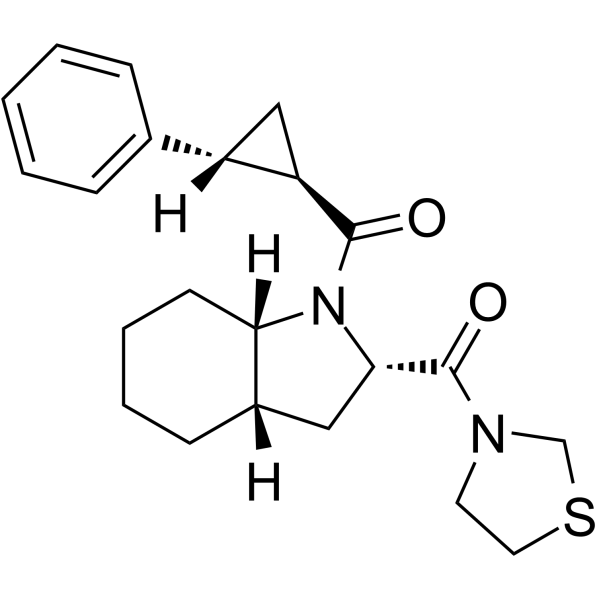
    S 17092 (S 17092-1) is an orally active cerebral prolyl-endopeptidase (PEP) inhibitor with an IC50 of 1.2 nM. S 17092 inhibits cell apoptosis. S 17092 mechanism of action is to inhibit the activity of PEP, slowing down the degradation of neuroactive peptides and thus enhancing memory function. S 17092 can be used for the research of memory impairment and cognitive disorders associated with cerebral aging .
    S 17092
  • HY-108679
    WAY-267464 hydrochloride
    2 Publications Verification

    Oxytocin Receptor Neurological Disease
    WAY-267464 (hydrochloride) is a non-peptide oxytocin receptor (OTR) agonist. WAY-267464 (hydrochloride) can impair social recognition memory in rats through a vasopressin 1A receptor antagonist action. WAY-267464 (hydrochloride) can be used for the research of psychiatric disorders, such disorders include autism spectrum disorder, schizophrenia, and social anxiety disorder .
    WAY-267464 hydrochloride
  • HY-146086

    Keap1-Nrf2 Reactive Oxygen Species (ROS) Neurological Disease Inflammation/Immunology
    Nrf2 activator-4 (Compound 20a) is a highly potent, orally active Nrf2 activator with an EC50 of 0.63 µM. Nrf2 activator-4 suppresses reactive oxygen species against oxidative stress in microglia. Nrf2 activator-4 effectively recovers the learning and memory impairment in a scopolamine-induced mouse model .
    Nrf2 activator-4
  • HY-B0265A

    (R)-BAY-e 9736

    Calcium Channel Cardiovascular Disease Neurological Disease
    (R)-Nimodipine ((R)-BAY-e 9736) is an orally active, blood-brain barrier-permeable L-type calcium channel blocker with an IC50 of 5 nM. (R)-Nimodipine inhibits corticosterone release by blocking calcium channels on the hypothalamic-pituitary-adrenal axis, thereby reversing immobilization stress-induced memory impairment and behavioral abnormalities. (R)-Nimodipine is widely used in studies related to aneurysmal subarachnoid hemorrhage, cerebral ischemia, epilepsy, age-related degenerative neurological diseases, and alcohol intoxication .
    (R)-Nimodipine
  • HY-142066

    PKA ERK iGluR Neurological Disease
    4′-Demethylnobiletin is a bioactive metabolite that activates the PKA/ERK/CREB signaling pathway, enhances CRE-mediated transcription in hippocampal neurons, and reverses memory impairment associated with NMDA receptor antagonism by stimulating ERK signaling .
    4′-Demethylnobiletin
  • HY-I0020

    (-)-Narwedine; Narwedin

    Cholinesterase (ChE) Neurological Disease
    Galanthaminone (Narwedin) is a competitive and reversible cholinesterase (AChE) inhibitor; is used for the treatment of mild to moderate Alzheimer's disease and various other memory impairments.
    Galanthaminone
  • HY-P2497
    Exendin (5-39)
    1 Publications Verification

    GCGR Neurological Disease
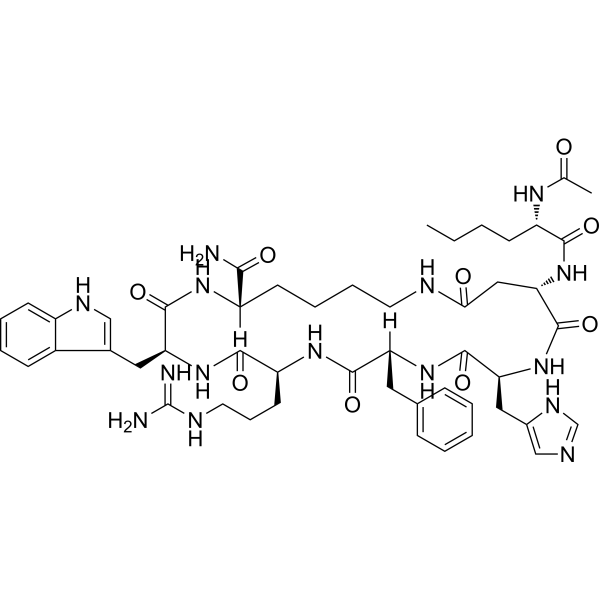
    Exendin (5-39) is a potent glucagon-like peptide 1 (GLP-1) receptor antagonist. Exendin (5-39) improves memory impairment in β-amyloid protein-treated rats .
    Exendin (5-39)
  • HY-N4268

    Others Neurological Disease
    Tenuifoliside B, a component isolated from Polygalae Radix, inhibits potassium cyanide (KCN)-induced hypoxia and scopolamine-induced memory impairment. Tenuifoliside B shows potential cognitive improvement and cerebral protective effects. Tenuifoliside B has potential to become an anti-AD lead compound .
    Tenuifoliside B
  • HY-113616A

    MARCKS mAChR Neurological Disease
    VU0364572 TFA is an orally active and selective allosteric agonist of the M1 muscarinic receptor with an EC50 of 0.11 μM. VU0364572 TFA has neuroprotective potential for preventing memory impairments and reducing neuropathology in Alzheimer’s Disease. VU0364572 TFA is CNS penetrant .
    VU0364572 TFA
  • HY-146005

    Microtubule/Tubulin Neurological Disease Inflammation/Immunology
    Tau-aggregation and neuroinflammation-IN-1 is a potent tau-aggregation and neuroinflammation inhibitor. Tau-aggregation and neuroinflammation-IN-1 exhibits remarkable inhibitory activities against AcPHF6 and full-length tau aggregation. Tau-aggregation and neuroinflammation-IN-1 has a low cytotoxicity and reduced NO release in LPS-stimulated BV2 cells. Tau-aggregation and neuroinflammation-IN-1 can reverse okadaic acid-induced memory impairment in rats .
    Tau-aggregation and neuroinflammation-IN-1
  • HY-W014941

    Histamine Receptor Neurological Disease
    (R)-(-)-α-Methylhistamine dihydrochloride is a potent, selective and brain-penetrant agonist of H3 histamine receptor, with a Kd of 50.3 nM . (R)-(-)-α-Methylhistamine dihydrochloride can enhance memory retention, attenuates memory impairment in rats .
    (R)-(-)-α-Methylhistamine dihydrochloride
  • HY-101260

    Orexin Receptor (OX Receptor) Neurological Disease
    DORA-22 is an orally active dual orexinergic receptor antagonist, and improves the sleep disruption and memory impairment. DORA-22 can be used for study of insomnia .
    DORA-22
  • HY-P1025A

    Neuropeptide Y Receptor Cardiovascular Disease Neurological Disease
    M40 TFA is the TFA salt form of M40. M40 TFA is an antagonist or a weak agonist for galanin receptor depending on different subtypes of galanin receptors in the brain, hypothalamus, hippocampus, amygdala and pancreas .
    M40 TFA
  • HY-139973

    Amyloid-β Neurological Disease
    OAB-14, is a Bexarotene (HY-14171) derivative, improves Alzheimer's disease-related pathologies and cognitive impairments by increasing β-amyloid clearance in APP/PS1 mice. OAB-14 effectively ameliorates the dysfunction of the endosomal-autophagic-lysosomal pathway in APP/PS1 transgenic mice .
    OAB-14
  • HY-135525

    Dopamine Receptor Adrenergic Receptor Neurological Disease Inflammation/Immunology
    Agroclavine acts as an agonist of the D1-dopamine receptor and α1-adrenergic receptor. Agroclavine enhances the sensitivity of the brain to magnetic fields; it impairs spatial memory without affecting hippocampal long-term potentiation (LTP). Agroclavine exerts bidirectional regulatory effects on immune activity: it enhances NK cell activity with low toxicity under normal conditions, while it inhibits NK cell activity and exhibits significant cardiac and hepatic toxicity under stress conditions. Agroclavine can be used for research on neuroelectrophysiology, learning and memory, and immunoregulation .
    Agroclavine
  • HY-A0287

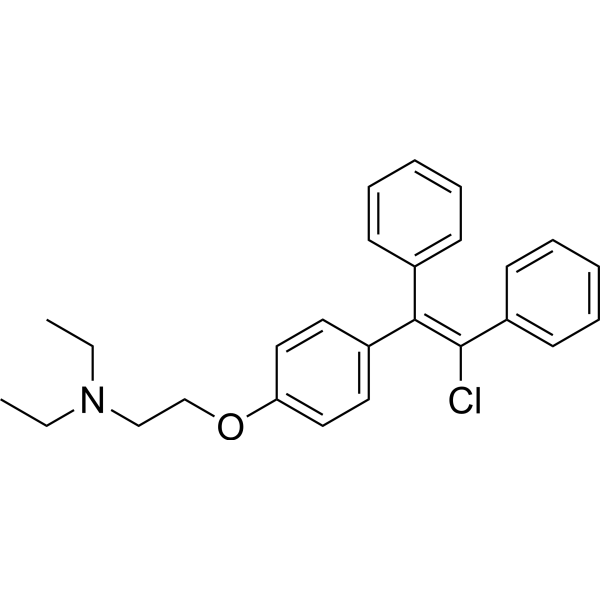
    Clomifene; (Z/E)-Enclomiphene; (Z/E)-Enclomifene

    Estrogen Receptor/ERR Metabolic Disease Cancer
    Clomiphene (Clomifene; (Z/E)-Enclomiphene; (Z/E)-Enclomifene) is an orally active ovulation-inducing agent. Clomiphene binds to hypothalamic estrogen receptors to elevate FSH levels, and exhibits antiestrogenic or estrogenic properties. Clomiphene can induce erturbations during meiotic maturation and cytogenetic abnormalities in mouse oocytes. Clomiphene ameliorates memory impairment in PCOS models. Clomiphene mobilizes cytosolic calcium and reduces viability in prostate cancer cells. Clomiphene can be used for the research of polycystic ovary syndrome (PCOS) and prostate cancer .
    Clomiphene
  • HY-100999

    Histamine Receptor Neurological Disease
    (R)-(-)-α-Methylhistamine dihydrobromide is a potent, selective and brain-penetrant agonist of H3 histamine receptor, with a Kd of 50.3 nM . (R)-(-)-α-Methylhistamine dihydrobromide can enhance memory retention, attenuates memory impairment in rats .
    (R)-(-)-α-Methylhistamine dihydrobromide
  • HY-153416

    Amyloid-β Neurological Disease
    QR-0217 is a potent Aβ1-40 aggregation inhibitor with an IC50 value of 7.5 µM. QR-0217 inhibits α-synuclein aggregation. QR-0217 reduces memory impairments caused by Aβ neurotoxicity .
    QR-0217
  • HY-153369

    BAY 1165747

    Guanylate Cyclase Cardiovascular Disease Neurological Disease
    BAY-747 (BAY 1165747) is an orally active and brain-penetrant stimulator of soluble guanylate cyclase (sGC). BAY-747 reverses L-NAME induced memory impairments and enhances cognition of rats in the object location task (OLT). BAY-747 also decreases blood pressure in both conscious normotensive and spontaneously hypertensive rats (SHR). BAY-747 improves function of the skeletal muscle associated with Duchenne muscular dystrophy (DMD) in mdx/mTRG2 mice model .
    BAY-747
  • HY-118642

    Cholinesterase (ChE) Reactive Oxygen Species (ROS) Cardiovascular Disease Neurological Disease
    D-Ribose-L-cysteine ​​is an orally active cysteine ​​analog. D-Ribose-L-cysteine ​​improves cellular antioxidant capacity by enhancing intracellular glutathione (GSH) biosynthesis. In addition, D-Ribose-L-cysteine ​​has a memory-enhancing effect and can reverse Scopolamine (HY-N0296)-induced memory impairment by inhibiting oxidative stress and acetylcholinesterase (AChE) activity. D-Ribose-L-cysteine ​​can be used in the study of neurodegenerative and cardiovascular diseases .
    D-Ribose-L-cysteine
  • HY-136092

    Cytochrome P450 Neurological Disease Endocrinology
    Androsta-1,4,6-triene-3,17-dione is a lipophilic and specific aromatase inhibitor with a Ki of 0.18 μM. Androsta-1,4,6-triene-3,17-dione inhibits estrogen biosynthesis and shows antifertility effects. Androsta-1,4,6-triene-3,17-dione induces impairment of spatial memory .
    Androsta-1,4,6-triene-3,17-dione
  • HY-W097570
    Sulfamonomethoxine sodium
    1 Publications Verification

    Antibiotic Bacterial Infection Neurological Disease
    Sulfamonomethoxine sodium is an orally active broad-spectrum synthetic sulfonamide antibiotic that inhibits dihydropteroate synthetase. Sulfamonomethoxine sodium increases blood glucose levels, induces anxiety-related activities and impairs spatial learning and memory. Sulfamonomethoxine sodium can be used for the research of anxiety, spatial memory impairment, colisepticemia, salmonellosis, and staphylococcus infection .
    Sulfamonomethoxine sodium
  • HY-P1025

    Neuropeptide Y Receptor Cardiovascular Disease Neurological Disease
    M40 is an antagonist or a weak agonist for galanin receptor depending on different subtypes of galanin receptors in the brain, hypothalamus, hippocampus, amygdala and pancreas .
    M40
  • HY-113616

    mAChR MARCKS Neurological Disease
    VU0364572 is a selective allosteric agonist of the M1 muscarinic receptor with an EC50 of 0.11 μM. VU0364572 has neuroprotective potential for preventing memory impairments and reducing neuropathology in Alzheimer’s Disease. VU0364572 is orally active and is CNS penetrant .
    VU0364572
  • HY-P2712

    Chemerin148–156, mouse

    Chemerin Receptor Cardiovascular Disease Neurological Disease Inflammation/Immunology
    Chemerin-9, mouse (Chemerin148-156, mouse) is a C-terminal nonapeptide of chemerin. Chemerin-9, mouse is a ligand for ChemR23 (EC50 = 42 nM). Chemerin-9, mouse reduces basal lipolysis in primary mouse white adipocytes(IC50 = 3.3 nM). Chemerin-9, mouse enhances memory and relieves Aβ1-42-induced memory impairment in AD mice. Chemerin-9, mouse also inhibits atherogenesis .
    Chemerin-9, mouse
  • HY-155822

    Cholinesterase (ChE) Apoptosis Caspase Neurological Disease
    TZ3O is an anticholinergic agent with neuroprotective effects. TZ3O inhibits acetylcholinesterase (AChE) activity in human plasma with an IC50 of 304.5 μM. TZ3O can improve memory impairment and cognitive decline in rats in the Scopolamine (HY-N0296)-induced Alzheimer-type model. TZ3O could be used in Alzheimer’s research .
    TZ3O

Inquiry Online

Your information is safe with us. * Required Fields.

Salutation


Country or Region *

Applicant Name *


Organization Name *

Department *


Email Address *


Product Name *

Cat. No.


Requested quantity *

Phone Number *


Remarks

Inquiry Online

Inquiry Information

Product Name:
Cat. No.:
Quantity:
MCE Japan Authorized Agent:

