1. Search Result
Search Result
Results for "

metal

" in MedChemExpress (MCE) Product Catalog:

3479

Inhibitors & Agonists

1

Screening Libraries

38

Fluorescent Dyes

175

Biochemical Assay Reagents

28

Peptides

2

MCE Kits

56

Natural
Products

10

Recombinant Proteins

33

Isotope-Labeled Compounds

10

Antibodies

12

Click Chemistry

7

Oligonucleotides

1

GMP Molecules

Targets Recommended:
Cat. No. Product Name Target Research Areas Chemical Structure
  • HY-B1335
    Pentetic acid
    3 Publications Verification

    Diethylenetriaminepentaacetic acid; DTPA

    Environmental Pollutants Biochemical Assay Reagents Others
    Pentetic acid (Diethylenetriaminepentaacetic acid) is an orally active compound with biodegradability used to construct magnetic adsorbent, which can simultaneously remove heavy metal and dye from complex wastewater. Pentetic acid can form strong metal complexes, which prevents metal ions from catalysing the decomposition of peroxygen chemicals, especially hydrogen peroxide .
    Pentetic acid
  • HY-17624
    Framycetin
    1 Publications Verification

    Neomycin B; Fradiomycin B

    Bacterial Antibiotic Infection
    Framycetin (Neomycin B), an aminoglycoside antibiotic, is a potent RNase P cleavage activity inhibitor with a Ki of 35 μM. Framycetin competes for specific divalent metal ion binding sites in RNase P RNA. Framycetin inhibits hammerhead ribozyme with a Ki of 13.5 μM. Framycetin, a 5″-azido neomycin B precursor, binds the Drosha site in miR-525 and is used for hepatic encephalopathy and enteropathogenic E. coli infections .
    Framycetin
  • HY-D0261
    Tiron
    1 Publications Verification

    Biochemical Assay Reagents Apoptosis Metabolic Disease Inflammation/Immunology Cancer
    Tiron is a non-toxic chelator of a variety of metals. Tiron is cell permeable analog of vitamin E and function as hydroxyl radical and superoxide scavenger. Tiron is an orally active antioxidant. Tiron can be used to alleviate acute metal overload in animals .
    Tiron
  • HY-16739

    NBMI; BDTH2

    Cuproptosis Reactive Oxygen Species (ROS) Inflammation/Immunology Cancer
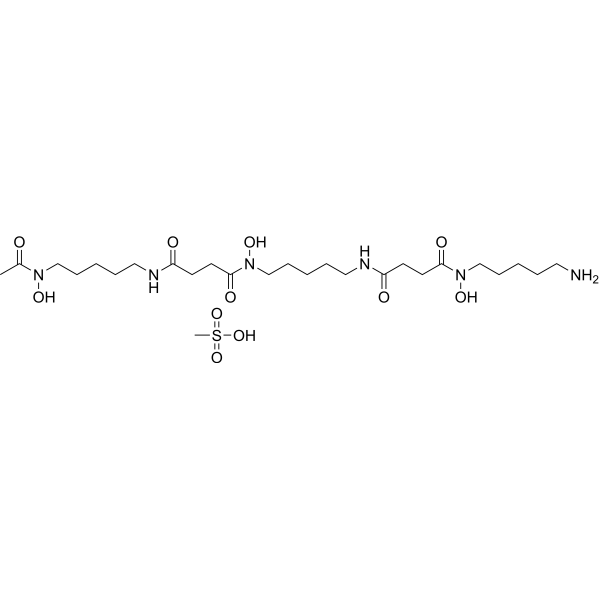
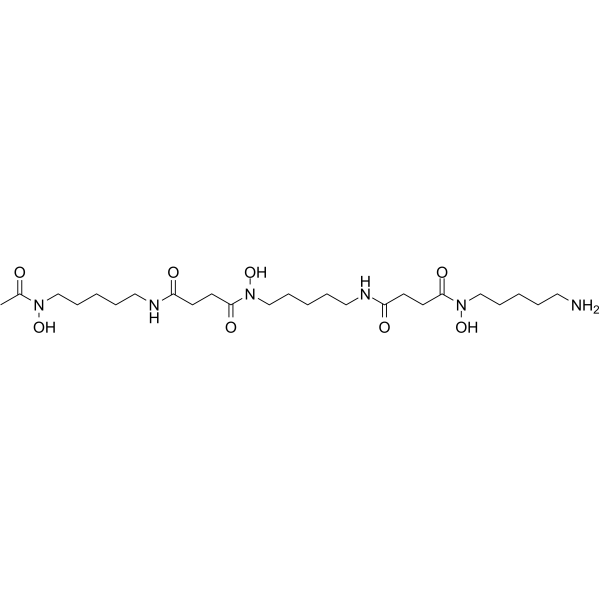
    Emeramide is a thiol-redox antioxidant and heavy metal chelator .
    Emeramide
  • HY-N4084

    Apoptosis Cancer
    Thonningianin A, an ellagitannin, is isolated from the methanolic extract of the African medicinal herb, Thonningia sanguinea. The antioxidant properties of Th A involve radical scavenging, anti-superoxide formation and metal chelation. Anti-cancer activities .
    Thonningianin A
  • HY-17624A
    Framycetin sulfate
    1 Publications Verification

    Neomycin B sulfate; Fradiomycin B sulfate

    Antibiotic Bacterial Infection
    Framycetin sulfate (Neomycin B sulfate), an aminoglycoside antibiotic, is a potent RNase P cleavage activity inhibitor with a Ki of 35 μM. Framycetin sulfate competes for specific divalent metal ion binding sites in RNase P RNA. Framycetin sulfate inhibits hammerhead ribozyme with a Ki of 13.5 μM. Framycetin sulfate, a 5″-azido neomycin B precursor, binds the Drosha site in miR-525 and is used for hepatic encephalopathy and enteropathogenic E. coli infections .
    Framycetin sulfate
  • HY-128370

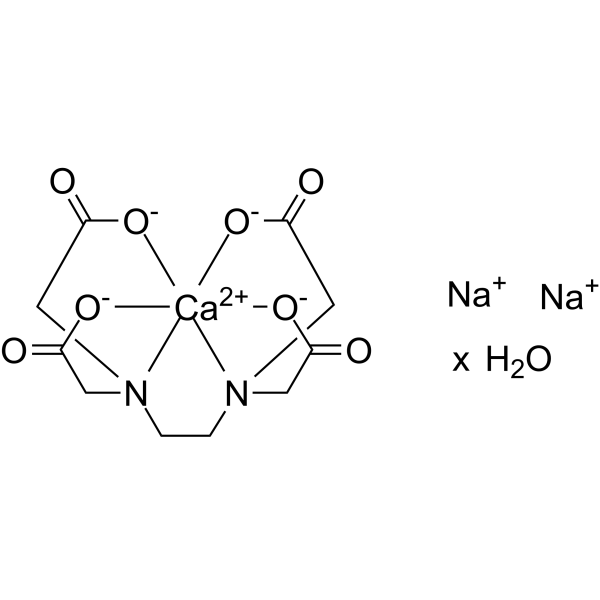
    Ca-DTPA trisodium salt hydrate

    CMV Infection
    Calcium trinatrium diethylenetriaminepentaacetic acid hydrate (Ca-DTPA trisodium salt hydrate) is a metal chelator and a useful antidote (such as acute cadmium intoxication). Diethylenetriaminepentaacetic acid calcium trisodium salt hydrate is a nontoxic inhibitor of CMV replication .
    Calcium trinatrium diethylenetriaminepentaacetic acid hydrate
  • HY-W076836

    p-aminobenzaldehyde

    Biochemical Assay Reagents Others
    4-Aminobenzaldehyde (p-aminobenzaldehyde) is a useful synthetic reagent and monomer that can be used to synthesize monoazo dyes and photocurable ion exchange resins. 4-Aminobenzaldehyde is also a corrosion inhibitor of metals .
    4-Aminobenzaldehyde
  • HY-118159

    DPPP

    Fluorescent Dye Others
    Diphenyl-1-pyrenylphosphine (DPPP) is a functional organic molecule with both fluorescent properties and metal coordination ability, which is commonly used in materials and coordination chemistry research. Upon exposure to ultraviolet light, Diphenyl-1-pyrenylphosphine undergoes photoinduced phosphorus atom oxidation to form O-DPPP, triggering a transition from aggregation-induced emission (AIE) to aggregation-caused quenching (ACQ). Diphenyl-1-pyrenylphosphine reacts stoichiometrically with lipid hydroperoxides to produce fluorescent diphenyl-1-pyrenylphosphine oxide. Diphenyl-1-pyrenylphosphine can insert into cell membranes to monitor lipid peroxidation processes in living cells .
    Diphenyl-1-pyrenylphosphine
  • HY-W129633

    DCIP sodium hydrate; DPIP sodium hydrate

    Biochemical Assay Reagents Others
    2,6-Dichlorophenolindophenol (DCIP; DPIP) sodium hydrate is a redox chromogenic indicator with a redox potential of +217 mV relative to SHE, and it acts as a substrate for reduction reactions. During the metabolic process of nutrient consumption by Saccharomyces cerevisiae, 2,6-Dichlorophenolindophenol sodium hydrate is reduced from dark blue to colorless, resulting in a decrease in absorbance. 2,6-Dichlorophenolindophenol sodium hydrate is widely used in spectrophotometric biochemical oxygen demand determination and preclinical colorimetric toxicity analysis for heavy metal ion detection based on Saccharomyces cerevisiae .
    2,6-Dichlorophenolindophenol sodium hydrate
  • HY-D0836
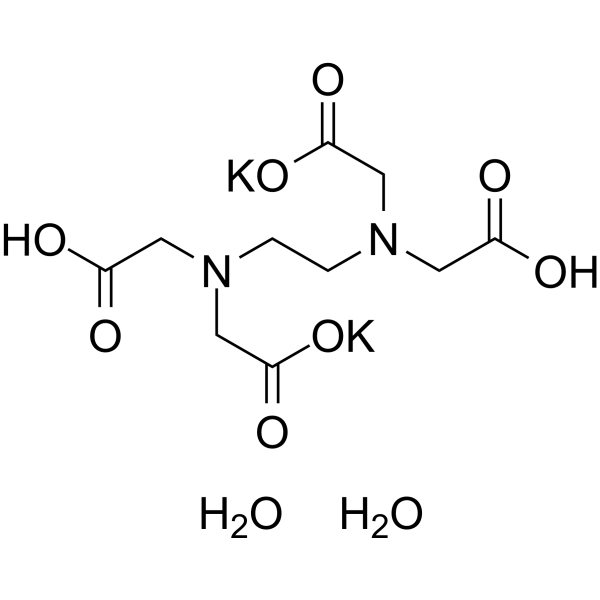
    EDTA dipotassium dihydrate
    25+ Cited Publications

    Ethylenediaminetetraacetic acid dipotassium dihydrate

    DNA/RNA Synthesis Others
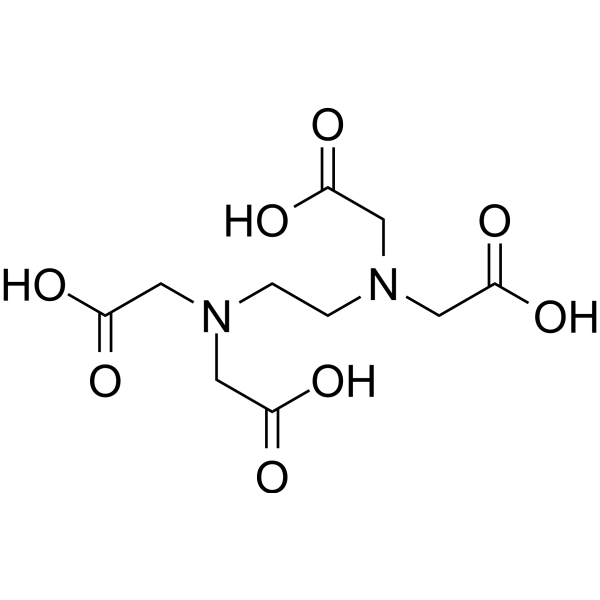
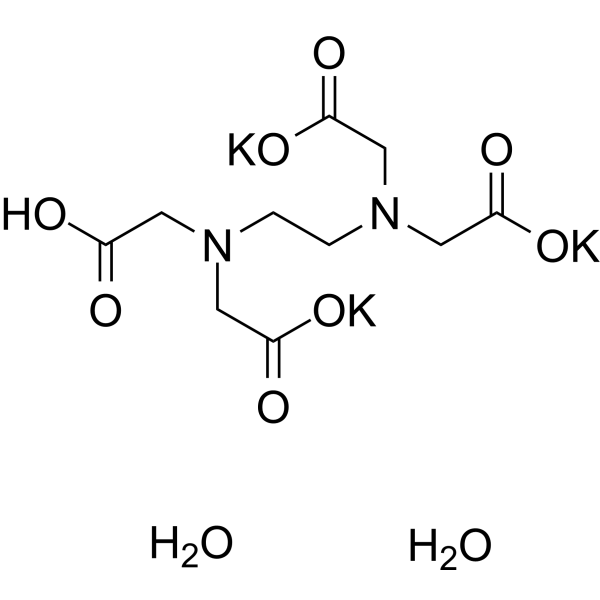
    EDTA dipotassium dihydrate is a metal ion chelator that forms stable and water-soluble chelates with a variety of metal ions. EDTA dipotassium is commonly used as a blood anticoagulant, which can effectively prevent blood coagulation and maintain the morphology and function of cells in blood samples. In the industrial field, EDTA dipotassium can be used to remove the adverse effects of metal ions and prevent oxidation and deterioration caused by metal ions .
    EDTA dipotassium dihydrate
  • HY-W011060

    4,7,13,16,21,24-Hexaoxa-1,10-diazabicyclo[8.8.8]hexacosane

    Biochemical Assay Reagents Others
    Cryptand 2.2.2 (4,7,13,16,21,24-Hexaoxa-1,10-diazabicyclo[8.8.8]hexacosane) is a metal ion chelator. Cryptand 2.2.2 forms stable mononuclear, protonated and dinuclear complexes with copper (II) ions; forms protonated complexes with hydrogen ions; and also forms stable complexes with Zn 2+, Co 2+, Ni 2+, Cd 2+, Hg 2+ and Pb 2+ ions. Cryptand 2.2.2 can be used for the preparation of nanoparticles, transition metal compounds, etc.
    Cryptand 2.2.2
  • HY-W007531

    Biochemical Assay Reagents Others
    2-Fluoro-5-iodopyridine is an electrolyte additive. 2-Fluoro-5-iodopyridine can not only effectively protect the anode by forming a stable SEI film, but also convert dead lithium into active lithium. 2-Fluoro-5-iodopyridine effectively improves the performance of lithium metal batteries .
    2-Fluoro-5-iodopyridine
  • HY-W115738

    Biochemical Assay Reagents Others
    PAR is an azo dye widely used as a colorimetric reagent for metal ions. PAR forms stable chelates with different metal ions. PAR can also complex with heavy metal ions in polar organic solvents, such as ethanol .
    PAR
  • HY-Y0032
    Thiosemicarbazide
    1 Publications Verification

    Orthopoxvirus Infection Others Cancer
    Thiosemicarbazide is a vitamin B6 antagonist with anti-acne activity. Thiosemicarbazide is also a well-known source in the synthesis of heterocycles, and its derivatives have potential anticancer activity. Thiosemicarbazide (TSC: HL1) reacts with metal salts, urea (U), to prepare Co(II) and Cu(I) metal complexes. Thiosemicarbazide is also used in the fields of media communications and optical storage, and in the spectrophotometric detection of metals .
    Thiosemicarbazide
  • HY-W013205

    Biochemical Assay Reagents Others
    Bis(4-nitrophenyl) phosphate is a catalyst for metal micelles and can catalyze the hydrolysis of (4-nitrophenyl) phosphate. Bis(4-nitrophenyl) phosphate is also an effective catalyst for ring-opening polymerization (ROP), which can achieve controlled polymerization of β-butyrolactone (β-BL) ring-opening and can be used to prepare diembedded polymers without quenching. segment copolymer .
    Bis(4-nitrophenyl) phosphate
  • HY-Y0537C

    Potassium chloride, suitable for the extraction and solubilization of proteins

    Environmental Pollutants Biochemical Assay Reagents Others
    Potassium chloride, ≥99.99% trace metals basis (Potassium chloride, suitable for the extraction and solubilization of proteins), is an inorganic salt used in the preparation of phosphate buffers. With very low metal impurity content, it is suitable for protein extraction and dissolution.
    Potassium chloride, ≥99.99% trace metals basis
  • HY-W012683

    Biochemical Assay Reagents Cancer
    Iminodiacetic acid is a metal ion chelator targeting Cr 6+, Cd 2+, Ni 2+, and Pb 2+. Iminodiacetic acid selectively and irreversibly binds metal ions through the coordination of carboxyl and imino groups, reduces the toxicity of metal ions and promotes their adsorption and separation. Iminodiacetic acid has the functions of heavy metal ion removal and coordination complex stabilization. Iminodiacetic acid is often used in environmental pollution control (such as heavy metal adsorption in water) and coordination chemistry (such as metal ion detection and separation) research .
    Iminodiacetic acid
  • HY-W030778
    Nitrilotriacetic acid
    1 Publications Verification

    Triglycollamic acid

    Biochemical Assay Reagents Others
    Nitrilotriacetic acid is an orally active chelating agent for metal ions. Nitrilotriacetic acid is an aminotricarboxylic acid that can sequester metal ions as water soluble complexes. Nitrilotriacetic acid reacts with strong oxidizing agents such as hypochlorite, chlorine, ozone, or oxygen in the presence of palladium/carbon catalyst. Nitrilotriacetic acid interacts with solid phases such as cell membranes and bone matrices in the mammalian system. Nitrilotriacetic acid is classified as an epigenetic rodent carcinogen .
    Nitrilotriacetic acid
  • HY-137296
    Lumogallion
    1 Publications Verification

    Fluorescent Dye Others
    Lumogallion is a highly sensitive fluorescent reagent for the detection of aluminum, gallium and other metals. Lumogallion has an excitation wavelength of 490 nm and an emission spectrum in the range of 520 nm to 650 nm, with a peak near 580 nm .
    Lumogallion
  • HY-126302
    DMT1 blocker 2
    3 Publications Verification

    Ferroportin Metabolic Disease
    DMT1 blocker 2 is a direct inhibitor of divalent metal transporter 1 (DMT1), with an IC50 of 0.83 μM. DMT1 blocker 2 can block iron uptake by enterocytes in vivo .
    DMT1 blocker 2
  • HY-W111692

    Biochemical Assay Reagents Others
    Sodium polyphosphate, crystal,+200 mesh, 96% is an inorganic polyphosphate that also serves as a stabilizer, dispersant, chelating agent, and coacervate-forming agent. Sodium polyphosphate provides electrostatic stabilization for mineral and material suspensions, but its dispersing efficacy decreases under acidic pH, high temperature, high calcium concentration, or a combination of these conditions. Sodium polyphosphate can chelate alkaline earth metals, reduce solution pH, and alter the rate of pH decline at a divalent cation/phosphorus molar ratio of 0.18. Sodium polyphosphate forms coacervates with smaller divalent cations and precipitates with larger divalent cations, where the functional requirements of cations depend on polyphosphate concentration, average degree of polymerization, and cation type .
    Sodium polyphosphate, crystal,+200 mesh, 96%
  • HY-D0179

    Biochemical Assay Reagents Infection Cardiovascular Disease
    Cyclam is a metal chelator that forms metal complexes with a variety of metal ions. Cyclam metal complexes exhibits anti-HIV (such as AMD3100), nitric oxide (NO) releasing and scavenging (such as Zn(II)-Cyclam and Ru(II)-Cyclam), and SOD mimetic (such as Mn(III)-Cyclam and Zn(II)-Cyclam) activities .
    Cyclam
  • HY-D1746
    EDTA-AM
    2 Publications Verification

    EDTA acetoxymethyl ester; Ethylenediaminetetraacetic acid acetoxymethyl ester

    Biochemical Assay Reagents Mitosis Others
    EDTA-AM (ethylenediaminetetraacetic acid, acetoxymethyl ester) is the membrane-permeant form of the metal chelator EDTA (HY-Y0682). Live cells passively load EDTA-AM by incubating with EDTA-AM. Once internalized, cytoplasmic esterase decomposes AM esters, releasing the active ligand EDTA, which isolates metal ions within the cell. EDTA-AM induces an arrest of mitotic progression and chromosome decondensation .
    EDTA-AM
  • HY-W755033

    Biochemical Assay Reagents Radionuclide-Drug Conjugates (RDCs) Others
    NH2-PEG4-DOTA is a bifunctional DOTA chelator with one carboxyl group modified by NH2-PEG4, possessing both a metal-binding domain and a chemically reactive functional group. NH2-PEG4-DOTA can be used for time-resolved fluorescence assays .
    NH2-PEG4-DOTA
  • HY-Y0455

    2-Amino-6-picoline

    Biochemical Assay Reagents Others
    6-Methyl-2-pyridinamine (2-Amino-6-picoline) is a metal coordination ligand. 6-Methyl-2-pyridinamine is promising for research of is promising for research of metal-organic frameworks (MOFs) and functional coordination polymers .
    6-Methyl-2-pyridinamine
  • HY-W036410
    Aminopropyltrimethoxysilane
    1 Publications Verification

    3-Aminopropyltrimethoxysilane

    Environmental Pollutants Biochemical Assay Reagents Others
    Aminopropyltrimethoxysilane (APTMS) is a silane coupling agent. Aminopropyltrimethoxysilane couples with Tosylcellulose. Aminopropyltrimethoxysilane improves the thermal stability of the material. Aminopropyltrimethoxysilane can be used in the preparation of GNBP substrates .
    Aminopropyltrimethoxysilane
  • HY-Y1102A

    Environmental Pollutants Biochemical Assay Reagents Others
    Copper(II) acetate, 99.99% trace metals basis is a dinuclear metal complex that can be used a source of copper and oxidizing agent in inorganic synthesis, and as a catalyst in organic synthesis .
    Copper(II) acetate, 99.99% trace metals basis
  • HY-P3320

    PC 3

    Biochemical Assay Reagents Others
    Phytochelatin 3 (PC 3) is the small metal chelating peptide that can be used for chelating heavy metals. Phytochelatin 3 is a short metal detoxification peptide made from the sulfur-rich molecule glutathione. Phytochelatin 3 can be found in different sources including plant, fungal, algal, and bacterial species, as a detoxification mechanism in response to heavy metal exposure. Phytochelatin 3 plays an important metabolic role in plants .
    Phytochelatin 3
  • HY-165576

    HOPO 14-1

    Biochemical Assay Reagents Others
    3,4,3-LI(1,2-HOPO) (HOPO 14-1) is a metal chelating agent. 3,4,3-LI(1,2-HOPO) exhibits extremely high affinity for lanthanide metal ions .
    3,4,3-LI(1,2-HOPO)
  • HY-P3322

    PC 5

    Biochemical Assay Reagents Others
    Phytochelatin 5 is metal-binding compound produced by plants. Phytochelatin 5 may reduce bioavailability of dietary toxic metals such as cadmium .
    Phytochelatin 5
  • HY-W582504

    CuCl(TPP)3

    DNA Stain Bacterial Fungal Infection Cancer
    Chlorotris(triphenylphosphine)copper (CuCl(TPP)₃) is a DNA-targeted metal complex. Chlorotris(triphenylphosphine)copper involves non-covalent interactions (such as groove binding mode) through the copper(I) center to affect DNA function, showing inhibitory activity against bacteria, fungi, and tumor cells. Chlorotris(triphenylphosphine)copper is promising for research of antibacterial, antitumor, and antioxidant agents .
    Chlorotris(triphenylphosphine)copper
  • HY-W111522

    di-Sodium hydrogen phosphite, 98%

    Biochemical Assay Reagents Others
    Sodium phosphite dibasic pentahydrate, 98% (di-Sodium hydrogen phosphite, 98%) is an inorganic phosphorus source and an alkali metal salt of phosphorous acid. Sodium phosphite dibasic pentahydrate, 98% acts as a catalyst for the butanetetracarboxylic acid-based crosslinking reaction of cotton cellulose .
    Sodium phosphite dibasic pentahydrate, 98%
  • HY-B1610K

    Biochemical Assay Reagents Others
    Sodium Citrate Buffer, 0.5M, pH 5.5 is a metal chelator and buffering agent. Sodium Citrate Buffer, 0.5M, pH 5.5 requires oxygen to participate in the oxidation process to reduce pink defects in cooked ground turkey, and it does not function via heme iron chelation or iron complex interaction. When mixed with 50% (by vol.) 1,3-dimethylimidazolium methyl sulfate, Sodium Citrate Buffer, 0.5M, pH 5.5 can serve as an aqueous buffering medium to maintain the catalytic efficiency of the hyperthermophilic β-glycosidase CelB for lactose hydrolysis at 80°C, while also acting as a reaction medium for CelB-catalyzed lactose hydrolysis and galactosyltransferase assays .
    Sodium Citrate Buffer, 0.5M, pH 5.5
  • HY-109560

    Zn-DTPA trisodium

    Biochemical Assay Reagents Others
    Pentetate zinc trisodium (Zn-DTPA trisodium) forms stable chelates with metal ions by exchanging zinc for a metal of greater binding capacity .
    Pentetate zinc trisodium
  • HY-W129975

    Boron trioxide,99.98% trace metals basis

    Environmental Pollutants Biochemical Assay Reagents
    Boric anhydride,99.98% trace metals basis (Boron trioxide,99.98% trace metals basis) is a kind of biochemical reagent.
    Boric anhydride
  • HY-W116336B

    Biochemical Assay Reagents Fungal Bacterial Infection Cancer
    Zinc oxide, 99.99% metals basis is a versatile wide-bandgap semiconductor with superior comprehensive properties. Zinc oxide, 99.99% metals basis serves as raw material for Schottky diodes, functional nanostructures, sensors, energy harvesters and photocatalysts for hydrogen production. Zinc oxide, 99.99% metals basis acts as a non-toxic antibacterial agent and selective cytotoxin against multiple bacteria, fungi and spores. Zinc oxide, 99.99% metals basis induces cancer cell death. Zinc oxide, 99.99% metals basis is applicable to drug delivery, biosensing, bioimaging and researches on cancer, microbial infections and skin diseases .
    Zinc oxide, 99.99% metals basis
  • HY-W105699

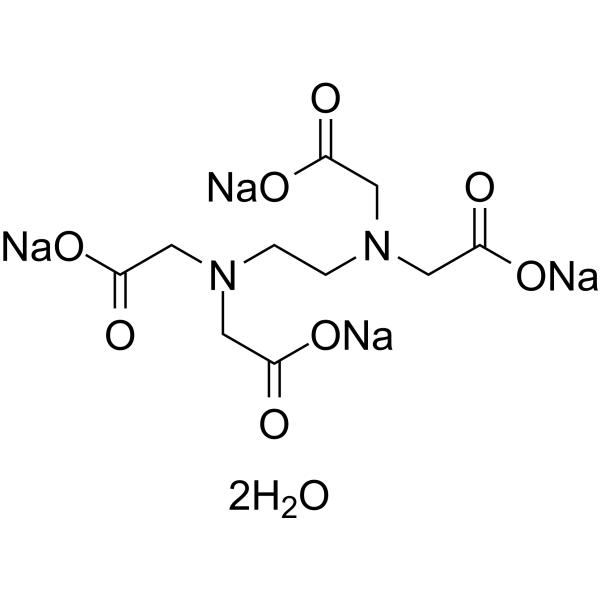
    Ethylenediaminetetraacetic acid tetrasodium tetrahydrate

    Environmental Pollutants Biochemical Assay Reagents Others
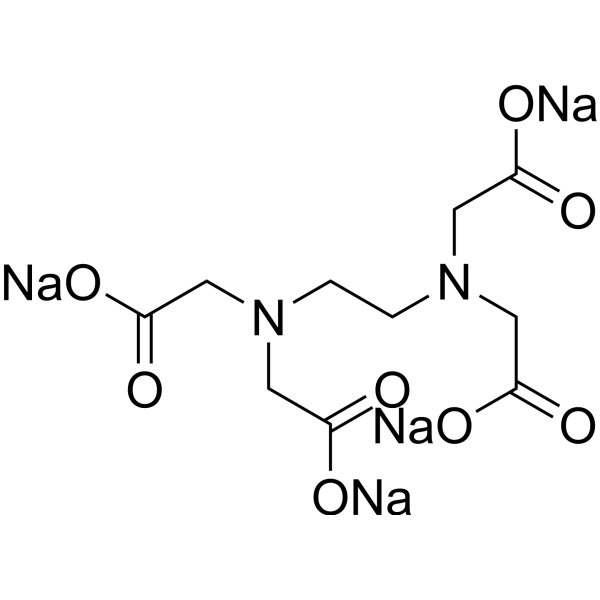
    EDTA tetrasodium tetrahydrate is a metal chelator (binds to metal divalent and trivalent cations including calcium), which shows activities of anticoagulant and anti-hypercalcemic. EDTA tetrasodium tetrahydrate decreases the metal ion-catalyzed oxidative damage to proteins, and allows maintenance of reducing environment during protein purification. EDTA tetrasodium tetrahydrate can also decrease the formation of disulfide bonds .
    EDTA tetrasodium tetrahydrate
  • HY-136941

    MD 1024

    Environmental Pollutants Biochemical Assay Reagents Others
    Antioxidant 1024 (MD 1024) is an antioxidant agent and metal deactivator .
    Antioxidant 1024
  • HY-W110776

    Bis(8-quinolinolato)zinc(II) hydrate; Zinc 8-hydroxyquinolinate

    Biochemical Assay Reagents Others
    Zinc oxinate (Zinc 8-hydroxyquinolinate) is a metal chelator that stabilizes zinc complexes by forming pentacoordinate or hexacoordinate adducts. Zinc oxinate is promising for research of zinc quantification .
    Zinc oxinate
  • HY-149820

    Monoamine Oxidase Neurological Disease
    MAO-B-IN-22 (compound 6h) is a potent MAO-B inhibitor with an IC50 of 0.014 μM. MAO-B-IN-22 has high antioxidant activity, good metal chelating ability, proper BBB permeability and significant neuroprotective effect .
    MAO-B-IN-22
  • HY-117710B

    Cholinesterase (ChE) Amyloid-β ERK TNF Receptor Interleukin Related Neurological Disease
    AD-35 is an orally active anti-Alzheimer's disease (AD) agent with moderate AChE inhibitory activity and metal ion chelating ability. AD-35 exhibits IC50 values for AChE and BuChE of 793 nM and 31428 nM, respectively. AD-35 can form chelates with Cu²⁺ and Fe³⁺, but its chelating ability for Zn²⁺ is relatively weak. AD-35 can inhibit aggregation and disassemble the formed Aβ aggregates, and inhibit Aβ-induced ERK phosphorylation. AD-35 inhibits neuroinflammation in AD rat models and demonstrates a strong effect in improving cognitive function .
    AD-35
  • HY-P3566

    Biochemical Assay Reagents Others
    (D-Lys16)-ACTH (1-24) (human, bovine, mouse, ovine, porcine, rabbit, rat) is the reaction product with gadolinium tetraazacyclododecanetriacetate derivative. (D-Lys16)-ACTH (1-24) (human, bovine, mouse, ovine, porcine, rabbit, rat) involves in preparation of tetraazacyclododecane macrocycle metal complexes for production of conjugates with biomolecules and for use as NMR contrast agents, radiodiagnostic agents and for radioresearch .
    (D-Lys16)-ACTH (1-24) (human, bovine, mouse, ovine, porcine, rabbit, rat)
  • HY-W020940

    Biochemical Assay Reagents Others
    Allylpalladium(II) chloride dimer is an organometallic Pd complexe that can be used as a protein scaffold .
    Allylpalladium(II) chloride dimer
  • HY-132927B

    Reactive Oxygen Species (ROS) Inflammation/Immunology
    Salpyran dihydrochloride is a Cu(II) selective chelator with therapeutic potential. Salpyran dihydrochloride prevents the formation of reactive oxygen species from the binary Cu(II)/H2O2 system .
    Salpyran dihydrochloride
  • HY-Y0689

    MOFs Others
    Thiocarbonyldiimidazole is a metal-organic framework (MOF).
    Thiocarbonyldiimidazole
  • HY-144659

    Beta-lactamase Apoptosis Bacterial Infection
    Metallo-β-lactamase-IN-5 (compound 5c) is a potent metallo-β-lactamases (MBL) inhibitor. Metallo-β-lactamase-IN-5 shows inhibitory activity against MBLs NDM-1 and VIM-1. Metallo-β-lactamase-IN-5 inhibits HUVECs with an IC50 of 45 μg/mL. Metallo-β-lactamase-IN-5 plus Imipenem exhibits synergistic antimicrobial activity .
    Metallo-β-lactamase-IN-5
  • HY-W012683R

    Biochemical Assay Reagents Reference Standards Cancer
    Iminodiacetic acid is a metal ion chelator targeting Cr6+, Cd2+, Ni2+, and Pb2+. Iminodiacetic acid selectively and irreversibly binds metal ions through the coordination of carboxyl and imino groups, reduces the toxicity of metal ions and promotes their adsorption and separation. Iminodiacetic acid has the functions of heavy metal ion removal and coordination complex stabilization. Iminodiacetic acid is often used in environmental pollution control (such as heavy metal adsorption in water) and coordination chemistry (such as metal ion detection and separation) research .
    Iminodiacetic acid (Standard)
  • HY-W129230

    2-Hydroxybenzoic acid diethylamine

    Reactive Oxygen Species (ROS) Others
    Salicylic acid diethylamine (2-Hydroxybenzoic acid diethylamine) is a hormone involved in plant signaling. Salicylic acid diethylamine antagonizes the oxidative damaging effect of metal toxicity directly by acting as an antioxidant to scavenge the ROS and by activating the antioxidant systems of plants and indirectly by reducing uptake of metals from their medium of growth .
    Salicylic acid diethylamine
  • HY-W087962

    Insecticide Others
    Phenylphosphonic acid (Compound 1) is a synthetic pyrethroid insecticide that can effectively control some underground pests. Phenylphosphonic acid also can be a ligand in some metal-catalyzed reactions, which is promising for research of metal phosphonates comprising layered structures and pesticides .
    Phenylphosphonic acid

Inquiry Online

Your information is safe with us. * Required Fields.

Salutation


Country or Region *

Applicant Name *


Organization Name *

Department *


Email Address *


Product Name *

Cat. No.


Requested quantity *

Phone Number *


Remarks

Inquiry Online

Inquiry Information

Product Name:
Cat. No.:
Quantity:
MCE Japan Authorized Agent:

