
16 Results for "

mitochondrial transmembrane potential

" in MedChemExpress (MCE) Product Catalog:
Products (16)

16 Results for "mitochondrial transmembrane potential" in MCE Product Catalog:

2
2 Cited Publications
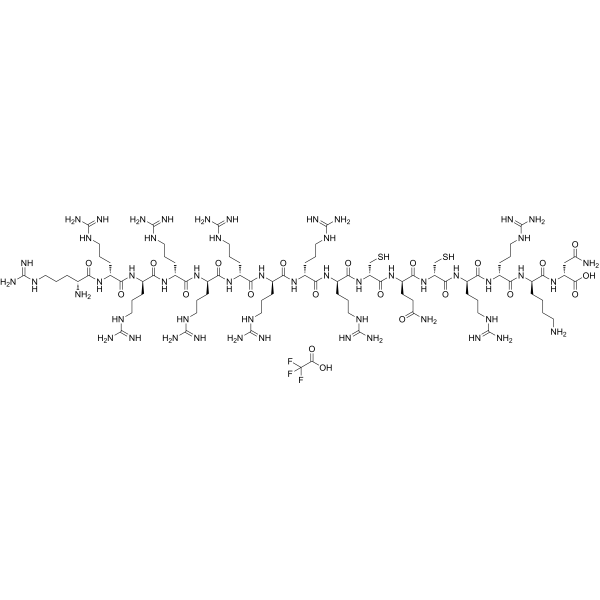
Cat. No.: HY-P1925A
CAS No.: 1222186-26-6
Research Areas:  

Cancer

GO-203 TFA is a potent MUC1-C oncoprotein inhibitor. GO-203 TFA is an all D-amino acid peptide that consists of a poly-R transduction domain linked to a CQCRRKN motif that binds to the MUC1-C cytoplasmic tail and blocks MUC1-C homodimerization. GO-203 TFA downregulates TIGAR (TP53-induced glycolysis and apoptosis regulator) protein synthesis by inhibiting the PI3K-AKT-S6K1 pathway. GO-203 TFA induces the production of ROS and loss of mitochondrial transmembrane potential. GO-203 TFA inhibits the growth of colon cancer cells in vitro and as xenografts in nude mice .
loading...
    loading...
1
1 Cited Publications
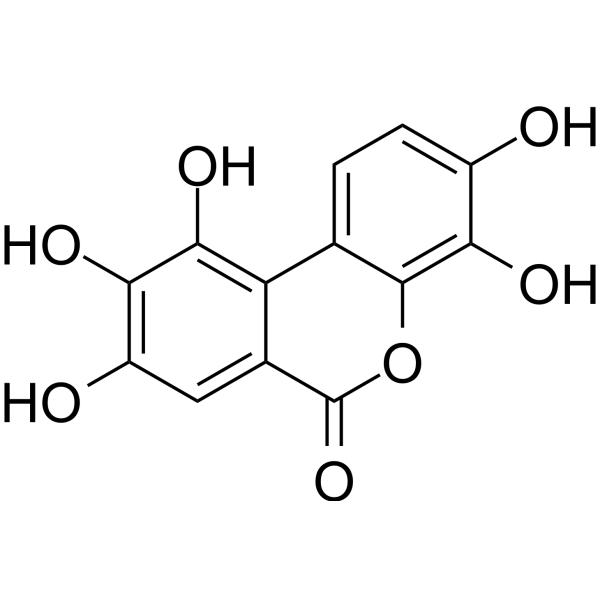
Cat. No.: HY-N7922
CAS No.: 91485-02-8
Synonyms: Decarboxyellagic acid
Urolithin M5 (Decarboxyellagic acid) is an orally active influenza virus neuraminidase inhibitor and neuroprotective agent, with IC50 values of 174.8 μM (HK68), 191.5 μM (pdm09), 243.2 μM (WSN) and 257.1 μM (PR8) against four influenza virus neuraminidases, respectively. Urolithin M5 inhibits viral neuraminidase activity, thereby blocking influenza virus replication (including oseltamivir (HY-13317)-resistant strains), protecting infected mammals from death and improving pulmonary edema. Urolithin M5 forms a hydrogen-bond stabilized complex with IGF1R, and binds to MAPK14, AKT1, NFKB1 and EGFR. Urolithin M5 reduces reactive oxygen species production, inhibits neuronal apoptosis, restores mitochondrial transmembrane potential, and promotes neurite outgrowth of damaged neuronal cells. Urolithin M5 can be used in research related to influenza virus infection and Alzheimer's disease .
loading...
    loading...
1
1 Cited Publications
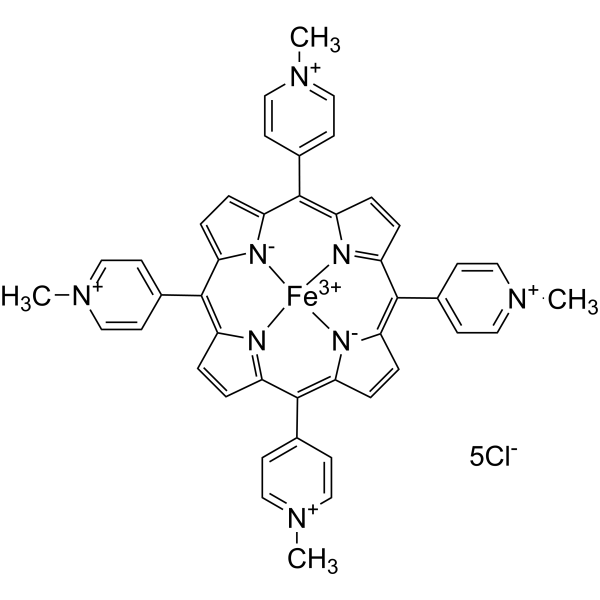
Cat. No.: HY-120380
CAS No.: 133314-07-5
Purity:  99.8%
Target:  

MOFs PARP

Research Areas:  

Neurological Disease

FeTMPyP is an orally active poly (ADP-ribose) polymerase (PARP) inhibitor. FeTMPyP inhibits cell death, nitrotyrosine formation, and depolarization of mitochondrial transmembrane potential. FeTMPyP reduces homocysteine-induced nitrosative stress and partially restores TFEB protein and mRNA levels. FeTMPyP improves functional and behavioral deficits caused by chronic constriction injury in rats. FeTMPyP alleviates acute cerebral infarction in a rat model of middle cerebral artery occlusion with mild hyperglycemia. FeTMPyP can be used in studies related to neuropathic pain, renal aging, ischemic penumbra, and hyperglycemic stroke .
loading...
    loading...
1
1 Cited Publications
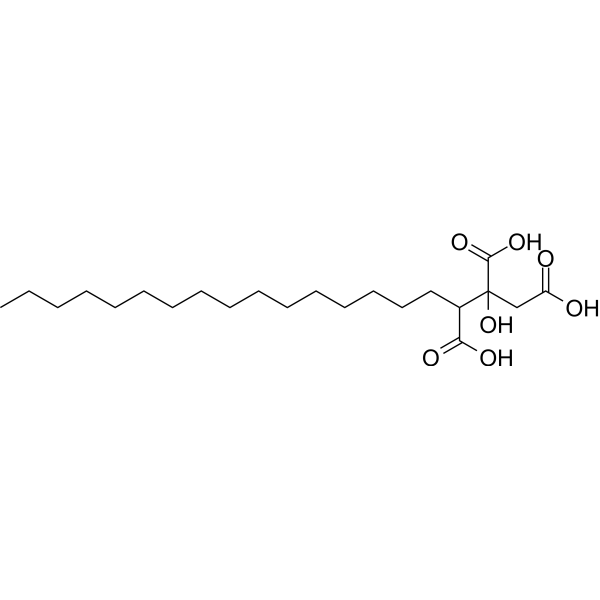
Cat. No.: HY-N4104
CAS No.: 666-99-9
Synonyms: Agaricinic Acid
Agaric acid (Agaricinic Acid) is an orally active inhibitor of adenine nucleotide translocase found in specific fungi. Agaric acid can inhibit the biofilm formation of various bacteria such as Salmonella. Agaric acid can also induce mitochondrial permeability transition, prompting mitochondria to release Ca 2+, disrupting the transmembrane potential, and causing mitochondrial swelling. In addition, Agaric acid can also inhibit citrate transport in liver mitochondria and participate in the inhibition of fatty acid synthesis, affecting multiple metabolic processes .
loading...
    loading...
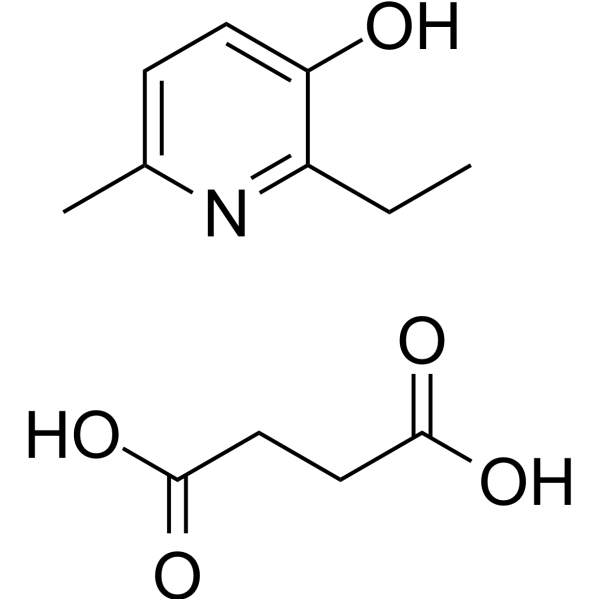
Cat. No.: HY-W002620A
CAS No.: 127464-43-1
Synonyms: 2-Ethyl-3-hydroxy-6-methylpyridine succinate
Emoxypine succinate is an antioxidant. Emoxypine succinate can be used for the research of post-traumatic .
loading...
    loading...
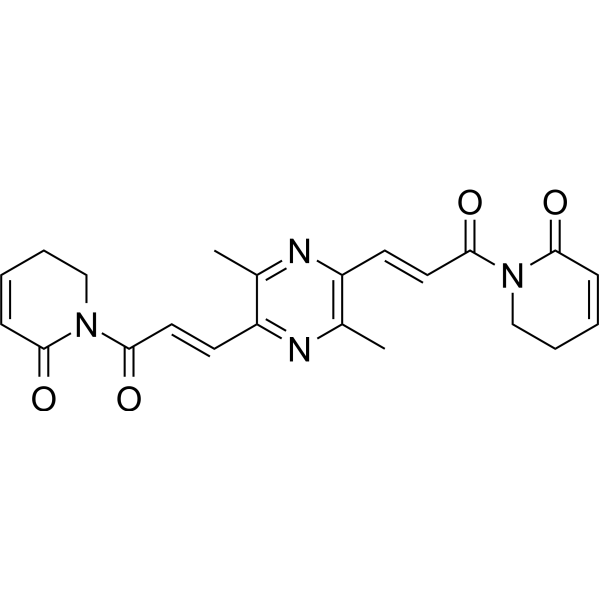
Cat. No.: HY-132972
CAS No.: 2866261-50-7
TrxR-IN-2 is a thioredoxin reductase (TrxR) inhibitor. TrxR-IN-2 increases reactive oxidative species (ROS) levels and decreases mitochondrial transmembrane potential levels. TrxR-IN-2 triggers DNA damage via H2AX regulation, and induces autophagy via LC3, beclin-1, and p62 regulation. TrxR-IN-2 can be used for the research of drug-resistant hepatocellular carcinoma[1].
loading...
    loading...
Cat. No.: HY-157343
CAS No.: 62010-37-1
GD3 Ganglioside is an Apoptosis inducer and a biomarker for mouse neural stem cells. GD3 Ganglioside expresses in neural stem cells and the subventricular zone of the adult mouse brain. GD3 Ganglioside targets the mitochondrial permeability transition pore complex, induces pore opening, dissipates mitochondrial transmembrane potential, triggers Mitochondrial swelling, releases pro-apoptotic factors, and activates Caspase-9. GD3 Ganglioside is applicable to research related to glioblastoma .
loading...
    loading...
Cat. No.: HY-157343A
GD3 Ganglioside sodium is an Apoptosis inducer and biomarker for mouse neural stem cells. GD3 Ganglioside sodium expresses in neural stem cells and the subventricular zone of the adult mouse brain. GD3 Ganglioside sodium targets the mitochondrial permeability transition pore complex, induces pore opening, dissipates mitochondrial transmembrane potential, triggers Mitochondrial swelling, releases pro-apoptotic factors, and activates Caspase-9. GD3 Ganglioside sodium is applicable to research related to glioblastoma .
loading...
    loading...
Cat. No.: HY-157343B
GD3 Ganglioside ammonium is an Apoptosis inducer and biomarker for mouse neural stem cells. GD3 Ganglioside ammonium expresses in neural stem cells and the subventricular zone of the adult mouse brain. GD3 Ganglioside ammonium targets the mitochondrial permeability transition pore complex, induces pore opening, dissipates mitochondrial transmembrane potential, triggers Mitochondrial swelling, releases pro-apoptotic factors, and activates Caspase-9. GD3 Ganglioside ammonium is applicable to research related to glioblastoma .
loading...
    loading...
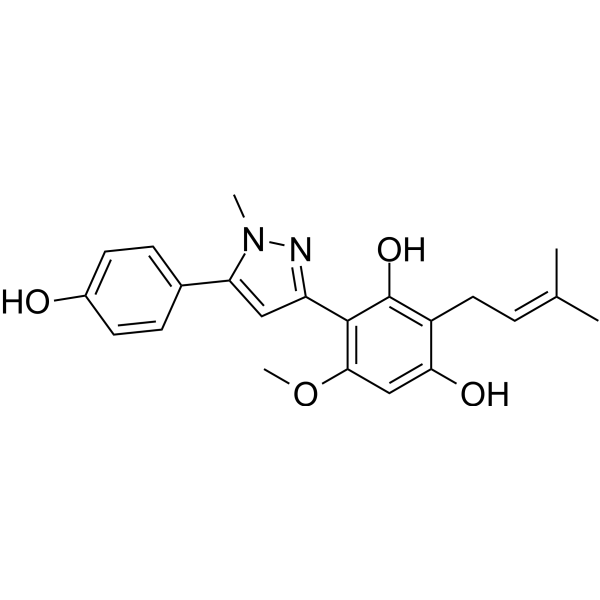
Cat. No.: HY-139994
CAS No.: 2820169-36-4
Synonyms: XP
Research Areas:  

Metabolic Disease

XN methyl pyrazole (XP) is an orally active, blood-brain barrier permeable uncoupler/proton carrier. XN methyl pyrazole uncouples oxidative phosphorylation, depolarizes mitochondrial transmembrane potential, increases energy expenditure, spontaneous activity levels, and cortical inosine monophosphate levels. XN methyl pyrazole reduces plasma purine and energy metabolite levels, improves glucose tolerance, and decreases weight gain, while avoiding potential estrogenic side effects. XN methyl pyrazole can be used in studies related to diet-induced obesity and insulin resistance .
loading...
    loading...
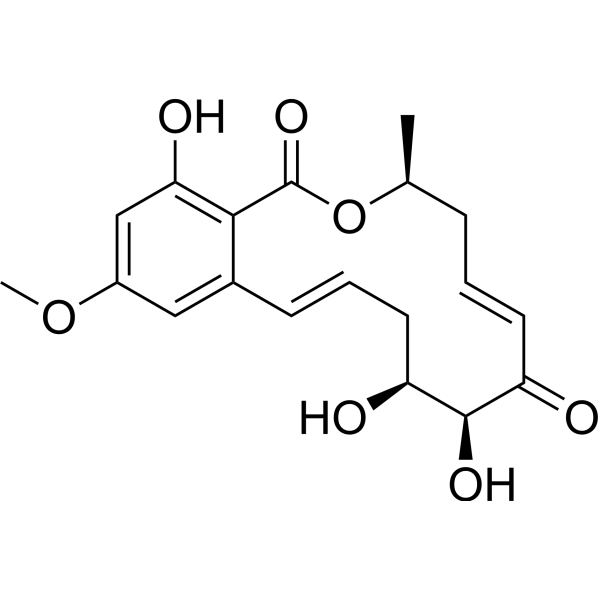
Cat. No.: HY-N8551
CAS No.: 1198574-97-8
Target:  

Bacterial

(5E)-7-Oxozeaenol is an active fungal extract that is cytotoxic. (5E)-7-Oxozeaenol exhibits antibacterial, mitochondrial transmembrane potential, and NF-κB effects .
loading...
    loading...
Cat. No.: HY-N4104R
CAS No.: 666-99-9
Synonyms: Agaricinic Acid (Standard)
Agaric acid (Standard) (Agaricinic Acid (Standard)) is the analytical standard of Agaric acid (HY-N4104). This product is intended for research and analytical applications. Agaric acid (Agaricinic Acid) is an orally active inhibitor of adenine nucleotide translocase found in specific fungi. Agaric acid can inhibit the biofilm formation of various bacteria such as Salmonella. Agaric acid can also induce mitochondrial permeability transition, prompting mitochondria to release Ca 2+, disrupting the transmembrane potential, and causing mitochondrial swelling. In addition, Agaric acid can also inhibit citrate transport in liver mitochondria and participate in the inhibition of fatty acid synthesis, affecting multiple metabolic processes.
loading...
    loading...
Cat. No.: HY-NP0192
Synonyms: WGA (Biotinylated)
Wheat Germ Agglutinin (WGA) (Biotinylated), a type of plant lectin that binds to biotin, is a hevein class N-acetylglucosamine-binding protein found in wheat. Wheat germ agglutinin induces apoptosis in leukemic Jurkat cells via loss of transmembrane potential, mitochondrial membrane disruption, cytochrome c release, and caspase-9 activation . Wheat Germ Agglutinin undergoes surface functionalization with nanoparticles, liposomes, and other carriers for biomedical applications. Wheat Germ Agglutinin can be used as a nanoparticle stabilizer, antifungal agent, and cytotoxic agent .
loading...
    loading...
Cat. No.: HY-181493
Research Areas:  

Cancer

VEGFR-2-IN-81 is a thiazole-based isoquinolin-1(2H)-one derivative and an VEGFR-2 inhibitor with IC50 of 1.94 μM. VEGFR-2-IN-81 exhibits significant selective cytotoxicity against colorectal cancer cells (IC50 = 7.75 μM). VEGFR-2-IN-81 exerts anti-colorectal cancer effects by inducing apoptosis, elevating intracellular ROS levels and reducing mitochondrial transmembrane potential. VEGFR-2-IN-81 can be used for the research of colorectal cancer, lung cancer, breast cancer, liver cancer .
loading...
    loading...
Cat. No.: HY-183716
CAS No.: 2489184-70-3
Target:  

Drug Derivative

Research Areas:  

Cancer

Mito-TP-2 is a triptolide (HY-32735) derivative. Mito-TP-2 exhibits concentration-dependent cytotoxicity in cancer cells. Mito-TP-2 is selectively driven and accumulated into the mitochondria of tumor cells by mitochondrial transmembrane potential and exerts specific mitochondrial toxicity. Mito-TP-2 can be used for the research of liver cancer, breast cancer, and non-small cell lung cancer .
loading...
    loading...
Cat. No.: HY-N19463
CAS No.: 1065-08-3
Dicatenarin is a caspase‑3 activator with growth‑inhibitory activity against human cancer cells. Dicatenarin increases caspase‑3 activity, induces intracellular ROS generation, and activates the mitochondrial‑mediated apoptotic pathway. Dicatenarin exerts growth‑inhibitory effects against a panel of human cancer cell lines. Dicatenarin can be used in research on pancreatic cancer, lung cancer, colon cancer, breast cancer, prostate cancer, and ovarian cancer .
loading...
    loading...
  • 1

