
1. Search Result
Search Result
Pathways Recommended: Stem Cell/Wnt Cell Cycle/DNA Damage
Results for "

mouse fibroblast cells

" in MedChemExpress (MCE) Product Catalog:

77

Inhibitors & Agonists

3

Fluorescent Dyes

1

Biochemical Assay Reagents

11

Peptides

4

Inhibitory Antibodies

13

Natural
Products

2

Oligonucleotides

Cat. No. Product Name Target Research Areas Chemical Structure
  • HY-129630

    Microtubule/Tubulin Neurological Disease Cancer
    Tetrahydrocortisol is a cortisol metabolite that inhibits dexamethasone-induced formation of cross-linked actin networks. Tetrahydrocortisol can be used in the research of primary open-angle glaucoma, glucocorticoid-induced ocular hypertension, Lewis lung carcinoma, and EMT-6 mouse breast cancer .
    Tetrahydrocortisol
  • HY-W145516

    Environmental Pollutants Biochemical Assay Reagents Metabolic Disease
    Guar gum is an orally active nonionic galactomannan polysaccharide. It is present in the endosperm of Cyamopsis tetragonolobus seeds. Guar gum reduces cholesterol levels, regulates body weight, and acts as a thickener and viscosity modifier by forming hydrogen-bonded aqueous solutions. It serves as a rate-controlling excipient in compound delivery systems, and finds applications in the food, tissue engineering, nanosensing and industrial fields .
    Guar gum
  • HY-16160
    Cysmethynil
    1 Publications Verification

    Autophagy ICMT Neurological Disease Cancer
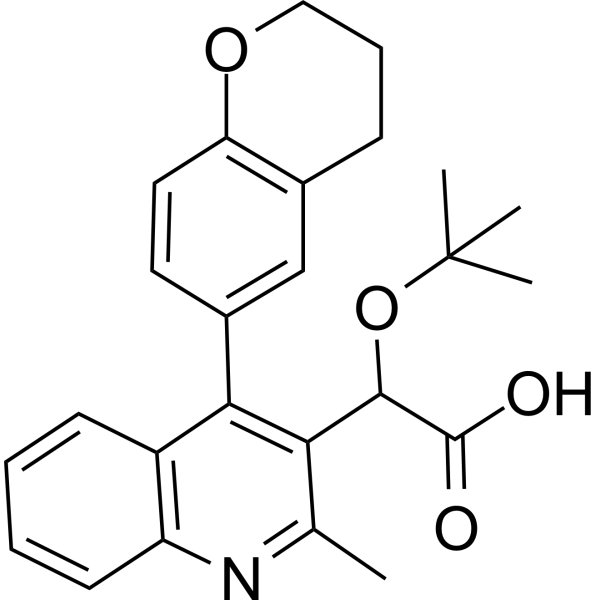
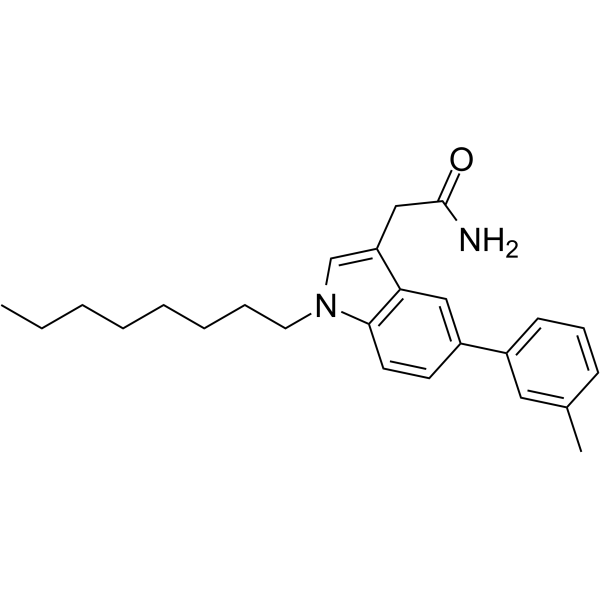
    Cysmethynil is an Icmt inhibitor(IC50 = 2.4 μM). Cysmethynil inhibites RAS membrane binding and EGF signal transduction. Cysmethynil prevents the cells in the G1 phase and induces autophagy. Cysmethynil inhibits PC3 cells proliferation, has synergistic effect with Paclitaxel (HY-B0015) and Doxorubicin (HY-15142A). Cysmethynil has anti-tumor effects and can be used for solid tumor (such as prostate cancer et al.) research .
    Cysmethynil
  • HY-N0008

    Wnt p38 MAPK mTOR Keap1-Nrf2 TGF-β Receptor Neurological Disease Metabolic Disease
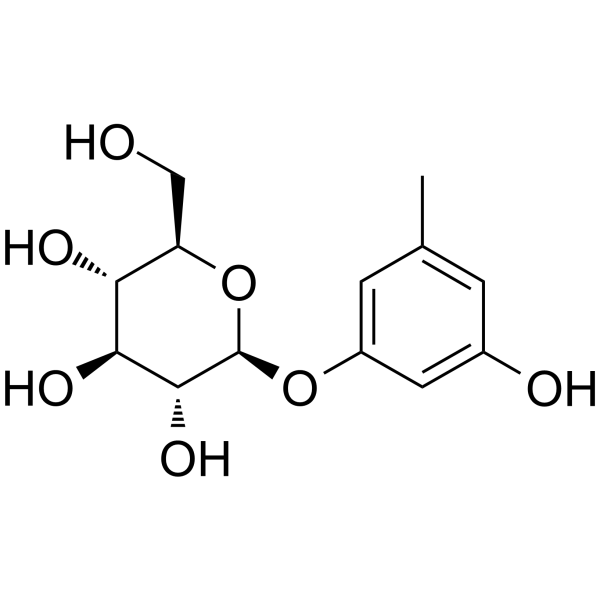
    Orcinol glucoside is an orally active, blood-brain barrier permeable osteoblast proliferation promoter that targets the Nrf2/Keap1, mTOR and p38 signaling pathways. Orcinol glucoside promotes Nrf2 nuclear translocation, upregulates antioxidant enzyme levels, enhances the phosphorylation of mTOR and p70S6K, and inhibits the enzymatic activity of HAS2 as well as the nuclear translocation of GR. Orcinol glucoside also alleviates oxidative stress, inhibits autophagic flux, osteoclastogenesis and TGF-β1-induced M2 polarization, while reducing collagen deposition and effectively promoting the proliferation, differentiation and mineralization of osteoblasts. Orcinol glucoside also exhibits anti-pulmonary fibrosis, anxiolytic and antidepressant activities. Orcinol glucoside can be used in the research of senile and glucocorticoid-induced osteoporosis, idiopathic pulmonary fibrosis (IPF), anxiety and other related diseases .
    Orcinol glucoside
  • HY-13488
    HG-10-102-01
    1 Publications Verification

    LRRK2 MNK Neurological Disease
    HG-10-102-01 is a highly potent, selective, and brain-penetrable LRRK2 inhibitor, with IC50 values of 20.3 and 3.2 nM against wild-type LRRK2 and LRRK2[G2019S], respectively. HG-10-102-01 also inhibits MNK2 and MLK1, with IC50 values of 0.6 and 2.1 μM. HG-10-102-01 can be used for Parkinson's disease (PD) research .
    HG-10-102-01
  • HY-173189A

    2′,5′-ApApA pentasodium; 2′,5′-trioligoadenylate pentasodium; 5'-O-Triphosphoryladenylyl-(2'→5')-adenylyl-(2'→5')-adenosine pentasodium

    RSV DNA/RNA Synthesis Infection Cancer
    2-5A (2′,5′-ApApA) pentasodium solution 100 mM is a high-affinity (Ka=0.04 nM) RNase L binder. 2-5A pentasodium solution 100 mM activates the nuclease activity of latent RNase L to cleave single-stranded RNA by inducing conformational changes and dimerization of latent RNase L, thereby mediating critical antiviral responses and enhancing interferon effects. 2-5A pentasodium solution 100 mM not only effectively inhibits Rauscher murine leukemia virus replication, reduces viremia and splenomegaly, but also enhances antileukemic efficacy when combined with amphotericin B and exhibits favorable high-dose tolerance. 2-5A pentasodium solution 100 mM is an important tool molecule for investigating the pathological mechanisms of viral infection, hereditary prostate cancer and leukemia .
    2-5A pentasodium solution (100 mM)
  • HY-N2217

    Akt mTOR p38 MAPK Apoptosis Phosphatase Interleukin Related NF-κB PI3K Keap1-Nrf2 Heme Oxygenase (HO) Toll-like Receptor (TLR) Reactive Oxygen Species (ROS) Metabolic Disease Inflammation/Immunology Cancer
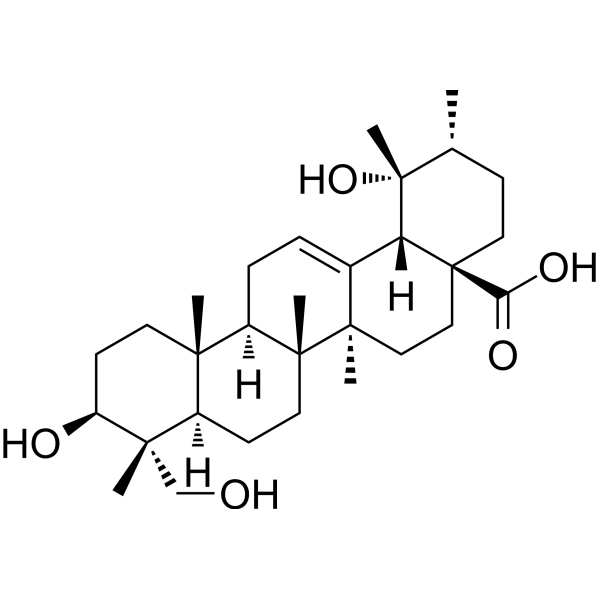
    Rotundic acid is an orally effective triterpenoid with a Kd value of 51.3 µM for PTP1B. Rotundic acid downregulates the AKT/mTOR pro-survival pathway and modulates the MAPK pathway. Rotundic acid induces cell cycle S-phase arrest, DNA damage and apoptosis; it inhibits migration, invasion, angiogenesis and proliferation of cancer cells. Rotundic acid improves leptin sensitivity, regulates gut microbiota and reduces cellular senescence. Rotundic acid can be used in research related to hepatocellular carcinoma, obesity, aging, acute lung injury and type 2 diabetes .
    Rotundic acid
  • HY-W002199

    6:2 FTOH; 1H,1H,2H,2H-Perfluoro-1-octanol; 2-(Perfluorohexyl)ethanol

    Bacterial Apoptosis ERK TNF Receptor Infection Neurological Disease
    6:2 Fluorotelomer alcohol (6:2 FTOH) is an orally active, blood-brain barrier-permeable modulator of cyclin D1 and ETS1. 6:2 Fluorotelomer alcohol downregulates cyclin D1 expression, upregulates ETS1 via the TNF-α/ERK 1/2 pathway, impairs mitochondrial membrane potential and respiratory function, increases reactive oxygen species levels, disrupts calcium homeostasis and activates endoplasmic reticulum stress markers, and induces cell proliferation inhibition and endothelial-mesenchymal transition. Furthermore, 6:2 Fluorotelomer alcohol induces morphological abnormalities in zebrafish embryos and liver developmental damage, while disrupting the brain immune microenvironment in mice, causing systemic toxicity and delayed pup maturation in CD-1 mice. 6:2 Fluorotelomer alcohol also induces cortical neuron apoptosis, glial cell activation, synaptic abnormalities, colonic barrier damage, intestinal dysbiosis and autism spectrum disorder-like symptoms in mice. 6:2 Fluorotelomer alcohol shows no mutagenic, clastogenic, primary skin/eye irritation or skin sensitizing effects, exhibits no selective reproductive toxicity in CD-1 mice, and is classified as GHS Category 4 for acute oral toxicity. 6:2 Fluorotelomer alcohol can be used in studies of neurodevelopmental disorders and autism spectrum disorders .
    6:2 Fluorotelomer alcohol
  • HY-P1290
    PKA Inhibitor Fragment (6-22) amide
    5 Publications Verification

    PKI-(6-22)-amide

    PKA Neurological Disease
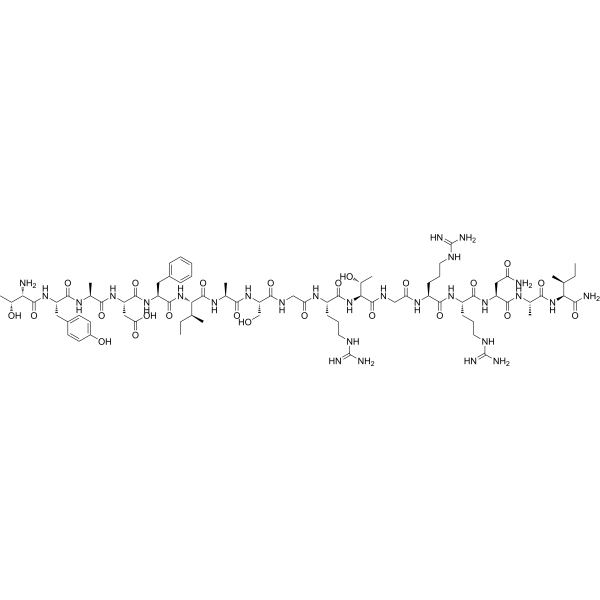
    PKA Inhibitor Fragment (6-22) amide is a highly potent and specific competitive inhibitor of PKA, with Ki values of 1.7 nM and 1.6 nM against human and bovine PKA catalytic subunits, respectively. The IC50 of PKA Inhibitor Fragment (6-22) amide targeting bovine PKA is 8.6 nM. PKA Inhibitor Fragment (6-22) amide effectively abolishes PKA activity in mouse brain and spinal cord, and exerts in vivo efficacy via intracerebroventricular administration. PKA Inhibitor Fragment (6-22) amide significantly reverses low-dose morphine analgesic tolerance in mice and blocks photoaffinity labeling of cAMP-dependent protein kinase. PKA Inhibitor Fragment (6-22) amide can be applied to research in fields related to the mechanism of morphine analgesic tolerance and skin wound healing .
    PKA Inhibitor Fragment (6-22) amide
  • HY-N3266

    Tyrosinase Phosphatase Cholinesterase (ChE) SARS-CoV PERK JNK p38 MAPK TGF-beta/Smad Apoptosis Reactive Oxygen Species (ROS) AMPK MMP Cardiovascular Disease Infection Neurological Disease Inflammation/Immunology Cancer
    Methyl rosmarinate is an orally active hydroxycinnamic acid. Methyl rosmarinate exhibits an IC50 of 24.70 μM and a Ki of 15.29 μM against PTP1B, an IC50 of 41.46 μg/mL against BChE, a Ki of 0.61 mM against mushroom tyrosinase, and an IC50 of 2.50 μM against SARS-CoV-2 3CLpro. Methyl rosmarinate downregulates the phosphorylation levels of ERK, JNK, p38, Smad2 and Smad3. Methyl rosmarinate activates erythrocyte BPGM and promotes the production of 2,3-BPG. Methyl rosmarinate induces apoptosis of fibroblasts. Methyl rosmarinate prolongs the survival time of hypoxic mice. Methyl rosmarinate improves insulin sensitivity. Methyl rosmarinate binds to SARS-CoV-2 3CLpro and inhibits viral replication. Methyl rosmarinate induces glioblastoma cell death. Methyl rosmarinate activates the TGR5/AMPK axis and reduces the levels of ROS and MDA. Methyl rosmarinate shows inhibitory activity against MMP-1. Methyl rosmarinate can be used in research related to pulmonary fibrosis, hypoxia-induced injury, type 2 diabetes, Alzheimer's disease, hyperpigmentation disorders, COVID-19, glioblastoma and myocardial ischemia-reperfusion injury .
    Methyl rosmarinate
  • HY-18601
    (±)-BI-D
    Maximum Cited Publications
    6 Publications Verification

    HIV HIV Integrase Infection
    (±)-BI-D is a potent ALLINI (allosteric integrase inhibitor). (±)-BI-D binds integrase at the LEDGF/p75 binding site. (±)-BI-D inhibits HIV-Luc infection in cells (IC50: 0.16 μM in Psip1 knockout E9 mouse embryonic fibroblasts, 2.9 μM in wild-type E9 mouse embryonic fibroblasts) .
    (±)-BI-D
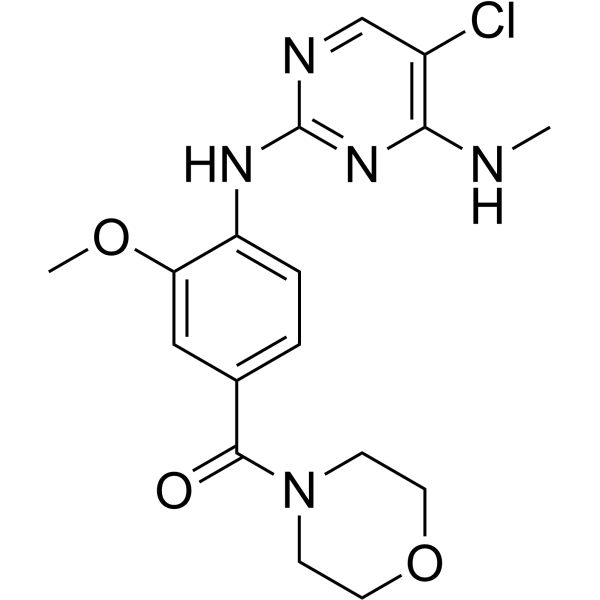
  • HY-141591

    Biochemical Assay Reagents Others
    CYT296 is a target chromatin de-condensation compound. CYT296 can improve the induction of induced pluripotent stem cell (iPSCs) mediated by defined factors (OSKM) and induce an open chromatin state in Mouse Embryonic Fibroblast (MEFs) to facilitate somatic cell reprogramming. CYT296 can be used for cell replacement therapies and drug screening research .
    CYT296
  • HY-D0967

    Fluorescent Dye Others
    Cy5-bifunctional dye is a bifunctional dye used for covalent labeling of primary amines on proteins or oligonucleotides (Ex/Em = 649 nm/670 nm). Cy5-bifunctional dye can label recombinant annexin-V to assess phosphatidylserine exposure on the cell surface via flow cytometry. Cy5-bifunctional dye can label anti-human IgG (H + L) secondary antibodies. Cy5-bifunctional dye is applicable to studies of glanders and melioidosis .
    Cy5-bifunctional dye
  • HY-160222

    HSV STING IFNAR NF-κB Infection
    HSV-60mer sodium is a 60 bp double-stranded DNA oligonucleotide derived from the HSV-1 genome, and also an IFNβ inducer. HSV-60mer sodium colocalizes with endogenous cytoplasmic IFI16 in immune cells. HSV-60mer sodium activates the transcription factors IRF3 and NF-κB, induces the production of proinflammatory cytokines, and inhibits HSV-1 replication in immune cells. HSV-60mer sodium can be used in studies related to herpes simplex virus type 1 infection .
    HSV-60mer sodium
  • HY-115701

    1-Stearoyl-2-15(S)-HpETE-sn-glycero-3-phosphoethanolamine; 15(S)-HpETE-SAPE; 15(S)-hydroperoxyeicostetraenoic acid-SAPE

    Ferroptosis Inflammation/Immunology
    1-Stearoyl-2-15(S)-HpETE-sn-glycero-3-Pe is a phospholipid that contains stearic acid (HY-B2219) at the sn-1 position and 15(S)-HpETE at the sn-2 position. It is produced via oxidation of 1-stearoyl-2-arachidonoyl-sn-glycero-3-Pe (SAPE) by 15-lipoxygenase (15-LO). 1-Stearoyl-2-15(S)-HpETE-sn-glycero-3-Pe (0.6 and 0.9 μM) increases ferroptotic cell death in wild-type and Acsl4 knockout Pfa1 mouse embryonic fibroblasts (MEFs) treated with the GPX4 inhibitor RSL3.
    1-Stearoyl-2-15(S)-Hpete-Sn-Glycero-3-Pe
  • HY-N6701

    Arp2/3 Complex DNA/RNA Synthesis Calcium Channel Inflammation/Immunology
    Dihydrocytochalasin B is an Actin disruptor. Dihydrocytochalasin B disrupts actin microfilament bundles, inhibits actin polymerization, and alters intracellular actin cytoskeletal structures. Dihydrocytochalasin B blocks the initiation of DNA synthesis. Dihydrocytochalasin B inhibits Calcium transport. Dihydrocytochalasin B inhibits cytokinesis and alters cell morphology. Dihydrocytochalasin B can be used in studies related to rickets .
    Dihydrocytochalasin B
  • HY-W196368

    COX SARS-CoV Infection Inflammation/Immunology Cancer
    Thymohydroquinone is a COX-2 inhibitor and anti-SARS-CoV-2 agent that induces cytotoxicity, antiproliferative effects and inhibits tumor growth. Thymohydroquinone cannot scavenge superoxide radicals via σ (hydrogen atom transfer) and π-π attacks with superoxide anions. Thymohydroquinone can be used in research related to squamous cell carcinoma, fibrosarcoma and coronavirus disease 2019 (SARS-CoV-2 infection) .
    Thymohydroquinone
  • HY-136093B
    Lixumistat
    1 Publications Verification

    IM156 free base; HL156A free base; HL271 free base

    Mitochondrial Metabolism AMPK Neurological Disease Inflammation/Immunology
    Lixumistat (IM156 free base) is a potent and orally active AMPK activator and OXPHOS inhibitor. Lixumistat strongly activates AMPK, while it lacks the systemic metabolic regulatory effects of classic metformin, such as hypoglycemic and weight-lowering activities. Lixumistat exhibits significant therapeutic effects on cognitive decline associated with brain aging and pulmonary fibrosis .
    Lixumistat
  • HY-P3513

    ERK MMP Neurological Disease
    β-Neo-Endorphin is an endogenous opioid peptide. β-Neo-Endorphin is a hypothalamic “big” Leu-enkephalin of porcine origin. β-Neo-Endorphin shows activation of the Erk1/2, MMP-2 and MMP-9 .
    β-Neo-Endorphin
  • HY-176798

    Lactate Dehydrogenase Reactive Oxygen Species (ROS) Apoptosis Cancer
    NCI-006 is an orally active lactate dehydrogenase (LDH) inhibitor (LDHA IC50 = 0.06 μM; LDHB IC50 = 0.03 μM). NCI-006 inhibits intratumoral LDH activity, lactate production, and tumor growth in a mouse pancreatic cancer model. NCI-006 inhibits glycolysis and induces apoptosis in vitro. NCI-006 enhances the radiosensitivity of glycolytic tumor cell lines while sparing non-glycolytic/normal cells (1522, skin fibroblasts) in combination with ionizing radiation (IR). NCI-006 exhibits synergistic antitumor effects in combination with IACS-010759 (HY-112037) against colorectal and gastric cancers. NCI-006 targets glycolysis by inhibiting lactate dehydrogenase impairs tumor growth in an Ewing sarcoma model .
    NCI-006
  • HY-164102

    TNF Receptor NF-κB Inflammation/Immunology
    TNF-α-IN-18 (Compound 61) is an inhibitor for TNF-α (IC50 of 1.8 μM), that inhibits TNF signaling pathway through block of NF-kB migration from cytoplasm to nucleus. TNF-α-IN-18 exhibits slight cytotoxicity to mouse fibroblast LM cell, with a CC50 >50 μM. TNF-α-IN-18 ameliorates the TNF- or Lipopolysaccharide (HY-D1056)-induced sepsis in mouse models. TNF-α-IN-18 protects mice from rheumatoid arthritis .
    TNF-α-IN-18
  • HY-117987

    N-(Hydroxymethyl)thalidomide

    Nuclear Factor of activated T Cells (NFAT) NF-κB Reactive Oxygen Species (ROS) Cancer
    CPS-11 (N-(Hydroxymethyl)thalidomide) a Thalidomide (HY-14658) analogue, is a potent anti-cancer agent. CPS-11 inhibits NF-κB, activates NFAT, and repress cytokine expression through elevated ROS. CPS-11 exhibits a wider activity spectrum and higher potency against MM (multiple myeloma) cell lines .
    CPS-11
  • HY-P11211

    Antibiotic Bacterial Infection
    D2A21, a cecropin peptide, demonstrates a minimum cidal concentration of 21.69 μg/mL against Chlamydia trachomatis .
    D2A21
  • HY-128034

    PIN1 Cancer
    PPIase-Parvulin inhibitor (compound B) is a cell-permeable inhibitor targeting PPIase Pin1 and Par14, with IC50s of 1.5 and 1.0 µM, respectively. PPIase-Parvulin inhibitor has anticancer activity and inhibits the growth and proliferation of mouse embryonic fibroblasts (MEFs) .
    PPIase-Parvulin inhibitor
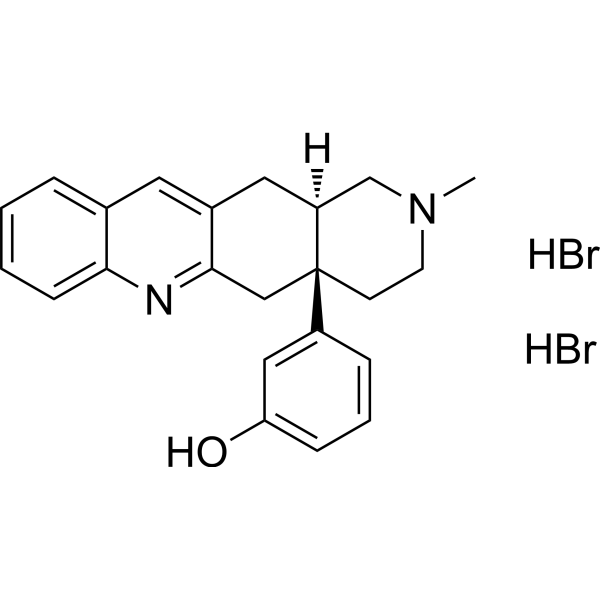
  • HY-101317
    TAN-67 dihydrobromide
    1 Publications Verification

    SB-205607 dihydrobromide

    Opioid Receptor Neurological Disease
    TAN-67 (SB-205607) dihydrobromide is a potent and selective nonpeptidic δ-opioid receptor agonist with a Ki value of 0.647 nM. TAN-67 dihydrobromide has neuroprotective effect. TAN-67 dihydrobromide can be used in research of ischemic stroke .
    TAN-67 dihydrobromide
  • HY-N7325

    PTEN Orexin Receptor (OX Receptor) Neurological Disease Cancer
    Valerosidate is an OX2R antagonist. Valerosidate increases expression of tumor suppressor proteins p53 and PTEN, selectively reduces colon cancer cell viability, and suppresses colon cancer cell migration. Valerosidate can be used for the research of colon cancer and insomnia .
    Valerosidate
  • HY-NP0144

    WGA (Fluorescein)

    Fluorescent Dye Others
    Succinylated Wheat Germ Agglutinin (Fluorescein) (WGA (Fluorescein)) is a fluorescent lectin that acts as a probe to specifically bind biomolecules. Succinylated Wheat Germ Agglutinin (Fluorescein) binds to cell surface glycoconjugates containing N-acetylglucosamine. Succinylated Wheat Germ Agglutinin (Fluorescein) is a selective agglutinating agent targeting specific red blood cells, thymocytes, splenocytes and lymphocytes. Succinylated Wheat Germ Agglutinin (Fluorescein) binds to fibroblasts and lymphocytes via dual binding sites in a temperature-dependent, saturable manner. Succinylated Wheat Germ Agglutinin (Fluorescein) can be used for quantitative studies of cell surface receptor glycoconjugates (Ex=495 nm, Em=515 nm) .
    Succinylated Wheat Germ Agglutinin (Fluorescein)
  • HY-P10720

    Endogenous Metabolite Cardiovascular Disease
    C-Type Natriuretic Peptide (1-53), Porcine, Rat, mouse is an activator of particulate guanylate cyclase B (pGC-B), which is highly expressed in endothelial cells, kidneys, and the heart. C-Type Natriuretic Peptide (1-53), Porcine, Rat, mouse can mediate a potent anti-fibrotic effect in human cardiac and renal fibroblasts by generating the second messenger cGMP .
    C-Type Natriuretic Peptide (1-53), Porcine, Rat,mouse
  • HY-117000A

    DNA/RNA Synthesis Dihydrofolate reductase (DHFR) Neurological Disease
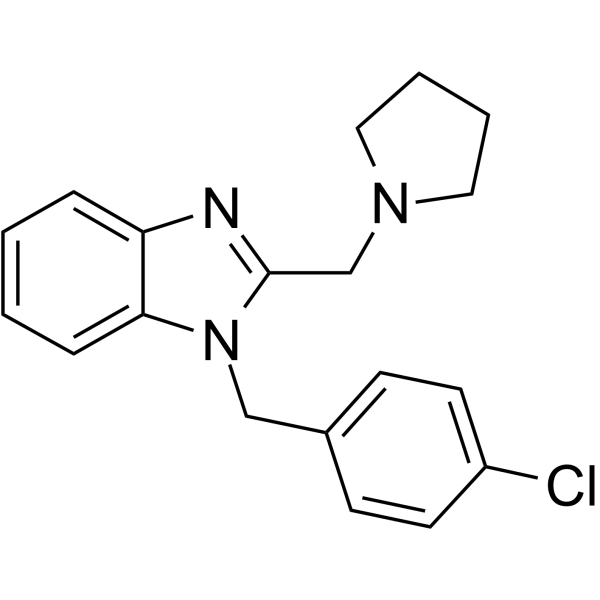
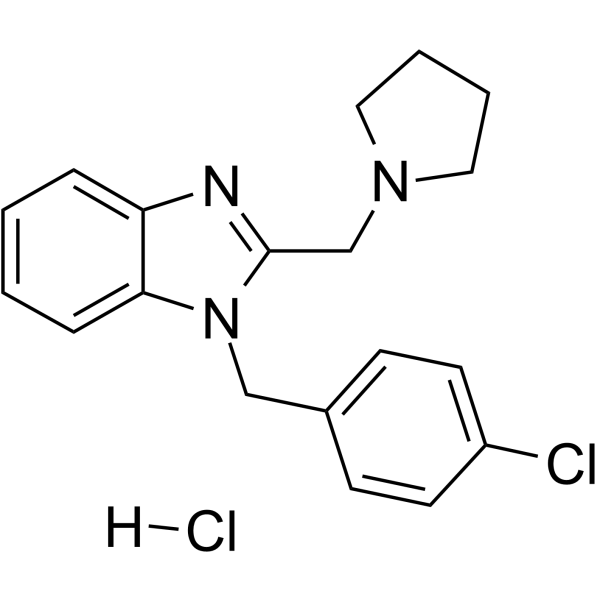
    D156844 (Compound 11a) hydrochloride is a SMN2 promoter activator with an EC50 of 4 nM. D156844 hydrochloride increases the mRNA expression of the mouse SMN in NSC-34 cells and human SMN2 promoter in severe type I spinal muscular atrophy (SMA) fibroblasts as well as full-length human SMN protein. D156844 hydrochloride overcomes DHFR inhibition. D156844 hydrochloride can be used for SMA research .
    D156844 hydrochloride
  • HY-149708

    ICMT Others
    UCM-13207 is a selective isoprenylcysteine carboxylmethyltransferase (ICMT) inhibitor with a human IC50 of 1.4 μM and human Ka of 7.2 μM. UCM-13207 modulates progerin localization, stability, and levels, reduces DNA damage, increases cellular viability, and decreases tissue senescence. UCM-13207 can be used for the research of Hutchinson−Gilford progeria syndrome .
    UCM-13207
  • HY-139062

    C6 Ceramide (d18:1/6:0) Urea; Cer(d18:1/6:0) Urea; D-erythro-Urea-C6-Ceramide

    Apoptosis Ceramidase Autophagy β-catenin Cancer
    C6 Urea Ceramide (Cer(d18:1/6:0) Urea) is an inhibitor of neutral ceramidase. C6 Urea Ceramide increases total ceramide levels in wild-type mouse embryonic fibroblasts (MEFs) and HT-29 colon cancer cells. C6 Urea Ceramide (5-10 μM) inhibits proliferation of HT-29 cells and induces apoptosis and autophagy, but is not toxic to non-cancerous cells. C6 Urea Ceramide decreases total and phosphorylated β-catenin levels in HT-29 and HCT116 cells, and induces colocalization of β-catenin with the 20S proteasome. C6 Urea Ceramide (1.25, 2.5, and 5 mg/kg) reduced tumor growth and increased C16, C18, C20, and C24 ceramide levels in tumor tissues in the HT-29 mouse xenograft model.
    C6 Urea Ceramide
  • HY-159771

    FAP Cancer
    FAP6-19 is a fibroblast activation protein (FAP) targeting radioligand with a Kd of 18.2 nM. FAP6-19 selectively delivers therapeutic radioactive nuclides (such as 177Lu) to the tumor site by targeting the overexpressed FAP protein in the tumor microenvironment, achieving precise killing of cancer cells while minimizing radiation damage to healthy tissues. FAP6-19 exhibits extremely high total cellular uptake and good intracellular retention ability in HT1080 cells. After being labeled with 111In, FAP6-19 produced extremely high tumor/kidney and tumor/liver dose ratios in the mouse model with 4T1 tumors. FAP6-19 can be used in the research of solid tumors expressing FAP.
    FAP6-19
  • HY-N4308

    Hexa-O-methylquercetagetin; Quercetagetin hexamethyl ether; 3,5,6,7,3',4'-Hexamethoxyflavone

    NF-κB IKK Bcl-2 Family Cancer
    Hexamethylquercetagetin (Hexa-O-methylquercetagetin; Quercetagetin hexamethyl ether; 3,5,6,7,3',4'-Hexamethoxyflavone) is an orally active NF-κB inhibitor. Hexamethylquercetagetin inhibits NF-κB-derived luciferase activity, reduces phosphorylated p65 and IκBα, Cyclin D1, Bcl-2 and blocks TNFα-induced NF-κB activation. Hexamethylquercetagetin inhibits survival and proliferation of cervical carcinoma cells. Hexamethylquercetagetin suppresses tumor volume and weight in BALB/c nude mouse xenograft models of cervical carcinoma. Hexamethylquercetagetin can be used for the research of cancer, such as cervical carcinoma .
    Hexamethylquercetagetin
  • HY-116540A

    7DMB-Forskolin

    Adenylate Cyclase Cardiovascular Disease
    L 858051 (7DMB-Forskolin) dihydrochloride, an analog of Forskolin (HY-15371), is an adenylyl cyclase stimulator. L 858051 dihydrochloride directly activates adenylyl cyclase to increase intracellular, cellular, and ciliary cAMP levels. L 858051 dihydrochloride activates recombinant cyclic nucleotide-gated (E583M CNGA2) channels to induce a non-selective, Mg 2+-sensitive current in adult rat ventricular myocytes. L 858051 dihydrochloride maximally stimulates L-type Ca 2+ current in adult rat ventricular myocytes. L 858051 dihydrochloride increases total PDE3 and PDE4 activities in adult rat ventricular myocytes, with effects insensitive to PKA inhibition. L 858051 dihydrochloride serves as a tool to elevate intracellular cAMP for studying subsarcolemmal cAMP dynamics and compartmentation in adult rat ventricular myocytes .
    L 858051 dihydrochloride
  • HY-P5891

    PKC Cardiovascular Disease
    TAT-SAMβA is the peptide consist of RNAENFDRF (SAMβA; HY-P3429) conjugated to the cell penetrating TAT protein-derived peptide TAT47–57. TAT-SAMβA is a selective antagonist of Mfn1-βIIPKC association. TAT-SAMβA protects mouse embryonic fibroblast cells (MEFs) against oxidative stress-induced cytotoxicity .
    TAT-SAMβA
  • HY-162418

    Bacterial Fungal Infection
    Antibacterial agent 203 (Compound 5h) has antibacterial and antifungal activity. Antibacterial agent 203 has potent antifungal activity against C. albicans, with a MIC of 3.90 μg/mL. Antibacterial agent 203 has antimicrobial activity on healthy mouse fibroblast cells (L929), with an IC50 of 75.96 μM .
    Antibacterial agent 203
  • HY-P3600

    Apoptosis Inflammation/Immunology
    FIZZ-1 (32-51) (mouse) is a cysteine-rich secretory protein that is highly expressed by macrophages, bronchial epithelial and type II alveolar epithelial cells (AEC) in allergic airway inflammation. FIZZ1 (32-51) (mouse) also shows an antiapoptotic effect on lung fibroblasts. FIZZ-1 (32-51) (mouse) can be used in the study of allergic pneumonia .
    FIZZ-1 (32-51) (mouse)
  • HY-167835A

    Bacterial Infection
    Tembetarine chloride is a alkaloid that can be isolated from Tinospora cordifolia that exhibits antibacterial activity. Tembetarine chloride exhibits weak cytotoxicity against mouse fibroblasts (L929) and human embryonic kidney cells (HEK293) with IC50 of 1245.33 μg/mL and 1642.81 μg/mL, respectively .
    Tembetarine chloride
  • HY-117249

    AK-2123

    Apoptosis Caspase Cancer
    Sanazole (AK-2123) is a hypoxic cell radiosensitizer. Sanazole enhances radiation-induced DNA strand breaks. In mouse fibroblast tumors, Sanazole increases nuclear condensation and fragmentation, as well as elevates caspase-3 activity, thereby enhancing radiation-induced apoptosis .
    Sanazole
  • HY-N15343

    Antibiotic Bacterial Fungal Infection Cancer
    Albiducin A is an antibiotic found in Hymenoscyphus albidus, exhibiting antibacterial and anticancer activities. The MIC range of Albiducin A against bacteria and fungi is 16.7-66.7 mg/mL. Its IC50 values for mouse fibroblast cell line (L929) and human cervical carcinoma cell line (KB3-1) are 6.1 and 2.7 μg/mL, respectively. Albiducin A holds promise for research in the fields of infection and cancer diseases .
    Albiducin A
  • HY-117000

    DNA/RNA Synthesis Dihydrofolate reductase (DHFR) Neurological Disease
    D156844 (Compound 11a) is a SMN2 promoter activator with an EC50 of 4 nM. D156844 increases the mRNA expression of the mouse SMN in NSC-34 cells and human SMN2 promoter in severe type I spinal muscular atrophy (SMA) fibroblasts as well as full-length human SMN protein. D156844 overcomes DHFR inhibition. D156844 can be used for SMA research .
    D156844
  • HY-146561

    Glucocorticoid Receptor NF-κB Inflammation/Immunology
    S-HP210 is a potent and selective glucocorticoid receptor (GR) with an IC50 value of 1.92 μM for NF-κB transrepression (TR). S-HP210 represses the LPS-induced transcription of a variety of proinflammatory genes such as IL-1β, IL-6 and COX-2. S-HP210 is nontoxic at effective doses against mouse fibroblasts 3T3 cells .
    S-HP210
  • HY-117560

    GABA Receptor Neurological Disease
    PWZ-029 is a selective inverse agonist for 5 GABAA receptors. PWZ-029 is a benzodiazepine site ligand. PWZ-029 shows a weak but significant partial agonistic effect at 1- and 3-containing receptors. PWZ-029 significantly increases retention session latency in mouse fibroblast cells. PWZ-029 can improve object recognition in normal and scopolamine-treated rat model .
    PWZ-029
  • HY-N14734

    Apoptosis Fungal Microtubule/Tubulin Mitosis Cancer
    Disorazol A1 is an tubulin inhibitor with antifungal activity. Disorazol A1 functions by inhibiting tubulin polymerization, interfering with microtubule formation, blocking mitosis, thus arresting the cell cycle at the G2/M phase and inducing apoptosis. Disorazol A1 also exhibits an inhibitory effect against L929 mouse fibroblasts with an IC50 value of 3 pM. Disorazol A1 causes the accumulation of p53 protein in the cell nucleus. Disorazol A1 is promising for research of cancers .
    Disorazol A
  • HY-170551

    Carbonic Anhydrase VEGFR Cancer
    CA IX/VEGFR-2-IN-3 (Compound 6i) is an inhibitor of Carbonic Anhydrase IX and VEGFR-2, with IC50 values of 41 and 48 nM, respectively. CA IX/VEGFR-2-IN-3 exhibits anticancer activity, inhibiting the growth of MCF-7 breast cancer cells (with an IC50 of 22.33 μM) and mouse fibroblast cell line 3T3 (where cell viability is less than 40% at a concentration of 100 μM). CA IX/VEGFR-2-IN-3 can be used for research in the field of cancer treatment .
    CA IX/VEGFR-2-IN-3
  • HY-P3513A

    ERK MMP Neurological Disease
    β-Neo-Endorphin acetate is an endogenous opioid peptide. β-Neo-Endorphin acetate is a hypothalamic "big" Leu-enkephalin of porcine origin. β-Neo-Endorphin acetate shows activation of the Erk1/2, MMP-2 and MMP-9 .
    β-Neo-Endorphin acetate
  • HY-130743

    Bis-eugenol; Dehydrodieugenol

    Parasite Infection
    Dieugenol is a neolignan that has been found in N. leucantha and has antioxidative and antiprotozoal activities. It inhibits the formation of thiobarbituric acid reactive substances (TBARS) and scavenges superoxide anions, but not hydroxyl radicals, in cell-free assays. It has anti-trypanosomal activity against T. cruzi amastigotes and trypomastigotes (IC50s=15.1 and 11.5 μM, respectively) but is cytotoxic to NCTC L-929 fibroblasts with a 50% cytotoxic concentration (CC50) value of 58.2 μM.2 Dieugenol (15 μM) disrupts the integrity of the T. cruzi trypomastigote plasma membrane but does not induce the production of reactive oxygen species (ROS) in trypomastigotes or LPS-stimulated and unstimulated isolated mouse peritoneal macrophages.
    Dieugenol
  • HY-116540

    7DMB-Forskolin free base

    Adenylate Cyclase Cardiovascular Disease
    L 858051 (7DMB-Forskolin free base), an analog of Forskolin (HY-15371), is an adenylyl cyclase stimulator. L 858051 directly activates adenylyl cyclase to increase intracellular, cellular, and ciliary cAMP levels. L 858051 activates recombinant cyclic nucleotide-gated (E583M CNGA2) channels to induce a non-selective, Mg 2+-sensitive current in adult rat ventricular myocytes. L 858051 maximally stimulates L-type Ca 2+ current in adult rat ventricular myocytes. L 858051 increases total PDE3 and PDE4 activities in adult rat ventricular myocytes, with effects insensitive to PKA inhibition. L 858051 serves as a tool to elevate intracellular cAMP for studying subsarcolemmal cAMP dynamics and compartmentation in adult rat ventricular myocytes .
    L 858051
  • HY-203233

    Fluorescent Dye Others
    Rhodamine-DHPE is a fluorescently labeled phosphatidylethanolamine lipid that labels phospholipid bilayers. Rhodamine-DHPE serves as a fluorescence quenching substrate and membrane stain. The fluorescence lifetime of Rhodamine-DHPE decreases significantly in the presence of Cu 2+-PS complexes. Rhodamine-DHPE effectively stains the membranes of human red blood cells and mouse fibroblasts, and supports lifetime-resolved imaging via pump-probe fluorescence microscopy .
    Rhodamine-DHPE
  • HY-181152

    FGFR Cancer
    FGFR3-IN-11(compound B11) is a Fibroblast growth factor receptor 3 (FGFR3) inhibitor with a Ka value of 4.8 μM. FGFR3-IN-11 induces apoptosis, suppresses colony formation, and causes dose-dependent G0/G1 cell cycle arrest in cancer cells. FGFR3-IN-11 exerts anticancer activity against cancer cells with minimal toxicity toward normal hepatocytes and demonstrates tumor growth suppression in xenograft mouse models. FGFR3-IN-11 can be used for the research of hepatocellular carcinoma .
    FGFR3-IN-11

Inquiry Online

Your information is safe with us. * Required Fields.

Salutation


Country or Region *

Applicant Name *


Organization Name *

Department *


Email Address *


Product Name *

Cat. No.


Requested quantity *

Phone Number *


Remarks

Inquiry Online

Inquiry Information

Product Name:
Cat. No.:
Quantity:
MCE Japan Authorized Agent:

