

1. Search Result
Search Result
Results for "

mouse tissues

" in MedChemExpress (MCE) Product Catalog:

122

Inhibitors & Agonists

7

Fluorescent Dyes

9

Biochemical Assay Reagents

12

Peptides

10

MCE Kits

11

Inhibitory Antibodies

11

Natural
Products

3

Isotope-Labeled Compounds

6

Click Chemistry

5

Oligonucleotides

Cat. No. Product Name Target Research Areas Chemical Structure
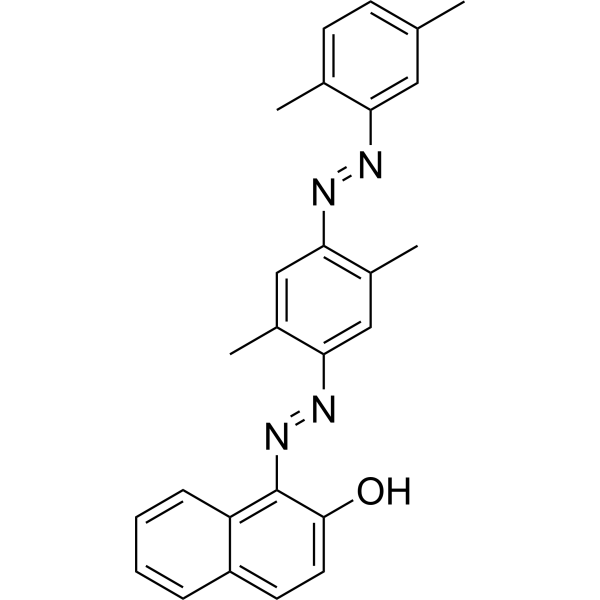
  • HY-D1168
    Oil Red O
    10+ Cited Publications

    Environmental Pollutants Fluorescent Dye Metabolic Disease
    Oil Red O is a fat-soluble diazol dye, with a maximum absorption at 518 nm. Oil Red O stains neutral lipids and cholesteryl esters but not biological membranes. Oil Red O can be used for detecting and quantifying hepatic steatosis in mouse liver biopsies. Oil Red O staining efficiently helps to visualize the radical changes that occur in tissues as metabolic disease occurs and progresses .
    Oil Red O
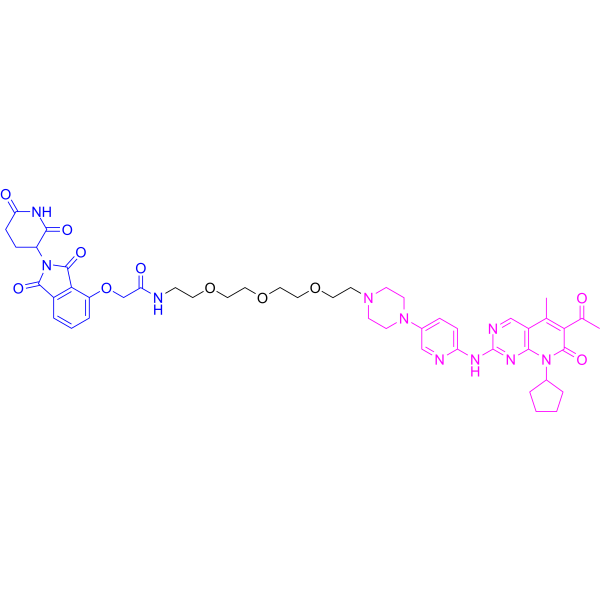
  • HY-169179

    PROTACs STAT Cancer
    AK-1690 is a selective PROTAC degrader targeting STAT6 (DC50=1 nM) with a Ki of 6 nM against human STAT6. AK-1690 degrades STAT6 via the interaction of STAT6 with cereblon and a ubiquitin-like process. AK-1690 effectively depletes STAT6 protein in mouse liver and lung tissues, and is applicable to research related to leukemia, Hodgkin's lymphoma, follicular lymphoma, etc. .
    AK-1690
  • HY-14648A
    Dexamethasone acetate
    5+ Cited Publications

    Dexamethasone 21-acetate; Hexadecadrol acetate

    Glucocorticoid Receptor Inflammation/Immunology
    Dexamethasone acetate (Dexamethasone 21-acetate) is the acetate form of the glucocorticoid Dexamethasone (HY-14648). Dexamethasone acetate has a longer duration of action than Dexamethasone. Dexamethasone acetate can accumulate at inflammatory sites, in mouse liver and mouse lung via nanostructured lipid carriers. Dexamethasone acetate can be used to prepare topical formulations for studies related to sensorineural hearing loss, γ-carrageenan-induced paw edema, chronic active hepatitis, pulmonary diseases, and inflammation after vitreoretinal surgery .
    Dexamethasone acetate
  • HY-168374
    DSPE-PEG2000-Mannose
    1 Publications Verification

    Biochemical Assay Reagents Liposome Small Interfering RNA (siRNA) Cancer
    DSPE-PEG 2000-Mannose is a mannose-containing lipid. DSPE-PEG 2000-Mannose is used to prepare mannose-conjugated Liposome (Man-lipo) for siRNA delivery. Mannose-modified liposomes encapsulating IDO siRNA (Man-lipo-siIDO) preferentially knock down IDO expression in the draining lymph nodes and spleens of melanoma-bearing mice. Man-lipo-siIDO delays the onset time of melanoma and reduces tumor volume .
    DSPE-PEG2000-Mannose
  • HY-111355B

    Sirtuin Endogenous Metabolite PKC AMPK DOCK Metabolic Disease Inflammation/Immunology Cancer
    Cholesterol sulfate sodium is a naturally occurring, orally active cholesterol derivative that is widely distributed in various tissues and body fluids. Cholesterol sulfate sodium acts as a DOCK2 inhibitor, with IC50 values of 2 μM and 2.9 μM against mouse and human targets, respectively. Cholesterol sulfate sodium restricts excessive neutrophil infiltration and alleviates intestinal inflammation and damage. Cholesterol sulfate sodium serves as an activator of protein kinase C (PKC), which promotes squamous cell differentiation and inhibits skin carcinogenesis. Cholesterol sulfate sodium regulates cholesterol homeostasis and cellular metabolism by activating the AMPK-Sirt1 pathway. Cholesterol sulfate sodium can be used in research related to actinic keratitis, ulcerative colitis, skin cancer, and other conditions .
    Cholesteryl sulfate sodium
  • HY-147081
    AS 1411
    2 Publications Verification

    AGRO-100

    Histone Methyltransferase Bcl-2 Family Cancer
    AS 1411 (AGRO-100) is an oligonucleotide aptamer targeting nucleoproteins. AS 1411 inhibits tumor cell proliferation by affecting the activity of nucleoprotein-containing complexes and can be used as a carrier to precisely deliver nanoparticles, oligonucleotides and small molecules to cancer cells. AS 1411 reduces PRMT5 expression to inhibit tumor growth in DU145 prostate cancer cells. AS 1411 works by blocking the binding of nucleoproteins to bcl-2 mRNA in MCF-7 breast cancer cells. AS 1411-coupled Jin nanospheres can inhibit breast cancer cell proliferation in vitro and in mouse models, has the ability to cross the blood-brain barrier with low tissue toxicity .
    AS 1411
  • HY-172371

    Hemoglobin Neurological Disease Metabolic Disease Inflammation/Immunology
    Hypoxystat is an orally active hypoxia mimetic. HypoxyStat increases Hemoglobin’s oxygen affinity, limiting oxygen offloading to the tissues and inducing local tissue hypoxia. Hypoxystat reduces Iba1 + cells. HypoxyStat causes systemic hypoxia. Hypoxystat effectively rescues hyperglycemia in mouse models of type 1 and type 2 diabetes. HypoxyStat not only extends lifespan but also rescues key neuropathological and behavioral deficits in the premier mouse model of Leigh syndrome .
    Hypoxystat
  • HY-P1924

    Lipocalin Family Interleukin Related Inflammation/Immunology
    IRBP (651-670) human, mouse is an epitope and uveitis inducer naturally processed from the conserved region of native IRBP. IRBP (651-670) human, mouse increases the levels of proinflammatory cytokines in ocular tissues (IL-1β, IL-6, TNFα, IL-17A and IL-17F). IRBP (651-670) human, mouse is a IRBP fragment conserved among human, mouse and bovine species. IRBP (651-670) human, mouse induces experimental autoimmune uveitis. IRBP (651-670) human, mouse is applicable to research related to experimental autoimmune uveitis .
    IRBP(651-670) human, mouse
  • HY-B1398
    Ampyrone
    1 Publications Verification

    4-Aminophenazone

    COX Drug Metabolite Neurological Disease Inflammation/Immunology Cancer
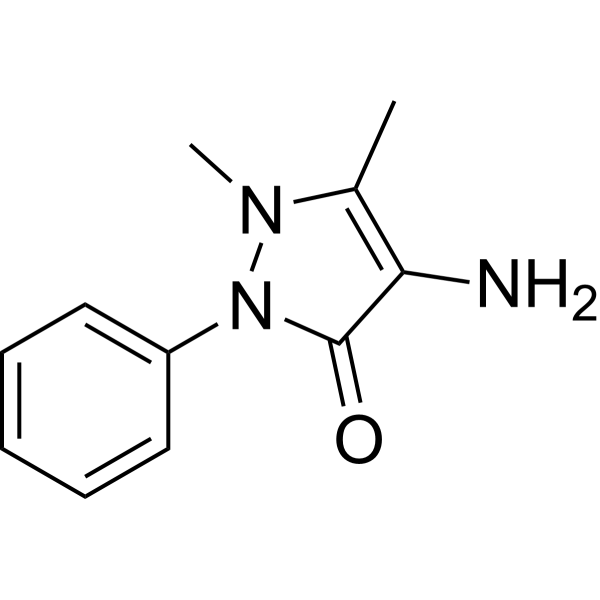
    Ampyrone (4-Aminophenazone; 4-Aminoantipyrine) is a reversible and low-damage optical clearing agent and non-selective COX inhibitor based on UV absorption properties. Ampyrone can improve the optical transmittance of mouse skin and other tissues. Ampyrone can induce tissue refractive index matching by enhancing UV absorption, reduce light scattering, and achieve tissue transparency in vivo. Ampyrone reduces the synthesis of prostaglandin PGE2, thereby exerting anti-inflammatory, analgesic and antipyretic effects. Ampyrone inhibits DNA damage, cell apoptosis and immune cell phagocytosis induced by Doxorubicin (HY-15142A) and Cisplatin (HY-17394), etc., and participates in the regulation of toxicity in tumor chemotherapy .
    Ampyrone
  • HY-N2909

    NF-κB RIP kinase Mixed Lineage Kinase Cardiovascular Disease Neurological Disease Inflammation/Immunology
    Aurantiamide is a non-covalent, orally active, blood-brain-permeable GRPR selective antagonist with anti-inflammatory and neuroprotective effects. Aurantiamide reduces inflammation and oxidative stress in renal tissue by inhibiting GRPR-mediated renal necrosis pathways (such as RIPK3/MLKL signaling) and NF-κB inflammatory pathways, exerting anti-acute kidney injury and endothelial function activities. Aurantiamide also inhibits the M1 polarization of microglia and inhibits NLRP3 activation, thereby improving AD mouse models. Aurantiamide has in vivo inhibitory efficacy in acute kidney injury models such as ischemia/reperfusion, sepsis, and hypertension models .
    Aurantiamide
  • HY-107661
    Arundic Acid
    2 Publications Verification

    ONO-2506; (R)-2-Propyloctanoic acid

    ERK Akt NF-κB EAAT Cardiovascular Disease Neurological Disease
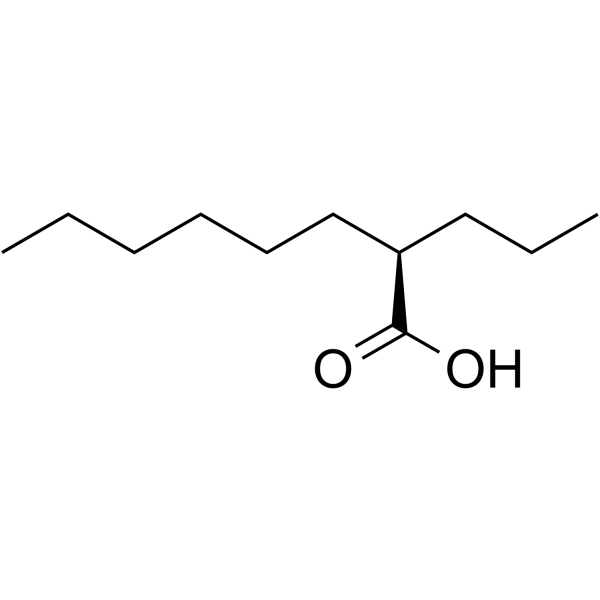
    Arundic Acid is an orally effective astrocyte function modulator and neuroprotective agent. Arundic Acid increases the expression and function of the astrocytic glutamate transporter EAAT1 by activating the ERK, Akt and NF-κB pathways. Arundic Acid attenuates retinal ganglion cell death in a normal-tension glaucoma model. Arundic Acid exerts neuroprotective effects in a mouse model of Parkinson's disease. Arundic Acid is a S100β protein synthesis inhibitor that prevents neurological deficits and brain tissue damage after intracerebral hemorrhage in rats. Arundic Acid downregulates neuroinflammation and astrocytic dysfunction after status epilepticus in immature rats. Arundic Acid is applicable to research related to Parkinson's disease, cerebral ischemia, glaucoma, intracerebral hemorrhage and epilepsy .
    Arundic Acid
  • HY-P2917

    GyK

    Nuclear Hormone Receptor 4A/NR4A Metabolic Disease Inflammation/Immunology
    Glycerol kinase, microorganism (GyK) acts as a NR4A1 inhibitor with enzymatic activity. It directly binds to and inhibits the transcription factor NR4A1, thereby negatively regulating hepatic gluconeogenesis and reducing blood glucose levels. Glycerol kinase, microorganism positively regulates UCP1 expression via partial dependence on the β-adrenergic receptor-cAMP-CREB pathway, promotes browning of white adipose tissue and thermogenesis, and further modulates intracellular fatty acid composition and energy metabolism. In diabetic mouse models, overexpression of Glycerol kinase effectively antagonizes NR4A1-induced hyperglycemia, demonstrating potential for improving glucose homeostasis. Glycerol kinase, microorganism can be used for studies on diabetes and obesity .
    Glycerol kinase, microorganism
  • HY-NP139

    Biochemical Assay Reagents Neurological Disease
    Mouse Laminin is a Laminin from mouse that can be used as a thin coating on tissue culture surfaces or as a soluble additive to culture media .
    Mouse Laminin
  • HY-P10735

    Gastric inhibitory polypeptide(mouse); GIP(1-42) (mouse)

    Lipase Apoptosis Metabolic Disease
    GIP (Gastric inhibitory polypeptide) (mouse) is a gastrointestinal hormone that is secreted by the intestinal K cells, and also expressed in and secreted from pancreatic islets. GIP (mouse) promotes insulin secretion from pancreatic β cells via the G-protein-coupled GIP receptor (GIPR). GIP (mouse) promotes pancreatic β cell proliferation and inhibits apoptosis. GIP (mouse) also exerts direct lipogenic effects on adipose tissue .
    GIP (mouse)
  • HY-13508
    JNJ-7777120
    1 Publications Verification

    Histamine Receptor Inflammation/Immunology
    JNJ-7777120 is a potent and selective histamine H4 receptor antagonist (Ki=4.5 nM). JNJ-7777120 effectively blocks histamine-induced migration of mouse tracheal mast cells from connective tissue to epithelial cells. JNJ-7777120 also significantly blocks neutrophil infiltration in a mouse Zymosan-induced peritonitis model. JNJ-7777120 has a good potential to study antipruritic and anti-inflammatory .
    JNJ-7777120
  • HY-175416

    KC289

    Piezo Channel Calcium Channel Cardiovascular Disease Metabolic Disease
    Yoda2 (KC289), the potassium salt of Yoda1 (HY-18723), is a PIEZO1 agonist with an EC50 of 150 nM. Yoda2 evokes Ca 2+ elevation and NO-dependent relaxation. Yoda2 induces relaxation in mouse arterial and cavernous tissues. Yoda2 inhibits glucocorticoid-induced osteoclast formation and bone resorptive activity, reverses glucocorticoid-induced bone density loss and architectural deterioration, and does not induce medication-related osteonecrosis of the jaw in mice. Yoda2 can be used for the researches of hypertension and osteoporosis .
    Yoda2
  • HY-W009749A

    Drug Intermediate Others
    DL-Cystathionine is a mixture of 4 isomers of cystathionine and allocystathionine. DL-Cystathionine also is an intermediate in the biosynthesis of amino acid cysteine. DL-Cystathionine serves as a standard for quantifying tissue cystathionine .
    DL-Cystathionine
  • HY-P10932A

    Fluorescent Dye Neurological Disease
    pGk13a TFA is an azide (azide group can be combined with fluorophore)-containing amphiphilic membrane labeling probe. pGk13a TFA enables high-resolution imaging of cell membranes in the ultrastructural membrane expansion microscopy (umExM) technique, facilitating the observation of membrane-associated structures and proteins. pGk13a TFA can be used for neuronal structural studies .
    pGk13a TFA
  • HY-N8157
    4'-O-Methylpyridoxine
    1 Publications Verification

    Others Cardiovascular Disease Neurological Disease
    4'-O-Methylpyridoxine is an orally active antivitamin B6 compound found in Ginkgo biloba seeds and leaves. 4'-O-Methylpyridoxine inhibits pyridoxal kinase. 4'-O-Methylpyridoxine reduces brain pyridoxal-5'-phosphate (PLP) levels, decreases gamma-aminobutyric acid/glutamate (GABA/Glu) ratio. 4'-O-Methylpyridoxine increases plasma levels of pyridoxal-5'-phosphate and pyridoxal. 4'-O-Methylpyridoxine induces hyperactivity, convulsions, pathological tissue changes, organ damage in rodent brain and heart .
    4'-O-Methylpyridoxine
  • HY-N0507

    TNF Receptor Interleukin Related Neurological Disease Inflammation/Immunology
    Rosavin, an orally bioactive phenylpropanoid from Rhodiola rosea L. (RRL), is an adaptogen that enhances the body’s response to environmental stress. Rosavin significantly influences bone tissue metabolism by inhibiting osteoclastogenesis and promoting osteoblast differentiation, also impacts various diseases, demonstrating antidepressant, adaptogenic, and anxiolytic effects in mouse models. Additionally, Rosavin improves survival, reducing intestinal damage in irradiated rats and Ischemia-reperfusion(I/R)-induced cerebral injury in vivo by regulating inflammation and oxidative stress, making it a promising candidate for research in radiation-induced intestinal injury, I/R-induced cerebral injury and osteoporosis .
    Rosavin
  • HY-176533

    LPL Receptor Neurological Disease
    S1PR5-IN-1 (Compound 7a) is a highly selective S1PR5 antagonist and orally bioavailable inhibitor with a human S1PR5 IC50 of 85.4 nM and human S1PR5 Ka of 2.173 nM.S1PR5-IN-1 binds to S1PR5 and inhibits natural killer cell migration toward sphingosine-1-phosphate.S1PR5-IN-1 can be used for the research of multiple sclerosis .
    S1PR5-IN-1
  • HY-111355

    Endogenous Metabolite DOCK PKC AMPK Sirtuin Metabolic Disease Inflammation/Immunology Cancer
    Cholesterol sulfate is a naturally occurring, orally active cholesterol derivative that is widely distributed in various tissues and body fluids. Cholesterol sulfate acts as a DOCK2 inhibitor, with IC50 values of 2 μM and 2.9 μM against mouse and human targets, respectively. Cholesterol sulfate restricts excessive neutrophil infiltration and alleviates intestinal inflammation and damage. Cholesterol sulfate serves as an activator of protein kinase C (PKC), which promotes squamous cell differentiation and inhibits skin carcinogenesis. Cholesterol sulfate regulates cholesterol homeostasis and cellular metabolism by activating the AMPK-Sirt1 pathway. Cholesterol sulfate can be used in research related to actinic keratitis, ulcerative colitis, skin cancer, and other conditions .
    Cholesterol sulfate
  • HY-149662

    Calcium Channel ATP Synthase Myosin Cardiovascular Disease
    TMDJ-035 is a high-affinity, selective RyR2 inhibitor with an EC50 of 0.0130 μM. TMDJ-035 reduces RyR2 protein expression without affecting action potential-induced Ca 2+ transients. TMDJ-035 decreases ATP content and intracellular Ca 2+ levels. TMDJ-035 inhibits arrhythmias in a CPVT mouse model carrying mutant RyR2s. TMDJ-035 has no effect on electrocardiogram parameters or cardiac systolic function. TMDJ-035 exacerbates heart failure in mouse myocardial infarction models and hypoxic cardiomyocytes by altering cardiac function, causing tissue damage, promoting inflammatory infiltration, collagen deposition, and changes in Myosin heavy chain/actin expression. TMDJ-035 can be used in studies related to heart failure, catecholaminergic polymorphic ventricular tachycardia, and arrhythmias .
    TMDJ-035
  • HY-P991446

    Influenza Virus Infection
    MEDI-8852 is a human IgG1 monoclonal antibody against influenza A virus hemagglutinin (HA). MEDI-8852 binds to the conserved HA stalk epitope and neutralizes viral infectivity. MEDI-8852 reduces viral titers in mouse lung tissues. MEDI-8852 is applicable to research related to pandemic influenza . Recommended isotype control: Human IgG1 kappa, Isotype Control (HY-P99001).
    MEDI-8852
  • HY-P990806

    CD20 Metabolic Disease Inflammation/Immunology Cancer
    Anti-Mouse CD20 Antibody (MB20-11) is a kind of mouse IgG2c antibody inhibitor, targeting to CD20. Anti-Mouse CD20 Antibody (MB20-11) can deplete mature B cells in lymphoid tissues. Anti-Mouse CD20 Antibody (MB20-11) can be used for the researches of cancer, immunology and metabolic Disease, such as lymphoma and diabetes .
    Anti-Mouse CD20 Antibody (MB20-11)
  • HY-175748

    Radionuclide-Drug Conjugates (RDCs) α-synuclein Neurological Disease
    MK-7337 is an α-synuclein ligand with an affinity of < 1 nM. MK-7337 labeled with 11C can be used as a PET tracer for neurodegenerative disorders like Parkinson’s disease imagination .
    MK-7337
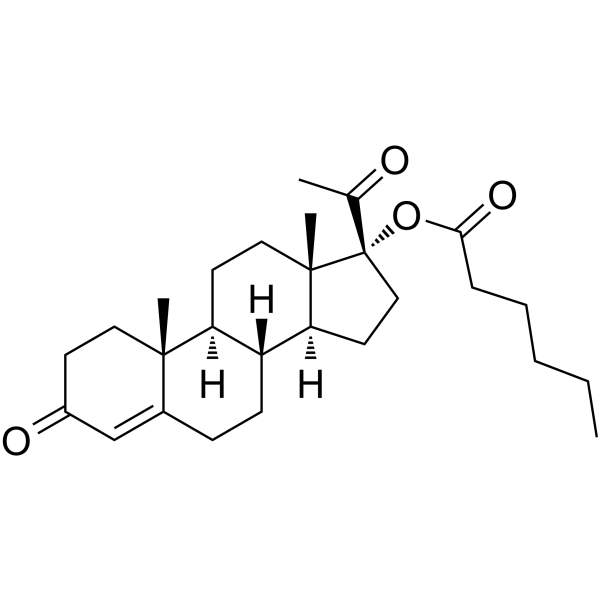
  • HY-B0742
    Hydroxyprogesterone caproate
    5+ Cited Publications

    17α-Hydroxyprogesterone hexanoate; 17α-Hydroxyprogesterone caproate

    Progesterone Receptor Endocrinology
    Hydroxyprogesterone caproate (17α-Hydroxyprogesterone hexanoate; 17α-Hydroxyprogesterone caproate) is a progesterone receptor (progesterone receptor) ligand and steroid hormone transcription inhibitor. Hydroxyprogesterone caproate downregulates estrogen receptors in target tissues and activates their metabolic pathways, and exhibits equivalent affinity for progesterone receptor A and progesterone receptor B. Hydroxyprogesterone caproate shows no consistent teratogenicity or developmental toxicity in rat, mouse and monkey models, but induces resorption or abortion in rhesus monkeys at human-equivalent doses. Hydroxyprogesterone caproate promotes the production of TNF-α in lipopolysaccharide-stimulated whole blood from non-pregnant women. Hydroxyprogesterone caproate can be used in scientific research related to preterm birth .
    Hydroxyprogesterone caproate
  • HY-149170

    5-HT Receptor Monoamine Transporter Neurological Disease
    FFN246 is a fluorescent, dual substrate of serotonin transporter (SERT) probe and vesicular monoamine transporter 2 (VMAT2) with excitation and emission spectra 392/427 nm. FFN246 can be used for labeling serotonergic neurons in mouse brain tissue through SERT-dependent accumulation .
    FFN246
  • HY-P10216

    Biochemical Assay Reagents Neurological Disease
    CAQK peptide selectively binds to injured mouse brain. CAQK peptide selectively targets demyelinating areas and it is absent from healthy tissue. The CAQK peptide target is a proteoglycan complex upregulated in brain injuries and is used for drug delivery. CAQK peptide can penetrate the blood-brain barrier .
    CAQK peptide
  • HY-P990301

    Amyloid-β Neurological Disease
    Anti-Human/Mouse/Rat Amyloid-beta Antibody (MOAB-2) is a mouse-derived IgG2b λ type antibody inhibitor, targeting to Amyloid-beta. Anti-Human/Mouse/Rat Amyloid-beta Antibody (MOAB-2) recognizes unaggregated, oligomeric or fibrillar forms of Aβ42 and unaggregated Aβ40. Anti-Human/Mouse/Rat Amyloid-beta Antibody (MOAB-2) is selective for human Aβ42 over Aβ40, but not amyloid precursor protein (APP). Anti-Human/Mouse/Rat Amyloid-beta Antibody (MOAB-2) can immunostain human or rat and mouse tissue. Anti-Human/Mouse/Rat Amyloid-beta Antibody (MOAB-2) can be used for detections of western blot, immunohistochemistry, immunofluorescence, immunoprecipitation and ELISA .
    Anti-Human/Mouse/Rat Amyloid-beta Antibody (MOAB-2)
  • HY-135115

    3,4-DHPEA-EA

    α-synuclein HDAC Adrenergic Receptor Inflammation/Immunology
    Oleuropein Aglycone (3,4-DHPEA-EA) is a polyphenol and the aglycone form of oleuropein (HY-N0292), formed by enzymatic, acidic or acetylated hydrolysis of oleuropein. Dietary intake of oleuropein Aglycone (50 mg/kg diet) increases the number of neuronal autophagic vesicles, reverses cognitive deficits in the TgCRND8 transgenic mouse model of Alzheimer's disease, and reduces the levels of histone deacetylase 2 (HDAC2) in the cortex and hippocampus. Oleuropein Aglycone increases urinary norepinephrine, interscapular brown adipose tissue epinephrine, and UCP1 protein levels, and reduced plasma leptin levels and total abdominal adipose tissue weight in a rat model of high-fat diet-induced obesity. Oleuropein Aglycone also reduced lung neutrophil infiltration, lipid peroxidation, and IL-1β levels in a mouse model of carrageenan-induced pleurisy.
    Oleuropein Aglycone
  • HY-P10943

    Fluorescent Dye Inflammation/Immunology Cancer
    APO-15 is a phosphatidylserine-binding fluorescent probe and apoptosis imaging reagent. APO-15 exhibits high chemical stability under proteolytic and oxidative conditions, enables quantification and imaging of drug-induced apoptosis in preclinical mouse models, and is applicable to fixed tissue samples and multiple in vivo administration routes (Ex = 488 nm; Em = 525 nm). APO-15 can be used in studies related to acute lung injury and breast cancer .
    APO-15
  • HY-12093
    MMP408
    1 Publications Verification

    MMP Inflammation/Immunology
    MMP408 is a selective and orally effective inhibitor of MMP-12 with IC50 values for human, mouse and rat MMP-12 of 2 nM, 160 nM and 3 μM respectively. MMP408 exhibits IC50 value for human MMP-13 of 120 nM, and its activity against other MMPs is weak. MMP408 can alleviate inflammation, fibrosis and tissue remodeling by inhibiting MMP-12. MMP408 can be used in the research of chronic obstructive pulmonary disease and chronic sinusitis with nasal polyps .
    MMP408
  • HY-145668

    UGT Cancer
    Cyclopentenyl uracil, a non-cytotoxic inhibitor of uridine kinase, effectively blocks the salvage of circulating uridine by host and tumor tissues in the intact mouse .
    Cyclopentenyl uracil
  • HY-10656

    Urotensin Receptor Inflammation/Immunology
    SB-657510 is a selective urotensin II (UII) receptor (UT) antagonist. The Ki values are 61, 17, 30, 65 and 56 nM for human, monkey, cat, rat and mouse receptors, respectively. SB-657510 exerts anti-inflammatory effects by inhibiting UII-induced upregulation of inflammatory mediators such as adhesion molecules, cytokines, and tissue factor in human vascular endothelial cells .
    SB-657510
  • HY-147081A
    AS 1411 sodium
    2 Publications Verification

    AGRO-100 sodium

    Histone Methyltransferase Bcl-2 Family Cancer
    AS 1411 (AGRO-100) sodium is an oligonucleotide aptamer targeting nucleoproteins. AS 1411 sodium inhibits tumor cell proliferation by affecting the activity of nucleoprotein-containing complexes and can be used as a carrier to precisely deliver nanoparticles, oligonucleotides and small molecules to cancer cells. AS 1411 sodium reduces PRMT5 expression to inhibit tumor growth in DU145 prostate cancer cells. S 1411 sodium works by blocking the binding of nucleoproteins to bcl-2 mRNA in MCF-7 breast cancer cells. S 1411 sodium-coupled Jin nanospheres can inhibit breast cancer cell proliferation in vitro and in mouse models, has the ability to cross the blood-brain barrier with low tissue toxicity
    AS 1411 sodium
  • HY-149010

    Keap1-Nrf2 Neurological Disease
    NXPZ-2 is an orally active Keap1-Nrf2 protein–protein interaction (PPI) inhibitor with a Ki value of 95 nM, EC50 value of 120 and 170 nM. NXPZ-2 can dose-dependently ameliorate Aβ[1-42]-Induced cognitive dysfunction, improve brain tissue pathological changes in Alzheimer’s disease (AD) mouse by increasing neuron quantity and function. NXPZ-2 can inhibit oxidative stress by increasing Nrf2 expression levels and promoting its cytoplasm to nuclear translocation, which is helpful for Keap1-Nrf2 PPI inhibitors and AD associated disease research .
    NXPZ-2
  • HY-Y1269D

    Salmiac, for molecular biology

    TGF-beta/Smad Apoptosis Chloride Channel Neurological Disease Cancer
    Ammonium chloride (Salmiac), for molecular biology is an inhibitor of Slc26a4 and SMAD2. Ammonium chloride, for molecular biology reduces the protein expression level of Slc26a4 in lung tissue, and attenuates ozone-induced increases in proinflammatory cytokines, inflammatory cells, pulmonary resistance, goblet cell hyperplasia, peribronchial inflammation and thiocyanate levels in mouse tissues and bronchoalveolar lavage fluid. Ammonium chloride, for molecular biology decreases the level of phosphorylated SMAD2, inhibits autophagy by reducing autophagy-related proteins, and enhances Cisplatin (HY-17394)-induced cancer cell apoptosis and DNA double-strand breaks. Ammonium chloride, for molecular biology also inhibits the TCA cycle, reduces ATP production, increases glucose utilization, regulates the levels of lactic acid, glutamic acid and ATP, and induces morphological degeneration of neuroblastoma cells. Ammonium chloride, for molecular biology can be used in studies related to ozone-induced airway injury, hepatocellular carcinoma, human cervical cancer, hepatic encephalopathy, Reye syndrome, epilepsy and neurodegenerative diseases .
    Ammonium chloride, for molecular biology
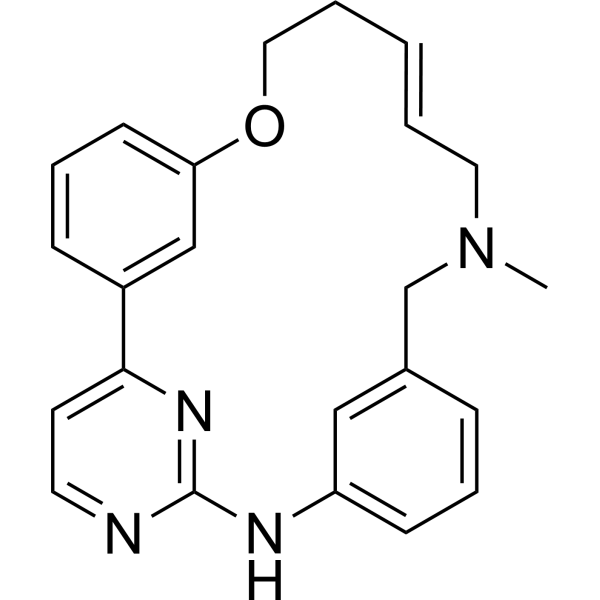
  • HY-161759

    Histone Methyltransferase Metabolic Disease
    MS152 is an oral bioactive inhibitor of EHMT2/G9a. MS152 reactivats maternally silenced Prader-Willi syndrome (PWS) genes in brain and liver tissues of PWS mouse models .
    MS152
  • HY-P990127

    Transmembrane Glycoprotein Inflammation/Immunology
    Anti-Mouse CD80/B7-1 Antibody (RM80) is an anti-mouse CD80/B7-1 IgG2a monoclonal antibody. Anti-Mouse CD80/B7-1 Antibody (RM80) can inhibit the number of tissue-resident memory (TRM) cells. Anti-Mouse CD80/B7-1 Antibody (RM80) can prolong the survival time of transplants combined with CD86 mAb. Anti-Mouse CD80/B7-1 Antibody (RM80) can be used for researches on inflammation conditions and immunology such as viral myocarditis and corneal transplant .
    Anti-Mouse CD80/B7-1 Antibody (RM80)
  • HY-P10932

    Fluorescent Dye Neurological Disease
    pGk13a is an amphipathic membrane-labeling probe containing an azide group, which can bind to fluorophores. pGk13a enables high-resolution imaging of cell membranes in the ultrastructure expansion microscopy (umExM) technique, facilitating the observation of membrane-associated structures and proteins. pGk13a is applicable to neuronal structure research .
    pGk13a
  • HY-P10427

    CXCR Dengue Virus Neurological Disease Inflammation/Immunology Cancer
    DV1 is a CXCR4 inhibitor with anti-proteolytic properties that specifically blocks the binding of SDF-1α to its receptor. DV1 inhibits the migration of breast cancer cells and enables the targeted delivery of avidin-PLGA nanoparticles to CXCR4-expressing cancer cells. DV1 not only effectively suppresses the progression of metastatic breast cancer in mouse models, but also preferentially accumulates in brain tumor tissues rather than normal brain tissues, showing potential for inhibiting intracranial tumor metastasis. As a humoral immune stimulant, DV1 induces the production of specific IgG, neutralizing antibodies and cellular immune responses, thereby providing the host with protection against lethal challenges. DV1 has been applied to studies on CXCR4-expressing cancers, glioblastoma, dengue fever and other related diseases .
    DV1
  • HY-143792

    Huntingtin P-glycoprotein Neurological Disease
    HTT-D3 is an orally active, blood-brain barrier penetrant splicing modulator of huntingtin (HTT). HTT-D3 promotes the inclusion of a pseudo-exon containing a premature termination codon into HTT pre-mRNA, triggers nonsense-mediated mRNA degradation and reduces HTT protein levels. HTT-D3 induces dose-dependent, comparable reductions in mutant HTT protein in both the brain and peripheral tissues of transgenic mouse models. HTT-D3 can be used for the research of Huntington's disease .
    HTT-D3
  • HY-174935

    Biochemical Assay Reagents Others
    DBCO-PEG1000-NHS is a dibenzocyclooctyne-conjugated polyethylene glycol derivative bearing an NHS group. DBCO-PEG-NHS forms a stable covalent linkage with the amino group of target molecules via the NHS ester at one end, while introducing a DBCO group at the other end, thus preparing for subsequent click chemical conjugation with any azide-bearing molecule or material .
    DBCO-PEG1000-NHS
  • HY-P2995B

    Biochemical Assay Reagents Heme Oxygenase (HO) Others
    Mouse Hemoglobin is a hemoglobin derived from mouse. Hemoglobin is a iron-containing protein in red blood cells with oxygen binding properties. Hemoglobin is an inducer of HO-1. Hemoglobin consits of heme, which binds to oxygen. Hemoglobin also transports other gases, such as carbon dioxide, nitric oxide, hydrogen sulfide and sulfide. Hemoglobin absorbs unneeded oxygen in tissues, as an antioxidant .
    Mouse Hemoglobin
  • HY-P1924A

    Lipocalin Family Interleukin Related Inflammation/Immunology
    IRBP (651-670) human, mouse TFA is an epitope and uveitis inducer naturally processed from the conserved region of native IRBP. IRBP (651-670) human, mouse TFA increases the levels of proinflammatory cytokines in ocular tissues (IL-1β, IL-6, TNFα, IL-17A and IL-17F). IRBP (651-670) human, mouse TFA is a IRBP fragment conserved among human, mouse and bovine species. IRBP (651-670) human, mouse TFA induces experimental autoimmune uveitis. IRBP (651-670) human, mouse TFA is applicable to research related to experimental autoimmune uveitis .
    IRBP(651-670) human, mouse TFA
  • HY-126850

    EGFR Cancer
    4-Epidoxycycline is a liver metabolite of the antibiotic doxycycline (doxycycline, HY-N0565) and doesn't have antibiotic properties in mice. 4-Epidoxycycline’s ability to regulate HER2 gene expression in vitro and in live mouse models is similar to that of doxycycline, and it shows comparable high efficacy in tumor tissues, achieving over 95% tumor regression rates .
    4-Epidoxycycline
  • HY-170933

    SGK Cancer
    SGK1-IN-6 is a selective SGK1 inhibitor with an IC50 of 0.39 μM, showing selectivity over SGK2/3. SGK1-IN-6 inhibits cancer cell migration and invasion, improves SGK1 protein thermal stability. SGK1-IN-6 decreases SGK1 protein levels in tumor tissues, suppresses tumor growth in mouse xenograft models. SGK1-IN-6 can be used for the research of prostate cancer .
    SGK1-IN-6
  • HY-P10427A

    CXCR Dengue Virus Infection
    DV1 TFA is a CXCR4 inhibitor with anti-proteolytic properties that specifically blocks the binding of SDF-1α to its receptor. DV1 TFA inhibits the migration of breast cancer cells and enables the targeted delivery of avidin-PLGA nanoparticles to CXCR4-expressing cancer cells. DV1 TFA not only effectively suppresses the progression of metastatic breast cancer in mouse models, but also preferentially accumulates in brain tumor tissues rather than normal brain tissues, showing potential for inhibiting intracranial tumor metastasis. As a humoral immune stimulant, DV1 TFA induces the production of specific IgG, neutralizing antibodies and cellular immune responses, thereby providing the host with protection against lethal challenges. DV1 TFA has been applied to studies on CXCR4-expressing cancers, glioblastoma, dengue fever and other related diseases .
    DV1 TFA
  • HY-174935A

    Biochemical Assay Reagents Others
    DBCO-PEG2000-NHS is a dibenzocyclooctyne-conjugated polyethylene glycol derivative bearing an NHS group. DBCO-PEG-NHS forms a stable covalent linkage with the amino group of target molecules via the NHS ester at one end, while introducing a DBCO group at the other end, thus preparing for subsequent click chemical conjugation with any azide-bearing molecule or material .
    DBCO-PEG2000-NHS

Inquiry Online

Your information is safe with us. * Required Fields.

Salutation


Country or Region *

Applicant Name *


Organization Name *

Department *


Email Address *


Product Name *

Cat. No.


Requested quantity *

Phone Number *


Remarks

Inquiry Online

Inquiry Information

Product Name:
Cat. No.:
Quantity:
MCE Japan Authorized Agent:

