
1. Search Result
Search Result
Results for "

mucosal

" in MedChemExpress (MCE) Product Catalog:

145

Inhibitors & Agonists

2

Fluorescent Dye

5

Biochemical Assay Reagents

16

Peptides

4

Inhibitory Antibodies

25

Natural
Products

11

Recombinant Proteins

9

Isotope-Labeled Compounds

4

Antibodies

8

Oligonucleotides

1

GMP Molecules

Cat. No. Product Name Target Research Areas Chemical Structure
  • HY-U00449
    AGN 193109
    5+ Cited Publications

    RAR/RXR Cancer
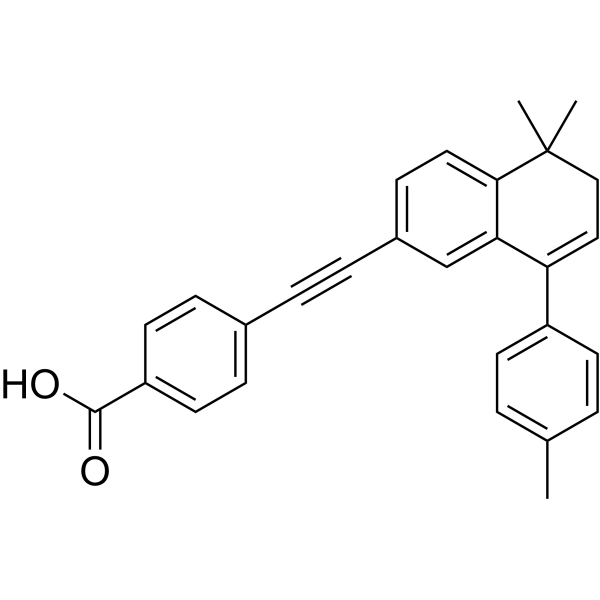
    AGN 193109 is a retinoid analog, and acts as a specific and highly effective antagonist of retinoic acid receptors (RARs), with Kds of 2 nM, 2 nM, and 3 nM for RARα, RARβ, and RARγ, respectively. AGN 193109 is a click chemistry reagent, it contains an Alkyne group and can undergo copper-catalyzed azide-alkyne cycloaddition (CuAAc) with molecules containing Azide groups. AGN 193109 is the antidote for retinoic acidosis, that ameliorates the skin and mucosal toxicity.
    AGN 193109
  • HY-Y1310
    Sodium alginate
    1 Publications Verification

    Environmental Pollutants Others Cancer
    Sodium alginate is the sodium salt of alginic acid. Sodium alginate can be extracted and purified from brown seaweed Laminaria japonica. Sodium alginate can be used in food additives and pharmaceuticals, adsorb heavy metal ions, and has mucosal-protective and hemostatic effects .
    Sodium alginate
  • HY-B0360
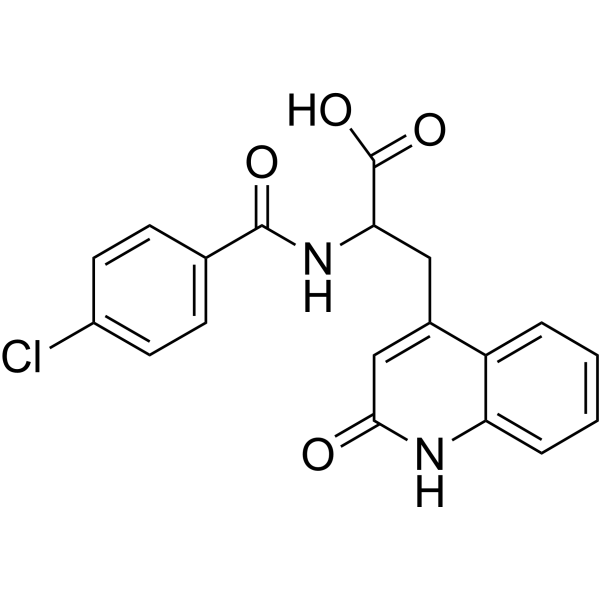
    Rebamipide
    5+ Cited Publications

    OPC12759; Proamipide

    COX Inflammation/Immunology Cancer
    Rebamipide (OPC12759) is an orally active gastroprotective agent that enhances the production of endogenous PGs (especially intragastric PGE2) by inducing COX-2 expression, thereby protecting the gastric mucosa from injury. Rebamipide exerts anti-proliferative activity against gastric cancer cells. Rebamipide can be used in studies of mucosal protection, gastroduodenal ulcer, gastritis and gastric cancer .
    Rebamipide
  • HY-125850
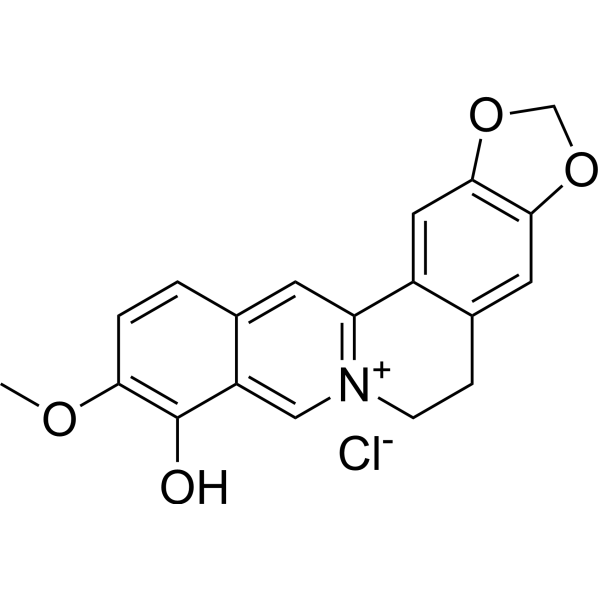
    Berberrubine chloride
    2 Publications Verification

    Drug Metabolite HIV Interleukin Related Infection Inflammation/Immunology Cancer
    Berberrubine chloride is an orally active metabolite of berberine. Berberrubine chloride alleviates mucosal lesions and inflammation in mouse colitis models. Berberrubine chloride has anti-inflammatory, anti-tumor, and antiviral activities .
    Berberrubine chloride
  • HY-148033

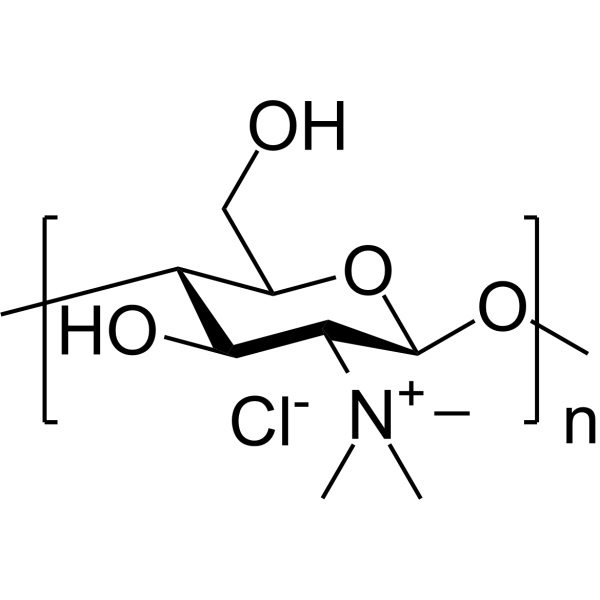
    N,N,N-Trimethylchitosan

    Drug Derivative Others
    Trimethyl chitosan (N,N,N-Trimethylchitosan) is a multifunctional polymer and a derivative of Chitosan (HY-B2144A). Trimethyl chitosan targets the absorption enhancing proteins of tight junctions of intestinal and mucosal epithelial cells, induces tight junction protein rearrangement, and increases intercellular permeability. Trimethyl chitosan can stimulate the activity of promoting transmembrane transport of hydrophilic drugs (such as peptides and proteins) and can be used for drug delivery and synthesis of nanoparticles .
    Trimethyl chitosan
  • HY-W145499
    Zinc Gluconate
    1 Publications Verification

    PPAR NF-κB Toll-like Receptor (TLR) Inflammation/Immunology Cancer
    Zinc Gluconate is a zinc supplement in the form of a gluconate salt, which plays a role in various physiological processes such as immune function, wound healing, and olfaction. Zinc Gluconate has a LD50 of 39.6 mg/kg in mice (Tail vein injection). Zinc Gluconate can be used in the research of inflammation, zinc deficiency, colds, cancer, and nutritional supplements .
    Zinc Gluconate
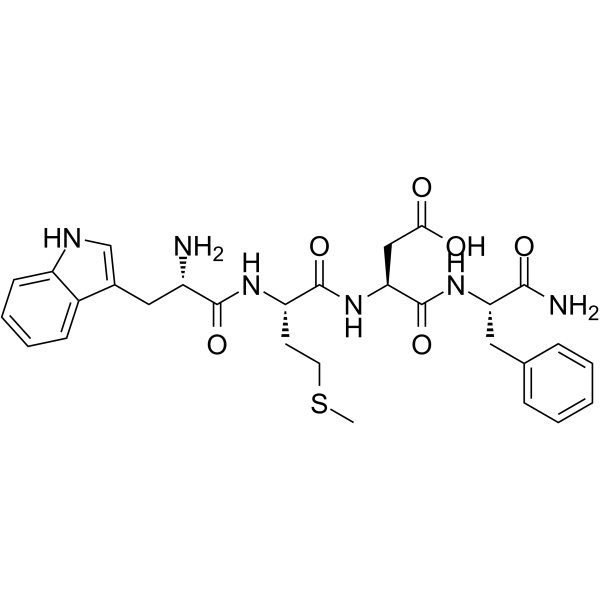
  • HY-A0261
    Pentagastrin
    1 Publications Verification

    ICI-50123

    Cholecystokinin Receptor Metabolic Disease Cancer
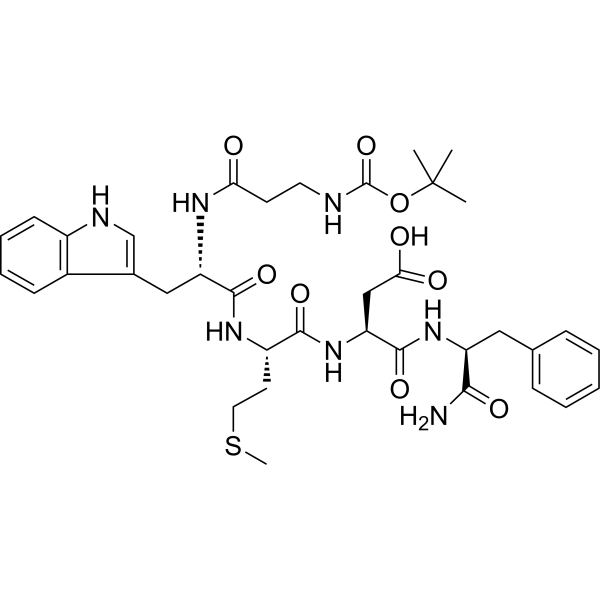
    Pentagastrin (ICI-50123) is a potent, selective Cholecystokinin B (CCKB) receptor agonist with an EC50 value of 11 nM. Pentagastrin enhances gastric mucosal defense mechanisms against acid and protects the gastric mucosa from experimental injury .
    Pentagastrin
  • HY-131296
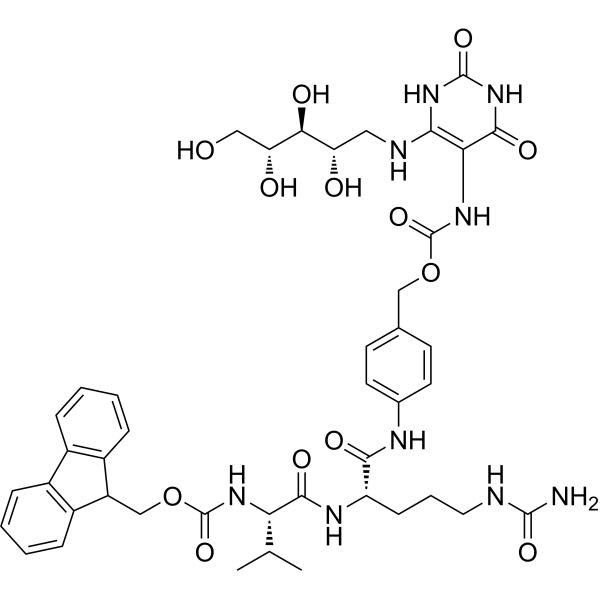
    5-A-RU-PABC-Val-Cit-Fmoc
    5+ Cited Publications

    Drug Derivative Inflammation/Immunology
    5-A-RU-PABC-Val-Cit-Fmoc is the proagent of 5-A-RU . 5-A-RU, a precursor of bacterial Riboflavin, is a mucosal-associated invariant T (MAIT) cells activator. 5-A-RU forms potent MAIT-activating antigens via non-enzymatic reactions with small molecules, such as glyoxal and methylglyoxal, which are derived from other metabolic pathways .
    5-A-RU-PABC-Val-Cit-Fmoc
  • HY-134570
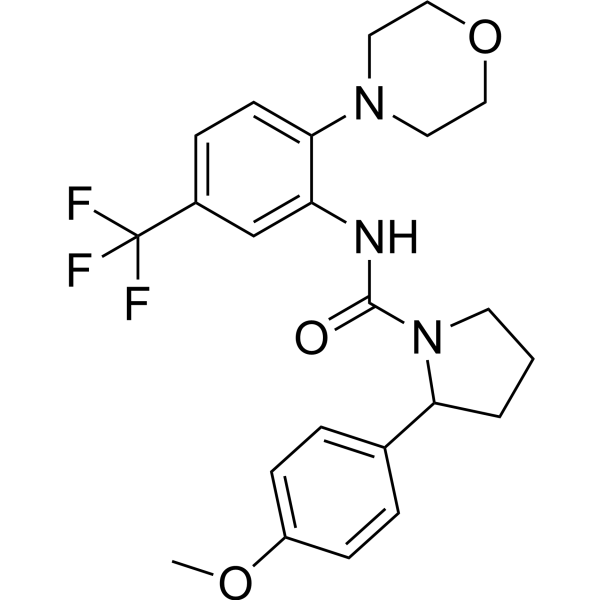
    ZINC40099027
    3 Publications Verification

    FAK Metabolic Disease Inflammation/Immunology
    ZINC40099027 is a selective FAK activator. ZINC40099027 promotes FAK phosphorylation, without activating its paralogs Pyk2 and Src. ZINC40099027 promotes the wound closure of human intestinal epithelial monolayers and the healing of mouse ulcers by activating FAK. ZINC40099027 can be used for diseases related to gastrointestinal mucosal injury research .
    ZINC40099027
  • HY-B0644

    Sucrose octasulfate-aluminum complex

    Bacterial Infection Inflammation/Immunology Cancer
    Sucralfate (Sucrose octasulfate-aluminum complex) is a potent and orally active gastroprotectant with no systemic effects. Sucralfate inhibits peptic activity and binds to negatively charged subepithelial proteins exposed during mucosal injury, forming a viscous layer that protects the vascular bed and proliferative zone. Sucralfate is used for prevention and research of several gastrointestinal diseases in vivo .
    Sucralfate
  • HY-W027951
    N,N'-Dimethylthiourea
    1 Publications Verification

    DMTU

    Environmental Pollutants Reactive Oxygen Species (ROS) Inflammation/Immunology
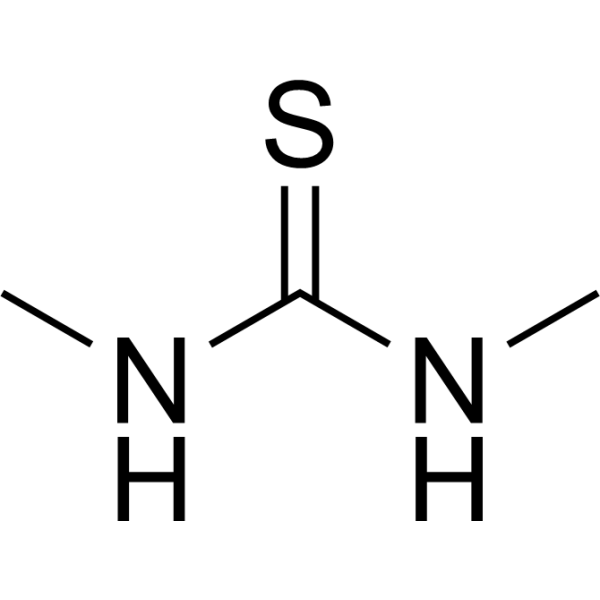
    N,N'-Dimethylthiourea (DMTU), isolated from Allium sativum, is an orally active scavenger of hydroxyl radical (•OH) and blocks •OH production by activated neutrophils in vitro. N,N'-Dimethylthiourea protects against water-immersion restraint stress (WIRS)-induced gastric mucosal lesions in rats by exerting its antioxidant action including •OH scavenging and anti-inflammatory action .
    N,N'-Dimethylthiourea
  • HY-128686
    KAG-308
    3 Publications Verification

    Prostaglandin Receptor Inflammation/Immunology Endocrinology
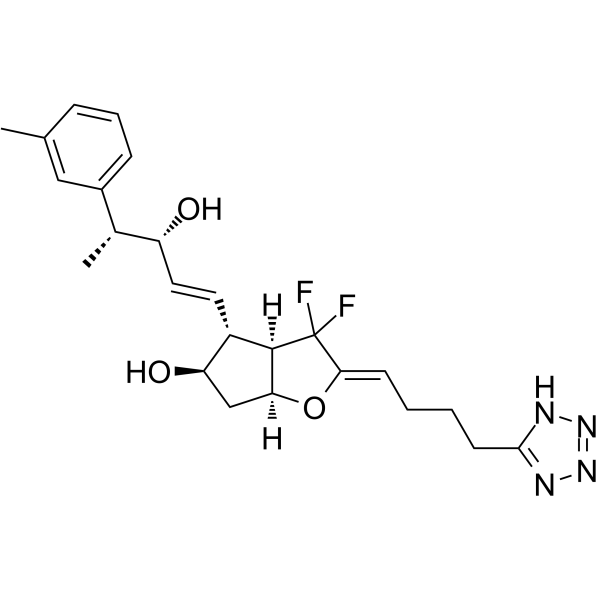
    KAG-308 is a potent selective and orally active agonist of EP4 receptor (a prostaglandin E2 receptor subtype), suppresses colitis and promotes histological mucosal healing, potently inhibits TNF-α production. KAG-308 shows a Ki and an EC50 of 2.57 nM and 17 nM for human EP4 receptor, respectively, more selective over EP1, EP2, EP3 and IP receptor .
    KAG-308
  • HY-N0554
    Escin IA
    1 Publications Verification

    HIV Protease Monoamine Oxidase Infection Inflammation/Immunology Cancer
    Escin IA is an oral LOXL2 inhibitor and EMT inhibitor, with selectivity for LOXL2-expressing cells. Escin IA suppresses invasion, migration, and metastasis of breast cancer cells, and acts as the primary anti-TNBC metastasis constituent of Aesculus chinensis Bunge fruit saponin fraction. Escin IA can be used for the research of triple-negative breast cancer, acute inflammation, and ethanol-induced gastric mucosal lesions .
    Escin IA
  • HY-P1068
    Lysozyme
    5+ Cited Publications

    Muramidase

    Bacterial TNF Receptor Interleukin Related TGF-β Receptor Infection Inflammation/Immunology
    Lysozyme (Muramidase) is a conserved antimicrobial protein. Lysozyme exerts its bactericidal effect by hydrolyzing bacterial cell wall peptidoglycan (PG). Lysozyme plays an important role in limiting bacterial growth on mucosal surfaces and other sites, not only controlling potential pathogens but also limiting overgrowth of microbiota to prevent dysbiosis. Extracellular lysozyme can also degrade polymeric PG into soluble fragments, activate NOD receptors in mucosal epithelial cells, and lead to the secretion of chemokines and activating factors by neutrophils and macrophages .
    Lysozyme
  • HY-P2988
    Neuraminidase, Microorganism
    1 Publications Verification

    Exo-α-sialidase

    Endogenous Metabolite Infection
    Neuraminidase, Microorganism (Exo-α-sialidase) is an exosialidase, is often used in biochemical studies. Neuraminidase cleaves α-ketosidic linkage between the sialic (N-acetylneuraminic) acid and an adjacent sugar residue. Neuraminidase, derived from mucosal pathogens, is a virulence factor that modifies the host's response to infection .
    Neuraminidase, Microorganism
  • HY-108292

    NF-κB Neurological Disease Cancer
    Propacetamol hydrochloride is an orally active prodrug of paracetamol and an inducer of acute liver injury models, with multiple properties including antinociception, antioxidation and gastroprotection. Propacetamol hydrochloride potentiates Tramadol and attenuates Aspirin (HY-14654)-induced gastric mucosal damage and lipid peroxidation. Under specific conditions, Propacetamol hydrochloride also acts as a hepatotoxic inducer, triggering acute liver injury, oxidative stress and apoptosis, with strain differences in toxicity sensitivity. Propacetamol hydrochloride can be used in the research of acute liver injury, drug-induced hepatotoxicity and gastric mucosal damage .
    Propacetamol hydrochloride
  • HY-N2376
    Chrysin-7-O-glucuronide
    1 Publications Verification

    Glycosidase Amylases NF-κB Metabolic Disease Inflammation/Immunology
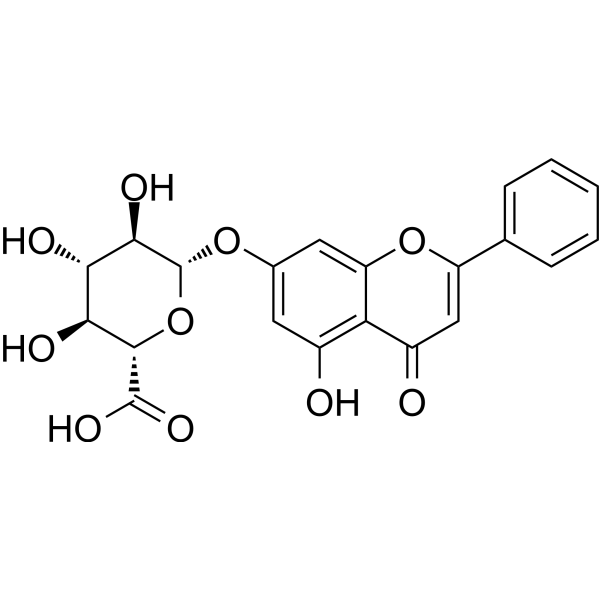
    Chrysin-7-O-glucuronide is a flavonoid found in Scutellaria baicalensis. Chrysin-7-O-glucuronide inhibits α-glucosidase and α-amylase with IC50 values of 612.13 and 980.73 μg/mL. Chrysin-7-O-glucuronide suppresses NF-κB signaling activity. Chrysin-7-O-glucuronide scavenges free radicals, acts as a tight junction protector, and mitigates intestinal mucosal barrier injury. Chrysin-7-O-glucuronide can be used for the research of type 2 diabetes and severe acute pancreatitis-induced intestinal mucosal barrier injury .
    Chrysin-7-O-glucuronide
  • HY-B0327
    Irsogladine
    3 Publications Verification

    Dicloguamine

    Phosphodiesterase (PDE) NF-κB AP-1 TRP Channel Interleukin Related Inflammation/Immunology Cancer
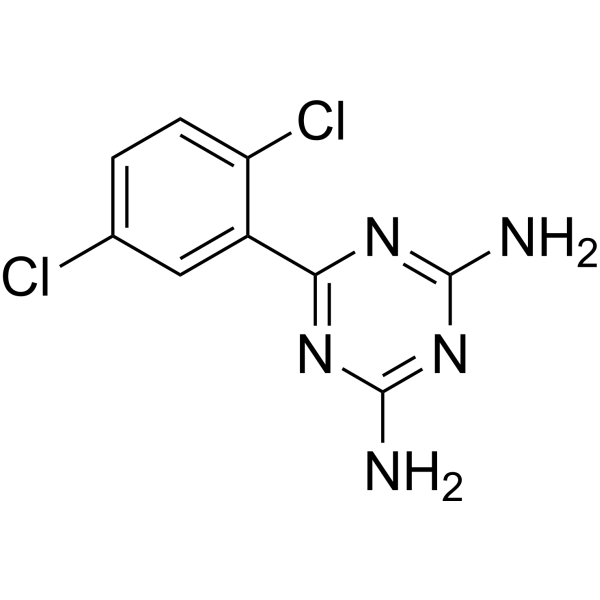
    Irsogladine (Dicloguamine) is an orally active gastric mucosal protective agent. Irsogladine inhibits breast cancer recurrence and lung metastasis in nude mice . Irsogladine inhibits the transcriptional activities of NF-κB and AP-1, suppresses the activities of PDE and PDE4 to elevate intracellular cAMP levels, and activates TRPV1 and KATP channels. Irsogladine enhances iNOS expression, NO production, and the activation of cAMP-responsive elements. Irsogladine inhibits the development and progression of intestinal polyps in Apc-mutant mice. Irsogladine alleviates oxidative stress, increases gastric mucosal blood flow, and stimulates the production of endogenous prostaglandins. Irsogladine promotes insulin secretion in MIN6 cells. Irsogladine inhibits tumor angiogenesis, cancer cell proliferation, and the production of proinflammatory cytokines. Irsogladine exerts protective effects on astrocytes in ethanol/hydrochloric acid-induced gastric ulcers in mice. Irsogladine prevents colitis in IL-10 gene-deficient mice by reducing the production of IL-12 and IL-23. Irsogladine upregulates gap junction intercellular communication in pancreatic cancer cells via the PKA pathway. Irsogladine is applicable to research related to breast cancer, intestinal polyposis, gastric ulcer, spontaneous colitis, glioma, liver cancer, and pancreatic cancer [5][6] .
    Irsogladine
  • HY-154659

    Biochemical Assay Reagents Others
    Polycarbophil is an orally active hydrophilic polymer. Polycarbophil achieves bioadhesion through hydrogen bonding between carboxyl groups and mucosal surfaces, and prolongs compound retention time and regulates compound release through swelling properties. Polycarbophil relieves constipation and diarrhea .
    Polycarbophil
  • HY-N0465

    Antibiotic Bacterial Infection
    Olaquindox, a quinoxalin derivative, is an orally active antibiotic. Olaquindox stimulates growth and decreases intestinal mucosal immunity of piglets .
    Olaquindox
  • HY-B0160

    FRG-8813

    Histamine Receptor Metabolic Disease Endocrinology
    Lafutidine (FRG-8813) is a histamine H2-receptor antagonist (H2RA), with proven gastric mucosal protective effects. Lafutidine can be used for the research of gastroesophageal reflux disease .
    Lafutidine
  • HY-103325

    Cannabinoid Receptor TRP Channel Interleukin Related ANGPTL VEGFR Metabolic Disease Inflammation/Immunology
    JTE-907 is a selective and orally active cannabinoid CB2 receptor inverse agonist and exerts anti-inflammatory effects. JTE-907 upregulates IL-6, MCP-1, IL-1β, VEGF, ANGPTL4, and TRPV1 in mature adipocytes. JTE-907 downregulates CB1, MCP-1, and IL-1β in preadipocytes. JTE-907 inhibits ear swelling in mice. JTE-907 reverses the protective effects of CB2 agonists and Anandamide (HY-10863) against cytokine-evoked colonic mucosal damage. JTE-907 can be used for the research of allergic dermatitis, obesity, and colitis .
    JTE-907
  • HY-119684

    NOD-like Receptor (NLR) Interleukin Related Neurological Disease Inflammation/Immunology
    Maresin 2 is an anti-inflammatory and pro-resolving mediator. Maresin 2 drives intestinal epithelial cell migration by activating the focal cell-matrix adhesion signaling pathway in primary human intestinal epithelial cells, thereby promoting mucosal wound repair. Maresin 2 alleviates nociceptive and anxiety-like behaviors in rats with type 1 diabetes by inhibiting IL-1β in the spinal cord and prefrontal cortex. Maresin 2 attenuates allergic airway inflammation in mice by inhibiting the activation of the NLRP3 inflammasome, Th2-type immune responses, and oxidative stress. Maresin 2 inhibits inflammatory and neuropathic trigeminal neuralgia and reduces neuronal activation in the trigeminal ganglion. Maresin 2 promotes inflammation resolution and mucosal repair after DSS-induced colitis or biopsy-induced colonic mucosal injury .
    Maresin 2
  • HY-125556
    Tetragastrin
    1 Publications Verification

    Cholecystokinin tetrapeptide; CCK-4

    Cholecystokinin Receptor Metabolic Disease
    Tetragastrin (Cholecystokinin tetrapeptide; CCK-4) is the C-terminal tetrapeptide of gastrin. Tetragastrin can stimulate gastric secretion . Tetragastrin is a Cholecystokinin (CCK-4) receptor agonist . Gastric mucosal protection .
    Tetragastrin
  • HY-111792

    CRX-601

    Toll-like Receptor (TLR) Inflammation/Immunology Cancer
    GSK1795091 (CRX-601), an immunologic stimulator, is a synthetic TLR4 agonist. Antitumor activity. GSK1795091 can be used as a vaccine adjuvant to enhance both mucosal and systemic immunity to influenza virus vaccines. Not only, GSK1795091 inhibits tumor growth and increases the survival in mice model, but results in long term survival in influenza challenge model in mice .
    GSK1795091
  • HY-P99411

    SHP647

    Integrin Inflammation/Immunology
    Ontamalimab (SHP647) is a fully-human IgG2 monoclonal antibody targeting mucosal addressin cell adhesion molecule-1 (MAdCAM-1). Ontamalimab can be used for the research of Crohn's disease .
    Ontamalimab
  • HY-145453

    Interleukin Related Inflammation/Immunology
    Propacetamol is an orally active prodrug of Acetaminophen (HY-66005), which exerts antipyretic and analgesic effects after metabolism. Propacetamol reduces Aspirin (ASA) (HY-14654)-induced elevation of malondialdehyde (MDA) in gastric mucosa and plasma, regulates the levels of gastric mucosal glutathione (GSH and GSSG) to maintain cellular antioxidant defense, and increases gastric mucosal uric acid (UA) levels. Propacetamol exerts a dose-dependent protective effect against ASA-induced gastric mucosal damage in rats. Propacetamol can be used for the study of gastric mucosal injury by interfering with oxidative stress .
    Propacetamol
  • HY-N6655

    Amino Acid Derivatives Inflammation/Immunology
    DL-methionine methylsulfonium chloride is a naturally occurring methionine derivative. DL-methionine methylsulfonium chloride protects gastric mucosal from ethanol-induced damage .
    DL-Methionine methylsulfonium chloride
  • HY-108278

    Drug Derivative Endocrinology
    Zolimidine, a derivate of imidazopyridine, is an orally active antiulcer agent. Zolimidine stimulates mucus secretion in intestinal mucosal cells and enhacnes intestinal wall more resistant to ulceration. Zolimidine exhibits gastroprotective effect in duodenal ulcer research .
    Zolimidine
  • HY-145310

    Epigenetic Reader Domain Inflammation/Immunology
    ZL0590 is a potent, orally active BRD4 BD1-selective inhibitor with an IC50 of 90 nM for human BRD4 BD1. ZL0590 exhibits significant anti-inflammatory activities. ZL0590 can reduce mucosal inflammation in animal models of inflammatory bowel disease and restores tissue architecture. ZL0590 can be used in research on inflammatory diseases such as inflammatory bowel disease .
    ZL0590
  • HY-18006
    NKP608
    1 Publications Verification

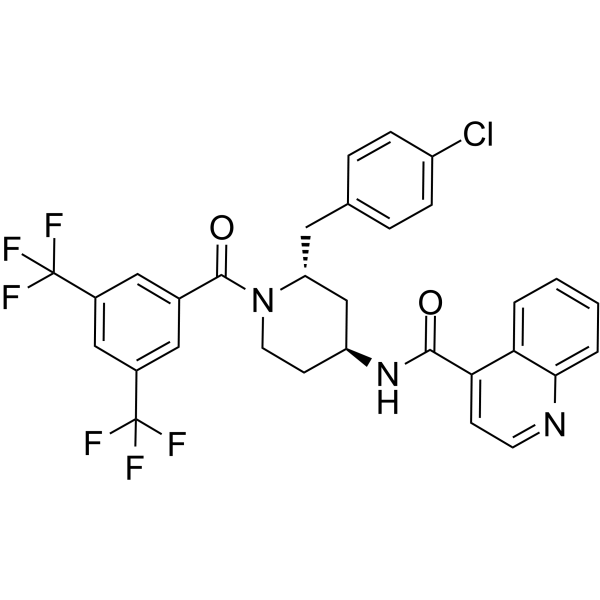
    Neurokinin Receptor Wnt Bcl-2 Family β-catenin Cyclin G-associated Kinase (GAK) VEGFR Caspase Cadherin Apoptosis Neurological Disease Metabolic Disease Inflammation/Immunology Cancer
    NKP608 is a non-peptidic derivative of 4-aminopiperidine, a highly selective, orally active, neurokinin-1 (NK1) receptor antagonist with IC50 of 2.6 nM. NKP608 is active both in vitro and in vivo, showing extremely low affinity for NK2, NK3 receptors. NKP608 exerts its effects by blocking the NK₁ receptor, regulate cell proliferation and apoptosis, affect neurotransmitter functions and gastric mucosal repair mechanisms, and suppress the Wnt/β-catenin pathway in antitumor research. NKP608 is applicable to research related to various diseases, including cough, anxiety disorders, depression, gastric mucosal injury, and colorectal cancer .
    NKP608
  • HY-122762

    DV-1006

    Ser/Thr Protease Inflammation/Immunology
    Cetraxate hydrochloride (DV-1006), an orally active anti-ulcer agent with mucosal protective effects, can be used for gastric ulcers research . Cetraxate hydrochloride is a potent acrosomal proteinase acrosin inhibitor with a Ki and an IC50 of 0.94 μM and 3.3 μM, respectively .
    Cetraxate hydrochloride
  • HY-P5681

    Bacterial Infection Inflammation/Immunology
    Human α-Defensin 6, a 32-residue cysteine-rich peptide, can inhibit bacterial invasion and contribute to the mucosal immunity. Human α-Defensin 6 forms ordered self-assembly fibrils and nanonets that surround and entangle bacteria after stochastic binding to bacterial surface proteins. Human α-Defensin 6 also inhibits C. albicans biofilm formation .
    Human α-Defensin 6
  • HY-161343

    P2Y Receptor Necroptosis Inflammation/Immunology
    HDL-16 is a potent P2Y14R antagonist with an IC50 of 0.3095 nM. HDL-16 ameliorates DSS (HY-116282C)-induced colitis through suppressing necroptosis of intestinal epithelium cells (IECs) and protecting mucosal barrier function .
    HDL-16
  • HY-B2175

    Aluminum diacetylsalicylate

    Biochemical Assay Reagents Inflammation/Immunology
    Aspirin Aluminum is a novel intermolecular compound which can inhibit gastrointestinal mucosal disorders induced by NSAIDs (non-steroidal anti-inflammatory agents) extracted from patent WO 2010064441 A1.
    Aspirin Aluminum
  • HY-116953

    LXB4

    Endogenous Metabolite Inflammation/Immunology
    Lipoxin B4 (LXB4) is a structurally distinct product of arachidonic acid metabolism. Lipoxin B4 reduces leukocyte infiltration and mucus secretion in the nasal mucosa and decreases mast cell and eosinophil degranulation in the upper airway. Lipoxin B4 decreases airway inflammation, mucus metaplasia and hyper- responsiveness in the lower airway. Lipoxin B4 shows mucosal protective actions and has the potential for the research of allergic inflammation in the upper and lower airways .
    Lipoxin B4
  • HY-106054

    Prostaglandin Receptor Metabolic Disease Inflammation/Immunology
    Nocloprost, a prostaglandin E2 (PGE2) analog, is an orally active EP1- and EP3-receptor agonist. Nocloprost inhibits evoked [ 3H]ACh release. Nocloprost has gastroprotective and ulcer-healing properties. Nocloprost accelerates the healing of chronic gastric ulcerations and enhances mucosal growth in rats .
    Nocloprost
  • HY-19105A

    Histamine Receptor Inflammation/Immunology
    IT 066 hydrochloride is a Histamine H2 receptor antagonist. IT 066 hydrochloride possesses antioxidant activity and can protect rats against acute gastric mucosal injury induced by ischemia-reperfusion. IT 066 hydrochloride can also inhibit secretagogue-induced gastric acid secretion in rats and exert a long-acting anti-lesion effect on experimental gastric and duodenal lesions in rats. IT 066 hydrochloride is applicable for the research of gastrointestinal diseases .
    IT 066 hydrochloride
  • HY-109158

    COX Inflammation/Immunology
    Rebamipide mofetil is an orally active proagent of Rebamipide (OPC12759). Rebamipide is a mucoprotective agent. Rebamipide induces COX-2 expression, increases PGE2 levels, and enhances gastric mucosal defense in a COX-2-dependent manner .
    Rebamipide mofetil
  • HY-P1841

    Endogenous Metabolite Apoptosis Metabolic Disease
    Glucagon-Like Peptide (GLP) II, human is a 33-amino acid peptide derived from the C-terminal of proglucagon and mainly produced by the intestinal L cells. Glucagon-Like Peptide (GLP) II, human stimulates intestinal mucosal growth and decreases apoptosis of enterocytes .
    Glucagon-Like Peptide (GLP) II, human
  • HY-129344

    Acyltransferase Metabolic Disease
    CL 277082 is a potent and selective acyl CoA:cholesterol acyltransferase (ACAT) inhibitor in microsomes. CL 277082 inhibits ACAT with IC50 values of 0.14 μM for intestinal mucosal microsomes, 0.74 μM for liver, and 1.18 μM for rat adrenal. CL 277082 is a ACAT-catalyzed cholesterol esterification and cholesterol absorption inhibitor .
    CL 277082
  • HY-P2313

    HβD-2

    Antibiotic Bacterial Infection
    Human β-defensin-2 (HβD-2) is a small cysteine-rich cationic skin-antimicrobial peptide (SAP) produced by a number of epithelial cells.Human β-defensin-2 has antimicrobial activity against gram-negative bacteria and Candida, but not gram-positive Staphylococcus aureus . Human β-defensin-2 can be used for the study of colitis .
    Human β-defensin-2
  • HY-145686

    Wnt Nuclear Factor of activated T Cells (NFAT) Inflammation/Immunology
    AV023 is a potent inhibitor of ANKRD22. AV023 promotes the expansion of gastrointestinal mucosal epithelial stem cells and indirectly activates the Wnt classical pathway, which helps the recovery of damaged gastrointestinal mucosal tissues in the body (extracted from patent CN111205231B) .
    AV023
  • HY-116777

    SKF 92676

    Histamine Receptor Others
    Impromidine (SKF 92676) is a potent agonist for histamine H2 receptor. Impromidine induces gastric mucosal blood flow and acid secretion .
    Impromidine
  • HY-B0360S

    OPC12759-d4; Proamipide-d4

    Isotope-Labeled Compounds COX Prostaglandin Receptor Inflammation/Immunology Cancer
    Rebamipide-d4 is deuterium labeled Rebamipide. Rebamipide is a mucoprotective agent. Rebamipide induces COX-2 expression, increases PGE2 levels, and enhances gastric mucosal defense in a COX-2-dependent manner .
    Rebamipide-d4
  • HY-B0779A

    (5E,9E,13E)-Geranylgeranylacetone

    HSP Metabolic Disease
    (5E,9E,13E)-Teprenone ((5E,9E,13E)-Geranylgeranylacetone) is an isomer of Teprenone with antiulcer activity. (5E,9E,13E)-Teprenone induces transcriptional activation of HSP genes that may increase gastric mucosal defense at conditions of stress .
    (5E,9E,13E)-Teprenone
  • HY-B0360R

    COX Reference Standards Inflammation/Immunology Cancer
    Rebamipide (Standard) is the analytical standard of Rebamipide. This product is intended for research and analytical applications. Rebamipide (OPC12759) is an orally active gastroprotective agent that enhances the production of endogenous PGs (especially intragastric PGE2) by inducing COX-2 expression, thereby protecting the gastric mucosa from injury. Rebamipide exerts anti-proliferative activity against gastric cancer cells. Rebamipide can be used in studies of mucosal protection, gastroduodenal ulcer, gastritis and gastric cancer .
    Rebamipide (Standard)
  • HY-19048

    Histamine Receptor Endocrinology
    CP-66948 is a histamine H2-receptor antagonist with gastric antisecretory activity and mucosal protective properties.
    CP-66948
  • HY-W554021

    Carbocisteine lysine; Carbocysteine-L-lysine

    Others Inflammation/Immunology
    S-Carboxymethyl-L-cysteine L-lysine monohydrate (Carbocisteine lysine) is a mucosal active drug with anti-inflammatory and antioxidant activities, which can be used in the research of chronic obstructive pulmonary disease (COPD) .
    S-Carboxymethyl-L-cysteine L-lysine monohydrate
  • HY-174620

    mRNA Inflammation/Immunology
    Human IL22 mRNA encodes the human interleukin 22 (IL22) protein, a member of the IL10 family of cytokines that mediate cellular inflammatory responses. IL22 functions in antimicrobial defense at mucosal surfaces and in tissue repair. It also has pro-inflammatory properties and plays a role in in the pathogenesis of several intestinal diseases.
    Human IL22 mRNA

Inquiry Online

Your information is safe with us. * Required Fields.

Salutation


Country or Region *

Applicant Name *


Organization Name *

Department *


Email Address *


Product Name *

Cat. No.


Requested quantity *

Phone Number *


Remarks

Inquiry Online

Inquiry Information

Product Name:
Cat. No.:
Quantity:
MCE Japan Authorized Agent:

