1620 Results for "

muscles

" in MedChemExpress (MCE) Product Catalog:
Products (1620)

1620 Results for "muscles" in MCE Product Catalog:

388
388 Publications Verification
Cat. No.: HY-14648
CAS No.: 50-02-2
Purity:  99.86%
Synonyms: Hexadecadrol; Prednisolone F
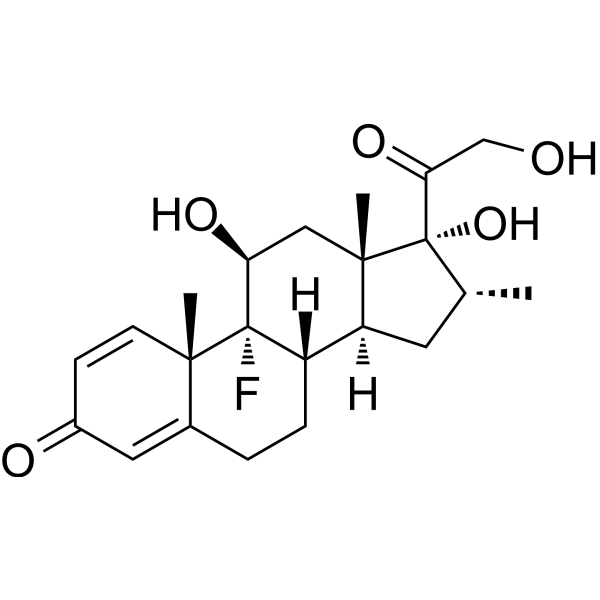
Dexamethasone (Hexadecadrol) is a glucocorticoid receptor agonist, apoptosis inducer, and common disease inducer in experimental animals, constructing models of muscle atrophy, hypertension, and depression. Dexamethasone can inhibit the production of inflammatory miRNA-155 exosomes in macrophages and significantly reduce the expression of inflammatory factors in neutrophils and monocytes. Dexamethasone also has potential for use in COVID-19 research .
loading...
    loading...
388
388 Publications Verification
Cat. No.: HY-14648C
CAS No.: 50-02-2
Purity:  ≥98.0%
Synonyms: Dexamethasone cyclodextrin complex
Dexamethasone (Hexadecadrol) Water Soluble is a water-soluble form of Dexamethasone (HY-14648). Dexamethasone is a glucocorticoid receptor agonist, apoptosis inducer, and a common disease inducer in experimental animals. It can be used to construct models of muscle atrophy, hypertension, and depression. Dexamethasone can inhibit the production of inflammatory miRNA-155 exosomes in macrophages and significantly reduce the expression of inflammatory factors in neutrophils and monocytes. Dexamethasone also has the potential to be used in COVID-19 research .(Sale size is the weight of dexamethasone)
loading...
    loading...
248
248 Cited Publications
Cat. No.: HY-13948
CAS No.: 4474-91-3
Purity:  99.98%
Synonyms: Angiotensin II; Ang II; DRVYIHPF
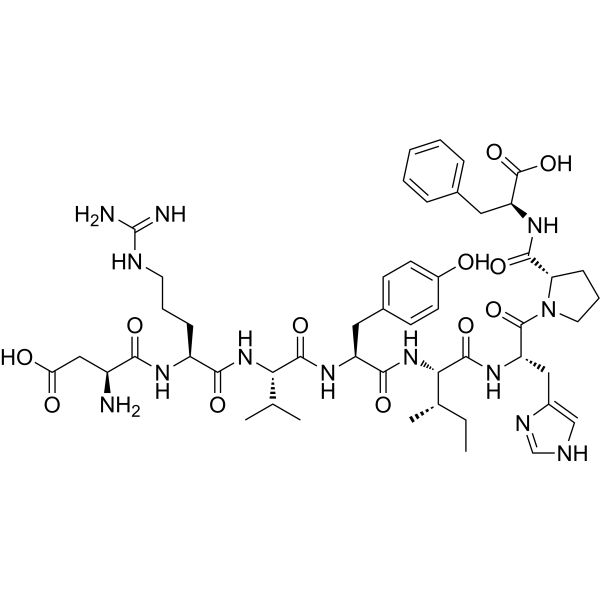
Angiotensin II (Angiotensin II) is a vasoconstrictor and a major bioactive peptide of the renin/angiotensin system. Angiotensin II human plays a central role in regulating human blood pressure, which is mainly mediated by interactions between Angiotensin II and the G-protein-coupled receptors (GPCRs) Angiotensin II type 1 receptor (AT1R) and Angiotensin II type 2 receptor (AT2R). Angiotensin II human stimulates sympathetic nervous stimulation, increases aldosterone biosynthesis and renal actions. Angiotensin II human induces growth of vascular smooth muscle cells, increases collagen type I and III synthesis in fibroblasts, leading to thickening of the vascular wall and myocardium, and fibrosis. Angiotensin II human also induces apoptosis. Angiotensin II induces capillary formation from endothelial cells via the LOX-1 dependent redox-sensitive pathway .
loading...
    loading...
248
248 Cited Publications
Cat. No.: HY-13948A
CAS No.: 68521-88-0
Purity:  99.62%
Synonyms: Angiotensin II acetate; Ang II acetate; DRVYIHPF acetate
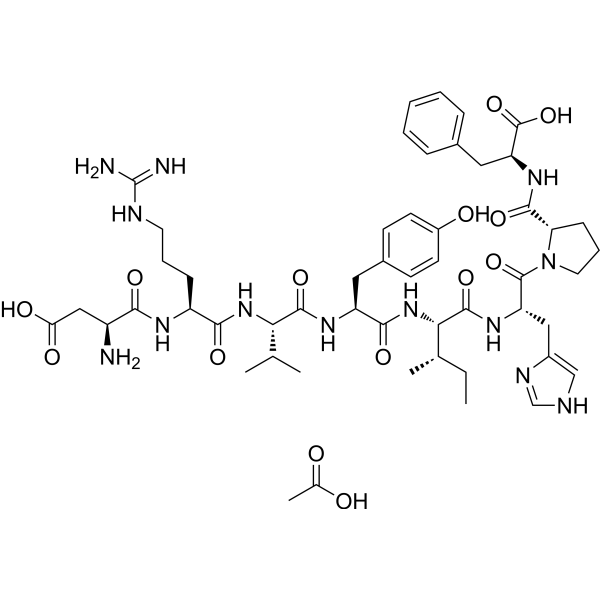
Angiotensin II human (Angiotensin II) acetate is a vasoconstrictor and a major bioactive peptide of the renin/angiotensin system. Angiotensin II human acetate plays a central role in regulating human blood pressure, which is mainly mediated by interactions between Angiotensin II and the G-protein-coupled receptors (GPCRs) Angiotensin II type 1 receptor (AT1R) and Angiotensin II type 2 receptor (AT2R). Angiotensin II human acetate stimulates sympathetic nervous stimulation, increases aldosterone biosynthesis and renal actions. Angiotensin II human acetate induces growth of vascular smooth muscle cells, increases collagen type I and III synthesis in fibroblasts, leading to thickening of the vascular wall and myocardium, and fibrosis. Angiotensin II human acetate also induces apoptosis. Angiotensin II human acetate induces capillary formation from endothelial cells via the LOX-1 dependent redox-sensitive pathway .
loading...
    loading...
248
248 Cited Publications
Cat. No.: HY-13948B
CAS No.: 2761969-44-0
Purity:  98.84%
Synonyms: Angiotensin II TFA; Ang II TFA; DRVYIHPF TFA
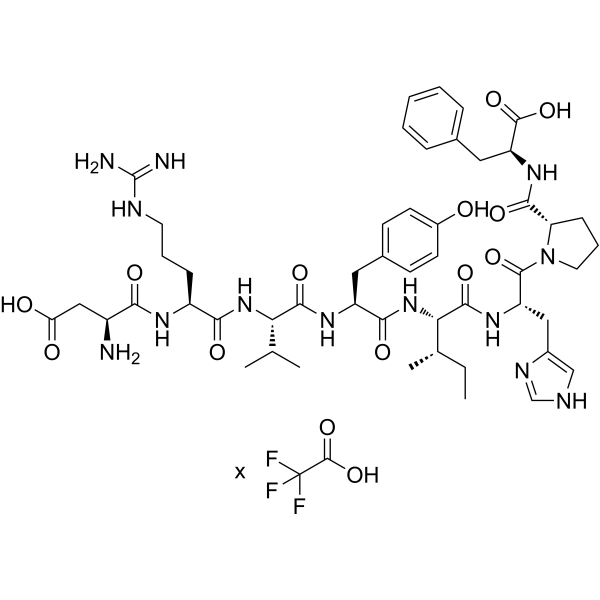
Angiotensin II human (Angiotensin II) TFA is a vasoconstrictor and a major bioactive peptide of the renin/angiotensin system. Angiotensin II human TFA plays a central role in regulating human blood pressure, which is mainly mediated by interactions between Angiotensin II and the G-protein-coupled receptors (GPCRs) Angiotensin II type 1 receptor (AT1R) and Angiotensin II type 2 receptor (AT2R). Angiotensin II human TFA stimulates sympathetic nervous stimulation, increases aldosterone biosynthesis and renal actions. Angiotensin II human TFA induces growth of vascular smooth muscle cells, increases collagen type I and III synthesis in fibroblasts, leading to thickening of the vascular wall and myocardium, and fibrosis. Angiotensin II human TFA also induces apoptosis. Angiotensin II human TFA induces capillary formation from endothelial cells via the LOX-1 dependent redox-sensitive pathway .
loading...
    loading...
145
145 Cited Publications
Cat. No.: HY-A0190
CAS No.: 17650-98-5
Synonyms: Ceruletide; Cerulein; FI-6934
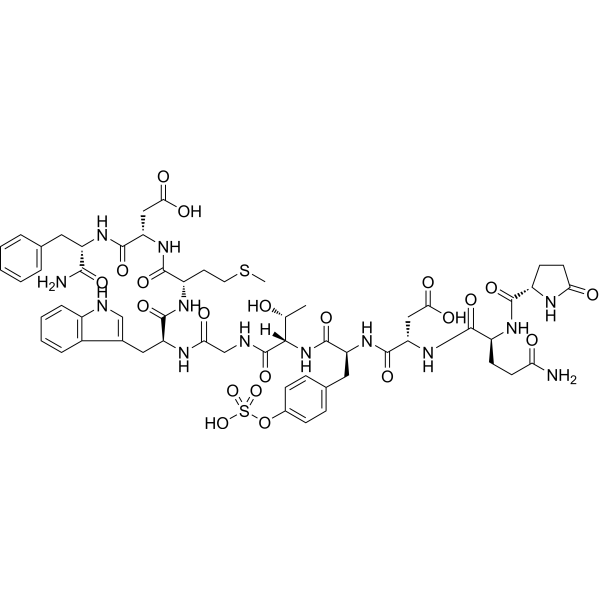
Caerulein is a decapeptide and a potent cholecystokinin receptor agonist. Caerulein is a safe and effective cholecystokinetic agent with a direct spasmogenic effect on the gallbladder muscle and bile ducts .
loading...
    loading...
76
76 Cited Publications
Cat. No.: HY-B0470
CAS No.: 1405-10-3
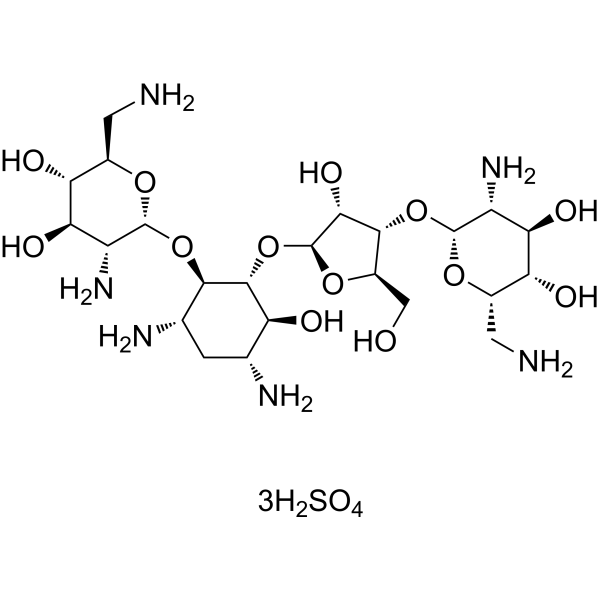
Neomycin sulfate, an aminoglycoside antibiotic, exerts antibacterial activity through irreversible binding of the nuclear 30S ribosomal subunit, thereby blocking bacterial protein synthesis. Neomycin sulfate is a known phospholipase C (PLC) inhibitor. Neomycin sulfate potently inhibits both the nuclear translocation of angiogenin and angiogenin-induced cell proliferation and angiogenesis. Neomycin sulfate inhibits IP3-mediated Ca 2+ release, MgATP-dependent Ca 2+ uptake, and electrical excitation-evoked skeletal muscle Ca 2+ transients. Neomycin sulfate depletes gut microbiota in specific mouse models, causes hearing impairment, and kidney damage with prolonged exposure. Neomycin sulfate can be used for the research of cancer .
loading...
    loading...
72
72 Cited Publications
Cat. No.: HY-B0318A
CAS No.: 69198-10-3
Synonyms: SC 326421
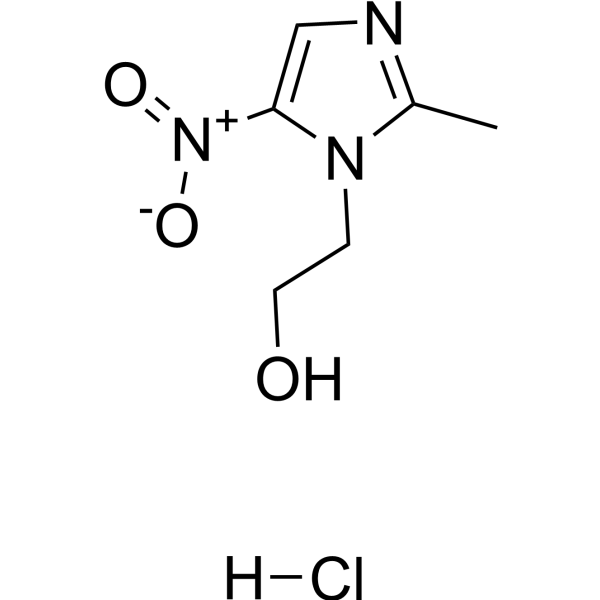
Metronidazole hydrochloride (SC 326421) is an orally active nitroimidazole antibiotic, can be used to research anaerobic infections. Metronidazole hydrochloride can cross blood brain barrier and results inflammation and skeletal muscle contraction under long-term application .
loading...
    loading...
60
60 Cited Publications
Cat. No.: HY-101952
CAS No.: 363-24-6
Purity:  99.74%
Synonyms: PGE2; Dinoprostone
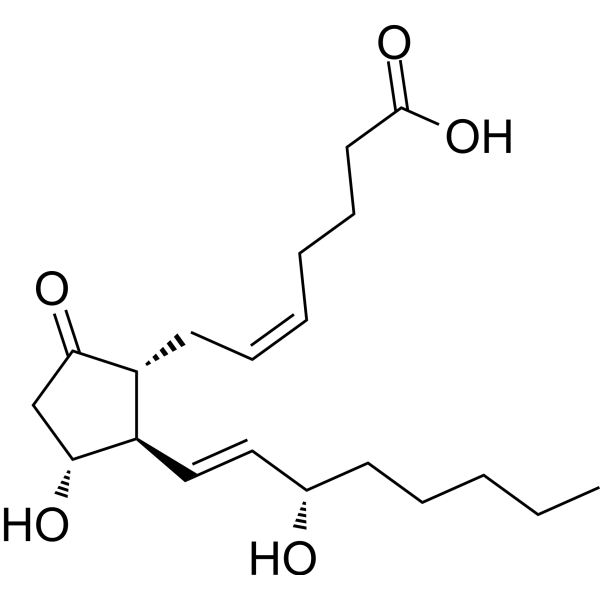
Prostaglandin E2 (PGE2) is a hormone-like substance that participate in a wide range of body functions such as the contraction and relaxation of smooth muscle, the dilation and constriction of blood vessels, control of blood pressure, and modulation of inflammation.
loading...
    loading...
48
48 Cited Publications
Cat. No.: HY-13813
CAS No.: 674289-55-5
Purity:  98.89%
Target:  

Myosin

Research Areas:  

Others

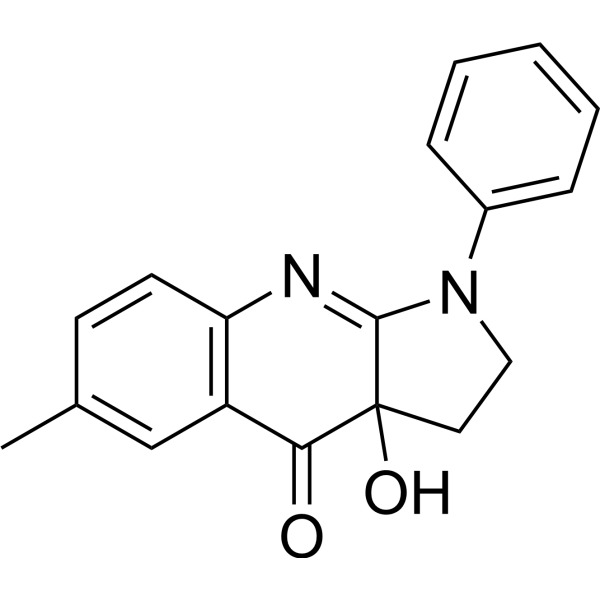
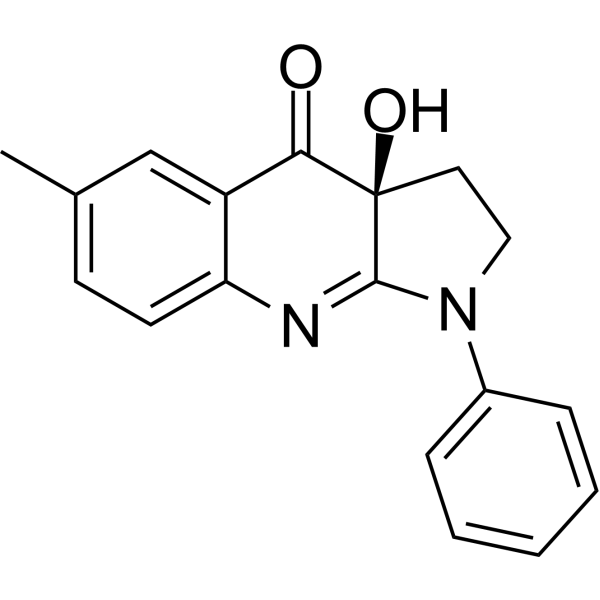
Blebbistatin is a selective non-muscle myosin II (NMII) inhibitor, promotes directional migration of corneal endothelial cells (CECs) and accelerates wound healing, and better preserves cell junctional integrity and barrier function. Blebbistatin blocks cell migration .
loading...
    loading...
36
36 Cited Publications
Cat. No.: HY-112288
CAS No.: 432001-19-9
Purity:  99.90%
Synonyms: TTI-101
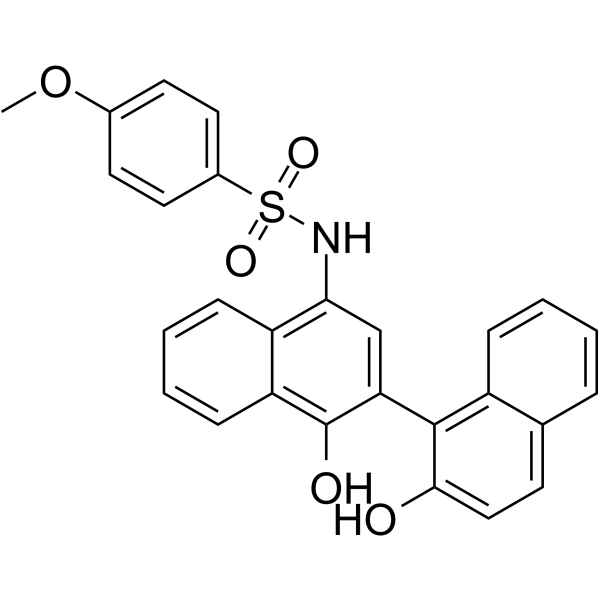
C188-9 (TTI-101) is a STAT3 inhibitor with a Kd value of 4.7 nM. C188-9 targets the SH2 domain of STAT3, blocks the processes of STAT3 ligand binding, receptor recruitment, homodimerization and phosphorylation, and regulates STAT3-mediated genes associated with tumorigenesis and radioresistance. C188-9 regulates STAT1-mediated genes related to radioresistance and reduces the activation level of STAT1. C188-9 downregulates the expression of DNMT1, enhances DAC-induced demethylation and re-expression of RASSF1A, and simultaneously potentiates the anti-tumor effect of DAC on pancreatic cancer cells. C188-9 inhibits both anchorage-dependent and anchorage-independent growth of cancer cells, induces Apoptosis, blocks the growth of tumor xenografts, and suppresses muscle atrophy. C188-9 maintains muscle mass, increases body weight and improves grip strength in tumor-bearing mice. C188-9 can be used in research related to head and neck squamous cell carcinoma, pancreatic cancer, sepsis-related skeletal muscle wasting, non-small cell lung cancer, acute myeloid leukemia and cancer cachexia .
loading...
    loading...
32
32 Cited Publications
Cat. No.: HY-B0660
CAS No.: 10417-94-4
Synonyms: EPA; Timnodonic acid
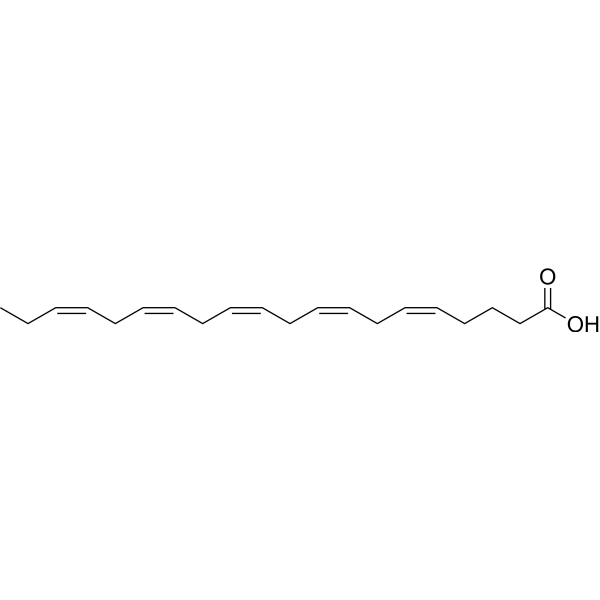
Eicosapentaenoic Acid (EPA) is an orally active Omega-3 long-chain polyunsaturated fatty acid (ω-3 LC-PUFA). Eicosapentaenoic Acid exhibits a DNA demethylating action that promotes the re-expression of the tumor suppressor gene CCAAT/enhancer-binding protein δ (C/EBPδ). Eicosapentaenoic Acid activates RAS/ERK/C/EBPβ pathway through H-Ras intron 1 CpG island demethylation in U937 leukemia cells. Eicosapentaenoic Acid can promote relaxation of vascular smooth muscle cells and vasodilation .
loading...
    loading...
32
32 Cited Publications
Cat. No.: HY-W011269
CAS No.: 73167-03-0
Synonyms: EPA sodium; Timnodonic acid sodium
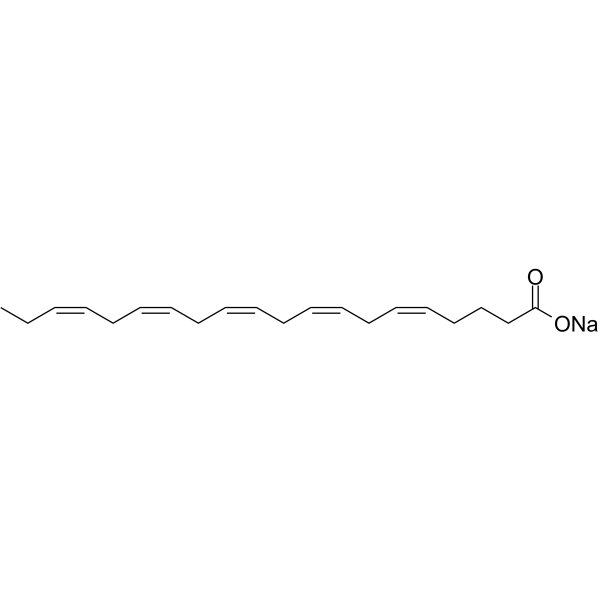
Eicosapentaenoic Acid (EPA)sodium is an orally active Omega-3 long-chain polyunsaturated fatty acid (ω-3 LC-PUFA). Eicosapentaenoic Acid sodium exhibits a DNA demethylating action that promotes the re-expression of the tumor suppressor gene CCAAT/enhancer-binding protein δ (C/EBPδ). Eicosapentaenoic Acid sodium activates RAS/ERK/C/EBPβ pathway through H-Ras intron 1 CpG island demethylation in U937 leukemia cells. Eicosapentaenoic Acid sodium can promote relaxation of vascular smooth muscle cells and vasodilation .
loading...
    loading...
31
31 Cited Publications
Cat. No.: HY-126304
CAS No.: 154804-51-0
Purity:  ≥98.0%
β-Glycerophosphate disodium salt pentahydrate is a bioactive endogenous metabolite and a phosphatase inhibitor. β-Glycerophosphate disodium salt pentahydrate plays an important role in inducing and maintaining osteoblast differentiation, mineral metabolism and signal transduction, and can be used as a drug carrier to form heat-sensitive hydrogels. β-Glycerophosphate disodium salt hydrate accelerates the calcification of vascular smooth muscle cells .
loading...
    loading...
31
31 Cited Publications
Cat. No.: HY-D0886
CAS No.: 13408-09-8
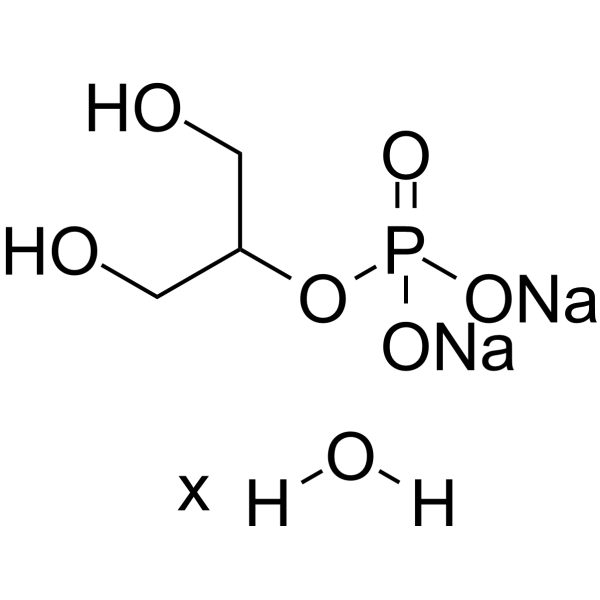
β-Glycerophosphate disodium salt pentahydrate is a bioactive endogenous metabolite and a phosphatase inhibitor. β-Glycerophosphate disodium salt pentahydrate plays an important role in inducing and maintaining osteoblast differentiation, mineral metabolism and signal transduction, and can be used as a drug carrier to form heat-sensitive hydrogels. β-Glycerophosphate disodium salt hydrate accelerates the calcification of vascular smooth muscle cells .
loading...
    loading...
28
28 Cited Publications
Cat. No.: HY-13441
CAS No.: 856925-71-8
Purity:  99.42%
Target:  

Myosin

Research Areas:  

Cardiovascular Disease Cancer

(-)-Blebbistatin is a selective inhibitor of the ATPase activity of non-muscle myosin II .
loading...
    loading...
28
28 Cited Publications
Cat. No.: HY-B0282A
CAS No.: 66-23-9
Synonyms: ACh bromide
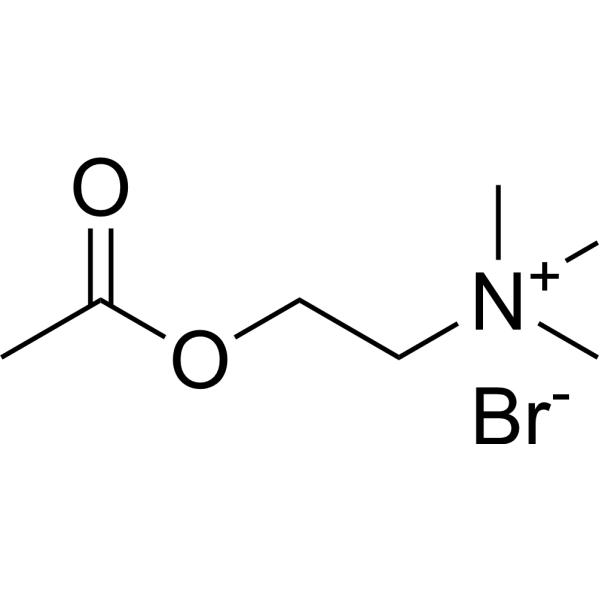
Acetylcholine bromide is an organic choline salt compound commonly used in neurophysiology and pharmacology experiments. It plays an important role in the nervous system, acting as a neurotransmitter that transmits signals and regulates many important physiological functions. Due to its special biological activity, Acetylcholine bromide is widely used in the study of neurotransmitters, nerve damage and muscle movement.
loading...
    loading...
25
25 Cited Publications
Cat. No.: HY-N0455
CAS No.: 74-79-3
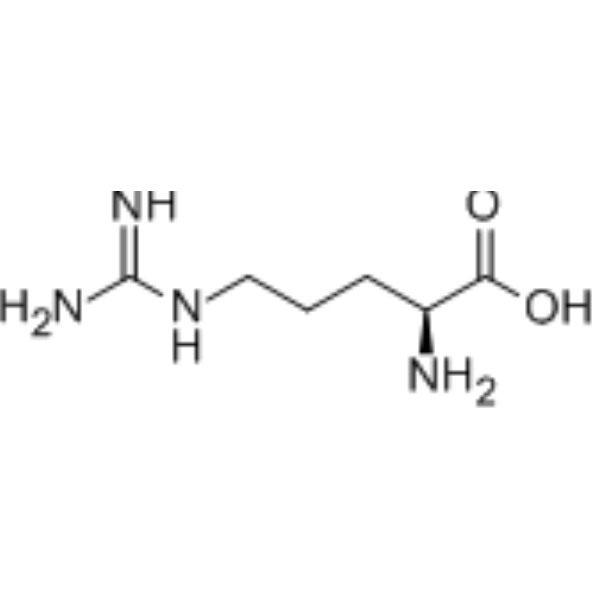
L-Arginine ((S)-(+)-Arginine) is the substrate for the endothelial nitric oxide synthase (eNOS) to generate NO. L-Arginine is transported into vascular smooth muscle cells by the cationic amino acid transporter family of proteins where it is metabolized to nitric oxide (NO), polyamines, or L-proline. L-Arginine is a potent vasodilator, and can be used to induce experimental acute pancreatitis .
loading...
    loading...
25
25 Cited Publications
Cat. No.: HY-N0455A
CAS No.: 1119-34-2
Synonyms: (S)-(+)-Arginine hydrochloride
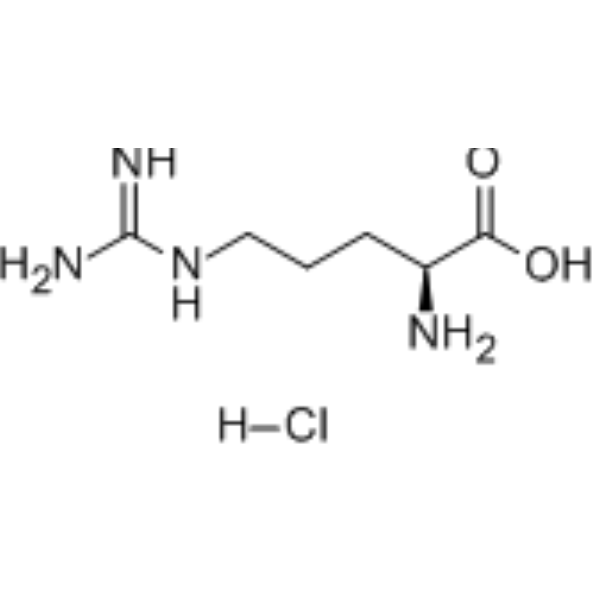
L-Arginine ((S)-(+)-Arginine) is the substrate for the endothelial nitric oxide synthase (eNOS) to generate NO. L-Arginine is transported into vascular smooth muscle cells by the cationic amino acid transporter family of proteins where it is metabolized to nitric oxide (NO), polyamines, or L-proline. L-Arginine is a potent vasodilator, and can be used to induce experimental acute pancreatitis .
loading...
    loading...
24
24 Cited Publications
Cat. No.: HY-15417
CAS No.: 110448-33-4
Purity:  99.60%
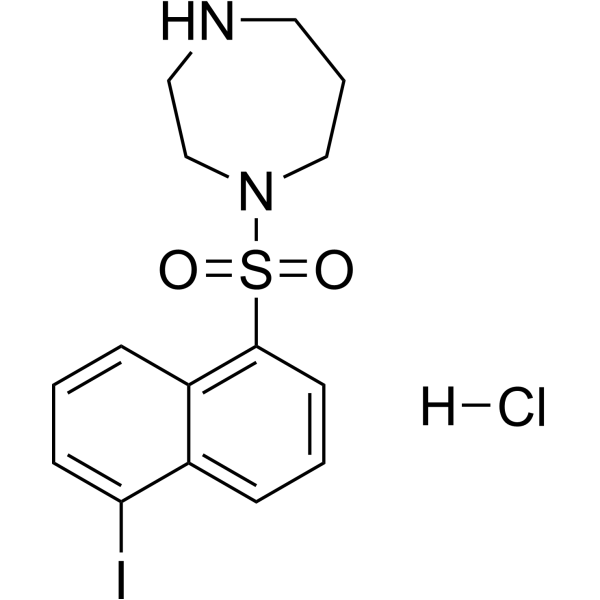
ML-7 hydrochloride is a selective and highly specific myosin light chain kinase (MLCK) inhibitor that acts as a trabecular meshwork (TM) relaxant. ML-7 hydrochloride enhances Quinocetone (HY-123581)-induced phosphorylation of ERK, p38 MAPK and JNK, attenuates Akt activation, and promotes apoptosis of hepatocellular carcinoma cells. ML-7 hydrochloride reduces Th2 cytokine secretion by inhibiting MLCK, while alleviating smooth muscle hyperplasia and collagen deposition . As a non-antibiotic adjuvant, ML-7 hydrochloride restores the sensitivity of drug-resistant bacteria to Tigecycline (HY-B0117) . ML-7 hydrochloride can be used in research related to glaucoma, hepatocellular carcinoma, asthma, and Klebsiella pneumoniae infection .
loading...
    loading...

