1. Search Result
Search Result
Results for "

phenolic metabolites

" in MedChemExpress (MCE) Product Catalog:

26

Inhibitors & Agonists

2

Screening Libraries

13

Natural
Products

3

Isotope-Labeled Compounds

Cat. No. 상품명 Target 연구분야 Chemical Structure
  • HY-108692

    Apoptosis Endogenous Metabolite Cancer
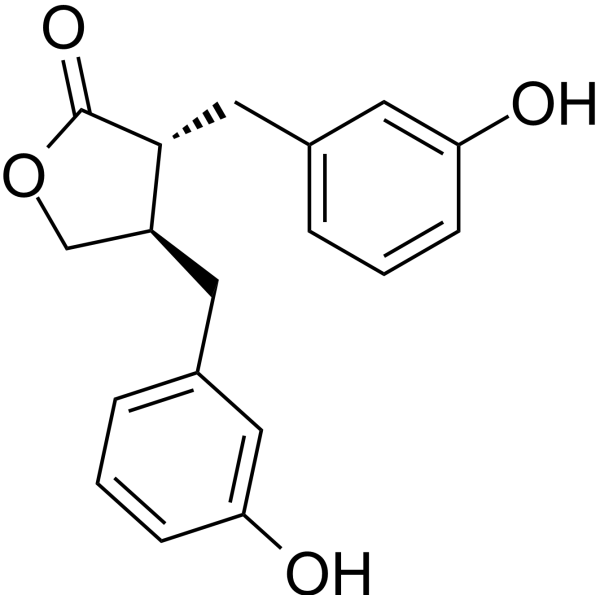
    Enterolactone is a bioactive phenolic metabolite known as a mammalian lignan derived from dietary lignans. Enterolactone has estrogenic properties and anti-breast cancer activity . Enterolactone is a radiosensitizer for human breast cancer cell lines through impaired DNA repair and increased apoptosis .
    Enterolactone
  • HY-Y0801

    Drug Metabolite Others
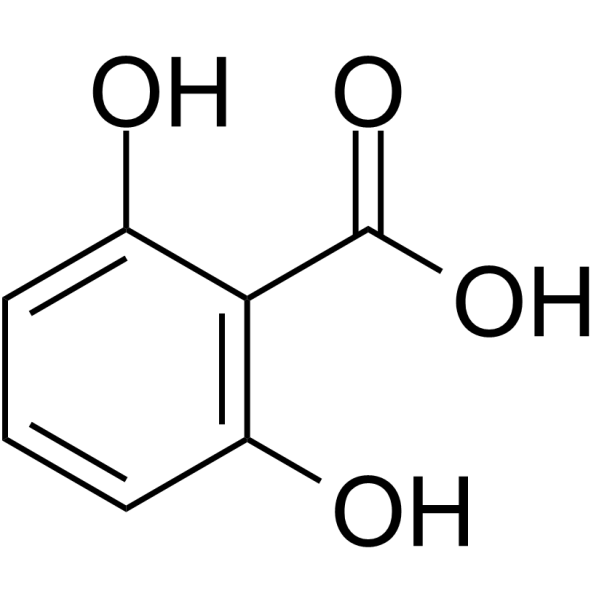
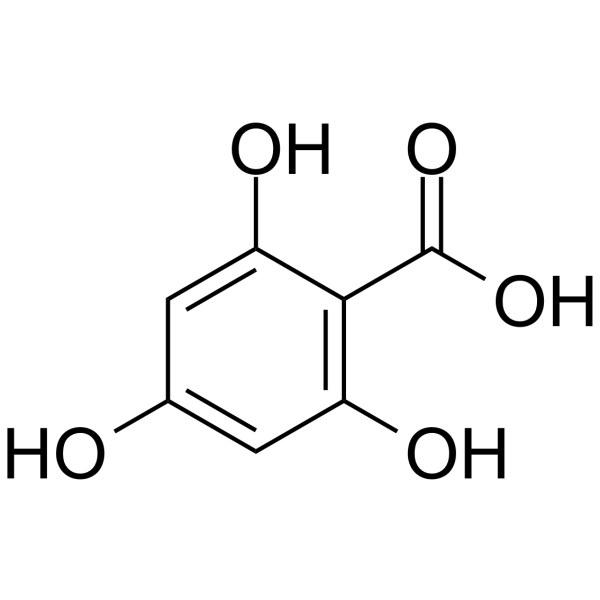
    2,6-Dihydroxybenzoic acid is an aromatic compound containing phenolic hydroxyl groups and carboxyl groups, and it is a secondary metabolite of Salicylic acid (HY-B0167). 2,6-Dihydroxybenzoic acid is also present in olive oil wastewater .
    2,6-Dihydroxybenzoic acid
  • HY-G0004

    3-Hydroxyacetaminophen

    Drug Metabolite Inflammation/Immunology
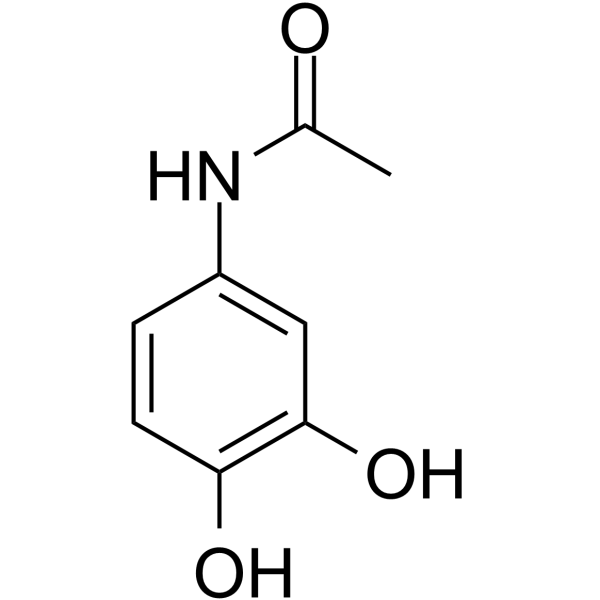
    Acetaminophen metabolite 3-hydroxy-acetaminophen (3-Hydroxyacetaminophen) is a non-toxic metabolite and antioxidant of acetaminophen (HY-66005) with free radical scavenging activity. Acetaminophen metabolite 3-hydroxy-acetaminophen can reduce oxidative damage by exerting electron donation ability and antioxidant activity through phenolic hydroxyl groups. 3-hydroxy-acetaminophen can be used to study the toxicity mechanism and drug metabolism of acetaminophen .
    Acetaminophen metabolite 3-hydroxy-acetaminophen
  • HY-N7513

    TNF Receptor Drug Metabolite Cardiovascular Disease
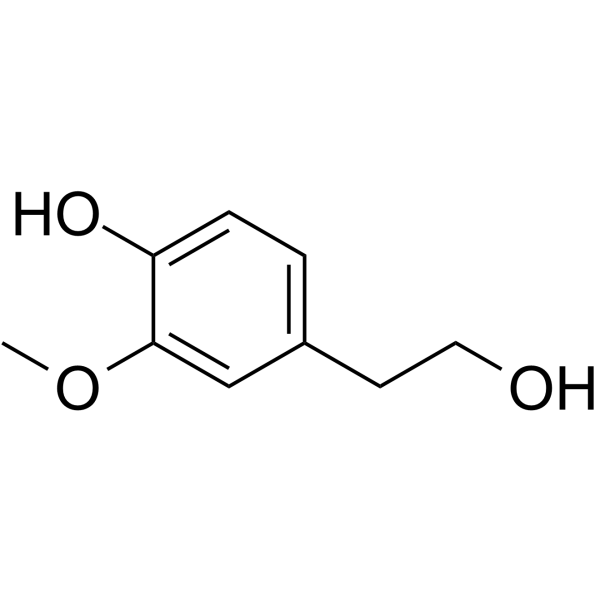
    Homovanillyl alcohol is a biological metabolite of Hydroxytyrosol. Hydroxytyrosol is a phenolic compound that is present in virgin olive oil (VOO) and wine. Homovanillyl alcohol protects red blood cells (RBCs) from oxidative injury and has protective effect on cardiovascular disease .
    Homovanillyl alcohol
  • HY-113283R

    Reference Standards Endogenous Metabolite Metabolic Disease
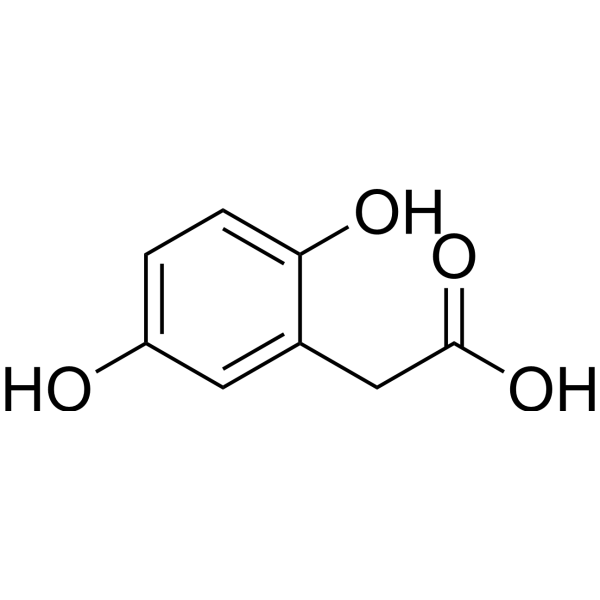
    Homogentisic acid (Standard) is the analytical standard of Homogentisic acid. This product is intended for research and analytical applications. Homogentisic acid is a specific metabolite that accumulates in the urine and serum. Homogentisic acid can be used for diagnosis of alkaptonuria. Homogentisic acid is a phenolic acid .
    Homogentisic acid (Standard)
  • HY-113283S

    Isotope-Labeled Compounds Endogenous Metabolite Metabolic Disease
    Homogentisic acid- 13C6 is the 13C-labeled Homogentisic acid (HY-113283). Homogentisic acid is a specific metabolite that accumulates in the urine and serum. Homogentisic acid can be used for diagnosis of alkaptonuria. Homogentisic acid is a phenolic acid .
    Homogentisic acid-13C6
  • HY-W007671
    H-Tyr-OMe
    1 Publications Verification

    Endogenous Metabolite Tyrosinase Others
    H-Tyr-OMe is an endogenous metabolite. H-Tyr-OMe quenches the fluorescence of carbon dots by oxidizing the phenolic hydroxyl group to quinone under the catalysis of Tyrosinase, and its amino and thiol binding ability can respond to changes in the concentration of biothiols .
    H-Tyr-OMe
  • HY-W010115

    Environmental Pollutants Drug Metabolite Others
    Carbofuran phenol is a hydrolytic metabolite of the Carbofuran pesticide. Carbofuran phenol is promising for research of environmental bioremediation fields .
    Carbofuran phenol
  • HY-108692R

    Reference Standards Apoptosis Endogenous Metabolite Cancer
    Enterolactone (Standard) is the analytical standard of Enterolactone. This product is intended for research and analytical applications. Enterolactone is a bioactive phenolic metabolite known as a mammalian lignan derived from dietary lignans. Enterolactone has estrogenic properties and anti-breast cancer activity . Enterolactone is a radiosensitizer for human breast cancer cell lines through impaired DNA repair and increased apoptosis .
    Enterolactone (Standard)
  • HY-119983

    DBC

    Environmental Pollutants Cytochrome P450 Cancer
    7H-Dibenzo[c,g]carbazole (DBC) is an azaarene with high lipophilicity. 7H-Dibenzo[c,g]carbazole has carcinogenic activity and induce DNA adducts in fish, DNA adducts, mutations in diploid human fibroblasts and micronuclei in human blood lymphocytes. 7H-Dibenzo[c,g]carbazole is activated by cytochrome P450 enzymes resulting mainly in the generation of phenolic metabolites .
    7H-Dibenzo[c,g]carbazole
  • HY-N17235

    Drug Metabolite Metabolic Disease
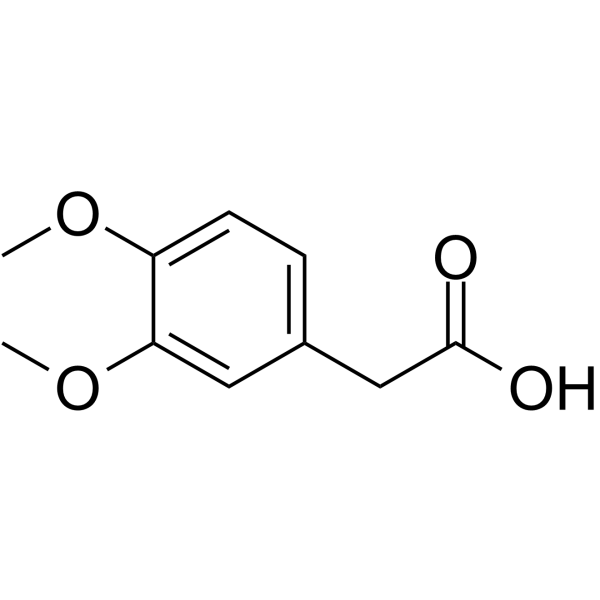
    4-MeCat-2-sulfate is a phenolic metabolite. 4-MeCat-2-sulfate can be detected in plasma after ingestion of fruit pure´e .
    4-MeCat-2-sulfate
  • HY-W328786

    Drug Metabolite Metabolic Disease
    4-Hydroxy-BHT is metabolite of Butylated hydroxytoluene (HY-Y0172) and used as an indicator of exposure to Butylated hydroxytoluene. Butylated hydroxytoluene is a phenolic antioxidant used widely in processed foods and petroleum products .
    4-Hydroxy-BHT
  • HY-162297

    Drug Metabolite Others
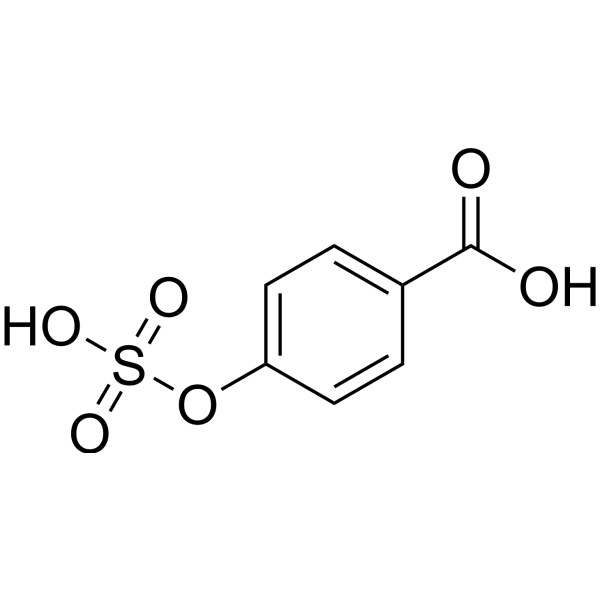
    4-(Sulfooxy)benzoic acid is a sulfated phenolic acid found in C. elegans. 4-(Sulfooxy)benzoic acid is a metabolite of ethyl para-hydroxybenzoate and several flavonoids .
    4-(Sulfooxy)benzoic acid
  • HY-125909

    Endogenous Metabolite Metabolic Disease
    Phenolic acid is an endogenous metabolite.
    Phenolic acid
  • HY-118247

    Drug Metabolite Others
    Ro 14-6113 is an inactive phenolic metabolite of the "carotenoid" Ro 15-0778, a form of vitamin A.
    Ro 14-6113
  • HY-153993

    Endogenous Metabolite Others
    Pyrocatechol sulfate is a phenolic metabolite present in human blood plasma, associated with the intake of certain foods such as berries and the status of the gut microbiota. Pyrocatechol sulfate can serve as a biomarker for uremia. Along with other phenolic sulfates, Pyrocatechol sulfate plays a role in regulating various biological functions, including those related to brain health and the rhythmic beating of cardiomyocytes .
    Pyrocatechol sulfate
  • HY-W007671R

    Reference Standards Endogenous Metabolite Tyrosinase Others
    H-Tyr-OMe is an endogenous metabolite. H-Tyr-OMe quenches the fluorescence of carbon dots by oxidizing the phenolic hydroxyl group to quinone under the catalysis of Tyrosinase, and its amino and thiol binding ability can respond to changes in the concentration of biothiols .
    H-Tyr-OMe (Standard)
  • HY-G0004R

    3-Hydroxyacetaminophen (Standard)

    Reference Standards Drug Metabolite Inflammation/Immunology
    Acetaminophen metabolite 3-hydroxy-acetaminophen (3-Hydroxyacetaminophen) (Standard) is the analytical standard of Acetaminophen metabolite 3-hydroxy-acetaminophen (HY-G0004). This product is intended for research and analytical applications. Acetaminophen metabolite 3-hydroxy-acetaminophen is a non-toxic metabolite and antioxidant of acetaminophen (HY-66005) with free radical scavenging activity. Acetaminophen metabolite 3-hydroxy-acetaminophen can reduce oxidative damage by exerting electron donation ability and antioxidant activity through phenolic hydroxyl groups. 3-hydroxy-acetaminophen can be used to study the toxicity mechanism and drug metabolism of acetaminophen .
    Acetaminophen metabolite 3-hydroxy-acetaminophen (Standard)
  • HY-116802

    Drug Derivative Herbicide Others
    Bromobutide is an active ingredient in herbicides that kill weeds. Bromobutide has the highest control effect on Scirpus juncoides and Monochloa vaginalis, but has no inhibitory effect on weed seed germination. The main metabolites of bromobutide in rats are alcohol or phenol glucuronides, which enter the enterohepatic circulation .
    Bromobutide
  • HY-108692S

    Isotope-Labeled Compounds Apoptosis Endogenous Metabolite Cancer
    Enterolactone-d6 is the deuterium labeled Enterolactone. Enterolactone is a bioactive phenolic metabolite known as a mammalian lignan derived from dietary lignans. Enterolactone has estrogenic properties and anti-breast cancer activity . Enterolactone is a radiosensitizer for human breast cancer cell lines through impaired DNA repair and increased apoptosis .
    Enterolactone-d6
  • HY-W778286

    Isotope-Labeled Compounds Apoptosis Endogenous Metabolite Cancer
    Enterolactone- 13C3 is the 13C-labeled Enterolactone (HY-108692). Enterolactone is a bioactive phenolic metabolite known as a mammalian lignan derived from dietary lignans. Enterolactone has estrogenic properties and anti-breast cancer activity . Enterolactone is a radiosensitizer for human breast cancer cell lines through impaired DNA repair and increased apoptosis .
    Enterolactone-13C3
  • HY-Y0801R

    Reference Standards Drug Metabolite Others
    2,6-Dihydroxybenzoic acid (Standard) is the analytical standard of 2,6-Dihydroxybenzoic acid (HY-Y0801). This product is used for research and analytical applications. 2,6-Dihydroxybenzoic acid is an aromatic compound containing phenolic hydroxyl groups and carboxyl groups, and it is a secondary metabolite of Salicylic acid (HY-B0167). 2,6-Dihydroxybenzoic acid is also present in olive oil wastewater .
    2,6-Dihydroxybenzoic acid (Standard)
  • HY-W844141

    Others Others
    2,5-Dimethylchroman-4-one is a Phenols product that can be isolated from the metabolites of Alternaria brassicicola ML-P08. .
    2,5-Dimethylchroman-4-one
  • HY-W654215

    Biochemical Assay Reagents Metabolic Disease
    Homovanillic acid sulfate (sodium) is a phenol that can be found in olive oil and a dopamine metabolite. Homovanillic acid sulfate (sodium) increases in response to acute renal injury in vivo. Homovanillic acid sulfate (sodium) can be used as a biomarker for early detection of kidney disease .
    Homovanillic acid sulfate sodium
  • HY-N16448

    Bacterial Infection
    Xanthoascin (Compound 1) is a natural phenolic metabolite with strong anti plant pathogen activity. Xanthoascin can be extracted from the solid fermentation product of endophytic fungus Aspergillus sp. IFB-YXS isolated from Ginkgo biloba leaves. Xanthoascin has a MIC of 0.3125 µg/mL against Clavibacter michiganense subsp. Sepedonicus and moderate inhibitory activity against other pathogens (MIC = 5-20 µg/mL). Xanthoascin can disrupt the permeability of bacterial cell membranes, leading to nucleic acid leakage .
    Xanthoascin
  • HY-W016183

    o,o'-Biphenol

    COX AP-1 NF-κB Inflammation/Immunology
    2,2'-Biphenol (o,o'-Biphenol) is an anti-inflammatory agent and the major non-protein-bound phenolic metabolite activated by rat bone marrow homogenate and hydrogen peroxide. 2,2'-Biphenol inhibits lipopolysaccharide (LPS) (HY-D1056)-induced COX-2 mRNA and protein expression. 2,2'-Biphenol suppresses the binding of AP-1 and NF-κB to their respective consensus sequences. 2,2'-Biphenol is applicable to research related to inflammation .
    2,2'-Biphenol

온라인 문의

Your information is safe with us. * Required Fields.

호칭


Country or Region *

고객명 *


회사명 *

Department *


메일주소 *


상품명 *

Cat. No.


Requested quantity *

전화번호 *


비고

온라인 문의

Inquiry Information

상품명:
Cat. No.:
수량:
MCE Japan Authorized Agent: