
24 Results for "

pig liver

" in MedChemExpress (MCE) Product Catalog:
Products (24)

24 Results for "pig liver" in MCE Product Catalog:

  • Targets Recommended:
8
8 Cited Publications
Cat. No.: HY-14648A
CAS No.: 1177-87-3
Purity:  99.84%
Synonyms: Dexamethasone 21-acetate; Hexadecadrol acetate
Research Areas:  

Inflammation/Immunology

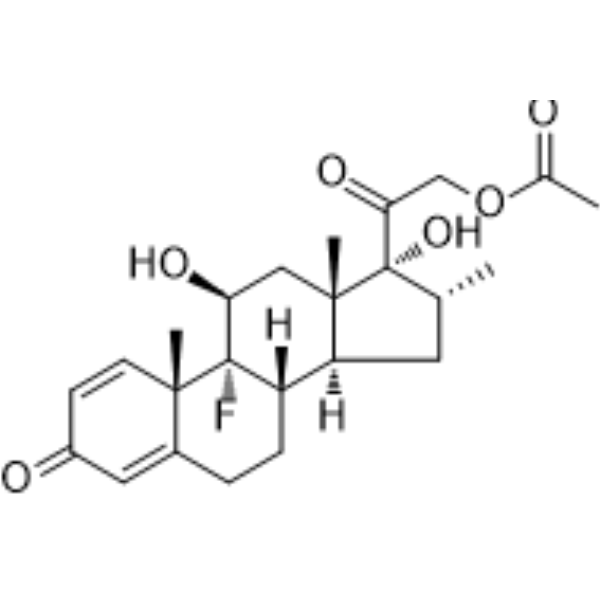
Dexamethasone acetate (Dexamethasone 21-acetate) is the acetate form of the glucocorticoid Dexamethasone (HY-14648). Dexamethasone acetate has a longer duration of action than Dexamethasone. Dexamethasone acetate can accumulate at inflammatory sites, in mouse liver and mouse lung via nanostructured lipid carriers. Dexamethasone acetate can be used to prepare topical formulations for studies related to sensorineural hearing loss, γ-carrageenan-induced paw edema, chronic active hepatitis, pulmonary diseases, and inflammation after vitreoretinal surgery .
loading...
    loading...
2
2 Cited Publications
Cat. No.: HY-P2831
CAS No.: 9016-18-6
Synonyms: CESs
Target:  

Endogenous Metabolite

Research Areas:  

Metabolic Disease

Esterase, pig liver (CESs), namely carboxylate hydrolases, are widely distributed in nature, commonly found in mammalian liver, and often used in biochemical research. Esterase catalyzes the hydrolysis of a variety of endogenous and exogenous substrates, including esters, thioesters, carbamates, and amides, hydrolyzing carboxylic acid esters to the corresponding alcohols and carboxylic acids .
loading...
    loading...
Cat. No.: HY-N2424
CAS No.: 525-82-6
Synonyms: 2-Phenyl-4-chromone
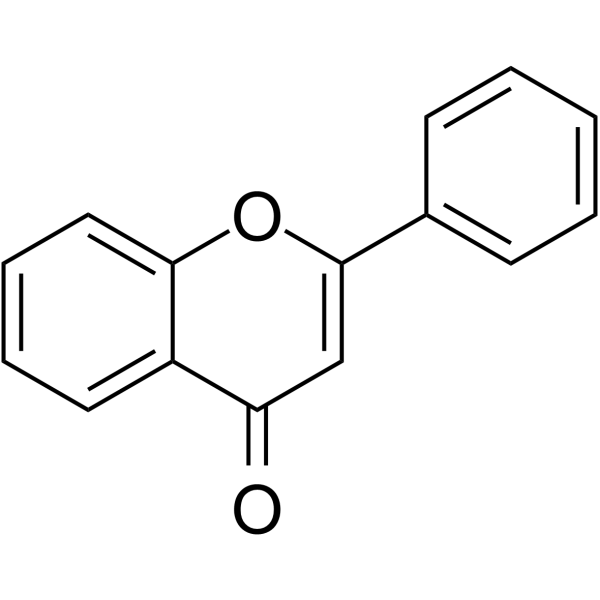
Flavone is an anti-tumor compound that targets cell cycle regulatory proteins (such as cyclin B1) and apoptosis-related factors (such as p21waf1, PIG3). Flavone selectively induces mitochondrial-mediated apoptosis pathways in tumor cells, inhibits cyclin B1 protein expression, upregulates p21waf1, and activates p63/p73 proteins. Flavone has immunomodulatory functions that enhance natural killer cell (NK cell) activity and lymphocyte proliferation. Flavone is used in cancer research, especially for its inhibitory potential in solid tumor models such as esophageal cancer and liver cancer .
loading...
    loading...
Cat. No.: HY-W017758
CAS No.: 504-63-2
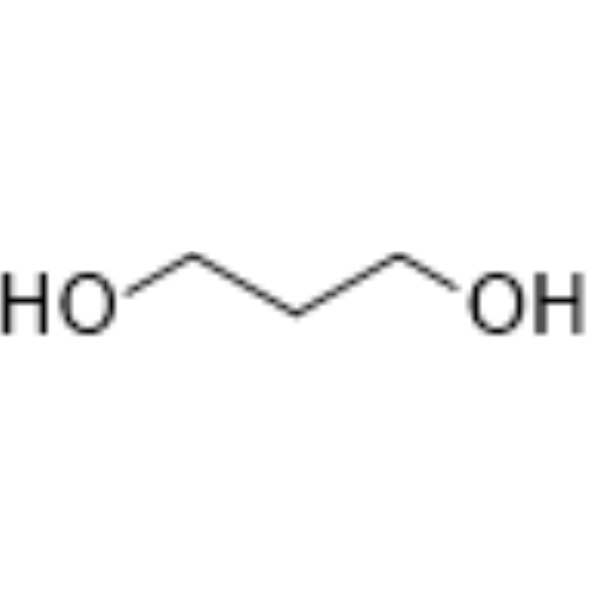
1,3-Propanediol is a versatile plant-derived humectant and solvent . 1,3-Propanediol can be produced by Klebsiella pneumoniae via glycerol fermentation, with the highest yield under anaerobic conditions. 1,3-Propanediol serves as a solvent and stabilizer in film preparation processes .
loading...
    loading...
Cat. No.: HY-145154
CAS No.: 5352-63-6
Purity:  ≥98.0%
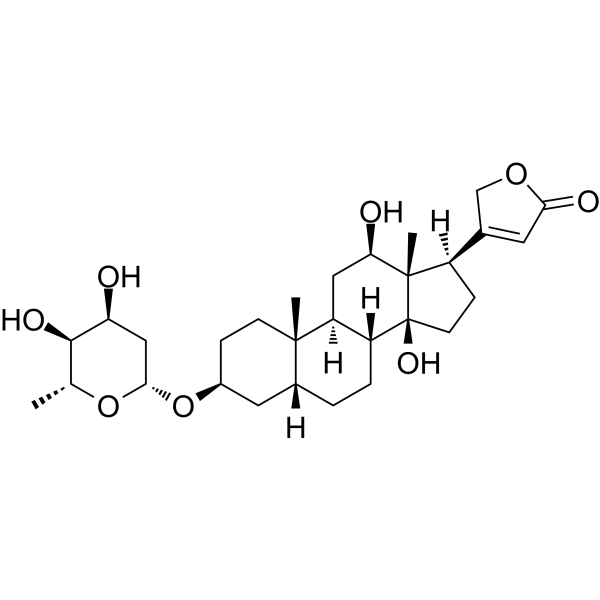
Digoxigenin monodigitoxoside, a metabolite of Digoxin (HY-B1049), belongs to the class of cardenolides. Digoxigenin monodigitoxoside exerts its function by inhibiting Na,K-ATPase. Digoxigenin monodigitoxoside is used for the research of cardiovascular diseases such as congestive heart failure and cardiac arrhythmias .
loading...
    loading...
Cat. No.: HY-Y0850U3
CAS No.: 9002-89-5
Synonyms: Polyvinyl alcohol (Mw 125000, 98-99% hydrolyzed, ~2800 polymerization); Poly(Ethenol) (Mw 125000, 98-99% hydrolyzed, ~2800 polymerization)
PVA (Polyvinyl alcohol) (Mw 125000, 98-99% hydrolyzed, ~2800 polymerization) is a water-soluble, biodegradable, biocompatible and non-immunogenic polymer. PVA (Mw 125000, 98-99% hydrolyzed, ~2800 polymerization) causes no irritation to rabbit eyes, no skin sensitization in guinea pigs, promotes the proliferation of human skin keratinocytes, and reduces the loss of corneal endothelial cells. The LD50 of PVA (Mw 125000, 98-99% hydrolyzed, ~2800 polymerization) in rats and dogs is greater than 10 g/kg. PVA (Mw 125000, 98-99% hydrolyzed, ~2800 polymerization) is hardly absorbed by the digestive system, causes no adverse effects upon long-term oral administration, and shows no mutagenicity or carcinogenicity. However, repeated intravenous or portal vein injection of PVA (Mw 125000, 98-99% hydrolyzed, ~2800 polymerization) may induce pathological changes such as glomerular lesions, anemia, hypertension or liver fibrosis in rats or dogs. Crosslinked nanofibers prepared by modifying PVA (Mw 125000, 98-99% hydrolyzed, ~2800 polymerization) can be used in studies related to wound dressings and other applications .
loading...
    loading...
Cat. No.: HY-123068
CAS No.: 64806-05-9
Purity:  99.29%
Synonyms: SQ 14551
Target:  

Drug Derivative

Research Areas:  

Cardiovascular Disease

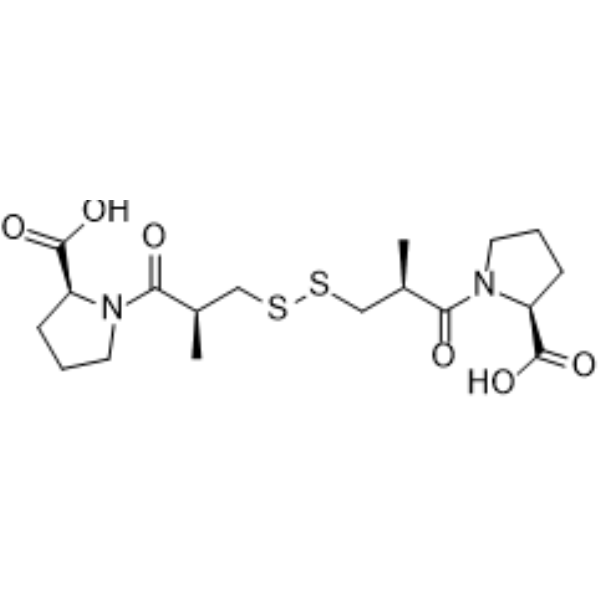
Captopril disulfide (SQ 14551) is an orally active disulfide dimer prodrug. Captopril disulfide is metabolized to Captopril and acts as a Bradykinin potentiator. Captopril disulfide enhances the vasodilatory effect of Bradykinin in anesthetized rats and the contractile response of isolated guinea pig ileum to Bradykinin. Captopril disulfide exhibits antihypertensive activity in spontaneously hypertensive rats. Captopril disulfide can be used in hypertension-related research .
loading...
    loading...
Cat. No.: HY-N4031
CAS No.: 82375-29-9
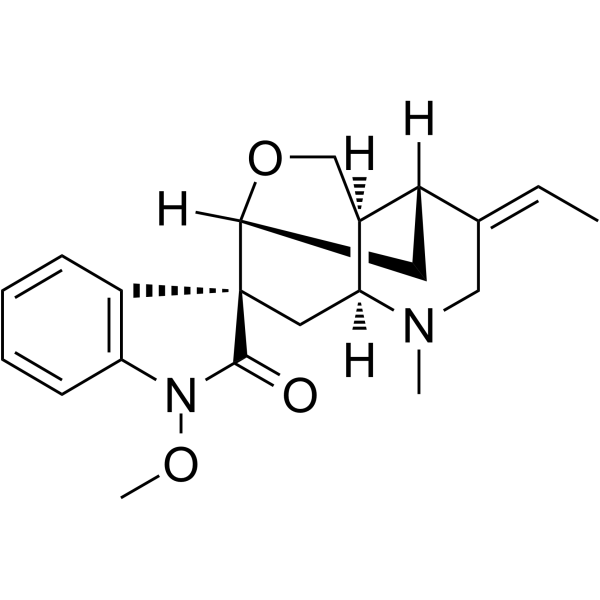
Humantenine is a highly toxic indole alkaloid from Gelsemium elegans (Gardn. & Champ.) Benth. that binds to RNA m6A modification regulatory proteins (ALKBH5, METTL). Humantenine stably binds via hydrogen bonding and hydrophobic interactions and disrupts the m6A methylation level of target genes, thereby impairing the expression of intestinal epithelial cell tight junction and cytoskeleton-related genes, causing intestinal barrier dysfunction and significant intestinal cytotoxicity. The intraperitoneal injection LD50 values of Humantenine are <1 mg/kg in mice, 1.2 mg/kg in male rats and 1.5 mg/kg in female rats, respectively. Species differences exist in the metabolism of Humantenine in human, porcine, goat and rat liver microsomes, and demethylation, dehydrogenation and oxidation occur in liver microsomes .
loading...
    loading...
Cat. No.: HY-E70245
CAS No.: 6050-48-2
Synonyms: Cholyl-coenzyme A
Research Areas:  

Metabolic Disease

Cholyl-CoA (Cholyl-coenzyme A) is a biologically active steroidal acyl-coenzyme A intermediate. Cholyl-CoA reacts with taurine in the presence of liver supernatant enzymes to promote the synthesis of taurocholic acid. Cholyl-CoA is formed by the activation of cholic acid with coenzyme A. Cholyl-CoA plays a key role in the biosynthesis, metabolism and conjugation reactions of bile acids .
loading...
    loading...
Cat. No.: HY-W414548
CAS No.: 4725-24-0
7α,27-Dihydroxycholesterol is an oxysterol, a human metabolite, and a ligand for EBI2 (GPR183), which is involved in lipid synthesis. 7α,27-Dihydroxycholesterol mediates the chemotaxis of cells expressing EBI2. 7α,27-Dihydroxycholesterol can be converted into 7α,27-dihydroxy-4-cholesten-3-one (HY-W414457), thereby inhibiting HMG-CoA reductase (HMGCR), the rate-limiting enzyme in cholesterol synthesis .
loading...
    loading...
Cat. No.: HY-E70394
CAS No.: 75179-85-0
Synonyms: Acetonyl-coenzyme A
S-Acetonyl-CoA (Acetonyl-coenzyme A) is a non-reactive structural analog of acetyl-CoA that acts as a competitive inhibitor against multiple target enzymes. S-Acetonyl-CoA lacks the characteristic thioester group of acetyl-CoA, retaining only a thioether structure. S-Acetonyl-CoA competes with acetyl-CoA for binding to citrate synthase, phosphate transacetylase, carnitine acetyltransferase, and N-myristoyltransferase 1. S-Acetonyl-CoA serves as a reagent for investigating acetyl-CoA-dependent physiological processes .
loading...
    loading...
Cat. No.: HY-E70437
CAS No.: 80146-85-6
Synonyms: Tissue-type transglutaminase; TG2; TGase 2
Research Areas:  

Others

Guinea pig liver transglutaminase (Tissue-type transglutaminase) is an exoenzyme. Enzymes have high catalytic efficiency, high specificity, and mild operating conditions. It can be applied in industries such as pharmaceuticals, industrial production, food manufacturing, and aquaculture .
loading...
    loading...
Cat. No.: HY-19581
CAS No.: 102280-35-3
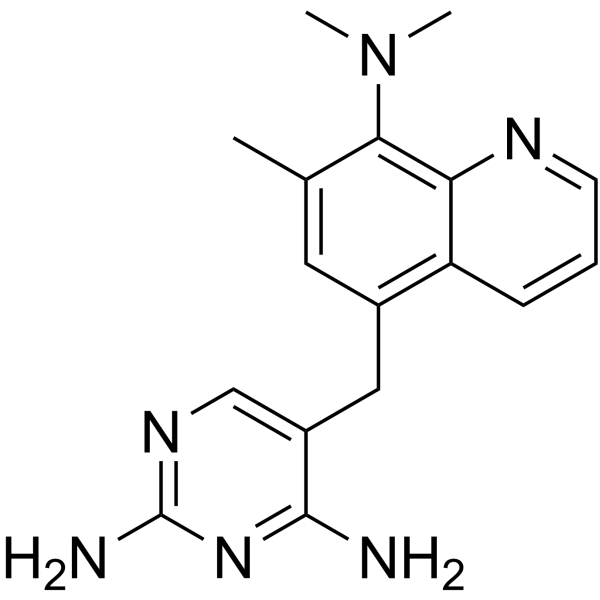
Baquiloprim is an orally active Antibiotic and selective inhibitor of Bacterial Dihydrofolate reductase (DHFR), with an IC50 of 19 nM against E. coli and an IC50 of 190 μM against rat liver dihydrofolate reductase. Baquiloprim is a bacteriostatic broad-spectrum antibacterial agent that acts against Gram-negative and Gram-positive bacteria. Baquiloprim inhibits glucuronidation in cultured hepatocytes. Baquiloprim can be used in research related to Pasteurella haemolytica infection, bacterial infection, Escherichia coli diarrhea, bacterial infection in pigs, and pneumonic pasteurellosis .
loading...
    loading...
Cat. No.: HY-101590A
CAS No.: 5585-62-6
Synonyms: L 16726 dihydrochloride
Target:  

Parasite

Research Areas:  

Infection

Symetine dihydrochloride (L 16726 dihydrochloride) is the dihydrochloride form of Symetine (HY-101590). Symetine dihydrochloride exhibits antiprotozoal activity aginst Entamoeba histolytica, and ameliorates the amebic liver abscess in guinea pig model .
loading...
    loading...
Cat. No.: HY-105572
CAS No.: 85921-53-5
Synonyms: MC-838 calcium
Moveltipril calcium (MC-838 calcium) is an orally active angiotensin converting enzyme (ACE) inhibitor with antihypertensive activity. Moveltipril calcium binds via a stable thioester bond and exhibits relative resistance to enzymatic hydrolysis in rat liver homogenate. Moveltipril calcium effectively inhibits ACE extracted from rabbit lung in a concentration-dependent manner. Moveltipril calcium is able to highly specifically inhibit the contractile response to angiotensin-I (AI) in free rat aortic rings and guinea pig ileum preparations, while enhancing the contractile response to calcitonin .
loading...
    loading...
Cat. No.: HY-19109
CAS No.: 107813-63-8
Target:  

Leukotriene Receptor

Research Areas:  

Others

RG-7152 is a tetrazolyl-substituted leukotriene D4 receptor antagonist that can induce peroxisomal β-oxidation and peroxisome bifunctional enzymes (PBEs) in hepatocytes in various animal models. It has been shown to significantly increase PBE levels and β-oxidation activity in rat and mouse liver homogenates, while smaller effects were observed in guinea pigs and monkeys and no effect in dogs. In vitro studies have also shown that it can induce PBEs comparable to clofibric acid, indicating its potential as a peroxisome proliferator .
loading...
    loading...
Cat. No.: HY-19581S
CAS No.: 1228182-50-0
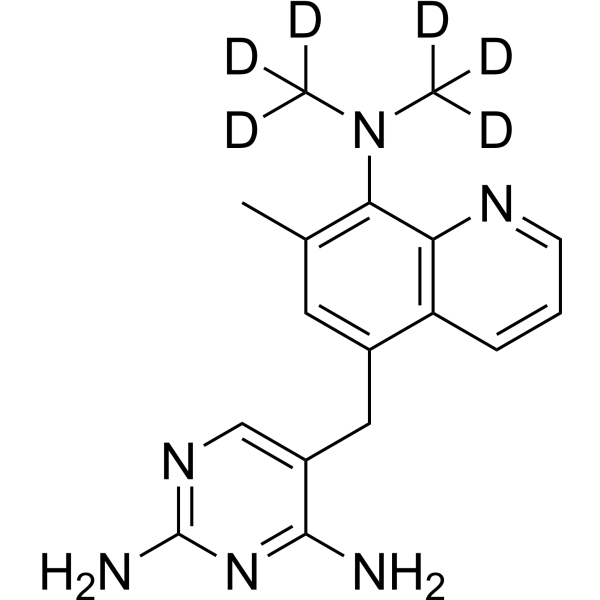
Baquiloprim-d6 is the deuterated-labeled Baquiloprim (HY-19581). Baquiloprim is an orally active Antibiotic and selective inhibitor of Bacterial Dihydrofolate reductase (DHFR), with an IC50 of 19 nM against E. coli and an IC50 of 190 μM against rat liver dihydrofolate reductase. Baquiloprim is a bacteriostatic broad-spectrum antibacterial agent that acts against Gram-negative and Gram-positive bacteria. Baquiloprim inhibits glucuronidation in cultured hepatocytes. Baquiloprim can be used in research related to Pasteurella haemolytica infection, bacterial infection, Escherichia coli diarrhea, bacterial infection in pigs, and pneumonic pasteurellosis .
loading...
    loading...
Cat. No.: HY-19581R
CAS No.: 102280-35-3
Baquiloprim (Standard) is the analytical standard of Baquiloprim (HY-19581). This product is intended for research and analytical applications. Baquiloprim is an orally active Antibiotic and selective inhibitor of Bacterial Dihydrofolate reductase (DHFR), with an IC50 of 19 nM against E. coli and an IC50 of 190 μM against rat liver dihydrofolate reductase. Baquiloprim is a bacteriostatic broad-spectrum antibacterial agent that acts against Gram-negative and Gram-positive bacteria. Baquiloprim inhibits glucuronidation in cultured hepatocytes. Baquiloprim can be used in research related to Pasteurella haemolytica infection, bacterial infection, Escherichia coli diarrhea, bacterial infection in pigs, and pneumonic pasteurellosis .
loading...
    loading...
Cat. No.: HY-123189
CAS No.: 89139-28-6
Target:  

Dopamine Receptor

Research Areas:  

Neurological Disease

LY 171859 is a D2 receptor agonist with significant reductase activity. LY 171859 exhibits enzymatic activity in the cytoplasm of liver, lung, and kidney, and also contains significant reductase activity in rat and human blood. LY 171859 has higher hepatic reductase activity in guinea pigs, followed by hamsters, rabbits, rats, and mice. The substrate of LY 171859 shows an apparent Km of 5.6 μM. The reduction reaction of LY 171859 is NADPH-dependent with an apparent Km of 14.8 μM. Only the A-side hydrogen of NADPH is incorporated in the reduction product of LY 171859. The reaction of LY 171859 is inhibited by cyanide and thiol reagents, and phenobarbital does not induce its activity in rats .
loading...
    loading...
Cat. No.: HY-N20205
Synonyms: Pork liver extract; pig's liver extract
Category:  

Extract

Target:  

Others

Swine's liver extract (Pork liver extract) is a type of pork liver extract containing a variety of bioactive components.
loading...
    loading...

