Search Result
Results for "
plant pathogenic
" in MedChemExpress (MCE) Product Catalog:
1
Biochemical Assay Reagents
5
Isotope-Labeled Compounds
| Cat. No. |
Product Name |
Target |
Research Areas |
Chemical Structure |
-
- HY-Y0262
-
|
Ethanedioic acid
|
Environmental Pollutants
Endogenous Metabolite
|
Infection
Inflammation/Immunology
|
|
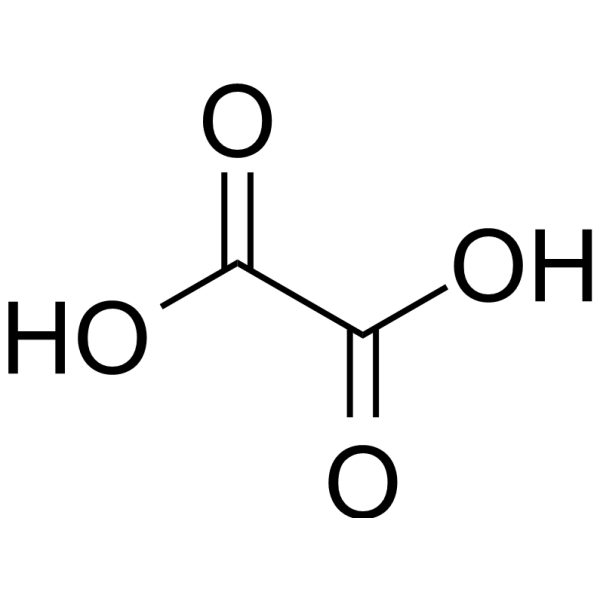
Oxalic acid, 99% (Ethanedioic acid) is a dicarboxylic acid found in a wide variety of plants. Oxalic acid, 99% shows antioxidant acyivity and suppresses lipid peroxidation. Oxalic acid, 99% is a pathogenicity factor for sclerotinia sclerotiorum, and suppresses the oxidative burst of the host plant. Oxalic acid, 99% exerts acaricidal activity. Oxalic acid can be used for the researches of sclerotinia disease, varroatosis and inflammatory diseases .
|
-
-
- HY-W009123
-
|
cis-13-Docosenamide
|
Endogenous Metabolite
Bacterial
|
Infection
Neurological Disease
|
|
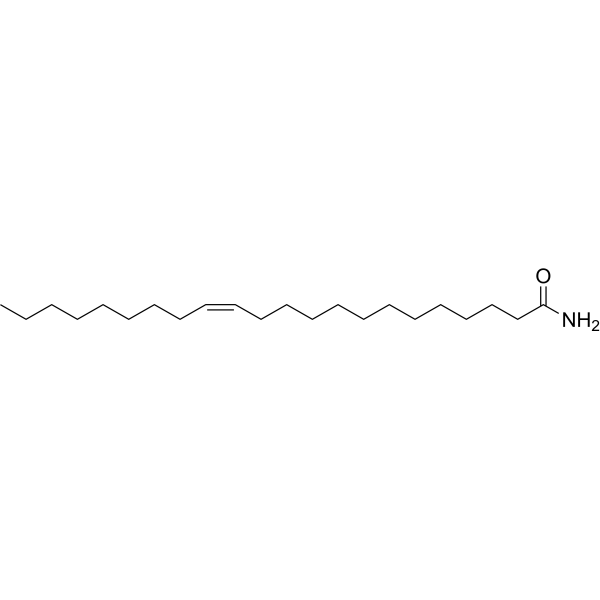
Erucamide is an orally active, blood-brain barrier-permeable TMEM19 ligand and T3SS inhibitor. Erucamide exerts retinal neuroprotective effects in mouse models of retinal degeneration. Erucamide attenuates depression- and anxiety-like behaviors in mice.\n\nErucamide binds to the conserved hydrophobic pocket in HrcC, disrupts its outer membrane localization, and blocks T3SS-mediated effector protein secretion in Gram-negative pathogenic bacteria. Erucamide enhances the antimicrobial immunity of plants against pathogenic bacteria. Erucamide can be used in research related to retinitis pigmentosa, anxiety and depression, bacterial wilt, and bacterial blight .
|
-
-
- HY-W012595
-
-
-
- HY-118065
-
-
-
- HY-168398
-
|
|
Endogenous Metabolite
|
Infection
|
|
9(S),12(S),13(S)-TriHODE is a plant oxylipin and trihydroxylated fatty acid. 9(S),12(S),13(S)-TriHODE can be used in research on bacterial infection and fungal infection .
|
-
-
- HY-N1633
-
|
|
Fungal
|
Infection
|
|
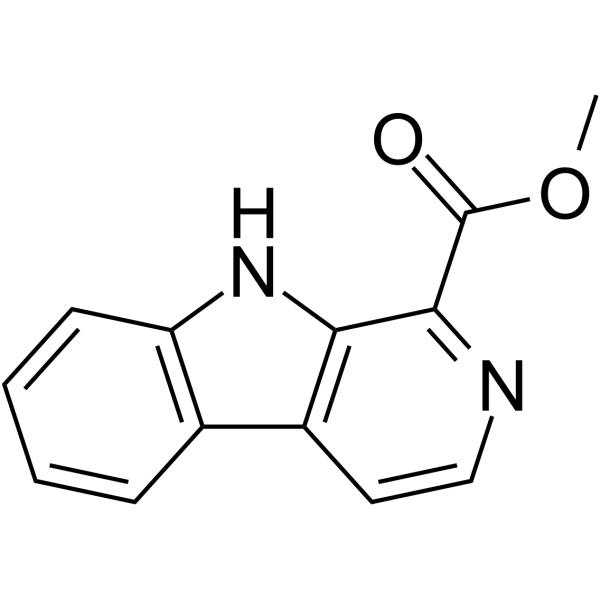
1-Methoxycarbonyl-β-carboline is a phytopathogenic fungal growth inhibitor with moderate to weak in vitro antifungal activity. 1-Methoxycarbonyl-β-carboline can be used for the research of phytopathogenic fungal infections .
|
-
-
- HY-116214
-
-
-
- HY-W020043
-
|
|
Fungal
|
Infection
|
|
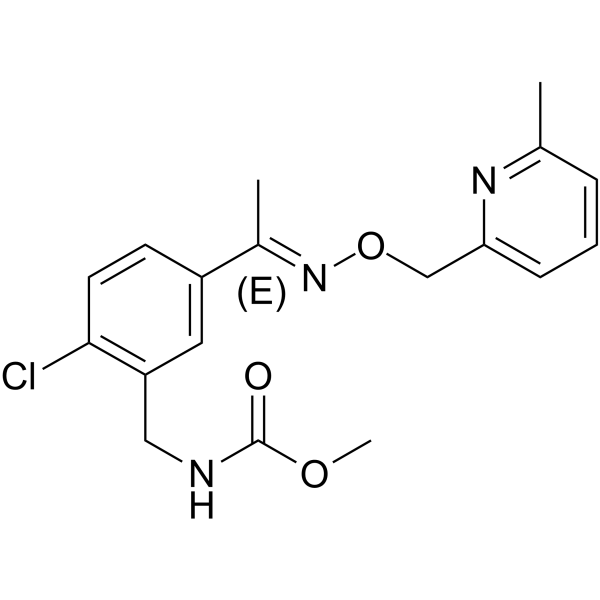
Pyribencarb is a benzylcarbamate-type fungicide, which is active against a wide range of plant pathogenic fungi. Pyribencarb is a potent Qo inhibitor of cytochrome b. Pyribencarb is especially active against Botrytis cinerea and Sclerotinia sclerotirum .
|
-
-
- HY-112176
-
|
|
Fungal
Bacterial
Antibiotic
|
Infection
|
|
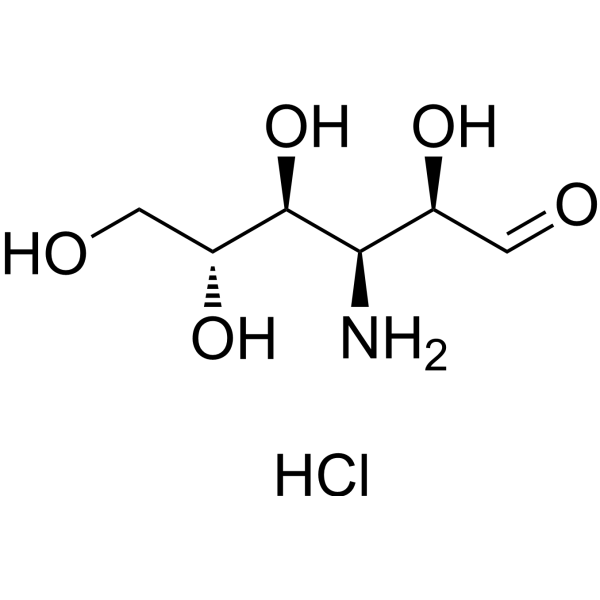
Kanosamine hydrochloride is an antibiotic which inhibits the growth of plant-pathogenic oomycetes, certain fungi and a few bacterial species. Kanosamine inhibits Phytophthora medicaginis M2913 and Aphanomyces euteiches WI-98 with MICs of 25 and 60 μg/mL, respectively.
|
-
-
- HY-N13047
-
|
|
TMV
SOD
|
Infection
|
|
Ningnanmycin is a plant antiviral agent. Ningnanmycin binds to specific residues on the TMV CP disc, inhibits CP assembly, disassembles the CP disc into monomers, and disrupts the structure of the TMV CP disc to reduce pathogenicity. Ningnanmycin binds to key amino acids of PVY CP, interferes with CP-CP interactions, inhibits CP assembly and virion formation, and blocks PVY replication. Ningnanmycin induces the expression of antiviral response genes PRXIIB, PRXIIE, PUB4 and PER42, thereby activating the host defense system. Ningnanmycin can be used in studies related to Tobacco Mosaic Virus infection and Potato Virus Y infection .
|
-
-
- HY-N8105
-
|
|
Fungal
|
Infection
Cancer
|
|
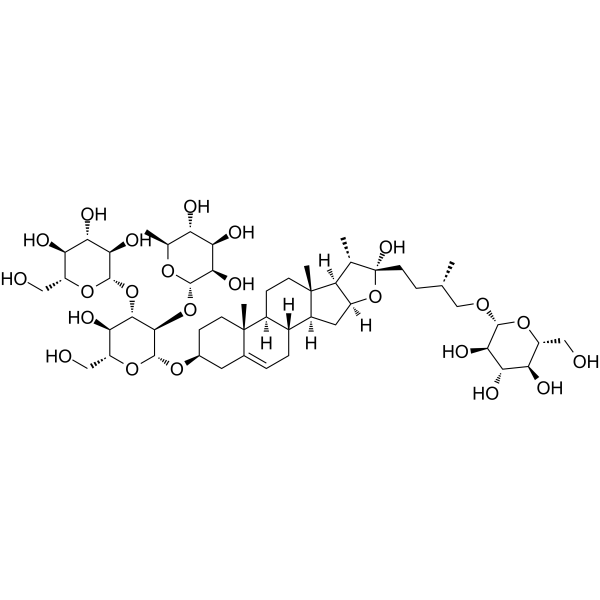
Protoneogracillin, a furostanol glycoside, shows anti-fungal activity against the plant pathogenic fungus P.oryzae (MMDC=94.0 μM) and cytotoxic activity on K562 cancer cells (IC50=6.6 μM) .
|
-
-
- HY-W017445
-
|
|
Fungal
|
Infection
|
|
Homogentisic acid lactone (Compound 1) is a fungal metabolite with fungicidal activity, which is found in the fungus WF5. Homogentisic acid lactone is active against the plant pathogenic fungus F. graminearum. Homogentisic acid lactone can be used as a substrate in the determination of serum paraoxonase/arylesterase 1 (PON1) activity .
|
-
-
- HY-N14257
-
|
|
Bacterial
Antibiotic
Acetyl-CoA Carboxylase
|
Infection
|
|
Andrimid is a peptide Antibiotic and acetyl-CoA carboxylase inhibitor. Andrimid is produced by symbiotic bacteria of the genus *Enterobacter* residing in the brown planthopper Nilaparvata lugens. Andrimid exhibits strong specific activity against Xanthomonas campestris pv. oryzae. Andrimid shows no or only weak activity against Gram-positive and Gram-negative bacteria, including most plant pathogenic bacteria. Andrimid can be used in studies related to bacterial infections and rice bacterial blight .
|
-
-
- HY-130323
-
|
|
Bacterial
|
Infection
|
|
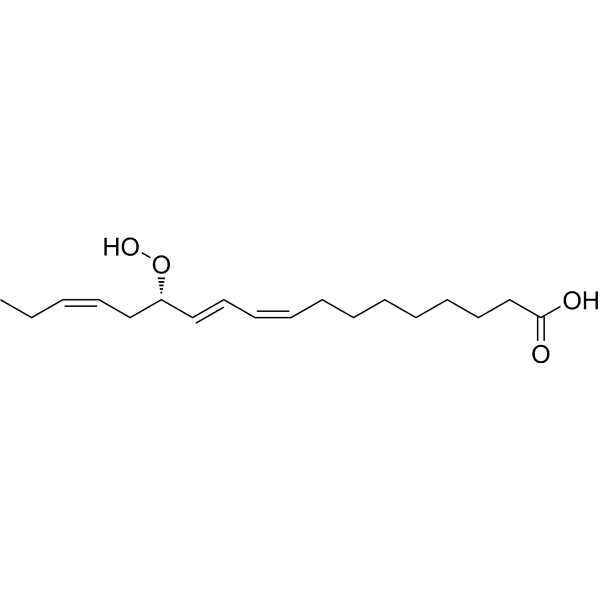
13-HPOT is a linolenic acid hydroperoxide and an antibacterial agent. 13-HPOT interacts with lipid representatives of bacterial inner membranes. 13-HPOT exerts dose-dependent in vitro antibacterial activity against Pectobacterium carotovorum, Pseudomonas syringae pv. syringae DC3000, and Xanthomonas translucens pv. translucens .
|
-
-
- HY-W774934
-
|
|
Fungal
|
|
|
Isopyrazam is a plant protection product with fungal activity. Isopyrazam exhibits excellent disease resistance on crops and effectively inhibits the growth of multiple plant pathogenic fungi. The application of Isopyrazam can significantly improve the yield and quality of crops.
|
-
-
- HY-Y0262A
-
|
Ethanedioic acid diammonium monohydrate
|
Environmental Pollutants
Endogenous Metabolite
|
Infection
Inflammation/Immunology
|
Oxalic acid (Ethanedioic acid) diammonium monohydrate is a dicarboxylic acid found in a wide variety of plants. Oxalic acid diammonium monohydrate shows antioxidant acyivity and suppresses lipid peroxidation. Oxalic acid diammonium monohydrate is a pathogenicity factor for sclerotinia sclerotiorum, and suppresses the oxidative burst of the host plant. Oxalic acid diammonium monohydrate exerts acaricidal activity. Oxalic acid can be used for the researches of sclerotinia disease varroatosis and inflammatory diseases .
|
-
-
- HY-W054064
-
|
|
Fungal
|
Infection
|
|
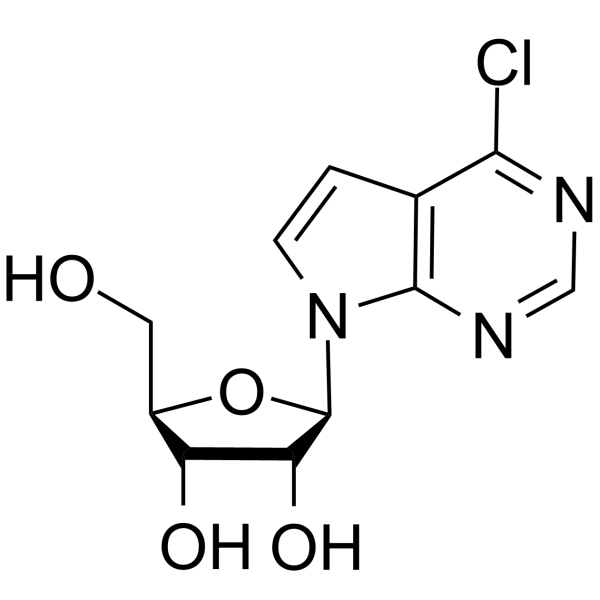
6-Chloro-7-deazapurine-β-D-riboside, a nucleoside derivative, exerts antifungal effects. 6-Chloro-7-deazapurine-β-D-riboside shows activity against plant pathogenic fungi .
|
-
-
- HY-N17260
-
|
|
Bacterial
|
Infection
|
|
Phellandral is an aldehyde compound that can be found in Eucalyptus camaldulensis and Thymus seravschanicus. The phellandral-containing eucalyptus essential oil exhibits significant inhibitory effects on various plant pathogenic fungi, especially on Aspergillus flavus. Phellandral, together with other oxygenated monoterpenoids, constitutes an important basis for the antibacterial activity of the essential oil .
|
-
-
- HY-N2573
-
|
L-Corydalmine; TLZ-16
|
Fungal
CXCR
|
Infection
Neurological Disease
|
|
Corydalmine (L-Corydalmine) inhibits spore germination of some plant pathogenic as well as saprophytic fungi . Corydalmine acts as an oral analgesic agent, exhibiting potent analgesic activity . Corydalmine alleviates Vincristine-induced neuropathic pain in mice by inhibiting an NF-κB-dependent CXCL1/CXCR2 signaling pathway .
|
-
-
- HY-W150903
-
|
p-Oxybenzoesaureheptylester
|
Fungal
Bacterial
|
Infection
|
|
N-Heptyl 4-hydroxybenzoate (p-Oxybenzoesaureheptylester) is an antimicrobial agent that inhibits S. aureus with MIC of 12.5 μg/mL. N-Heptyl 4-hydroxybenzoate also against plant pathogenic fungi, such as Alternaria brassicicola, F. solani, C. dematium and C. acutatum .
|
-
-
- HY-116214R
-
|
CGA-219417 (Standard)
|
Reference Standards
Fungal
Androgen Receptor
Aryl Hydrocarbon Receptor
PERK
Cytochrome P450
|
Infection
Endocrinology
|
|
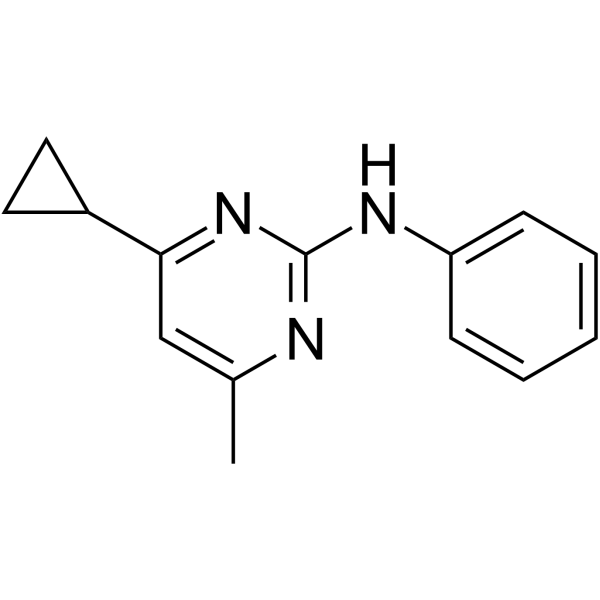
Cyprodinil (Standard) (CGA-219417 (Standard)) is the analytical standard of Cyprodinil (HY-116214). This product is intended for research and analytical applications. Cyprodinil (CGA-219417) is a broad-spectrum anilinopyrimidine fungicide and an activator of the aryl hydrocarbon receptor. Cyprodinil also has anti-androgenic and androgenic activities. Cyprodinil can inhibit the biosynthesis of methionine in plant-pathogenic fungi and protect fruits and vegetables from a variety of pathogens.
|
-
-
- HY-W017611
-
|
|
Environmental Pollutants
Reactive Oxygen Species (ROS)
Fungal
DNA/RNA Synthesis
|
Infection
|
|
4-Propylphenol is a plant-derived phenolic compound. 4-Propylphenol causes an increase in ROS within the Fusarium graminearum cells, leading to damage to the DNA and cell membranes of the mycelia, effectively inhibiting the growth of the mycelia. 4-Propylphenol also has a growth inhibitory effect on walnut pathogenic fungi (C. gloeosporioides, C. siamense, A. alternata), with its EC50 ranging from 29.11 to 31.89 mg/L, and it also inhibits spore germination, with EC50 being 55.04-71.85 mg/L. 4-Propylphenol can be used in the research of fungal diseases in walnuts and wheat Fusarium head blight .
|
-
-
- HY-171796
-
|
|
Fungal
|
Infection
|
|
Bromomonilicin is a selective fungal cell membrane inhibitor. Bromomonilicin exerts antifungal activity by disrupting fungal cell membrane integrity. Bromomonilicin is promising for research of plant pathogenic fungal infections (e.g., Monilinia fructicola-induced brown rot) and superficial mycoses (e.g., dermatophyte infections) .
|
-
-
- HY-179212
-
|
|
Drug Derivative
Fungal
|
Infection
|
|
(±)-Coladonin (Compound (±)-12), Coumarin (HY-N0709) derivative, is an antifungal agent. (±)-Coladonin exhibits potent inhibitory effect on the plant pathogenic fungus Botrytis cinerea. (±)-Coladonin is mainly used for the research on the prevention and control of gray mold disease in crops .
|
-
-
- HY-125721
-
|
|
Fungal
Bacterial
Antibiotic
|
Infection
|
|
Tetranactin is an orally active antibiotic that has insecticidal properties and can inhibit the growth of Gram-positive bacteria and plant pathogenic fungal in vitro. Tetranactin LD50 for intraperitoneal injection in mice is greater than 300 mg/kg, and the LD50 is greater than 15,000 mg/kg .
|
-
-
- HY-N8474
-
|
|
Others
|
Others
|
|
Pyrenocine A is an acyl phytotoxin isolated from plant pathogenic fungi .
|
-
-
- HY-W150903S
-
|
p-Oxybenzoesaureheptylester [German]-d4
|
Isotope-Labeled Compounds
Fungal
Bacterial
|
Infection
|
|
N-Heptyl 4-hydroxybenzoate-d4 is the deuterium labeled N-Heptyl 4-hydroxybenzoate (HY-W150903) . N-Heptyl 4-hydroxybenzoate (p-Oxybenzoesaureheptylester) is an antimicrobial agent that inhibits S. aureus with MIC of 12.5 μg/mL. N-Heptyl 4-hydroxybenzoate also against plant pathogenic fungi, such as Alternaria brassicicola, F. solani, C. dematium and C. acutatum .
|
-
-
- HY-P10785
-
|
|
Bacterial
Antibiotic
|
Infection
|
|
Iturin A-2 is a cyclic lipopeptide discovered in B. subtilis and exhibits inhibitory activity against the plant pathogenic fungus P. expansum (MIC = 8 µg/disk). Iturin A-2 is cytotoxic to MCF-7 and BT474 breast cancer cells, as well as HeLa cervical cancer cells, with IC50 values of 66.81, 95.04, and 77.5 µg/mL, respectively. In greenhouse studies, Iturin A-2 at concentrations of 100 and 300 mg/kg Iturin A-2 reduces the lesion area of southern corn leaf blight caused by B. maydis, and in field studies, concentrations of 300 and 500 mg/kg Iturin A-2 reduce the incidence of the disease. Iturin A-2 (12.5 µg/mL) inhibits cell division, but not nuclear division, in isolated fertilized starfish eggs .
|
-
-
- HY-N10256
-
|
|
Endogenous Metabolite
|
Infection
|
|
Varioxepine A is a 3H-oxepine-containing alkaloid with a new oxa-cage found in the marine algal-derived endophytic fungus Paecilomyces variotii. Varioxepine A inhibits plant pathogenic fungus Fusarium graminearum .
|
-
-
- HY-N10292
-
|
|
Fungal
Endogenous Metabolite
|
Infection
|
|
Chaetosemin J, an antifungal metabolite, exhibits inhibitory activity against plant pathogenic fungi Botrytis cinerea, Alternaria solani, Magnaporthe oryzae, and Gibberella saubinettii, with MIC values ranging from 12.5-25 μM .
|
-
-
- HY-162256
-
|
|
Fungal
|
Infection
|
|
Antibacterial agent 184 (compound 4j) is a fungal inhibitor that is toxic to the plant pathogenic fungus Sclerotinia sclerotiorum. Antibacterial agent 184 can effectively inhibit Sclerotinia sclerotiorum (IR>97%) .
|
-
-
- HY-118065R
-
|
KBR 2738 (Standard)
|
Reference Standards
Fungal
Estrogen Receptor/ERR
PI3K
|
Infection
Cancer
|
|
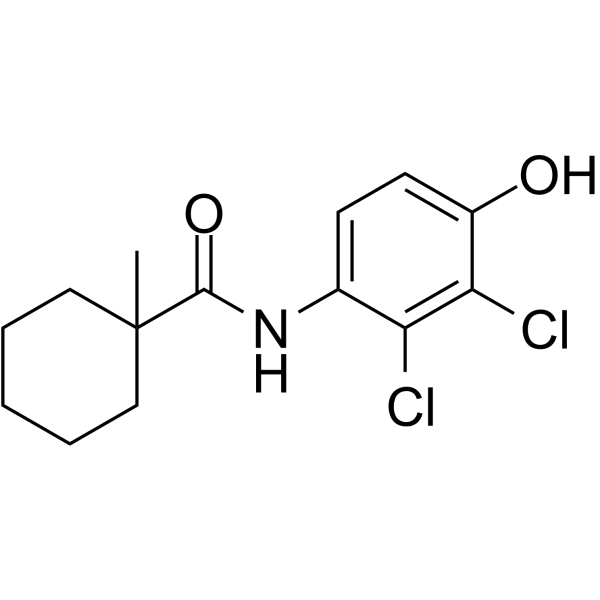
Fenhexamid (Standard) is the analytical standard of Fenhexamid. This product is intended for research and analytical applications. Fenhexamid, a botryticide, is a sterol biosynthesis inhibitor. Fenhexamid shows fungicide efficient against the plant pathogenic fungus Botryotinia fuckeliana (Botrytis cinerea) .
|
-
-
- HY-P11343
-
|
|
Fungal
|
Infection
|
|
Verlamelin B (Compound 147) is effective against plant pathogenic fungal and is a derivative of Verlamelin (HY-N14856).Verlamelin B exhibits potent plant protective activity in vivo, particularly against rice blast and barley powdery mildew. Verlamelin B causes morphological changes in fungal cells, such as swelling or expansion. Verlamelin B exhibits weaker antifungal activity in vitro against plant pathogens such as rice blast, Dipolaris zeae, and Botrytis cinerea. Verlamelin B is useful for research on antifungal activities against plant pathogens .
|
-
-
- HY-N15091
-
|
|
Fungal
|
Infection
|
|
Formamicin has broad spectrum and strong anti-plant pathogenic fungi activity .
|
-
-
- HY-N14818
-
|
|
Fungal
|
Infection
|
|
O-Acetylbenzeneamidinocarboxylic acid is a fungal metabolite that shows inhibitory to variety of plant pathogenic fungi .
|
-
-
- HY-N10293
-
|
|
Fungal
Endogenous Metabolite
|
Infection
|
|
Monaschromone, a polyketide metabolite, significantly inhibits the growth of B. cinerea, A. solani, M. oryzae, and G. saubinettii, with the MIC values ranging from 6.25 to 12.5 μM .
|
-
-
- HY-124236
-
|
|
Bacterial
|
Others
|
|
Chrysobactin is a compound isolated from the plant pathogenic bacterium Erwinia chrysanthemi. Chrysobactin has siderophore activity .
|
-
-
- HY-148968
-
|
Carbathion
|
Fungal
|
Infection
|
|
Metham sodium (Carbathion) is a broad-spectrum soil microbial suppressant. Metham sodium controls soil-borne pests and weeds. Metham sodium inhibits weed seeds, plant-parasitic nematodes, plant pathogenic fungi and soil insects .
|
-
-
- HY-N15062
-
|
|
Antibiotic
Fungal
|
Infection
|
|
2-Hydroxymethylclavam is a β-lactam antibiotic. 2-Hydroxymethylclavam has antifungal activity, especially for plant pathogenic fungi .
|
-
-
- HY-N14133
-
|
|
Bacterial
|
Infection
|
|
Enaminomycin A has activity against Gram-positive bacteria, Gram-negative bacteria and plant pathogenic fungi (weak), and it has the inhibitory effect of L-1210 .
|
-
-
- HY-N10213
-
|
|
NO Synthase
|
Infection
|
|
Septeremophilane E is a compound isolated from fungus Septoria rudbeckiae, a plant pathogenic fungus isolated from the halophyte Karelinia caspia. Septeremophilane E significantly inhibits the production of nitric oxide (NO) .
|
-
-
- HY-N10212
-
|
|
Fungal
|
Infection
|
|
Dendryphiellin D is a compound isolated from fungus Septoria rudbeckiae, a plant pathogenic fungus isolated from the halophyte Karelinia caspia. Dendryphiellin D significantly inhibits the production of nitric oxide (NO) .
|
-
-
- HY-N1300
-
|
|
Fungal
|
Infection
Cancer
|
|
Shizukanolide F is a dimeric sesquiterpene, which is derivated from Chloranthus japonicus Sieb. Shizukanolide F exhibits potent antifungal activities against various plant pathogenic fungi and anti-metastasis breast cancer .
|
-
-
- HY-N11528
-
|
7-Noreugenitin
|
Others
|
Infection
|
|
Eugenitol (Compound 3) is an antifungal metabolite isolated and purified from Diaporthe eucalyptorum. Eugenitol has inhibitory effect on four plant pathogenic fungi (Alternaria solani, Botrytis cinerea, Fusarium solani and Gibberella saubinettii) .
|
-
-
- HY-W701943
-
|
|
Isotope-Labeled Compounds
Fungal
PI3K
Estrogen Receptor/ERR
|
Cancer
|
|
Fenhexamid-d10 is the deuterium labeled Fenhexamid (HY-118065). Fenhexamid, a botryticide, is a sterol biosynthesis inhibitor. Fenhexamid shows fungicide efficient against the plant pathogenic fungus Botryotinia fuckeliana (Botrytis cinerea) .
|
-
-
- HY-176746
-
|
|
Fungal
|
Infection
|
|
CMLD009688 is a cationic amphiphilic antifungal agent. CMLD009688 selectively inhibits plant pathogenic fungi such as Fusarium graminearum. CMLD009688 interacts with biological membranes, perturbing vacuolar and mitochondrial membrane structures to induce fungal cell death. CMLD009688 is promising for research of plant fungal diseases (e.g., wheat head blight, gray mold) .
|
-
-
- HY-N14763
-
|
|
Antibiotic
Fungal
|
Infection
|
|
3'-O-Decarbamoylirumamycin is a 20-membered macrolide antibiotic produced by Streptomyces subflavus subsp.Irumaensis . 3'-O-Decarbamoylirumamycin has certain inhibitory effect on plant pathogenic fungi such as Piricularia oryzae, and Sclerotinia cinerea .
|
-
-
- HY-W774918
-
|
|
Fungal
|
|
|
Oxaziclomefone is a broad-spectrum pesticide with fungal activity. Oxaziclomefone effectively controls a variety of crop diseases and has significant effects against plant pathogenic fungi. Oxaziclomefone is widely used in agriculture to protect crops from diseases and improve crop yield and quality.
|
-
-
- HY-W020043R
-
|
|
Reference Standards
Fungal
|
Infection
|
|
Pyribencarb (Standard) is the analytical standard of Pyribencarb. This product is intended for research and analytical applications. Pyribencarb is a benzylcarbamate-type fungicide, which is active against a wide range of plant pathogenic fungi. Pyribencarb is a potent Qo inhibitor of cytochrome b. Pyribencarb is especially active against Botrytis cinerea and Sclerotinia sclerotirum .
|
-
-
- HY-W741555
-
|
7-Dechlorogriseofulvin
|
Antibiotic
Fungal
|
Infection
|
|
Dechlorogriseofulvin (7-Dechlorogriseofulvin) is an antibiotic, and exhibits inhibitory activity against various plant pathogenic fungi. Dechlorogriseofulvin inhibits Botrytis cinerea, Rhizoctonia solani, Pythium ultimum, and Sclerotinia sclerotiorum with MIC of 40.0 µg/ml, 43.9 µg/ml, 81.7 µg/ml, and 28.5 µg/ml, respectively .
|
-
- HY-137085
-
|
|
Antibiotic
Fungal
|
Infection
|
|
Antibiotic AB023b is part of macrocyclic pentaene antibiotic complex, forming the main components with Antibiotic AB023a (HY-137084). Antibiotic AB023b exhibits antifungal activity against Candida albicans, and plant pathogenic fungi, Botrytis cinerea, Fusarium moniliforme and Pythium ultimum .
|
-
- HY-B1838A
-
|
|
Fungal
|
Infection
|
|
Asulam (potassium salt) is a chitin synthase inhibitor against plant pathogenic fungi. Asulam (potassium salt) interferes with the biosynthesis of chitin in the fungal cell wall to destroy the integrity and normal growth and reproduction of fungal cells, thereby exerting bacteriostatic activity. Asulam (potassium salt) is promising for research of fungal diseases such as downy mildew and gray mold in spinach, tulips, daffodils and lilies .
|
-
- HY-137084
-
|
|
Antibiotic
Fungal
|
Infection
|
|
Antibiotic AB023a is part of macrocyclic pentaene antibiotic complex, forming the main components with Antibiotic AB023b (HY-137085). Antibiotic AB023a exhibits antifungal activity against Candida albicans, and plant pathogenic fungi, Botrytis cinerea (MIC= 5 μg/mL), Fusarium moniliforme and Pythium ultimum .
|
-
- HY-W774918R
-
|
|
Fungal
Reference Standards
|
|
|
Oxaziclomefone (Standard) is the analytical standard of Oxaziclomefone. This product is intended for research and analytical applications. Oxaziclomefone is a broad-spectrum pesticide with fungal activity. Oxaziclomefone effectively controls a variety of crop diseases and has significant effects against plant pathogenic fungi. Oxaziclomefone is widely used in agriculture to protect crops from diseases and improve crop yield and quality.
|
-
- HY-112101R
-
|
n-Propyl dihydrojasmonate (Standard)
|
Drug Isomer
Reference Standards
|
Others
|
|
Oxaziclomefone (Standard) is the analytical standard of Oxaziclomefone. This product is intended for research and analytical applications. Oxaziclomefone is a broad-spectrum pesticide with fungal activity. Oxaziclomefone effectively controls a variety of crop diseases and has significant effects against plant pathogenic fungi. Oxaziclomefone is widely used in agriculture to protect crops from diseases and improve crop yield and quality.
|
-
- HY-N2573A
-
|
L-Corydalmine hydrochloride; TLZ-16-CL
|
Fungal
CXCR
|
Infection
Neurological Disease
|
|
Corydalmine hydrochloride inhibits spore germination of some plant pathogenic as well as saprophytic fungi . Corydalmine hydrochloride acts as an oral analgesic agent, exhibiting potent analgesic activity . Corydalmine hydrochloride alleviates Vincristine-induced neuropathic pain in mice by inhibiting an NF-κB-dependent CXCL1/CXCR2 signaling pathway .
|
-
- HY-W012595R
-
|
Benzalacetone (Standard)
|
Reference Standards
Endogenous Metabolite
Antibiotic
Bacterial
Tyrosinase
Phospholipase
|
Infection
Metabolic Disease
Inflammation/Immunology
|
|
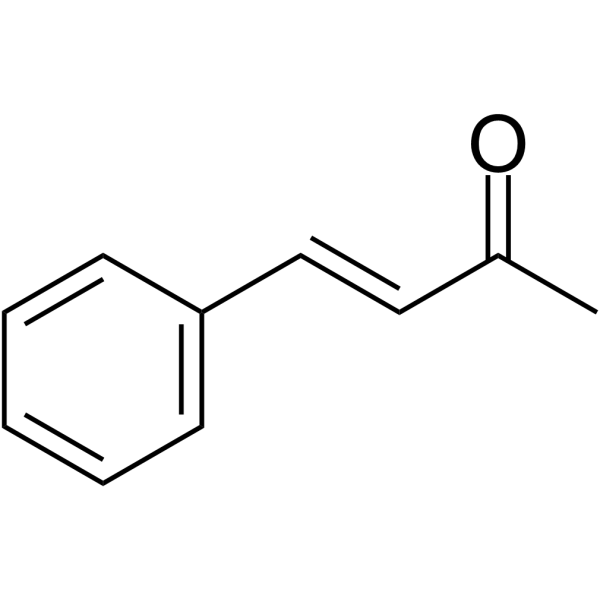
Benzylideneacetone (Standard) is the analytical standard of Benzylideneacetone. This product is intended for research and analytical applications. Benzylideneacetone (Benzalacetone) is an orally active antibiotic, tyrosinase inhibitor, phospholipase A2 inhibitor, and immunosuppressant. Benzylideneacetone has antibacterial activity against some gram-negative plant-pathogenic bacteria. Benzylideneacetone can also be used in the synthesis of chemicals and drugs, and as a flavoring additive for some foods .
|
-
- HY-W714837
-
|
4-Oxo-5-phenylpentanoic acid; 5-Phenyl-4-oxopentanoic acid
|
Bacterial
Fungal
Antibiotic
Drug Intermediate
Endogenous Metabolite
Sigma Receptor
|
Infection
|
|
5-Phenyllevulinic acid (4-Oxo-5-phenylpentanoic acid) is an endogenous fungal metabolite with inhibitory activity against the bacterium B. megaterium, the plant pathogenic fungus S. tritici, and the alga C. fusca. 5-Phenyllevulinic acid is also an intermediate in the synthesis of σ receptor ligands. 5-Phenyllevulinic acid holds potential for research in the field of anti-infection studies .
|
-
- HY-171540
-
|
|
Fungal
|
Infection
|
|
AnCDA-IN-1 (Compound J075-4187) is an inhibitor of chitin deacetylase (CDA) with antifungal activity. It has an IC50 of 4.24 μM against AnCDA of A. nidulans, a minimum inhibitory concentration (MIC) of 260 μg/mL against food spoilage fungi and plant pathogenic fungi, and a minimum fungicidal concentration (MFC) of 520 μg/mL. AnCDA-IN-1 can be used in the research of the antifungal field .
|
-
- HY-116214S
-
-
- HY-116214S1
-
-
- HY-N11756
-
|
|
Bacterial
|
Infection
|
|
Linearmycin A is a polyene antibiotic that has been found in Streptomyces. It is active against the bacteria S. aureus and E. coli (MICs=3.1 and 1.6 μg/disc, respectively), the fungi S. cerevisiae and C. albicans (MICs=0.1 and 1.6 μg/disc, respectively), and the plant pathogenic fungus A. niger in disc assays (MIC=0.2 μg/disc). Linearmycin A induces lysis and degradation of B. subtilis as a component of Streptomyces Mg1 extract.
|
-
- HY-W017611S
-
|
|
Isotope-Labeled Compounds
Fungal
Reactive Oxygen Species (ROS)
DNA/RNA Synthesis
|
Infection
|
|
4-Propylphenol-d12 is the deuterium labeled 4-Propylphenol. 4-Propylphenol is a plant-derived phenolic compound. 4-Propylphenol causes an increase in ROS within the Fusarium graminearum cells, leading to damage to the DNA and cell membranes of the mycelia, effectively inhibiting the growth of the mycelia. 4-Propylphenol also has a growth inhibitory effect on walnut pathogenic fungi (C. gloeosporioides, C. siamense, A. alternata), with its EC50 ranging from 29.11 to 31.89 mg/L, and it also inhibits spore germination, with EC50 being 55.04-71.85 mg/L. 4-Propylphenol can be used in the research of fungal diseases in walnuts and wheat Fusarium head blight.
|
-
- HY-125048
-
|
229-B; Streptothricin D
|
Bacterial
|
Infection
|
|
Racemomycin B (229-B; Streptothricin D), the main component from Streptomyces lavendulae OP-2, is a streptothricin antibiotic containing three β-lysine groups. RM-B exhibits antimicrobial activity against plant pathogenic microorganisms and effectively inhibits the growth of Brassica rapa L. roots at 50 ppm. RM-B showed a minimum inhibitory concentration (MIC) of 0.4 μg/ml against Pseudomonas syringae pv. tabaci IFO-3508 and a MIC range of 0.1-2.0 μg/ml against six strains of Fusarium oxysporum, showing stronger antimicrobial activity than RM-A and RM-C. The biological activity of racemomycin compounds increases with the increase in the number of β-lysine groups.
|
-
- HY-N14408
-
|
|
Fungal
|
Infection
|
|
Fosfazinomycin B has the activity of resisting plant pathogenic fungi such as Xanthomonas oryzae .
|
-
- HY-N11597
-
|
|
Drug Intermediate
|
Infection
|
|
Daphneolone is a phenolic compound. Daphneolone can be isolated from the roots of Daphneodora. Some Daphneolone analogues show anti-plant pathogenic fungi activities .
|
-
- HY-118699
-
|
|
Fungal
|
Infection
|
|
Indole-3-thio carboxamide is an antifungal agent. Indole-3-thio carboxamide is a biotransformation product of Camalexin (HY-119502) by plant pathogenic fungi Botrytis cinerea .
|
-
- HY-P11458
-
|
Nlp24
|
Reactive Oxygen Species (ROS)
|
Inflammation/Immunology
|
|
Hanlp24 (Nlp24) is an immunogenic short peptide derived from plant pathogenic microorganisms. Hanlp24 can be recognized by the immune system of the model plant Arabidopsis thaliana and effectively induces the production of reactive oxygen species (ROS) in Arabidopsis thaliana. Hanlp24 is not the key factor that triggers plant defense and leads to the loss of pathogen virulence in the interaction system between cucumber and anthracnose pathogen. Hanlp24 can be used for the study of the plant immune system .
|
-
- HY-W017143
-
|
|
Fungal
|
Infection
|
|
Antifungal agent 158 is an α-pyrone derivative that can be found in Trichoderma harzianum, exhibiting antifungal activity against select plant-pathogenic fungi, including Chaetomium spp., Curvularia lunata, and Aspergillus flavus. Antifungal agent 158 is non-toxic to greenhouse-grown bean, corn, and tobacco plants. Antifungal agent 158 can be used for research on Aspergillus flavus infection .
|
-
- HY-182471
-
|
|
Fungal
|
Infection
|
|
Aminopyrifen is a GWT-1 inhibitor. Aminopyrifen inhibits the inositol acylation of phosphatidylinositol, disrupting the maturation process of GPI-anchored proteins and the integrity of fungal cell walls. Aminopyrifen strongly inhibits germ tube elongation of Botrytis cinerea, delays spore germination, prevents appressorium formation, and blocks the infection of plant tissues by pathogenic fungi. Aminopyrifen is effective against field populations of eggplant gray mold and cucumber powdery mildew, and can be used for research on various plant fungal diseases such as gray mold and powdery mildew .
|
-
- HY-170378
-
|
|
Fungal
|
Infection
|
|
Laccase-IN-5 (Compound 2b) is the inhibitor for Laccase with an IC50 of 0.82 μM. Laccase-IN-5 increases the cell membrane permeability, limits the growth of hyphae, destorys the cell wall, and induces oxidative stress responses. Laccase-IN-5 exhibits antifungal activity against various plant pathogenic fungi and oomycetes, inhibits B. dothidea with an EC50 of 0.96 mg/L .
|
-
- HY-P11177
-
|
|
Fungal
Bacterial
|
Infection
Cancer
|
|
Cn-AMP1 is a disulfide-free plant peptide that can be isolated from green coconut water. Cn-AMP1 shows activity against multiple pathogenic bacteria, fungal pathogens and cancer cells. Cn-AMP1 is capable of up-regulating inflammatory-cytokine secretion by monocytes. Cn-AMP1 can be used for research on control bacterial infections and cancers .
|
-
- HY-N19907
-
|
|
Endogenous Metabolite
Fungal
Antibiotic
|
Infection
|
|
Phomopsinone A is an Antifungal agent. Phomopsinone A is isolated from Phomopsis sp. Phomopsinone A exhibits activity against plant and crop pathogens Pyricularia oryzae, Septoria tritici and Botrytis cinerea. Phomopsinone A can be used in the research of plant/crop fungal diseases .
|
-
- HY-N7282
-
-
- HY-W743904
-
|
|
Drug Derivative
Fungal
|
Infection
|
|
Quininone is a Quinine (HY-D0143) derivative that exhibits in vitro antifungal activity. Quininone can be used for antifungal research .
|
-
- HY-N19641
-
|
Dichlorodiaportin
|
Bacterial
Endogenous Metabolite
|
Infection
|
|
Dichlorodiaporthin (Dichlorodiaportin) is an isocoumarin metabolite found in cultures of Penicillium nalgiovense. Dichlorodiaporthin acts as an antibacterial agent against various bacterial species .
|
-
- HY-N15140
-
|
|
Drug Isomer
Bacterial
Fungal
Carboxypeptidase
|
Infection
Cancer
|
|
α-Thujaplicin, the isomer of Hinokitiol (HY-B2230), is an antimicrobial agent. α-Thujaplicin can be isolated from Aomori Hiba (Thujopsis dolabrata SIEB. et ZUCC. var. hondai MAKINO). α-Thujaplicin shows inhibition of Carboxypeptidase A (IC50: 32.4 μM). α-Thujaplicin shows rather strong antifungal activity against seven kinds of plant-pathogenic fungi, their MICs being in the range of 12.0-50.0 μg/mL. α-Thujaplicin shows clear antibacterial activity against Legionella pneumophila SG 1 and L. pneumophila SG 3, and their MICs are in the range of 12.5-50 μg/mL. α-Thujaplicin shows antibacterial activity against Enterococcus faecalis IFO-12965 with a MIC of 1.56 μg/mL. α-Thujaplicin shows germination inhibition toward the seed of Echinochloa utilis Ohwi et Yabuno. α-thujaplicin inhibits lymphocytic leukemia, stomach cancer, Ehrlich’s ascites carcinoma .
|
-
| Cat. No. |
Product Name |
Type |
-
- HY-Y0262A
-
|
Ethanedioic acid diammonium monohydrate
|
Biochemical Assay Reagents
|
Oxalic acid (Ethanedioic acid) diammonium monohydrate is a dicarboxylic acid found in a wide variety of plants. Oxalic acid diammonium monohydrate shows antioxidant acyivity and suppresses lipid peroxidation. Oxalic acid diammonium monohydrate is a pathogenicity factor for sclerotinia sclerotiorum, and suppresses the oxidative burst of the host plant. Oxalic acid diammonium monohydrate exerts acaricidal activity. Oxalic acid can be used for the researches of sclerotinia disease varroatosis and inflammatory diseases .
|
| Cat. No. |
Product Name |
Target |
Research Area |
-
- HY-P10785
-
|
|
Bacterial
Antibiotic
|
Infection
|
|
Iturin A-2 is a cyclic lipopeptide discovered in B. subtilis and exhibits inhibitory activity against the plant pathogenic fungus P. expansum (MIC = 8 µg/disk). Iturin A-2 is cytotoxic to MCF-7 and BT474 breast cancer cells, as well as HeLa cervical cancer cells, with IC50 values of 66.81, 95.04, and 77.5 µg/mL, respectively. In greenhouse studies, Iturin A-2 at concentrations of 100 and 300 mg/kg Iturin A-2 reduces the lesion area of southern corn leaf blight caused by B. maydis, and in field studies, concentrations of 300 and 500 mg/kg Iturin A-2 reduce the incidence of the disease. Iturin A-2 (12.5 µg/mL) inhibits cell division, but not nuclear division, in isolated fertilized starfish eggs .
|
-
- HY-P11343
-
|
|
Fungal
|
Infection
|
|
Verlamelin B (Compound 147) is effective against plant pathogenic fungal and is a derivative of Verlamelin (HY-N14856).Verlamelin B exhibits potent plant protective activity in vivo, particularly against rice blast and barley powdery mildew. Verlamelin B causes morphological changes in fungal cells, such as swelling or expansion. Verlamelin B exhibits weaker antifungal activity in vitro against plant pathogens such as rice blast, Dipolaris zeae, and Botrytis cinerea. Verlamelin B is useful for research on antifungal activities against plant pathogens .
|
-
- HY-P11458
-
|
Nlp24
|
Reactive Oxygen Species (ROS)
|
Inflammation/Immunology
|
|
Hanlp24 (Nlp24) is an immunogenic short peptide derived from plant pathogenic microorganisms. Hanlp24 can be recognized by the immune system of the model plant Arabidopsis thaliana and effectively induces the production of reactive oxygen species (ROS) in Arabidopsis thaliana. Hanlp24 is not the key factor that triggers plant defense and leads to the loss of pathogen virulence in the interaction system between cucumber and anthracnose pathogen. Hanlp24 can be used for the study of the plant immune system .
|
-
- HY-P11177
-
|
|
Fungal
Bacterial
|
Infection
Cancer
|
|
Cn-AMP1 is a disulfide-free plant peptide that can be isolated from green coconut water. Cn-AMP1 shows activity against multiple pathogenic bacteria, fungal pathogens and cancer cells. Cn-AMP1 is capable of up-regulating inflammatory-cytokine secretion by monocytes. Cn-AMP1 can be used for research on control bacterial infections and cancers .
|
| Cat. No. |
Product Name |
Category |
Target |
Chemical Structure |
-
- HY-Y0262
-
-
-
- HY-W012595
-
-
-
- HY-N1633
-
-
-
- HY-N13047
-
|
|
Structural Classification
Microorganisms
Antibiotics
Other Antibiotics
Source Classification
|
TMV
SOD
|
|
Ningnanmycin is a plant antiviral agent. Ningnanmycin binds to specific residues on the TMV CP disc, inhibits CP assembly, disassembles the CP disc into monomers, and disrupts the structure of the TMV CP disc to reduce pathogenicity. Ningnanmycin binds to key amino acids of PVY CP, interferes with CP-CP interactions, inhibits CP assembly and virion formation, and blocks PVY replication. Ningnanmycin induces the expression of antiviral response genes PRXIIB, PRXIIE, PUB4 and PER42, thereby activating the host defense system. Ningnanmycin can be used in studies related to Tobacco Mosaic Virus infection and Potato Virus Y infection .
|
-
-
- HY-N8105
-
-
-
- HY-W017445
-
|
|
Monophenols
Microorganisms
Phenols
Source Classification
|
Fungal
|
|
Homogentisic acid lactone (Compound 1) is a fungal metabolite with fungicidal activity, which is found in the fungus WF5. Homogentisic acid lactone is active against the plant pathogenic fungus F. graminearum. Homogentisic acid lactone can be used as a substrate in the determination of serum paraoxonase/arylesterase 1 (PON1) activity .
|
-
-
- HY-N14257
-
|
|
Structural Classification
Natural Products
Microorganisms
Source Classification
|
Bacterial
Antibiotic
Acetyl-CoA Carboxylase
|
|
Andrimid is a peptide Antibiotic and acetyl-CoA carboxylase inhibitor. Andrimid is produced by symbiotic bacteria of the genus *Enterobacter* residing in the brown planthopper Nilaparvata lugens. Andrimid exhibits strong specific activity against Xanthomonas campestris pv. oryzae. Andrimid shows no or only weak activity against Gram-positive and Gram-negative bacteria, including most plant pathogenic bacteria. Andrimid can be used in studies related to bacterial infections and rice bacterial blight .
|
-
-
- HY-N17260
-
-
-
- HY-N2573
-
-
-
- HY-125721
-
-
-
- HY-N8474
-
-
-
- HY-N10256
-
-
-
- HY-N10292
-
-
-
- HY-P11343
-
|
|
Structural Classification
Natural Products
Microorganisms
Source Classification
|
Fungal
|
|
Verlamelin B (Compound 147) is effective against plant pathogenic fungal and is a derivative of Verlamelin (HY-N14856).Verlamelin B exhibits potent plant protective activity in vivo, particularly against rice blast and barley powdery mildew. Verlamelin B causes morphological changes in fungal cells, such as swelling or expansion. Verlamelin B exhibits weaker antifungal activity in vitro against plant pathogens such as rice blast, Dipolaris zeae, and Botrytis cinerea. Verlamelin B is useful for research on antifungal activities against plant pathogens .
|
-
-
- HY-N15091
-
-
-
- HY-N14818
-
-
-
- HY-N10293
-
-
-
- HY-124236
-
-
-
- HY-N15062
-
-
-
- HY-N14133
-
-
-
- HY-N10213
-
-
-
- HY-N10212
-
-
-
- HY-N1300
-
-
-
- HY-N11528
-
|
7-Noreugenitin
|
Natural Products
Microorganisms
Source Classification
|
Others
|
|
Eugenitol (Compound 3) is an antifungal metabolite isolated and purified from Diaporthe eucalyptorum. Eugenitol has inhibitory effect on four plant pathogenic fungi (Alternaria solani, Botrytis cinerea, Fusarium solani and Gibberella saubinettii) .
|
-
-
- HY-N14763
-
-
-
- HY-W012595R
-
-
-
- HY-N11756
-
|
|
Microorganisms
Ketones, Aldehydes, Acids
Source Classification
|
Bacterial
|
|
Linearmycin A is a polyene antibiotic that has been found in Streptomyces. It is active against the bacteria S. aureus and E. coli (MICs=3.1 and 1.6 μg/disc, respectively), the fungi S. cerevisiae and C. albicans (MICs=0.1 and 1.6 μg/disc, respectively), and the plant pathogenic fungus A. niger in disc assays (MIC=0.2 μg/disc). Linearmycin A induces lysis and degradation of B. subtilis as a component of Streptomyces Mg1 extract.
|
-
-
- HY-125048
-
|
229-B; Streptothricin D
|
Natural Products
Microorganisms
Source Classification
|
Bacterial
|
|
Racemomycin B (229-B; Streptothricin D), the main component from Streptomyces lavendulae OP-2, is a streptothricin antibiotic containing three β-lysine groups. RM-B exhibits antimicrobial activity against plant pathogenic microorganisms and effectively inhibits the growth of Brassica rapa L. roots at 50 ppm. RM-B showed a minimum inhibitory concentration (MIC) of 0.4 μg/ml against Pseudomonas syringae pv. tabaci IFO-3508 and a MIC range of 0.1-2.0 μg/ml against six strains of Fusarium oxysporum, showing stronger antimicrobial activity than RM-A and RM-C. The biological activity of racemomycin compounds increases with the increase in the number of β-lysine groups.
|
-
-
- HY-N14408
-
-
-
- HY-N11597
-
-
-
- HY-W017143
-
|
|
Structural Classification
Microorganisms
Ketones, Aldehydes, Acids
Source Classification
|
Fungal
|
|
Antifungal agent 158 is an α-pyrone derivative that can be found in Trichoderma harzianum, exhibiting antifungal activity against select plant-pathogenic fungi, including Chaetomium spp., Curvularia lunata, and Aspergillus flavus. Antifungal agent 158 is non-toxic to greenhouse-grown bean, corn, and tobacco plants. Antifungal agent 158 can be used for research on Aspergillus flavus infection .
|
-
-
- HY-N19907
-
-
-
- HY-N7282
-
-
-
- HY-W743904
-
-
-
- HY-N19641
-
-
-
- HY-N15140
-
|
|
Structural Classification
Natural Products
Cupressaceae
Ketones, Aldehydes, Acids
Plants
Thujopsis dolabrata (Thunberg ex L. f.) Sieb. et Zucc.
Source Classification
|
Drug Isomer
Bacterial
Fungal
Carboxypeptidase
|
|
α-Thujaplicin, the isomer of Hinokitiol (HY-B2230), is an antimicrobial agent. α-Thujaplicin can be isolated from Aomori Hiba (Thujopsis dolabrata SIEB. et ZUCC. var. hondai MAKINO). α-Thujaplicin shows inhibition of Carboxypeptidase A (IC50: 32.4 μM). α-Thujaplicin shows rather strong antifungal activity against seven kinds of plant-pathogenic fungi, their MICs being in the range of 12.0-50.0 μg/mL. α-Thujaplicin shows clear antibacterial activity against Legionella pneumophila SG 1 and L. pneumophila SG 3, and their MICs are in the range of 12.5-50 μg/mL. α-Thujaplicin shows antibacterial activity against Enterococcus faecalis IFO-12965 with a MIC of 1.56 μg/mL. α-Thujaplicin shows germination inhibition toward the seed of Echinochloa utilis Ohwi et Yabuno. α-thujaplicin inhibits lymphocytic leukemia, stomach cancer, Ehrlich’s ascites carcinoma .
|
-
| Cat. No. |
Product Name |
Chemical Structure |
-
- HY-W150903S
-
|
|
|
N-Heptyl 4-hydroxybenzoate-d4 is the deuterium labeled N-Heptyl 4-hydroxybenzoate (HY-W150903) . N-Heptyl 4-hydroxybenzoate (p-Oxybenzoesaureheptylester) is an antimicrobial agent that inhibits S. aureus with MIC of 12.5 μg/mL. N-Heptyl 4-hydroxybenzoate also against plant pathogenic fungi, such as Alternaria brassicicola, F. solani, C. dematium and C. acutatum .
|
-
-
- HY-W701943
-
|
|
|
Fenhexamid-d10 is the deuterium labeled Fenhexamid (HY-118065). Fenhexamid, a botryticide, is a sterol biosynthesis inhibitor. Fenhexamid shows fungicide efficient against the plant pathogenic fungus Botryotinia fuckeliana (Botrytis cinerea) .
|
-
-
- HY-116214S
-
|
|
|
Cyprodinil-d5(CGA-219417-d5) is the deuterium labeled Cyprodinil (HY-116214). Cyprodinil (CGA-219417) is a broad-spectrum anilinopyrimidine fungicide and an activator of the aryl hydrocarbon receptor. Cyprodinil also has anti-androgenic and androgenic activities. Cyprodinil can inhibit the biosynthesis of methionine in plant-pathogenic fungi and protect fruits and vegetables from a variety of pathogens .
|
-
-
- HY-116214S1
-
|
|
|
Cyprodinil- 13C6 (CGA-219417- 13C6) is the 13C6 labeled Cyprodinil (HY-116214). Cyprodinil (CGA-219417) is a broad-spectrum anilinopyrimidine fungicide and an activator of the aryl hydrocarbon receptor. Cyprodinil also has anti-androgenic and androgenic activities. Cyprodinil can inhibit the biosynthesis of methionine in plant-pathogenic fungi and protect fruits and vegetables from a variety of pathogens .
|
-
-
- HY-W017611S
-
|
|
|
4-Propylphenol-d12 is the deuterium labeled 4-Propylphenol. 4-Propylphenol is a plant-derived phenolic compound. 4-Propylphenol causes an increase in ROS within the Fusarium graminearum cells, leading to damage to the DNA and cell membranes of the mycelia, effectively inhibiting the growth of the mycelia. 4-Propylphenol also has a growth inhibitory effect on walnut pathogenic fungi (C. gloeosporioides, C. siamense, A. alternata), with its EC50 ranging from 29.11 to 31.89 mg/L, and it also inhibits spore germination, with EC50 being 55.04-71.85 mg/L. 4-Propylphenol can be used in the research of fungal diseases in walnuts and wheat Fusarium head blight.
|
-
| Cat. No. |
Product Name |
|
Classification |
-
- HY-W054064
-
|
|
|
Nucleoside Analogs
|
|
6-Chloro-7-deazapurine-β-D-riboside, a nucleoside derivative, exerts antifungal effects. 6-Chloro-7-deazapurine-β-D-riboside shows activity against plant pathogenic fungi .
|
Your information is safe with us. * Required Fields.
Inquiry Information
- Product Name:
- Cat. No.:
- Quantity:
- MCE Japan Authorized Agent:

