
1. Search Result
Search Result
Results for "

pro-inflammatory

" in MedChemExpress (MCE) Product Catalog:

689

Inhibitors & Agonists

3

Screening Libraries

3

Fluorescent Dye

15

Biochemical Assay Reagents

63

Peptides

35

Inhibitory Antibodies

191

Natural
Products

1

Recombinant Proteins

25

Isotope-Labeled Compounds

4

Click Chemistry

18

Oligonucleotides

Cat. No. Product Name Target Research Areas Chemical Structure
  • HY-P0203
    α-CGRP (mouse, rat)
    5+ Cited Publications

    CGRP (83-119), mouse, rat

    CGRP Receptor Cardiovascular Disease Metabolic Disease Inflammation/Immunology
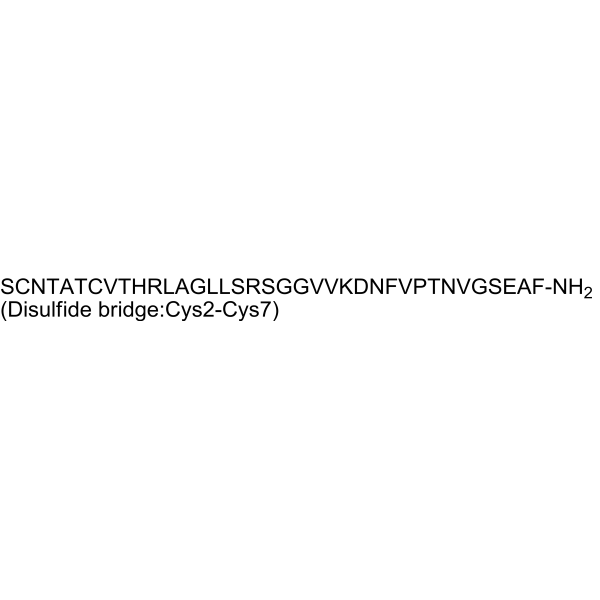
    α-CGRP (mouse, rat), a neuropeptide (calcitonin gene-related peptide (CGRP)) mainly expressed in neuromuscular junction, is a potent vasodilator. α-CGRP (mouse, rat) can lead to a fall in blood pressure and an increase in heart rate by peripheral administration, also relax colonie smooth muscle. α-CGRP (mouse, rat) has the potential in cardiovascular, pro-inflammatory, migraine and metabolic studies .
    α-CGRP (mouse, rat)
  • HY-B1521
    Aluminum Hydroxide
    5+ Cited Publications

    Environmental Pollutants NOD-like Receptor (NLR) Cardiovascular Disease Inflammation/Immunology
    Aluminum Hydroxide is an orally active main form of aluminum used as adjuvant. Aluminum hydroxide-based adjuvant researches include the repository effect, pro-phagocytic effect, and activation of the pro-inflammatory NLRP3 pathway. Aluminum Hydroxide also acts as adjuvant to compensate low inherent immunogenicity of subunit vaccines .
    Aluminum Hydroxide
  • HY-N0474
    Tyrosol
    4 Publications Verification

    NF-κB Endogenous Metabolite Inflammation/Immunology
    Tyrosol is a derivative of phenethyl alcohol. Tyrosol attenuates pro-inflammatory cytokines from cultured astrocytes and NF-κB activation. Anti-oxidative and anti-inflammatory effects .
    Tyrosol
  • HY-111431A
    p-Cresyl sulfate potassium
    5+ Cited Publications

    p-Tolyl sulfate potassium

    Endogenous Metabolite JNK p38 MAPK Metabolic Disease Inflammation/Immunology
    p-Cresyl sulfate potassium is a uremic toxin that binds to a prototype protein. p-Cresyl sulfate potassium activates the JNK and p38 MAPK signaling pathways. p-Cresyl sulfate potassium has pro-inflammatory activity .
    p-Cresyl sulfate potassium
  • HY-W050044
    L-Azetidine-2-carboxylic acid
    1 Publications Verification

    Endogenous Metabolite PERK Atg8/LC3 Autophagy Bcl-2 Family Apoptosis Eukaryotic Initiation Factor (eIF) ATF6 Cardiovascular Disease Neurological Disease Metabolic Disease Endocrinology Cancer
    L-Azetidine-2-carboxylic acid is a proline analog. L-Azetidine-2-carboxylic acid upregulates the lipid autophagy marker LC3-II via activation of the PERK pathway. L-Azetidine-2-carboxylic acid increases pro-apoptotic BAX protein. L-Azetidine-2-carboxylic acid induces ATF6 cleavage and upregulates phosphorylated eIF2α levels. L-Azetidine-2-carboxylic acid induces ER stress, inducing protein misfolding and aggregation. L-Azetidine-2-carboxylic acid shows teratogenic, pro-inflammatory and pro-apoptotic effects .
    L-Azetidine-2-carboxylic acid
  • HY-A0103

    Environmental Pollutants Biochemical Assay Reagents Inflammation/Immunology
    Xanthan gum interacts with gelatin (HY-Y1365) via hydrogen bonds, thereby increasing the viscosity and stability of the hydrogel while promoting cell growth and creating a microenvironment conducive to cell differentiation [1][2]. Xanthan gum induces pro-inflammatory responses by increasing the levels of TNF-α, IL-6, and IL-10. Xanthan gum can be used for inflammation and immunology research .
    Xanthan gum
  • HY-N6070

    Environmental Pollutants Prostaglandin Receptor Inflammation/Immunology
    Ricinoleic acid (purity≥85%), a hydroxy fatty acid, is an attractive feedstock for the production of high-performance lubricants, cosmetics, polymers, surfactants, and coatings. Ricinoleic acid is the main active ingredient of Castor oil (HY-107799). Ricinoleic acid is the agonist for prostaglandin EP3 receptor (EP3 receptor) (EC50 in MEG-01 is 0.5 μM), that causes laxative effects and uterine contraction. Ricinoleic acid exhibits antianxiety-like, anti-inflammatory and pro-inflammatory properties .
    Ricinoleic acid (purity≥85%)
  • HY-123630

    FD&C RED NO. 40; CI 16035

    Environmental Pollutants Fluorescent Dye 5-HT Receptor Interleukin Related Reactive Oxygen Species (ROS) IFNAR Inflammation/Immunology
    Allura Red AC is a food colorant, appearing as a deep red water-soluble powder or granules, used in various applications such as beverages, syrups, candies, and cereals. Allura Red AC can statically quench the intrinsic fluorescence of HSA. Additionally, Allura Red AC is a 5-hydroxytryptamine (5-HT) pathway-associated pro-inflammatory agent, capable of exacerbating experimental colitis. Allura Red AC holds potential for research in inflammatory bowel disease (IBD), intestinal barrier function, and food additive safety .
    Allura Red AC
  • HY-175759

    Molecular Glues IFNAR Inflammation/Immunology
    EN1033 is a covalent immune regulatory transcription factor 5/8 (IRF5/8) molecular glue degrader. EN1033 degrades IRF5 in a proteasome-dependent manner. EN1033 engages and degrades IRF8 more robustly and rapidly. EN1033 covalently targets C28 and C223 to destabilize and degrade IRF5 and IRF8 respectively, thereby inhibiting their pro-inflammatory transcriptional activity. EN1033 serves as a promising tool for the study of autoimmune and inflammatory disorders .
    EN1033
  • HY-N6070A

    Environmental Pollutants Prostaglandin Receptor Inflammation/Immunology
    Ricinoleic acid (purity≥99%), a hydroxy fatty acid, is an attractive feedstock for the production of high-performance lubricants, cosmetics, polymers, surfactants, and coatings. Ricinoleic acid is the main active ingredient of Castor oil (HY-107799). Ricinoleic acid is the agonist for prostaglandin EP3 receptor (EP3 receptor) (EC50 in MEG-01 is 0.5 μM), that causes laxative effects and uterine contraction. Ricinoleic acid exhibits antianxiety-like, anti-inflammatory and pro-inflammatory properties .
    Ricinoleic acid (purity≥99%)
  • HY-B1648

    Biochemical Assay Reagents Cardiovascular Disease
    Ferric pyrophosphate is an orally effective anti-inflammatory agent and iron fortifier. Ferric pyrophosphate downregulates the expression of colonic pro-inflammatory cytokines, modulates the intestinal flora, and corrects the dysbiosis associated with iron deficiency anemia (IDA). Ferric pyrophosphate can be used in studies related to iron deficiency anemia .
    Ferric pyrophosphate
  • HY-P991734

    TREM receptor Syk Calcium Channel Neurological Disease Inflammation/Immunology
    VHB937 is a potent and selective TREM2 agonist, a human monoclonal antibody, with sub-nanomolar affinity. VHB937 enhances TREM2 surface expression and downstream signaling, such as Syk phosphorylation and calcium mobilization. VHB937 exhibits robust neuroprotective effects in vivo, significantly reducing pathology and pro-inflammatory markers across a broad range of animal models of neuroinflammation and neurodegeneration. VHB937 can be used for neurodegenerative diseases research .
    VHB937
  • HY-23119

    Thiocyanate sodium

    Environmental Pollutants Reactive Oxygen Species (ROS) Interleukin Related Inflammation/Immunology
    Sodium thiocyanate reduces plasma levels of the pro-inflammatory cytokine IL-6, and increases the anti-inflammatory cytokine IL-10 levels. Sodium thiocyanate also significantly reduces of ROS formation .
    Sodium thiocyanate, GR, 99%
  • HY-128799
    CL097
    2 Publications Verification

    Toll-like Receptor (TLR) Reactive Oxygen Species (ROS) Inflammation/Immunology
    CL097, a potent TLR7 and TLR8 agonist, induces pro-inflammatory cytokines in macrophages . CL097 induces NADPH oxidase priming, resulting in an increase of the fMLF-stimulated ROS production .
    CL097
  • HY-113328
    Aminoadipic acid
    2 Publications Verification

    Endogenous Metabolite Reactive Oxygen Species (ROS) Calcium Channel SOD NOD-like Receptor (NLR) Cardiovascular Disease Inflammation/Immunology
    Aminoadipic acid is an orally active lysine oxide derivative. Aminoadipic acid induces ROS generation, increases free Ca 2+, decreases SOD, and activates TXNIP/NLRP3 pathway. Aminoadipic acid has pro-inflammatory effects. Aminoadipic acid can be used in atherosclerosis research .
    Aminoadipic acid
  • HY-P0203A
    α-CGRP (mouse, rat) TFA
    5+ Cited Publications

    CGRP (83-119), mouse, rat TFA

    CGRP Receptor Cardiovascular Disease Metabolic Disease Inflammation/Immunology
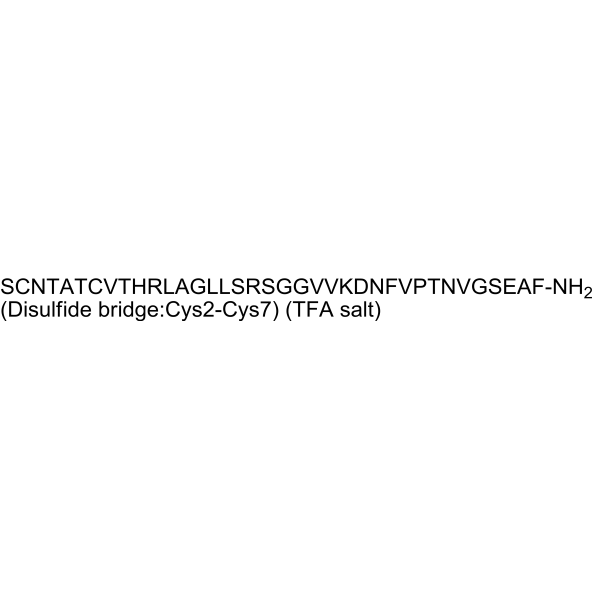
    α-CGRP (mouse, rat) TFA, a neuropeptide (calcitonin gene-related peptide (CGRP)) mainly expressed in neuromuscular junction, is a potent vasodilator. α-CGRP (mouse, rat) TFA can lead to a fall in blood pressure and an increase in heart rate by peripheral administration, also relax colonie smooth muscle. α-CGRP (mouse, rat) TFA has the potential in cardiovascular, pro-inflammatory, migraine and metabolic studies .
    α-CGRP (mouse, rat) TFA
  • HY-W011849

    NF-κB COX NO Synthase MMP Cancer
    Phenyl β-D-glucopyranoside is a component isolated from Phellodendron amurense, which has anti-inflammatory and anti-tumor activities. Phenyl β-D-glucopyranoside inhibits nitric oxide (NO) production, and the expression of iNOS and COX-2. Phenyl β-D-glucopyranoside also inhibits the nuclear translocation of NF-κB. Phenyl β-D-glucopyranoside inhibits the expression of pro-inflammatory cytokines and related genes .
    Phenyl β-D-glucopyranoside
  • HY-148100
    Emapticap pegol
    1 Publications Verification

    NOX-E36

    CCR Inflammation/Immunology Cancer
    Emapticap pegol (NOX-E36) is a inhibitor of pro-inflammatory chemokine C-C motif-ligand 2 (CCL2). Emapticap pegol is a 40-nucleotide oligonucleotide aptamer, displays different Spiegelmers (L-RNA aptamer) isform in human (NOX-E36) and mouse (mNOX-E36). mNOX-E36 is a murine-specific analogue of NOX-E36, an anti-MCP-1 L-RNA aptamer that was previously shown to attenuate liver fibrosis in mice .
    Emapticap pegol
  • HY-N2083

    NF-κB Inflammation/Immunology
    Handelin is a guaianolide dimer from Chrysanthemum boreale that has potent anti-inflammatory activity by down-regulating NF-κB signaling and pro-inflammatory cytokine production .
    Handelin
  • HY-101017
    Palmitoylcarnitine chloride
    2 Publications Verification

    Endogenous Metabolite Akt Calcium Channel Cardiovascular Disease Metabolic Disease Inflammation/Immunology Cancer
    Palmitoylcarnitine chloride is a fatty acid-derived mitochondrial substrate, and selectively decreases cell survival in colorectal and prostate cancer cells by affecting on pro-inflammatory pathways, Ca 2+ influx, and DHT-like effects .
    Palmitoylcarnitine chloride
  • HY-W011690

    Endogenous Metabolite Cardiovascular Disease Metabolic Disease Inflammation/Immunology
    L-Homocystine is the oxidized member of the L-homocysteine. Homocysteine is a pro-thrombotic factor, vasodilation impairing agent, pro-inflammatory factor and endoplasmatic reticulum-stress inducer used to study cardiovascular disease mechanisms.
    L-Homocystine
  • HY-W041608

    NF-κB Toll-like Receptor (TLR) Bacterial Infection Inflammation/Immunology
    Methylchloroisothiazolinone is a widely used fungicide and also an aquatic pollutant with pro-inflammatory activity and neurotoxicity. Methylchloroisothiazolinone induces the production of pro-inflammatory cytokines (such as IL-1β, TNF-α, IL-6) by activating the NF-κB signaling pathway and upregulating TLR4 expression, thereby triggering allergic contact dermatitis. Methylchloroisothiazolinone reduces cholinesterase activity and exacerbates oxidative stress by impairing catalase activity and disrupting redox balance. Methylchloroisothiazolinone poses significant harm to Mediterranean mussels, reducing the viability of hemocytes and digestive gland cells, inhibiting immune phagocytic function, and disrupting osmoregulatory capacity. Methylchloroisothiazolinone is used in studies on allergic contact dermatitis and related immunotoxicity mechanisms .
    Methylchloroisothiazolinone
  • HY-145645

    NI-0101

    Toll-like Receptor (TLR) Inflammation/Immunology
    Paridiprubart (NI-0101) is a humanised anti-TLR4 monoclonal antibody. Paridiprubar inhibits the production of pro-inflammatory cytokines by monocytes from rheumatoid arthritis specimen induced by rheumatoid arthritis synovial fluid (RASF). Paridiprubart can be used for the study of rheumatoid arthritis .
    Paridiprubart
  • HY-P5255

    Bacterial Infection Inflammation/Immunology
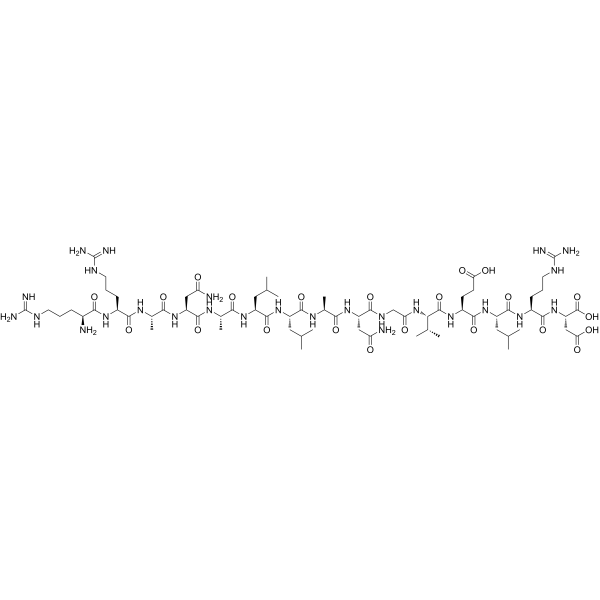
    Oligopeptide-10 is a bioactive peptide with antimicrobial activity. Oligopeptide-10 exhibits broad-spectrum bactericidal effects against Gram-positive bacteria including Propionibacterium acnes and Staphylococcus aureus. Oligopeptide-10 targets lipoteichoic acid (LTA) on the surface of bacterial cell membranes, induces bacterial osmotic imbalance by disrupting the integrity of bacterial membranes, and reduces the release of pro-inflammatory cytokines induced by bacteria. Oligopeptide-10 possesses skin-protective activity. Oligopeptide-10 can be applied in research related to acne vulgaris, dandruff, seborrheic dermatitis, and tinea pedis .
    Oligopeptide-10
  • HY-P99515

    GR 1501

    Interleukin Related Inflammation/Immunology
    Xeligekimab (GR 1501) is an anti-human interleukin 17A (IL-17A) humanized monoclonal antibody. Xeligekimab inhibits the pro-inflammatory cascade. Xeligekimab can be used for the research of inflammatory disease, such as radiographic axial spondyloarthritis .
    Xeligekimab
  • HY-19717

    S-[(1E)-1,2-Dichloroethenyl]-L-cysteine

    TNF Receptor Inflammation/Immunology
    DCVC (S-[(1E)-1,2-Dichloroethenyl]-L-cysteine) is a bioactive metabolite of trichloroethylene (TCE). DCVC inhibits pathogen-stimulated pro-inflammatory cytokines IL-1β, IL-8, and TNF-α release from tissue cultures .
    DCVC
  • HY-P0203B

    Calcitonin gene-related peptide 2 (mouse); CGRP II (mouse)

    CGRP Receptor Cardiovascular Disease Neurological Disease Metabolic Disease Inflammation/Immunology
    β-CGRP (mouse) is a calcitonin gene-related peptide that induces vasodilation. β-CGRP (mouse) can be utilized in cardiovascular, pro-inflammatory, migraine and metabolic research .
    β-CGRP (mouse)
  • HY-159647B

    Molecular Glues IKZF Family Cancer
    (1S,2S,3R)-PLX-4545 is the (1S,2S,3R) enantiomer of PLX-4545 (HY-159647). PLX-4545 is an orally active and selective cereblon-based molecular glue degrader of IKZF2 (zinc finger transcription factor Helios). PLX-4545 can reprogram immunosuppressive regulatory T cells into pro-inflammatory effector T cells, thereby enhancing anti-tumor immune responses .
    (1S,2S,3R)-PLX-4545
  • HY-P5345

    Apoptosis Antibiotic Caspase Mitochondrial Metabolism Cardiovascular Disease Infection Neurological Disease Metabolic Disease
    KLA peptide is a naturally occurring Antibiotic peptide that is nontoxic outside of cells but is toxic when it enters into the interior of targeted cells. KLA peptide can induce cell Apoptosis by disrupting mitochondrial membranes and activating Caspase. MG1-KLA, formed by the coupling of KLA peptide with MG1, can selectively induce apoptosis in pro-inflammatory microglia. KLA peptide can be used for the research of liver fibrosis. KLA peptide can be used for the research of neonatal hypoxic-ischemic encephalopathy.
    KLA peptide
  • HY-131502

    P2X Receptor Inflammation/Immunology
    Taspine is a natural product with anti-inflammatory activity. Taspine suppresses P2X4 receptor activity via PI3K inhibition. Taspine inhibits pro-inflammatory signalling via inhibition of P2X4 receptors in macrophage .
    Taspine
  • HY-N15720

    Pulsatilla saponin B

    Others Inflammation/Immunology
    HN-saponin F (Pulsatilla saponin B) is an orally active triterpenoid saponin found in Lonicera macranthoides. HN-saponin F exerts anti-inflammatory activity by regulating inflammation-related pathways (e.g., inhibiting pro-inflammatory factor release). HN-saponin F is promising for research of inflammatory diseases .
    HN-saponin F
  • HY-148100A
    Emapticap pegol sodium
    1 Publications Verification

    NOX-E36 sodium

    CCR Cancer
    Emapticap pegol sodium is a inhibitor of pro-inflammatory chemokine C-C motif-ligand 2 (CCL2). Emapticap pegol sodium is a 40-nucleotide oligonucleotide aptamer, displays different Spiegelmers (L-RNA aptamer) isform in human (NOX-E36) and mouse (mNOX-E36) .
    Emapticap pegol sodium
  • HY-145961

    Toll-like Receptor (TLR) TNF Receptor Cancer
    TLR7 agonist 4 is a TLR7 agonist with pro-inflammatory cytokine-stimulating activity. TLR7 agonist 4 modulates TLR7 activity to stimulate the production of pro-inflammatory cytokines. TLR7 agonist 4 stimulates mouse bone marrow-derived macrophages to produce the pro-inflammatory cytokine TNFα. TLR7 agonist 4 can be conjugated with antibodies to form conjugates. TLR7 agonist 4 is applicable to cancer research .
    TLR7 agonist 4
  • HY-144604

    Formyl Peptide Receptor (FPR) Infection Neurological Disease
    FPR2 agonist 2 is a potent and CNS-penetrant FPR2 agonist with an EC50 of 0.13 μM, 1.1 μM for FPR2 and FPR1, respectively. FPR2 agonist 2 inhibits the production of pro-inflammatory cytokines, counterbalances the changes in mitochondrial function, and inhibits caspase-3 activity .
    FPR2 agonist 2
  • HY-116227

    Epigenetic Reader Domain Inflammation/Immunology
    (2S,3R)-LP99 is a potent and selective BRD7 and BRD9 inhibitor with an KD of 99 nM for BRD9. (2S,3R)-LP99 inhibits the association of BRD7 and BRD9 to acetylated histones in vitro and in cells. (2S,3R)-LP99 demonstrates that BRD7/9 plays a role in regulating pro-inflammatory cytokine secretion .
    (2S,3R)-LP99
  • HY-128799A
    CL097 hydrochloride
    2 Publications Verification

    Toll-like Receptor (TLR) Reactive Oxygen Species (ROS) Inflammation/Immunology
    CL097, a potent TLR7 and TLR8 agonist, induces pro-inflammatory cytokines in macrophages . CL097 induces NADPH oxidase priming, resulting in an increase of the fMLF-stimulated ROS production .
    CL097 hydrochloride
  • HY-N0474R

    Reference Standards NF-κB Endogenous Metabolite Inflammation/Immunology
    Tyrosol (Standard) is the analytical standard of Tyrosol. This product is intended for research and analytical applications. Tyrosol is a derivative of phenethyl alcohol. Tyrosol attenuates pro-inflammatory cytokines from cultured astrocytes and NF-κB activation. Anti-oxidative and anti-inflammatory effects .
    Tyrosol (Standard)
  • HY-153534

    MicroRNA Cancer
    microRNA-21-IN-3 (compound 45) can specifically bind to the precursor of oncogenic and pro-inflammatory microRNA-21 with medium nanomolar affinity, reduce cancer cell proliferation and miR-21 levels, and can be used in antitumor research .
    microRNA-21-IN-3
  • HY-P11296A

    IKK NF-κB Inflammation/Immunology
    LLVK TFA is a selective IκB phosphorylation inhibitor. LLVK TFA reduces LPS-induced pro-inflammatory cytokines (IL-1β, IL-6, TNF-α). LLVK TFA is promising for research of inflammatory bowel disease and rheumatoid arthritis .
    LLVK TFA
  • HY-P3342

    PD-1/PD-L1 Apoptosis Inflammation/Immunology
    [D-Leu-4]-OB3 inhibits expressions of pro-inflammatory, proliferative and metastatic genes and PD-L1 expression. [D-Leu-4]-OB3 stimulates expression of pro-apoptotic genes .
    [D-Leu-4]-OB3
  • HY-115383
    Roflupram
    1 Publications Verification

    Phosphodiesterase (PDE) Neurological Disease Inflammation/Immunology
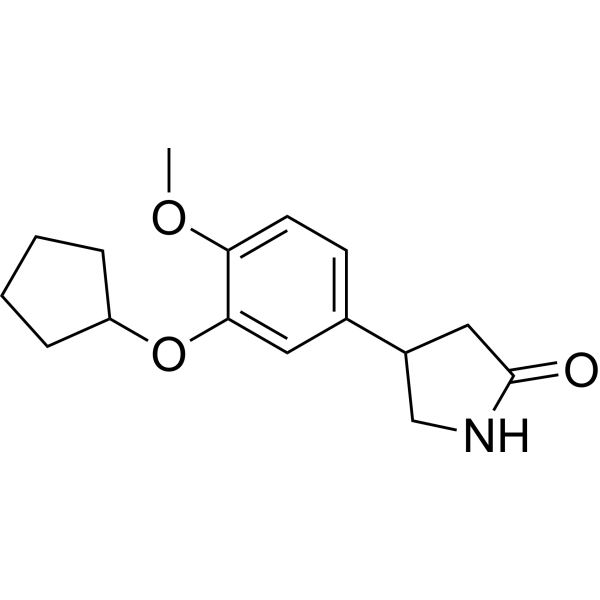
    Roflupram is a selective, orally active and brain-penetrant PDE4 inhibitor, with an IC50 of 26.2 nM for core catalytic domains of human PDE4. Roflupram can reverse cognitive deficits and reduce the production of pro-inflammatory factors .
    Roflupram
  • HY-126042

    (±)-Lisophylline

    Interleukin Related Metabolic Disease Inflammation/Immunology
    (±)-Lisofylline ((±)-Lisophylline) is the racemate of Lisofylline. Lisofylline inhibits the generation of phosphatidic acid and free fatty acids. Lisofylline also blocks the release of pro-inflammatory cytokines in oxidative tissue injury, in response to cancer chemotherapy and in experimental sepsis. Lisofylline can be used for Type 1 diabetes research .
    (±)-Lisofylline
  • HY-P11296

    IKK NF-κB Inflammation/Immunology
    LLVK is a selective IκB phosphorylation inhibitor. LLVK reduces LPS-induced pro-inflammatory cytokines (IL-1β, IL-6, TNF-α). LLVK is promising for research of inflammatory bowel disease and rheumatoid arthritis .
    LLVK
  • HY-W011690S

    Endogenous Metabolite Metabolic Disease
    L-Homocystine-d8 is the deuterium labeled L-Homocystine. L-Homocystine is the oxidized member of the L-homocysteine. Homocysteine is a pro-thrombotic factor, vasodilation impairing agent, pro-inflammatory factor and endoplasmatic reticulum-stress inducer used to study cardiovascular disease mechanisms.
    L-Homocystine-d8
  • HY-150212

    IMO-2125

    Toll-like Receptor (TLR) Inflammation/Immunology Cancer
    Tilsotolimod (IMO-2125) is a TLR9 agonist. Tilsotolimod activates the TLR9 signaling pathway, triggers downstream pro-inflammatory and immunostimulatory pathways, enhances the uptake and killing of cancer cells, and induces adaptive immune responses. Tilsotolimod is applicable to research related to melanoma and colorectal cancer .
    Tilsotolimod
  • HY-150212A

    IMO-2125 sodium

    Toll-like Receptor (TLR) Inflammation/Immunology Cancer
    Tilsotolimod (IMO-2125) sodium is a TLR9 agonist. Tilsotolimod sodium activates the TLR9 signaling pathway, triggers downstream pro-inflammatory and immunostimulatory pathways, enhances the uptake and killing of cancer cells, and induces adaptive immune responses. Tilsotolimod sodium is applicable to research related to melanoma and colorectal cancer .
    Tilsotolimod sodium
  • HY-176255

    Molecular Glues Interleukin Related CCR Inflammation/Immunology
    TBK1 degrader-4 (Compound 30) is a molecular glue degrader targeting TBK1. TBK1 degrader-4 effectively inhibits cyst growth, alleviates inflammation, and reduces the levels of pro-inflammatory factors such as Ccl2, IFNβ, and IL-6. TBK1 degrader-4 is promising for research of autosomal dominant polycystic kidney disease (ADPKD) .
    TBK1 degrader-4
  • HY-W145695

    Biochemical Assay Reagents Apoptosis Interleukin Related IFNAR Cardiovascular Disease Inflammation/Immunology
    Chitoheptaose is an orally active chitooligosaccharide (degree of polymerization = 7). Chitoheptaose can be extracted from the exoskeletons of crustaceans, such as the shells of crabs, shrimps and lobsters. Chitoheptaose reduces pro-inflammatory cytokines while increasing the levels of anti-inflammatory cytokines (decreasing the levels of pro-inflammatory cytokines IL-1β, IL-17A and IFN-γ, and increasing the level of the anti-inflammatory cytokine IL-10). Chitoheptaose possesses antioxidant, anti-inflammatory and anti-Apoptotic activities. Chitoheptaose improves cardiac parameters, alleviates myocarditis injury, and exerts cardioprotective effects in a rat model of myocarditis. Chitoheptaose can be used in studies related to myocarditis .
    Chitoheptaose
  • HY-175655

    p38 MAPK Cholinesterase (ChE) Interleukin Related Neurological Disease Inflammation/Immunology
    BChE/p38-α MAPK-IN-1 is a selective dual inhibitor of hBChE (IC50 = 772 nM) and p38α MAPK (IC50 = 191 nM). BChE/p38-α MAPK-IN-1 reduces the production of pro-inflammatory cytokines (IL-1β, IL-6, IL-8, TNF-α) in cells. BChE/p38-α MAPK-IN-1 improves Scopolamine (HY-N0296)-induced cognitive impairment, as well as alleviates LPS (HY-D1056)-induced spatial learning impairment and exerts anti-neuroinflammatory effects in mice. BChE/p38-α MAPK-IN-1 can be used for the study of Alzheimer’s disease (AD) by targeting both cholinergic deficit and neuroinflammation .
    BChE/p38-α MAPK-IN-1
  • HY-178166

    Toll-like Receptor (TLR) p38 MAPK TNF Receptor ERK JNK NF-κB Interleukin Related Inflammation/Immunology
    ETI41 is an orally active, selective TLR inhibitor that targets the nucleoside-binding Site I on TLR7 (IC50 = 0.63 μM) and TLR9 (IC50 = 0.16 μM), sparing surface TLRs (including TLR1/TLR2, TLR2/TLR6, TLR4 and TLR5). ETI41 potently inhibits endosomal TLR-mediated pro-inflammatory signaling with nanomolar activity in cellular, biophysical and in vivo assays. ETI41 suppresses the expression of inflammation-associated genes and effectively ameliorates symptoms in mouse models of psoriasis, and systemic lupus erythematosus (SLE). ETI41 can be used for autoimmune and inflammatory diseases research .
    ETI41

Inquiry Online

Your information is safe with us. * Required Fields.

Salutation


Country or Region *

Applicant Name *


Organization Name *

Department *


Email Address *


Product Name *

Cat. No.


Requested quantity *

Phone Number *


Remarks

Inquiry Online

Inquiry Information

Product Name:
Cat. No.:
Quantity:
MCE Japan Authorized Agent:

