

1. Search Result
Search Result
Results for "

proteasome

" in MedChemExpress (MCE) Product Catalog:

541

Inhibitors & Agonists

8

Screening Libraries

4

Fluorescent Dye

3

Biochemical Assay Reagents

46

Peptides

3

Inhibitory Antibodies

42

Natural
Products

20

Recombinant Proteins

9

Isotope-Labeled Compounds

31

Antibodies

8

Click Chemistry

3

GMP Molecules

Cat. No. Product Name Target Research Areas Chemical Structure
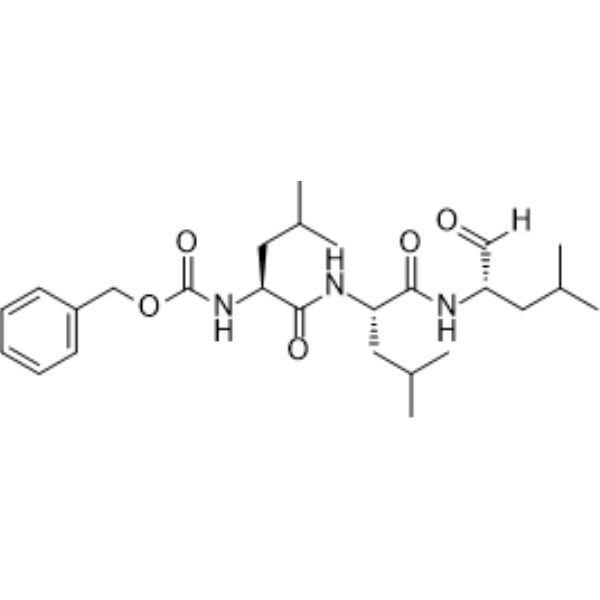
  • HY-13259
    MG-132
    Maximum Cited Publications
    1998 Publications Verification

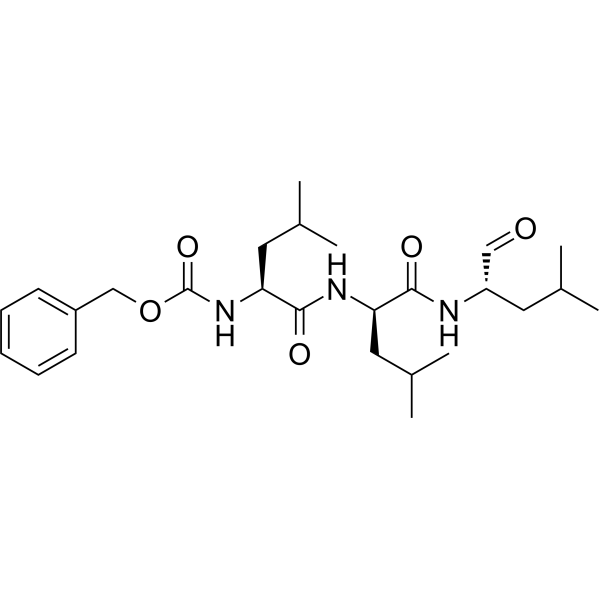
    Z-Leu-Leu-Leu-al; MG132

    Proteasome Autophagy Apoptosis Cancer
    MG-132 (Z-Leu-Leu-Leu-al) is a potent proteasome and calpain inhibitor with IC50s of 100 nM and 1.2 μM, respectively. MG-132 effectively blocks the proteolytic activity of the 26S proteasome complex. MG-132, a peptide aldehyde, also is an autophagy activator. MG-132 also induces apoptosis .
    MG-132
  • HY-50662
    A-769662
    40+ Cited Publications

    AMPK Metabolic Disease
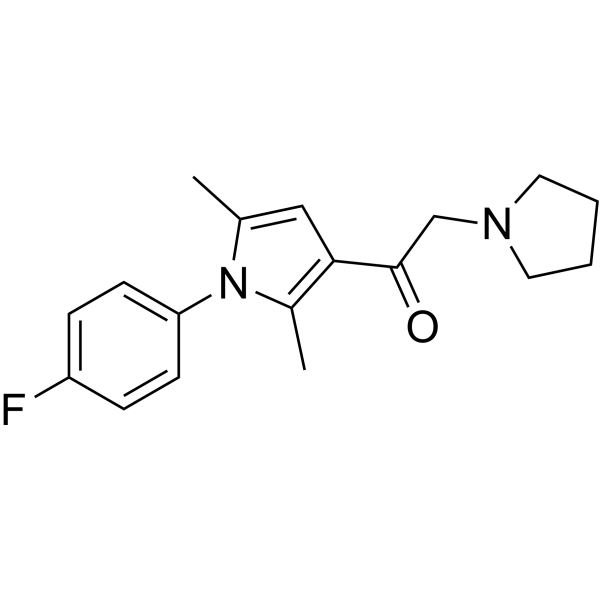
    A-769662 is a AMP-activated protein kinase (AMPK) activator. A-769662 inhibits the function of the 26S proteasome by an AMPK-independent mechanism and leads to cell cycle arrest. A-769662 directly stimulates partially purified rat liver AMPK (EC50 = 0.8 μM) and inhibits fatty acid synthesis in primary rat hepatocytes (IC50 = 3.2 μM). A-769662 can alleviate the symptoms of metabolic diseases such as type 2 diabetes .
    A-769662
  • HY-13817
    IU1
    20+ Cited Publications

    Deubiquitinase Autophagy Apoptosis Cardiovascular Disease Neurological Disease Endocrinology Cancer
    IU1 is a selective, reversible USP14 inhibitor with an IC50 of 4-5 μM. IU1 binds USP14’s catalytic cleft to block deubiquitinase activity. IU1 induces calpain-dependent Tau cleavage, causes ATP deficits, reduces E1~Ub thioester levels and 26S proteasome assembly. IU1 enhances 26S proteasome chymotrypsin-like activity, modulates LC3B-dependent autophagy flux, reduces cancer cell proliferation and migration, and blocks G0/G1 to S phase cell cycle transition in follicular thyroid cancer cells. IU1 activates autophagy-lysosomal and ubiquitin-proteasome pathways, triggers apoptosis, and reduces cervical cancer cell growth. IU1 enhances degradation of proteasome substrates linked to neurodegenerative disease, accelerates oxidized protein degradation, and increases oxidative stress resistance. IU1 can be used for the research of Alzheimer’s disease, follicular thyroid cancer, ischemic stroke, cervical cancer, and neurodegenerative disease .
    IU1
  • HY-106443A
    Arimoclomol maleate
    5 Publications Verification

    BRX-220

    HSP Neurological Disease Metabolic Disease Inflammation/Immunology
    Arimoclomol maleate (BRX-220) is an orally active co-inducer of heat shock proteins (HSP) . Arimoclomol protects motor neurons by enhancing Hsp expression, thus directly affecting protein aggregation and clearance of misfolded assemblies via the proteasome-ubiquitin system .Arimoclomol maleate can be used for the study of Niemann–Pick disease type C.
    Arimoclomol maleate
  • HY-123053
    Z-Leu-Leu-Glu-AMC
    3 Publications Verification

    Z-LLE-AMC

    Proteasome Neurological Disease
    Z-Leu-Leu-Glu-AMC (Z-LLE-AMC) is a peptide-AMC linked substrate used to measure the postacidic-like hydrolysing activity of proteasome. Z-Leu-Leu-Glu-AMC can be used for the research of parkinson's disease .
    Z-Leu-Leu-Glu-AMC
  • HY-10454
    Delanzomib
    4 Publications Verification

    CEP-18770

    Proteasome NF-κB Apoptosis Cancer
    Delanzomib (CEP-18770) is a potent and orally active chymotrypsin-like activity of the proteasome inhibitor with an IC50 of 3.8 nM. Delanzomib inhibits NF-κB activity, induces cancer cell apoptotic, and has strong antiangiogenic and anti-cancer activities .
    Delanzomib
  • HY-W017227
    Alloxan hydrate
    1 Publications Verification

    Proteasome Metabolic Disease Cancer
    Alloxan hydrate is a diabetogenic agent to induce diabetes. Alloxan hydrate is a proteasome inhibitor. Alloxan causes diabetes in experimental animals through its ability to destroy the insulin-secreting B-cells of the pancreas .
    Alloxan hydrate
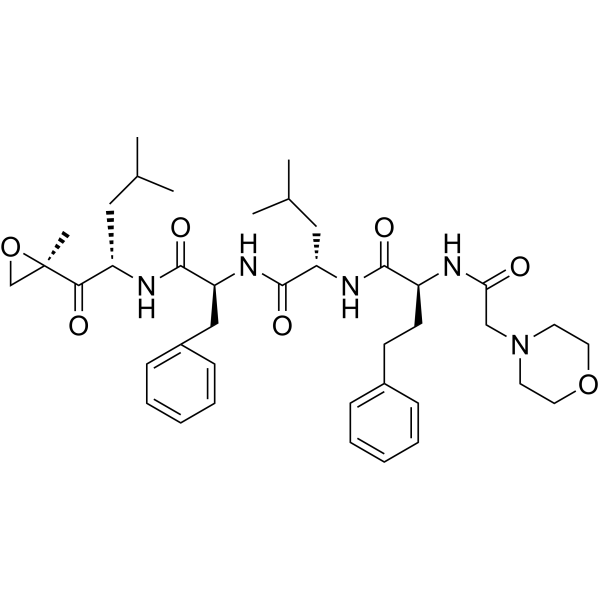
  • HY-12113
    Oprozomib
    3 Publications Verification

    ONX 0912; PR-047

    Proteasome Autophagy Apoptosis Cancer
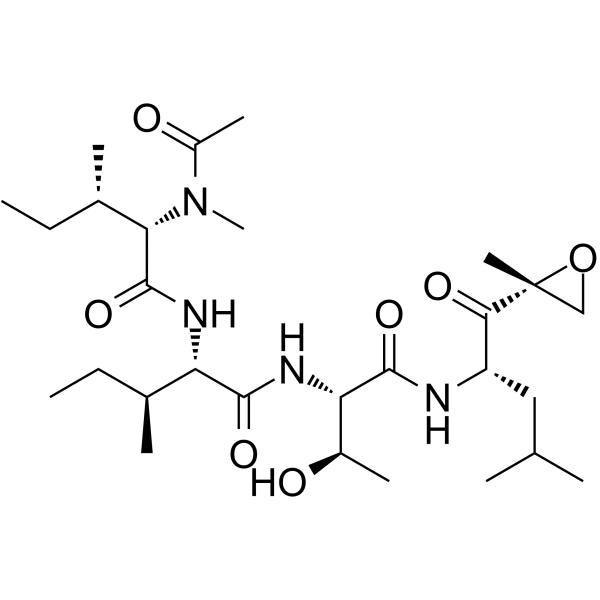
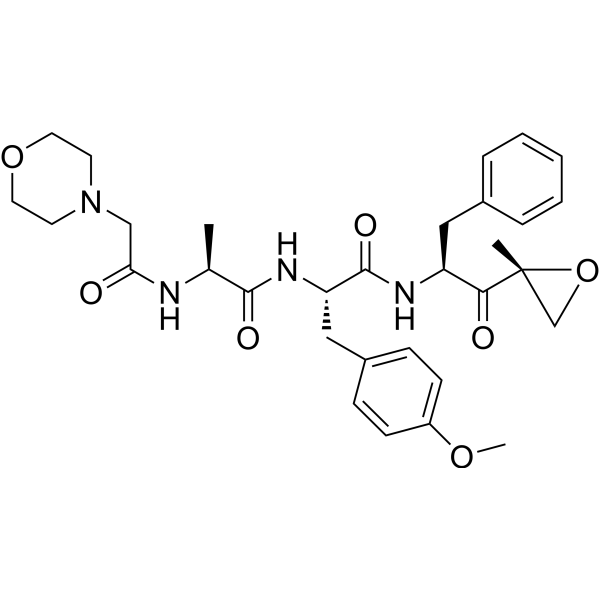
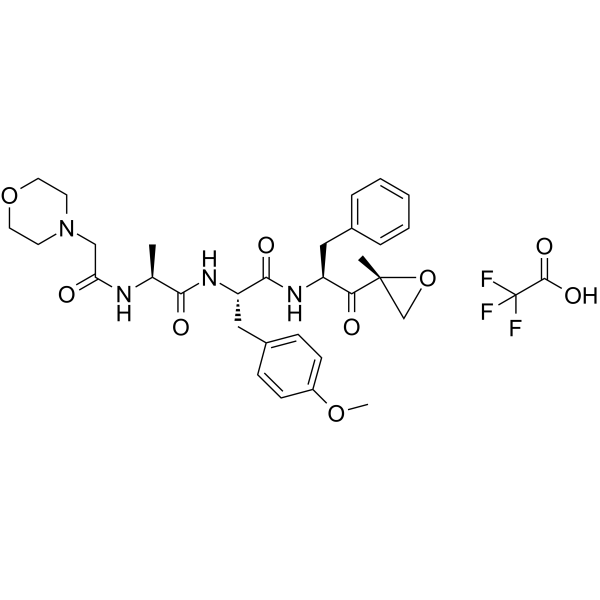
    Oprozomib (PR-047) is an orally bioavailable and selective peptide epoxyketone proteasome inhibitor with IC50s of 36 and 82 nM for proteasome (β5) and immunoproteasome (LMP7), respectively. Oprozomib (ONX 0912) induces apoptosis in MM cells .
    Oprozomib
  • HY-120722
    TCH-165
    2 Publications Verification

    Proteasome Cancer
    TCH-165 is a small molecule modulator of proteasome assembly, which increases 20S levels and facilitates 20S-mediated protein degradation .
    TCH-165
  • HY-P11307

    Proteasome Cancer
    Biotin-epoxomicin is a Proteasome subunit binder. Biotin-epoxomicin serves as an affinity reagent for identifying proteasomal catalytic subunits, and facilitates affinity purification of active proteasomal subunits for LC-MS identification. Biotin-epoxomicin can be used to study solid tumors derived from B16 melanoma .
    Biotin-epoxomicin
  • HY-N7056
    4'-Hydroxychalcone
    3 Publications Verification

    Oxidative Phosphorylation Proteasome Inflammation/Immunology Cancer
    4'-Hydroxychalcone is a chalcone isolated from licorice root, with hepatoprotective activity. 4'-Hydroxychalcone inhibits TNFα-induced NF-κB activation via proteasome inhibition. 4'-Hydroxychalcone induces a rapid potassium release from mitochondrial vesicles and causes deterioration of respiratory control and oxidative phosphorylation of isolated rat liver mitochondria .
    4'-Hydroxychalcone
  • HY-19934

    TAS-117

    Akt Apoptosis Autophagy Cancer
    Pifusertib (TAS-117) is a potent, selective, orally active allosteric Akt inhibitor (with IC50s of 4.8, 1.6, and 44 nM for Akt1, 2, and 3, respectively). Pifusertib triggers anti-myeloma activities and enhances fatal endoplasmic reticulum (ER) stress induced by proteasome inhibition. Pifusertib induces apoptosis and autophagy .
    Pifusertib
  • HY-106443B
    Arimoclomol citrate
    5 Publications Verification

    BRX-220 citrate

    HSP Neurological Disease Metabolic Disease Inflammation/Immunology
    Arimoclomol citrate (BRX-220 citrate) is an orally active co-inducer of heat shock proteins (HSP) . Arimoclomol citrate protects motor neurons by enhancing Hsp expression, thus directly affecting protein aggregation and clearance of misfolded assemblies via the proteasome-ubiquitin system . Arimoclomol citrate can be used for the study of Niemann–Pick disease type C.
    Arimoclomol citrate
  • HY-150602

    Proteasome Neurological Disease
    20S Proteasome activator 1 is a potent 20S proteasome activator with EC200 values of 0.3 μM, 0.7 μM and 1.8 μM for trypsin-like site, chymotrypsin-like site and caspase-like site. 20S Proteasome activator 1 translates well in a cellular system, preventing the accumulation of the pathogenic A53T mutant of α-synuclein. 20S Proteasome activator 1 can be used for researching neurodegenerative diseases .
    20S Proteasome activator 1
  • HY-115391
    Boc-LRR-AMC
    1 Publications Verification

    Boc-Leu-Arg-Arg-AMC

    Biochemical Assay Reagents Others
    Boc-LRR-AMC (Boc-Leu-Arg-Arg-AMC) is a fluorogenic substrate, which can be utilized for detecting the trypsin-like activity of the 26S proteasome or the 20S proteasome core .
    Boc-LRR-AMC
  • HY-19934A

    TAS-117 hydrochloride

    Akt Apoptosis Autophagy Cancer
    Pifusertib (TAS-117) hydrochloride is a potent, selective, orally active allosteric Akt inhibitor (with IC50s of 4.8, 1.6, and 44 nM for Akt1, 2, and 3, respectively). Pifusertib hydrochloride triggers anti-myeloma activities and enhances fatal endoplasmic reticulum (ER) stress induced by proteasome inhibition. Pifusertib hydrochloride induces apoptosis and autophagy .
    Pifusertib hydrochloride
  • HY-P11306

    Proteasome NF-κB Inflammation/Immunology
    Biotin-(Oaa)3-epoxomicin is a biotin-labeled form of Epoxomicin (HY-13821), prepared by conjugating Epoxomicin with biotin via three hydrophilic oxaacetyl amino acid (Oaa) linkers. Biotin-(Oaa)3-epoxomicin is primarily used in proteomic studies for the capture, identification and target validation of proteasome complexes, to determine the intracellular targets of epoxomicin. Epoxomicin acts as a proteasome inhibitor and NF-κB inhibitor, which effectively blocks inflammatory responses in mouse ear edema assays. It inhibits proteasome activity via covalent binding to catalytic subunits including LMP7, X, MECL1 and Z, with the strongest inhibitory effect on chymotrypsin-like activity, and does not interfere with non-proteasomal proteases such as trypsin and papain .
    Biotin-(Oaa)3-epoxomicin
  • HY-135070

    Ac-Arg-Leu-Arg-AMC

    Proteasome Others
    Ac-RLR-AMC (Ac-Arg-Leu-Arg-AMC) is a fluorogenic substrate for the 26S proteasome (Ex/Em: 380/440-460 nm). AMC is released upon cleavage, and its fluorescence can be used to quantify the trypsin-like activity of 26S proteasomes .
    Ac-RLR-AMC
  • HY-123051

    Proteasome Inflammation/Immunology
    Ac-WLA-AMC is a specific 20S constitutive proteasome β5 fluorogenic substrate .
    Ac-WLA-AMC
  • HY-P4284

    Proteasome ClpP Bacterial Infection
    Z-GGF-CMK is an Antibacterial agent, an inhibitor of the ClpP1P2 serine protease complex (with an IC50 of 50 μM against intracellular ClpP1P2 protease activity in Mycobacterium bovis BCG), and a selective inhibitor of the mycobacterial Proteasome (with an IC50 of 50 μM against the proteasome in M. bovis BCG). Z-GGF-CMK inhibits the growth of mycobacteria. Z-GGF-CMK exhibits cytotoxic activity against liver cancer cells. Z-GGF-CMK can be used in the research of tuberculosis .
    Z-GGF-CMK
  • HY-P3414A
    Proteasome-activating peptide 1 TFA
    3 Publications Verification

    Proteasome Neurological Disease
    Proteasome-activating peptide 1 TFA is a peptide and a potent proteasome activator. Proteasome-activating peptide 1 TFA increases the chymotrypsin-like proteasomal catalytic activity and, consequently, proteolytic rates both in vitro and in culture. Proteasome-activating peptide 1 TFA prevents protein aggregation in a cellular model of amyotrophic lateral sclerosis .
    Proteasome-activating peptide 1 TFA
  • HY-107412

    PS-IX; AM114

    Proteasome Cancer
    Proteasome inhibitor IX (PS-IX; AM114) is a Chalcone derivative and a chymotrypsin-like activity of the 20S proteasome inhibitor with an IC50 value of ~1 μM. Proteasome inhibitor IX exhibits HCT116 p53 +/+ cells growth inhibitory activity with an IC50 value of 1.49 μM. Proteasome inhibitor IX has potent anticancer activity .
    Proteasome inhibitor IX
  • HY-136563

    Proteasome Apoptosis Reactive Oxygen Species (ROS) Cancer
    RA375 is a RPN13 (26S proteasome regulatory subunit) inhibitor. RA375 activates UPR signaling, ROS production and apoptosis. RA375 exhibits ten-fold greater activity against cancer lines than RA190, reflecting its nitro ring substituents and the addition of a chloroacetamide warhead .
    RA375
  • HY-120060

    Parasite Infection
    GNF6702 is a selective inhibitor of the kinetoplastid proteasome. GNF6702 clears parasites in murine models of leishmaniasis, Chagas disease, and human African trypanosomiasis .
    GNF6702
  • HY-134961
    Z-Ala-Arg-Arg-AMC
    1 Publications Verification

    Fluorogenic proteasome Substrate; Z-ARR-AMC

    Proteasome Others
    Z-Ala-Arg-Arg-AMC (Fluorogenic Proteasome Substrate) is a fluorogenic substrate for assaying trypsin-like activity of proteasome .
    Z-Ala-Arg-Arg-AMC
  • HY-P2483B

    Bacterial Proteasome Infection Inflammation/Immunology Cancer
    Octaarginine acetate is a cell-penetrating peptide and proteasome inhibitor. Octaarginine acetate exhibits mixed-type inhibition against 20S proteasome chymotrypsin-like, caspase-like, and trypsin-like activities, and inhibits 26S proteasome activity with decreased efficiency. Octaarginine acetate induces ubiquitin-conjugated protein accumulation, mediates HSPG-dependent cellular internalization via macropinocytosis, enhances liposomal cargo uptake and gene delivery. Octaarginine acetate can be used for the research of cervix carcinoma, collagen antibody-induced arthritis, and bacterial infections .
    Octaarginine acetate
  • HY-P2483

    Proteasome Bacterial Infection Inflammation/Immunology Cancer
    Octaarginine is a cell-penetrating peptide and proteasome inhibitor. Octaarginine exhibits mixed-type inhibition against 20S proteasome chymotrypsin-like, caspase-like, and trypsin-like activities, and inhibits 26S proteasome activity with decreased efficiency. Octaarginine induces ubiquitin-conjugated protein accumulation, mediates HSPG-dependent cellular internalization via macropinocytosis, enhances liposomal cargo uptake and gene delivery. Octaarginine can be used for the research of cervix carcinoma, collagen antibody-induced arthritis, and bacterial infections .
    Octaarginine
  • HY-P2016

    Proteasome Others
    Ac-Nle-Pro-Nle-Asp-AMC is a specific substrate for 26S proteasome. Ac-Nle-Pro-Nle-Asp-AMC can be used for the 26S proteasome caspase-like activity analysis .
    Ac-Nle-Pro-Nle-Asp-AMC
  • HY-129867

    Z-LLL-AMC

    Proteasome Others
    Z-Leu-Leu-Leu-AMC is a fluorogenic substrate for measuring the chymotrypsin-like protease activity of the 20S proteasome .
    Z-Leu-Leu-Leu-AMC
  • HY-23020

    Proteasome Cancer
    Boc3Arg is the tert-butyl carbamate-protected arginine. Boc3Arg is an efficient tag to induce degradation through directly localizing the protein to the 20S proteasome .
    Boc3Arg
  • HY-158412

    Proteasome Apoptosis Cancer
    BT317 is a blood-brain transmissible mitochondrial Lon peptidase I (LonP1) and CT-L proteasome inhibitor. BT317 can increase the production of reactive oxygen species (ROS) and induce apoptosis in astrocytoma cells. BT317 has antitumor activity .
    BT317
  • HY-P1258
    PSI
    2 Publications Verification

    proteasome Inhibitor 1; Z-Ile-Glu(OtBu)-Ala-Leu-CHO

    Proteasome Infection Cancer
    PSI (Proteasome Inhibitor 1) is a potent proteasome inhibitor. PSI inhibits the proliferation of primary effusion lymphoma (PEL) cells. PSI has the potential for the research of Kaposi’s sarcoma-associated herpesvirus (KSHV) infection and KSHV-associated lymphomas .
    PSI
  • HY-144452

    Proteasome Cancer
    Immunoproteasome inhibitor 1 is a potent, reversible, time-independent immunoproteasome and proteasome inhibitor (Kis of 1.18, 0.27, 1.91 μM in β5c, β1i, β5i submits, respectively). Immunoproteasome inhibitor 1 can be used for the research of certain neoplastic diseases .
    Immunoproteasome inhibitor 1
  • HY-P3414

    Proteasome Neurological Disease
    Proteasome-activating peptide 1 is a peptide, which increases the chymotrypsin-like proteasomal catalytic activity and, consequently, proteolytic rates both in vitro and in culture. Proteasome-activating peptide 1 prevents protein aggregation in a cellular model of amyotrophic lateral sclerosis .
    Proteasome-activating peptide 1
  • HY-P10003B

    Proteasome Others
    iso-VQA-ACC acetate is a substrate for constitutive proteasome .
    iso-VQA-ACC acetate
  • HY-W054146
    RAMB4
    1 Publications Verification

    Proteasome Cancer
    RAMB4 is a ubiquitin-proteasome system (UPS)-stressor. RAMB4 inhibits ubiquitin-mediated protein degradation upstream of the 20S proteasomal catalytic activites. RAMB4 triggers a ubiquitin-proteasome-system (UPS)-stress response without affecting 20S proteasome catalytic activities. Anticancer activity .
    RAMB4
  • HY-125939

    Proteasome Cancer
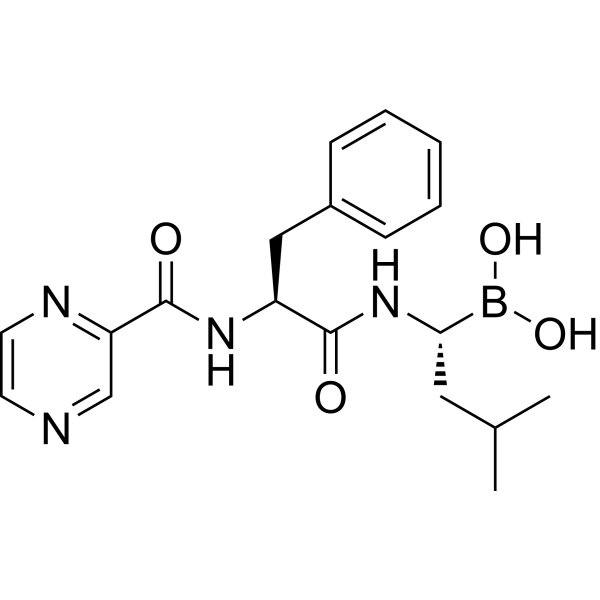
    Bortezomib-pinanediol is a proteasome inhibitor and a prodrug of Bortezomib (HY-10227). Bortezomib-pinanediol inhibits cell growth and can be used for study of multiple myeloma .
    Bortezomib-pinanediol
  • HY-137286

    Z-Leu-Leu-Glu-β-naphthylamide

    Proteasome Others
    Z-Leu-Leu-Glu-βNA (Z-Leu-Leu-Glu-β-naphthylamide) is a substrate for determination of the glutamylpeptidyl-peptide hydrolase activity of the 20S proteasome .
    Z-Leu-Leu-Glu-βNA
  • HY-127102

    DDD01305143​

    Parasite Proteasome Infection
    GSK3494245 (DDD01305143) is a potent, orally active, and selective inhibitor of the chymotrypsin-like activity of the parasite proteasome binding in a site sandwiched between the β4 and β5 subunits (IC50=0.16 μM for WT L. donovani proteasomes). GSK3494245 moderately inhibits chymotrypsin-like activity of human proteasome (IC50: purified 26S=13 µM; enriched THP-1 extracts IC50=40µM). GSK3494245 exhibits attractive biological and biosafety properties .
    GSK3494245
  • HY-N16453

    Proteasome Neurological Disease Cancer
    (+)-Catechin 3-gallate is an orally active polyphenolic compound that acts as a non-selective proteasome inhibitor. (+)-Catechin 3-gallate exerts antitumor effects by inducing apoptosis and suppressing inflammatory cytokines. (+)-Catechin 3-gallate is promising for research of cancers (e.g., breast, prostate) and neurodegenerative diseases (e.g., Alzheimer’s) .
    (+)-Catechin 3-gallate
  • HY-141797

    Histone Methyltransferase PROTACs WDR5 Cancer
    MS33 is a potent WDR5 degrader, with Kds of 870 nM and 120 nM for VCB and WDR5, respectively. MS33 induces WDR5 degradation in an E3 ligase VHL, and proteasome-dependent manner. MS33 can be used for the research of acute myeloid leukemia .
    MS33
  • HY-149514

    Proteasome Cancer
    BC-05 is an orally active and potent inhibitor of CD13 and proteasome. BC-05 has an IC50 value of 0.13 μM for human CD13 and an IC50 value of 1.39 μM for the 20S proteasome. BC-05 can be used in multiple myeloma research .
    BC-05
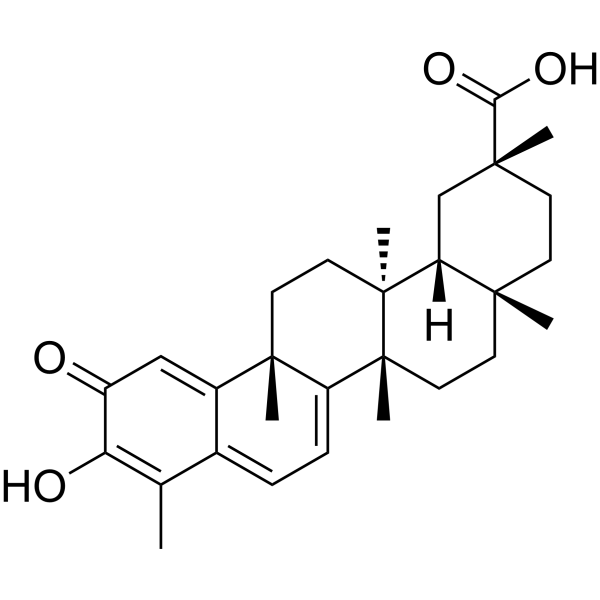
  • HY-170881

    Proteasome Cancer
    TIR-199 is a novel and highly specific dual proteasome inhibitor that can effectively inhibit the PSMB5 subunit of constitutive proteasome and the PSMB8 subunit of immunoproteasome. TIR-199 can induce the death of various tumor cells. TIR-199 can be used for research on myeloma .
    TIR-199
  • HY-169144

    Proteasome Cancer
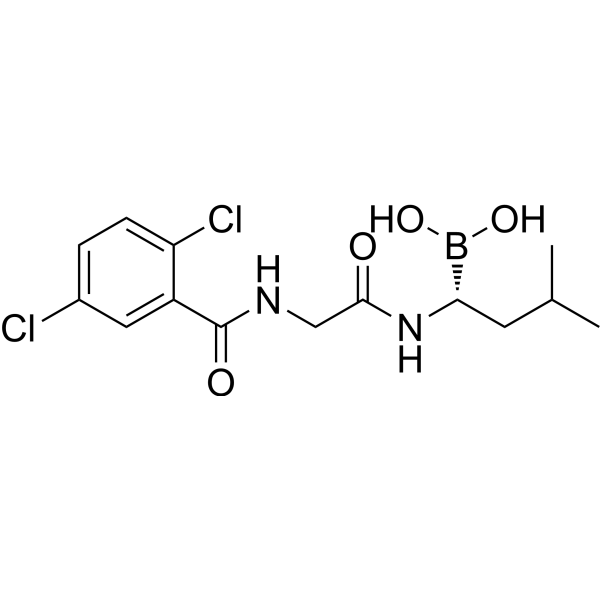
    Bortezomib analog (Compound 13), an analog of Bortezomib (HY-10227), is an active control of 20S proteasome subunit β5 ligand.
    Bortezomib analog
  • HY-144983

    Ligands for E3 Ligase Cancer
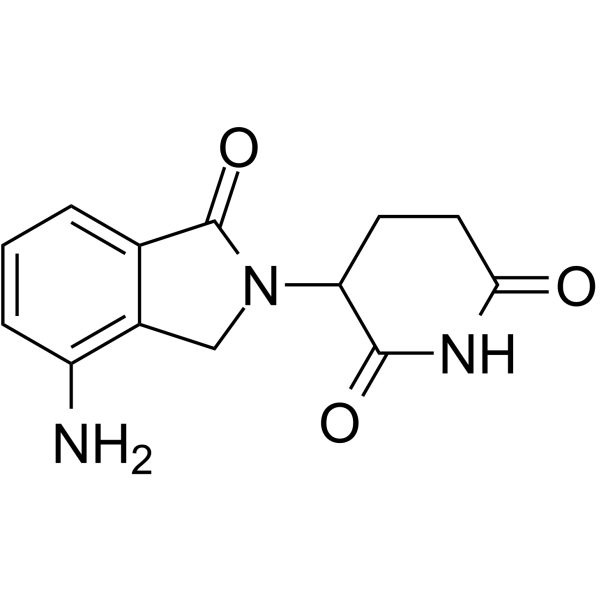
    E3 ligase Ligand 22 (compound 139) is a cereblon binder for the degradation of Ikaros or Aiolos by the ubiquitin proteasome pathway .
    E3 ligase Ligand 22
  • HY-118522

    Proteasome NF-κB Caspase PARP IAP Apoptosis Cancer
    TP-110 is a proteasome inhibitor. TP-110 specifically inhibits the protease-like activity of the 20S proteasome, but does not affect the trypsin-like or peptidyl-glutamyl peptide hydrolysis activity. TP-110 inhibits the NF-κB pathway, activates caspase-8, -9, and -3, and causes PARP cleavage, significantly reducing the levels of cIAP-1 and XIAP. TP-110 causes cell cycle arrest at the G2/M phase and promotes apoptosis of cancer cells. TP-110 can be used in cancer research of prostate cancer and multiple myeloma, etc .
    TP-110
  • HY-180907

    PROTACs Cancer
    PROTAC USP39 Degrader-1 (compound USP39_PROTAC_V1) is a potent and selective PROTAC USP39 degrader. PROTAC USP39 Degrader-1 induces degradation of USP39 by recruiting the VHL E3 ligase via a hydroxyl-proline-containing ligand, forming a ternary complex with a Kd of 232 nM. PROTAC USP39 Degrader-1 degrades USP39 in a VHL-, proteasome-, and the neddylation pathway-dependent manner .
    PROTAC USP39 Degrader-1
  • HY-155643

    PROTACs Glutaminase Cancer
    PROTAC TG2 degrader-1 (compound 11) is a von Hippel-Lindau (VHL)-based PROTAC targeting tissue transglutaminase (TG2) with a KD of 68.9 μM. PROTAC TG2 degrader-1 reduces TG2 in ovarian cancer cells in a proteasome-dependent manner .
    PROTAC TG2 degrader-1
  • HY-120035

    Proteasome Ribosomal S6 Kinase (RSK) Apoptosis Cancer
    DD1, a proteasome inhibitor, targets Bax activation and P70S6K degradation during acute myeloid leukemia (AML) apoptosis. DD1 induces apoptosis in the caspase-dependent manner. DD1 induces mitochondrial membrane depolarization and Bad dephosphorylation .
    DD1
  • HY-157032

    Proteasome Others
    Proteasome-IN-5 (compound 5) is a proteasome inhibitor .
    Proteasome-IN-5

Inquiry Online

Your information is safe with us. * Required Fields.

Salutation


Country or Region *

Applicant Name *


Organization Name *

Department *


Email Address *


Product Name *

Cat. No.


Requested quantity *

Phone Number *


Remarks

Inquiry Online

Inquiry Information

Product Name:
Cat. No.:
Quantity:
MCE Japan Authorized Agent:

