


1. Search Result
Search Result
Results for "

proteolytic activity

" in MedChemExpress (MCE) Product Catalog:

55

Inhibitors & Agonists

2

Screening Libraries

2

Fluorescent Dyes

4

Biochemical Assay Reagents

13

Peptides

2

Inhibitory Antibodies

10

Natural
Products

1

Oligonucleotides

1

GMP Molecules

Targets Recommended:
Cat. No. Product Name Target Research Areas Chemical Structure
  • HY-13259
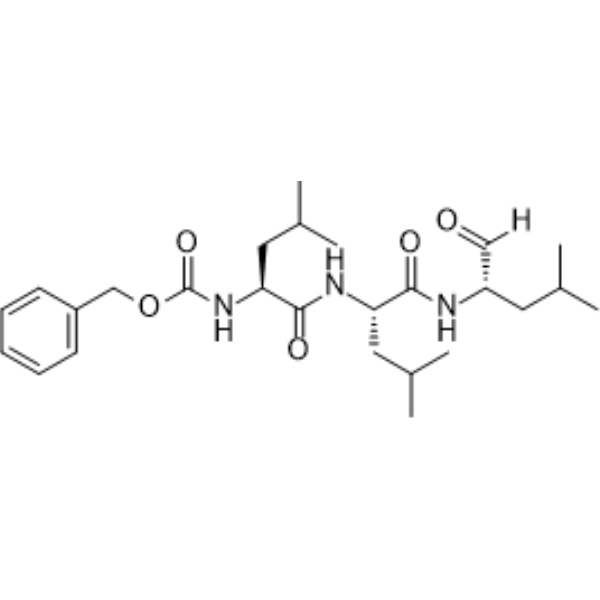
    MG-132
    Maximum Cited Publications
    1998 Publications Verification

    Z-Leu-Leu-Leu-al; MG132

    Proteasome Autophagy Apoptosis Cancer
    MG-132 (Z-Leu-Leu-Leu-al) is a potent proteasome and calpain inhibitor with IC50s of 100 nM and 1.2 μM, respectively. MG-132 effectively blocks the proteolytic activity of the 26S proteasome complex. MG-132, a peptide aldehyde, also is an autophagy activator. MG-132 also induces apoptosis .
    MG-132
  • HY-114158
    Pronase E (Activity ≥ 7000 U/g)
    Maximum Cited Publications
    61 Publications Verification

    Pronase (activity ≥ 7000 U/g)

    Others Others
    Pronase E (Activity ≥ 7000 U/g) is a mixture of proteolytic enzymes that is obtained from Streptomyces griseus and could digest protein into individual amino acids .
    Pronase E (Activity ≥ 7000 U/g)
  • HY-114158A

    Pronase (activity ≥ 4000 U/mg)

    Others Others
    Pronase E (Activity ≥ 4000 U/mg) is a mixture of proteolytic enzymes that is obtained from Streptomyces griseus and could digest protein into individual amino acids .
    Pronase E (Activity ≥ 4000 U/mg)
  • HY-B0633A
    Hyaluronic acid
    15+ Cited Publications

    Hyaluronan; Hyaluronate

    Endogenous Metabolite Bacterial Akt PI3K Infection Neurological Disease Inflammation/Immunology Cancer
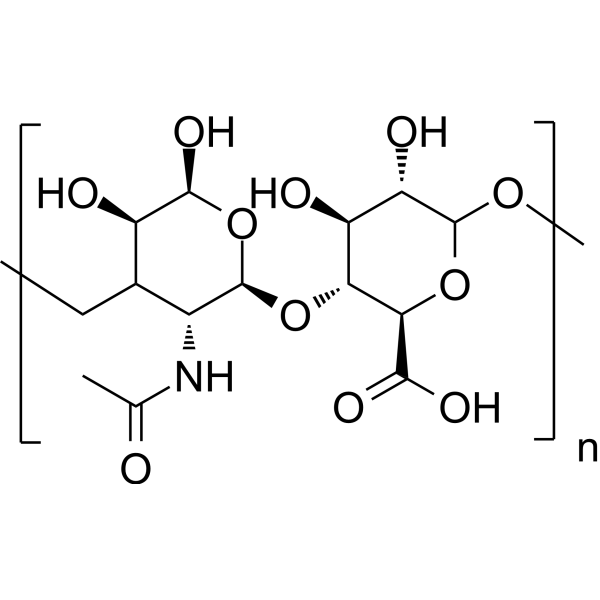
    Hyaluronic acid is a biopolymer composed of repeating units of disaccharides with various applications. Hyaluronic acid is a major component of the extracellular matrix (ECM). Hyaluronic acid is synthesized at the plasma membrane. Increased hyaluronic acid levels are associated with tumor cell growth, adhesion, migration, invasion and angiogenesis in digestive cancers. Hyaluronic acid participates in tissue remodeling and rapid cell proliferation in some physiological processes including embryonic morphogenesis and wound-healing. Hyaluronic acid activates the PI3K-Akt signaling. Hyaluronic acid acts as a regulator of cancer-associated lymphangiogenesis. Hyaluronic acid also enhances cell invasion and angiogenesis by promoting proteolytic MMP-9 binding to cell surface or stimulating MMP-9 binding to cell surface. Hyaluronic acid can be used as drug delivery for sodium butyrate to improve the anti-proliferative activity on breast cancer cell line. Hyaluronic acid can be studied in joint diseases, wound healing and cancer .
    Hyaluronic acid
  • HY-B0633
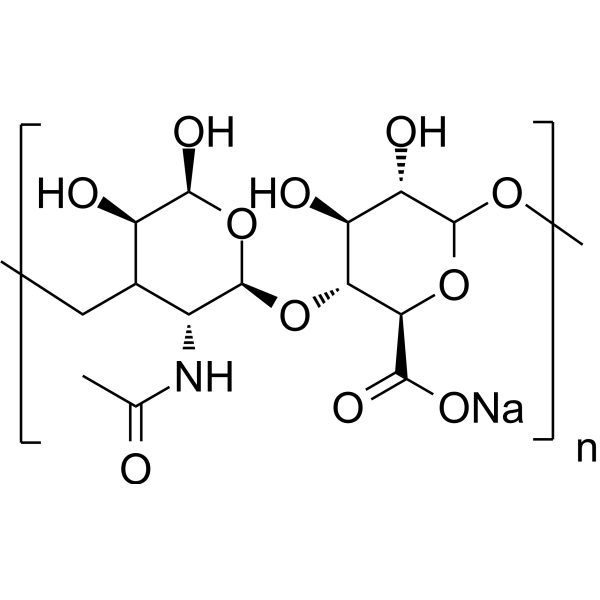
    Hyaluronic acid sodium
    15+ Cited Publications

    Sodium hyaluronate

    Endogenous Metabolite Bacterial PI3K Akt Inflammation/Immunology Cancer
    Hyaluronic acid sodium (Sodium hyaluronate) is a biopolymer composed of repeating units of disaccharides with various applications. Hyaluronic acid sodium is a major component of the extracellular matrix (ECM). Hyaluronic acid sodium is synthesized at the plasma membrane. Increased hyaluronic acid sodium levels are associated with tumor cell growth, adhesion, migration, invasion and angiogenesis in digestive cancers. Hyaluronic acid sodium participates in tissue remodeling and rapid cell proliferation in some physiological processes including embryonic morphogenesis and wound-healing. Hyaluronic acid sodium activates the PI3K-Akt signaling. Hyaluronic acid sodium acts as a regulator of cancer-associated lymphangiogenesis. Hyaluronic acid sodium also enhances cell invasion and angiogenesis by promoting proteolytic MMP-9 binding to cell surface or stimulating MMP-9 binding to cell surface. Hyaluronic acid sodium can be used as drug delivery for sodium butyrate to improve the anti-proliferative activity on breast cancer cell line. Hyaluronic acid sodium can be studied in joint diseases, wound healing and cancer .
    Hyaluronic acid sodium
  • HY-106783
    Polymyxin B nonapeptide
    2 Publications Verification

    Bacterial Antibiotic Infection
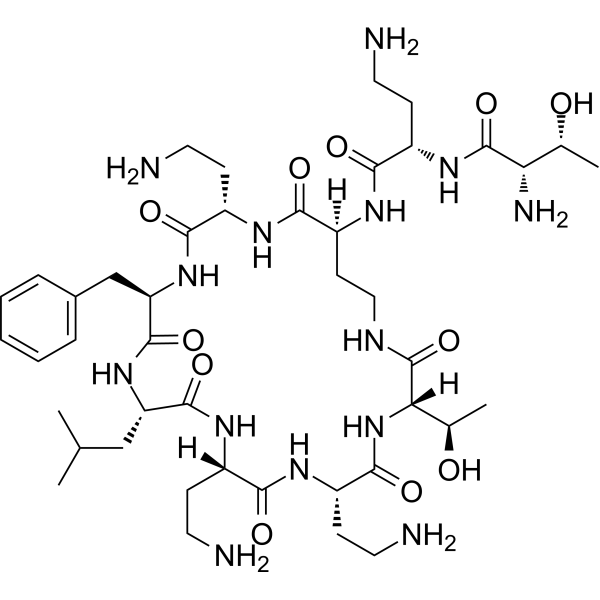
    Polymyxin B nonapeptide is a cyclic peptide obtained from Polymyxin B by proteolytic removal of its terminal amino acyl residue. Polymyxin B nonapeptide is less toxic, lacks bactericidal activity, and retains its ability to render gram-negative bacteria susceptible to several antibiotics by permeabilizing their outer membranes .
    Polymyxin B nonapeptide
  • HY-137677B

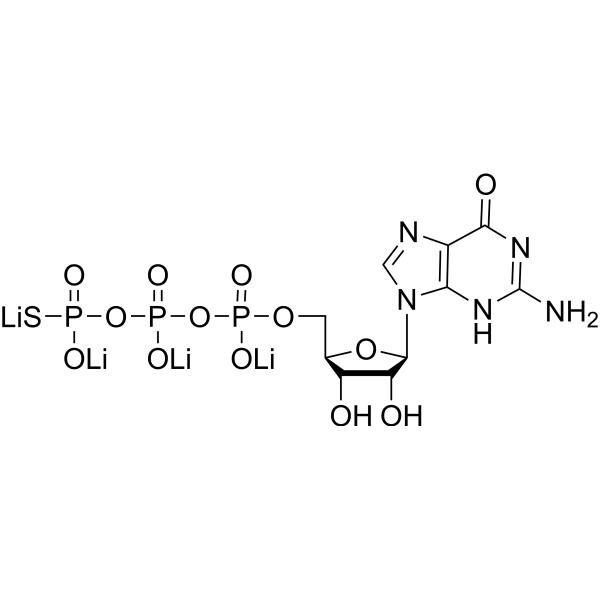
    Guanosine 5'-[γ-thio]triphosphate tetralithium

    GLUT Metabolic Disease
    GTPγS (Guanosine 5'-[γ-thio]triphosphate) tetralithium is a G-protein activator that protects proteins from proteolytic degradation, stimulates GLUT4 translocation in a tyrosine kinase-dependent manner, stimulate phospholipases and induce actin polymerization. GTPγS tetralithium to couple with G- protein α, to study its effect on kinase activity. GTPγS tetralithium acts as a component of lysis buffer .
    GTPγS tetralithium
  • HY-N1372A
    Fangchinoline
    5+ Cited Publications

    HIV FAK Apoptosis Autophagy Infection Cancer
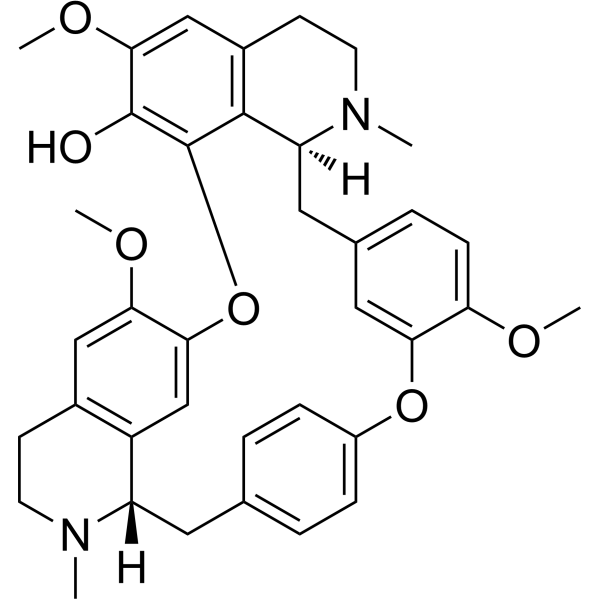
    Fangchinoline is isolated from Stephania tetrandra with extensive biological activities, such as enhancing immunity, anti-inflammatory sterilization and anti-atherosclerosis. Fangchinoline, a novel HIV-1 inhibitor, inhibits HIV-1 replication by impairing gp160 proteolytic processing . Fangchinoline targets Focal adhesion kinase (FAK) and suppresses FAK-mediated signaling pathway in tumor cells which highly expressed FAK . Fangchinoline induces apoptosis and adaptive autophagy in bladder cancer .
    Fangchinoline
  • HY-E70076

    Bacillopeptidaseb

    Biochemical Assay Reagents Others
    Subtilisin (Compound proteinase) (EC 3.4.21.62) is a proteolytic enzyme, isolated from Bacillus licheniformis. Subtilisin (Compound proteinase) has catalytic activity in anhydrous dimethyl formamide. Subtilisin (Compound proteinase) can be used as a catalyst for easy coupling between sugars and amino acids .
    Subtilisin, bacillus licheniformis
  • HY-B0633D

    CD44 Endogenous Metabolite Bacterial Akt PI3K Neurological Disease Metabolic Disease Inflammation/Immunology Cancer
    Hyaluronic acid sodium (MW 200-1560) is a biopolymer composed of repeating disaccharide units, with a molecular weight of 200-1560. Hyaluronic acid sodium is a major component of the extracellular matrix (ECM). It is synthesized on the plasma membrane. Hyaluronic acid sodium exerts its effects by binding to receptors CD44 and RHAMM. Hyaluronic acid sodium activates PI3K-Akt signaling. Hyaluronic acid sodium also enhances cell invasion and angiogenesis by promoting or stimulating the binding of proteolytic MMP-9 to the cell surface. Elevated hyaluronic acid levels are associated with tumor cell growth, adhesion, migration, invasion, and angiogenesis in digestive system cancers. Hyaluronic acid sodium is involved in tissue remodeling and rapid cell proliferation in several physiological processes, including embryonic morphogenesis and wound healing. Hyaluronic acid sodium can be used as a regulator of cancer-associated lymphangiogenesis. Hyaluronic acid sodium can be used as a drug delivery carrier for sodium butyrate, enhancing its anti-proliferative activity against breast cancer cell lines. Hyaluronic acid sodium can lubricate the corneal endothelium. Hyaluronic acid sodium can improve tissue hydration and enhance the resistance of cells to mechanical damage. Hyaluronic acid sodium has been conjugated with antibodies to ensure that the active compound continues to exert its effects at the site of inflammation. Hyaluronic acid sodium can be used in research in the fields of osteoarthritis, ophthalmology, cosmetic dermatology, oncology, and liver diseases .
    Hyaluronic acid sodium (MW 200-1560)
  • HY-B0633E

    Hyaluronan, low endotoxin; Hyaluronate, low endotoxin

    Endogenous Metabolite CD44 Bacterial Akt PI3K Neurological Disease Metabolic Disease Inflammation/Immunology Cancer
    Hyaluronic acid, low endotoxin (Hyaluronan, low endotoxin) is a biopolymer composed of repeating disaccharide units containing low levels of endotoxin. Hyaluronic acid is a major component of the extracellular matrix (ECM). It is synthesized on the plasma membrane. Hyaluronic acid exerts its effects by binding to receptors CD44 and RHAMM. Hyaluronic acid activates PI3K-Akt signaling. Hyaluronic acid also enhances cell invasion and angiogenesis by promoting or stimulating the binding of proteolytic MMP-9 to the cell surface. Elevated hyaluronic acid levels are associated with tumor cell growth, adhesion, migration, invasion, and angiogenesis in digestive system cancers. Hyaluronic acid is involved in tissue remodeling and rapid cell proliferation in several physiological processes, including embryonic morphogenesis and wound healing. Hyaluronic acid can be used as a regulator of cancer-associated lymphangiogenesis. Hyaluronic acid can be used as a drug delivery carrier for sodium butyrate, enhancing its anti-proliferative activity against breast cancer cell lines. Hyaluronic acid can lubricate the corneal endothelium. Hyaluronic acid can improve tissue hydration and enhance the resistance of cells to mechanical damage. Hyaluronic acid has been conjugated with antibodies to ensure that the active compound continues to exert its effects at the site of inflammation. Hyaluronic acid can be used in research in the fields of osteoarthritis, ophthalmology, cosmetic dermatology, oncology, and liver diseases .
    Hyaluronic acid, low endotoxin
  • HY-P10004
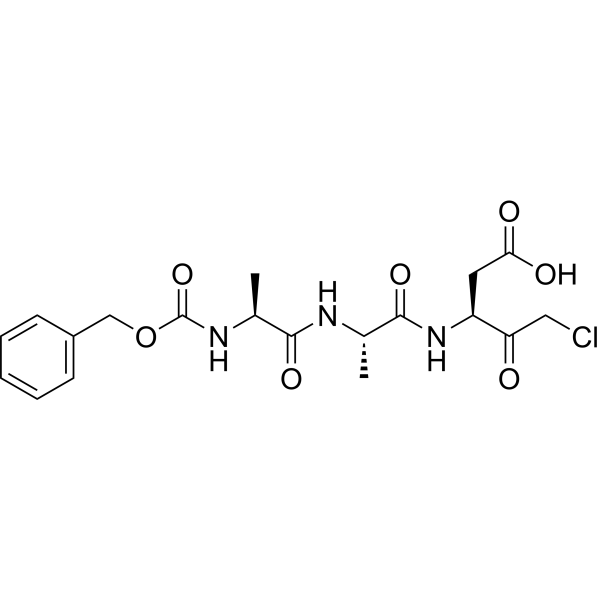
    Z-Ala-Ala-Asp-CMK
    2 Publications Verification

    Z-AAD-CMK

    Caspase Apoptosis Reactive Oxygen Species (ROS) Interleukin Related Inflammation/Immunology Cancer
    Z-Ala-Ala-Asp-CMK (Z-AAD-CMK) is a selective granzyme B inhibitor. By binding to the active site of granzyme B, Z-Ala-Ala-Asp-CMK blocks its proteolytic function. Z-Ala-Ala-Asp-CMK has anti-inflammatory activity and can be used in the research of inflammatory diseases and cancer .
    Z-Ala-Ala-Asp-CMK
  • HY-N6818
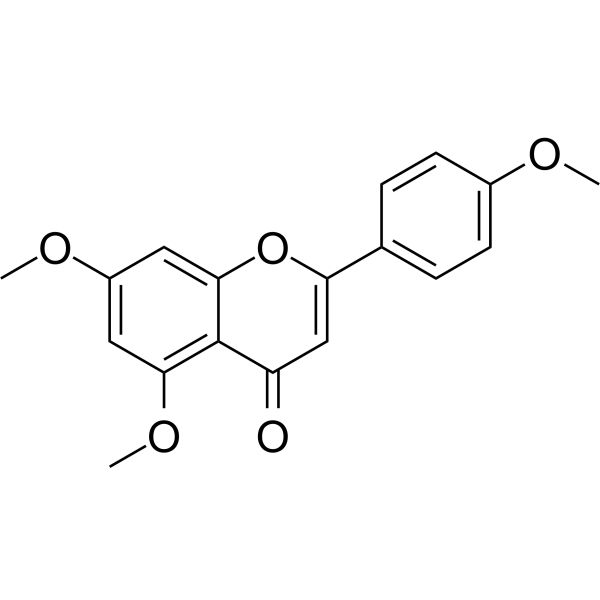
    5,​7,​4'-​Trimethoxyflavone
    2 Publications Verification

    TMF

    Apoptosis Caspase PARP Endogenous Metabolite CFTR Cancer
    5,7,4’-Trimethoxyflavone can be isolated from the medicinal plant Kaempferia parviflora (KP). 5,7,4’-Trimethoxyflavone is a CFTR activator and EC50 is 64 μM. 5,7,4’-Trimethoxyflavone induces apoptosis, increases proteolytic activation of caspase-3, and degradation of ADP-ribose polymerase (PARP) protein. 5,7,4’-Trimethoxyflavone has antitumor activity. 5,7,4’-Trimethoxyflavone can be used to prevent skin aging and oxidative stress .
    5,​7,​4'-​Trimethoxyflavone
  • HY-P2895

    Clostridiopeptidase B

    Endogenous Metabolite Others
    Clostripain (Clostridiopeptidase B) is a thiol protease isolated from Clostridium histolyticum. Clostripain exhibits proteolytic activity as well as amidase-esterase activity. The specificity of Clostripain is primarily restricted to arginine residues, but it also shows minor hydrolytic activity toward most lysine-containing substrates. Clostripain catalyzes the ammonolysis of Carbobenzoxyarginyl methyl ester to generate various dipeptides .
    Clostripain
  • HY-136528

    Deubiquitinase Apoptosis Cancer
    RA-9 is a potent and selective proteasome-associated deubiquitinating enzymes (DUBs) inhibitor with favorable toxicity profile and anticancer activity. RA-9 blocks ubiquitin-dependent protein degradation without impacting 20S proteasome proteolytic activity. RA-9 selectively induces onset of apoptosis in ovarian cancer cell lines and primary cultures derived from donors. RA-9 induces endoplasmic reticulum (ER)-stress responses in ovarian cancer cells .
    RA-9
  • HY-P990060

    Mim8

    Factor Xa Cardiovascular Disease
    Denecimig (Mim8) is a factor VIII-mimetic bispecific antibody with micromolar human binding affinity for Factor X and Factor IXa. Denecimig binds Factor X and Factor IXa, localizes both to the phospholipid surface, enhances the Factor IXa-mediated activation of Factor X to Factor Xa, and stimulates the proteolytic activity of Factor IXa via its monovalent anti-Factor IXa arm. Denecimig is applicable to research related to hemophilia A .
    Denecimig
  • HY-B0633I

    Endogenous Metabolite Bacterial PI3K Akt Inflammation/Immunology Cancer
    Hyaluronic acid sodium (MW 800kDa) is a biopolymer composed of repeating units of disaccharides with various applications. Hyaluronic acid sodium is a major component of the extracellular matrix (ECM). Hyaluronic acid sodium is synthesized at the plasma membrane. Increased hyaluronic acid sodium levels are associated with tumor cell growth, adhesion, migration, invasion and angiogenesis in digestive cancers. Hyaluronic acid sodium participates in tissue remodeling and rapid cell proliferation in some physiological processes including embryonic morphogenesis and wound-healing. Hyaluronic acid sodium activates the PI3K-Akt signaling. Hyaluronic acid sodium acts as a regulator of cancer-associated lymphangiogenesis. Hyaluronic acid sodium also enhances cell invasion and angiogenesis by promoting proteolytic MMP-9 binding to cell surface or stimulating MMP-9 binding to cell surface. Hyaluronic acid sodium can be used as drug delivery for sodium butyrate to improve the anti-proliferative activity on breast cancer cell line. Hyaluronic acid sodium can be studied in joint diseases, wound healing and cancer .
    Hyaluronic acid sodium (MW 800kDa)
  • HY-134432B
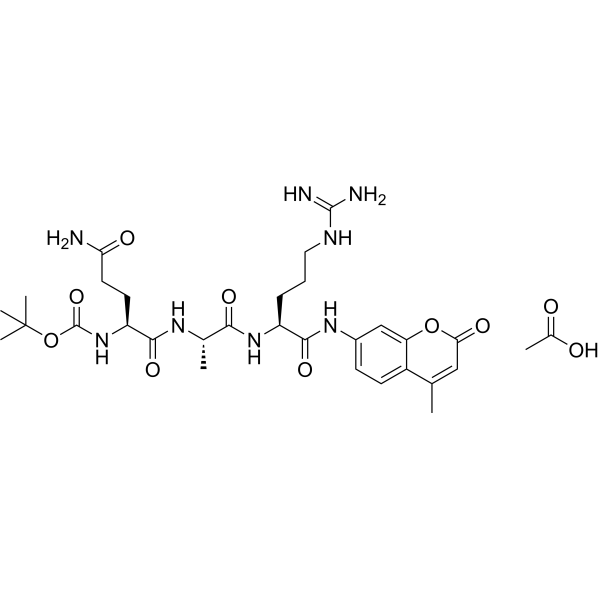
    Boc-Gln-Ala-Arg-AMC acetate
    1 Publications Verification

    Ser/Thr Protease Others
    Boc-Gln-Ala-Arg-AMC acetate is a fluorogenic substrate for trypsin. Boc-Gln-Ala-Arg-AMC acetate can also be used for measuring the proteolytic activity of TMPRSS2 .
    Boc-Gln-Ala-Arg-AMC acetate
  • HY-125366

    FAP Metabolic Disease
    ARI-3099 is an oral fibroblast activation protein (FAP) inhibitor. ARI-3099 specifically inhibits the proteolytic activity of FAP and blocks the cleavage of human FGF-21 between residues P171 and S172. ARI-3099 extends the half-life of circulating human FGF-21 in mice. ARI-3099 can be used in the research of type 2 diabetes and metabolic disorders .
    ARI-3099
  • HY-P3414A
    Proteasome-activating peptide 1 TFA
    3 Publications Verification

    Proteasome Neurological Disease
    Proteasome-activating peptide 1 TFA is a peptide and a potent proteasome activator. Proteasome-activating peptide 1 TFA increases the chymotrypsin-like proteasomal catalytic activity and, consequently, proteolytic rates both in vitro and in culture. Proteasome-activating peptide 1 TFA prevents protein aggregation in a cellular model of amyotrophic lateral sclerosis .
    Proteasome-activating peptide 1 TFA
  • HY-W006886

    Amino Acid Derivatives Others
    Fmoc-(R)-2-(7-octenyl) Ala-OH is an unnatural Fmoc-protected amino acid and modification module. Fmoc-(R)-2-(7-octenyl) Ala-OH serves as a key building block for all-hydrocarbon cross-linking modification of antimicrobial peptides, and facilitates the generation of stapled peptide derivatives. When introduced into specific sites of the parent peptide, Fmoc-(R)-2-(7-octenyl) Ala-OH effectively increases the α-helix content of the peptide chain, thereby significantly enhancing its antimicrobial activity and proteolytic stability. Fmoc-(R)-2-(7-octenyl) Ala-OH is widely used in research on bacterial infections and the development of related antimicrobial agents . Stapled peptide is a specially chemically modified polypeptide. It locks the peptide chain into a stable α-helical structure by introducing a "staple"-like chemical bridge (usually an all-carbon backbone) at specific positions of the peptide chain.
    Fmoc-(R)-2-(7-octenyl)Ala-OH
  • HY-150737

    SARS-CoV Infection
    MI-1851 is a potent furin inhibitor. MI-1851 prevents the proteolytic processing of the S protein of SARS-CoV-2 by endogenous flavoprotease in HEK293 cells. MI-185 has antiviral activity .
    MI-1851
  • HY-106783A
    Polymyxin B nonapeptide TFA
    2 Publications Verification

    Bacterial Antibiotic Infection
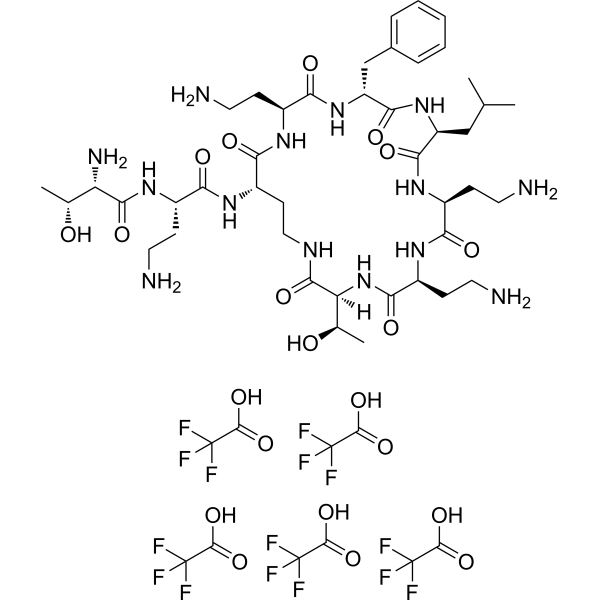
    Polymyxin B nonapeptide TFA is a cyclic peptide obtained from Polymyxin B by proteolytic removal of its terminal amino acyl residue. Polymyxin B nonapeptide TFA is less toxic, lacks bactericidal activity, and retains its ability to render gram-negative bacteria susceptible to several antibiotics by permeabilizing their outer membranes .
    Polymyxin B nonapeptide TFA
  • HY-149428
    AD4
    1 Publications Verification

    PROTACs Cancer
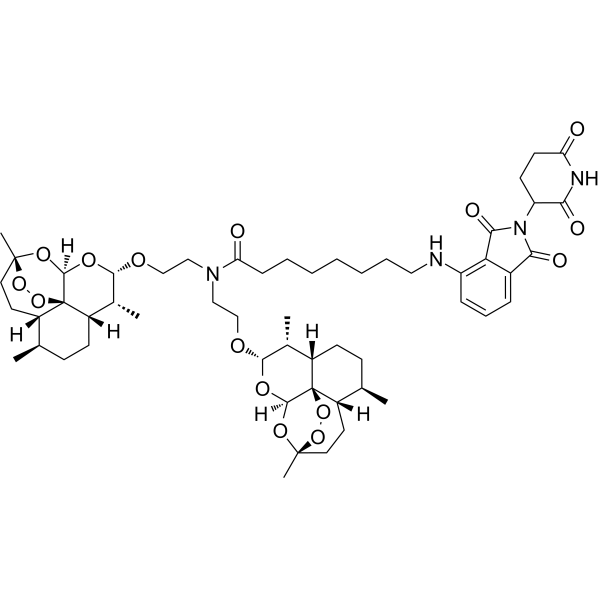
    AD4 is an artemisinin derivative that is a proteolytic targeting chimera (PROTAC) targeting PCLAF. AD4 can effectively degrade PCLAF in RS4;11 cells (IC50: 0.6 nM), thereby activating the p21/Rb axis and exerting anti-tumor activity. AD4 also prolonged survival of RS4;11-transplanted NOD/SCID mice, with in vivo efficacy .
    AD4
  • HY-N9366
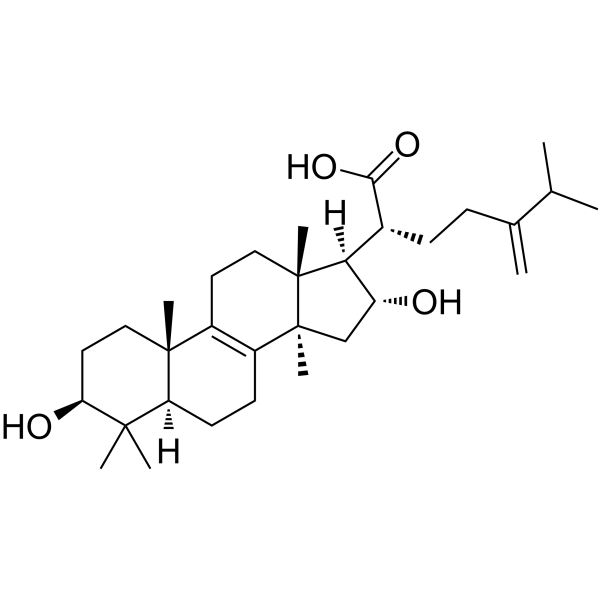
    Tumulosic acid
    1 Publications Verification

    Others Inflammation/Immunology
    Tumulosic acid, a triterpenoid, inhibits KLK5 protease activity (IC50= 14.84 μM). Tumulosic acid suppresses the proteolytic processing of LL-37 in keratinocytes at ≤10 μM .
    Tumulosic acid
  • HY-175358

    PROTACs Deubiquitinase Cancer
    PROTAC USP7 Degrader-1 is a VHL-recruiting PROTAC and USP7 degrader with binding activity to both USP7 and the VHL E3 ubiquitin ligase. PROTAC USP7 Degrader-1 recruits the VHL E3 ligase to mediate the ubiquitination and subsequent proteolytic degradation of USP7 .
    PROTAC USP7 Degrader-1
  • HY-163943

    SARS-CoV PIKfyve Infection
    UNI418 is a dual inhibitor of PIKfyve and PIP5K1C with antiviral activity against SARS-CoV-2 (EC50=1.4 μM). UNI418 blocks ACE2-mediated SARS-CoV-2 viral endocytosis by inhibiting PIP5K1C (IC50=60.1 nM; Kd=61 nM). In addition, UNI418 inhibits the proteolytic activation of proteases regulated by PIKfyve (Kd=0.78 nM) to prevent SARS-CoV-2 from entering host cells .
    UNI418
  • HY-163445

    NAMPT Cancer
    NAMPT activator-6 is a NAMPT activator, a regulatory molecule for the optical control system of NAMPT and NAD+. NAMPT activator-6 can be used to design efficient photoswitchable proteolysis-targeting chimeras (PS-PROTACs) to achieve up-down reversible regulation of NAMPT and NAD+ in a light-dependent manner and reduce the toxicity associated with inhibitor-based PS-PROTACs. PS-PROTAC can be used to achieve antitumor activity, NAMPT, and NAD+ modulation in vivo via optical manipulation .
    NAMPT activator-6
  • HY-P4582

    Suc-FAAF-pNA

    Ser/Thr Protease Others
    Suc-Phe-Ala-Ala-Phe-pNA (Suc-FAAF-pNA) is a chromogenic polypeptide substrate that can be used for the quantitative activity assay of intracellular subtilisin (ISP) and neutral metalloprotease (NPS) derived from Saccharomonospora canescens. Suc-Phe-Ala-Ala-Phe-pNA is hydrolyzed by the catalytic triad of mature proteases to release the chromophore pNA. Suc-Phe-Ala-Ala-Phe-pNA is applicable to enzymological studies .
    Suc-Phe-Ala-Ala-Phe-pNA
  • HY-P3414

    Proteasome Neurological Disease
    Proteasome-activating peptide 1 is a peptide, which increases the chymotrypsin-like proteasomal catalytic activity and, consequently, proteolytic rates both in vitro and in culture. Proteasome-activating peptide 1 prevents protein aggregation in a cellular model of amyotrophic lateral sclerosis .
    Proteasome-activating peptide 1
  • HY-P11189

    Bacterial Infection
    Astacidin 1 is an antibacterial peptide. Astacidin 1 can be produced by a proteolytic cleavage from hemocyanin under acidic conditions. Astacidin 1 has broad-spectrum antibacterial activity against both Gram-positive and Gram-negative bacteria .
    Astacidin 1
  • HY-13259G

    Z-Leu-Leu-Leu-al

    Proteasome Autophagy Apoptosis Cancer
    MG-132 (GMP) (Z-Leu-Leu-Leu-al (GMP)) is MG-132 (HY-13259) produced by using GMP guidelines. GMP small molecules works appropriately as an auxiliary reagent for cell therapy manufacture. MG-132 (Z-Leu-Leu-Leu-al) is a potent proteasome and calpain inhibitor with IC50s of 100 nM and 1.2 μM, respectively. MG-132 effectively blocks the proteolytic activity of the 26S proteasome complex. MG-132, a peptide aldehyde, also is an autophagy activator. MG-132 also induces apoptosis .
    MG-132
  • HY-137164

    Endogenous Metabolite Others
    Ala-Ala-Phe-AMC serves as a fluorogenic substrate that exhibits positively charged properties, making it suitable for assessing proteolytic activity.
    Ala-Ala-Phe-AMC
  • HY-134432A

    Ser/Thr Protease Others
    Boc-Gln-Ala-Arg-AMC hydrochloride is a fluorogenic substrate for trypsin. Boc-Gln-Ala-Arg-AMC hydrochloride can also be used for measuring the proteolytic activity of TMPRSS2 .
    Boc-Gln-Ala-Arg-AMC hydrochloride
  • HY-N1372AR

    Reference Standards HIV FAK Apoptosis Autophagy Infection Cancer
    Fangchinoline (Standard) is the analytical standard of Fangchinoline. This product is intended for research and analytical applications. Fangchinoline is isolated from Stephania tetrandra with extensive biological activities, such as enhancing immunity, anti-inflammatory sterilization and anti-atherosclerosis. Fangchinoline, a novel HIV-1 inhibitor, inhibits HIV-1 replication by impairing gp160 proteolytic processing . Fangchinoline targets Focal adhesion kinase (FAK) and suppresses FAK-mediated signaling pathway in tumor cells which highly expressed FAK . Fangchinoline induces apoptosis and adaptive autophagy in bladder cancer .
    Fangchinoline (Standard)
  • HY-178785

    Parasite Infection
    Anti-infective agent 11 (Compound 19) is an orally active antiparasitic agent. Anti-infective agent 11 inhibits the proteolytic activity of P. falciparum. Anti-infective agent 11 exhibits inhibitory activity against P. falciparum 3D7 with an IC50 of 0.28 μM .
    Anti-infective agent 11
  • HY-P10110

    Autophagy Neurological Disease
    retro-inverso TAT-Beclin 1 D-amino acid is has higher activity and resistance to proteolytic degradation in vivo compared to L-amino acids peptide. TAT-Beclin 1 can induce autophagy in peripheral tissues in adult mice as well as in the central nervous system of neonatal mice .
    retro-inverso TAT-Beclin 1 (D-amino acid)
  • HY-162462

    Apoptosis Cancer
    Antitumor agent-151 (7k) is a significant HsClpP agonist and an antileukemia drug candidate. Antitumor agent-151 (7k) exhibits remarkably enhanced proteolytic activity of HsClpP (EC50 = 0.79 μM) and antitumor activity in vitro (IC50 = 0.038 μM). Antitumor agent-151 (7k) induces apoptosis .
    Antitumor agent-151
  • HY-P10161

    Biochemical Assay Reagents Others
    Ac-DMQD-pNA is a peptide substrate. Both of the recombinant CgCaspase-1 (rCgCaspase-1) and the C-terminus of CgCaspase-1 (rCgCaspase-1-C) exhibits similar caspase activity towards proteolytic substrate Ac-DMQD-pNA and Ac-DEVD-pNA (HY-P1006) .
    Ac-DMQD-pNA
  • HY-111766

    Thrombin Cardiovascular Disease
    YD-3 is a platelet activation inhibitor. YD-3 inhibits Thrombine-induced rabbit platelets aggregation (IC50: 28.3 μM) and phosphoinositol production. In addition, YD-3 also inhibits Trypsin-induced platelet aggregation in human and rabbit with the IC50 of 38.1 μM and 5.7 μM, respectively, but does not affect the proteolytic activity of trypsin .
    YD-3
  • HY-119110

    MMP Cancer
    LY52 is an MMP-2 and MMP-9 inhibitor. LY52 can significantly block the proteolytic activity of gelatinases, reducing the expression of MMP-2 and MMP-9 in SKOV3 cells, thereby inhibiting cell invasion. LY52 can also suppress the pulmonary metastasis of Lewis lung carcinoma cells in mice. LY52 may be used in cancer research .
    LY52
  • HY-106783R

    Reference Standards Bacterial Antibiotic Infection
    Polymyxin B nonapeptide (Standard) is the analytical standard of Polymyxin B nonapeptide. This product is intended for research and analytical applications. Polymyxin B nonapeptide is a cyclic peptide obtained from Polymyxin B by proteolytic removal of its terminal amino acyl residue. Polymyxin B nonapeptide is less toxic, lacks bactericidal activity, and retains its ability to render gram-negative bacteria susceptible to several antibiotics by permeabilizing their outer membranes[1][2][3].
    Polymyxin B nonapeptide (Standard)
  • HY-106783AR

    Reference Standards Bacterial Antibiotic Infection
    Polymyxin B nonapeptide (TFA) (Standard) is the analytical standard of Polymyxin B nonapeptide (TFA). This product is intended for research and analytical applications. Polymyxin B nonapeptide TFA is a cyclic peptide obtained from Polymyxin B by proteolytic removal of its terminal amino acyl residue. Polymyxin B nonapeptide TFA is less toxic, lacks bactericidal activity, and retains its ability to render gram-negative bacteria susceptible to several antibiotics by permeabilizing their outer membranes[1][2][3].
    Polymyxin B nonapeptide TFA (Standard)
  • HY-N8098

    STAT Autophagy JAK Cancer
    Pulchinenoside E2 is a triterpenoid saponin. Pulchinenoside E2 inhibits the phosphorylation of STAT3 and JAK2, blocks the nuclear translocation and transcriptional activity of STAT3, and suppresses STAT3-dependent mitochondrial oxidative phosphorylation. Pulchinenoside E2 inhibits invasion, migration and autophagy of triple-negative breast cancer cells. Pulchinenoside E2 can be used in research related to triple-negative breast cancer .
    Pulchinenoside E2
  • HY-N6818R

    TMF (Standard)

    Reference Standards Apoptosis Caspase PARP Endogenous Metabolite CFTR Cancer
    5,​7,​4'-​Trimethoxyflavone (Standard) is the analytical standard of 5,​7,​4'-​Trimethoxyflavone. This product is intended for research and analytical applications. 5,7,4’-Trimethoxyflavone can be isolated from the medicinal plant Kaempferia parviflora (KP). 5,7,4’-Trimethoxyflavone is a CFTR activator and EC50 is 64 μM. 5,7,4’-Trimethoxyflavone induces apoptosis, increases proteolytic activation of caspase-3, and degradation of ADP-ribose polymerase (PARP) protein. 5,7,4’-Trimethoxyflavone has antitumor activity. 5,7,4’-Trimethoxyflavone can be used to prevent skin aging and oxidative stress .
    5,​7,​4'-​Trimethoxyflavone (Standard)
  • HY-E71367

    Proteolytic Enzyme Bacterial Fungal Cardiovascular Disease Infection Inflammation/Immunology Cancer
    Bromelain USP is an orally active proteolytic agent. Bromelain USP converts plasminogen to plasmin to support fibrinolysis, cleaves CD44 adhesion molecules from cell surfaces, and diminishes uPAR expression and uPA activity. Bromelain USP can inhibit the activity of a variety of fungi and bacteria. Bromelain USP can be used for the research of angina pectoris, atherosclerotic disease, fungal infections, bacterial infections, chronic inflammatory bowel disease, and cancer .
    Bromelain (USP)
  • HY-181934

    ClpP Reactive Oxygen Species (ROS) Mitochondrial Metabolism Cancer
    ClpP activator-2 (Compound GU18) is a ClpP activator with a Kd of 5.01 μM for HsClpP. ClpP activator-2 enhances the proteolytic activity of HsClpP and promotes the degradation of α-casein by HsClpP, with an EC50 of 1.09 μM. ClpP activator-2 induces the accumulation of mitochondrial reactive oxygen species (ROS), leading to damage to mitochondrial structure and function. ClpP activator-2 exhibits significant in vivo anti-multiple myeloma activity .
    ClpP activator-2
  • HY-P992336

    ADAMTS Inflammation/Immunology
    CRB0017 is a recombinant monoclonal antibody targeting ADAMTS5, with high affinity for the spacer domain of ADAMTS5 and strong antigen specificity. CRB0017 binds to the spacer domain of ADAMTS5 and reduces the proteolytic activity of this enzyme. CRB0017 delays articular cartilage degradation, alleviates the pathological severity of osteoarthritis, and decreases the osteoarthritis histopathological score. CRB0017 is applicable to the research of osteoarthritis .
    CRB0017
  • HY-137677

    Guanosine 5'-[γ-thio]triphosphate

    GLUT Metabolic Disease
    GTPγS (Guanosine 5'-[γ-thio]triphosphate) is a G-protein activator that protects proteins from proteolytic degradation, stimulates GLUT4 translocation in a tyrosine kinase-dependent manner, stimulate phospholipases and induce actin polymerization. GTPγS to couple with G- protein α, to study its effect on kinase activity. GTPγS acts as a component of lysis buffer .
    GTP-γ-S
  • HY-183940

    Cathepsin Infection Cancer
    Cathepsin L-IN-7 is an inhibitor of cathepsin L, cathepsin B and cathepsin S. Cathepsin L-IN-7 has an IC50 of 0.011 μM against cathepsin L and an IC50 of 0.062 μM against cathepsin S, while it shows weak inhibitory activity against cathepsin B. Cathepsin L-IN-7 binds to the active site of cysteine proteases and blocks their proteolytic function. Cathepsin L-IN-7 can be used in research on viral infections and cancer .
    Cathepsin L-IN-7

Inquiry Online

Your information is safe with us. * Required Fields.

Salutation


Country or Region *

Applicant Name *


Organization Name *

Department *


Email Address *


Product Name *

Cat. No.


Requested quantity *

Phone Number *


Remarks

Inquiry Online

Inquiry Information

Product Name:
Cat. No.:
Quantity:
MCE Japan Authorized Agent:

