Search Result
Results for "
relaxation
" in MedChemExpress (MCE) Product Catalog:
7
Biochemical Assay Reagents
20
Isotope-Labeled Compounds
| Cat. No. |
Product Name |
Target |
Research Areas |
Chemical Structure |
-
- HY-101952
-
-
-
- HY-B1205
-
-
-
- HY-B0740
-
|
MK130 hydrochloride
|
5-HT Receptor
Parasite
|
Infection
Neurological Disease
|
|
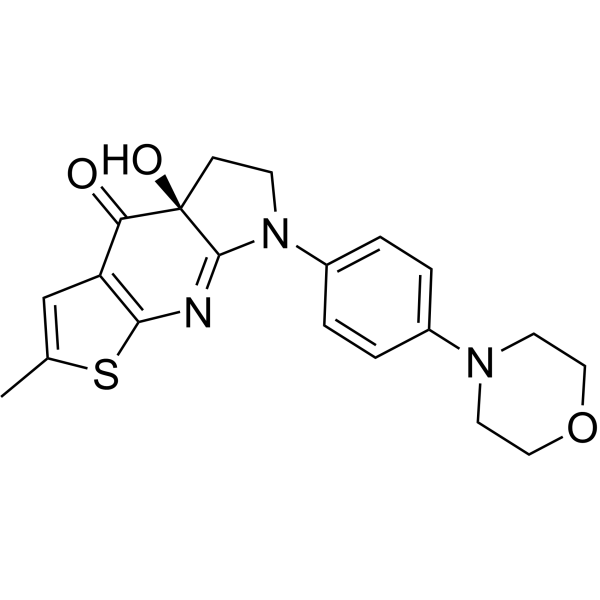
Cyclobenzaprine (MK130) hydrochloride is an orally active 5-HT2 receptor antagonist. Cyclobenzaprine hydrochloride acts centrally, providing skeletal muscle relaxation, alleviating muscle spasms, and reducing pain. Cyclobenzaprine hydrochloride also possesses antiparasitic activity. Cyclobenzaprine hydrochloride holds promise for research in the fields of acute, painful skeletal muscle disorders and infectious diseases .
|
-
-
- HY-W012980
-
|
|
Environmental Pollutants
Endogenous Metabolite
PKA
AMPK
|
Metabolic Disease
|
|
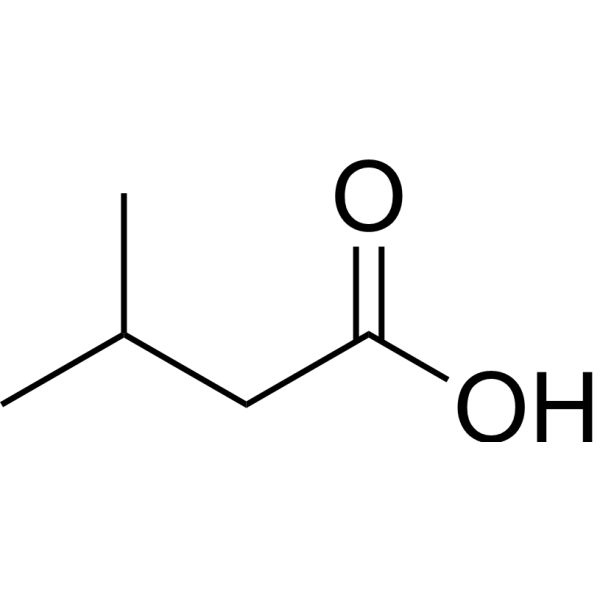
Isovaleric acid is an oral active short-chain fatty acid that inhibits osteoclast differentiation by stimulating AMPK phosphorylation and promotes colonic smooth muscle relaxation by activating the cAMP/PKA pathway. Isovaleric acid can be used in research on skeletal diseases (such as osteoporosis) and intestinal disorders .
|
-
-
- HY-B0394
-
|
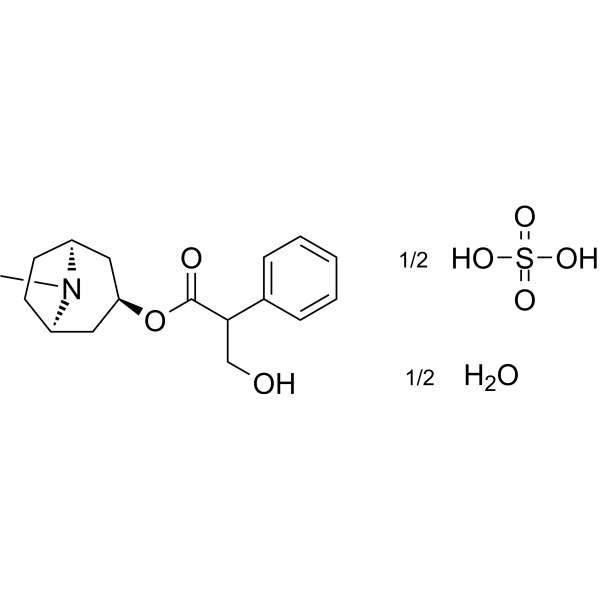
Tropine tropate sulfate monohydrate; DL-Hyoscyamine sulfate monohydrate
|
mAChR
|
Cardiovascular Disease
Neurological Disease
Cancer
|
|
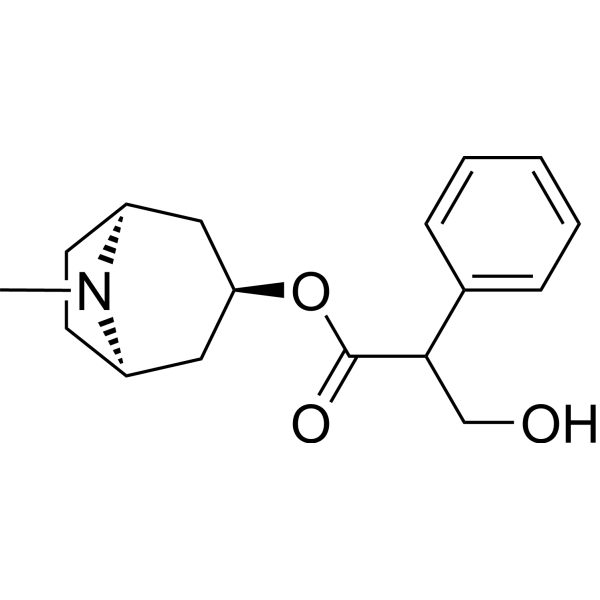
Atropine (Tropine tropate) sulfate monohydrate is a competitive muscarinic acetylcholine receptor (mAChR) antagonist with IC50 values of 0.39 and 0.71 nM for Human mAChR M4 and Chicken mAChR M4, respectively. Atropine sulfate monohydrate inhibits ACh-induced relaxations in human pulmonary veins. Atropine sulfate monohydrate can be used for research of anti-myopia and bradycardia .
|
-
-
- HY-110137
-
|
DB75 dihydrochloride; NSC 305831 dihydrochloride
|
Histone Methyltransferase
Phosphodiesterase (PDE)
Parasite
|
Infection
Inflammation/Immunology
Cancer
|
|
Furamidine dihydrochloride (DB75 dihydrochloride) is a selective protein arginine methyltransferase 1 (PRMT1) inhibitor with an IC50 of 9.4 μM. Furamidine dihydrochloride is selective for PRMT1 over PRMT5, PRMT6, and PRMT4 (CARM1) (IC50s of 166 µM, 283 µM, and >400 µM, respectively). Furamidine dihydrochloride is a potent, reversible and competitive tyrosyl-DNA phosphodiesterase 1 (TDP-1) inhibitor. Inhibition of TDP-1 by Furamidine dihydrochloride is effective both with single- and double-stranded DNA substrates but is slightly stronger with the duplex DNA. Furamidine dihydrochloride is also an antiparasite agent .
|
-
-
- HY-B1205A
-
|
Tropine tropate sulfate; DL-Hyoscyamine sulfate; Sulfatropinol
|
mAChR
|
Cardiovascular Disease
Neurological Disease
Cancer
|
|
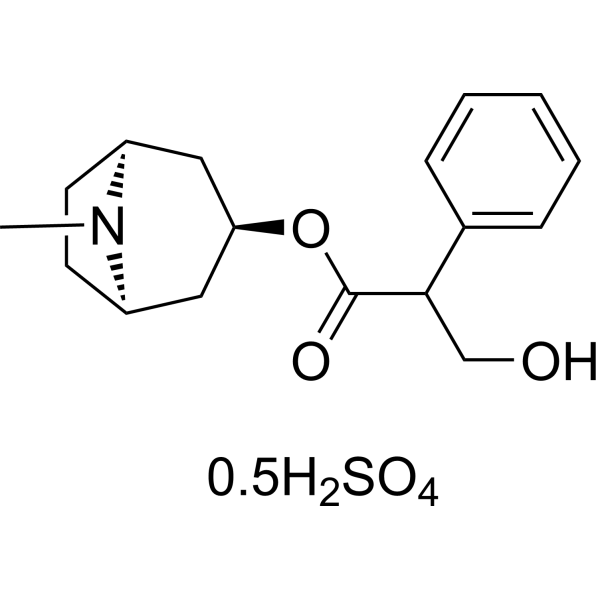
Atropine (Tropine tropate) sulfate is a competitive muscarinic acetylcholine receptor (mAChR) antagonist with IC50 values of 0.39 and 0.71 nM for Human mAChR M4 and Chicken mAChR M4, respectively. Atropine sulfate inhibits ACh-induced relaxations in human pulmonary veins. Atropine sulfate can be used for research of anti-myopia and bradycardia .
|
-
-
- HY-148516
-
MPH-220
1 Publications Verification
|
Myosin
|
Neurological Disease
|
|
MPH-220 is a selective and orally active inhibitor of skeletal muscle myosin-2. MPH-220 enables muscle relaxation. MPH-220 is anti-spastic agent that can be used in the research of spasticity and muscle stiffness .
|
-
-
- HY-B1636
-
|
|
Parasite
|
Infection
|
|
Dithiazanine iodide is a broad-spectrum anthelmintic that induces irreversible relaxation and death of Trichuris trichiura. Dithiazanine iodide is used in research related to trichuriasis, strongyloidiasis, ascariasis, enterobiasis and hookworm infections .
|
-
-
- HY-175416
-
|
KC289
|
Piezo Channel
Calcium Channel
|
Cardiovascular Disease
Metabolic Disease
|
|
Yoda2 (KC289), the potassium salt of Yoda1 (HY-18723), is a PIEZO1 agonist with an EC50 of 150 nM. Yoda2 evokes Ca 2+ elevation and NO-dependent relaxation. Yoda2 induces relaxation in mouse arterial and cavernous tissues. Yoda2 inhibits glucocorticoid-induced osteoclast formation and bone resorptive activity, reverses glucocorticoid-induced bone density loss and architectural deterioration, and does not induce medication-related osteonecrosis of the jaw in mice. Yoda2 can be used for the researches of hypertension and osteoporosis .
|
-
-
- HY-18351
-
|
LMP-400; NSC-724998
|
Topoisomerase
|
Infection
Cancer
|
|
Indotecan (LMP-400), an indenoisoquinoline derivative, is a potent Topoisomerase I inhibitor, with IC50s of 300, 1200, 560 nM for P388, HCT116, MCF-7 cell lines, respectively. Indotecan prevents the relaxation of supercoiled DNA and can be used for the research of visceral leishmaniasis .
|
-
-
- HY-B1209
-
|
7-(β-Hydroxyethyl)theophylline
|
Phosphodiesterase (PDE)
|
Cardiovascular Disease
Inflammation/Immunology
|
|
Etofylline (7-(β-Hydroxyethyl) theophylline) is an oral bronchodilator with anti-inflammatory effects. Etofylline inhibits phosphodiesterase and prevents the degradation of cAMP (cyclic adenosine monophosphate), leading to smooth muscle relaxation, reducing inflammatory responses and improving respiratory function. Etofylline affects the development of zebrafish embryos .
|
-
-
- HY-N0485
-
|
|
Autophagy
Mitophagy
|
Cardiovascular Disease
|
|
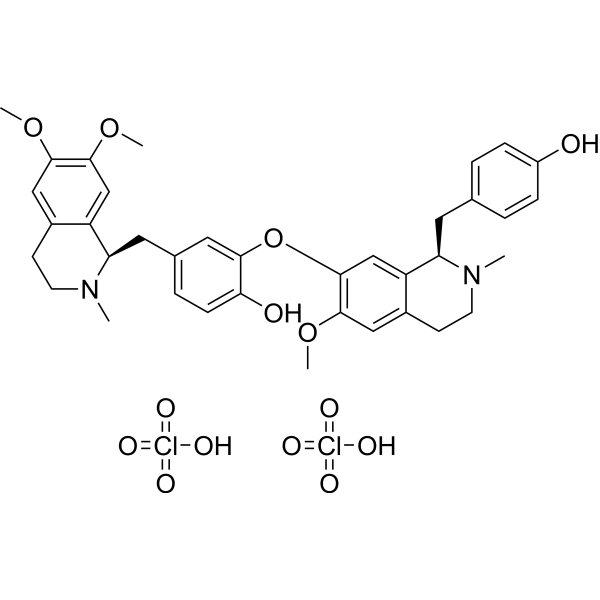
Liensinine Diperchlorate is a major isoquinoline alkaloid, extracted from the seed embryo of Nelumbo nucifera Gaertn. Liensinine Diperchlorate inhibits late-stage autophagy/mitophagy through blocking autophagosome-lysosome fusion. Liensinine Diperchlorate has a wide range of biological activities, including anti-arrhythmias, anti-hypertension, anti-pulmonary fibrosis, relaxation on vascular smooth muscle, etc .
|
-
-
- HY-A0104K
-
|
Hypromellose (Type II,Viscosity:3mPa.s); (Hydroxypropyl)methyl cellulose (Type II,Viscosity:3mPa.s); Celacol HPM 5000 (Type II,Viscosity:3mPa.s)
|
Environmental Pollutants
Biochemical Assay Reagents
|
Others
|
|
HPMC (Type II, Viscosity: 3 mPa.s) is a nonionic polymer prepared via synthetic modification of cellulose. As a hydrophilic matrix material, HPMC prolongs drug release through non-Fickian diffusion, which includes the diffusion of drugs in the hydrated matrix and the polymer relaxation process .
|
-
-
- HY-134004
-
|
Carbetapentane
|
Sigma Receptor
mAChR
|
Neurological Disease
Inflammation/Immunology
|
|
Pentoxyverine (Carbetapentane) is an orally active sigma-1 receptor agonist, with Kis of 41 nM, 894 nM and 75 nM for σ1, σ2 and guinea-pig brain membran σ1, respectively. Pentoxyverine is a muscarinic antagonist. Pentoxyverine is a potent antitussive, anticonvulsant, and spasmolytic agent. Pentoxyverine can be used for inhibiting bronchial interceptor, weakening of cough reflex, bronchial smooth muscle relaxation and reduction of airway resistance .
|
-
-
- HY-B1055
-
|
Carbetapentane citrate
|
Sigma Receptor
mAChR
|
Neurological Disease
Inflammation/Immunology
|
|
Pentoxyverine (Carbetapentane) citrate is an orally active and blood-brain barrier permeability sigma-1 receptor agonist, with Kis of 41 nM, 894 nM and 75 nM for σ1, σ2 and guinea-pig brain membrane σ1, respectively. Pentoxyverine citrate is a muscarinic antagonist. Pentoxyverine citrate is a potent antitussive, anticonvulsant, and spasmolytic agent. Pentoxyverine citrate can be used for inhibiting bronchial interceptor, weakening of cough reflex, bronchial smooth muscle relaxation and reduction of airway resistance .
|
-
-
- HY-N3488
-
|
|
Topoisomerase
Bacterial
Fungal
|
Infection
Cancer
|
|
Isodiospyrin, a natural dimeric naphthoquinone, is a human DNA topoisomerase I (Topoisomerase) inhibitor. Isodiospyrin can prevent both DNA relaxation and kinase activities of human topoisomerase I. Isodiospyrin shows anticancer, antibacterial and antifungal activities .
|
-
-
- HY-A0104B
-
|
Hypromellose (Type I,Viscosity:100mPa.s); (Hydroxypropyl)methyl cellulose (Type I,Viscosity:100mPa.s); Celacol HPM 5000 (Type I,Viscosity:100mPa.s)
|
Environmental Pollutants
Biochemical Assay Reagents
|
Others
|
|
HPMC (Type I, Viscosity: 100 mPa·s) is a nonionic polymer obtained via synthetic modification of cellulose. As a hydrophilic matrix material, HPMC prolongs drug release through non-Fickian diffusion, including the diffusion of drugs within the hydrated matrix and the polymer relaxation process .
|
-
-
- HY-101952R
-
|
PGE2(Standard); Dinoprostone (Standard)
|
Reference Standards
Prostaglandin Receptor
Endogenous Metabolite
|
Cardiovascular Disease
Endocrinology
|
|
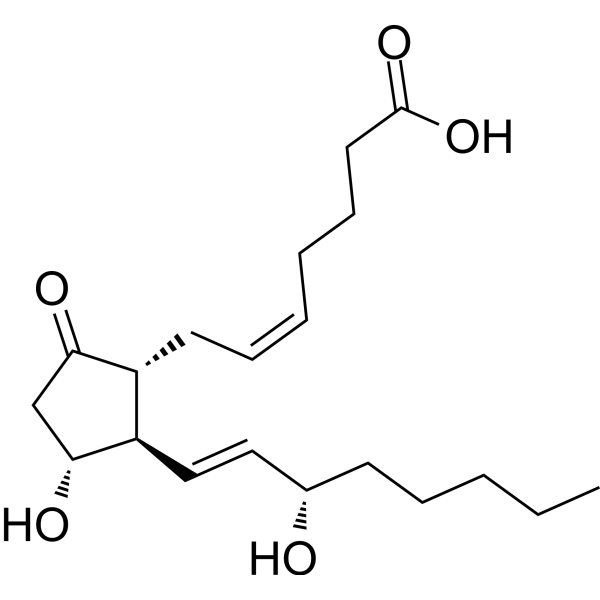
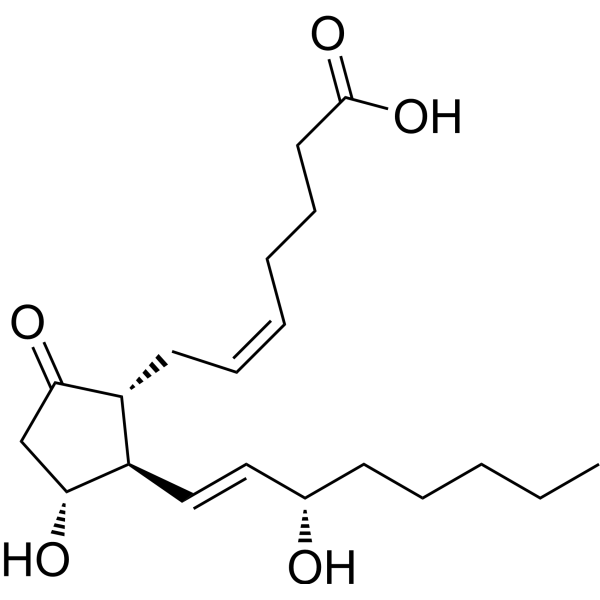
Prostaglandin E2 (Standard) is the analytical standard of Prostaglandin E2. This product is intended for research and analytical applications. Prostaglandin E2 (PGE2) is a hormone-like substance that participate in a wide range of body functions such as the contraction and relaxation of smooth muscle, the dilation and constriction of blood vessels, control of blood pressure, and modulation of inflammation.
|
-
-
- HY-66012
-
|
Proxymetacaine hydrochloride
|
Sodium Channel
|
Neurological Disease
|
|
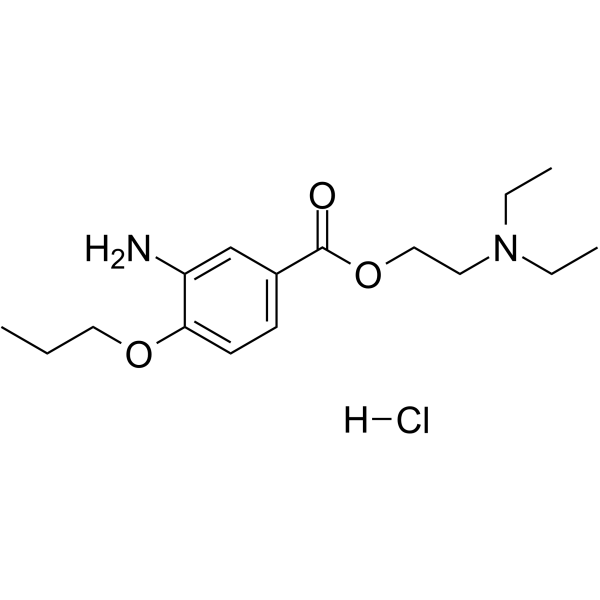
Proparacaine (Proxymetacaine) hydrochloride is a local anesthetic. Proparacaine hydrochloride blocks voltage-gated sodium channels on neuronal cell membranes, thereby inhibiting signal conduction and nociceptive signal transmission. Proparacaine hydrochloride blocks nociceptive signals in the eye and induces ocular muscle relaxation to reduce eye movement during surgery. Proparacaine hydrochloride is used in research related to cataracts .
|
-
-
- HY-101952S
-
|
PGE2-d4; Dinoprostone-d4
|
Prostaglandin Receptor
Endogenous Metabolite
|
Cardiovascular Disease
Endocrinology
|
|
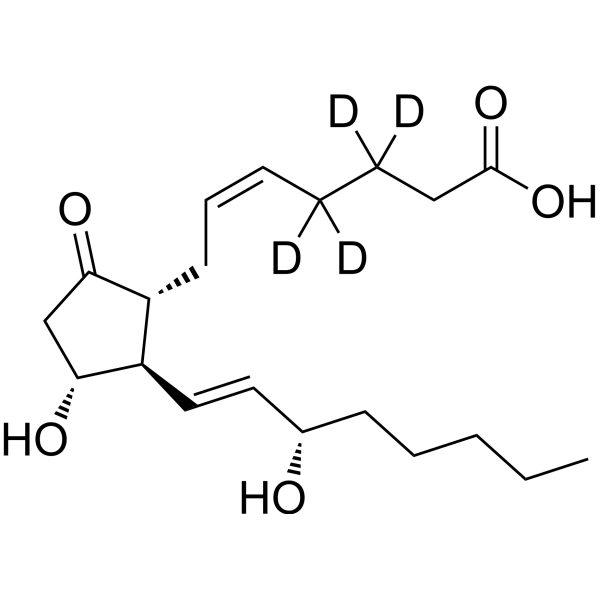
Prostaglandin E2-d4 is the deuterium labeled Prostaglandin E2. Prostaglandin E2 (PGE2) is a hormone-like substance that participate in a wide range of body functions such as the contraction and relaxation of smooth muscle, the dilation and constriction of blood vessels, control of blood pressure, and modulation of inflammation .
|
-
-
- HY-107416
-
|
U-57908
|
DAGL
Acyltransferase
mAChR
COX
Phospholipase
|
Neurological Disease
Metabolic Disease
|
|
RHC 80267 (U-57908) is a potent and selective inhibitor of diacylglycerol lipase (DAGL) (with IC50 of 4 μM in canine platelets). RHC-80267 inhibits cholinesterase activity with an IC50 of 4 μM, thereby enhancing the relaxation evoked by acetylcholine. RHC 80267 also inhibits COX and the hydrolysis of phosphatidylcholine (PC) .
|
-
-
- HY-A0104E
-
|
Hypromellose (Type II,Viscosity:100mPa.s); (Hydroxypropyl)methyl cellulose (Type II,Viscosity:100mPa.s); Celacol HPM 5000 (Type II,Viscosity:100mPa.s)
|
Environmental Pollutants
Biochemical Assay Reagents
|
Others
|
|
HPMC (Hypromellose; (Hydroxypropyl)methyl cellulose; Celacol HPM 5000) (Type II,Viscosity:100mPa.s) is a non-ionic polymer obtained via synthetic modification of cellulose. As a hydrophilic matrix material, HPMC prolongs drug release through non-Fickian diffusion, including the diffusion of drugs in the hydrated matrix and the polymer relaxation process .
|
-
-
- HY-A0104I
-
|
Hypromellose (Type II,Viscosity:100000mPa.s); (Hydroxypropyl)methyl cellulose (Type II,Viscosity:100000mPa.s); Celacol HPM 5000 (Type II,Viscosity:100000mPa.s)
|
Biochemical Assay Reagents
|
Others
|
|
HPMC (Hypromellose; (Hydroxypropyl)methyl cellulose; Celacol HPM 5000) (Type II,Viscosity:100000mPa.s) is a non-ionic polymer obtained via synthetic modification of cellulose. As a hydrophilic matrix material, HPMC prolongs drug release through non-Fickian diffusion, including the diffusion of drugs in the hydrated matrix and the polymer relaxation process .
|
-
-
- HY-137466
-
|
|
Topoisomerase
|
Cancer
|
|
ARN-21934 is a potent, highly selective, blood-brain barrier (BBB) penetrant inhibitor for human topoisomerase II α over β. ARN-21934 inhibits DNA relaxation with an IC50 of 2 μM as compared to the anticancer agent Etoposide (IC50=120 μM). ARN-21934 exhibits a favorable in vivo pharmacokinetic profile and is a promising lead compound for anticancer research .
|
-
-
- HY-161152
-
|
|
DNA/RNA Synthesis
Apoptosis
|
Cancer
|
|
DNA relaxation-IN-1 (Compound 27) is a DNA ligase 1 DNA Lig1) inhibitor. DNA relaxation-IN-1 inhibits DNA ligation and disrupts the DNA relaxing activity of DNA Lig1. DNA relaxation-IN-1 induces Apoptosis. DNA relaxation-IN-1, in combination with Topotecan (HY-13768), exhibits synergistic antiproliferative effects against colorectal cancer .
|
-
-
- HY-N10495
-
|
|
Antibiotic
Bacterial
Topoisomerase
|
Infection
|
|
Seconeolitsine, an antibiotic, and is an inhibitor of targeting topoisomerase I (TopA). Seconeolitsine also is a new antimicrobial agent that can inhibit S. pneumoniae growth. Seconeolitsine can inhibit TopA relaxation activity with an IC50 value of 17 μM. Seconeolitsine can be used for the research of S. pneumoniae infections resistant to other antibiotics .
|
-
-
- HY-B1481
-
|
Isoetarine mesylate
|
Adrenergic Receptor
|
Cardiovascular Disease
Inflammation/Immunology
|
|
Isoetharine (Isoetarine) mesylate is an orally active selective agonist of β-adrenergic receptors. Isoetharine mesylate is a catechol-like agent and catechol O-methyltransferase (COMT) mediates its methylation. Isoetharine mesylate can promote the production of cAMP which stimulates the relaxation of smooth muscle cells and can be used as an emphysema, bronchitis and bronchodilator .
|
-
-
- HY-101952S1
-
-
-
- HY-W012980R
-
|
|
Reference Standards
Endogenous Metabolite
AMPK
PKA
|
Metabolic Disease
|
|
Isovaleric acid (Standard) is the analytical standard of Isovaleric acid. This product is intended for research and analytical applications. Isovaleric acid is an oral active short-chain fatty acid that inhibits osteoclast differentiation by stimulating AMPK phosphorylation and promotes colonic smooth muscle relaxation by activating the cAMP/PKA pathway. Isovaleric acid can be used in research on skeletal diseases (such as osteoporosis) and intestinal disorders .
|
-
-
- HY-14464
-
-
-
- HY-18351A
-
|
LMP-400 hydrochloride; NSC-724998 hydrochloride
|
Topoisomerase
|
Infection
Cancer
|
|
Indotecan hydrochloride, an indenoisoquinoline derivative, is a potent Topoisomerase I inhibitor, with IC50s of 300, 1200, 560 nM for P388, HCT116, MCF-7 cell lines, respectively. Indotecan hydrochloride prevents the relaxation of supercoiled DNA and can be used for the research of visceral leishmaniasis .
|
-
-
- HY-B1283
-
|
|
iGluR
|
Neurological Disease
|
|
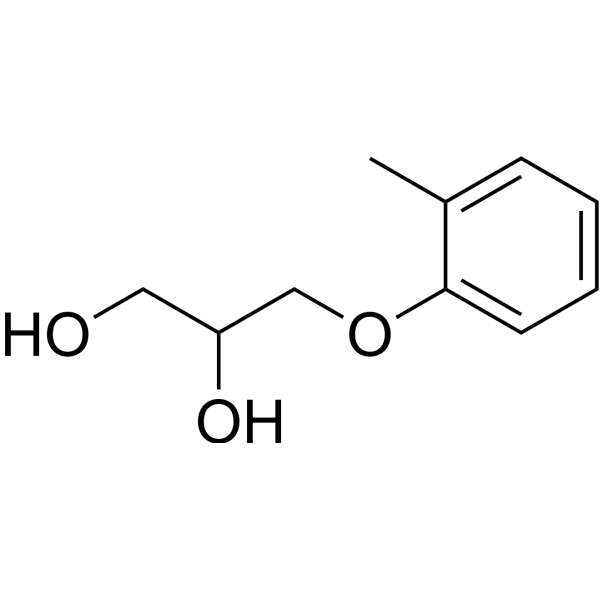
Mephenesin is an NMDA receptor antagonist. Mephenesin is also a central muscle relaxant with antianxiety, muscle-paralyzing and anticonvulsant effects. Mephenesin acts directly on the skeletal muscle fibres to produce skeletal muscle relaxation. Mephenesin is promising for research of spasticity or painful muscle spasm .
|
-
-
- HY-120954
-
|
|
Endogenous Metabolite
|
Cardiovascular Disease
|
|
14,15-EE-5(Z)-E is a structural analogue of 14, 15-epoxide dicartrienoic acid (14,15-EET). 14,15-EE-5(Z)-E antagonizes the relaxation of vascular smooth muscle induced by EET .
|
-
-
- HY-110137A
-
|
DB75; NSC 305831
|
Histone Methyltransferase
Phosphodiesterase (PDE)
Parasite
|
Infection
Inflammation/Immunology
Cancer
|
|
Furamidine (DB75) is a selective protein arginine methyltransferase 1 (PRMT1) inhibitor with an IC50 of 9.4 μM. Furamidine is selective for PRMT1 over PRMT5, PRMT6, and PRMT4 (CARM1) (IC50s of 166 µM, 283 µM, and >400 µM, respectively). Furamidine is a potent, reversible and competitive tyrosyl-DNA phosphodiesterase 1 (TDP-1) inhibitor. Inhibition of TDP-1 by Furamidine is effective both with single- and double-stranded DNA substrates but is slightly stronger with the duplex DNA. Furamidine is also an antiparasite agent .
|
-
-
- HY-N2646
-
|
|
Fungal
|
Infection
|
|
5-Heptadec-cis-8-enylresorcinol is a 5-alkylresorcinol that can be isolated from etiolated rice seedlings. 5-Heptadec-cis-8-enylresorcinol is an antifungal agent against the rice blast fungus. 5-Heptadec-cis-8-enylresorcinol mediates DNA relaxation .
|
-
-
- HY-148516A
-
|
|
Myosin
|
Neurological Disease
|
|
(R)-MPH-220 is the R isomer of MPH-220 (HY-148516). MPH-220 is a selective and orally active inhibitor of skeletal muscle myosin-2. MPH-220 enables muscle relaxation. MPH-220 is anti-spastic agent that can be used in the research of spasticity and muscle stiffness .
|
-
-
- HY-N10881
-
|
|
Others
|
Cardiovascular Disease
|
|
Dihydrocurcumenone is a carabrane-type sesquiterpene. Dihydrocurcumenone can be isolated from Curcuma zedoaria, and the common form is 4-dihydrocurcumenone. Curcuma zedoaria sesquiterpene has vascular relaxation activity. 4-dihydrocurcumenone can inhibit the high concentration of K + induced constriction of isolated rat aortic strips .
|
-
-
- HY-B1481A
-
|
Isoetarine
|
Adrenergic Receptor
|
Cardiovascular Disease
Inflammation/Immunology
|
|
Isoetharine (Isoetarine) is an orally active selective agonist of β-adrenergic receptors. Isoetharine is a catechol-like agent and catechol O-methyltransferase (COMT) mediates its methylation. Isoetharine can promote the production of cAMP which stimulates the relaxation of smooth muscle cells and can be used as an emphysema, bronchitis and bronchodilator .
|
-
-
- HY-176525
-
|
|
Phospholipase
|
Inflammation/Immunology
|
|
PLC-β-IN-1 (Compound 8a) is a PLCβ inhibitor. PLC-β-IN-1 exerts anti-airway contraction activity by inhibiting PLCβ and its downstream signaling pathways, and can enhance the airway relaxation effect of β-agonists. PLC-β-IN-1 can be used in the study of asthma .
|
-
-
- HY-P1016
-
|
|
Endothelin Receptor
|
Cardiovascular Disease
|
|
BQ-3020 is a selective endothelin receptor (ETB receptor) agonist that displaces [ 125I] ET-1 binding to ETB receptors, with an IC50 value of 0.2 nM. BQ-3020 elicits vasoconstriction in the rabbit pulmonary artery. BQ-3020 makes relaxation of the pig urinary bladder neck and can be used for cardiovascular disease research 1 2.
|
-
-
- HY-19116
-
|
|
Potassium Channel
|
Neurological Disease
Metabolic Disease
|
|
KRN-2391 is a KATP channel opener with NO donor properties. KRN-2391 exerts dual inhibitory effects on overactive bladder (OAB) by activating KATP channels (causing cellular hyperpolarization and bladder smooth muscle relaxation) and releasing NO (enhancing relaxation via cGMP pathways). KRN-2391 is promising for research of OAB .
|
-
-
- HY-G0008A
-
|
Mebeverine metabolite O-desmethyl Mebeverine alcohol hydrochloride
|
Adrenergic Receptor
Drug Metabolite
|
Metabolic Disease
|
|
O-Desmethyl Mebeverine alcohol hydrochloride is a metabolite of Mebeverine, which is a potent α1 repector inhibitor, causing relaxation of the gastrointestinal tract.
|
-
-
- HY-G0008
-
|
Mebeverine metabolite O-desmethyl Mebeverine alcohol
|
Adrenergic Receptor
Drug Metabolite
|
Metabolic Disease
|
|
O-Desmethyl Mebeverine alcohol is a metabolite of Mebeverine, which is a potent α1 repector inhibitor, causing relaxation of the gastrointestinal tract.
|
-
-
- HY-19548
-
|
|
Arginase
|
Endocrinology
|
|
BEC, an arginine analogue, is a slow-binding competitive inhibitor of the binuclear manganese metalloenzyme arginase. BEC enhances substrate flux to NO synthase, thereby enhancing NO-dependent smooth muscle relaxation in the corpus cavernosum, and enhances penile erection .
|
-
-
- HY-136520A
-
|
|
Phosphodiesterase (PDE)
|
Metabolic Disease
|
|
(R)-Xanthoanthrafil is a phosphodiesterase-5 (PDE5) inhibitor. (R)-Xanthoanthrafil selectively inhibits PDE5, increasing cyclic guanosine monophosphate (cGMP) levels, leading to smooth muscle relaxation and promoting penile erection. (R)-Xanthoanthrafil can be used to study erectile dysfunction .
|
-
-
- HY-N1620
-
-
-
- HY-105138
-
|
(6R)-BG9719; (6R)-CVT-124
|
Adenosine Receptor
|
Cardiovascular Disease
|
|
(6R)-Naxifylline ((6R)-BG9719) (ENX R-enantiomer) is the R-enantiomer of Naxifylline (HY-19240). (6R)-Naxifylline is a A1-adenosine antagonist with saluretic activity. (6R)-Naxifylline induces relaxation of spontaneous tone in guinea pig trachea .
|
-
-
- HY-114218
-
|
|
Phosphodiesterase (PDE)
|
Cardiovascular Disease
Inflammation/Immunology
|
|
BL-122 is a selective phosphodiesterase-5 (PDE-5) inhibitor. BL-122 can increase the level of cGMP in the tissue, promote the expression of nitric oxide (NO), and mediate the relaxation of smooth muscle. BL-122 can be used for the researches of inflammation, immunology and cardiovascular disease, such as asthma and hypertension .
|
-
-
- HY-147384
-
|
|
Calcium Channel
|
Cardiovascular Disease
|
|
CXL-1020 is a hydroxylamine-based nitroxyl (HNO) donor. CXL-1020 improves cardiac inotropy/lusitropy and Ca 2+ cycling in rats with abnormal relaxation. CXL-1020 induces vasorelaxation and improves cardiac function in canine models. CXL-1020 has been used to research systolic heart failure and stable heart failure .
|
-
- HY-107022
-
|
|
Phosphodiesterase (PDE)
|
Neurological Disease
|
|
BMS-341400 is an orally active selective phosphodiesterase 5 (PDE5) inhibitor with an IC50 value of 0.3 nM. BMS-341400 reduces the degradation of cyclic guanosine monophosphate (cGMP), thereby enhancing nitric oxide (NO)-mediated relaxation of the smooth muscle of the corpus cavernosum and promoting erection. BMS-341400 can be used to study erectile dysfunction.
|
-
- HY-165440
-
|
MK130
|
5-HT Receptor
Parasite
|
Infection
Neurological Disease
|
|
Cyclobenzaprine (MK130) is an orally active 5-HT2 receptor antagonist. Cyclobenzaprine acts centrally, providing skeletal muscle relaxation, alleviating muscle spasms, and reducing pain. Cyclobenzaprine also possesses antiparasitic activity. Cyclobenzaprine holds promise for research in the fields of acute, painful skeletal muscle disorders and infectious diseases .
|
-
- HY-106684
-
|
|
Adrenergic Receptor
|
Cardiovascular Disease
|
|
Ridazolol is a β-adrenergic receptor (βAR) antagonist. Ridazolol exhibits a high degree of selectivity for β-1 adrenergic receptor (β1AR) and possesses moderate intrinsic sympathomimetic activity (ISA). Ridazolol can competitively antagonize the relaxation effects induced by isoproterenol. Ridazolol is utilized in the research of cardiovascular diseases .
|
-
- HY-124950
-
|
GR114297A
|
Adrenergic Receptor
|
Others
|
|
Picumeterol (GR114297A) is a potent and selective β2-adrenoceptor agonist with bronchodilator and anti-bronchoconstrictor effects. Picumeterol produces long-lasting relaxation of airways smooth muscle both in vitro and in vivo. Picumeterol is cleared from plasma through a rapid and extensive hepatic metabolism. Picumeterol is proming for rasearch of asthma and related diseases .
|
-
- HY-129445
-
|
|
Potassium Channel
|
Cardiovascular Disease
|
|
SG-209 is a Nicorandil (HY-B0341) derivative that produces relaxation through potassium channel activation, while this action contributes to the vasodilating action of Nicorandil (HY-B0341) at higher concentrations. SG-209 dilates tracheal smooth muscle and increases tracheal blood flow in anesthetized dogs .
|
-
- HY-117657
-
|
|
Topoisomerase
Bacterial
|
Inflammation/Immunology
Cancer
|
|
(-)-BO 2367, an antimicrobial quinolone, is a strong mammalian and bacterial topoisomerase II inhibitor. (-)-BO 2367 shows IC50 values with 3.8 μM, 0.5 μM, and 1 μM against the DNA relaxation activity of L1210 topoisomerase II and the supercoiling activities of Escherichia coli gyrase and Micrococcus luteus gyrase, respectively. (-)-BO 2367 is a potent antitumor agent .
|
-
- HY-134004R
-
|
Carbetapentane (Standard)
|
Reference Standards
Sigma Receptor
mAChR
|
Neurological Disease
Inflammation/Immunology
|
|
Pentoxyverine (Standard) is the analytical standard of Pentoxyverine. This product is intended for research and analytical applications. Pentoxyverine (Carbetapentane) is an orally active sigma-1 receptor agonist, with Kis of 41 nM, 894 nM and 75 nM for σ1, σ2 and guinea-pig brain membran σ1, respectively. Pentoxyverine is a muscarinic antagonist. Pentoxyverine is a potent antitussive, anticonvulsant, and spasmolytic agent. Pentoxyverine can be used for inhibiting bronchial interceptor, weakening of cough reflex, bronchial smooth muscle relaxation and reduction of airway resistance .
|
-
- HY-121146
-
-
- HY-B1055R
-
|
Carbetapentane citrate (Standard)
|
Reference Standards
Sigma Receptor
mAChR
|
Neurological Disease
Inflammation/Immunology
|
|
Pentoxyverine (citrate) (Standard) is the analytical standard of Pentoxyverine (citrate). This product is intended for research and analytical applications. Pentoxyverine (Carbetapentane) citrate is an orally active sigma-1 receptor agonist, with Kis of 41 nM, 894 nM and 75 nM for σ1, σ2 and guinea-pig brain membrane σ1, respectively. Pentoxyverine citrate is a muscarinic antagonist. Pentoxyverine citrate is a potent antitussive, anticonvulsant, and spasmolytic agent. Pentoxyverine citrate can be used for inhibiting bronchial interceptor, weakening of cough reflex, bronchial smooth muscle relaxation and reduction of airway resistance [4].
|
-
- HY-P4766
-
|
|
CGRP Receptor
|
Cardiovascular Disease
|
|
Adrenomedullin (porcine) is a peptide that regulates vasodilation. Adrenomedullin (porcine) induces endothelium-dependent relaxation in rat aorta with IC50 value of 2.4 nM. Adrenomedullin (porcine) induces endothelium-independent relaxation of porcine coronary arteries with an IC50 of 27.6 nM .
|
-
- HY-130673
-
|
|
NO Synthase
|
Cardiovascular Disease
|
|
L-NABE is a nitric oxide (NO) synthase inhibitor. L-NABE is also a potent endothelium dependent vasoconstrictor and inhibitor of relaxation .
|
-
- HY-103148
-
|
|
5-HT Receptor
|
Neurological Disease
|
|
LY215840, a 5-HT7 receptor ligand and a 5-HT2 receptor antagonist, blocks serotonin-induced relaxation in canine coronary artery .
|
-
- HY-106908
-
|
WAY-PDA 641
|
Phosphodiesterase (PDE)
|
Inflammation/Immunology
|
|
WAY-PDA 641 is a potent and preferential PDE-IV inhibitor, with an IC50 of 0.42 μM for canine trachealis PDE-IV. WAY-PDA 641 induces respiratory muscle relaxation and bronchodilation .
|
-
- HY-114948
-
|
|
Adrenergic Receptor
|
Endocrinology
|
|
Rimiterol is a selective β2-adrenergic receptor agonist. Rimiterol activates adenylate cyclase and elevates intracellular cAMP levels to cause smooth muscle relaxation. Rimiterol is promising for research of asthma .
|
-
- HY-N8444
-
|
|
Interleukin Related
|
Cardiovascular Disease
|
|
Triptoquinone A, an interleukin 1 inhibitor, inhibits endomycin (LPS) or interleukin (IL-1β)-promoted induction of nitric oxide synthase (NOS) in vascular smooth muscle, thereby inhibiting Arg-induced vascular relaxation .
|
-
- HY-101826A
-
|
|
Phosphodiesterase (PDE)
|
Cancer
|
|
ER21355 hydrochloride is the hydrochloride form of ER21355 (HY-101826). ER21355 hydrochloride is an inhibitor for phosphodiesterase (PDE), which is potent for ameliorating benign prostatic hyperplasia (BPH) and prostatism through increasing levels of cAMP and cGMP, and resulting a relaxation of the smooth muscle cell .
|
-
- HY-124363
-
-
- HY-120540
-
|
|
Potassium Channel
|
Cardiovascular Disease
|
|
BMS-182264 is a highly selective ATP-sensitive potassium channel agonist. BMS-182264 promotes potassium efflux and membrane hyperpolarization to induce smooth muscle relaxation and vasodilation. BMS-182264 is promising for research of cardiovascular diseases such as hypertension and myocardial ischemia .
|
-
- HY-162511
-
|
|
Dopamine Transporter
Serotonin Transporter
|
Others
|
|
IP2015 is an inhibitor for monoamine reuptake, that inhibits the reuptake of dopamine, serotonin (5-HT), and noradrenaline. IP2015 increases release of central dopamine and peripheral nitric oxide (NO), causes the NO-mediated relaxation of erectile tissue, and thus induces erection in rat model .
|
-
- HY-142972
-
|
|
Prostaglandin Receptor
|
Cardiovascular Disease
|
|
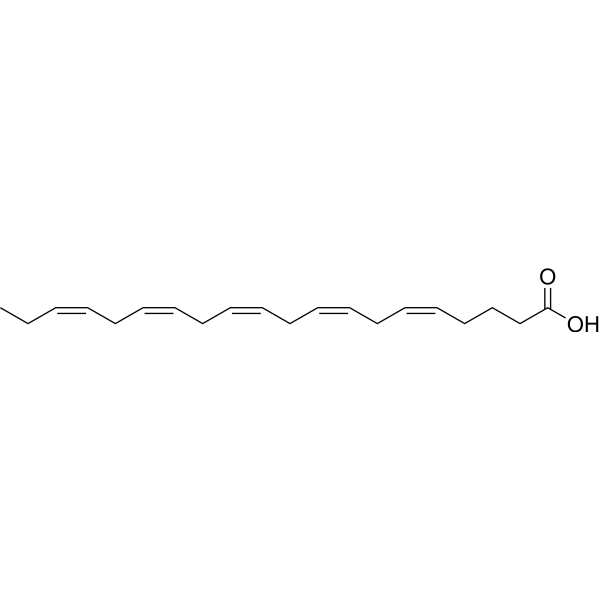
19(S)-HETE is an arachidonic acid metabolite produced by cytochrome P450 enzymes. 19(S)-HETE is a full orthosteric agonist of the prostacyclin (IP) receptor with an EC50 value of 567 nM. 19(S)-HETE inhibits platelet activation and relaxation of vessels .
|
-
- HY-P10549
-
|
|
Endogenous Metabolite
|
Neurological Disease
|
|
NGFFFamide is a muscle-active neuropeptide found in sea urchins. NGFFFamide regulates muscle activity by directly interacting with receptor proteins on muscle cells, or indirectly by stimulating nerves or other cell types to release muscle-active factors. NGFFFamide can be used to study muscle contraction and relaxation .
|
-
- HY-169871
-
|
|
iGluR
|
Neurological Disease
|
|
Argiotoxin 636 is a toxin and the non-specific, non-competitive, and potent ionotropic glutamate receptor (iGluR) antagonist. Argiotoxin 636 blocks excitatory synaptic transmission in neurons and has paralysis and muscle relaxation effects. Argiotoxin 636 can be used in the study of nervous system diseases .
|
-
- HY-128043
-
|
AY-23578; Doproston B; 11-Deoxy-PGE1
|
Prostaglandin Receptor
|
Inflammation/Immunology
|
|
11-Deoxy prostaglandin E1 (AY-23578; Doproston B) is an analog of prostaglandin E1 (PGE1) with bronchodilator activity. 11-Deoxy prostaglandin E1 inhibits histamine-induced bronchoconstriction and causes relaxation of tracheal strips in isolated guinea pigs .
|
-
- HY-172522
-
|
|
Biochemical Assay Reagents
|
Cardiovascular Disease
|
|
(±)11(12)-DiHET can be converted to a metabolite – 7,8-dihydroxy-hexadecadienoic acid (DHHD). (±)11(12)-DiHET is able to produce relaxation in porcine coronary artery rings. (±)11(12)-DiHET can be studied in research about arterial smooth muscle metabolism .
|
-
- HY-110137R
-
|
DB75 dihydrochloride (Standard); NSC 305831 dihydrochloride (Standard)
|
Histone Methyltransferase
Phosphodiesterase (PDE)
Parasite
Reference Standards
|
Infection
Inflammation/Immunology
Cancer
|
|
Furamidine (dihydrochloride) (Standard) is the analytical standard of Furamidine (dihydrochloride). This product is intended for research and analytical applications. Furamidine dihydrochloride (DB75 dihydrochloride) is a selective protein arginine methyltransferase 1 (PRMT1) inhibitor with an IC50 of 9.4 μM. Furamidine dihydrochloride is selective for PRMT1 over PRMT5, PRMT6, and PRMT4 (CARM1) (IC50s of 166 μM, 283 μM, and >400 μM, respectively). Furamidine dihydrochloride is a potent, reversible and competitive tyrosyl-DNA phosphodiesterase 1 (TDP-1) inhibitor. Inhibition of TDP-1 by Furamidine dihydrochloride is effective both with single- and double-stranded DNA substrates but is slightly stronger with the duplex DNA. Furamidine dihydrochloride is also an antiparasite agent .
|
-
- HY-171187
-
|
CL 13580
|
Carbonic Anhydrase
|
Cancer
|
|
Chlorzolamide (CL 13580) is a carbonic anhydrase (CA) inhibitor. Chlorzolamide has an effect on the skeletal muscle of rats, which can reduce the tetanic contraction force of soleus and extensor digitorum longus and prolong the relaxation time and peak time of muscle contraction. In addition, Chlorzolamide inhibits tumor cell proliferation and has antitumor activity .
|
-
- HY-14780
-
|
NXL 101
|
Antibiotic
Topoisomerase
DNA/RNA Synthesis
Bacterial
|
Infection
|
|
Viquidacin (NXL 101) is an antibiotic with inhibitory activity against topoisomerase IV and DNA gyrase. Viquidacin exhibits antibacterial activity against gram positive bacterial by inhibiting the supercoiling, decatenation and relaxation in strains Staphylococcus aureus and Escherichia coli in micromolar levels. Viquidacin inhibits S. aureus wildtype and mutants with MIC of 2-128 mg/L .
|
-
- HY-19641
-
|
|
Biochemical Assay Reagents
Prostaglandin Receptor
|
Others
|
|
AH13205 is a selective prostanoid EP2-receptor agonist. AH13205 causes concentration-related relaxations of Carbachol (HY-B1208)-contracted trachea. AH13205 causes dose-related protection against Histamine (HY-B1204)-induced increases in respiratory rate .
|
-
- HY-167091
-
|
(Rac)-TRK-100 free acid; (Rac)-ML 1229
|
Prostaglandin Receptor
|
Cardiovascular Disease
|
|
(Rac)-Beraprost ((Rac)-ML 1229) is an orally active prostacyclin analog that inhibits the release of Ca 2+ from intracellular storage sites by binding to prostacyclin membrane receptors (Prostaglandin Receptor), leading to relaxation of smooth muscle cells and vasodilation. Beraprost has vasodilatory, antiplatelet, and cytoprotective effects, making it promising for research in the field of cardiovascular diseases, such as thromboangiitis obliterans and atherosclerosis .
|
-
- HY-129210
-
|
|
Phosphodiesterase (PDE)
Potassium Channel
|
Cardiovascular Disease
|
|
KMUP-4, as a xanthine derivative with cGMP-enhancing activity, induces aortic relaxation through endothelium-dependent and independent mechanisms. KMUP-4 increases cytoplasmic cyclic guanosine monophosphate (cGMP) and cyclic adenosine monophosphate (cAMP) levels by inhibiting phosphodiesterases (PDEs) and activating K + channels. KMUP-4 can be used in the study of cardiovascular diseases .
|
-
- HY-B1283S
-
|
|
Isotope-Labeled Compounds
iGluR
|
Neurological Disease
|
|
Mephenesin-d3 is deuterium labeled Mephenesin. Mephenesin is an NMDA receptor antagonist. Mephenesin is also a central muscle relaxant with antianxiety, muscle-paralyzing and anticonvulsant effects. Mephenesin acts directly on the skeletal muscle fibres to produce skeletal muscle relaxation. Mephenesin is promising for research of spasticity or painful muscle spasm .
|
-
- HY-W127670
-
|
|
Biochemical Assay Reagents
|
Others
|
|
Decamethonium (iodide) is an organic compound containing ammonium and iodide ions. It is commonly used as a neuromuscular blocking agent in anesthesia to induce muscle relaxation during surgery. Decamethonium Iodide acts by binding to nicotinic acetylcholine receptors (nAChRs) in the neuromuscular junction, causing depolarization block and subsequent skeletal muscle paralysis. In addition, it can also serve as a reference standard for pharmacological studies of nAChRs.
|
-
- HY-19078
-
|
|
Prostaglandin Receptor
|
Cardiovascular Disease
|
|
SQ-30741 is a thromboxane A2 receptor antagonist. SQ-30741 reduces vasoconstriction in a feline pulmonary vascular bed model. SQ-30741 increases relaxation of aortic endothelium and vascular smooth muscle in adult rats in a spontaneously hypertensive rat model. SQ-30741 can be used in research on cardiovascular diseases such as hypertension .
|
-
- HY-107022A
-
|
|
Phosphodiesterase (PDE)
|
Neurological Disease
|
|
BMS-341400 mesylate is a selective phosphodiesterase 5 (PDE5) inhibitor with an IC50 value of 0.3 nM. BMS-341400 mesylate reduces the degradation of cyclic guanosine monophosphate (cGMP), thereby enhancing nitric oxide (NO)-mediated relaxation of the smooth muscle of the corpus cavernosum and promoting erection. BMS-341400 mesylate can be used to study erectile dysfunction .
|
-
- HY-B1205B
-
|
Tropine tropate hydrobromide; DL-Hyoscyamine hydrobromide
|
mAChR
|
Cardiovascular Disease
Neurological Disease
Cancer
|
|
Atropine (Tropine tropate) hydrobromide is a competitive muscarinic acetylcholine receptor (mAChR) antagonist with IC50 values of 0.39 and 0.71 nM for Human mAChR M4 and Chicken mAChR M4, respectively. Atropine hydrobromide inhibits ACh-induced relaxations in human pulmonary veins. Atropine hydrobromide can be used for research of anti-myopia and bradycardia .
|
-
- HY-66012R
-
|
Proxymetacaine hydrochloride (Standard)
|
Reference Standards
Sodium Channel
|
Neurological Disease
|
|
Proparacaine (Hydrochloride) (Standard) is the analytical standard of Proparacaine (Hydrochloride). This product is intended for research and analytical applications. Proparacaine hydrochloride is a local anesthetic. Proparacaine hydrochloride blocks voltage-gated sodium channels on neuronal cell membranes, thereby inhibiting signal conduction and nociceptive signal transmission. Proparacaine hydrochloride blocks nociceptive signals in the eye and induces ocular muscle relaxation to reduce eye movement during surgery. Proparacaine hydrochloride is used in research related to cataracts.
|
-
- HY-167203
-
|
|
Calcium Channel
|
Cardiovascular Disease
|
|
AJG049 free base is a calcium channel (Ca 2+ channel) antagonist. AJG049 free base regulates vascular relaxation, reduces cardiac load, and improves cardiac perfusion by binding to the binding site of L-type calcium channels, specifically Diltiazem (HY-B0632). AJG049 free base can be used in cardiovascular disease research .
|
-
- HY-77785R
-
|
5-Chloro-2-aminobenzophenone (Standard)
|
Biochemical Assay Reagents
Reference Standards
|
Others
|
|
2-Amino-5-chlorobenzophenone (Standard) is the analytical standard of 2-Amino-5-chlorobenzophenone. This product is intended for research and analytical applications. 2-Amino-5-chlorobenzophenone is a substituted benzophenone and can be used in the synthesis of benzodiazepines. The 2-Amino-5-chlorobenzophenone derivative has skeletal muscle relaxation activity.
|
-
- HY-106684A
-
|
|
Adrenergic Receptor
|
Cardiovascular Disease
|
|
Ridazolol hydrochloride is a β-adrenergic receptor (βAR) antagonist. Ridazolol hydrochloride exhibits a high degree of selectivity for β-1 adrenergic receptor (β1AR) and possesses moderate intrinsic sympathomimetic activity (ISA). Ridazolol hydrochloride can competitively antagonize the relaxation effects induced by isoproterenol. Ridazolol hydrochloride is utilized in the research of cardiovascular diseases .
|
-
- HY-W982613
-
|
|
Phosphodiesterase (PDE)
|
Inflammation/Immunology
|
|
SCA-40 is a vasodilator for bronchial smooth muscle. SCA-40 produces biphasic relaxation on bronchi with spontaneous tension, and the relaxation effect is not inhibited by various potassium channel blockers. SCA-40 can be used for research on bronchial conditions .
|
-
- HY-182640
-
|
|
Adrenergic Receptor
|
Cardiovascular Disease
Metabolic Disease
Inflammation/Immunology
|
|
SM-11044 is a β-adrenoceptor agonist with Ki values of 18.1 μM (β1), 4.1 μM (β2) and 1.3 μM (β3), showing higher binding selectivity for the β3-adrenoceptor. SM-11044 stimulates cAMP accumulation in cells expressing this receptor. SM-11044 mediates ileal relaxation, tracheal relaxation, pulmonary parenchymal relaxation, increased right atrial heart rate and adipocyte lipolysis .
|
-
- HY-B1700B
-
-
- HY-19122
-
|
|
Opioid Receptor
|
Metabolic Disease
|
|
JO-1870 hydrochloride is a selective opioid receptor agonist. JO-1870 hydrochloride exerts bladder relaxation via activation of opioid receptors. JO-1870 hydrochloride is promising for research of urinary incontinence .
|
-
- HY-165005A
-
|
|
Drug Derivative
|
Cardiovascular Disease
|
|
(±) 14 (15)-EET Methyl ester (Compound 14,15-EET-Me) is a 14,15-EET (HY-113489) analog and vasodilatory agonist. (±) 14 (15)-EET Methyl ester induces relaxation of precontracted bovine coronary arteries .
|
-
- HY-124950A
-
|
(+)-GR114297A
|
Drug Isomer
|
Metabolic Disease
|
|
(+)-Picumeterol is a configurations of Picumeterol (HY-124950). Picumeterol is a potent and selective β2-adrenoceptor agonist with bronchodilator and anti-bronchoconstrictor effects .
|
-
- HY-114797
-
|
|
Phosphodiesterase (PDE)
|
Endocrinology
|
|
PDE5-IN-16 is a selective phosphodiesterase type 5 (PDE5) inhibitor with an IC50 of 0.8 nM. PDE5-IN-16 enhances the relaxation of corpus cavernosum tissue strips. PDE5-IN-16 is applicable for the research of erectile dysfunction .
|
-
- HY-180792
-
|
|
Myosin
|
Inflammation/Immunology
|
|
CK-571 is a potent and selective inhibitor of smooth muscle myosin-2 (SMM), with an IC50 value of 86 nM. CK-571 exhibits IC50 values for cardiac muscle myosin (CMM), skeletal muscle myosin (SKM), and non-muscle myosin-2A (NMM-2A) of 2.3, 42, and 0.58 μM, respectively. CK-571 can be used for research on asthma, chronic obstructive pulmonary disease, and other smooth muscle-related diseases .
|
-
- HY-66012A
-
|
Proxymetacaine
|
Sodium Channel
|
Neurological Disease
|
|
Proparacaine (Proxymetacaine) is a local anesthetic. Proparacaine blocks voltage-gated sodium channels on neuronal cell membranes, thereby inhibiting signal conduction and nociceptive signal transmission. Proparacaine blocks nociceptive signals in the eye and induces ocular muscle relaxation to reduce eye movement during surgery. Proparacaine is used in research related to cataracts .
|
-
- HY-120053
-
|
|
5-HT Receptor
|
Inflammation/Immunology
|
|
SC-53606 is a potent and selective 5-HT4 receptor antagonist, with a pA2 value of 8.13. SC-53606 acts as an antagonist of 5-HT4 receptor-mediated relaxation of Carbachol (HY-B1208)-induced contractions .
|
-
- HY-101325B
-
|
|
Adrenergic Receptor
|
Cardiovascular Disease
Metabolic Disease
|
|
BRL-37344 is a β-adrenoceptor agonist with EC50 values of 5.3, 18 and 570 nM for β3, β2 and β1. BRL-37344 induces concentration-dependent increases in atria1 rate, relaxation of guinea pig trachea and lipolysis of brown adipocytes .
|
-
- HY-N11538
-
|
|
Others
|
Inflammation/Immunology
|
|
Quercetin-3-O-(2′′-O-galloyl)-β-D-glucopyranoside is a orally active phenolic compound that can be isolated from the Geranium species. Quercetin-3-O-(2′′-O-galloyl)-β-D-glucopyranoside has anti-inflammatory activities and has potential application in edema and aortic endothelium-dependent relaxation injury .
|
-
- HY-118689
-
|
|
Potassium Channel
|
Cardiovascular Disease
Neurological Disease
Inflammation/Immunology
|
|
RA-2 is a negative-gating modulator of KCa2/3 channels with an IC50 of 17 nM. RA-2 inhibits bradykinin-induced endothelium-derived hyperpolarization (EDH)-type relaxation in U46619-precontracted rings. RA-2 can help to define the physiologic and pathomechanistic roles of KCa2/3 in the vasculature, central nervous system, and during inflammation .
|
-
- HY-103316
-
|
|
Calcium Channel
|
Cardiovascular Disease
Inflammation/Immunology
|
|
trans-Ned 19 is a NAADP antagonist and TPC blocker. trans-Ned 19 suppresses the calcium signal and the rat aorta relaxation in response to low histamine concentrations. trans-Ned 19 increases the spontaneous acrosome reaction rate, alleviates anti-CD3 mAb-induced intestinal inflammation, and improves kidney damage in mice with nephrotoxic serum nephritis .
|
-
- HY-10061
-
|
AZD-3355
|
GABA Receptor
|
Metabolic Disease
|
|
Lesogaberan (AZD-3355) is a potent and selective GABAB receptor agonist with an EC50 of 8.6 nM for human recombinant GABAB receptors. The affinity (Kis) of Lesogaberan for rat GABAB and GABAA receptors, as measured by displacement of [ 3H]GABA binding in brain membranes: 5.1 nM and 1.4 μM, respectively. Lesogaberan inhibits transient lower esophageal sphincter relaxation through a peripheral mode of action .
|
-
- HY-P10979
-
|
|
Neuropeptide S Receptor
|
Neurological Disease
|
|
Buccalin is a neuropeptide that colocalizes with small molecule cardioactive peptides in neuronal B15. When exogenously applied to the ARC neuromuscular junction, Buccalin reduces the amplitude of muscle contraction induced by motor neuron firing and acts only presynaptically. Buccalin has no effect on the rate of muscle relaxation and reduces motor neuron-induced ARC excitatory junction potentials without affecting contraction produced by direct acetylcholine action on the muscle .
|
-
- HY-182613
-
|
|
|
Cardiovascular Disease
|
|
NSC-2888 is a Rho kinase II (ROCK-II) inhibitor with an IC50 of 8.4 nM against human targets. NSC-2888 inhibits enzymatic activity by binding to active site amino acids via hydrogen bonds and hydrophobic interactions. NSC-2888 induces relaxation of pre-contracted rat aortic strips. NSC-2888 can be used in research related to hypertension .
|
-
- HY-10061B
-
|
AZD-3355 hydrochloride
|
GABA Receptor
|
Metabolic Disease
|
|
Lesogaberan (AZD-3355) hydrochloride is a potent and selective GABAB receptor agonist with an EC50 of 8.6 nM for human recombinant GABAB receptor. The affinity (Kis) of Lesogaberan hydrochloride for rat GABAB and GABAA receptors, as measured by displacement of [ 3H]GABA binding in brain membranes: 5.1 nM and 1.4 μM, respectively. Lesogaberan hydrochloride inhibits transient lower esophageal sphincter relaxation through a peripheral mode of action .
|
-
- HY-69019
-
|
|
NO Synthase
|
Cardiovascular Disease
Neurological Disease
|
|
7-Nitroindazole is a selective and BBB-penetrable inhibitor of nitric oxide synthase (NOS) (IC50 = 0.47 μM in mouse cerebellum). 7-Nitroindazole does not affect blood pressure or endothelium-dependent relaxation while inhibiting nNOS in experimental animals. 7-Nitroindazole has anti-injurious and neuroprotective properties, and can be studied in research for neurological diseases such as Parkinson’s disease .
|
-
- HY-P1016B
-
|
|
Endothelin Receptor
|
Cardiovascular Disease
|
|
BQ-3020 ammonium is a selective endothelin receptor (ETB receptor) agonist. BQ-3020 ammonium inhibits [ 125I] ET-1 binding to ETB receptors, with an IC50 value of 0.2 nM. BQ-3020 ammonium elicits vasoconstriction in the rabbit pulmonary artery. BQ-3020 ammonium makes relaxation of the pig urinary bladder neck and can be used for cardiovascular disease research . .
|
-
- HY-122215
-
|
N-696
|
Adrenergic Receptor
|
Endocrinology
|
|
Tilisolol hydrochloride (N-696) is a non-selective β-adrenergic antagonist with vasodilatory and hypotensive activities. Tilisolol hydrochloride exerts its effects in canine coronary arteries by opening ATP-sensitive K+ channels. Tilisolol hydrochloride exhibits concentration-dependent relaxation in KCl-precontracted rat thoracic aorta. Tilisolol hydrochloride reduces diastolic blood pressure in a dose-dependent manner and slightly increases heart rate in spinal cord stimulated rats .
|
-
- HY-N15735
-
|
2-Caffeoylpiscidic acid
|
Calcium Channel
|
Cardiovascular Disease
|
|
Cimicifugic acid D (2-Caffeoylpiscidic acid) is a benzyltartaric acid ester that induces vasodilation of precontracted rat aortic strips and endothelium-independent relaxation mechanism. Cimicifugic acid D inhibits extracellular Ca 2+ influx through receptor-operated Ca 2+ channels (ROC) in Norepinephrine (HY-13715)-induced contraction of rat aortic strips, without affecting voltage-dependent Ca 2+ channels (VDC) or K +-induced contractions .
|
-
- HY-W751350
-
|
|
Isotope-Labeled Compounds
5-HT Receptor
Parasite
|
Infection
Neurological Disease
|
|
Cyclobenzaprine-d6 is the deuterium labeled Cyclobenzaprine. Cyclobenzaprine (MK130) hydrochloride is an orally active 5-HT2 receptor antagonist. Cyclobenzaprine hydrochloride acts centrally, providing skeletal muscle relaxation, alleviating muscle spasms, and reducing pain. Cyclobenzaprine hydrochloride also possesses antiparasitic activity. Cyclobenzaprine hydrochloride holds promise for research in the fields of acute, painful skeletal muscle disorders and infectious diseases .
|
-
- HY-B1205R
-
|
Tropine tropate (Standard); DL-Hyoscyamine (Standard)
|
Reference Standards
mAChR
Endogenous Metabolite
|
Cardiovascular Disease
Neurological Disease
|
|
Atropine (Standard) is the analytical standard of Atropine. This product is intended for research and analytical applications. Atropine (Tropine tropate) is a competitive muscarinic acetylcholine receptor (mAChR) antagonist with IC50 values of 0.39 and 0.71 nM for Human mAChR M4 and Chicken mAChR M4, respectively. Atropine inhibits ACh-induced relaxations in human pulmonary veins. Atropine can be used for research of anti-myopia and bradycardia .
|
-
- HY-108047
-
|
|
Phosphodiesterase (PDE)
|
Metabolic Disease
Inflammation/Immunology
|
|
MK-0873 is a selective phosphodiesterase-4 (PDE4) inhibitor. MK-0873 increases intracellular levels of cyclic adenosine phosphate (cAMP) by inhibiting the activity of the PDE4 enzyme and subsequently activates protein kinase A (PKA). Activated PKA inhibits the activity of inflammatory cells and leads to direct relaxation of airway smooth muscle. MK-0873 can be used in studies of chronic obstructive pulmonary disease (COPD) .
|
-
- HY-10061A
-
|
AZD-3355 napadisylate
|
GABA Receptor
|
Metabolic Disease
|
|
Lesogaberan (AZD-3355) napadisylate is a potent and selective GABAB receptor agonist with an EC50 of 8.6 nM for human recombinant GABAB receptors. The affinity (Kis) of Lesogaberan napadisylate for rat GABAB and GABAA receptors, as measured by displacement of [ 3H]GABA binding in brain membranes: 5.1 nM and 1.4 μM, respectively. Lesogaberan napadisylate inhibits transient lower esophageal sphincter relaxation through a peripheral mode of action .
|
-
- HY-Z7721
-
|
(Rac)-TRK-100; (Rac)-ML 1129 sodium
|
Prostaglandin Receptor
|
Cardiovascular Disease
|
|
(Rac)-Beraprost ((Rac)-ML 1129) sodium is a racemic isomer of Beraprost sodium (HY-13569A). Beraprost sodium is an orally active prostacyclin analog that inhibits the release of Ca 2+ from intracellular storage sites by binding to prostacyclin membrane receptors (Prostaglandin Receptor), leading to relaxation of smooth muscle cells and vasodilation. Beraprost sodium has vasodilatory, antiplatelet, and cytoprotective effects, making it promising for research in the field of cardiovascular diseases, such as thromboangiitis obliterans and atherosclerosis .
|
-
- HY-101222
-
|
|
5-HT Receptor
|
Cardiovascular Disease
Neurological Disease
|
|
SB-203186 hydrochloride is a potent, selective and competitive 5-HT4 antagonist. SB-203186 hydrochloride antagonizes the 5-HT4 receptor-mediated relaxations of the carbachol-contracted rat isolated oesophagus against 5-HT with pKB values of 10.9 (rat oesophagus), 9.5 (guinea-pig ileum), and 9.0 (human colon) respectively .
|
-
- HY-N0918
-
|
Demethoxyyangonin; 5,6-Dehydrokavain
|
Monoamine Oxidase
JAK
IKK
STAT
NO Synthase
Cytochrome P450
|
Neurological Disease
Inflammation/Immunology
|
|
Desmethoxyyangonin is one of the six major kavalactones found in the Piper methysticum (kava) plant. Desmethoxyyangonin is a selective inhibitor of monoamine oxidase-B (MAO-B) (IC50: 0.123 µM). Desmethoxyyangonin exerts anti-inflammatory effects by inhibiting Jak2/STAT3 and IKK signaling pathways. Desmethoxyyangonin induces CYP3A23 expression and leads to skeletal muscle relaxation .
|
-
- HY-B1640A
-
|
Etacrynic acid sodium; Sodium etacrynate
|
NF-κB
Glutathione S-transferase
Calcium Channel
NO Synthase
|
Cardiovascular Disease
Inflammation/Immunology
Cancer
|
|
Ethacrynic acid (Etacrynic acid sodium) sodium is a diuretic. Ethacrynic acid sodium is an inhibitor of glutathione S-transferases (GSTs). Ethacrynic acid sodium is a potent inhibitor of NF-kB-signaling pathway, and also modulates leukotriene formation. Ethacrynic acid sodium also inhibits L-type voltage-dependent and store-operated calcium channel, leading to relaxation of airway smooth muscle (ASM) cells. Ethacrynic acid sodium has anti-inflammatory properties that reduces the retinoid-induced ear edema in mice .
|
-
- HY-B0281A
-
|
|
Histamine Receptor
|
Metabolic Disease
Cancer
|
|
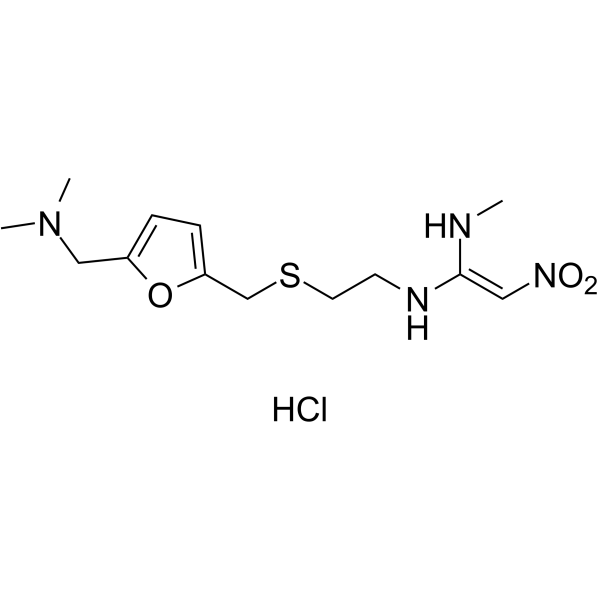
Ranitidine hydrochloride is a potent, selective and orally active histamine H2-receptor antagonist that inhibits gastric secretion. Ranitidine hydrochloride antagonizes Histamine (HY-B1204)-induced increases of the guinea-pig isolated rat atrium and Histamine-induced relaxations of the rat isolated uterine horn, with pA2 values of 7.2 and 6.95, respectively. Ranitidine hydrochloride inhibits breast tumor development and spread in mice .
|
-
- HY-101325
-
|
|
Drug Isomer
Adrenergic Receptor
|
Cardiovascular Disease
Metabolic Disease
|
|
(S,S)-BRL-37344 sodium is an isomer of BRL-37344 (HY-101325B). BRL-37344 is a β-adrenoceptor agonist with EC50 values of 5.3, 18 and 570 nM for β3, β2 and β1. BRL-37344 induces concentration-dependent increases in atria1 rate, relaxation of guinea pig trachea and lipolysis of brown adipocytes .
|
-
- HY-101325A
-
|
|
Drug Isomer
Adrenergic Receptor
|
Cardiovascular Disease
Metabolic Disease
|
|
(S,S)-BRL-37344 is an isomer of BRL-37344 (HY-101325B). BRL-37344 is a β-adrenoceptor agonist with EC50 values of 5.3, 18 and 570 nM for β3, β2 and β1. BRL-37344 induces concentration-dependent increases in atria1 rate, relaxation of guinea pig trachea and lipolysis of brown adipocytes .
|
-
- HY-125626
-
|
8-iso-15-keto PGF2α
|
Prostaglandin Receptor
|
Cardiovascular Disease
|
|
8-iso-15-keto Prostaglandin F2α (8-iso-15-keto PGF2α) is a partial agonist for Thromboxane receptor (TP), which exhibits a vasoconstrictor efficacy with a pD2 of 5.8. 8-iso-15-keto Prostaglandin F2α mediates a weak relaxation of rats aorta rings at high concentration .
|
-
- HY-B0693
-
|
|
Histamine Receptor
|
Metabolic Disease
Cancer
|
|
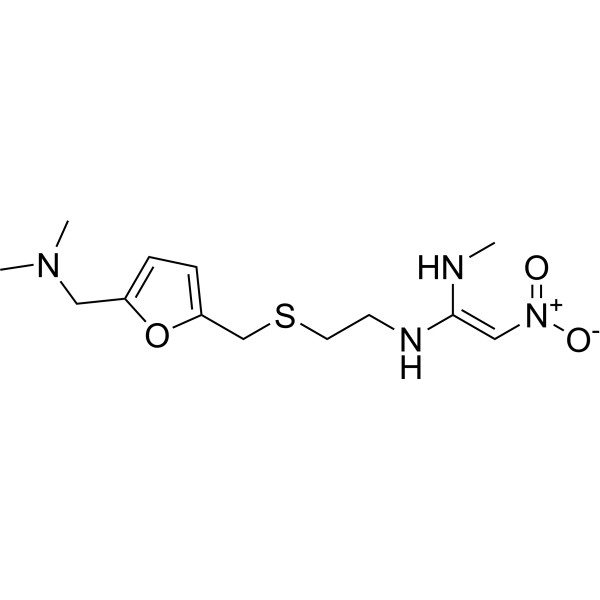
Ranitidine is a potent, selective and orally active histamine H2-receptor antagonist that inhibits gastric secretion. Ranitidine antagonizes Histamine (HY-B1204)-induced increases of the guinea-pig isolated rat atrium and Histamine-induced relaxations of the rat isolated uterine horn, with pA2 values of 7.2 and 6.95, respectively. Ranitidine inhibits breast tumor development and spread in mice .
|
-
- HY-N0918R
-
|
Demethoxyyangonin (Standard); 5,6-Dehydrokavain (Standard)
|
Reference Standards
Monoamine Oxidase
JAK
STAT
NO Synthase
IKK
Cytochrome P450
|
Neurological Disease
Inflammation/Immunology
|
|
Desmethoxyyangonin (Standard) is one of the six major kavalactones found in the Piper methysticum (kava) plant. Desmethoxyyangonin (Standard) is a selective inhibitor of monoamine oxidase-B (MAO-B) (IC50: 0.123 µM). Desmethoxyyangonin (Standard) exerts anti-inflammatory effects by inhibiting Jak2/STAT3 and IKK signaling pathways. Desmethoxyyangonin (Standard) induces CYP3A23 expression and leads to skeletal muscle relaxation .
|
-
- HY-107416R
-
|
U-57908 (Standard)
|
DAGL
Reference Standards
Acyltransferase
mAChR
COX
Phospholipase
|
Neurological Disease
Metabolic Disease
|
|
RHC 80267 (Standard) is the analytical standard of RHC 80267 (HY-107416). This product is intended for research and analytical applications. RHC 80267 (U-57908) is a potent and selective inhibitor of diacylglycerol lipase (DAGL) (with IC50 of 4 μM in canine platelets). RHC-80267 inhibits cholinesterase activity with an IC50 of 4 μM, thereby enhancing the relaxation evoked by acetylcholine. RHC 80267 also inhibits COX and the hydrolysis of phosphatidylcholine (PC) .
|
-
- HY-108538
-
|
|
Glutathione S-transferase
NF-κB
Calcium Channel
|
Inflammation/Immunology
|
|
Ethacrynic acid D5 is a deuterium labeled Ethacrynic acid. Ethacrynic acid is a diuretic. Ethacrynic acid is an inhibitor of glutathione S-transferases (GSTs). Ethacrynic acid is a potent inhibitor of NF-kB-signaling pathway, and also modulates leukotriene formation. Ethacrynic acid also inhibits L-type voltage-dependent and store-operated calcium channel, leading to relaxation of airway smooth muscle (ASM) cells. Ethacrynic acid has anti-inflammatory properties that reduces the retinoid-induced ear edema in mice .
|
-
- HY-B0740R
-
|
MK130 hydrochloride (Standard)
|
Reference Standards
5-HT Receptor
|
Neurological Disease
|
|
Cyclobenzaprine (MK130) hydrochloride (Standard) is the analytical standard of Cyclobenzaprine (MK130) hydrochloride. This product is intended for research and analytical applications. Cyclobenzaprine hydrochloride is an orally active 5-HT2 receptor antagonist. Cyclobenzaprine hydrochloride acts centrally, providing skeletal muscle relaxation, alleviating muscle spasms, and reducing pain. Additionally, Cyclobenzaprine hydrochloride has antiprotozoal activity. Additionally, Cyclobenzaprine hydrochloride also possesses antiparasitic activity. Cyclobenzaprine hydrochloride holds promise for research in the fields of acute, painful skeletal muscle disorders and infectious diseases
|
-
- HY-161836
-
|
|
Adrenergic Receptor
|
Cardiovascular Disease
|
|
α2AR agonist 1 (compound S6a), a new morpholine-containing pyrimidinone, acts as an agonist of α2-adrenoceptor. α2AR agonist 1 induces a concentration-dependent relaxation on aortic ring pre-contracted with Phenylephrine (HY-B0769; pEC50=6.81). α2AR agonist 1 increases NOx and NO levels in HUVECs .
|
-
- HY-15485
-
|
|
Phosphodiesterase (PDE)
Apoptosis
|
Inflammation/Immunology
Cancer
|
|
Zardaverine is an orally active and selective PDE3/4 inhibitor (IC50)=0.58 uM/0.17 uM) with potent bronchodilator activity. Zardaverine also selectively inhibits the proliferation of HCC cells and induces apoptosis and cycle arrest (G0/G1 phase). Zardaverine has good antitumor potential and is effective in both bronchial relaxation and reduction of inflammation in asthma .
|
-
- HY-166363S
-
|
TRK-100-d3; ML 1129-d3
|
Isotope-Labeled Compounds
Prostaglandin Receptor
|
Cardiovascular Disease
|
|
Beraprost-d3 (TRK-100-d3) is deuterium labeled (Rac)-Beraprost. (Rac)-Beraprost ((Rac)-ML 1229) is an orally active prostacyclin analog that inhibits the release of Ca 2+ from intracellular storage sites by binding to prostacyclin membrane receptors (Prostaglandin Receptor), leading to relaxation of smooth muscle cells and vasodilation. Beraprost has vasodilatory, antiplatelet, and cytoprotective effects, making it promising for research in the field of cardiovascular diseases, such as thromboangiitis obliterans and atherosclerosis .
|
-
- HY-101607A
-
|
|
Calcium Channel
|
Cardiovascular Disease
|
|
KT-362 free acid is an intracellular calcium antagonist with antiarrhythmic and vasodilatory effects. KT-362 free acid shows an antagonistic effect against norepinephrine (NE) induced vasoconstriction response, achieved by reducing inositol phospholipid hydrolysis, thereby reducing intracellular calcium mobilization. KT-362 free acid can be used to study the contraction and relaxation mechanisms of vascular smooth muscle, especially in exploring the role of intracellular calcium mobilization and inositol phospholipid hydrolysis in vascular contraction .
|
-
- HY-B0394R
-
|
Tropine tropate sulfate monohydrate (Standard); DL-Hyoscyamine sulfate monohydrate (Standard)
|
Reference Standards
mAChR
|
Cardiovascular Disease
Neurological Disease
|
|
Atropine (sulfate monohydrate) (Standard) is the analytical standard of Atropine (sulfate monohydrate). This product is intended for research and analytical applications. Atropine (Tropine tropate) sulfate monohydrate is a competitive muscarinic acetylcholine receptor (mAChR) antagonist with IC50 values of 0.39 and 0.71 nM for Human mAChR M4 and Chicken mAChR M4, respectively. Atropine sulfate monohydrate inhibits ACh-induced relaxations in human pulmonary veins. Atropine sulfate monohydrate can be used for research of anti-myopia and bradycardia .
|
-
- HY-126010
-
|
|
Piezo Channel
|
Others
|
|
Dooku1 is a reversibly Yoda1 antagonist with IC50 value of 1.3 μM and 1.5 μM for 2 μM Yoda1-induced Ca 2+ entry HEK 293 cells and HUVECs, respectively. Dooku1 can disrupt Yoda1-induced Piezo1 channel activity and inhibit Yoda1-induced relaxation of aorta. Dooku1 can be used for vascular physiology and disease research .
|
-
- HY-B1205AR
-
|
Tropine tropate sulfate (Standard); DL-Hyoscyamine sulfate (Standard); Sulfatropinol (Standard)
|
Reference Standards
mAChR
|
Cardiovascular Disease
Neurological Disease
|
|
Atropine (sulfate) (Standard) is the analytical standard of Atropine (sulfate). This product is intended for research and analytical applications. Atropine (Tropine tropate) sulfate is a competitive muscarinic acetylcholine receptor (mAChR) antagonist with IC50 values of 0.39 and 0.71 nM for Human mAChR M4 and Chicken mAChR M4, respectively. Atropine sulfate inhibits ACh-induced relaxations in human pulmonary veins. Atropine sulfate can be used for research of anti-myopia and bradycardia .
|
-
- HY-B1640R
-
|
Etacrynic acid (Standard)
|
Reference Standards
Glutathione S-transferase
NF-κB
Calcium Channel
|
Inflammation/Immunology
Cancer
|
|
Ethacrynic acid (Standard) is the analytical standard of Ethacrynic acid. This product is intended for research and analytical applications. Ethacrynic acid (Etacrynic acid) is a diuretic. Ethacrynic acid is an inhibitor of glutathione S-transferases (GSTs). Ethacrynic acid is a potent inhibitor of NF-kB-signaling pathway, and also modulates leukotriene formation. Ethacrynic acid also inhibits L-type voltage-dependent and store-operated calcium channel, leading to relaxation of airway smooth muscle (ASM) cells. Ethacrynic acid has anti-inflammatory properties that reduces the retinoid-induced ear edema in mice .
|
-
- HY-12798
-
|
AR-13324
|
Monoamine Transporter
ROCK
|
Cardiovascular Disease
Neurological Disease
|
|
Netarsudil (AR-13324) is a competitive inhibitor of Rho-associated protein kinases (ROCK I and ROCK II) and a reversible inhibitor of the norepinephrine transporter (NET). Netarsudil reduces intraocular pressure by inhibiting ROCK, causing relaxation of trabecular meshwork cells and dilation of episcleral veins, thereby increasing the ease of aqueous humor outflow, while inhibiting NET to reduce aqueous humor production. Netarsudil is mainly used in the study of ocular hypertension and primary open-angle glaucoma .
|
-
- HY-12798B
-
|
AR-13324 hydrochloride
|
ROCK
|
Cardiovascular Disease
Neurological Disease
|
|
Netarsudil (AR-13324) hydrochloride is a competitive inhibitor of Rho-associated protein kinases (ROCK I and ROCK II) and a reversible inhibitor of the norepinephrine transporter (NET). Netarsudil hydrochloride reduces intraocular pressure by inhibiting ROCK, causing relaxation of trabecular meshwork cells and dilation of episcleral veins, thereby increasing the ease of aqueous humor outflow, while inhibiting NET to reduce aqueous humor production. Netarsudil hydrochloride is mainly used in the study of ocular hypertension and primary open-angle glaucoma .
|
-
- HY-B0678
-
|
AHR438; NSC170959
|
NF-κB
PGC-1α
|
Neurological Disease
Inflammation/Immunology
|
|
Metaxalone (AHR438; NSC170959) is an FDA-approved muscle relaxant. Metaxalone acts mainly on the central nervous system and achieves muscle relaxation by inhibiting polysynaptic reflex arcs. In addition, Metaxalone is an inhibitor of MAO-A, which has anti-inflammatory and antioxidant effects. Metaxalone inhibits IL-1β-induced inflammatory phenotype, modulates NF-κB and other related signaling pathways, and decreases MAO-A expression and activity in IL-1β-treated microglia .
|
-
- HY-B0281AS
-
|
|
Isotope-Labeled Compounds
Histamine Receptor
|
Metabolic Disease
Cancer
|
|
Ranitidine-d6 hydrochloride is the deuterium labeled Ranitidine hydrochloride (HY-B0281A) . Ranitidine hydrochloride is a potent, selective and orally active histamine H2-receptor antagonist that inhibits gastric secretion. Ranitidine hydrochloride antagonizes Histamine (HY-B1204)-induced increases of the guinea-pig isolated rat atrium and Histamine-induced relaxations of the rat isolated uterine horn, with pA2 values of 7.2 and 6.95, respectively. Ranitidine hydrochloride inhibits breast tumor development and spread in mice .
|
-
- HY-103316R
-
|
|
Reference Standards
Calcium Channel
|
Cardiovascular Disease
Inflammation/Immunology
|
|
trans-Ned 19 (Standard) is the analytical standard of trans-Ned 19 (HY-103316). This product is intended for research and analytical applications. trans-Ned 19 is a NAADP antagonist and TPC blocker. trans-Ned 19 suppresses the calcium signal and the rat aorta relaxation in response to low histamine concentrations. trans-Ned 19 increases the spontaneous acrosome reaction rate, alleviates anti-CD3 mAb-induced intestinal inflammation, and improves kidney damage in mice with nephrotoxic serum nephritis .
|
-
- HY-123468
-
|
|
Cyclic GMP-AMP Synthase
PKA
ERK
Tyrosine Hydroxylase
Calcium Channel
|
Cardiovascular Disease
Metabolic Disease
|
|
HA-1004 is a selective inhibitor of PKA, which can inhibit lipolysis and induce vascular relaxation. HA-1004 is also a dual inhibitor of cyclic GMP-dependent protein kinase and cyclic AMP-dependent protein, and is involved in smooth muscle, second messenger, cyclic AMP and cyclic GMP regulation mechanisms. HA-1004 is an antagonist for calcium, that can be used as a vasodilator to inhibit the contraction of rabbit aortic strips, or to antagonize ERK and tyrosine hydroxylase (TH) phosphorylation in morphine abstinence rat models .
|
-
- HY-12798A
-
|
AR-13324 dimesylate
|
ROCK
|
Cardiovascular Disease
Neurological Disease
|
|
Netarsudil (AR-13324) dimesylate is a competitive inhibitor of Rho-associated protein kinases (ROCK I and ROCK II) and a reversible inhibitor of the norepinephrine transporter (NET). Netarsudil dimesylate reduces intraocular pressure by inhibiting ROCK, causing relaxation of trabecular meshwork cells and dilation of episcleral veins, thereby increasing the ease of aqueous humor outflow, while inhibiting NET to reduce aqueous humor production. Netarsudil dimesylate is mainly used in the study of ocular hypertension and primary open-angle glaucoma .
|
-
- HY-123468A
-
|
|
Cyclic GMP-AMP Synthase
PKA
ERK
Calcium Channel
|
Cardiovascular Disease
Metabolic Disease
|
|
HA-1004 dihydrochloride is a selective inhibitor of PKA, which can inhibit lipolysis and induce vascular relaxation. HA-1004 dihydrochloride is also a dual inhibitor of cyclic GMP-dependent protein kinase and cyclic AMP-dependent protein, and is involved in smooth muscle, second messenger, cyclic AMP and cyclic GMP regulation mechanisms. HA-1004 dihydrochloride is an antagonist for calcium, that can be used as a vasodilator to inhibit the contraction of rabbit aortic strips, or to antagonize ERK and tyrosine hydroxylase (TH) phosphorylation in morphine abstinence rat models .
|
-
- HY-10061BR
-
|
AZD-3355 hydrochloride (Standard)
|
GABA Receptor
Reference Standards
|
Metabolic Disease
|
|
Lesogaberan (hydrochloride) (Standard) is the analytical standard of Lesogaberan (hydrochloride) (HY-10061B). This product is intended for research and analytical applications. Lesogaberan (AZD-3355) hydrochloride is a potent and selective GABAB receptor agonist with an EC50 of 8.6 nM for human recombinant GABAB receptor. The affinity (Kis) of Lesogaberan hydrochloride for rat GABAB and GABAA receptors, as measured by displacement of [3H]GABA binding in brain membranes: 5.1 nM and 1.4 μM, respectively. Lesogaberan hydrochloride inhibits transient lower esophageal sphincter relaxation through a peripheral mode of action .
|
-
- HY-B0693S
-
|
|
Isotope-Labeled Compounds
Histamine Receptor
|
Cancer
|
|
Ranitidine-d6 is the deuterium labeled Ranitidine (HY-B0693). Ranitidine is a potent, selective and orally active histamine H2-receptor antagonist that inhibits gastric secretion. Ranitidine antagonizes Histamine (HY-B1204)-induced increases of the guinea-pig isolated rat atrium and Histamine-induced relaxations of the rat isolated uterine horn, with pA2 values of 7.2 and 6.95, respectively. Ranitidine inhibits breast tumor development and spread in mice .
|
-
- HY-156513
-
|
7-Hydroxyethyl carbamate-(10Me-11F-Camptothecin)
|
ADC Payload
|
Cancer
|
|
ZD06519 (7-Hydroxyethyl carbamate-(10Me-11F-Camptothecin)) is a camptothecin (HY-16560) analogue and a topoisomerase I inhibitor. ZD06519 is an ADC cytotoxin with a strong bystander effect, inhibiting a variety of malignancies such as HER2-positive and FRα-overexpressing tumors. ZD06519 inhibits DNA cleavage, relaxation, and reconnection processes, inducing tumor cell death. ZD06519 can be used for ADC synthesis and cancer research .
|
-
- HY-B0281AR
-
|
|
Reference Standards
Histamine Receptor
|
Metabolic Disease
Cancer
|
|
Ranitidine hydrochloride (Standard) is the analytical standard of Ranitidine hydrochloride (HY-B0281A). This product is intended for research and analytical applications. Ranitidine hydrochloride is a potent, selective and orally active histamine H2-receptor antagonist that inhibits gastric secretion. Ranitidine hydrochloride antagonizes Histamine (HY-B1204)-induced increases of the guinea-pig isolated rat atrium and Histamine-induced relaxations of the rat isolated uterine horn, with pA2 values of 7.2 and 6.95, respectively. Ranitidine hydrochloride inhibits breast tumor development and spread in mice.
|
-
- HY-B0147A
-
|
Pefloxacinium mesylate
|
Topoisomerase
DNA/RNA Synthesis
Antibiotic
Bacterial
Parasite
|
Infection
Inflammation/Immunology
|
|
Pefloxacin (Pefloxacinium) mesylate is a broad spectrum antibiotic. Pefloxacin blocks DNA replication by inhibiting DNA gyrase. Pefloxacin mesylate inhibits DNA relaxation catalyzed by topoisomerase I with an IC50 of 45 μg/mL. Pefloxacin mesylate exhibits antibacterial activity against Escherichia coli, Pseudomonas aeruginosa, and Bacteroides fragilis with MIC90s of 0.12, 4, and 16 mg/L, respectively. Pefloxacin mesylate has anti-Plasmodium yoelii infection activity. Pefloxacin mesylate increase UVA-induced edema and immunesuppression. Pefloxacin mesylate can be used for infection studies .
|
-
- HY-B0147
-
|
Pefloxacinium
|
Antibiotic
Bacterial
Parasite
DNA/RNA Synthesis
Topoisomerase
|
Infection
Inflammation/Immunology
|
|
Pefloxacin (Pefloxacinium) is a broad spectrum antibiotic. Pefloxacin blocks DNA replication by inhibiting DNA gyrase. Pefloxacin inhibits DNA relaxation catalyzed by topoisomerase I with an IC50 of 45 μg/mL. Pefloxacin exhibits antibacterial activity against Escherichia coli, Pseudomonas aeruginosa, and Bacteroides fragilis with MIC90s of 0.12, 4, and 16 mg/L, respectively. Pefloxacin has anti-Plasmodium yoelii infection activity. Pefloxacin increase UVA-induced edema and immunesuppression. Pefloxacin can be used for infection studies .
|
-
- HY-121020
-
|
|
SARS-CoV
|
Infection
Others
Inflammation/Immunology
|
|
Arcapillin is a flavonoid that can be isolated from Artemisia capillaris Thunb. Arcapillin induces dose-dependent relaxation of ileum and pulmonary artery smooth muscle, causes slight urinary bladder smooth muscle contraction at highest tested concentrations. Arcapillin binds to the active site of SARS-CoV-2 Mpro via interactions with Gln139, His163, and His164, exhibits antiviral activity against SARS-CoV-2 and MERS-CoV. Arcapillin can be used for the research of gastrointestinal disorders, COVID-19, and Middle East respiratory syndrome (MERS) .
|
-
- HY-112348
-
|
|
Cyclic GMP-AMP Synthase
PKA
ERK
Calcium Channel
|
Cardiovascular Disease
Metabolic Disease
|
|
HA-1004 hydrochloride is a selective inhibitor of PKA, which can inhibit lipolysis and induce vascular relaxation. HA-1004 hydrochloride is also a dual inhibitor of cyclic GMP-dependent protein kinase and cyclic AMP-dependent protein (Cyclic GMP-AMP Synthase), and is involved in smooth muscle, second messenger, cyclic AMP and cyclic GMP regulation mechanisms. HA-1004 hydrochloride an antagonist for calcium, that can be used as a vasodilator to inhibit the contraction of rabbit aortic strips, or to antagonize ERK and tyrosine hydroxylase (TH) phosphorylation in morphine abstinence rat models .
|
-
- HY-B0678S
-
|
|
Isotope-Labeled Compounds
NF-κB
PGC-1α
|
Neurological Disease
Inflammation/Immunology
|
|
Metaxalone-d3 is the deuterium labeled Metaxalone. Metaxalone (AHR438; NSC170959) is an FDA-approved muscle relaxant. Metaxalone acts mainly on the central nervous system and achieves muscle relaxation by inhibiting polysynaptic reflex arcs. In addition, Metaxalone is an inhibitor of MAO-A, which has anti-inflammatory and antioxidant effects. Metaxalone inhibits IL-1β-induced inflammatory phenotype, modulates NF-κB and other related signaling pathways, and decreases MAO-A expression and activity in IL-1β-treated microglia .
|
-
- HY-W011269
-
|
EPA sodium; Timnodonic acid sodium
|
Endogenous Metabolite
Histone Demethylase
|
Cardiovascular Disease
Metabolic Disease
Cancer
|
|
Eicosapentaenoic Acid (EPA)sodium is an orally active Omega-3 long-chain polyunsaturated fatty acid (ω-3 LC-PUFA). Eicosapentaenoic Acid sodium exhibits a DNA demethylating action that promotes the re-expression of the tumor suppressor gene CCAAT/enhancer-binding protein δ (C/EBPδ). Eicosapentaenoic Acid sodium activates RAS/ERK/C/EBPβ pathway through H-Ras intron 1 CpG island demethylation in U937 leukemia cells. Eicosapentaenoic Acid sodium can promote relaxation of vascular smooth muscle cells and vasodilation .
|
-
- HY-B0660
-
|
EPA; Timnodonic acid
|
Endogenous Metabolite
Histone Demethylase
|
Neurological Disease
Cancer
|
|
Eicosapentaenoic Acid (EPA) is an orally active Omega-3 long-chain polyunsaturated fatty acid (ω-3 LC-PUFA). Eicosapentaenoic Acid exhibits a DNA demethylating action that promotes the re-expression of the tumor suppressor gene CCAAT/enhancer-binding protein δ (C/EBPδ). Eicosapentaenoic Acid activates RAS/ERK/C/EBPβ pathway through H-Ras intron 1 CpG island demethylation in U937 leukemia cells. Eicosapentaenoic Acid can promote relaxation of vascular smooth muscle cells and vasodilation .
|
-
- HY-B0678S1
-
|
AHR438-d6; NSC170959-d6
|
Isotope-Labeled Compounds
NF-κB
PGC-1α
|
Neurological Disease
Inflammation/Immunology
|
|
Metaxalone-d6 is deuterium labeled Metaxalone. Metaxalone (AHR438; NSC170959) is an FDA-approved muscle relaxant. Metaxalone acts mainly on the central nervous system and achieves muscle relaxation by inhibiting polysynaptic reflex arcs. In addition, Metaxalone is an inhibitor of MAO-A, which has anti-inflammatory and antioxidant effects. Metaxalone inhibits IL-1β-induced inflammatory phenotype, modulates NF-κB and other related signaling pathways, and decreases MAO-A expression and activity in IL-1β-treated microglia .
|
-
- HY-Y0488A
-
|
Ammonium formate
|
Environmental Pollutants
Calcium Channel
NO Synthase
Bacterial
ATP Synthase
|
Metabolic Disease
|
|
Formic acid ammonium is the ammonium salt form of formic acid, which is an endogenous metabolite. Formic acid ammonium activates the nitric oxide/cyclic guanosine monophosphate (NO/cGMP) signaling pathway in endothelial cells and inhibits calcium ion influx in vascular smooth muscle cells, resulting in vasomotor relaxation. Formic acid ammonium inhibits cytochrome C oxidase (CcO) and disrupts the electron transport chain, leading to ATP depletion. Formic acid ammonium can be used as a feed additive, which can lower the feed pH value, inhibit the growth of microorganisms (such as Escherichia coli, Salmonella), and extend the shelf life of the feed .
|
-
- HY-B0549A
-
|
Rec-7-0040; DW61
|
Calcium Channel
Adenosine Receptor
mAChR
Dopamine Receptor
Adrenergic Receptor
|
Cardiovascular Disease
Infection
Neurological Disease
Cancer
|
|
Flavoxate hydrochloride (Rec-7-0040; DW61) is an orally active L-type Ca 2+ channel inhibitor and antispasmodic. Flavoxate hydrochloride inhibits cyclic adenosine monophosphate production by blocking voltage-dependent inward Ba 2+ currents, regulating the brainstem micturition center, and stimulating G protein-coupled receptors. Consequently, Flavoxate hydrochloride induces relaxation of bladder smooth muscle and inhibits isovolumetric rhythmic contractions. Flavoxate hydrochloride effectively increases bladder capacity and alleviates symptoms of urgent urination frequency and pollakiuria caused by overactive bladder. Flavoxate hydrochloride can be used in research on overactive bladder and related voiding dysfunctions .
|
-
- HY-B0740S3
-
|
MK130-d3-1 hydrochloride
|
Isotope-Labeled Compounds
5-HT Receptor
Parasite
|
Infection
Neurological Disease
|
|
Cyclobenzaprine-d3-1 hydrochloride (MK130-d3-1 hydrochloride) is the deuterium labeled Cyclobenzaprine hydrochloride (HY-B0740). Cyclobenzaprine (MK130) hydrochloride is an orally active 5-HT2 receptor antagonist. Cyclobenzaprine hydrochloride acts centrally, providing skeletal muscle relaxation, alleviating muscle spasms, and reducing pain. Additionally, Cyclobenzaprine hydrochloride has antiprotozoal activity. Additionally, Cyclobenzaprine hydrochloride also possesses antiparasitic activity. Cyclobenzaprine hydrochloride holds promise for research in the fields of acute, painful skeletal muscle disorders and infectious diseases
|
-
- HY-B0660A
-
|
EPA metformin; Timnodonic acid metformin
|
Endogenous Metabolite
Histone Demethylase
|
Neurological Disease
Cancer
|
|
Eicosapentaenoic Acid (EPA) metformin is an orally active Omega-3 long-chain polyunsaturated fatty acid (ω-3 LC-PUFA). Eicosapentaenoic acid metformin exhibits a DNA demethylating action that promotes the re-expression of the tumor suppressor gene CCAAT/enhancer-binding protein δ (C/EBPδ). EEicosapentaenoic acid metformin activates RAS/ERK/C/EBPβ pathway through H-Ras intron 1 CpG island demethylation in U937 leukemia cells. Eicosapentaenoic acid metformin can promote relaxation of vascular smooth muscle cells and vasodilation .
|
-
- HY-B0678R
-
|
AHR438 (Standard); NSC170959 (Standard)
|
Reference Standards
NF-κB
PGC-1α
|
Neurological Disease
Inflammation/Immunology
|
|
Metaxalone (Standard) is the analytical standard of Metaxalone. This product is intended for research and analytical applications. Metaxalone (AHR438; NSC170959) is an FDA-approved muscle relaxant. Metaxalone acts mainly on the central nervous system and achieves muscle relaxation by inhibiting polysynaptic reflex arcs. In addition, Metaxalone is an inhibitor of MAO-A, which has anti-inflammatory and antioxidant effects. Metaxalone inhibits IL-1β-induced inflammatory phenotype, modulates NF-κB and other related signaling pathways, and decreases MAO-A expression and activity in IL-1β-treated microglia .
|
-
- HY-12463A
-
|
|
Adrenergic Receptor
|
Inflammation/Immunology
|
|
Carmoterol is a highly potent and selective long-acting β2-adrenergic receptor agonist with a pEC50 of 10.19. Carmoterol shows 53-fold higher affinity for β2-adrenergic receptors than for β1-adrenergic receptors. Carmoterol stimulates cyclic adenosine monophosphate accumulation, induces airway smooth muscle relaxation, inhibits bronchoconstriction, reduces thromboxane B2 release, and prolongs survival time. Carmoterol can be used in research related to asthma and chronic obstructive pulmonary disease (COPD) .
|
-
- HY-B0147B
-
|
Pefloxacinium mesylate dihydrate
|
Topoisomerase
DNA/RNA Synthesis
Antibiotic
Bacterial
Parasite
|
Infection
Inflammation/Immunology
|
|
Pefloxacin (Pefloxacinium) mesylate dihydrate is a broad spectrum antibiotic. Pefloxacin mesylate dihydrate blocks DNA replication by inhibiting DNA gyrase. Pefloxacin mesylate dihydrate inhibits DNA relaxation catalyzed by topoisomerase I with an IC50 of 45 μg/mL. Pefloxacin mesylate dihydrate exhibits antibacterial activity against Escherichia coli, Pseudomonas aeruginosa, and Bacteroides fragilis with MIC90s of 0.12, 4, and 16 mg/L, respectively. Pefloxacin mesylate dihydrate has anti-Plasmodium yoelii infection activity. Pefloxacin mesylate dihydrate increase UVA-induced edema and immunesuppression. Pefloxacin mesylate dihydrate can be used for infection studies .
|
-
- HY-19927A
-
|
|
5-HT Receptor
|
Neurological Disease
Endocrinology
|
|
DA-6886 is a 5-Hydroxytryptamine receptor 4 (5-HT4) agonist. DA-6886 induces relaxation of the rat oesophagus preparation in a 5-HT4 receptor antagonist-sensitive manner. The evaluation of DA-6886 in CHO cells expressing hERG channels reveals that it inhibits hERG channel current with an pIC50 value of 4.3, indicating that the compound is 1000-fold more selective for the 5-HT4 receptor over hERG channels. DA-6886 can be used in the study of constipated irritable bowel syndrome .
|
-
- HY-B0549
-
|
Rec-7-0040 free base; DW61 free base
|
mAChR
Calcium Channel
Adrenergic Receptor
Adenosine Receptor
Dopamine Receptor
|
Neurological Disease
|
|
Flavoxate (Rec-7-0040 free base; DW61 free base) is an orally active L-type Ca 2+ channel inhibitor and antispasmodic. Flavoxate inhibits cyclic adenosine monophosphate production by blocking voltage-dependent inward Ba 2+ currents, regulating the brainstem micturition center, and stimulating G protein-coupled receptors. Consequently, Flavoxate induces relaxation of bladder smooth muscle and inhibits isovolumetric rhythmic contractions. Flavoxate effectively increases bladder capacity and alleviates symptoms of urgent urination frequency and pollakiuria caused by overactive bladder. Flavoxate can be used in research on overactive bladder and related voiding dysfunctions .
|
-
- HY-W011696
-
|
cis-1-Amino-9-octadecene, 80-90%
|
Environmental Pollutants
Biochemical Assay Reagents
|
Cancer
|
|
Oleylamine, 80-90% (cis-1-Amino-9-octadecene, 80-90%) is a multifunctional reagent used for metal ion coordination and nanoparticle surface modification, and acts as a solvent, surfactant and reducing agent in the synthesis of metal oxide nanoparticles. Oleylamine, 80-90% regulates nanoparticle morphology, magnetization intensity and water proton relaxation rate via thiol-ene "click" reaction, and enhances the colloidal stability of nanoparticles in organic reagents. Oleylamine, 80-90% is mainly used in research and applications in fields such as nanomaterial synthesis, biomedical imaging (MRI contrast agents, fluorescent probes), cancer cell targeting and drug delivery .
|
-
- HY-178330
-
|
|
Others
Topoisomerase
|
Infection
|
|
IKE16 is a fungi-selective eukaryotic topoisomerase II inhibitor, with an IC50 value of 13.68 μM. IKE16 suppresses both the DNA relaxation activity and the decatenation activity of yTOPOII selectively. IKE16 shows moderate activity against standard fungal strains (Candida albicans ATCC 10231, Saccharomyces cerevisiae ATCC 89763) with a minimum inhibitory concentration (MIC) of 2 μg/mL against S. cerevisiae ATCC 89763. IKE16 exhibits high cytotoxicity against human cells, with an EC50 of 0.07 μM in HepG2 and 0.045 μM in HEK-293. IKE16 can be used for the study of antifungal infection .
|
-
- HY-B0693A
-
|
|
Histamine Receptor
SARS-CoV
Bacterial
|
Infection
Metabolic Disease
Cancer
|
|
Ranitidine bismuth citrate is a potent, selective and orally active histamine H2-receptor antagonist that inhibits gastric secretion. Ranitidine bismuth citrate antagonizes Histamine (HY-B1204)-induced increases of the guinea-pig isolated rat atrium and Histamine-induced relaxations of the rat isolated uterine horn, with pA2 values of 7.2 and 6.95, respectively. Ranitidine bismuth citrate has selectivity for SARS-CoV-2-infected cells. Ranitidine bismuth citrate also has anti-Helicobacter pylori infection. Ranitidine bismuth citrate inhibits breast tumor development and spread in mice .
|
-
- HY-N7690
-
|
|
Calcium Channel
|
Cardiovascular Disease
Metabolic Disease
|
|
3,5,7,3’,4’-Pentamethoxyflavone is a Ca 2+ channel inhibitor. 3,5,7,3’,4’-Pentamethoxyflavone can protect DNA from oxidative damage. 3,5,7,3’,4’-Pentamethoxyflavone can induce relaxation of the human corpus cavernosum through calcium mobilization-related mechanisms. 3,5,7,3’,4’-Pentamethoxyflavone can promote the expression of eNOS and cystathionine gamma lyase CSE proteins in middle-aged male rats and regulate vascular function. 3,5,7,3’,4’-Pentamethoxyflavone can be used in research related to diabetes and cardiovascular diseases .
|
-
- HY-B0549S
-
|
|
Isotope-Labeled Compounds
mAChR
Calcium Channel
Adrenergic Receptor
Adenosine Receptor
Dopamine Receptor
|
Others
|
|
Flavoxate-d5 is deuterium labeled Flavoxate. Flavoxate hydrochloride (Rec-7-0040; DW61) is an orally active L-type Ca 2+ channel inhibitor and antispasmodic. Flavoxate hydrochloride inhibits cyclic adenosine monophosphate production by blocking voltage-dependent inward Ba 2+ currents, regulating the brainstem micturition center, and stimulating G protein-coupled receptors. Consequently, Flavoxate hydrochloride induces relaxation of bladder smooth muscle and inhibits isovolumetric rhythmic contractions. Flavoxate hydrochloride effectively increases bladder capacity and alleviates symptoms of urgent urination frequency and pollakiuria caused by overactive bladder. Flavoxate hydrochloride can be used in research on overactive bladder and related voiding dysfunctions .
|
-
- HY-W005255
-
|
|
Endogenous Metabolite
|
Cardiovascular Disease
|
|
3-(3-Hydroxyphenyl)propionic acid (3HPPA) is an endothelium-dependent nitric oxide (NO) release promoter and endothelial nitric oxide synthase (eNOS) activator. 3-(3-Hydroxyphenyl)propionic acid activates eNOS to mediate vascular smooth muscle relaxation and enhances endothelial cell NO synthesis, inducing vasodilation and reducing peripheral vascular resistance. 3-(3-Hydroxyphenyl)propionic acid can dose-dependently reduce systolic and diastolic blood pressure in spontaneously hypertensive rats (SHR) without affecting cardiac contractility or heart rate. 3-(3-Hydroxyphenyl)propionic acid has antihypertensive and vascular protective effects and can be used in the prevention and treatment of cardiovascular diseases .
|
-
- HY-Y0488AR
-
|
Ammonium formate (Standard)
|
Reference Standards
NO Synthase
Calcium Channel
Bacterial
ATP Synthase
|
Metabolic Disease
|
|
Formic acid ammonium (Standard) is the analytical standard of Formic acid ammonium. This product is intended for research and analytical applications. Formic acid ammonium is the ammonium salt form of formic acid, which is an endogenous metabolite. Formic acid ammonium activates the nitric oxide/cyclic guanosine monophosphate (NO/cGMP) signaling pathway in endothelial cells and inhibits calcium ion influx in vascular smooth muscle cells, resulting in vasomotor relaxation. Formic acid ammonium inhibits cytochrome C oxidase (CcO) and disrupts the electron transport chain, leading to ATP depletion. Formic acid ammonium can be used as a feed additive, which can lower the feed pH value, inhibit the growth of microorganisms (such as Escherichia coli, Salmonella), and extend the shelf life of the feed.
|
-
- HY-N7690R
-
|
|
Reference Standards
Calcium Channel
|
Cardiovascular Disease
Metabolic Disease
|
|
3,5,7,3’,4’-Pentamethoxyflavone is a Ca2+ channel inhibitor. 3,5,7,3’,4’-Pentamethoxyflavone can protect DNA from oxidative damage. 3,5,7,3’,4’-Pentamethoxyflavone can induce relaxation of the human corpus cavernosum through calcium mobilization-related mechanisms. 3,5,7,3’,4’-Pentamethoxyflavone can promote the expression of eNOS and cystathionine gamma lyase CSE proteins in middle-aged male rats and regulate vascular function. 3,5,7,3’,4’-Pentamethoxyflavone can be used in research related to diabetes and cardiovascular diseases .
|
-
- HY-B0660R
-
|
EPA (Standard); Timnodonic acid (Standard)
|
Reference Standards
Endogenous Metabolite
Histone Demethylase
|
Neurological Disease
Cancer
|
|
Eicosapentaenoic Acid (Standard) is the analytical standard of Eicosapentaenoic Acid. This product is intended for research and analytical applications. Eicosapentaenoic Acid (EPA) is an orally active Omega-3 long-chain polyunsaturated fatty acid (ω-3 LC-PUFA). Eicosapentaenoic Acid exhibits a DNA demethylating action that promotes the re-expression of the tumor suppressor gene CCAAT/enhancer-binding protein δ (C/EBPδ). Eicosapentaenoic Acid activates RAS/ERK/C/EBPβ pathway through H-Ras intron 1 CpG island demethylation in U937 leukemia cells. Eicosapentaenoic Acid can promote relaxation of vascular smooth muscle cells and vasodilation .
|
-
- HY-D1950
-
|
|
Fluorescent Dye
|
Others
|
|
ATTO 633 is a fluorescent dye with an absorption peak at approximately 630 nm and a fluorescence emission peak at 651 nm. ATTO 633 can be used in nanomechanical photothermal microscopy studies .
|
-
- HY-B0147R
-
|
Pefloxacinium (Standard)
|
Reference Standards
Topoisomerase
DNA/RNA Synthesis
Antibiotic
Bacterial
Parasite
|
Infection
Inflammation/Immunology
|
|
Pefloxacin (Standard) (Pefloxacinium (Standard)) is the analytical standard of Pefloxacin (HY-B0147). This product is intended for research and analytical applications. Pefloxacin (Pefloxacinium) is a broad spectrum antibiotic. Pefloxacin blocks DNA replication by inhibiting DNA gyrase. Pefloxacin inhibits DNA relaxation catalyzed by topoisomerase I with an IC50 of 45 μg/mL. Pefloxacin exhibits antibacterial activity against Escherichia coli, Pseudomonas aeruginosa, and Bacteroides fragilis with MIC90s of 0.12, 4, and 16 mg/L, respectively. Pefloxacin has anti-Plasmodium yoelii infection activity. Pefloxacin increase UVA-induced edema and immunesuppression. Pefloxacin can be used for infection studies .
|
-
- HY-B0660S2
-
|
EPA-d10; Timnodonic acid-d10
|
Isotope-Labeled Compounds
Endogenous Metabolite
Histone Demethylase
|
Neurological Disease
Cancer
|
|
Eicosapentaenoic acid-d10 (EPA-d10) is the deuterium labeled Eicosapentaenoic acid (HY-B0660). Eicosapentaenoic Acid (EPA) is an orally active Omega-3 long-chain polyunsaturated fatty acid (ω-3 LC-PUFA). Eicosapentaenoic Acid exhibits a DNA demethylating action that promotes the re-expression of the tumor suppressor gene CCAAT/enhancer-binding protein δ (C/EBPδ). Eicosapentaenoic Acid activates RAS/ERK/C/EBPβ pathway through H-Ras intron 1 CpG island demethylation in U937 leukemia cells. Eicosapentaenoic Acid can promote relaxation of vascular smooth muscle cells and vasodilation .
|
-
- HY-B0549AR
-
|
Rec-7-0040 (Standard); DW61 (Standard)
|
Reference Standards
mAChR
Calcium Channel
Adrenergic Receptor
Adenosine Receptor
Dopamine Receptor
|
Neurological Disease
|
|
Flavoxate (hydrochloride) (Standard) is the analytical standard of Flavoxate (hydrochloride). This product is intended for research and analytical applications. Flavoxate hydrochloride (Rec-7-0040; DW61) is an orally active L-type Ca 2+ channel inhibitor and antispasmodic. Flavoxate hydrochloride inhibits cyclic adenosine monophosphate production by blocking voltage-dependent inward Ba 2+ currents, regulating the brainstem micturition center, and stimulating G protein-coupled receptors. Consequently, Flavoxate hydrochloride induces relaxation of bladder smooth muscle and inhibits isovolumetric rhythmic contractions. Flavoxate hydrochloride effectively increases bladder capacity and alleviates symptoms of urgent urination frequency and pollakiuria caused by overactive bladder. Flavoxate hydrochloride can be used in research on overactive bladder and related voiding dysfunctions .
|
-
- HY-114367
-
|
Delphinidin 3-O-rutinoside chloride
|
Endothelin Receptor
NO Synthase
Myosin
GLP Receptor
|
Neurological Disease
Metabolic Disease
|
|
Delphinidin 3-rutinoside chloride is an anthocyanin component. Delphinidin 3-rutinoside chloride is isolable from the fruits of blackcurrant Ribes nigrum L. Delphinidin 3-rutinoside chloride activates the ETB receptor and stimulates the NO/cGMP pathway. Delphinidin 3-rutinoside chloride increases cyclic guanosine monophosphate production and reduces the phosphorylation level of Myosin regulatory light chain. Delphinidin 3-rutinoside chloride stimulates GLP-1 secretion. It significantly induces relaxation of bovine ciliary muscle strips contracted by ET-1 and inhibits ET-1-induced contraction of bovine ciliary muscle strips. Delphinidin 3-rutinoside chloride is applicable to research related to type 2 diabetes .
|
-
- HY-B0147AR
-
|
Pefloxacinium mesylate (Standard)
|
Reference Standards
Topoisomerase
DNA/RNA Synthesis
Antibiotic
Bacterial
Parasite
|
Infection
Inflammation/Immunology
|
|
Pefloxacin mesylate (Standard) (Pefloxacinium mesylate (Standard)) is the analytical standard of Pefloxacin mesylate (HY-B0147A). This product is intended for research and analytical applications. Pefloxacin (Pefloxacinium) mesylate is a broad spectrum antibiotic. Pefloxacin blocks DNA replication by inhibiting DNA gyrase. Pefloxacin mesylate inhibits DNA relaxation catalyzed by topoisomerase I with an IC50 of 45 μg/mL. Pefloxacin mesylate exhibits antibacterial activity against Escherichia coli, Pseudomonas aeruginosa, and Bacteroides fragilis with MIC90s of 0.12, 4, and 16 mg/L, respectively. Pefloxacin mesylate has anti-Plasmodium yoelii infection activity. Pefloxacin mesylate increase UVA-induced edema and immunesuppression. Pefloxacin mesylate can be used for infection studies .
|
-
- HY-B0147S1
-
|
Pefloxacinium-d3
|
Isotope-Labeled Compounds
Topoisomerase
DNA/RNA Synthesis
Antibiotic
Bacterial
Parasite
|
Infection
Inflammation/Immunology
|
|
Pefloxacin-d3 (Pefloxacinium-d3) is the deuterium labeled Pefloxacin (HY-B0147). Pefloxacin (Pefloxacinium) is a broad spectrum antibiotic. Pefloxacin blocks DNA replication by inhibiting DNA gyrase. Pefloxacin inhibits DNA relaxation catalyzed by topoisomerase I with an IC50 of 45 μg/mL. Pefloxacin exhibits antibacterial activity against Escherichia coli, Pseudomonas aeruginosa, and Bacteroides fragilis with MIC90s of 0.12, 4, and 16 mg/L, respectively. Pefloxacin has anti-Plasmodium yoelii infection activity. Pefloxacin increase UVA-induced edema and immunesuppression. Pefloxacin can be used for infection studies .
|
-
- HY-B0147S
-
|
Pefloxacinium-d5
|
Isotope-Labeled Compounds
Topoisomerase
DNA/RNA Synthesis
Antibiotic
Bacterial
Parasite
|
Infection
Inflammation/Immunology
|
|
Pefloxacin-d5 (Pefloxacinium-d5) is the deuterium labeled Pefloxacin (HY-B0147). Pefloxacin (Pefloxacinium) is a broad spectrum antibiotic. Pefloxacin blocks DNA replication by inhibiting DNA gyrase. Pefloxacin inhibits DNA relaxation catalyzed by topoisomerase I with an IC50 of 45 μg/mL. Pefloxacin exhibits antibacterial activity against Escherichia coli, Pseudomonas aeruginosa, and Bacteroides fragilis with MIC90s of 0.12, 4, and 16 mg/L, respectively. Pefloxacin has anti-Plasmodium yoelii infection activity. Pefloxacin increase UVA-induced edema and immunesuppression. Pefloxacin can be used for infection studies .
|
-
- HY-N3945
-
|
O,O-Dimethylisoboldine; S-(+)-Glaucine; NSC 34396
|
Phosphodiesterase (PDE)
Calcium Channel
MMP
NF-κB
|
Inflammation/Immunology
Cancer
|
|
Glaucine (O,O-Dimethylisoboldine) is an alkaloid extracted from Glaucium flavum that possesses various activities, including cough relief, bronchodilation, anti-inflammatory effects, analgesia, antipyretic properties, and anticancer effects. Glaucine acts as a selective and orally active inhibitor of phosphodiesterase 4 (PDE4), with a Ki of 3.4 µM in human bronchial tissues and polymorphonuclear leukocytes. Glaucine induces relaxation of human isolated bronchi by antagonizing calcium channels. Additionally, Glaucine inhibits the activation of NF-κB, leading to a reduction in the expression of the MMP-9 gene, thereby suppressing the migration and invasion of breast cancer cells. Therefore, Glaucine holds potential for research in asthma and breast cancer .
|
-
- HY-B0194A
-
|
|
Adrenergic Receptor
Apoptosis
Akt
Wnt
β-catenin
|
Neurological Disease
Endocrinology
Cancer
|
|
Tizanidine hydrochloride, a skeletal muscle relaxant, is an orally effective central α2-adrenoceptor agonist (IC50 = 6.9 nmol). Tizanidine hydrochloride primarily exerts muscle relaxation effects by inhibiting the release of excitatory amino acids (glutamate and aspartate) from the presynaptic terminals of spinal cord interneurons. Tizanidine hydrochloride has anti-injury activity and can inhibit gastrointestinal (GI) transport. Tizanidine hydrochloride can inhibit the proliferation, migration, and invasion of lung cancer cells and induce cell apoptosis by upregulating Nischarin and inhibiting the AKT and Wnt3a/β-catenin signaling pathways. Tizanidine hydrochloride can be used to treat spasticity caused by diseases such as multiple sclerosis (MS), stroke, and spinal cord injury (SCI) .
|
-
- HY-N6043
-
|
|
Apoptosis
Reactive Oxygen Species (ROS)
Bacterial
SARS-CoV
Estrogen Receptor/ERR
|
Infection
Neurological Disease
Inflammation/Immunology
|
|
Hydroxytyrosol acetate is an orally active, blood-brain barrier-permeable multi-active compound with multiple effects including antibacterial, antioxidant, anti-platelet aggregation, and neuroprotective activities. Hydroxytyrosol acetate not only inhibits the growth of Vibrio by increasing bacterial membrane permeability, but also interacts with DNA and mediates supercoiled DNA relaxation. Meanwhile, Hydroxytyrosol acetate effectively reduces thrombosis and inhibits lipid oxidation by inhibiting COX activity and promoting vascular nitric oxide production. In terms of neuroprotection, Hydroxytyrosol acetate significantly alleviates neuronal apoptosis and inflammatory responses by up-regulating the expression level of ERβ, thereby improving cognitive function in Alzheimer's disease models. Hydroxytyrosol acetate has been widely used in scientific research related to Vibrio infection, arterial thrombosis, Alzheimer's disease and other related fields .
|
-
- HY-B0147BR
-
|
Pefloxacinium mesylate dihydrate (Standard)
|
Reference Standards
Topoisomerase
DNA/RNA Synthesis
Antibiotic
Bacterial
Parasite
|
Infection
Inflammation/Immunology
|
|
Pefloxacin (Pefloxacinium) mesylate dihydrate (Standard) is the analytical standard of Pefloxacin mesylate dihydrate (HY-B0147B). This product is intended for research and analytical applications. Pefloxacin (Pefloxacinium) mesylate dihydrate is a broad spectrum antibiotic. Pefloxacin mesylate dihydrate blocks DNA replication by inhibiting DNA gyrase. Pefloxacin mesylate dihydrate inhibits DNA relaxation catalyzed by topoisomerase I with an IC50 of 45 μg/mL. Pefloxacin mesylate dihydrate exhibits antibacterial activity against Escherichia coli, Pseudomonas aeruginosa, and Bacteroides fragilis with MIC90s of 0.12, 4, and 16 mg/L, respectively. Pefloxacin mesylate dihydrate has anti-Plasmodium yoelii infection activity. Pefloxacin mesylate dihydrate increase UVA-induced edema and immunesuppression. Pefloxacin mesylate dihydrate can be used for infection studies .
|
-
- HY-B0194
-
|
|
Adrenergic Receptor
Apoptosis
Akt
Wnt
β-catenin
|
Neurological Disease
Endocrinology
Cancer
|
|
Tizanidine, a skeletal muscle relaxant, is an orally effective central α2-adrenoceptor agonist (IC50 = 6.9 nmol). Tizanidine primarily exerts muscle relaxation effects by inhibiting the release of excitatory amino acids (glutamate and aspartate) from the presynaptic terminals of spinal cord interneurons. Tizanidine has anti-injury activity and can inhibit gastrointestinal (GI) transport. Tizanidine can inhibit the proliferation, migration, and invasion of lung cancer cells and induce cell apoptosis by upregulating Nischarin and inhibiting the AKT and Wnt3a/β-catenin signaling pathways. Tizanidine can be used to treat spasticity caused by diseases such as multiple sclerosis (MS), stroke, and spinal cord injury (SCI) .
|
-
- HY-181774
-
|
|
Phosphodiesterase (PDE)
|
Endocrinology
|
|
PDE4/5-IN-1 is a selective phosphodiesterase 4/5 (PDE4/5) dual inhibitor. PDE4/5-IN-1 functionally inhibits PDE5, PDE4B2, and PDE4D2 activity. PDE4/5-IN-1 relaxes isolated rat prostate tissue, enhances nitric oxide-induced relaxation in isolated rat prostate tissue, and reduces alpha-1 adrenoceptor-mediated contractile responses in isolated rat prostate tissue. PDE4/5-IN-1 inhibits proliferation of human hyperplastic prostate cells. PDE4/5-IN-1 can be used for the research of benign prostatic hyperplasia .
|
-
- HY-B0549AS
-
|
|
Isotope-Labeled Compounds
mAChR
Calcium Channel
Adrenergic Receptor
Adenosine Receptor
Dopamine Receptor
|
Neurological Disease
|
|
Flavoxate-d4 hydrochloride (Rec-7-0040-d4) is the deuterium labeled Flavoxate hydrochloride. Flavoxate hydrochloride (Rec-7-0040; DW61) is an orally active L-type Ca 2+ channel inhibitor and antispasmodic. Flavoxate hydrochloride inhibits cyclic adenosine monophosphate production by blocking voltage-dependent inward Ba 2+ currents, regulating the brainstem micturition center, and stimulating G protein-coupled receptors. Consequently, Flavoxate hydrochloride induces relaxation of bladder smooth muscle and inhibits isovolumetric rhythmic contractions. Flavoxate hydrochloride effectively increases bladder capacity and alleviates symptoms of urgent urination frequency and pollakiuria caused by overactive bladder. Flavoxate hydrochloride can be used in research on overactive bladder and related voiding dysfunctions .
|
-
- HY-B0194R
-
|
|
Reference Standards
Adrenergic Receptor
Apoptosis
Akt
Wnt
β-catenin
|
Neurological Disease
Endocrinology
Cancer
|
|
Tizanidine (Standard) is the analytical standard of Tizanidine (HY-B0194). This product is intended for research and analytical applications. Tizanidine, a skeletal muscle relaxant, is an orally effective central α2-adrenoceptor agonist (IC50 = 6.9 nmol). Tizanidine primarily exerts muscle relaxation effects by inhibiting the release of excitatory amino acids (glutamate and aspartate) from the presynaptic terminals of spinal cord interneurons. Tizanidine has anti-injury activity and can inhibit gastrointestinal (GI) transport. Tizanidine can inhibit the proliferation, migration, and invasion of lung cancer cells and induce cell apoptosis by upregulating Nischarin and inhibiting the AKT and Wnt3a/β-catenin signaling pathways. Tizanidine can be used to treat spasticity caused by diseases such as multiple sclerosis (MS), stroke, and spinal cord injury (SCI).
|
-
- HY-N0570
-
|
DOPET; 3,4-Dihydroxyphenethyl alcohol; 3-Hydroxytyrosol
|
Apoptosis
Bacterial
Reactive Oxygen Species (ROS)
SARS-CoV
Estrogen Receptor/ERR
|
Infection
Cardiovascular Disease
Neurological Disease
Metabolic Disease
Inflammation/Immunology
Cancer
|
|
Hydroxytyrosol (DOPET; 3,4-Dihydroxyphenethyl alcohol) is an orally active, blood-brain barrier-permeable multi-active compound with multiple effects including antibacterial, antioxidant, anti-platelet aggregation, and neuroprotective activities. Hydroxytyrosol not only inhibits the growth of Vibrio by increasing bacterial membrane permeability, but also interacts with DNA and mediates supercoiled DNA relaxation. Meanwhile, Hydroxytyrosol effectively reduces thrombosis and inhibits lipid oxidation by inhibiting COX activity and promoting vascular nitric oxide production. In terms of neuroprotection, Hydroxytyrosol significantly alleviates neuronal apoptosis and inflammatory responses by up-regulating the expression level of ERβ, thereby improving cognitive function in Alzheimer's disease models. Hydroxytyrosol has been widely used in scientific research related to Vibrio infection, arterial thrombosis, Alzheimer's disease and other related fields .
|
-
- HY-B0194S
-
|
|
Isotope-Labeled Compounds
Adrenergic Receptor
Apoptosis
Akt
Wnt
β-catenin
|
Neurological Disease
Endocrinology
Cancer
|
|
Tizanidine-d4 is the deuterium labeled Tizanidine (HY-B0194). Tizanidine, a skeletal muscle relaxant, is an orally effective central α2-adrenoceptor agonist (IC50 = 6.9 nmol). Tizanidine primarily exerts muscle relaxation effects by inhibiting the release of excitatory amino acids (glutamate and aspartate) from the presynaptic terminals of spinal cord interneurons. Tizanidine has anti-injury activity and can inhibit gastrointestinal (GI) transport. Tizanidine can inhibit the proliferation, migration, and invasion of lung cancer cells and induce cell apoptosis by upregulating Nischarin and inhibiting the AKT and Wnt3a/β-catenin signaling pathways. Tizanidine can be used to treat spasticity caused by diseases such as multiple sclerosis (MS), stroke, and spinal cord injury (SCI).
|
-
- HY-B0194AR
-
|
|
Reference Standards
Adrenergic Receptor
Apoptosis
Akt
Wnt
β-catenin
|
Neurological Disease
Endocrinology
Cancer
|
|
Tizanidine hydrochloride (Standard) is the analytical standard of Tizanidine hydrochloride (HY-B0194A). This product is intended for research and analytical applications. Tizanidine hydrochloride, a skeletal muscle relaxant, is an orally effective central α2-adrenoceptor agonist (IC50 = 6.9 nmol). Tizanidine hydrochloride primarily exerts muscle relaxation effects by inhibiting the release of excitatory amino acids (glutamate and aspartate) from the presynaptic terminals of spinal cord interneurons. Tizanidine hydrochloride has anti-injury activity and can inhibit gastrointestinal (GI) transport. Tizanidine hydrochloride can inhibit the proliferation, migration, and invasion of lung cancer cells and induce cell apoptosis by upregulating Nischarin and inhibiting the AKT and Wnt3a/β-catenin signaling pathways. Tizanidine hydrochloride can be used to treat spasticity caused by diseases such as multiple sclerosis (MS), stroke, and spinal cord injury (SCI).
|
-
- HY-Y1890B
-
|
|
Biochemical Assay Reagents
|
Others
|
|
Cremophor EL-10 is a nonionic polyoxyethylene castor oil surfactant with multiple functions including organic solubilizer, mixed zinc anode corrosion inhibitor and dendrite growth inhibitor. By forming a physical barrier to block electrolyte contact and constructing oriented hydration channels to reduce the desolvation energy barrier of Zn 2+ , Cremophor EL-10 achieves a corrosion inhibition efficiency of over 99%. Cremophor EL-10 exerts no significant effects on the mitochondrial activity and cell viability of epithelial cells, making it suitable for in vitro drug delivery and biopharmaceutical research at concentrations ≤10% v/v. However, Cremophor EL-10 may induce sustained non-endothelium-dependent contraction in rat aortic rings and exert concentration-dependent inhibitory effects on acetylcholine-induced endothelium-dependent relaxation responses .
|
-
- HY-B0194AS
-
|
|
Isotope-Labeled Compounds
Adrenergic Receptor
Apoptosis
Akt
Wnt
β-catenin
|
Neurological Disease
Endocrinology
Cancer
|
|
Tizanidine-d4 hydrochloride is deuterium labeled Tizanidine hydrochloride (HY-B0194A). Tizanidine hydrochloride, a skeletal muscle relaxant, is an orally effective central α2-adrenoceptor agonist (IC50 = 6.9 nmol). Tizanidine hydrochloride primarily exerts muscle relaxation effects by inhibiting the release of excitatory amino acids (glutamate and aspartate) from the presynaptic terminals of spinal cord interneurons. Tizanidine hydrochloride has anti-injury activity and can inhibit gastrointestinal (GI) transport. Tizanidine hydrochloride can inhibit the proliferation, migration, and invasion of lung cancer cells and induce cell apoptosis by upregulating Nischarin and inhibiting the AKT and Wnt3a/β-catenin signaling pathways. Tizanidine hydrochloride can be used to treat spasticity caused by diseases such as multiple sclerosis (MS), stroke, and spinal cord injury (SCI).
|
-
- HY-B0660S1
-
|
EPA 1,2,3,4,5-13C, FA 20:5-13C5
|
Isotope-Labeled Compounds
Endogenous Metabolite
Histone Demethylase
|
Neurological Disease
Cancer
|
|
Eicosapentaenoic acid 1,2,3,4,5- 13C5 (EPA 1,2,3,4,5- 13C, FA 20:5- 13C5) is 13C labeled Eicosapentaenoic Acid. Eicosapentaenoic Acid (EPA) is an orally active Omega-3 long-chain polyunsaturated fatty acid (ω-3 LC-PUFA). Eicosapentaenoic Acid exhibits a DNA demethylating action that promotes the re-expression of the tumor suppressor gene CCAAT/enhancer-binding protein δ (C/EBPδ). Eicosapentaenoic Acid activates RAS/ERK/C/EBPβ pathway through H-Ras intron 1 CpG island demethylation in U937 leukemia cells. Eicosapentaenoic Acid can promote relaxation of vascular smooth muscle cells and vasodilation .
|
-
- HY-N6043R
-
|
|
Reference Standards
Apoptosis
Bacterial
Reactive Oxygen Species (ROS)
SARS-CoV
Estrogen Receptor/ERR
|
Infection
Cardiovascular Disease
Neurological Disease
Metabolic Disease
Inflammation/Immunology
Cancer
|
|
Hydroxytyrosol acetate (Standard) is the analytical standard of Hydroxytyrosol (HY-N0570). This product is intended for research and analytical applications. Hydroxytyrosol acetate is an orally active, blood-brain barrier-permeable multi-active compound with multiple effects including antibacterial, antioxidant, anti-platelet aggregation, and neuroprotective activities. Hydroxytyrosol acetate not only inhibits the growth of Vibrio by increasing bacterial membrane permeability, but also interacts with DNA and mediates supercoiled DNA relaxation. Meanwhile, Hydroxytyrosol acetate effectively reduces thrombosis and inhibits lipid oxidation by inhibiting COX activity and promoting vascular nitric oxide production. In terms of neuroprotection, Hydroxytyrosol acetate significantly alleviates neuronal apoptosis and inflammatory responses by up-regulating the expression level of ERβ, thereby improving cognitive function in Alzheimer's disease models. Hydroxytyrosol acetate has been widely used in scientific research related to Vibrio infection, arterial thrombosis, Alzheimer's disease and other related fields .
|
-
- HY-N0570S1
-
|
DOPET-d5; 3,4-Dihydroxyphenethyl alcohol-d5; 3-Hydroxytyrosol-d5
|
Isotope-Labeled Compounds
Apoptosis
Bacterial
Reactive Oxygen Species (ROS)
SARS-CoV
Estrogen Receptor/ERR
|
Cardiovascular Disease
Infection
Neurological Disease
Metabolic Disease
Inflammation/Immunology
Cancer
|
|
Hydroxytyrosol-d5 (DOPET-d5) is the deuterium labeled Hydroxytyrosol (HY-N0570). Hydroxytyrosol is an orally active, blood-brain barrier-permeable multi-active compound with multiple effects including antibacterial, antioxidant, anti-platelet aggregation, and neuroprotective activities. Hydroxytyrosol not only inhibits the growth of Vibrio by increasing bacterial membrane permeability, but also interacts with DNA and mediates supercoiled DNA relaxation. Meanwhile, Hydroxytyrosol effectively reduces thrombosis and inhibits lipid oxidation by inhibiting COX activity and promoting vascular nitric oxide production. In terms of neuroprotection, Hydroxytyrosol significantly alleviates neuronal apoptosis and inflammatory responses by up-regulating the expression level of ERβ, thereby improving cognitive function in Alzheimer's disease models. Hydroxytyrosol has been widely used in scientific research related to Vibrio infection, arterial thrombosis, Alzheimer's disease and other related fields .
|
-
- HY-N0570S
-
|
DOPET-d4; 3,4-Dihydroxyphenethyl alcohol-d4; 3-Hydroxytyrosol-d4
|
Isotope-Labeled Compounds
Apoptosis
Bacterial
Reactive Oxygen Species (ROS)
SARS-CoV
Estrogen Receptor/ERR
|
Cardiovascular Disease
Infection
Neurological Disease
Metabolic Disease
Inflammation/Immunology
Cancer
|
|
Hydroxytyrosol-d4 (DOPET-d4) is the deuterium labeled Hydroxytyrosol (HY-N0570). Hydroxytyrosol is an orally active, blood-brain barrier-permeable multi-active compound with multiple effects including antibacterial, antioxidant, anti-platelet aggregation, and neuroprotective activities. Hydroxytyrosol not only inhibits the growth of Vibrio by increasing bacterial membrane permeability, but also interacts with DNA and mediates supercoiled DNA relaxation. Meanwhile, Hydroxytyrosol effectively reduces thrombosis and inhibits lipid oxidation by inhibiting COX activity and promoting vascular nitric oxide production. In terms of neuroprotection, Hydroxytyrosol significantly alleviates neuronal apoptosis and inflammatory responses by up-regulating the expression level of ERβ, thereby improving cognitive function in Alzheimer's disease models. Hydroxytyrosol has been widely used in scientific research related to Vibrio infection, arterial thrombosis, Alzheimer's disease and other related fields .
|
-
- HY-137325A
-
|
|
Calcium Channel
|
Metabolic Disease
|
|
2-Chloro-ATP sodium (2-Chloro ATP) is an adenine nucleotide and an analog of ATP. It is an antagonist of the purinergic P2Y1 receptor and inhibits intracellular calcium mobilization induced by ADP (HY-W010918) in Jurkat cells expressing the human receptor (Ki=2.3 μM). 2-Chloro-ATP sodium is an agonist of the purinergic P2X receptor and induces inward currents in HEK293 cells expressing human bladder smooth muscle or rat PC12 forms of the receptor (EC50=0.5 and 2.5 μM). 2-Chloro-ATP sodium induces relaxation of precontracted guinea pig cecal strips in a concentration-dependent manner. 2-Chloro-ATP sodium has been used to study the substrate specificity of cyclic nucleotide-dependent protein kinases such as protein kinase A (PKA) and PKG.
|
-
- HY-N0570R
-
|
DOPET (Standard); 3,4-Dihydroxyphenethyl alcohol (Standard); 3-Hydroxytyrosol (Standard)
|
Reference Standards
Apoptosis
Bacterial
Reactive Oxygen Species (ROS)
SARS-CoV
Estrogen Receptor/ERR
|
Infection
Cardiovascular Disease
Neurological Disease
Metabolic Disease
Inflammation/Immunology
Cancer
|
|
Hydroxytyrosol (Standard) (DOPET (Standard)) is the analytical standard of Hydroxytyrosol (HY-N0570). This product is intended for research and analytical applications. Hydroxytyrosol is an orally active, blood-brain barrier-permeable multi-active compound with multiple effects including antibacterial, antioxidant, anti-platelet aggregation, and neuroprotective activities. Hydroxytyrosol not only inhibits the growth of Vibrio by increasing bacterial membrane permeability, but also interacts with DNA and mediates supercoiled DNA relaxation. Meanwhile, Hydroxytyrosol effectively reduces thrombosis and inhibits lipid oxidation by inhibiting COX activity and promoting vascular nitric oxide production. In terms of neuroprotection, Hydroxytyrosol significantly alleviates neuronal apoptosis and inflammatory responses by up-regulating the expression level of ERβ, thereby improving cognitive function in Alzheimer's disease models. Hydroxytyrosol has been widely used in scientific research related to Vibrio infection, arterial thrombosis, Alzheimer's disease and other related fields .
|
-
- HY-125782
-
|
15(R)-15-Methyl PGD2
|
Prostaglandin Receptor
|
Metabolic Disease
|
|
15(R)-15-Methyl prostaglandin D2 (15(R)-15-methyl PGD2) is a metabolically stable synthetic analog of PGD2. The physiological actions of PGD2 include regulation of sleep, lowering of body temperature, inhibition of platelet aggregation and relaxation of vascular smooth muscle. PGD2 mediates its effects by 2 distinct G-protein-coupled receptors, DP1and CRTH2/DP2. 15(R)-15-Methyl prostaglandin D2 is a potent, selective agonist for the CRTH2/DP2 receptor. The EC50 values for eosinophil CD11b expression, actin polymerization, and chemotaxis are 1.4, 3.8, and 1.7 nM, respectively, each of which is approximately 3-5 fold lower than those for PGD2. In contrast the EC50 for the DP1-mediated increase in platelet cAMP by 15(R)-15-methyl PGD2 is >10 μM.
|
-
| Cat. No. |
Product Name |
Type |
-
- HY-B1636
-
|
|
Fluorescent Dye
|
|
Dithiazanine iodide is a broad-spectrum anthelmintic that induces irreversible relaxation and death of Trichuris trichiura. Dithiazanine iodide is used in research related to trichuriasis, strongyloidiasis, ascariasis, enterobiasis and hookworm infections .
|
-
- HY-D1950
-
|
|
Fluorescent Dye
|
|
ATTO 633 is a fluorescent dye with an absorption peak at approximately 630 nm and a fluorescence emission peak at 651 nm. ATTO 633 can be used in nanomechanical photothermal microscopy studies .
|
| Cat. No. |
Product Name |
Type |
-
- HY-W011696
-
|
cis-1-Amino-9-octadecene, 80-90%
|
Biochemical Assay Reagents
|
|
Oleylamine, 80-90% (cis-1-Amino-9-octadecene, 80-90%) is a multifunctional reagent used for metal ion coordination and nanoparticle surface modification, and acts as a solvent, surfactant and reducing agent in the synthesis of metal oxide nanoparticles. Oleylamine, 80-90% regulates nanoparticle morphology, magnetization intensity and water proton relaxation rate via thiol-ene "click" reaction, and enhances the colloidal stability of nanoparticles in organic reagents. Oleylamine, 80-90% is mainly used in research and applications in fields such as nanomaterial synthesis, biomedical imaging (MRI contrast agents, fluorescent probes), cancer cell targeting and drug delivery .
|
-
- HY-A0104B
-
|
Hypromellose (Type I,Viscosity:100mPa.s); (Hydroxypropyl)methyl cellulose (Type I,Viscosity:100mPa.s); Celacol HPM 5000 (Type I,Viscosity:100mPa.s)
|
Biochemical Assay Reagents
|
|
HPMC (Type I, Viscosity: 100 mPa·s) is a nonionic polymer obtained via synthetic modification of cellulose. As a hydrophilic matrix material, HPMC prolongs drug release through non-Fickian diffusion, including the diffusion of drugs within the hydrated matrix and the polymer relaxation process .
|
-
- HY-A0104E
-
|
Hypromellose (Type II,Viscosity:100mPa.s); (Hydroxypropyl)methyl cellulose (Type II,Viscosity:100mPa.s); Celacol HPM 5000 (Type II,Viscosity:100mPa.s)
|
Biochemical Assay Reagents
|
|
HPMC (Hypromellose; (Hydroxypropyl)methyl cellulose; Celacol HPM 5000) (Type II,Viscosity:100mPa.s) is a non-ionic polymer obtained via synthetic modification of cellulose. As a hydrophilic matrix material, HPMC prolongs drug release through non-Fickian diffusion, including the diffusion of drugs in the hydrated matrix and the polymer relaxation process .
|
-
- HY-A0104I
-
|
Hypromellose (Type II,Viscosity:100000mPa.s); (Hydroxypropyl)methyl cellulose (Type II,Viscosity:100000mPa.s); Celacol HPM 5000 (Type II,Viscosity:100000mPa.s)
|
Biochemical Assay Reagents
|
|
HPMC (Hypromellose; (Hydroxypropyl)methyl cellulose; Celacol HPM 5000) (Type II,Viscosity:100000mPa.s) is a non-ionic polymer obtained via synthetic modification of cellulose. As a hydrophilic matrix material, HPMC prolongs drug release through non-Fickian diffusion, including the diffusion of drugs in the hydrated matrix and the polymer relaxation process .
|
-
- HY-Y1890B
-
|
|
Biochemical Assay Reagents
|
|
Cremophor EL-10 is a nonionic polyoxyethylene castor oil surfactant with multiple functions including organic solubilizer, mixed zinc anode corrosion inhibitor and dendrite growth inhibitor. By forming a physical barrier to block electrolyte contact and constructing oriented hydration channels to reduce the desolvation energy barrier of Zn 2+ , Cremophor EL-10 achieves a corrosion inhibition efficiency of over 99%. Cremophor EL-10 exerts no significant effects on the mitochondrial activity and cell viability of epithelial cells, making it suitable for in vitro drug delivery and biopharmaceutical research at concentrations ≤10% v/v. However, Cremophor EL-10 may induce sustained non-endothelium-dependent contraction in rat aortic rings and exert concentration-dependent inhibitory effects on acetylcholine-induced endothelium-dependent relaxation responses .
|
-
- HY-W127670
-
|
|
Biochemical Assay Reagents
|
|
Decamethonium (iodide) is an organic compound containing ammonium and iodide ions. It is commonly used as a neuromuscular blocking agent in anesthesia to induce muscle relaxation during surgery. Decamethonium Iodide acts by binding to nicotinic acetylcholine receptors (nAChRs) in the neuromuscular junction, causing depolarization block and subsequent skeletal muscle paralysis. In addition, it can also serve as a reference standard for pharmacological studies of nAChRs.
|
-
- HY-77785R
-
|
5-Chloro-2-aminobenzophenone (Standard)
|
Biochemical Assay Reagents
|
|
2-Amino-5-chlorobenzophenone (Standard) is the analytical standard of 2-Amino-5-chlorobenzophenone. This product is intended for research and analytical applications. 2-Amino-5-chlorobenzophenone is a substituted benzophenone and can be used in the synthesis of benzodiazepines. The 2-Amino-5-chlorobenzophenone derivative has skeletal muscle relaxation activity.
|
| Cat. No. |
Product Name |
Target |
Research Area |
-
- HY-P1016B
-
|
|
Endothelin Receptor
|
Cardiovascular Disease
|
|
BQ-3020 ammonium is a selective endothelin receptor (ETB receptor) agonist. BQ-3020 ammonium inhibits [ 125I] ET-1 binding to ETB receptors, with an IC50 value of 0.2 nM. BQ-3020 ammonium elicits vasoconstriction in the rabbit pulmonary artery. BQ-3020 ammonium makes relaxation of the pig urinary bladder neck and can be used for cardiovascular disease research . .
|
-
- HY-P1016
-
|
|
Endothelin Receptor
|
Cardiovascular Disease
|
|
BQ-3020 is a selective endothelin receptor (ETB receptor) agonist that displaces [ 125I] ET-1 binding to ETB receptors, with an IC50 value of 0.2 nM. BQ-3020 elicits vasoconstriction in the rabbit pulmonary artery. BQ-3020 makes relaxation of the pig urinary bladder neck and can be used for cardiovascular disease research 1 2.
|
-
- HY-P10979
-
|
|
Neuropeptide S Receptor
|
Neurological Disease
|
|
Buccalin is a neuropeptide that colocalizes with small molecule cardioactive peptides in neuronal B15. When exogenously applied to the ARC neuromuscular junction, Buccalin reduces the amplitude of muscle contraction induced by motor neuron firing and acts only presynaptically. Buccalin has no effect on the rate of muscle relaxation and reduces motor neuron-induced ARC excitatory junction potentials without affecting contraction produced by direct acetylcholine action on the muscle .
|
-
- HY-P4766
-
|
|
CGRP Receptor
|
Cardiovascular Disease
|
|
Adrenomedullin (porcine) is a peptide that regulates vasodilation. Adrenomedullin (porcine) induces endothelium-dependent relaxation in rat aorta with IC50 value of 2.4 nM. Adrenomedullin (porcine) induces endothelium-independent relaxation of porcine coronary arteries with an IC50 of 27.6 nM .
|
-
- HY-P3562
-
|
|
Peptides
|
Others
|
|
PL-3994 is a natriuretic peptide receptor-A (NPR-A) agonist that is resistant to neutral endopeptidase and acts as a bronchodilator. PL-3994 produces concentration-dependent relaxation of pre-contracted guinea-pig trachea with an IC50 value of 42.7 nM .
|
-
- HY-P10549
-
|
|
Endogenous Metabolite
|
Neurological Disease
|
|
NGFFFamide is a muscle-active neuropeptide found in sea urchins. NGFFFamide regulates muscle activity by directly interacting with receptor proteins on muscle cells, or indirectly by stimulating nerves or other cell types to release muscle-active factors. NGFFFamide can be used to study muscle contraction and relaxation .
|
| Cat. No. |
Product Name |
Category |
Target |
Chemical Structure |
-
- HY-101952
-
-
-
- HY-B1205
-
-
-
- HY-B0660
-
-
-
- HY-N0570
-
|
DOPET; 3,4-Dihydroxyphenethyl alcohol; 3-Hydroxytyrosol
|
Infection
Structural Classification
Canarium album (Lour.) Rauesch.
Classification of Application Fields
Phenols
Polyphenols
Plants
Endogenous metabolite
Burseraceae
Inflammation/Immunology
Disease Research Fields
Source Classification
|
Apoptosis
Bacterial
Reactive Oxygen Species (ROS)
SARS-CoV
Estrogen Receptor/ERR
|
|
Hydroxytyrosol (DOPET; 3,4-Dihydroxyphenethyl alcohol) is an orally active, blood-brain barrier-permeable multi-active compound with multiple effects including antibacterial, antioxidant, anti-platelet aggregation, and neuroprotective activities. Hydroxytyrosol not only inhibits the growth of Vibrio by increasing bacterial membrane permeability, but also interacts with DNA and mediates supercoiled DNA relaxation. Meanwhile, Hydroxytyrosol effectively reduces thrombosis and inhibits lipid oxidation by inhibiting COX activity and promoting vascular nitric oxide production. In terms of neuroprotection, Hydroxytyrosol significantly alleviates neuronal apoptosis and inflammatory responses by up-regulating the expression level of ERβ, thereby improving cognitive function in Alzheimer's disease models. Hydroxytyrosol has been widely used in scientific research related to Vibrio infection, arterial thrombosis, Alzheimer's disease and other related fields .
|
-
-
- HY-W012980
-
-
-
- HY-B0147
-
|
Pefloxacinium
|
Infection
Classification of Application Fields
Disease Research Fields
|
Antibiotic
Bacterial
Parasite
DNA/RNA Synthesis
Topoisomerase
|
|
Pefloxacin (Pefloxacinium) is a broad spectrum antibiotic. Pefloxacin blocks DNA replication by inhibiting DNA gyrase. Pefloxacin inhibits DNA relaxation catalyzed by topoisomerase I with an IC50 of 45 μg/mL. Pefloxacin exhibits antibacterial activity against Escherichia coli, Pseudomonas aeruginosa, and Bacteroides fragilis with MIC90s of 0.12, 4, and 16 mg/L, respectively. Pefloxacin has anti-Plasmodium yoelii infection activity. Pefloxacin increase UVA-induced edema and immunesuppression. Pefloxacin can be used for infection studies .
|
-
-
- HY-Y0488A
-
-
-
- HY-N0485
-
-
-
- HY-W005255
-
-
-
- HY-N3945
-
|
O,O-Dimethylisoboldine; S-(+)-Glaucine; NSC 34396
|
Infection
Alkaloids
other families
Classification of Application Fields
Plants
Isoquinoline Alkaloids
Glaucium flavum
Inflammation/Immunology
Disease Research Fields
Papaveraceae
Source Classification
|
Phosphodiesterase (PDE)
Calcium Channel
MMP
NF-κB
|
|
Glaucine (O,O-Dimethylisoboldine) is an alkaloid extracted from Glaucium flavum that possesses various activities, including cough relief, bronchodilation, anti-inflammatory effects, analgesia, antipyretic properties, and anticancer effects. Glaucine acts as a selective and orally active inhibitor of phosphodiesterase 4 (PDE4), with a Ki of 3.4 µM in human bronchial tissues and polymorphonuclear leukocytes. Glaucine induces relaxation of human isolated bronchi by antagonizing calcium channels. Additionally, Glaucine inhibits the activation of NF-κB, leading to a reduction in the expression of the MMP-9 gene, thereby suppressing the migration and invasion of breast cancer cells. Therefore, Glaucine holds potential for research in asthma and breast cancer .
|
-
-
- HY-N3488
-
-
-
- HY-101952R
-
-
-
- HY-N7690
-
|
|
Flavonoids
Classification of Application Fields
Flavones
Metabolic Disease
Plants
Disease Research Fields
Zingiberaceae
|
Calcium Channel
|
|
3,5,7,3’,4’-Pentamethoxyflavone is a Ca 2+ channel inhibitor. 3,5,7,3’,4’-Pentamethoxyflavone can protect DNA from oxidative damage. 3,5,7,3’,4’-Pentamethoxyflavone can induce relaxation of the human corpus cavernosum through calcium mobilization-related mechanisms. 3,5,7,3’,4’-Pentamethoxyflavone can promote the expression of eNOS and cystathionine gamma lyase CSE proteins in middle-aged male rats and regulate vascular function. 3,5,7,3’,4’-Pentamethoxyflavone can be used in research related to diabetes and cardiovascular diseases .
|
-
-
- HY-114367
-
-
-
- HY-N6043
-
|
|
Structural Classification
Canarium album (Lour.) Rauesch.
Classification of Application Fields
Phenols
Polyphenols
Plants
Burseraceae
Inflammation/Immunology
Disease Research Fields
Source Classification
|
Apoptosis
Reactive Oxygen Species (ROS)
Bacterial
SARS-CoV
Estrogen Receptor/ERR
|
|
Hydroxytyrosol acetate is an orally active, blood-brain barrier-permeable multi-active compound with multiple effects including antibacterial, antioxidant, anti-platelet aggregation, and neuroprotective activities. Hydroxytyrosol acetate not only inhibits the growth of Vibrio by increasing bacterial membrane permeability, but also interacts with DNA and mediates supercoiled DNA relaxation. Meanwhile, Hydroxytyrosol acetate effectively reduces thrombosis and inhibits lipid oxidation by inhibiting COX activity and promoting vascular nitric oxide production. In terms of neuroprotection, Hydroxytyrosol acetate significantly alleviates neuronal apoptosis and inflammatory responses by up-regulating the expression level of ERβ, thereby improving cognitive function in Alzheimer's disease models. Hydroxytyrosol acetate has been widely used in scientific research related to Vibrio infection, arterial thrombosis, Alzheimer's disease and other related fields .
|
-
-
- HY-N0918
-
-
-
- HY-N10495
-
-
-
- HY-B0660R
-
-
-
- HY-N0570R
-
|
DOPET (Standard); 3,4-Dihydroxyphenethyl alcohol (Standard); 3-Hydroxytyrosol (Standard)
|
Structural Classification
Canarium album (Lour.) Rauesch.
Phenols
Polyphenols
Plants
Endogenous metabolite
Burseraceae
Source Classification
|
Reference Standards
Apoptosis
Bacterial
Reactive Oxygen Species (ROS)
SARS-CoV
Estrogen Receptor/ERR
|
|
Hydroxytyrosol (Standard) (DOPET (Standard)) is the analytical standard of Hydroxytyrosol (HY-N0570). This product is intended for research and analytical applications. Hydroxytyrosol is an orally active, blood-brain barrier-permeable multi-active compound with multiple effects including antibacterial, antioxidant, anti-platelet aggregation, and neuroprotective activities. Hydroxytyrosol not only inhibits the growth of Vibrio by increasing bacterial membrane permeability, but also interacts with DNA and mediates supercoiled DNA relaxation. Meanwhile, Hydroxytyrosol effectively reduces thrombosis and inhibits lipid oxidation by inhibiting COX activity and promoting vascular nitric oxide production. In terms of neuroprotection, Hydroxytyrosol significantly alleviates neuronal apoptosis and inflammatory responses by up-regulating the expression level of ERβ, thereby improving cognitive function in Alzheimer's disease models. Hydroxytyrosol has been widely used in scientific research related to Vibrio infection, arterial thrombosis, Alzheimer's disease and other related fields .
|
-
-
- HY-W012980R
-
-
-
- HY-B1205R
-
|
Tropine tropate (Standard); DL-Hyoscyamine (Standard)
|
Atropa belladonna Linn.
Solanaceae
Plants
Endogenous metabolite
Source Classification
|
Reference Standards
mAChR
Endogenous Metabolite
|
|
Atropine (Standard) is the analytical standard of Atropine. This product is intended for research and analytical applications. Atropine (Tropine tropate) is a competitive muscarinic acetylcholine receptor (mAChR) antagonist with IC50 values of 0.39 and 0.71 nM for Human mAChR M4 and Chicken mAChR M4, respectively. Atropine inhibits ACh-induced relaxations in human pulmonary veins. Atropine can be used for research of anti-myopia and bradycardia .
|
-
-
- HY-N2646
-
-
-
- HY-N10881
-
|
|
Terpenoids
Sesquiterpenes
Plants
Curcuma longa
Source Classification
Zingiberaceae
|
Others
|
|
Dihydrocurcumenone is a carabrane-type sesquiterpene. Dihydrocurcumenone can be isolated from Curcuma zedoaria, and the common form is 4-dihydrocurcumenone. Curcuma zedoaria sesquiterpene has vascular relaxation activity. 4-dihydrocurcumenone can inhibit the high concentration of K + induced constriction of isolated rat aortic strips .
|
-
-
- HY-N11538
-
-
-
- HY-B1205AR
-
|
Tropine tropate sulfate (Standard); DL-Hyoscyamine sulfate (Standard); Sulfatropinol (Standard)
|
Alkaloids
Structural Classification
Other Alkaloids
Atropa belladonna Linn.
Solanaceae
Plants
Source Classification
|
Reference Standards
mAChR
|
|
Atropine (sulfate) (Standard) is the analytical standard of Atropine (sulfate). This product is intended for research and analytical applications. Atropine (Tropine tropate) sulfate is a competitive muscarinic acetylcholine receptor (mAChR) antagonist with IC50 values of 0.39 and 0.71 nM for Human mAChR M4 and Chicken mAChR M4, respectively. Atropine sulfate inhibits ACh-induced relaxations in human pulmonary veins. Atropine sulfate can be used for research of anti-myopia and bradycardia .
|
-
-
- HY-W011269
-
-
-
- HY-N1620
-
-
-
- HY-121020
-
|
|
Structural Classification
Flavonoids
Flavones
Plants
Compositae
Artemisia capillaris Thunb.
Source Classification
|
SARS-CoV
|
|
Arcapillin is a flavonoid that can be isolated from Artemisia capillaris Thunb. Arcapillin induces dose-dependent relaxation of ileum and pulmonary artery smooth muscle, causes slight urinary bladder smooth muscle contraction at highest tested concentrations. Arcapillin binds to the active site of SARS-CoV-2 Mpro via interactions with Gln139, His163, and His164, exhibits antiviral activity against SARS-CoV-2 and MERS-CoV. Arcapillin can be used for the research of gastrointestinal disorders, COVID-19, and Middle East respiratory syndrome (MERS) .
|
-
-
- HY-N7690R
-
|
|
Structural Classification
Flavonoids
Flavones
Plants
Zingiberaceae
|
Reference Standards
Calcium Channel
|
|
3,5,7,3’,4’-Pentamethoxyflavone is a Ca2+ channel inhibitor. 3,5,7,3’,4’-Pentamethoxyflavone can protect DNA from oxidative damage. 3,5,7,3’,4’-Pentamethoxyflavone can induce relaxation of the human corpus cavernosum through calcium mobilization-related mechanisms. 3,5,7,3’,4’-Pentamethoxyflavone can promote the expression of eNOS and cystathionine gamma lyase CSE proteins in middle-aged male rats and regulate vascular function. 3,5,7,3’,4’-Pentamethoxyflavone can be used in research related to diabetes and cardiovascular diseases .
|
-
-
- HY-N8444
-
-
-
- HY-169871
-
|
|
Animals
Phenols
Polyphenols
Animal Venoms
Source Classification
|
iGluR
|
|
Argiotoxin 636 is a toxin and the non-specific, non-competitive, and potent ionotropic glutamate receptor (iGluR) antagonist. Argiotoxin 636 blocks excitatory synaptic transmission in neurons and has paralysis and muscle relaxation effects. Argiotoxin 636 can be used in the study of nervous system diseases .
|
-
-
- HY-N15735
-
|
2-Caffeoylpiscidic acid
|
Ranunculaceae
Phenols
Polyphenols
Plants
Cimicifuga racemosa (L.) Nutt.
Source Classification
|
Calcium Channel
|
|
Cimicifugic acid D (2-Caffeoylpiscidic acid) is a benzyltartaric acid ester that induces vasodilation of precontracted rat aortic strips and endothelium-independent relaxation mechanism. Cimicifugic acid D inhibits extracellular Ca 2+ influx through receptor-operated Ca 2+ channels (ROC) in Norepinephrine (HY-13715)-induced contraction of rat aortic strips, without affecting voltage-dependent Ca 2+ channels (VDC) or K +-induced contractions .
|
-
-
- HY-N0918R
-
-
-
- HY-B0394R
-
|
Tropine tropate sulfate monohydrate (Standard); DL-Hyoscyamine sulfate monohydrate (Standard)
|
Alkaloids
Structural Classification
Other Alkaloids
Atropa belladonna Linn.
Solanaceae
Plants
Source Classification
|
Reference Standards
mAChR
|
|
Atropine (sulfate monohydrate) (Standard) is the analytical standard of Atropine (sulfate monohydrate). This product is intended for research and analytical applications. Atropine (Tropine tropate) sulfate monohydrate is a competitive muscarinic acetylcholine receptor (mAChR) antagonist with IC50 values of 0.39 and 0.71 nM for Human mAChR M4 and Chicken mAChR M4, respectively. Atropine sulfate monohydrate inhibits ACh-induced relaxations in human pulmonary veins. Atropine sulfate monohydrate can be used for research of anti-myopia and bradycardia .
|
-
-
- HY-Y0488AR
-
|
Ammonium formate (Standard)
|
Structural Classification
Ketones, Aldehydes, Acids
Endogenous metabolite
Source Classification
|
Reference Standards
NO Synthase
Calcium Channel
Bacterial
ATP Synthase
|
|
Formic acid ammonium (Standard) is the analytical standard of Formic acid ammonium. This product is intended for research and analytical applications. Formic acid ammonium is the ammonium salt form of formic acid, which is an endogenous metabolite. Formic acid ammonium activates the nitric oxide/cyclic guanosine monophosphate (NO/cGMP) signaling pathway in endothelial cells and inhibits calcium ion influx in vascular smooth muscle cells, resulting in vasomotor relaxation. Formic acid ammonium inhibits cytochrome C oxidase (CcO) and disrupts the electron transport chain, leading to ATP depletion. Formic acid ammonium can be used as a feed additive, which can lower the feed pH value, inhibit the growth of microorganisms (such as Escherichia coli, Salmonella), and extend the shelf life of the feed.
|
-
-
- HY-N6043R
-
|
|
Structural Classification
Canarium album (Lour.) Rauesch.
Phenols
Polyphenols
Plants
Burseraceae
Source Classification
|
Reference Standards
Apoptosis
Bacterial
Reactive Oxygen Species (ROS)
SARS-CoV
Estrogen Receptor/ERR
|
|
Hydroxytyrosol acetate (Standard) is the analytical standard of Hydroxytyrosol (HY-N0570). This product is intended for research and analytical applications. Hydroxytyrosol acetate is an orally active, blood-brain barrier-permeable multi-active compound with multiple effects including antibacterial, antioxidant, anti-platelet aggregation, and neuroprotective activities. Hydroxytyrosol acetate not only inhibits the growth of Vibrio by increasing bacterial membrane permeability, but also interacts with DNA and mediates supercoiled DNA relaxation. Meanwhile, Hydroxytyrosol acetate effectively reduces thrombosis and inhibits lipid oxidation by inhibiting COX activity and promoting vascular nitric oxide production. In terms of neuroprotection, Hydroxytyrosol acetate significantly alleviates neuronal apoptosis and inflammatory responses by up-regulating the expression level of ERβ, thereby improving cognitive function in Alzheimer's disease models. Hydroxytyrosol acetate has been widely used in scientific research related to Vibrio infection, arterial thrombosis, Alzheimer's disease and other related fields .
|
-
| Cat. No. |
Product Name |
Chemical Structure |
-
- HY-101952S
-
2 Publications Verification
|
|
Prostaglandin E2-d4 is the deuterium labeled Prostaglandin E2. Prostaglandin E2 (PGE2) is a hormone-like substance that participate in a wide range of body functions such as the contraction and relaxation of smooth muscle, the dilation and constriction of blood vessels, control of blood pressure, and modulation of inflammation .
|
-
-
- HY-101952S1
-
|
|
|
Prostaglandin E2-d9 is the deuterium labeled Prostaglandin E2. Prostaglandin E2 (PGE2) is a hormone-like substance that participate in a wide range of body functions such as the contraction and relaxation of smooth muscle, the dilation and constriction of blood vessels, control of blood pressure, and modulation of inflammation .
|
-
-
- HY-B0194S
-
|
|
|
Tizanidine-d4 is the deuterium labeled Tizanidine (HY-B0194). Tizanidine, a skeletal muscle relaxant, is an orally effective central α2-adrenoceptor agonist (IC50 = 6.9 nmol). Tizanidine primarily exerts muscle relaxation effects by inhibiting the release of excitatory amino acids (glutamate and aspartate) from the presynaptic terminals of spinal cord interneurons. Tizanidine has anti-injury activity and can inhibit gastrointestinal (GI) transport. Tizanidine can inhibit the proliferation, migration, and invasion of lung cancer cells and induce cell apoptosis by upregulating Nischarin and inhibiting the AKT and Wnt3a/β-catenin signaling pathways. Tizanidine can be used to treat spasticity caused by diseases such as multiple sclerosis (MS), stroke, and spinal cord injury (SCI).
|
-
-
- HY-B0660S1
-
|
|
|
Eicosapentaenoic acid 1,2,3,4,5- 13C5 (EPA 1,2,3,4,5- 13C, FA 20:5- 13C5) is 13C labeled Eicosapentaenoic Acid. Eicosapentaenoic Acid (EPA) is an orally active Omega-3 long-chain polyunsaturated fatty acid (ω-3 LC-PUFA). Eicosapentaenoic Acid exhibits a DNA demethylating action that promotes the re-expression of the tumor suppressor gene CCAAT/enhancer-binding protein δ (C/EBPδ). Eicosapentaenoic Acid activates RAS/ERK/C/EBPβ pathway through H-Ras intron 1 CpG island demethylation in U937 leukemia cells. Eicosapentaenoic Acid can promote relaxation of vascular smooth muscle cells and vasodilation .
|
-
-
- HY-N0570S
-
|
|
|
Hydroxytyrosol-d4 (DOPET-d4) is the deuterium labeled Hydroxytyrosol (HY-N0570). Hydroxytyrosol is an orally active, blood-brain barrier-permeable multi-active compound with multiple effects including antibacterial, antioxidant, anti-platelet aggregation, and neuroprotective activities. Hydroxytyrosol not only inhibits the growth of Vibrio by increasing bacterial membrane permeability, but also interacts with DNA and mediates supercoiled DNA relaxation. Meanwhile, Hydroxytyrosol effectively reduces thrombosis and inhibits lipid oxidation by inhibiting COX activity and promoting vascular nitric oxide production. In terms of neuroprotection, Hydroxytyrosol significantly alleviates neuronal apoptosis and inflammatory responses by up-regulating the expression level of ERβ, thereby improving cognitive function in Alzheimer's disease models. Hydroxytyrosol has been widely used in scientific research related to Vibrio infection, arterial thrombosis, Alzheimer's disease and other related fields .
|
-
-
- HY-N0570S1
-
|
|
|
Hydroxytyrosol-d5 (DOPET-d5) is the deuterium labeled Hydroxytyrosol (HY-N0570). Hydroxytyrosol is an orally active, blood-brain barrier-permeable multi-active compound with multiple effects including antibacterial, antioxidant, anti-platelet aggregation, and neuroprotective activities. Hydroxytyrosol not only inhibits the growth of Vibrio by increasing bacterial membrane permeability, but also interacts with DNA and mediates supercoiled DNA relaxation. Meanwhile, Hydroxytyrosol effectively reduces thrombosis and inhibits lipid oxidation by inhibiting COX activity and promoting vascular nitric oxide production. In terms of neuroprotection, Hydroxytyrosol significantly alleviates neuronal apoptosis and inflammatory responses by up-regulating the expression level of ERβ, thereby improving cognitive function in Alzheimer's disease models. Hydroxytyrosol has been widely used in scientific research related to Vibrio infection, arterial thrombosis, Alzheimer's disease and other related fields .
|
-
-
- HY-B1283S
-
|
|
|
Mephenesin-d3 is deuterium labeled Mephenesin. Mephenesin is an NMDA receptor antagonist. Mephenesin is also a central muscle relaxant with antianxiety, muscle-paralyzing and anticonvulsant effects. Mephenesin acts directly on the skeletal muscle fibres to produce skeletal muscle relaxation. Mephenesin is promising for research of spasticity or painful muscle spasm .
|
-
-
- HY-166363S
-
|
|
|
Beraprost-d3 (TRK-100-d3) is deuterium labeled (Rac)-Beraprost. (Rac)-Beraprost ((Rac)-ML 1229) is an orally active prostacyclin analog that inhibits the release of Ca 2+ from intracellular storage sites by binding to prostacyclin membrane receptors (Prostaglandin Receptor), leading to relaxation of smooth muscle cells and vasodilation. Beraprost has vasodilatory, antiplatelet, and cytoprotective effects, making it promising for research in the field of cardiovascular diseases, such as thromboangiitis obliterans and atherosclerosis .
|
-
-
- HY-B0281AS
-
|
|
|
Ranitidine-d6 hydrochloride is the deuterium labeled Ranitidine hydrochloride (HY-B0281A) . Ranitidine hydrochloride is a potent, selective and orally active histamine H2-receptor antagonist that inhibits gastric secretion. Ranitidine hydrochloride antagonizes Histamine (HY-B1204)-induced increases of the guinea-pig isolated rat atrium and Histamine-induced relaxations of the rat isolated uterine horn, with pA2 values of 7.2 and 6.95, respectively. Ranitidine hydrochloride inhibits breast tumor development and spread in mice .
|
-
-
- HY-B0693S
-
|
|
|
Ranitidine-d6 is the deuterium labeled Ranitidine (HY-B0693). Ranitidine is a potent, selective and orally active histamine H2-receptor antagonist that inhibits gastric secretion. Ranitidine antagonizes Histamine (HY-B1204)-induced increases of the guinea-pig isolated rat atrium and Histamine-induced relaxations of the rat isolated uterine horn, with pA2 values of 7.2 and 6.95, respectively. Ranitidine inhibits breast tumor development and spread in mice .
|
-
-
- HY-B0678S
-
|
|
|
Metaxalone-d3 is the deuterium labeled Metaxalone. Metaxalone (AHR438; NSC170959) is an FDA-approved muscle relaxant. Metaxalone acts mainly on the central nervous system and achieves muscle relaxation by inhibiting polysynaptic reflex arcs. In addition, Metaxalone is an inhibitor of MAO-A, which has anti-inflammatory and antioxidant effects. Metaxalone inhibits IL-1β-induced inflammatory phenotype, modulates NF-κB and other related signaling pathways, and decreases MAO-A expression and activity in IL-1β-treated microglia .
|
-
-
- HY-B0678S1
-
|
|
|
Metaxalone-d6 is deuterium labeled Metaxalone. Metaxalone (AHR438; NSC170959) is an FDA-approved muscle relaxant. Metaxalone acts mainly on the central nervous system and achieves muscle relaxation by inhibiting polysynaptic reflex arcs. In addition, Metaxalone is an inhibitor of MAO-A, which has anti-inflammatory and antioxidant effects. Metaxalone inhibits IL-1β-induced inflammatory phenotype, modulates NF-κB and other related signaling pathways, and decreases MAO-A expression and activity in IL-1β-treated microglia .
|
-
-
- HY-B0740S3
-
|
|
|
Cyclobenzaprine-d3-1 hydrochloride (MK130-d3-1 hydrochloride) is the deuterium labeled Cyclobenzaprine hydrochloride (HY-B0740). Cyclobenzaprine (MK130) hydrochloride is an orally active 5-HT2 receptor antagonist. Cyclobenzaprine hydrochloride acts centrally, providing skeletal muscle relaxation, alleviating muscle spasms, and reducing pain. Additionally, Cyclobenzaprine hydrochloride has antiprotozoal activity. Additionally, Cyclobenzaprine hydrochloride also possesses antiparasitic activity. Cyclobenzaprine hydrochloride holds promise for research in the fields of acute, painful skeletal muscle disorders and infectious diseases
|
-
-
- HY-B0549S
-
|
|
|
Flavoxate-d5 is deuterium labeled Flavoxate. Flavoxate hydrochloride (Rec-7-0040; DW61) is an orally active L-type Ca 2+ channel inhibitor and antispasmodic. Flavoxate hydrochloride inhibits cyclic adenosine monophosphate production by blocking voltage-dependent inward Ba 2+ currents, regulating the brainstem micturition center, and stimulating G protein-coupled receptors. Consequently, Flavoxate hydrochloride induces relaxation of bladder smooth muscle and inhibits isovolumetric rhythmic contractions. Flavoxate hydrochloride effectively increases bladder capacity and alleviates symptoms of urgent urination frequency and pollakiuria caused by overactive bladder. Flavoxate hydrochloride can be used in research on overactive bladder and related voiding dysfunctions .
|
-
-
- HY-B0147S1
-
|
|
|
Pefloxacin-d3 (Pefloxacinium-d3) is the deuterium labeled Pefloxacin (HY-B0147). Pefloxacin (Pefloxacinium) is a broad spectrum antibiotic. Pefloxacin blocks DNA replication by inhibiting DNA gyrase. Pefloxacin inhibits DNA relaxation catalyzed by topoisomerase I with an IC50 of 45 μg/mL. Pefloxacin exhibits antibacterial activity against Escherichia coli, Pseudomonas aeruginosa, and Bacteroides fragilis with MIC90s of 0.12, 4, and 16 mg/L, respectively. Pefloxacin has anti-Plasmodium yoelii infection activity. Pefloxacin increase UVA-induced edema and immunesuppression. Pefloxacin can be used for infection studies .
|
-
-
- HY-B0147S
-
|
|
|
Pefloxacin-d5 (Pefloxacinium-d5) is the deuterium labeled Pefloxacin (HY-B0147). Pefloxacin (Pefloxacinium) is a broad spectrum antibiotic. Pefloxacin blocks DNA replication by inhibiting DNA gyrase. Pefloxacin inhibits DNA relaxation catalyzed by topoisomerase I with an IC50 of 45 μg/mL. Pefloxacin exhibits antibacterial activity against Escherichia coli, Pseudomonas aeruginosa, and Bacteroides fragilis with MIC90s of 0.12, 4, and 16 mg/L, respectively. Pefloxacin has anti-Plasmodium yoelii infection activity. Pefloxacin increase UVA-induced edema and immunesuppression. Pefloxacin can be used for infection studies .
|
-
-
- HY-B0549AS
-
|
|
|
Flavoxate-d4 hydrochloride (Rec-7-0040-d4) is the deuterium labeled Flavoxate hydrochloride. Flavoxate hydrochloride (Rec-7-0040; DW61) is an orally active L-type Ca 2+ channel inhibitor and antispasmodic. Flavoxate hydrochloride inhibits cyclic adenosine monophosphate production by blocking voltage-dependent inward Ba 2+ currents, regulating the brainstem micturition center, and stimulating G protein-coupled receptors. Consequently, Flavoxate hydrochloride induces relaxation of bladder smooth muscle and inhibits isovolumetric rhythmic contractions. Flavoxate hydrochloride effectively increases bladder capacity and alleviates symptoms of urgent urination frequency and pollakiuria caused by overactive bladder. Flavoxate hydrochloride can be used in research on overactive bladder and related voiding dysfunctions .
|
-
-
- HY-B0194AS
-
|
|
|
Tizanidine-d4 hydrochloride is deuterium labeled Tizanidine hydrochloride (HY-B0194A). Tizanidine hydrochloride, a skeletal muscle relaxant, is an orally effective central α2-adrenoceptor agonist (IC50 = 6.9 nmol). Tizanidine hydrochloride primarily exerts muscle relaxation effects by inhibiting the release of excitatory amino acids (glutamate and aspartate) from the presynaptic terminals of spinal cord interneurons. Tizanidine hydrochloride has anti-injury activity and can inhibit gastrointestinal (GI) transport. Tizanidine hydrochloride can inhibit the proliferation, migration, and invasion of lung cancer cells and induce cell apoptosis by upregulating Nischarin and inhibiting the AKT and Wnt3a/β-catenin signaling pathways. Tizanidine hydrochloride can be used to treat spasticity caused by diseases such as multiple sclerosis (MS), stroke, and spinal cord injury (SCI).
|
-
-
- HY-W751350
-
|
|
|
Cyclobenzaprine-d6 is the deuterium labeled Cyclobenzaprine. Cyclobenzaprine (MK130) hydrochloride is an orally active 5-HT2 receptor antagonist. Cyclobenzaprine hydrochloride acts centrally, providing skeletal muscle relaxation, alleviating muscle spasms, and reducing pain. Cyclobenzaprine hydrochloride also possesses antiparasitic activity. Cyclobenzaprine hydrochloride holds promise for research in the fields of acute, painful skeletal muscle disorders and infectious diseases .
|
-
-
- HY-B0660S2
-
|
|
|
Eicosapentaenoic acid-d10 (EPA-d10) is the deuterium labeled Eicosapentaenoic acid (HY-B0660). Eicosapentaenoic Acid (EPA) is an orally active Omega-3 long-chain polyunsaturated fatty acid (ω-3 LC-PUFA). Eicosapentaenoic Acid exhibits a DNA demethylating action that promotes the re-expression of the tumor suppressor gene CCAAT/enhancer-binding protein δ (C/EBPδ). Eicosapentaenoic Acid activates RAS/ERK/C/EBPβ pathway through H-Ras intron 1 CpG island demethylation in U937 leukemia cells. Eicosapentaenoic Acid can promote relaxation of vascular smooth muscle cells and vasodilation .
|
-
Your information is safe with us. * Required Fields.
Inquiry Information
- Product Name:
- Cat. No.:
- Quantity:
- MCE Japan Authorized Agent:

