1. Search Result
Search Result
Results for "

sativa

" in MedChemExpress (MCE) Product Catalog:

65

Inhibitors & Agonists

1

Biochemical Assay Reagents

51

Natural
Products

1

Isotope-Labeled Compounds

Cat. No. Product Name Target Research Areas Chemical Structure
  • HY-D0803
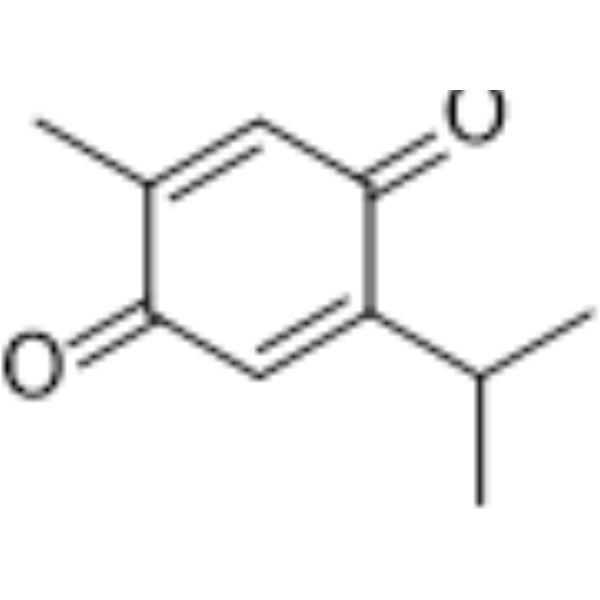
    Thymoquinone
    Maximum Cited Publications
    14 Publications Verification

    Apoptosis VEGFR PI3K Akt Infection Cardiovascular Disease Neurological Disease Inflammation/Immunology Cancer
    Thymoquinone is an orally active natural product isolated from N. sativa Thymoquinone down-regulates the VEGFR2-PI3K-Akt pathway. Thymoquinone has antioxidant, anti-inflammatory, anticancer, antiviral, anticonvulsant, antifungal, antiviral, antiangiogenic activity and hepatoprotective effects. Thymoquinone can be used to study Alzheimer's disease, cancer, cardiovascular disease, infectious disease and inflammation .
    Thymoquinone
  • HY-N3308
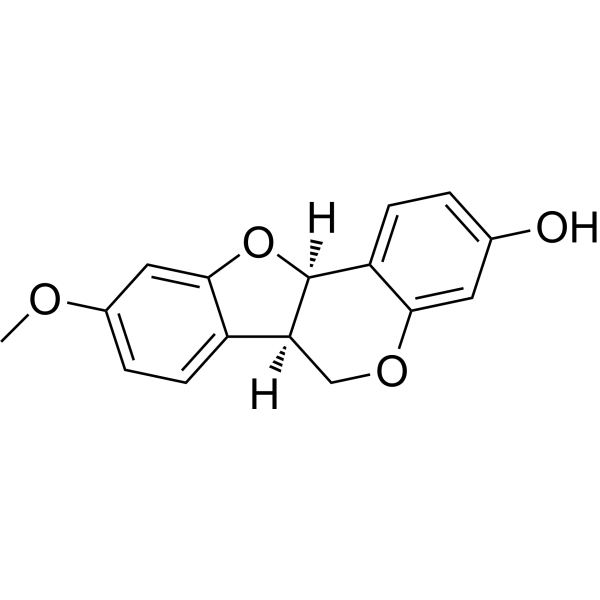
    Medicarpin
    2 Publications Verification

    Apoptosis Cancer
    Medicarpin is a flavonoid isolated from Medicago sativa. Medicarpin induces apoptosis and overcome multidrug resistance in leukemia P388 cells by modulating P-gp-mediated efflux of agents .
    Medicarpin
  • HY-75342
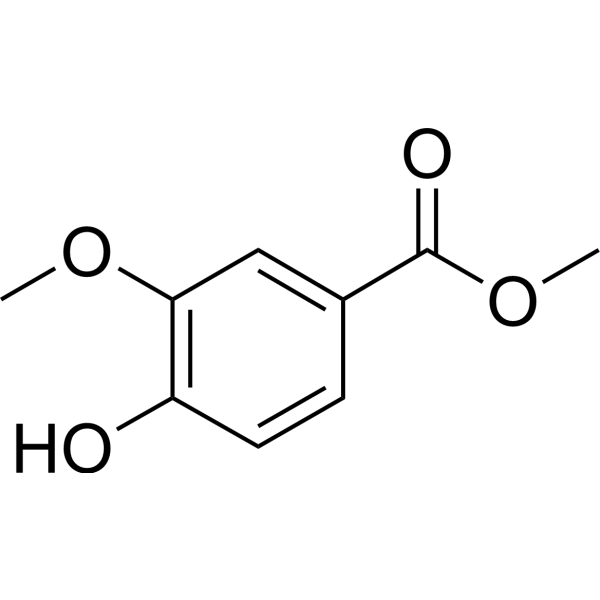
    Methyl vanillate
    2 Publications Verification

    Wnt Reactive Oxygen Species (ROS) Endogenous Metabolite Inflammation/Immunology Cancer
    Methyl vanillate, one of the ingredients in Oryza sativa Linn., is a Wnt/β-catenin pathway activator . A benzoate ester that is the methyl ester of vanillic acid. It has a role as an antioxidant and a plant metabolite.
    Methyl vanillate
  • HY-119502
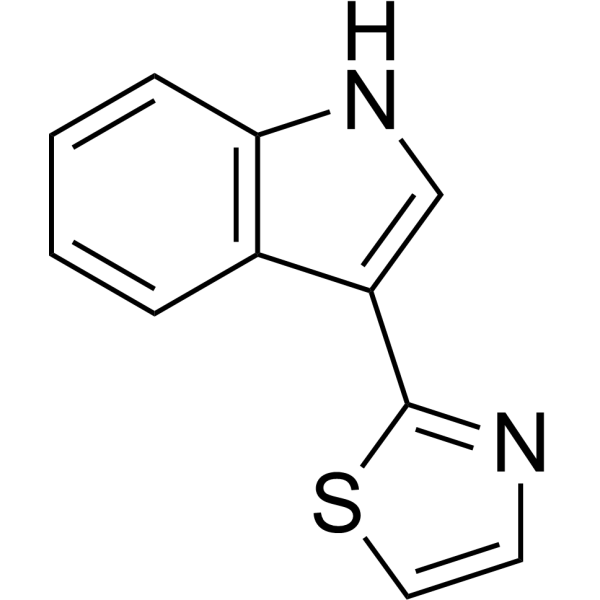
    Camalexin
    3 Publications Verification

    Reactive Oxygen Species (ROS) Fungal Bacterial Infection Cancer
    Camalexin is a phytoalexin isolated from Camelina sativa (Cruciferae) with antibacterial, antifungal, antiproliferative and anticancer activities. Camalexin can induce reactive oxygen species (ROS) production .
    Camalexin
  • HY-118693

    Dianthramide P

    Drug Derivative Inflammation/Immunology
    Avenanthramide D is a phenolic acids found in the Avena sativa L.. Avenanthramide D is promising for research of inflammation .
    Avenanthramide D
  • HY-W753479

    Reactive Oxygen Species (ROS) Others
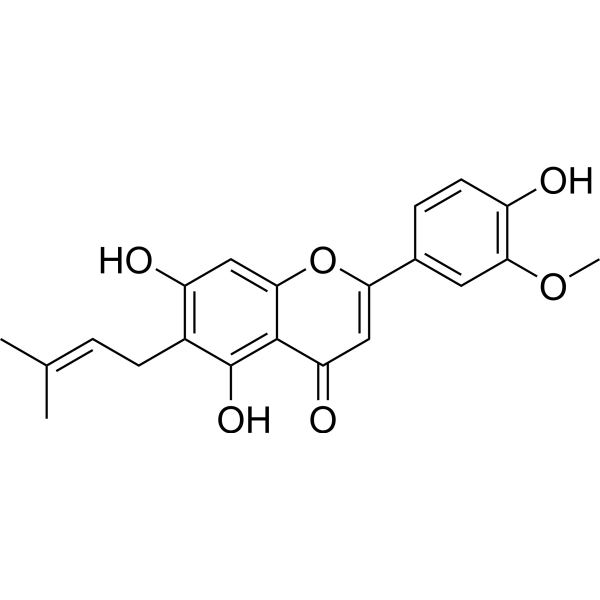
    Cannflavin C (compound 5) can be isolated from Cannabis sativa. Cannflavin C has anti-oxidant activity .
    Cannflavin C
  • HY-W749694

    Canniflavone

    Ferroptosis Parasite PGE synthase Lipoxygenase Trk Receptor p38 MAPK mTOR Akt Infection Neurological Disease Inflammation/Immunology Cancer
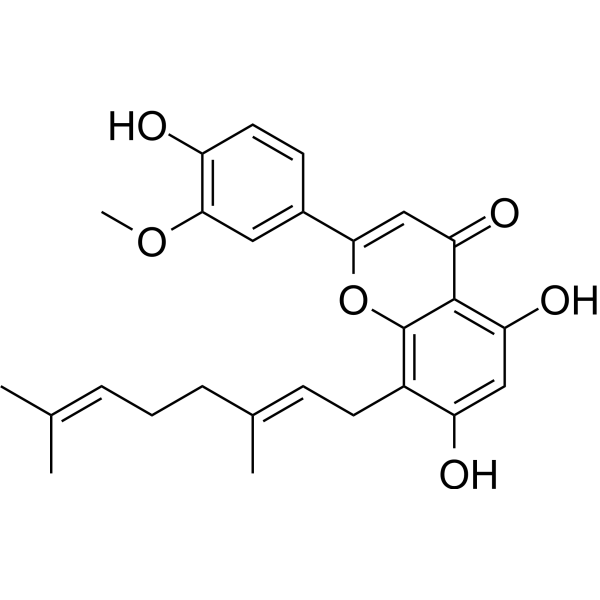
    Cannflavin B is a flavonoid compound that can be isolated from Cannabis sativa L. Cannflavin B is inhibitors of PGE2 release (IC50: 0.7 μM), mPGES-1 (IC50: 3.7 μM), and 5-lipoxygenase. Cannflavin B has multiple activities such as anti-inflammatory, antioxidant, anti-glycation, anti-ferroptosis, anti-tumor, and anti-Leishmania (IC50: 14 μM). Cannflavin B can also inhibit the TrkB-BDNF signaling pathway .
    Cannflavin B
  • HY-N1677

    Akt mTOR Bacterial Fungal AMPK Infection Metabolic Disease Inflammation/Immunology Cancer
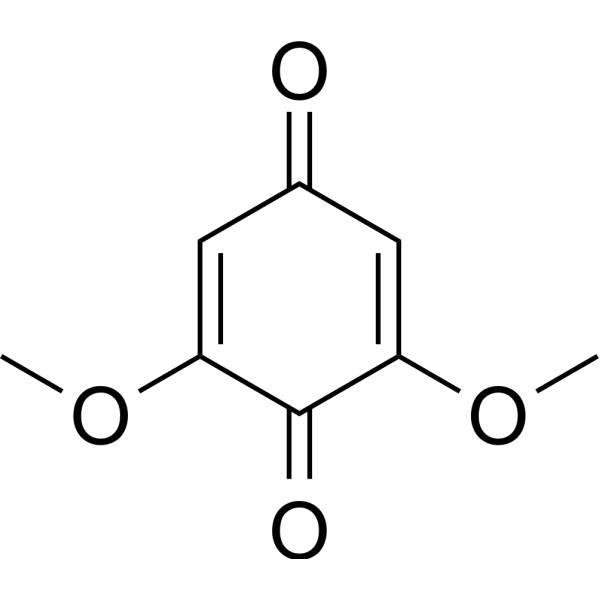
    2,6-Dimethoxy-1,4-benzoquinone is a 1,4-benzoquinone derivative. 2,6-Dimethoxy-1,4-benzoquinone promotes phosphorylation of AKT, S6K, mTOR, 4E-BP1, and AMPK, and attenuates mTORC1 activity as part of the AKT/mTOR pathway. 2,6-Dimethoxy-1,4-benzoquinone stimulates myoblast differentiation, increases myotube size, elevates MHC protein expression, enhances mitochondrial biogenesis, respiration, and DNA content, and increases skeletal muscle weights, fiber size, grip strength, and treadmill performance. 2,6-Dimethoxy-1,4-benzoquinone exerts anti-cancer, anti-inflammatory, anti-adipogenic, antibacterial, and antimutagenic effects, inhibits adipogenic transcription factors, nitric oxide production, skin tumor development, Magnaporthe oryzae growth, spore germination, appressorium formation, and growth of select bacterial species, induces H2O2 generation and rice defense gene expression, and reduces rice blast lesion formation. 2,6-Dimethoxy-1,4-benzoquinone can be used for the research of obesity, skin tumorigenesis, rice blast disease, and food-borne illness .
    2,6-Dimethoxy-1,4-benzoquinone
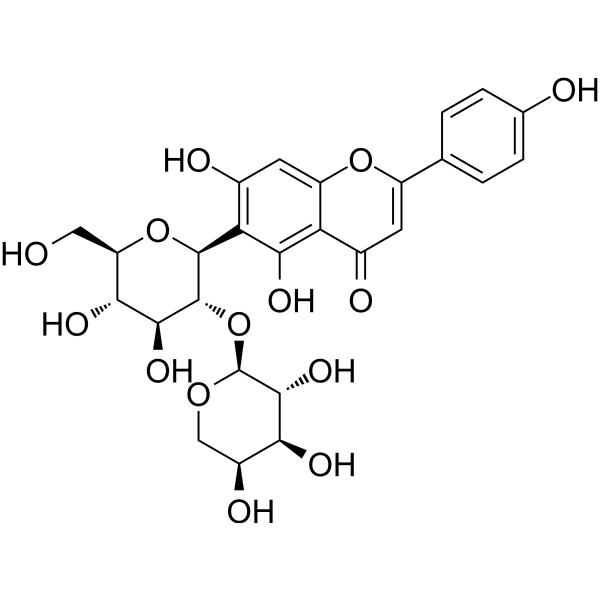
  • HY-N5114
    Isovitexin 2''-O-arabinoside
    2 Publications Verification

    Phosphatase Others
    Isovitexin 2''-O-arabinoside is a flavonoid in plantlets of Avena sativa L. .
    Isovitexin 2''-O-arabinoside
  • HY-W748591

    Apoptosis Amyloid-β KMO Neurological Disease Inflammation/Immunology Cancer
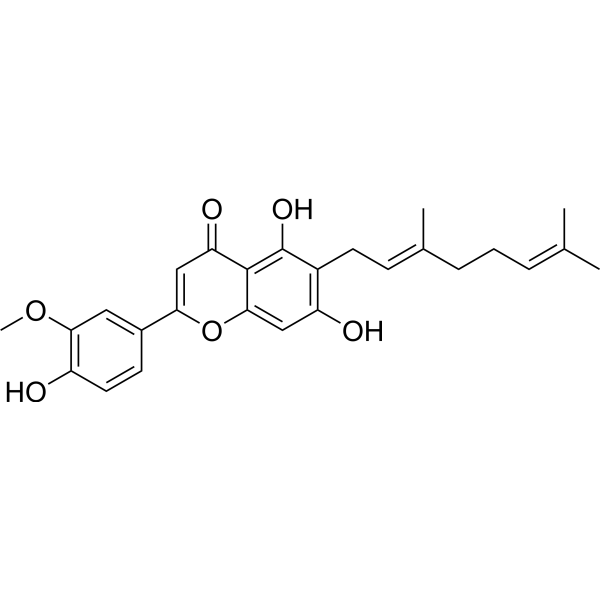
    Cannflavin A can be isolated from Cannabis sativa L.. Cannflavin A has anti-cancer, neuroprotective and anti-inflammatory activity. Cannflavin A inhibits 1-42 aggregation. Cannflavin A also inhibits kynurenine-3-monooxygenase (KMO) (IC50 = 29.4 μM). Cannflavin A activates apoptosis via caspase-3 cleavage. Cannflavin A exerts anti-inflammatory effects by inhibiting pro-inflammatory enzymes, including prostaglandin E2 and cytochrome c oxidases I and II in PC12 cell line .
    Cannflavin A
  • HY-120161

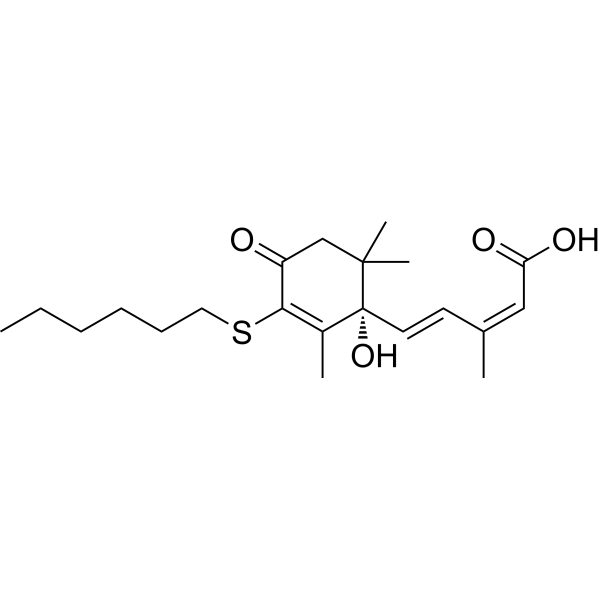
    3'-Hexylsulfanylabscisic acid

    ABA Receptor Phosphatase Others
    AS6 (3'-Hexylsulfanylabscisic acid) is a PYL antagonist with a Kd value of 0.48 μM for Arabidopsis PYL5. AS6 binds to PYL proteins, and its S-hexyl chain blocks PP2C binding via steric hindrance. AS6 alleviates the inhibitory effect of ABA on seed germination in Arabidopsis and lettuce .
    AS6
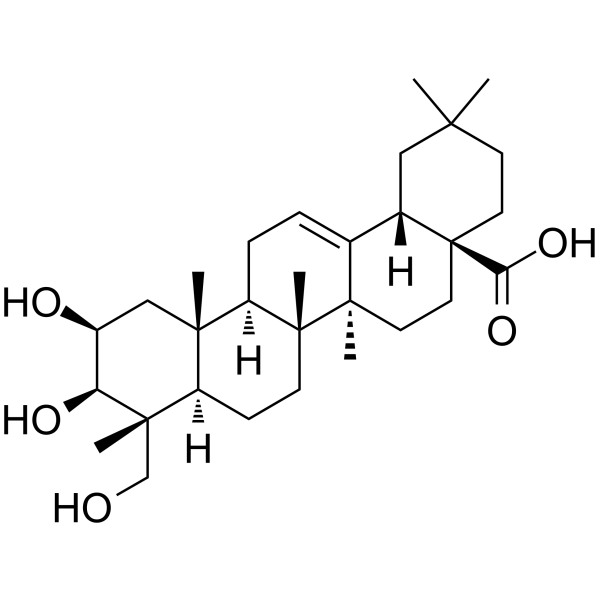
  • HY-N1932

    Phosphorylase Metabolic Disease
    Bayogenin is a triterpenoid saponin and one of the main components of Medicago sativa saponins. Bayogenin is an inhibitor of glycogen phosphorylase .
    Bayogenin
  • HY-N3979
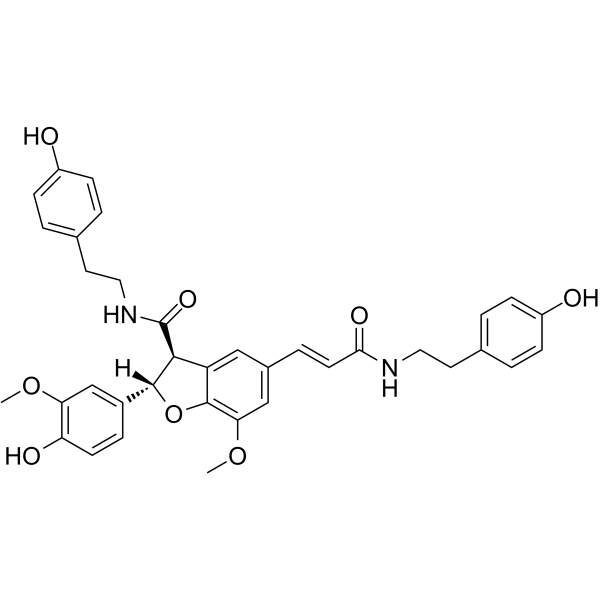
    Grossamide
    1 Publications Verification

    Toll-like Receptor (TLR) NF-κB Interleukin Related TNF Receptor MyD88 Neurological Disease Inflammation/Immunology
    Grossamide is a natural product that can be isolated from fructus cannabis, the dried fruit of Cannabis sativa L.. Grossamide has anti-neuroinflammatory effects .
    Grossamide
  • HY-N0308

    Environmental Pollutants Biochemical Assay Reagents Cancer
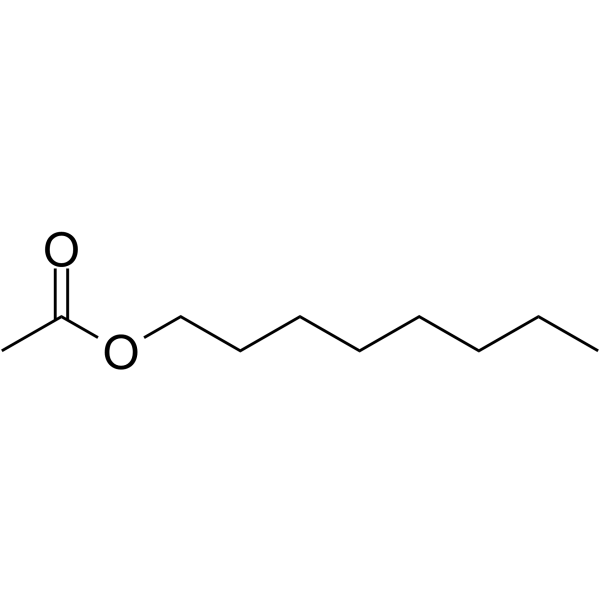
    Octyl acetate is an orally active aliphatic ester. Octyl acetate has certain antioxidant properties. Octyl acetate contributes to the formation of fruit aroma and affects the flavor of fruits such as strawberries. Octyl acetate can be used in the research of malignant melanoma, colon cancer and breast cancer .
    Octyl acetate
  • HY-N1959

    Others Others
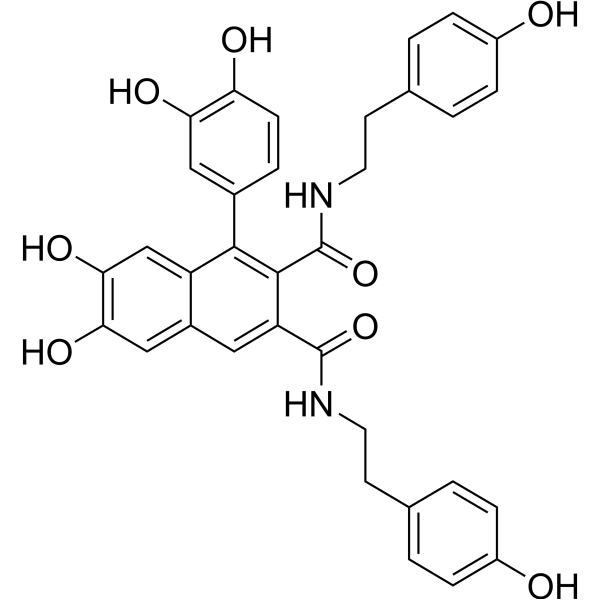
    Cannabisin A is a natural product in seeds in sprouts .
    Cannabisin A
  • HY-N8445

    Aryl Hydrocarbon Receptor Others
    Glucoerucin potassium is an aryl hydrocarbon receptor antagonist and is the 4-methylthio-butyl glucosinolate found in the seeds of Eruca sativa Mill .
    Glucoerucin potassium
  • HY-N9924

    Endogenous Metabolite Aryl Hydrocarbon Receptor Others
    Glucoerucin is an aryl hydrocarbon receptor antagonist and is the 4-methylthio-butyl glucosinolate found in the seeds of Eruca sativa Mill .
    Glucoerucin
  • HY-N10373

    Others Others
    Caffeoyl alcohol is a monomer constituting Catechyl lignin. Catechyl lignin is a linear homopolymer of caffeyl alcohol, a natural source of carbon fiber and high-value chemicals .
    Caffeoyl alcohol
  • HY-D0803R

    Reference Standards Apoptosis VEGFR PI3K Akt Infection Cardiovascular Disease Neurological Disease Inflammation/Immunology Cancer
    Thymoquinone (Standard) is the analytical standard of Thymoquinone. This product is intended for research and analytical applications. Thymoquinone is an orally active natural product isolated from N. sativa Thymoquinone down-regulates the VEGFR2-PI3K-Akt pathway. Thymoquinone has antioxidant, anti-inflammatory, anticancer, antiviral, anticonvulsant, antifungal, antiviral, antiangiogenic activity and hepatoprotective effects. Thymoquinone can be used to study Alzheimer's disease, cancer, cardiovascular disease, infectious disease and inflammation .
    Thymoquinone (Standard)
  • HY-117209

    Others Others
    Cannabivarin is a Phenols product that can be isolated from the herbs of Cannabis sativa. .
    Cannabivarin
  • HY-N5099

    Others Metabolic Disease
    N-Vanillyldecanamide, a capsaicinoid isolated from the fruits of Capsicum annuum, significantly reduced the radical length of Lactuca sativa seedling in a dose-dependent manner .
    N-Vanillyldecanamide
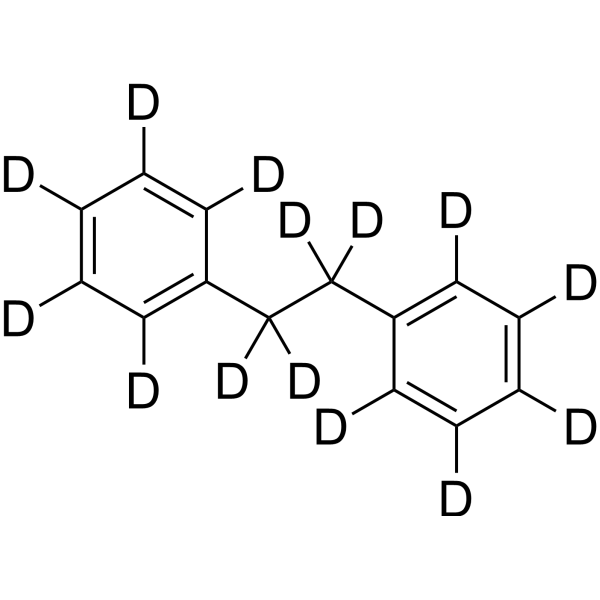
  • HY-78004

    s-Diphenylethane; Dibenzyl

    Drug Intermediate Inflammation/Immunology Cancer
    Bibenzyl (s-Diphenylethane; Dibenzyl) is a compound containing two benzyl groups. Its derivatives possess various activities such as antioxidant, anti-inflammatory, and anti-cancer properties .
    Bibenzyl
  • HY-N3535

    Prostaglandin Receptor Lipoxygenase Inflammation/Immunology
    Canniprene, an isoprenylated bibenzyl unique to Cannabis sativa, is a potent inhibitor of 5-lipoxygenase (5-LO) activity (IC50=0.4 μM) and cyclooxygenase/microsomal prostaglandin E2 synthase (PGE2; IC50=10 μM). Canniprene inhibits the production of inflammatory eicosanoids and affects the generation of prostaglandins .
    Canniprene
  • HY-111812

    Others Neurological Disease
    Tricin 7-O-glucuronide is an Alfalfa (Medicago sativa L.) flavonoid that can be obtained from the leaves of M. tenuifollium G. Forster .
    Tricin 7-O-glucuronide
  • HY-119502R

    Reference Standards Reactive Oxygen Species (ROS) Fungal Bacterial Infection Cancer
    Camalexin (Standard) is the analytical standard of Camalexin. This product is intended for research and analytical applications. Camalexin is a phytoalexin isolated from Camelina sativa (Cruciferae) with antibacterial, antifungal, antiproliferative and anticancer activities. Camalexin can induce reactive oxygen species (ROS) production[1][2][3].
    Camalexin (Standard)
  • HY-169461

    Δ8-Tetrahydrocannabiorcol

    Drug Derivative Inflammation/Immunology
    Δ8-THCO (delta 8-tetrahydrocannabinol) is a cannabinoid compound that can be isolated from medicinal cannabis (sp. Sativa) .
    Δ8-THCO
  • HY-N4014

    Others Others
    Ilicol is a natural product isolated from the roots of Saussurea lappa Clarke. Ilicol inhibits root growth and shows IC50 values of 1.22, 2.90, 7.35, 8.07 mM against P. miliaceum , A. sativa, L. sativa , and R. sativus, respectively. Ilicol reduces Allium cepa cell division without chromosome aberration .
    Ilicol
  • HY-N12138

    Glycosidase Metabolic Disease
    Flaccidoside III is a triterpenoid isolated from the aerial parts of N. sativa (Ranunculaceae). Flaccidoside III inhibits α-Glucosidase (IC50: 256.7 μM) and has potential antioxidant and antidiabetic activities .
    Flaccidoside III
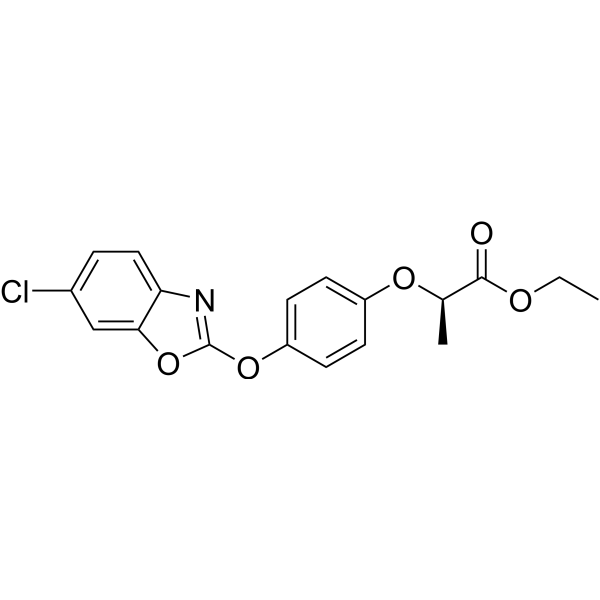
  • HY-157024

    Herbicide Others
    PDS-IN-1 is a potent inhibitor of Oryza sativa phytoene desaturase (OsPDS), resulting in herbicidal activity .
    Phytoene desaturase-IN-2
  • HY-N15454

    Altertenuol

    Herbicide Bacterial Infection
    Altenuisol is a compound that can be found in the pathogenic fungus of the genus Alternaria in Xanthium italicum. It has herbicidal activity. At a low concentration of Altenuisol (10 μg/mL), it promotes the root growth of Pennisetum alopecuroides and Medicago sativa by 75.2% and 51.0% respectively. At a high concentration of Altenuisol (1000 μg/mL), the inhibition rates of root growth of Pennisetum alopecuroides and Medicago sativa are 52.0% and 42.0% respectively. In addition, Altenuisol is cytotoxic to HeLa cells and also exhibits antibacterial and antioxidant activities. Altenuisol is expected to be used in research in fields such as agricultural weeding, anti - tumor, and anti - infection .
    Altenuisol
  • HY-N1932R

    Reference Standards Phosphorylase Metabolic Disease
    Bayogenin (Standard) is the analytical standard of Bayogenin (HY-N1932). This product is intended for research and analytical applications. Bayogenin is a triterpenoid saponin and one of the main components of Medicago sativa saponins. Bayogenin is an inhibitor of glycogen phosphorylase .
    Bayogenin (Standard)
  • HY-75342S

    Wnt Endogenous Metabolite Reactive Oxygen Species (ROS) Isotope-Labeled Compounds Inflammation/Immunology
    Methyl vanillate-d3 is deuterated labeled Methyl vanillate (HY-75342). Methyl vanillate, one of the ingredients in Oryza sativa Linn., is a Wnt/β-catenin pathway activator . A benzoate ester that is the methyl ester of vanillic acid. It has a role as an antioxidant and a plant metabolite.
    Methyl vanillate-d3
  • HY-75342R

    Reference Standards Wnt Reactive Oxygen Species (ROS) Endogenous Metabolite Inflammation/Immunology Cancer
    Methyl vanillate (Standard) is the analytical standard of Methyl vanillate. This product is intended for research and analytical applications. Methyl vanillate, one of the ingredients in Oryza sativa Linn., is a Wnt/β-catenin pathway activator[1]. A benzoate ester that is the methyl ester of vanillic acid. It has a role as an antioxidant and a plant metabolite.
    Methyl vanillate (Standard)
  • HY-137960

    Bacterial Inflammation/Immunology Cancer
    O,O-Dimethyl-cannabigerol is a natural product from Cannabis sativa. O,O-Dimethyl-cannabigerol has an antibacterial effect on drug-resistant strains of Staphylococcus aureus (MIC ranging from 1 to 2 μg/mL) . O,O-Dimethyl-cannabigerol is a nonpsychoactive constituent .
    O,O-Dimethyl-cannabigerol
  • HY-N18778

    Bacterial Infection Inflammation/Immunology
    Nigella sativa extract, derived from the seeds of the Nigella sativa plant, which has anti-inflammatory, antioxidant, antibacterial, and antifungal effects.
    Nigella sativa extract
  • HY-N0308R

    Reference Standards Biochemical Assay Reagents Cancer
    Octyl acetate (Standard) is the analytical standard of Octyl acetate (HY-N0308). This product is intended for research and analytical applications. Octyl acetate is an orally active aliphatic ester. Octyl acetate has certain antioxidant properties. Octyl acetate contributes to the formation of fruit aroma and affects the flavor of fruits such as strawberries. Octyl acetate can be used in the research of malignant melanoma, colon cancer and breast cancer .
    Octyl acetate (Standard)
  • HY-119609

    Bacterial Cholinesterase (ChE) β-glucuronidase Infection
    Ilicicolin C exhibits antibacterial activity against Pseudomonas syringae with IC50 of 28.5 µg/mL. Ilicicolin C exhibits weak inhibitory activities against acetylcholinesterase (AChE) and β-glucuronidase with IC50 of 30-43 µg/mL. Ilicicolin C exhibits weak cytoxicity in human lung fibroblasts with IC50 of 64-120 µg/mL. Ilicicolin C affects seed germination and root tip growth of lettuce .
    Ilicicolin C
  • HY-N18665

    Others Others
    Medicago sativa extract is a whole-plant extract of alfalfa, a legume, and can be used in research on health supplements.
    Medicago sativa extract
  • HY-W748591R

    Amyloid-β Apoptosis Reference Standards KMO Neurological Disease Inflammation/Immunology Cancer
    Cannflavin A (Standard) is the analytical standard of Cannflavin A. This product is intended for research and analytical applications. Cannflavin A can be isolated from Cannabis sativa L.. Cannflavin A has anti-cancer, neuroprotective and anti-inflammatory activity. Cannflavin A inhibits 1-42 aggregation. Cannflavin A also inhibits kynurenine-3-monooxygenase (KMO) (IC50 = 29.4 μM). Cannflavin A activates apoptosis via caspase-3 cleavage. Cannflavin A exerts anti-inflammatory effects by inhibiting pro-inflammatory enzymes, including prostaglandin E2 and cytochrome c oxidases I and II in PC12 cell line .
    Cannflavin A (Standard)
  • HY-N18679

    Others Others
    Avena sativa kernel extract is extracted from the kernel of the oat plant, a member of the Poaceae family. Its main active ingredient is glucan, a high-sugar substance that can form a transparent, elastic, and breathable film on the skin.
    Avena sativa kernel extract
  • HY-W127487

    Biochemical Assay Reagents Others
    Quorum sensing is a regulatory system used by bacteria to control gene expression in response to increased cell density. This regulatory process manifests itself in a variety of phenotypes, including biofilm formation and virulence factor production. Coordinated gene expression is achieved through the production, release and detection of small diffusible signaling molecules called autoinducers. N-acylated homoserine lactones (AHLs) comprise a class of such autoinducers, each of which generally consists of a fatty acid coupled to a homoserine lactone (HSL). Modulation of bacterial quorum-sensing signaling systems to suppress pathogenesis represents a new approach to antimicrobial research for infectious diseases. AHLs differ in acyl length (C4-C18), C3 substitution (hydrogen, hydroxyl, or oxo group), and the presence or absence of one or more carbon-carbon double bonds in the fatty acid chain. These differences confer signaling specificity through the affinity of the LuxR family of transcriptional regulators. C18-HSL, one of four lipophilic long acyl side chain AHLs produced by the LuxI AHL synthase homolog SinI, is involved in quorum-sensing signaling in strains of Rhizobium meliloti (a nitrogen-fixing bacterial symbiont of the legume M. sativa) . C18-HSL and other hydrophobic AHLs tend to localize in the relatively lipophilic environment of bacterial cells and cannot diffuse freely across the cell membrane. Long-chain N-acyl homoserine lactones can be exported from cells by efflux pumps, or can be transported between communicating cells by extracellular outer membrane vesicles.
    N-Octadecanoyl-L-homoserine lactone
  • HY-130225

    Others Others
    Cannabichromevarin is a cannabinoid, which could be found in Cannabis sativa .
    Cannabichromevarin
  • HY-179455

    8-Oxo-Δ9-tetrahydrocannabinol; Δ1-Tetrahydrocannabinol-6-one

    Drug Derivative Others
    8-Oxo-Δ9-THC is an oxygenated tetrahydrocannabinol that can be found in Cannabis sativa L. variety CHPF-01 .
    8-Oxo-Δ9-THC
  • HY-N17917

    Tyrosinase Others
    3-Feruloyl-4',6'-diacetyl sucrose is a feruloyl sucrose ester that can be found in the roots of Oryza sativa .
    3-Feruloyl-4',6'-diacetyl sucrose
  • HY-N17336

    Drug Derivative Others
    7-Ketostigmasterol is a sterol present in the hull of Oryza sativa(rice) .
    7-Ketostigmasterol
  • HY-W152736

    DYRK Neurological Disease
    2-Methyl-5-acetylphenol is a hydroxylated methylacetophenone that exists in the aerial parts of Cannabis sativa subsp. sativa. 2-Methyl-5-acetylphenol exhibits strong binding affinity to HIPK2. 2-Methyl-5-acetylphenol cannot reverse MPP + (1-methyl-4-phenyl-pyridinium ion)-induced neuronal cytotoxicity. 2-Methyl-5-acetylphenol can be used for Parkinson's disease research .
    2-Methyl-5-acetylphenol
  • HY-172151

    Herbicide Protoporphyrinogen IX oxidase Others
    PPO-IN-17 (Compound 6R) is the inhibitor protoporphyrinogen IX oxidase (PPO) that inhibits Nicotiana tobacco PPO (NtPPO) with Ki of 30.34 nM. PPO-IN-17 exhibits herbicidal activity that inhibits barnyardgrass (E. crus-galli), foxtail grass (D. sanguinalis), alfalfa (M. sativa) and Canada cocklebur (C. canadensis) (>95% inhibition rate at a concentration of 37.5 g/hm 2). PPO-IN-17 exhibits no toxicity on rice (at a concentration of 75 g/hm 2) or on honeybees (at a concentration of 6400 mg/kg) .
    PPO-IN-17
  • HY-N0055A

    trans-3-O-Caffeoylquinic acid; trans-Heriguard; trans-NSC-407296

    Drug Derivative Infection
    trans-Chlorogenic acid (trans-3-O-Caffeoylquinic acid) is a caffeoyl ester derivative of quinic acid, as well as an oviposition stimulant. trans-Chlorogenic acid can be found in the leaves of carrot (Daucus carota) and wild parsnip (Pastinaca sativa) .
    trans-Chlorogenic acid
  • HY-W748468

    Drug Derivative Bacterial Infection
    6-Isopentenyloxyisobergapten is a furanocoumarin found in the aerial parts of Semenovia transiliensis and the roots of Heracleum maximum. 6-Isopentenyloxyisobergapten has both selective phytotoxicity and antimycobacterial activity. 6-Isopentenyloxyisobergapten shows a minimum inhibitory concentration (MIC) of 166.5 μM and an IC50 of 27.4 μM against Mycobacterium tuberculosis H37Ra. 6-Isopentenyloxyisobergapten has an IC50 of 29 μM for the growth inhibition of Lemna paucicostata. 6-Isopentenyloxyisobergapten exhibits higher activity against Agrostis stolonifera than Lactuca sativa at a concentration of 1000 μM .
    6-Isopentenyloxyisobergapten
  • HY-N17503

    Fungal Infection
    Medicagenic acid 3-O-glucoside is a monosaccharide-chain triterpenoid saponin antifungal agent that can be isolated from the roots of Medicago sativa. Against Pyricularia oryzae, Medicagenic acid 3-O-glucoside has a MIC of 0.03 mg/mL and a MFC of 0.125 mg/mL. Medicagenic acid 3-O-glucoside alters the permeability of fungal cell membranes, causing cell rupture and inhibiting fungal growth. Medicagenic acid 3-O-glucoside can be used in studies related to rice blast .
    Medicagenic acid 3-O-glucoside

Inquiry Online

Your information is safe with us. * Required Fields.

Salutation


Country or Region *

Applicant Name *


Organization Name *

Department *


Email Address *


Product Name *

Cat. No.


Requested quantity *

Phone Number *


Remarks

Inquiry Online

Inquiry Information

Product Name:
Cat. No.:
Quantity:
MCE Japan Authorized Agent:

