1. Search Result
Search Result
Results for "

sedative effects

" in MedChemExpress (MCE) Product Catalog:

70

Inhibitors & Agonists

12

Natural
Products

5

Isotope-Labeled Compounds

Cat. No. Product Name Target Research Areas Chemical Structure
  • HY-B1296
    Promethazine
    1 Publications Verification

    (±)-Promethazine

    Histamine Receptor Neurological Disease Endocrinology
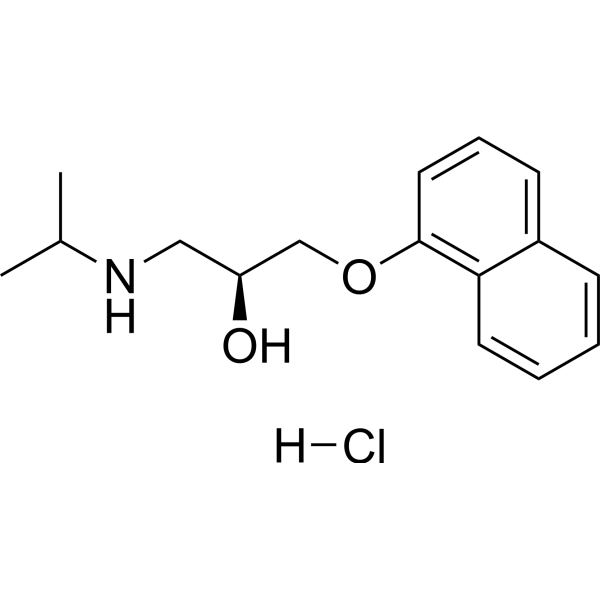
    Promethazine is an orally active histamine receptor antagonist . Promethazine is first-generation antihistamine of the phenothiazine family, shows strong sedative and weak antipsychotic effects .
    Promethazine
  • HY-N2081
    Skimmianine
    3 Publications Verification

    Cholinesterase (ChE) PI3K Akt NF-κB Neurological Disease Inflammation/Immunology Cancer
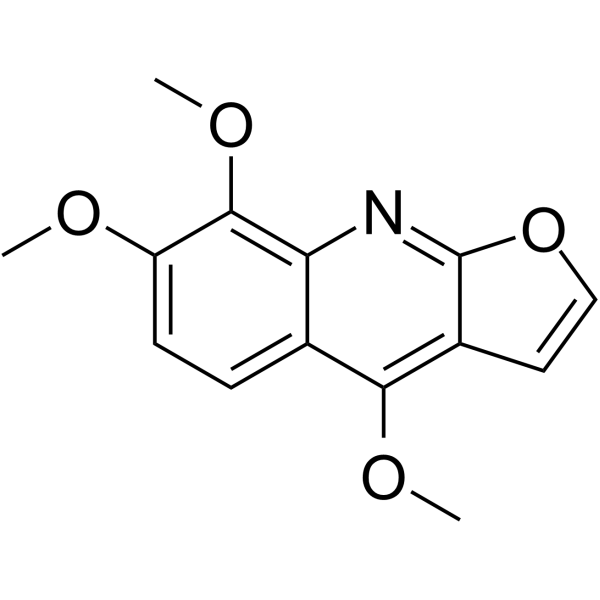
    Skimmianine is an orally active furoquiniline alkaloid present mainly in the Rutaceae family. Skimmianine has analgesic, antispastic, sedative, and anti-inflammatory properties. Skimmianine inhibits acetylcholinesterase (AChE) (IC50 = 8.6 μg/mL). Skimmianine exhibits cytotoxicity against a variety of cancer cell lines and genotoxicity. Skimmianine has antioxidant and anti-inflammatory effects on ischemia-reperfusion (IR) injury. Skimmianine exerts anti-inflammatory effects through activation of the phosphatidylinositol-3-kinase (PI3K)-protein kinase B (AKT) pathway. Skimmianine is neuroprotective by targeting the NF-κB activation pathway to prevent neuroinflammation. Skimmianine inhibits the release of histamine, intracellular Ca 2+ signaling and protein kinase C signaling .
    Skimmianine
  • HY-90003
    Tianeptine
    1 Publications Verification

    Opioid Receptor iGluR MMP PI3K Akt NF-κB Neurological Disease Inflammation/Immunology
    Tianeptine is an atypical antidepressant. Tianeptine is a moderate-intensity agonist of the μ-opioid receptor (MOR), and to a lesser extent, is an agonist of the δ-opioid receptor (DOR). Tianeptine is a glutamate modulator that can enhance AMPA receptor and antagonize NMDA receptor. tianeptine increases sensitivity of the α1 adrenergic receptor, which only manifests in chronic treatment. Tianeptine exerts neuroprotective effects under stress/inflammation-induced conditions, exhibiting anti-inflammatory and antioxidant properties. Tianeptine inhibits MMP-9 by suppressing the PI3K/Akt-mediated NF-κB pathway. Tianeptine can be used to alleviate symptoms of depression and anxiety, but does not cause sedative effects .
    Tianeptine
  • HY-B1229
    Isovaleramide
    1 Publications Verification

    3-Methylbutanamide

    GABA Receptor Neurological Disease Metabolic Disease
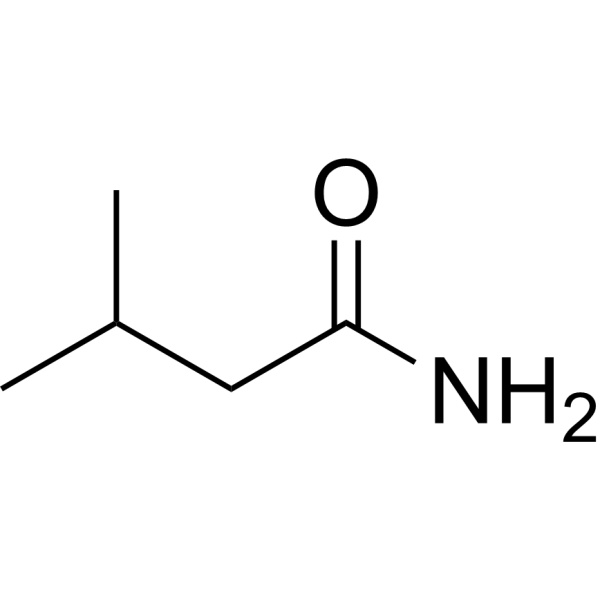
    Isovaleramide (3-Methylbutanamide) is an orally active anticonvulsant. Isovaleramide inhibits alcohol dehydrogenase (ADH) activity and regulates GABAergic system. Isovaleramide reduces acute kidney injury. Isovaleramide has antiepileptic, anxiolytic, sedative and hypnotic effects[1] .
    Isovaleramide
  • HY-17034

    Adrenergic Receptor Neurological Disease Endocrinology
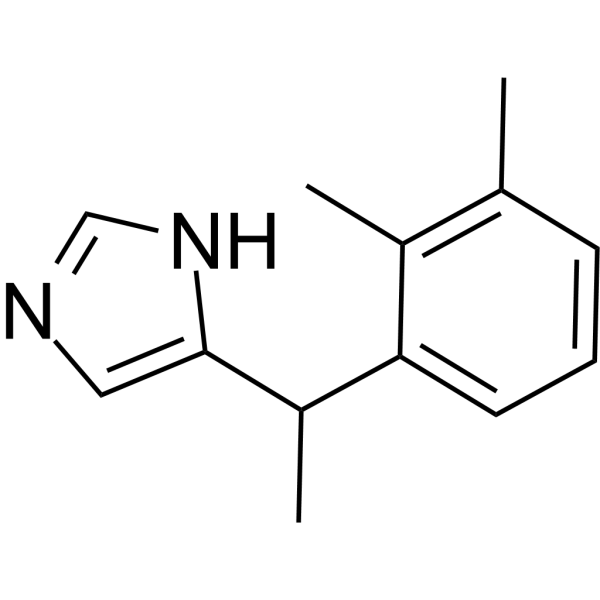
    Medetomidine is an orally active α2-adrenoceptor agonist (Ki: 1.08 nM). Medetomidine has sedative and analgesic effects. Medetomidine can cause peripheral vasoconstriction through the activation of α2 adrenoceptors on blood vessels .
    Medetomidine
  • HY-B1693
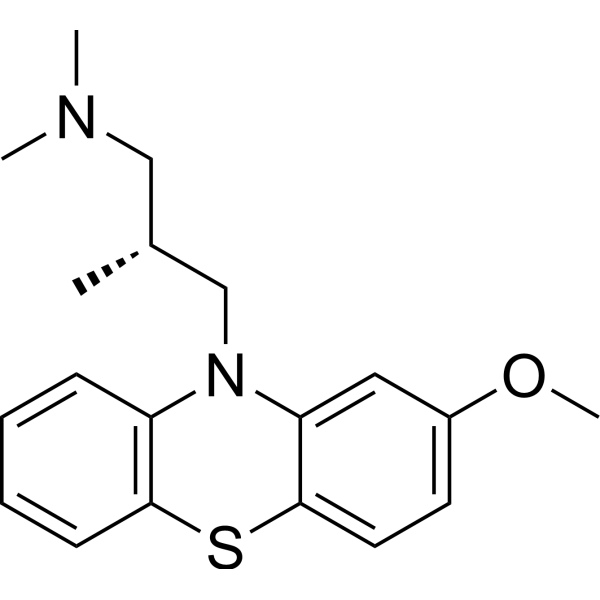
    Levomepromazine
    1 Publications Verification

    Methotrimeprazine

    5-HT Receptor Dopamine Receptor Histamine Receptor Autophagy Enterovirus Calcium Channel Infection Neurological Disease Inflammation/Immunology
    Levomepromazine (Methotrimeprazine) is an orally active antipsychotic compound and Ca 2+ release inducer. Levomepromazine inhibits SERCA pump and induces an increase in cytoplasmic Ca 2+ levels. Levomepromazine has antagonistic effects on a variety of neurotransmitter receptors, including dopamine, cholinergic, serotonin, and histamine receptors. Levomepromazine can induce adaptive ER stress and autophagy. In addition, Levomepromazine has antiviral, anti-inflammatory, neuroprotective and analgesic, sedative and anti-injurious activities. Levomepromazine can be used in the study psychiatric disorders and relieving nausea and vomiting .
    Levomepromazine
  • HY-N6929
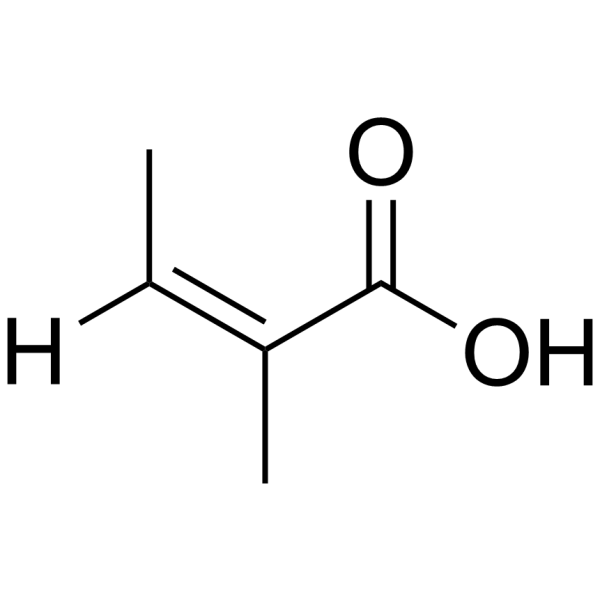
    Angelic acid
    1 Publications Verification

    Ferroptosis Keap1-Nrf2 Reactive Oxygen Species (ROS) Neurological Disease Cancer
    Angelic acid is a ferroptosis inducer, targeting NRF2 degradation. Angelic acid binds to NRF2 protein and promotes NRF2 degradation via ubiquitination-proteasome pathway, relieves the inhibitory effect of NRF2 on oxidative stress and lipid peroxidation. Then, Angelic acid induces ferroptosis in tumor cells. Angelic acid can enhance the accumulation of intracellular reactive oxygen species (ROS), upregulate ferroptosis-related markers CHAC1 and PTGS2, and synergize with ferroptosis inducers to enhance anti-tumor effects. Angelic acid also has the activity of scavenging UVA-induced ROS in vitro, inhibiting skin fibroblast senescence and extracellular matrix degradation. Angelic Acid helps wound healing with sedative activity .
    Angelic acid
  • HY-17034B

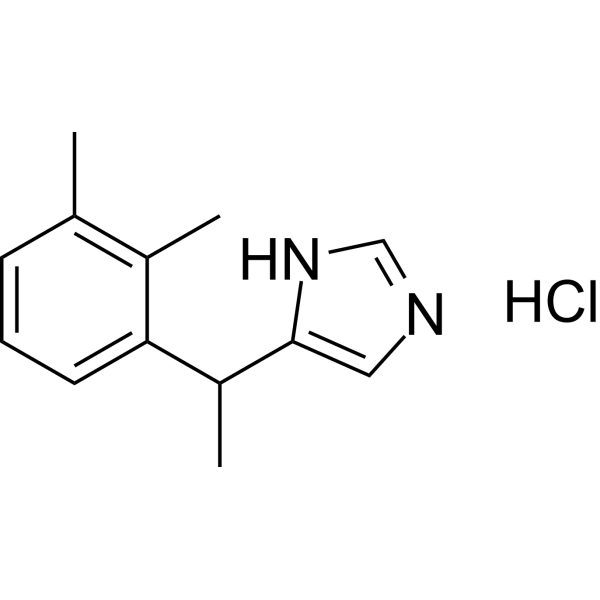
    MPV785

    Adrenergic Receptor Neurological Disease Endocrinology
    Medetomidine hydrochloride is an orally active α2-adrenoceptor agonist (Ki: 1.08 nM). Medetomidine hydrochloride has sedative and analgesic effects. Medetomidine hydrochloride can cause peripheral vasoconstriction through the activation of α2 adrenoceptors on blood vessels .
    Medetomidine hydrochloride
  • HY-90003A
    Tianeptine sodium salt
    1 Publications Verification

    Opioid Receptor iGluR MMP PI3K Akt NF-κB Neurological Disease Inflammation/Immunology
    Tianeptine sodium salt is an atypical antidepressant. Tianeptine sodium salt is a moderate-intensity agonist of the μ-opioid receptor (MOR), and to a lesser extent, is an agonist of the δ-opioid receptor (DOR). Tianeptine sodium salt is a glutamate modulator that can enhance AMPA receptor and antagonize NMDA receptor. Tianeptine sodium salt increases sensitivity of the α1 adrenergic receptor, which only manifests in chronic treatment. Tianeptine sodium salt exerts neuroprotective effects under stress/inflammation-induced conditions, exhibiting anti-inflammatory and antioxidant properties. Tianeptine sodium salt inhibits MMP-9 by suppressing the PI3K/Akt-mediated NF-κB pathway. Tianeptine sodium salt can be used to alleviate symptoms of depression and anxiety, but does not cause sedative effects .
    Tianeptine sodium salt
  • HY-N8303

    ERK PAK Neurological Disease Inflammation/Immunology
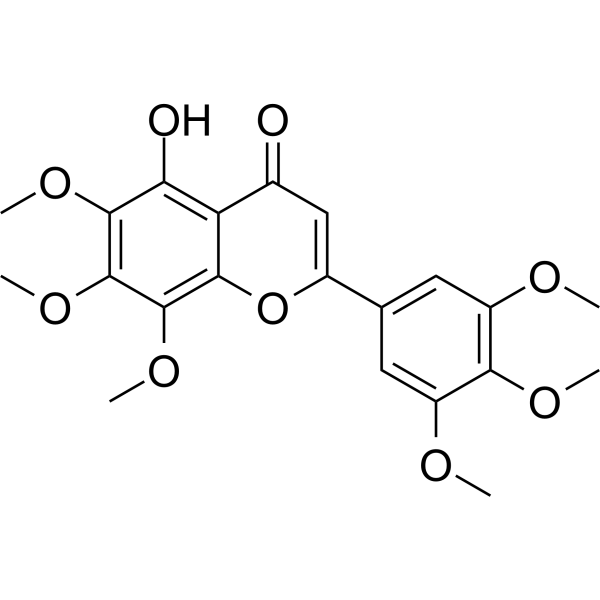
    Gardenin A is an orally active and synthetic PMF analogue with the neurotrophic effect for neurite outgrowth and neuronal differentiation. Gardenin A promotes neuritogenesis via activating MAPK/ERK, PKC, and PKA, but not TrkA, CREB signaling pathways. Gardenin A also has sedative, anxiolytic, antidepressant, and anticonvulsant effects .
    Gardenin A
  • HY-B0971

    Prophenpyridamine maleate; Tripoton maleate

    Histamine Receptor Apoptosis Inflammation/Immunology Endocrinology
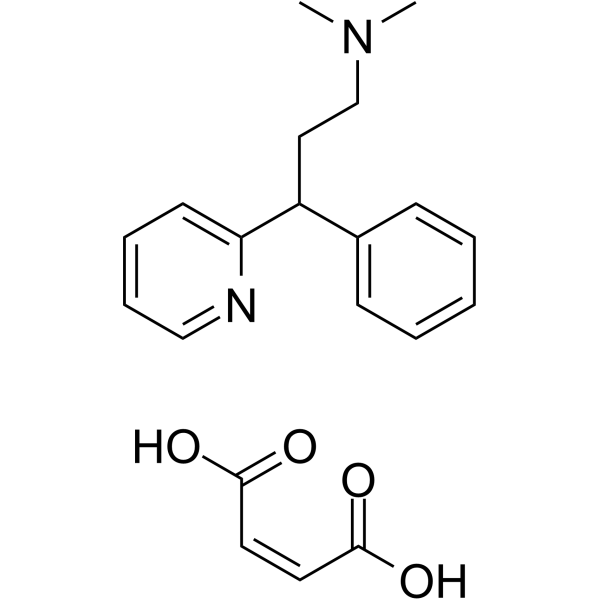
    Pheniramine (Prophenpyridamine; Tripoton) maleate is a first-generation histamine H1 receptor antagonist, acts on the central nervous system (CNS) with sedative and hypnotic effect. Pheniramine maleate displays antitumor effect and induces leukemia cells apoptosis. Pheniramine maleate is also a safe and effective local agent that can suppress or relieve pain, with antipruritic effects .
    Pheniramine maleate
  • HY-135735A

    Adrenergic Receptor Cardiovascular Disease
    Levomedetomidine hydrochloride is an isomer of Medetomidine (HY-17034), and a cardioprotective agent with sedative and analgesic effects .
    Levomedetomidine hydrochloride
  • HY-137951

    Drug Derivative Neurological Disease
    Metizolam, a thienotriazolodiazepine, is the demethylated analogue of Etizolam. Metizolam exhibits psychomotor stabilizing, anxiolytic, sedative, myo-relaxant and amnestic effects .
    Metizolam
  • HY-108678

    Oxytocin Receptor Vasopressin Receptor Neurological Disease
    TC OT 39 is a synthetic oxytocin analog, as well as a selective agonist of oxytocin receptor (OXTR, EC50=180 nM). TC OT 39 is also an Avprla vasopressin receptor antagonist with an Ki value of 330 nM. TC OT 39 exhibits sedative effects in mouse models .
    TC OT 39
  • HY-17034BS1

    MPV785-13C,d3

    Isotope-Labeled Compounds Adrenergic Receptor Endocrinology
    Medetomidine-13C,d3 (hydrochloride) is a deuterated labeled Medetomidine (hydrochloride) . Medetomidine hydrochloride is an orally active α2-adrenoceptor agonist (Ki: 1.08 nM). Medetomidine hydrochloride has sedative and analgesic effects. Medetomidine hydrochloride can cause peripheral vasoconstriction through the activation of α2 adrenoceptors on blood vessels .
    Medetomidine-13C,d3 hydrochloride
  • HY-135741

    iGluR Neurological Disease
    NYX-2925 is an orally active NMDAR modulator. NYX-2925 restores levels of activated Src and Src phosphorylation sites on GluN2A and GluN2B in the mPFC. NYX-2925 shows no effect on CAMKII, and any addictive or sedative/ataxic side effects. NYX-2925 can be used for research of a variety of NMDA receptor-mediated central nervous system disorders .
    NYX-2925
  • HY-A0220
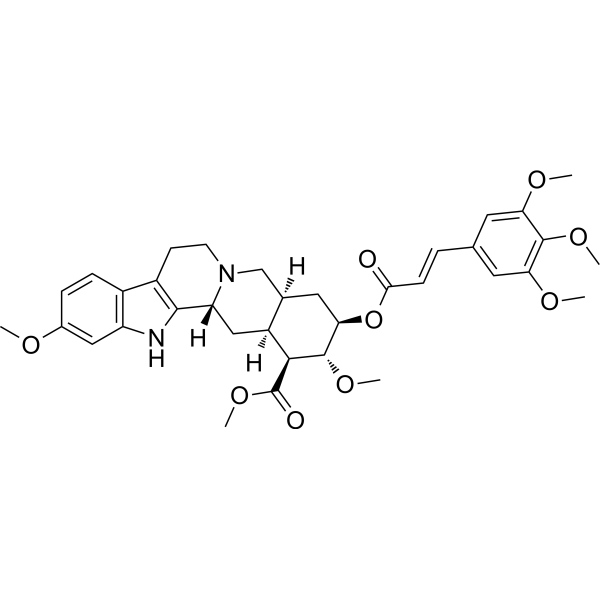
    Rescinnamine
    1 Publications Verification

    Reserpinine

    Drug Derivative Cardiovascular Disease Metabolic Disease
    Rescinnamine is a derivative of the indole alkaloid reserpine. Rescinnamine shows sedative effects. Rescinnamine can be used for hypertension research .
    Rescinnamine
  • HY-B1733

    Bistrimin; Histionex

    Histamine Receptor Sigma Receptor Cytochrome P450 Neurological Disease Inflammation/Immunology
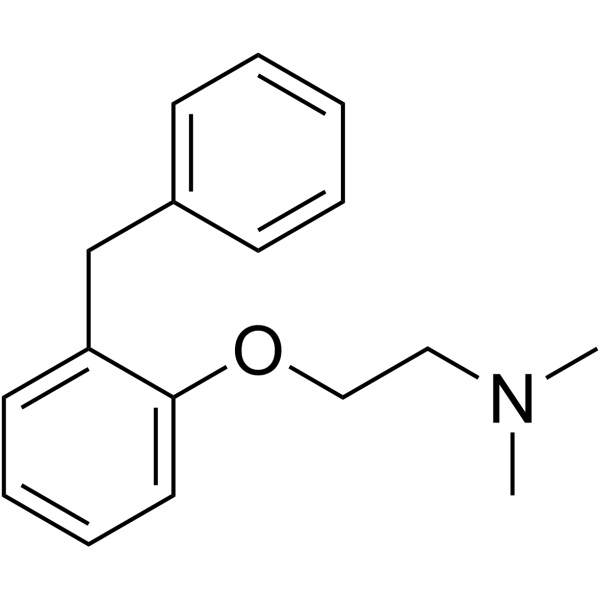
    Phenyltoloxamine (Bistrimin) is an antihistamine agent with sedative and analgesic effects. Phenyltoloxamine also has potent Sigma-1 receptor binding affinity (Ki: 160 nM) .
    Phenyltoloxamine
  • HY-W028389

    GABA Receptor Neurological Disease
    Pyrazolam is a brominated triazolo benzodiazepine psychoactive substance with oral effectiveness. Pyrazolam produces anxiolytic, sedative, and sleep-promoting effects. Pyrazolam can be used for the research of anxiety .
    Pyrazolam
  • HY-W707158

    (±)-Norfenfluramine hydrochloride

    Drug Metabolite Serotonin Transporter Neurological Disease
    Norfenfluramine hydrochloride ((±)-Norfenfluramine hydrochloride) is a major and brain-penetrant metabolite of Fenfluramine. Norfenfluramine hydrochloride can interact with 5-HT transporters to release 5-HT from neurons. Norfenfluramine hydrochloride displays antiepileptic effects in vivo .
    Norfenfluramine hydrochloride
  • HY-B0971A

    Prophenpyridamine; Tripoton; Pheniramine solution

    Histamine Receptor Apoptosis Inflammation/Immunology Cancer
    Pheniramine (Prophenpyridamine;Tripoton) is a first-generation histamine H1 receptor antagonist, acts on the central nervous system (CNS) with sedative and hypnotic effect. Pheniramine displays antitumor effect and induces leukemia cells apoptosis. Pheniramine is also a safe and effective local agent that can suppress or relieve pain, with antipruritic effects .
    Pheniramine
  • HY-B1594

    Adalin; Adisomnol; Bromacetocarbamide

    Others Neurological Disease
    Carbromal (Adalin; Adisomnol) is a sedative with centrally depressant effects .
    Carbromal
  • HY-17034BR

    MPV785 (Standard)

    Adrenergic Receptor Reference Standards Neurological Disease Endocrinology
    Medetomidine (hydrochloride) (Standard) is the analytical standard of Medetomidine (hydrochloride). This product is intended for research and analytical applications. Medetomidine hydrochloride is an orally active α2-adrenoceptor agonist (Ki: 1.08 nM). Medetomidine hydrochloride has sedative and analgesic effects. Medetomidine hydrochloride can cause peripheral vasoconstriction through the activation of α2 adrenoceptors on blood vessels .
    Medetomidine hydrochloride (Standard)
  • HY-155297

    FLA-136

    Histamine Receptor Cardiovascular Disease
    Nebidrazine is a centrally-acting hypotensive agent compared to clonidine, demonstrating weaker cardiovascular effects in rats. It induces dose-dependent hypotension and bradycardia when administered intracerebroventricularly (i.c.v.), with significantly lower sedative potential than clonidine in conscious rats. Yohimbine attenuates the cardiovascular effects of both Nebidrazine and clonidine, suggesting involvement of central alpha-autoreceptors sensitive to yohimbine. Unlike clonidine, Nebidrazine does not affect peripheral alpha-adrenoceptors in pithed rats, indicating a selective central mechanism. Chemical sympathectomy reduces Nebidrazine's cardiovascular effects more than clonidine's, and metiamide diminishes responses to both drugs, implicating central histamine receptors. These findings highlight Nebidrazine's distinct pharmacological profile and potential therapeutic application in managing hypertension through central alpha-autoreceptor stimulation .
    Nebidrazine
  • HY-B1693A

    Methotrimeprazine hydrochloride

    5-HT Receptor Dopamine Receptor Histamine Receptor Autophagy Enterovirus Calcium Channel Infection Neurological Disease Inflammation/Immunology
    Levomepromazine (Methotrimeprazine) hydrochloride is an orally active antipsychotic compound and Ca 2+ release inducer. Levomepromazine inhibits SERCA pump and induces an increase in cytoplasmic Ca 2+ levels. Levomepromazine hydrochloride has antagonistic effects on a variety of neurotransmitter receptors, including dopamine, cholinergic, serotonin, and histamine receptors. Levomepromazine hydrochloride can induce adaptive ER stress and autophagy. In addition, Levomepromazine hydrochloride has antiviral, anti-inflammatory, neuroprotective and analgesic, sedative and anti-injurious activities. Levomepromazine hydrochloride can be used in the study psychiatric disorders and relieving nausea and vomiting .
    Levomepromazine hydrochloride
  • HY-B1693R

    Methotrimeprazine (Standard)

    Reference Standards 5-HT Receptor Dopamine Receptor Autophagy Histamine Receptor Enterovirus Calcium Channel Infection Neurological Disease Inflammation/Immunology
    Levomepromazine (Standard) is the analytical standard of Levomepromazine. This product is intended for research and analytical applications. Levomepromazine (Methotrimeprazine) is an orally active antipsychotic compound and Ca 2+ release inducer. Levomepromazine inhibits SERCA pump and induces an increase in cytoplasmic Ca 2+ levels. Levomepromazine has antagonistic effects on a variety of neurotransmitter receptors, including dopamine, cholinergic, serotonin, and histamine receptors. Levomepromazine can induce adaptive ER stress and autophagy. In addition, Levomepromazine has antiviral, anti-inflammatory, neuroprotective and analgesic, sedative and anti-injurious activities. Levomepromazine can be used in the study psychiatric disorders and relieving nausea and vomiting .
    Levomepromazine (Standard)
  • HY-90003S

    Isotope-Labeled Compounds Opioid Receptor iGluR MMP PI3K Akt NF-κB Neurological Disease Inflammation/Immunology
    Tianeptine-d12 is a deuterated analog of Tianeptine (HY-90003).Tianeptine is an atypical antidepressant. Tianeptine is a moderate-intensity agonist of the μ-opioid receptor (MOR), and to a lesser extent, is an agonist of the δ-opioid receptor (DOR). Tianeptine is a glutamate modulator that can enhance AMPA receptor and antagonize NMDA receptor. Tianeptine increases sensitivity of the α1 adrenergic receptor, which only manifests in chronic treatment. Tianeptine exerts neuroprotective effects under stress/inflammation-induced conditions, exhibiting anti-inflammatory and antioxidant properties. Tianeptine inhibits MMP-9 by suppressing the PI3K/Akt-mediated NF-κB pathway. Tianeptine can be used to alleviate symptoms of depression and anxiety, but does not cause sedative effects.
    Tianeptine-d12
  • HY-N2081R

    Reference Standards Cholinesterase (ChE) PI3K Akt NF-κB Neurological Disease Inflammation/Immunology Cancer
    Skimmianine (Standard) is the analytical standard of Skimmianine. This product is intended for research and analytical applications. Skimmianine is an orally active furoquiniline alkaloid present mainly in the Rutaceae family. Skimmianine has analgesic, antispastic, sedative, and anti-inflammatory properties. Skimmianine inhibits acetylcholinesterase (AChE) (IC50 = 8.6 μg/mL). Skimmianine exhibits cytotoxicity against a variety of cancer cell lines and genotoxicity. Skimmianine has antioxidant and anti-inflammatory effects on ischemia-reperfusion (IR) injury. Skimmianine exerts anti-inflammatory effects through activation of the phosphatidylinositol-3-kinase (PI3K)-protein kinase B (AKT) pathway. Skimmianine is neuroprotective by targeting the NF-κB activation pathway to prevent neuroinflammation. Skimmianine inhibits the release of histamine, intracellular Ca 2+ signaling and protein kinase C signaling .
    Skimmianine (Standard)
  • HY-90003AR

    Reference Standards Opioid Receptor iGluR MMP PI3K Akt NF-κB Neurological Disease Inflammation/Immunology
    Tianeptine sodium salt (Standard) is the analytical standard of Tianeptine sodium salt (HY-90003A). This product is intended for research and analytical applications. Tianeptine sodium salt is an atypical antidepressant. Tianeptine sodium salt is a moderate-intensity agonist of the μ-opioid receptor (MOR), and to a lesser extent, is an agonist of the δ-opioid receptor (DOR). Tianeptine sodium salt is a glutamate modulator that can enhance AMPA receptor and antagonize NMDA receptor. Tianeptine sodium salt increases sensitivity of the α1 adrenergic receptor, which only manifests in chronic treatment. Tianeptine sodium salt exerts neuroprotective effects under stress/inflammation-induced conditions, exhibiting anti-inflammatory and antioxidant properties. Tianeptine sodium salt inhibits MMP-9 by suppressing the PI3K/Akt-mediated NF-κB pathway. Tianeptine sodium salt can be used to alleviate symptoms of depression and anxiety, but does not cause sedative effects.
    Tianeptine sodium salt (Standard)
  • HY-N6929R

    Reference Standards Ferroptosis Keap1-Nrf2 Reactive Oxygen Species (ROS) Neurological Disease Cancer
    Angelic acid (Standard)) is the analytical standard of Angelic acid (HY-N6929). This product is intended for research and analytical applications. Angelic acid is a ferroptosis inducer, targeting NRF2 degradation. Angelic acid binds to NRF2 protein and promotes NRF2 degradation via ubiquitination-proteasome pathway, relieves the inhibitory effect of NRF2 on oxidative stress and lipid peroxidation. Then, Angelic acid induces ferroptosis in tumor cells. Angelic acid can enhance the accumulation of intracellular reactive oxygen species (ROS), upregulate ferroptosis-related markers CHAC1 and PTGS2, and synergize with ferroptosis inducers to enhance anti-tumor effects. Angelic acid also has the activity of scavenging UVA-induced ROS in vitro, inhibiting skin fibroblast senescence and extracellular matrix degradation. Angelic Acid helps wound healing with sedative activity .
    Angelic acid (Standard)
  • HY-171253

    Platelet-activating Factor Receptor (PAFR) Neurological Disease
    Clotizolam is a thienobenzodiazepine derivative that has antagonistic activity against platelet-activating factor (PAF). Clotizolam possesses sedative, anxiolytic, anticonvulsant,and muscle relaxant effects .
    Clotizolam
  • HY-129431

    PNU-89843

    GABA Receptor Neurological Disease
    U-89843A (PNU-89843) is a GABAA receptors positive allosteric modulator (PAM). U-89843A enhances GABA-induced Cl - currents in the α1β2γ2, α3β2γ2 and α6β2γ2 subtypes. U-89843A shows antioxidant and sedative effects .
    U-89843A
  • HY-103497

    PNU-89843 hydrochloride

    GABA Receptor Neurological Disease
    U-89843A (PNU-89843) hydrochloride is a GABAA receptors positive allosteric modulator (PAM). U-89843A hydrochloride enhances GABA-induced Cl - currents in the α1β2γ2, α3β2γ2 and α6β2γ2 subtypes. U-89843A hydrochloride shows antioxidant and sedative effects .
    U-89843A hydrochloride
  • HY-121890

    Others Neurological Disease
    Etoxybamide is a sedative. Etoxybamide has sedative and hypnotic effects .
    Etoxybamide
  • HY-171028

    GABA Receptor Neurological Disease
    3-Hydroxy desalkylflurazepam is a benzodiazepine with potential sedative and anxiolytic effects .
    3-Hydroxy desalkylflurazepam
  • HY-167658

    KC 1956

    GABA Receptor Neurological Disease
    Tuclazepam (KC 1956) is a derivative of benzodiazepines that has anti-anxiety and sedative effects .
    Tuclazepam
  • HY-N13227

    Others Neurological Disease
    Valerian Extract is a valerian extract. Valerian Extract has potential sedative and anxiolytic effects. .
    Valerian Extract
  • HY-121918

    Others Others
    RU 41656 partially alleviated triazolam-induced memory impairment but did not counteract the sedative effects of this agent .
    RU 41656
  • HY-167650

    GABA Receptor Neurological Disease
    Fletazepam is a benzodiazepine derivative with sedative, anxiolytic and muscle relaxant effects. Fletazepam can be utilized in neurological research .
    Fletazepam
  • HY-W707972

    Histamine Receptor Neurological Disease
    Methapyrilene fumarate is a histamine receptor H1 antagonist. Methapyrilene fumarate has sedative effects. Methapyrilene fumarate is being studied for its analgesic properties .
    Methapyrilene fumarate
  • HY-B1594R

    Adalin (Standard); Adisomnol (Standard); Bromacetocarbamide (Standard)

    GABA Receptor Reference Standards Neurological Disease
    Carbromal (Standard) is the analytical standard of Carbromal. This product is intended for research and analytical applications. Carbromal (Adalin; Adisomnol) is a sedative with centrally depressant effects .
    Carbromal (Standard)
  • HY-106885

    Drug Derivative Neurological Disease
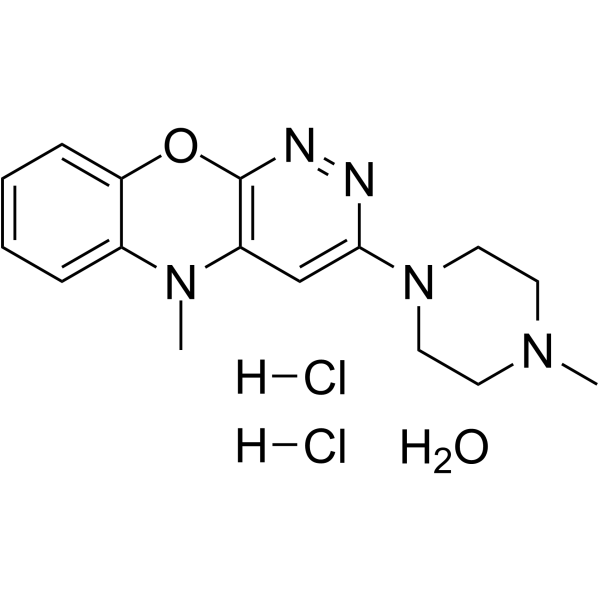
    F 2692 is an orally effective derivative of pyridazine. F 2692 has significant anti anxiety effects. F 2692 also has activities such as anticonvulsant, sedative, and muscle relaxant. F 2692 can be used for research on neurological disorders such as anxiety disorders .
    F 2692
  • HY-164009

    Adrenergic Receptor Dopamine Receptor 5-HT Receptor Neurological Disease
    Teniloxazine is an inhibitor for norepinephrine neuronal reuptake and an weak inhibitor for reuptake of Serotonin (HY-B1473A) and Dopamine (HY-B0451). Teniloxazine exhibits antidepressant, antihypoxic and anti-amnestic properties without anticholinergic, sedative, and cardiovascular adverse effects .
    Teniloxazine
  • HY-119256

    GABA Receptor Neurological Disease
    COR627 is a GABA receptor positive allosteric modulator with the ability to enhance GABA activity. COR627 exhibits effects on GABA and baclofen stimulation in rat cortical membranes and can increase its affinity for GABA(B) receptors. In vivo experiments have shown that COR627 can enhance the sedative/hypnotic effects of baclofen at pretreatment ineffective doses .
    COR627
  • HY-118502

    GABA Receptor Neurological Disease
    DOV51892 is a GABAA receptor modulator. DOV51892 has a specific effect on GABAA receptors containing the α1 subunit. DOV51892 exhibits non-sedative anti-anxiety effects. DOV51892 can be used for in-depth research on the function of GABAA receptors .
    DOV51892
  • HY-167702

    GABA Receptor Neurological Disease
    (Rac)-Acetoxyvalerenic acid is a derivative of valerenic acid that acts as a GABA (A) receptor modulator, potentially providing sedative and sleep-enhancing effects. (Rac)-Acetoxyvalerenic acid exhibits slower permeability across the blood-brain barrier compared to diazepam, indicating that its transport may rely on an unidentified pathway rather than transcellular passive diffusion.
    (Rac)-Acetoxyvalerenic acid
  • HY-17034R

    Adrenergic Receptor Reference Standards Neurological Disease Endocrinology
    Medetomidine (Standard) is the analytical standard of Medetomidine. This product is intended for research and analytical applications. Medetomidine is an orally active α2-adrenoceptor agonist (Ki: 1.08 nM). Medetomidine has sedative and analgesic effects. Medetomidine can cause peripheral vasoconstriction through the activation of α2 adrenoceptors on blood vessels .
    Medetomidine (Standard)
  • HY-A0157A

    Dimetotiazine mesylate; Fonazine mesylate

    Histamine Receptor 5-HT Receptor Neurological Disease
    Dimethothiazine mesylate is an orally active tricyclic anti-histamine, anti-5-HT agent with a high activity against decerebrate rigidity, a little sedative activity and little soporific action. Dimethothiazine mesylate can reduce or abolish the effects of both static and dynamic fusimotor activity on the muscle spindle in decerebrate cat. Dimethothiazine mesylate can be used to research hemicrania and spasticity .
    Dimethothiazine mesylate
  • HY-160978

    KC-7507 free base

    GABA Receptor Neurological Disease
    Timelotem (KC-7507 free base) is a representative of a class of 1, 2-cyclo1, 4-benzodiazepines. Timelotem shows significant antipsychotic properties. Timelotem produces sedative, anti-anxiety and anti-convulsant effects by enhancing the action of the neurotransmitter gamma-aminobutyric acid (GABA). Timelotem can be used in studies of schizophrenia and other mental disorders .
    Timelotem
  • HY-A0157B

    Dimetotiazine hydrochloride; Fonazine hydrochloride

    Histamine Receptor 5-HT Receptor Neurological Disease
    Dimethothiazine hydrochloride is an orally active tricyclic anti-histamine, anti-5-HT agent with a high activity against decerebrate rigidity, a little sedative activity and little soporific action. Dimethothiazine hydrochloride can reduce or abolish the effects of both static and dynamic fusimotor activity on the muscle spindle in decerebrate cat. Dimethothiazine hydrochloride can be used to research hemicrania and spasticity .
    Dimethothiazine hydrochloride

Inquiry Online

Your information is safe with us. * Required Fields.

Salutation


Country or Region *

Applicant Name *


Organization Name *

Department *


Email Address *


Product Name *

Cat. No.


Requested quantity *

Phone Number *


Remarks

Inquiry Online

Inquiry Information

Product Name:
Cat. No.:
Quantity:
MCE Japan Authorized Agent:

