1. Search Result
Search Result
Results for "

serum metabolite

" in MedChemExpress (MCE) Product Catalog:

55

Inhibitors & Agonists

1

Fluorescent Dyes

8

Biochemical Assay Reagents

13

Natural
Products

6

Isotope-Labeled Compounds

Cat. No. Product Name Target Research Areas Chemical Structure
  • HY-126995

    Endogenous Metabolite Metabolic Disease
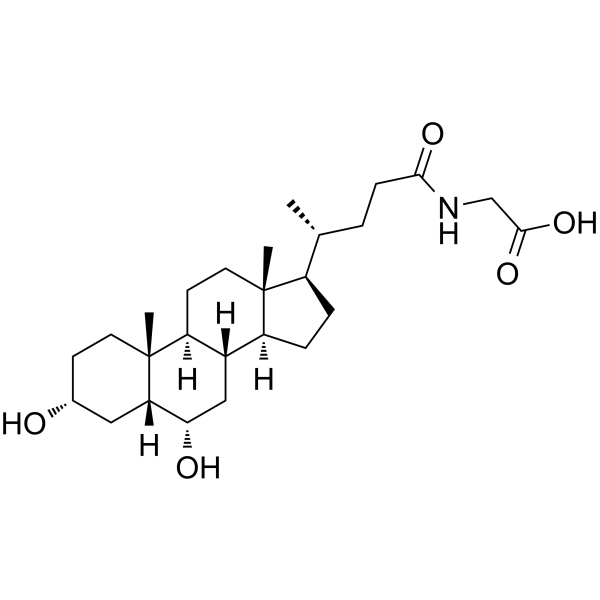
    Glycohyodeoxycholic acid is a glycine-conjugated bile acid and also a metabolite of Hyodeoxycholic acid (HY-N0169). The serum level of Glycohyodeoxycholic acid is negatively correlated with the severity of non-alcoholic fatty liver disease. Glycohyodeoxycholic acid can be used in research related to non-alcoholic fatty liver disease .
    Glycohyodeoxycholic acid
  • HY-177475

    1-Arachidonoyl-sn-glycero-3-phosphocholine

    Endogenous Metabolite Metabolic Disease Cancer
    LysoPC 20:4 (20:4) (1-Arachidonoyl-sn-glycero-3-phosphocholine) is a serum metabolite. LysoPC 20:4 (20:4) decreases in tumor-bearing mice, but the reduction is not significant. LysoPC (20:4) can be used in cancer and obesity-related research .
    LysoPC(20:4)
  • HY-N0407

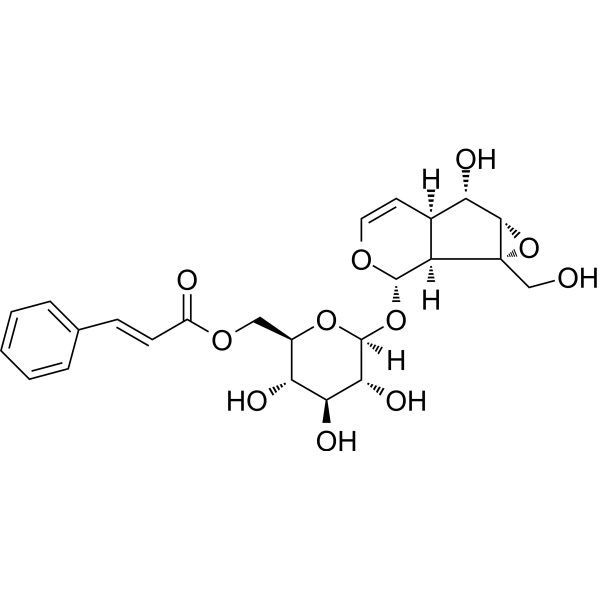
    6'-Cinnamoylcatalpol

    STAT Inflammation/Immunology
    Picroside I is the major ingredient of Picrorhiza scrophulariiflora. Picrorhiza scrophulariiflora is a high value medicinal herb due to rich source of hepatoprotective metabolites, Picroside-I and Picroside-II . Picroside I is a promising agent for the management of asthma. Picroside I reduces the inflammation significantly at its higher dose. Picroside I also downregulates pSTAT6 and GATA3 expressions. Picroside I dose-dependently increases the serum levels of IFN-γ .
    Picroside I
  • HY-B1986
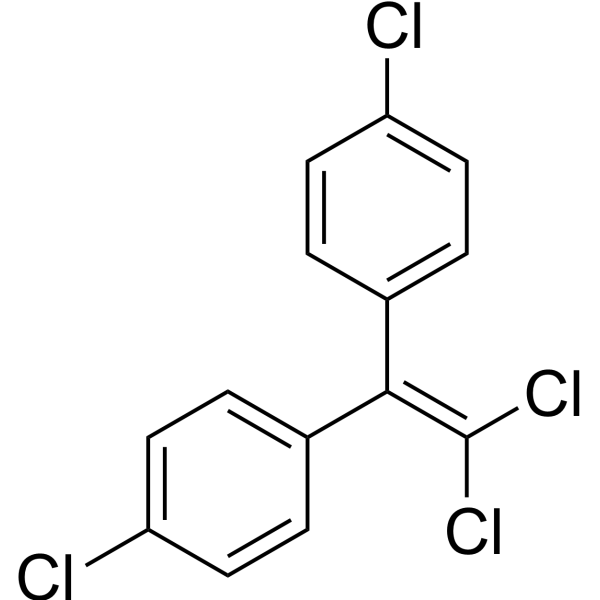
    p,p'-DDE
    2 Publications Verification

    4,4'-DDE; p,p'-Dichlorodiphenyldichloroethylene

    Environmental Pollutants Drug Metabolite Androgen Receptor Metabolic Disease Endocrinology
    p,p'-DDE (4,4'-DDE) is the major and persistent metabolite of DDT. p,p'-DDE is a orally active androgen receptor antagonist with an IC50 of 5 μM and a Ki of 3.5 μM. p,p'-DDE can affect the development and function of the male reproductive system. Additionally, high serum concentrations of p,p'-DDE may be a risk factor for type 2 diabetes in women .
    p,p'-DDE
  • HY-NP002L

    Biochemical Assay Reagents Others
    Canine Serum Albumin is a plasma protein derived from dogs. Canine Serum Albumin exhibits greater flexibility than human serum albumin and bovine serum albumin. Serum albumin is a multifunctional protein with exceptional ligand-binding capacity, which enables it to act as a transport molecule for various metabolites, drugs, nutrients, metals and other molecules .
    Canine Serum Albumin
  • HY-NP002J

    Biochemical Assay Reagents Others
    Horse Serum Albumin is an abundant, multifunctional mammalian plasma protein and transport molecule. Horse Serum Albumin acts as an allergen, exhibits high cross-reactivity with serum albumins from other mammals, and contains epitope regions recognizable by antibodies. Horse Serum Albumin binds a variety of metabolites, drugs, nutrients, metals and other molecules .
    Horse Serum Albumin
  • HY-113256

    Carnitine Palmitoyltransferase (CPT) Endogenous Metabolite Metabolic Disease
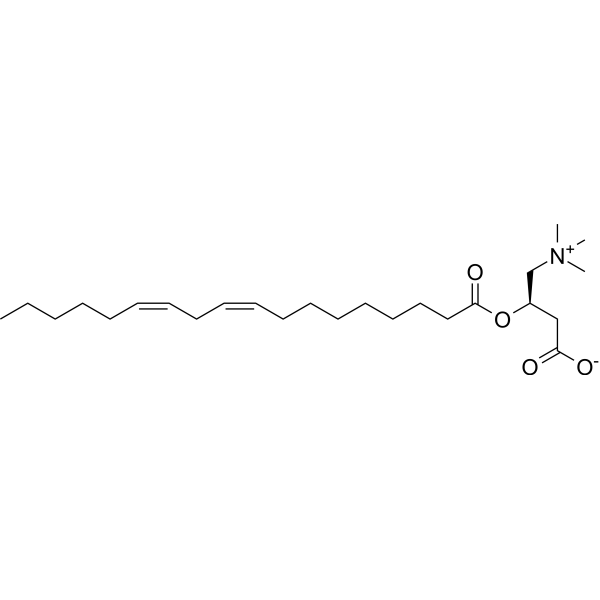
    Linoleyl carnitine is an acylcarnitine and metabolite. Linoleyl carnitine in the liver is negatively correlated with pantothenic acid and citric acid in serum. Linoleyl carnitine accumulates in mitochondrial CPT II deficiency .
    Linoleyl carnitine
  • HY-N6678
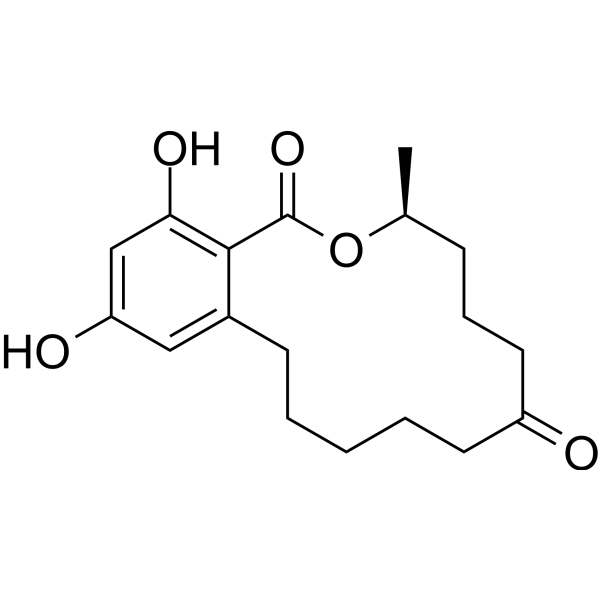
    Zearalanone
    2 Publications Verification

    Drug Metabolite Metabolic Disease
    Zearalanone is a reductive metabolite of Zearalenone (HY-103447). Zearalanone binds to serum albumin across multiple species. Zearalanone enhances the binding affinity of Warfarin (HY-B0687) to serum albumin .
    Zearalanone
  • HY-135035

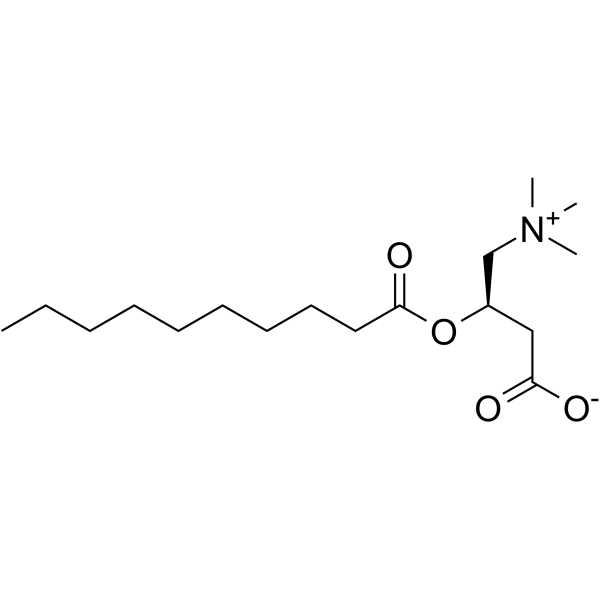
    (-)-Decanoylcarnitine

    Endogenous Metabolite Metabolic Disease Cancer
    Decanoyl-L-carnitine ((-)-Decanoylcarnitine) is an endogenous metabolite. Decanoyl-L-carnitine can be used as a serum metabolic biomarkers as indicators in the progression of intravenous leiomyomatosis .
    Decanoyl-L-carnitine
  • HY-113418

    Endogenous Metabolite Cancer
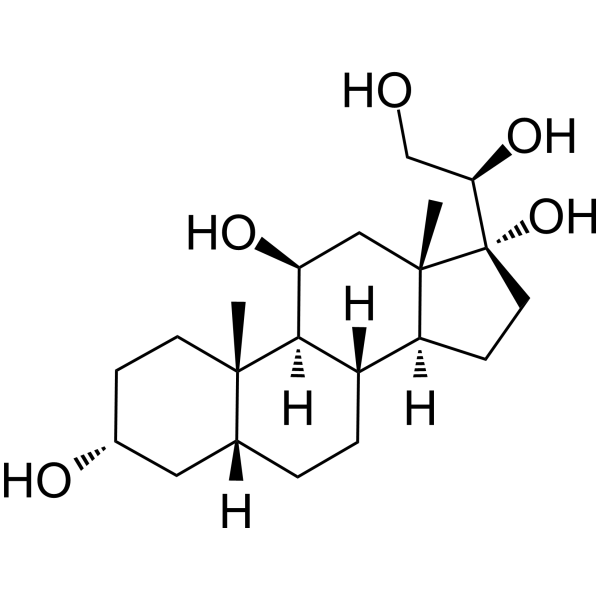
    Beta-Cortol is an O-glycosylated compound and cortisol metabolite. It can be isolated from the leaves of mulberry cultivar Yu 711, and its concentration decreases significantly when the plant is subjected to drought stress. Beta-Cortol serves as a biomarker, as serum Beta-Cortol levels in early non-small cell lung cancer models are downregulated to 1/8 of the preoperative level after tumor resection. Due to such dramatic changes under specific pathological conditions, Beta-Cortol is currently widely used in studies related to early non-small cell lung cancer .
    Beta-Cortol
  • HY-113331
    Thromboxane B2
    1 Publications Verification

    Prostaglandin Receptor Cardiovascular Disease Inflammation/Immunology
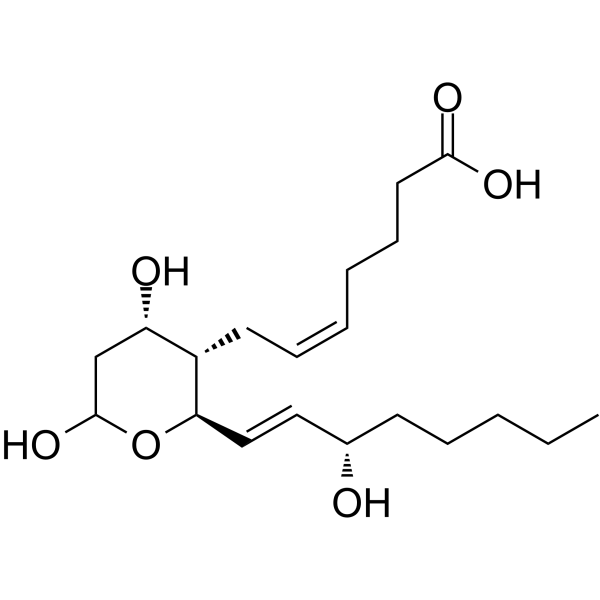
    Thromboxane B2 is a prostaglandin derivative that is released during anaphylaxis. Thromboxane B2 induces arterial contraction and platelet aggregation. Thromboxane B2 is a biological inactive product and circulating catabolite of thromboxane A2. Thromboxane B2 levels in peripheral venous blood and coronary sinus blood can be used as a diagnostic marker for angina. Thromboxane B2 level in serum is also associated with inhibition of COX-1 activity inhibition in platelets. Thromboxane B2 is a major product of prostaglandin endoperoxide metabolism. Thromboxane B2 produces dose-related decreases in airflow rate, tidal volume and dynamic lung compliance, whilst simultaneously increasing pulmonary airway resistance in dog model. Thromboxane B2 appears to be a naturally occurring bronchoactive metabolite in the bioconversion of arachidonic acid .
    Thromboxane B2
  • HY-B0890

    McN-2783-21-98

    PGE synthase Neurological Disease Inflammation/Immunology
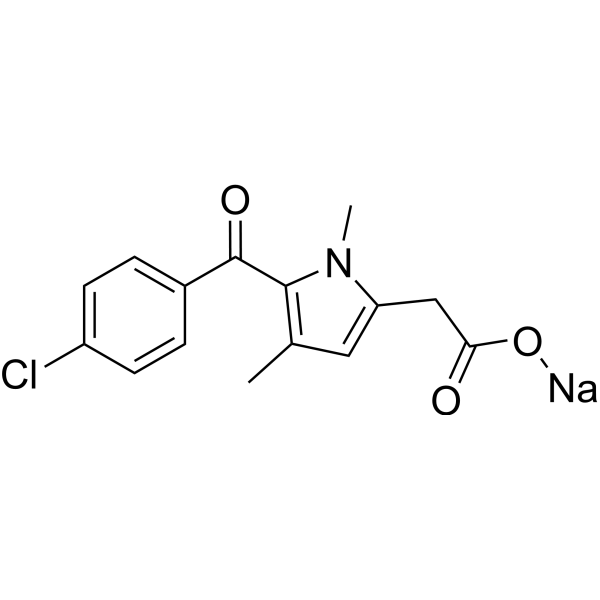
    Zomepirac sodium salt (McN-2783-21-98) is an orally active prostaglandin synthetase inhibitor. Zomepirac sodium salt blocks prostaglandin synthesis and inhibits Collagen (HY-P72147)- or Epinephrine (HY-B0447)-induced platelet aggregation. Zomepirac sodium salt can be used for the research of postoperative pain and osteoarthritis .
    Zomepirac sodium salt
  • HY-141749A

    CLPM; SR 26334

    Endogenous Metabolite Metabolic Disease
    Clopidogrel carboxylic acid (CLPM) is the inactive liver metabolite of anti platelet agent, Clopidogrel (HY-15283), in human serum .
    Clopidogrel carboxylic acid
  • HY-NP002K

    Biochemical Assay Reagents Others
    Rat Serum Albumin is a plasma protein derived from rat. Serum albumin is a multifunctional protein with extraordinary ligand binding capacity, making it a transporter molecule for a diverse range of metabolites, drugs, nutrients, metals and other molecules .
    Rat Serum Albumin
  • HY-NP002O

    Biochemical Assay Reagents Others
    Cynomolgus Monkey serum albumin is a plasma protein derived from cynomolgus monkey. Serum albumin is a multifunctional protein with extraordinary ligand binding capacity, making it a transporter molecule for a diverse range of metabolites, drugs, nutrients, metals and other molecules.
    Cynomolgus Monkey serum albumin
  • HY-113283R

    Reference Standards Endogenous Metabolite Metabolic Disease
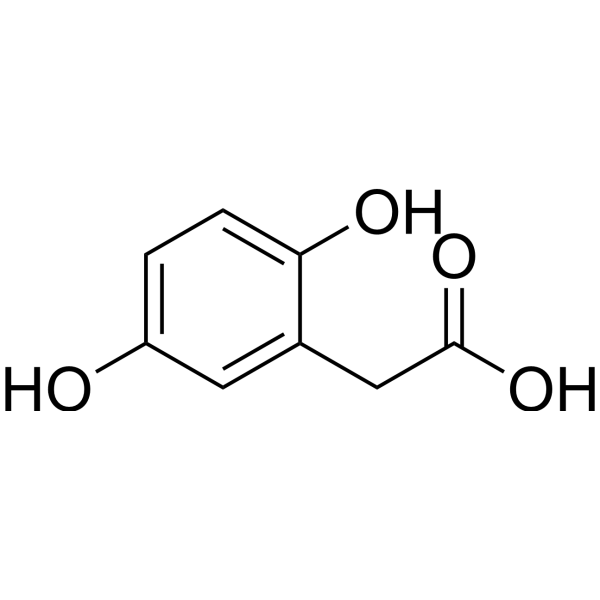
    Homogentisic acid (Standard) is the analytical standard of Homogentisic acid. This product is intended for research and analytical applications. Homogentisic acid is a specific metabolite that accumulates in the urine and serum. Homogentisic acid can be used for diagnosis of alkaptonuria. Homogentisic acid is a phenolic acid .
    Homogentisic acid (Standard)
  • HY-W017445

    Fungal Infection
    Homogentisic acid lactone (Compound 1) is a fungal metabolite with fungicidal activity, which is found in the fungus WF5. Homogentisic acid lactone is active against the plant pathogenic fungus F. graminearum. Homogentisic acid lactone can be used as a substrate in the determination of serum paraoxonase/arylesterase 1 (PON1) activity .
    Homogentisic acid lactone
  • HY-15830

    25,26-Dihydroxycholecalciferol

    VD/VDR Drug Metabolite Drug Derivative Calcium Channel Metabolic Disease
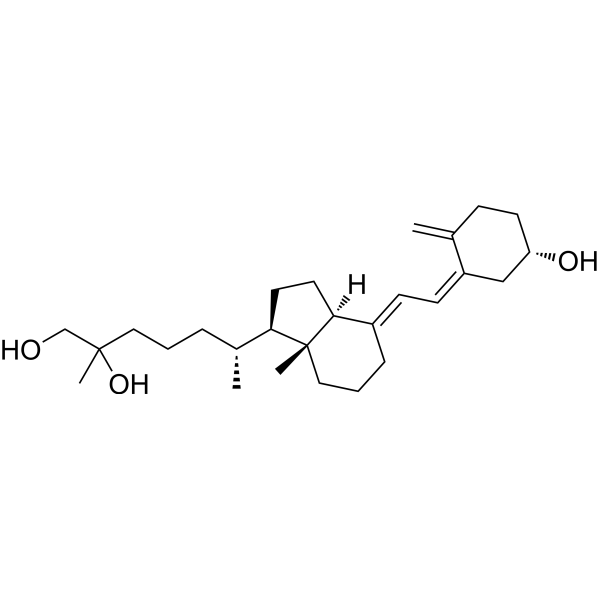
    25,26-Dihydroxyvitamin D3 (25,26-Dihydroxycholecalciferol) is a dihydroxylated derivative and metabolite of Vitamin D3 (HY-15398). 25,26-Dihydroxyvitamin D3 moderately increases serum calcium levels when the initial serum calcium level is low. 25,26-Dihydroxyvitamin D3 promotes intestinal calcium absorption in vitamin D-deficient rats fed a low-calcium diet. 25,26-Dihydroxyvitamin D3 is applicable to research related to osteomalacia .
    25,26-Dihydroxyvitamin D3
  • HY-113283S

    Isotope-Labeled Compounds Endogenous Metabolite Metabolic Disease
    Homogentisic acid- 13C6 is the 13C-labeled Homogentisic acid (HY-113283). Homogentisic acid is a specific metabolite that accumulates in the urine and serum. Homogentisic acid can be used for diagnosis of alkaptonuria. Homogentisic acid is a phenolic acid .
    Homogentisic acid-13C6
  • HY-126995R

    Reference Standards Endogenous Metabolite Metabolic Disease
    Glycohyodeoxycholic acid (Standard) is the analytical standard of Glycohyodeoxycholic acid. This product is intended for research and analytical applications. Glycohyodeoxycholic acid is a glycine-conjugated bile acid and also a metabolite of Hyodeoxycholic acid (HY-N0169). The serum level of Glycohyodeoxycholic acid is negatively correlated with the severity of non-alcoholic fatty liver disease. Glycohyodeoxycholic acid can be used in research related to non-alcoholic fatty liver disease.
    Glycohyodeoxycholic acid (Standard)
  • HY-D0015

    Fluorescent Dye Others
    Cresol red, 97% is an acidic phenolsulfonphthalein triphenylmethane dye. Cresol red, 97% generates reactive oxygen species and singlet oxygen under ultrasonic irradiation, interacts with bovine serum albumin, alters the structure of bovine serum albumin, and oxidizes the fluorescent amino acid residues of bovine serum albumin. Cresol red, 97% can be decolorized and biodegraded by *Absidia spinosa* M15, producing phenylacetic acid and benzoic acid metabolites. Cresol red, 97% serves as a pH indicator (orange at pH 1.8-yellow at pH 2.0, yellow at pH 7.0-purple at pH 8.8). Cresol red, 97% can be used to indicate pH, temperature and salinity .
    Cresol red, 97%
  • HY-W767164

    Biochemical Assay Reagents Cardiovascular Disease
    Deferiprone O-β-D-glucuronide sodium is a novel orally active iron chelator. Deferiprone O-β-D-glucuronide sodium can be used to investigate its ability to reduce iron burden in patients with β-thalassemia .
    Deferiprone O-β-D-glucuronide sodium
  • HY-148002

    Drug Metabolite Others
    1'-Hydroxy Midazolam-β-D-glucuronide is a β-D-glucuronide that acts as a drug metabolite, human urine metabolite, and human serum metabolite .
    1'-Hydroxy Midazolam-β-D-glucuronide
  • HY-135035S

    (-)-Decanoylcarnitine-d3

    Isotope-Labeled Compounds Endogenous Metabolite Metabolic Disease Cancer
    Decanoyl-L-carnitine ((-)-Decanoylcarnitine)-d3 is deuterium labeled Decanoyl-L-carnitine (HY-135035). Decanoyl-L-carnitine is an endogenous metabolite. Decanoyl-L-carnitine can be used as a serum metabolic biomarkers as indicators in the progression of intravenous leiomyomatosis .
    Decanoyl-L-carnitine-d3
  • HY-171909A

    GroPIns-4-P disodium

    Adenylate Cyclase ROCK Cancer
    Glycerophosphoinositol 4-phosphate (GroPIns-4-P) disodium is a metabolite of phospholipase A and an inhibitor of adenylylcyclase. Glycerophosphoinositol 4-phosphate disodium can regulate cAMP-dependent cellular functions. Glycerophosphoinositol 4-phosphate disodium can also induce the formation of membrane ruffles and stress fibers in serum-starved Swiss 3T3 cells by activating the small GTPases Rac and Rho, respectively. Glycerophosphoinositol 4-phosphate disodium can be used in research on cancer cell motility and invasiveness .
    Glycerophosphoinositol 4-phosphate disodium
  • HY-N0407R

    6'-Cinnamoylcatalpol (Standard)

    Reference Standards STAT Inflammation/Immunology
    Picroside I (Standard) is the analytical standard of Picroside I. This product is intended for research and analytical applications. Picroside I is the major ingredient of Picrorhiza scrophulariiflora. Picrorhiza scrophulariiflora is a high value medicinal herb due to rich source of hepatoprotective metabolites, Picroside-I and Picroside-II . Picroside I is a promising agent for the management of asthma. Picroside I reduces the inflammation significantly at its higher dose. Picroside I also downregulates pSTAT6 and GATA3 expressions. Picroside I dose-dependently increases the serum levels of IFN-γ .
    Picroside I (Standard)
  • HY-Y0496S

    Isotope-Labeled Compounds Insecticide Others
    1,4-Dichlorobenzene-d4 is the deuterium labeled 1,4-Dichlorobenzene. 1,4-Dichlorobenzene is a non-genotoxic, orally active mitogenic/tumor-promoting carcinogen that is also widely used as a dye, resin intermediate, and deodorant, moth repellent/insecticide. 1,4-Dichlorobenzene induces liver tumors in mice and promotes the growth of spontaneous precancerous lesions, but shows no liver tumor-inducing activity in F344 rats. 1,4-Dichlorobenzene increases the levels of white blood cell count, serum alanine aminotransferase and blood urea nitrogen in occupationally exposed populations. 1,4-Dichlorobenzene is metabolized to 2,5-dichlorophenol and excreted in urine, and this metabolite can serve as a biomarker for 1,4-Dichlorobenzene exposure. Due to its specific hepatotoxic characteristics, 1,4-Dichlorobenzene is applicable to liver cancer-related research .
    1,4-Dichlorobenzene-d4
  • HY-NP0215

    Biochemical Assay Reagents Others
    Chicken Serum Albumin is a plasma protein derived from chicken. Serum albumin is a multifunctional protein with extraordinary ligand binding capacity, making it a transporter molecule for a diverse range of metabolites, drugs, nutrients, metals and other molecules .
    Chicken Serum Albumin
  • HY-NP002N

    Biochemical Assay Reagents Others
    Pigeon Serum Albumin is a plasma protein derived from pigeon. Serum albumin is a multifunctional protein with extraordinary ligand binding capacity, making it a transporter molecule for a diverse range of metabolites, drugs, nutrients, metals and other molecules .
    Pigeon Serum Albumin
  • HY-W775325

    7-OH-CBD

    Drug Metabolite Neurological Disease
    7-Hydroxycannabidiol (7-OH-CBD) is the metabolite of cannabidiol, which could be found in human serum and saliva .
    7-Hydroxycannabidiol
  • HY-124041

    Drug Metabolite
    p-Hydroxybestatin is an active metabolite of Bestatinc (HY-B0134) that can be found in serum from muscular dystrophic patients and from healthy subjects dosed with Bestatin .
    p-Hydroxybestatin
  • HY-145521

    5(S)-Hydroxy-6E,8Z,11Z-eicosatrienoic acid

    Endogenous Metabolite Cardiovascular Disease
    5(S)-HETrE is a metabolite of the ω-6 fatty acid γ-linolenic acid. 5(S)-HETrE can be elevated in serum levels in an obesity mouse model .
    5(S)-HETrE
  • HY-135035R

    (-)-Decanoylcarnitine (Standard)

    Endogenous Metabolite Reference Standards Metabolic Disease Cancer
    Decanoyl-L-carnitine ((-)-Decanoylcarnitine) (Standard) is the analytical standard of Decanoyl-L-carnitine (HY-135035). This product is intended for research and analytical applications. Decanoyl-L-carnitine is an endogenous metabolite. Decanoyl-L-carnitine can be used as a serum metabolic biomarkers as indicators in the progression of intravenous leiomyomatosis .
    Decanoyl-L-carnitine (Standard)
  • HY-W011297S2

    Arachidonic acid methyl ester-13C4

    Isotope-Labeled Compounds Others Metabolic Disease
    Methyl arachidonate- 13C4 (Arachidonic acid methyl ester- 13C4) is 13C labeled Methyl arachidonate. Methyl arachidonate (Arachidonic acid methyl ester) is a fatty acid methyl ester resulting from the formal condensation of the carboxy group of arachidonic acid with methanol. Methyl arachidonate has activity of human blood serum metabolite .
    Methyl arachidonate-13C4
  • HY-116870

    Parasite Infection
    Vamidothion is a polar organophosphorus insecticide and acaricide with biological activity against insects and mites. Vamidothion is degraded by human serum albumin (HSA) and promotes adduct formation with tyrosine residues. The phosphate amino acid adducts formed after the reaction of vamidothion with HSA are detected by liquid chromatography quadrupole-Orbitrap mass spectrometry. The metabolites of vamidothion can be used in forensic toxicology to help determine deaths caused by organophosphorus poisoning .
    Vamidothion
  • HY-160917

    CMV Infection
    BAY-43-9695 is a nonnucleosidic with activity against human cytomegalovirus (hCMV) with IC50 of 0.95 and 1.1 μM, using the FACS and PRA methodes. BAY-43-9695 inhibits the HCMV replication with and without presence of serum proteins, with IC50 of 0.53 and 8.42 μM. BAY-43-9695 is the metabolite of Tomeglovir (BAY38-4766) (HY-108261) .
    BAY-43-9695
  • HY-164526

    Isocitrate Dehydrogenase (IDH) Cancer
    SH1573 is an orally active mIDH2 inhibitor. SH1573 has a strong and selective inhibitory effect on mIDH2 R140Q protein (IC50=4.78 nmol/L), and can effectively reduce the production of the carcinogenic metabolite 2-hydroxyglutarate (2-HG) in animal models, cell lines, serum and tumors. SH1573 can be used for the study of acute myeloid leukemia (AML) .
    SH1573
  • HY-B1986R

    4,4'-DDE (Standard); p,p'-Dichlorodiphenyldichloroethylene (Standard)

    Reference Standards Androgen Receptor Drug Metabolite Metabolic Disease Endocrinology
    p,p'-DDE (Standard) is the analytical standard of p,p'-DDE. This product is intended for research and analytical applications. p,p'-DDE (4,4'-DDE) is the major and persistent metabolite of DDT. p,p'-DDE is a orally active androgen receptor antagonist with an IC50 of 5 μM and a Ki of 3.5 μM. p,p'-DDE can affect the development and function of the male reproductive system. Additionally, high serum concentrations of p,p'-DDE may be a risk factor for type 2 diabetes in women .
    p,p'-DDE (Standard)
  • HY-160078

    Biochemical Assay Reagents Metabolic Disease
    Deferiprone O-β-D-glucuronide is a novel orally active iron chelator. Deferiprone O-β-D-glucuronide can be used to investigate its ability to reduce iron burden in patients with β-thalassemia .
    Deferiprone O-β-D-glucuronide
  • HY-113513

    Others Cancer
    5(S)-HEPE is an active metabolite of eicosapentaenoic acid. It is formed from EPA by 5-lipoxygenase (5-LO). 5(S)-HEPE is an agonist of G protein-coupled receptor 119 (GPR119). It increases cAMP accumulation in CHO-K1 cells expressing human GPR119 when used at a concentration of 10 μM. 5(S)-HEPE increases glucose-induced insulin secretion from MING6 insulinoma pancreatic islets and glucagon-like peptide 1 (GLP-1) secretion from HuTu 80 adenocarcinoma cells when used at a concentration of 10 μM. Serum levels of 5(S)-HEPE are elevated in patients with hyperlipidemia.
    5-HEPE
  • HY-B0890R

    McN-2783-21-98 (Standard)

    PGE synthase Reference Standards Neurological Disease Inflammation/Immunology
    Zomepirac sodium salt (Standard) is the analytical standard of Zomepirac sodium salt (HY-B0890). This product is intended for research and analytical applications. Zomepirac sodium salt (McN-2783-21-98) is an orally active prostaglandin synthetase inhibitor. Zomepirac sodium salt blocks prostaglandin synthesis and inhibits Collagen (HY-P72147)- or Epinephrine (HY-B0447)-induced platelet aggregation. Zomepirac sodium salt can be used for the research of postoperative pain and osteoarthritis .
    Zomepirac sodium salt (Standard)
  • HY-B0890A

    McN-2783-21-98 free acid

    PGE synthase Neurological Disease Inflammation/Immunology
    Zomepirac (McN-2783-21-98 free acid) is an orally active prostaglandin synthetase inhibitor. Zomepirac blocks prostaglandin synthesis and inhibits Collagen (HY-P72147)- or Epinephrine (HY-B0447)-induced platelet aggregation. Zomepirac can be used for the research of postoperative pain and osteoarthritis .
    Zomepirac
  • HY-Y0496R

    Reference Standards Insecticide Others
    1,4-Dichlorobenzene (Standard) is the analytical standard of 1,4-Dichlorobenzene. This product is intended for research and analytical applications. 1,4-Dichlorobenzene is a non-genotoxic, orally active mitogenic/tumor-promoting carcinogen that is also widely used as a dye, resin intermediate, and deodorant, moth repellent/insecticide. 1,4-Dichlorobenzene induces liver tumors in mice and promotes the growth of spontaneous precancerous lesions, but shows no liver tumor-inducing activity in F344 rats. 1,4-Dichlorobenzene increases the levels of white blood cell count, serum alanine aminotransferase and blood urea nitrogen in occupationally exposed populations. 1,4-Dichlorobenzene is metabolized to 2,5-dichlorophenol and excreted in urine, and this metabolite can serve as a biomarker for 1,4-Dichlorobenzene exposure. Due to its specific hepatotoxic characteristics, 1,4-Dichlorobenzene is applicable to liver cancer-related research .
    1,4-Dichlorobenzene (Standard)
  • HY-138089

    Androgen Receptor Estrogen Receptor/ERR LDLR Metabolic Disease Cancer
    17β-Hydroxy exemestane (17-H-EXE) is the primary active metabolite of Exemestane (HY-13632). 17β-Hydroxy exemestane is an aromatase inhibitor (IC50 = 69 nM) and an androgen receptor (AR) agonist (IC50 = 39.6 nM) that is selective for AR over estrogen receptor α (ERα; IC50 = 21.2 μM). 17β-Hydroxy exemestane stimulates growth of AR- and ERα-positive MCF-7 (EC50= 2.7 μM) and T47D breast cancer cells (EC50s = 0.43 and 1500 nM for AR- and ER-mediated growth, respectively) and inhibits proliferation of testosterone-treated aromatase-overexpressing MCF-7 cells. 17β-Hydroxy exemestane inhibits increases in serum cholesterol and LDL levels and prevents decreases in bone mineral density in the lumbar vertebrae and femur, as well as femoral bending strength and compressive strength of the fifth lumbar vertebrae in ovariectomized rats .
    17β-Hydroxy exemestane
  • HY-N11602

    Endogenous Metabolite Metabolic Disease
    Deoxycholic acid 3-sulfate is a sulfated metabolite of deoxycholic acid, belonging to the sulfate ester form of secondary bile acids. The proportion of Deoxycholic acid 3-sulfate in serum from both healthy states and cholestatic states is below the limit of detection .
    Deoxycholic acid 3-sulfate
  • HY-NP002M

    Biochemical Assay Reagents Others
    Guinea Pig Serum Albumin is a plasma protein derived from guinea pig. Serum albumin is a multifunctional protein with extraordinary ligand binding capacity, making it a transporter molecule for a diverse range of metabolites, drugs, nutrients, metals and other molecules .
    Guinea Pig serum albumin
  • HY-120164

    GNOE

    Endogenous Metabolite Cardiovascular Disease
    Glycerophospho-N-oleoyl ethanolamine (GNOE) is a serum metabolite. Glycerophospho-N-oleoyl ethanolamine can be used to study Bicuspid aortic valve (BAV) disease .
    Glycerophospho-N-oleoyl ethanolamine
  • HY-113452

    Drug Metabolite Metabolic Disease Cancer
    3-Hydroxysuberic acid is a Suberic acid (HY-W015300) metabolite with serum downregulation in obese individuals. 3-Hydroxysuberic acid associates with colorectal and lung cancer. 3-Hydroxysuberic acid can be used for the research of colorectal cancer and lung cancer .
    3-Hydroxysuberic acid
  • HY-135035S1

    (-)-Decanoylcarnitine-d19

    Isotope-Labeled Compounds Endogenous Metabolite Metabolic Disease Cancer
    Decanoyl-L-carnitine-d19 ((-)-Decanoylcarnitine-d19> is the deuterium labeled Decanoyl-L-carnitine (HY-135035). Decanoyl-L-carnitine ((-)-Decanoylcarnitine) is an endogenous metabolite. Decanoyl-L-carnitine can be used as a serum metabolic biomarkers as indicators in the progression of intravenous leiomyomatosis.
    Decanoyl-L-carnitine-d19
  • HY-W011297S3

    Arachidonic acid methyl ester-13C5

    Isotope-Labeled Compounds Others Metabolic Disease
    Methyl arachidonate- 13C5 (Arachidonic acid methyl ester- 13C5) is 13C labeled Methyl arachidonate. Methyl arachidonate (Arachidonic acid methyl ester) is a fatty acid methyl ester resulting from the formal condensation of the carboxy group of arachidonic acid with methanol. Methyl arachidonate has activity of human blood serum metabolite .
    Methyl arachidonate-13C5

Inquiry Online

Your information is safe with us. * Required Fields.

Salutation


Country or Region *

Applicant Name *


Organization Name *

Department *


Email Address *


Product Name *

Cat. No.


Requested quantity *

Phone Number *


Remarks

Inquiry Online

Inquiry Information

Product Name:
Cat. No.:
Quantity:
MCE Japan Authorized Agent:

