1. Search Result
Search Result
Results for "

stellate

" in MedChemExpress (MCE) Product Catalog:

66

Inhibitors & Agonists

4

Biochemical Assay Reagents

8

Peptides

1

Inhibitory Antibodies

12

Natural
Products

2

Recombinant Proteins

2

Isotope-Labeled Compounds

5

Oligonucleotides

Cat. No. Product Name Target Research Areas Chemical Structure
  • HY-P1624
    Teduglutide
    2 Publications Verification

    ALX-0600

    Nuclear Hormone Receptor 4A/NR4A FXR Inflammation/Immunology
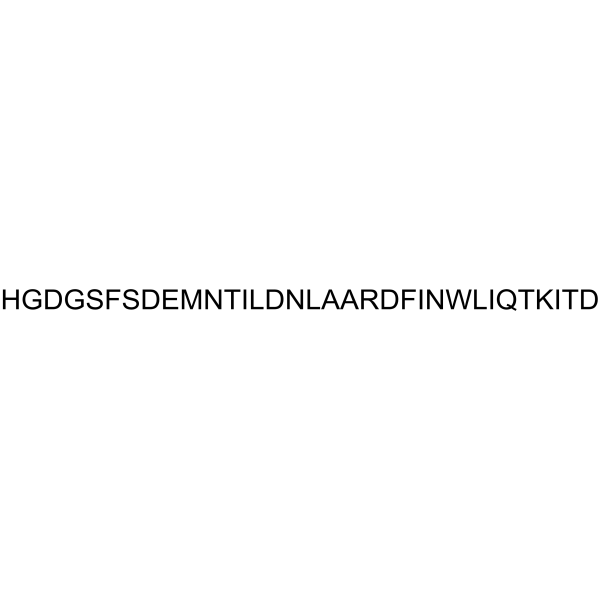
    Teduglutide (ALX-0600) is an analog of human glucagon like peptide-2 (GLP-2). Teduglutide can activate the expression of nuclear receptor subfamily 4 group a member 1 (NR4a1)/nur77 and intestinal FXR signaling in human hepatic stellate cells, thereby improving liver inflammation and fibrosis in mice with sclerosing cholangitis. Teduglutide can alleviate intestinal dysfunction in mice, improve lung injury, alleviate obesity related neuroinflammation and cell apoptosis .
    Teduglutide
  • HY-124748A
    ENMD-1068 hydrochloride
    2 Publications Verification

    Protease Activated Receptor (PAR) Apoptosis Inflammation/Immunology
    ENMD-1068 hydrochloride is a selective protease-activated receptor 2 (PAR2) antagonist. ENMD-1068 hydrochloride reduces hepatic stellate cell activation and collagen expression by inhibiting TGF-β1/Smad signaling. ENMD-1068 hydrochloride also inhibits the proliferation of endometrial cells and induces apoptosis of epithelial cells in the lesion. ENMD-1068 hydrochloride can be used in the study of endometriosis and liver fibrosis .
    ENMD-1068 hydrochloride
  • HY-112724

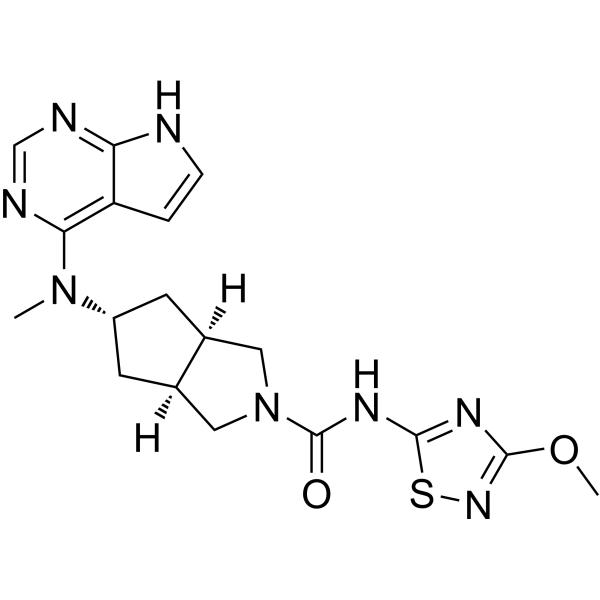
    SHR0302

    JAK Apoptosis Inflammation/Immunology Cancer
    Ivarmacitinib (SHR0302) is a potent and orally active all members of the JAK family inhibitor, particularly JAK1. The selectivity of Ivarmacitinib for JAK1 is >10-fold for JAK2, 77-fold for JAK3, 420-fold for Tyk2. Ivarmacitinib inhibits JAK1-STAT3 phosphorylation and induces the apoptosis of hepatic stellate cells. Ivarmacitinib has anti-proliferative and anti-inflammatory effects .
    Ivarmacitinib
  • HY-19796
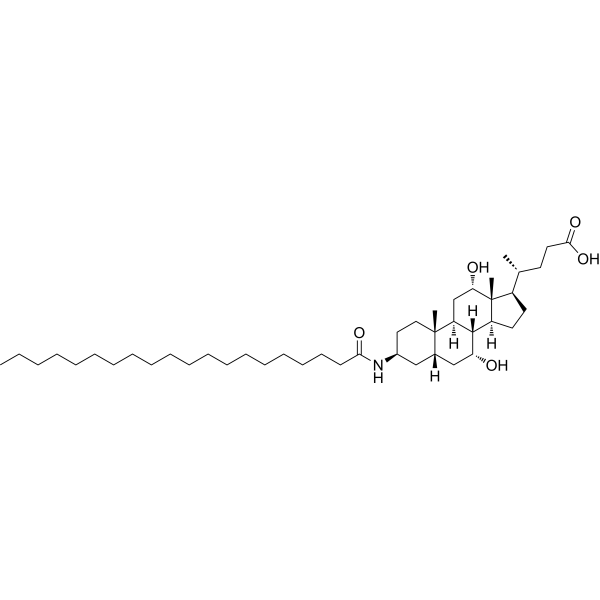
    Icomidocholic acid
    1 Publications Verification

    Aramchol; C20-FABAC

    Stearoyl-CoA Desaturase (SCD) Metabolic Disease
    Icomidocholic acid (Aramchol) is a lipid molecule synthesized from cholic acid and arachidic acid. Icomidocholic acid is an orally active SCD1 inhibitor and cholesterol solubilizer with antifibrotic effects. Icomidocholic acid can reduce liver fat content, dissolve cholesterol crystals and prevent gallstone formation. Icomidocholic acid can be used in the study of nonalcoholic fatty liver disease (NAFLD) and nonalcoholic steatohepatitis (NASH) .
    Icomidocholic acid
  • HY-107582

    Ser/Thr Protease Calcium Channel PKC Cancer
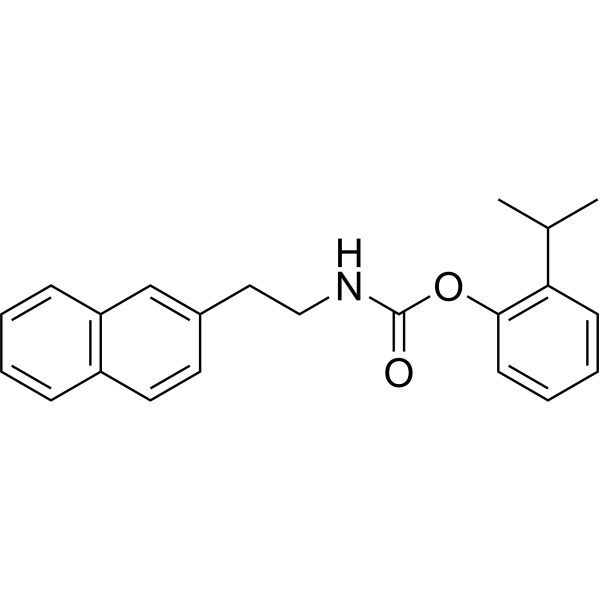
    JW480 is a selective KIAA1363/AADACL1 inhibitor with oral activity, featuring IC50 values of 12 nM against human KIAA1363, 20 nM against mouse KIAA1363. JW480 blocks lipid deacetylase activity to restrain HAG metabolism and lowers retinyl ester hydrolase function in hepatic stellate cells. JW480 reduces MAGE lipid levels and inhibits migration, invasion, survival and tumor growth of prostate cancer cells. JW480 lowers PKCδ phosphorylation, facilitates HAGP accumulation, diminishes platelet aggregation, dense granule secretion and Ca 2+ flux, delays arterial thrombosis and prolongs tail bleeding time in rats. JW480 can be used for the study of prostate cancer and thrombosis .
    JW480
  • HY-151427
    TGFβ1-IN-1
    3 Publications Verification

    TGF-β Receptor Inflammation/Immunology
    TGFβ1-IN-1 (compound 42) is a potent, orally active TGF-β1 inhibitor. TGFβ1-IN-1 inhibits the upregulation of TGF-β1-induced fibrosis markers (α-SMA and fibronectin) and can be used in liver fibrosis disease studies .
    TGFβ1-IN-1
  • HY-P10709

    Collagen Cardiovascular Disease Cancer
    CREKA peptide is a selective non-covalent binding agent targeting fibrin, type IV collagen, and fibronectin, often used as a targeting ligand to modify delivery carriers. CREKA peptide specifically recognizes fibrin, fibronectin, and type IV collagen that are excessively deposited in the tumor microenvironment or fibrotic tissue, mediating the targeted accumulation of the carrier at the lesion site and promoting drug internalization into target cells (such as cancer cells and activated hepatic stellate cells). CREKA peptide can enhance targeted delivery efficiency, increase drug concentration at the lesion site, and reduce systemic side effects .
    CREKA peptide
  • HY-N2413

    PDGFR UGT Reactive Oxygen Species (ROS) Apoptosis Tyrosinase p38 MAPK Akt ERK COX Interleukin Related Neurological Disease Metabolic Disease Inflammation/Immunology
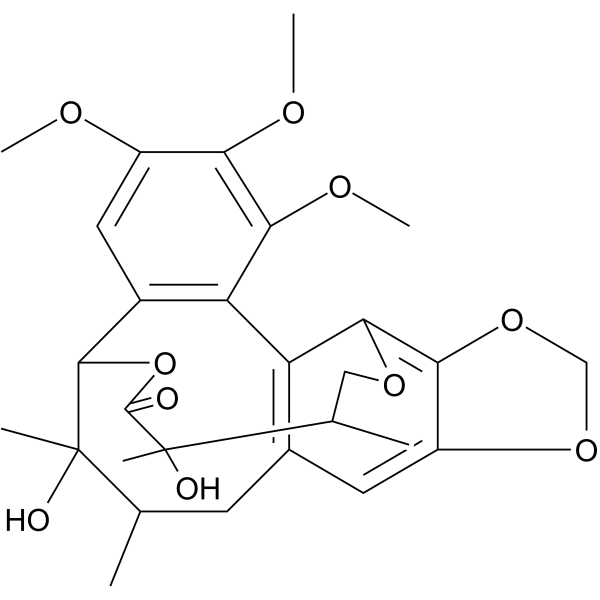
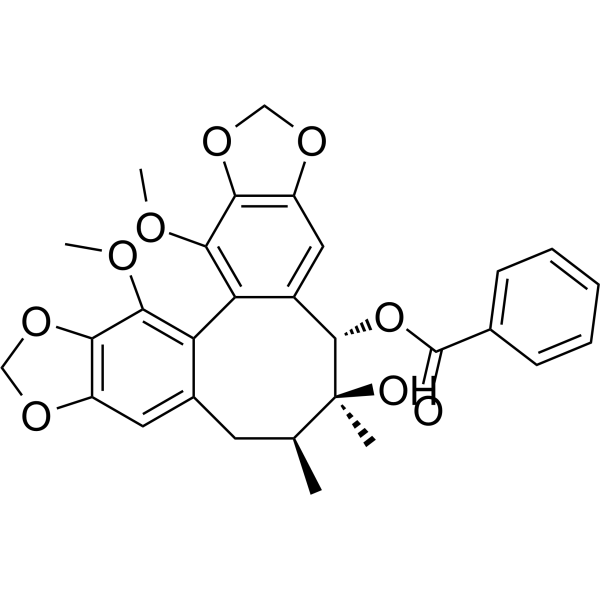
    Gomisin D is an orally active lignan that binds to PDGFRβ with a Kd of 10 μM. By targeting PDGFRβ to regulate signaling pathways, Gomisin D inhibits the activation and proliferation of hepatic stellate cells and promotes their apoptosis, thereby ameliorating hepatic fibrosis. Gomisin D exhibits multiple activities such as photoprotection, antimelanogenesis, antioxidant effects, and hypoglycemic activity. Gomisin D can be used in studies related to diabetes, Alzheimer's disease, and hepatic fibrosis .
    Gomisin D
  • HY-108022
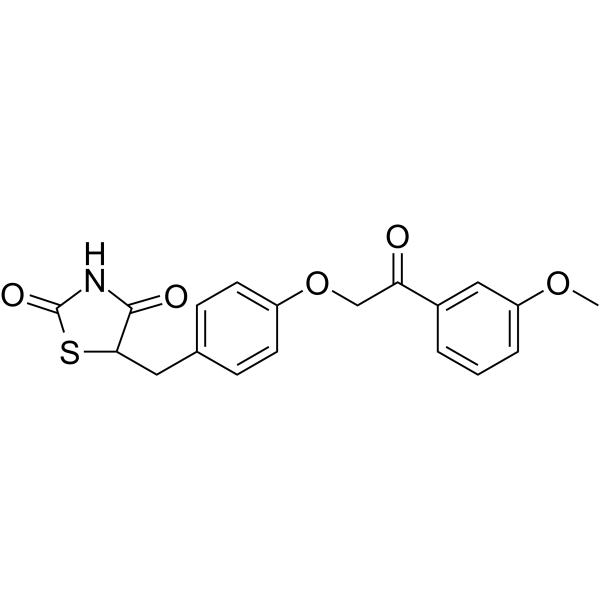
    Azemiglitazone
    1 Publications Verification

    MSDC-0602

    Mitochondrial Metabolism PPAR Neurological Disease Metabolic Disease Inflammation/Immunology
    Azemiglitazone (MSDC-0602) is an orally active thiazolidinedione (TZD) -like molecule, which binds to PPARγ with low binding and activating affinity. Azemiglitazone inhibits mitochondrial pyruvate carrier (MPC), which inhibits Alzheimer’s disease and diminishes nonalcoholic steatohepatitis (NASH) caused liver injury .
    Azemiglitazone
  • HY-107830

    Endogenous Metabolite Collagen Infection Metabolic Disease
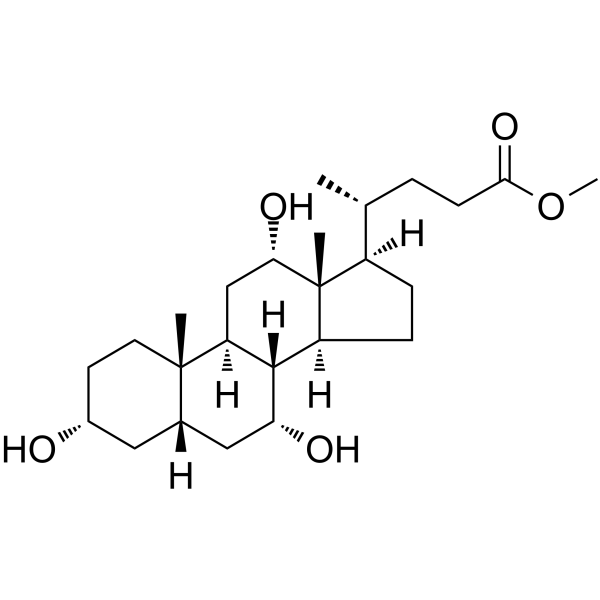
    Methyl cholate is a bile acid analog and a specific inhibitor of TcdB toxin from Clostridioides difficile. Methyl cholate exerts a stronger selective inhibitory effect on TcdB than on TcdA. Methyl cholate induces conformational stabilization by binding to a unique site of TcdB, thereby blocking the binding of the toxin to host receptors and its self-processing process. Methyl cholate effectively protects human fibroblasts from TcdB-induced cytopathic effects. Methyl cholate exhibits dose-dependent anti-hepatic fibrosis activity in both cellular and zebrafish models, and significantly reduces the expression levels of α-SMA and COL-I. Methyl cholate is suitable for in-depth research in the fields of Clostridioides difficile infection and hepatic fibrosis .
    Methyl cholate
  • HY-N6857

    AP-1 NF-κB p38 MAPK ERK JNK Neurological Disease Metabolic Disease Inflammation/Immunology Cancer
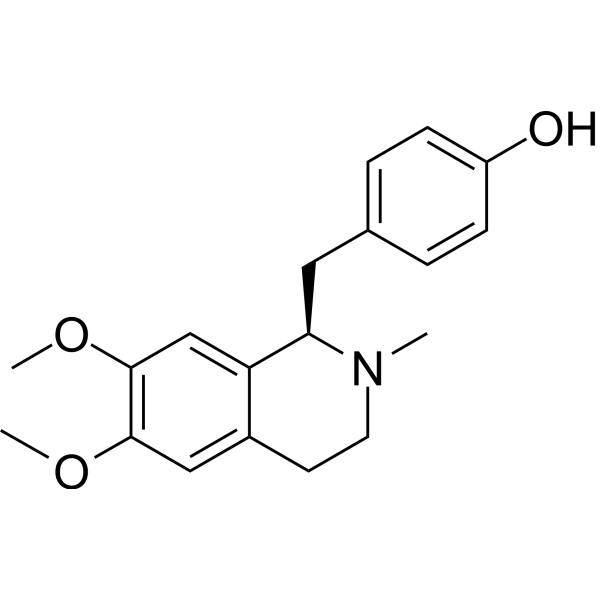
    Armepavine, found in Nelumbo nucifera, is an orally active NF-κB inhibitor. Armepavine attenuates expression of p-p65, α-SMA, p-JNK1/2, p-ERK1/2, p-p38α stimulated by TNF-α and LPS. Armepavine suppresses NF-κB nuclear translocation, IκBα phosphorylation, and collagen deposition. Armepavine can be used for the research of hepatic fibrosis and leukemia .
    Armepavine
  • HY-P991219

    EnX209

    Interleukin Related ERK MMP Inflammation/Immunology
    Anti-IL11RA Antibody (X209) (EnX209) is a human-derived IgG4, κ-type antibody inhibitor targeting IL11RA, with a KD of 6 nM. Anti-IL11RA Antibody (X209) blocks the IL11RA signaling pathway, inhibits ERK-dependent activation, and reduces the activation level of ERK1/2. Anti-IL11RA Antibody (X209) exerts a protective effect against fibrosis. Anti-IL11RA Antibody (X209) is applicable to studies related to liver fibrosis, cardiac fibrosis and other related conditions. Recommended isotype control: Human IgG4 kappa, Isotype Control (HY-P99003) .
    Anti-IL11RA Antibody (X209)
  • HY-N7543

    HIV Endothelin Receptor Infection Metabolic Disease
    Schisantherin D is a lignan. Schisantherin D can be isolated from Kadsura interior. Schisantherin D downregulates the expression of ETBR and inhibits the secretion of ECM and ET-1. Schisantherin D alleviates EtOH + ET-1-induced hepatocyte cytotoxicity. Schisantherin D potently inhibits HIV replication in cells .
    Schisantherin D
  • HY-135474
    KM91104
    2 Publications Verification

    ATP Synthase Toll-like Receptor (TLR) Others
    KM91104 is a cell-permeable V-ATPase a3-b2 inhibitor (IC50 = 2.3 µM). KM91104 reduces the metabolic activity, cell proliferation capacity and V-ATPase subunit protein expression levels of primary human hepatic stellate cells, increases intracellular ATP levels and decreases cytoplasmic pH. KM91104 reduces TLR4 expression on the surface of oligodendrocyte precursor cells, blocks the ENV-TLR4 interaction, and reverses oligodendrocyte myelination defects induced by ENV protein .
    KM91104
  • HY-168906

    Bradykinin Receptor PI3K Akt TNF Receptor ERK Neurological Disease Inflammation/Immunology
    BI-113823 is an orally active, blood-brain barrier-permeable bradykinin B1 receptor antagonist, with a Ki value of 5.3 nM for human receptors and 13.3 nM for rat receptors. BI-113823 reduces inflammation-induced mechanical hyperalgesia, as well as the mechanical sensitivity of peripheral afferent nerves and spinal nociceptive-specific neurons. BI-113823 alleviates liver fibrosis and portal hypertension, and improves survival in chronic liver disease models. BI-113823 inhibits the activities of monocytes, neutrophils and hepatic stellate cells, as well as the PI3K/Akt signaling pathway. BI-113823 can be used in research related to inflammatory pain, liver fibrosis and portal hypertension .
    BI-113823
  • HY-133669

    Discoidin Domain Receptor Cancer
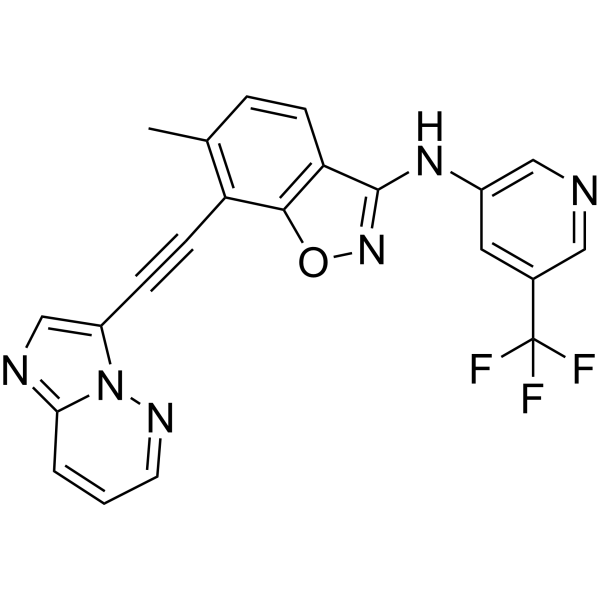
    DDR1-IN-5 is a selective Discoidin Domain Receptor family, member 1 (DDR1) inhibitor with an IC50 of 7.36 nM. DDR1-IN-5 inhibits auto-phosphorylation DDR1b (Y513) with an IC50 of 4.1 nM. DDR1-IN-5 has anti-cancer activity . DDR1-IN-5 is a click chemistry reagent, it contains an Alkyne group and can undergo copper-catalyzed azide-alkyne cycloaddition (CuAAc) with molecules containing Azide groups.
    DDR1-IN-5
  • HY-133670

    Discoidin Domain Receptor Cancer
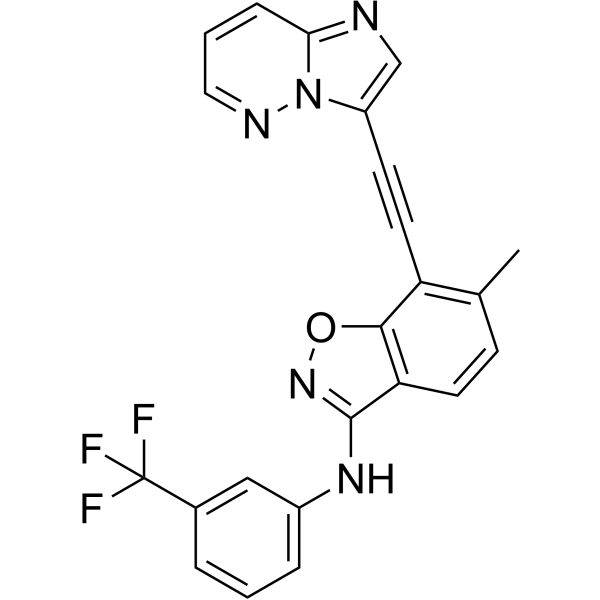
    DDR1-IN-6 is a selective Discoidin Domain Receptor family, member 1 (DDR1) inhibitor with an IC50 of 9.72 nM. DDR1-IN-6 inhibits auto-phosphorylation DDR1b (Y513) with an IC50 of 9.7 nM. DDR1-IN-6 has anti-cancer activity . DDR1-IN-6 is a click chemistry reagent, it contains an Alkyne group and can undergo copper-catalyzed azide-alkyne cycloaddition (CuAAc) with molecules containing Azide groups.
    DDR1-IN-6
  • HY-N0909
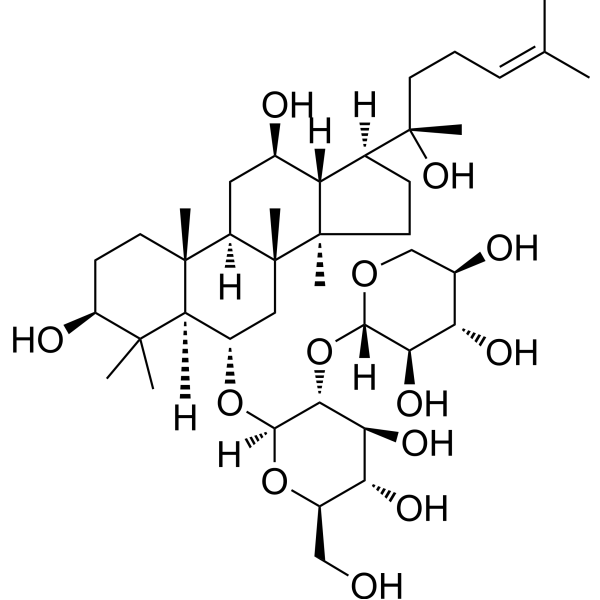
    Notoginsenoside R2
    1 Publications Verification

    20(S)-Notoginsenoside R2; Ginsenoside Ng-R2

    Apoptosis MEK ERK Reactive Oxygen Species (ROS) Caspase COX β-catenin Src MDM-2/p53 JAK STAT Neurological Disease Metabolic Disease Inflammation/Immunology
    Notoginsenoside R2 (20(S)-Notoginsenoside R2; Ginsenoside Ng-R2) is an orally active notoginsenoside . Notoginsenoside R2 activates P90RSK and Nrf2 via the MEK1/2-ERK1/2 pathway to inhibit 6-OHDA-induced apoptotic damage in nerve cells. Notoginsenoside R2 upregulates SOX8/β-catenin by reducing miR-27a, thereby suppressing Aβ25-35-induced neuronal apoptosis and inflammatory responses . Notoginsenoside R2 alleviates lipid accumulation and mitochondrial dysfunction in diabetic nephropathy by inhibiting c-Src. Notoginsenoside R2 alleviates hepatic fibrosis by inducing hepatic stellate cell senescence and inhibiting the inflammatory microenvironment via JAK/STAT3 suppression . Notoginsenoside R2 can be used in research related to Parkinson's disease, Alzheimer's disease, diabetic nephropathy and hepatic fibrosis .
    Notoginsenoside R2
  • HY-165529
    Camostat
    Maximum Cited Publications
    43 Publications Verification

    Ser/Thr Protease Inflammation/Immunology
    Camostat is an orally active trypsin inhibitor. Camostat can reduce pancreatic fibrosis induced by repeated administration of superoxide dismutase inhibitors in rats, and decrease the proliferation and activation of pancreatic stellate cells (PSCs) .
    Camostat
  • HY-172275A

    Liposome Inflammation/Immunology
    DSPE-PEG2000-pPB is a PEG compound which composed of DSPE and a cyclic oligopeptide (pPB). pPB has a strong binding affinity with PDGFRβ, which is overexpressed on activated hepatic stellate cells (HSC). DSPE-PEG2000-pPB can be used for drug delivery .
    DSPE-PEG2000-Cys-SRNLIDC (Disulfide bridge: Cys1-Cys8)
  • HY-156119

    Mixed Lineage Kinase Necroptosis Metabolic Disease Cancer
    MLKL-IN-6 (compound P28) is a mixed lineage kinase inhibitor targeting Mixed Lineage Kinase domain-like (MLKL). MLKL-IN-6 inhibits cell necrosis. MLKL-IN-6 inhibits MLKL phosphorylation and oligomerization during cell necrosis, inhibits immune cell death, and reduces the expression of adhesion factors. MLKL-IN-6 has low cytotoxicity, and it inhibits hepatic stellate cell activation, reduces liver fibrosis marker levels, and has anti-fibrotic effects .
    MLKL-IN-6
  • HY-N8389

    Bacterial Fungal PAK Akt STAT PD-1/PD-L1 Apoptosis CCR Infection Cancer
    Globulol is a terpenoid metabolite and Antimicrobial agent. Globulol can be isolated from Alpinia oxyphylla Miq. Globulol binds to PAK4, reduces the expression level of PAK4 in cancer cells, decreases the phosphorylation of AKT, and downregulates the expressions of STAT3, phosphorylated STAT3, and PD-L1. Globulol promotes the secretion of CCL4 by cancer cells. Globulol reduces the viability and proliferation ability of cancer cells, induces G0/G1 cell cycle arrest and Apoptosis in cancer cells, and inhibits cancer cell migration and the integrity of 3D tumor spheres. Globulol enhances the relevant effects of anti-PD-1 agents in the cancer cell microenvironment. Globulol exhibits anticancer activity against liver cancer. Globulol inhibits the mycelial growth of phytopathogenic fungi and the growth of phytopathogenic bacteria. Globulol can be used in studies related to hepatocellular carcinoma .
    Globulol
  • HY-B1588
    Carbenoxolone
    5+ Cited Publications

    Amyloid-β Gap Junction Protein Neurological Disease Metabolic Disease
    Carbenoxolone is a blood-brain barrier-permeable Pannexin1 inhibitor, gap junction (Gap junction) blocker, and β-amyloid 42 inhibitor. Carbenoxolone modulates voltage-gated currents of wild-type and mutant Panx1, and inhibits stimulus-activated Panx1 channel function. Carbenoxolone interacts with stable residues of β-amyloid 42 peptides, fibrils and oligomers, thereby inhibiting their aggregation. Carbenoxolone alleviates liver fibrosis. Carbenoxolone exerts neuroprotective and nootropic effects. Carbenoxolone can be used in studies related to Alzheimer's disease and liver fibrosis .
    Carbenoxolone
  • HY-156065

    Keap1-Nrf2 Reactive Oxygen Species (ROS) Interleukin Related Metabolic Disease
    S217879 is an orally active and selective NRF2 activator. S217879 activates the NRF2 pathway by specifically disrupting the KEAP1 (Kd: 4.15 nM)-NRF2 interaction, and upregulates the antioxidant response. S217879 also ameliorates steatohepatitis and reduces the degree of liver fibrosis. S217879 can be used in the research of metabolic dysfunction-associated steatotic liver disease and nonalcoholic steatohepatitis .
    S217879
  • HY-179133

    P2Y Receptor PKA Raf MEK ERK Inflammation/Immunology
    HDB-1 is a selective inhibitor of the P2Y14 receptor (P2Y14R) with an IC50 of 26 pM. HDB-1 shows no significant inhibition on P2Y1R, P2Y2R, P2Y4R, P2Y6R, and P2Y12R. HDB-1 blocks the activation of hepatic stellate cells (HSC) by inhibiting the PKA/Raf1/MEK/ERK signaling pathway mediated by P2Y14R, thereby alleviating the core pathological process of liver fibrosis. HDB-1 can be used for the study of liver fibrosis .
    HDB-1
  • HY-112724A

    SHR0302 sulfate

    JAK Apoptosis Inflammation/Immunology Cancer
    Ivarmacitinib (SHR0302) sulfate is a potent and orally active all members of the JAK family inhibitor, particularly JAK1. The selectivity of Ivarmacitinib for JAK1 is >10-fold for JAK2, 77-fold for JAK3, 420-fold for Tyk2. Ivarmacitinib inhibits JAK1-STAT3 phosphorylation and induces the apoptosis of hepatic stellate cells. Ivarmacitinib has anti-proliferative and anti-inflammatory effects .
    Ivarmacitinib sulfate
  • HY-133019

    Phosphodiesterase (PDE) Inflammation/Immunology
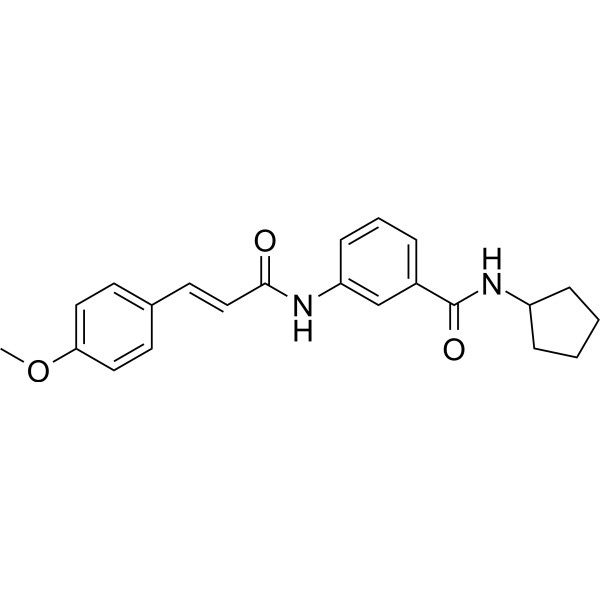
    ATX inhibitor 5 is a potent and orally active autotaxin (ATX) inhibitor, with an IC50 of 15.3 nM. ATX inhibitor 5 shows anti-hepatofibrosis effects and reduces CCl4-induced hepatic fibrosis level prominently .
    ATX inhibitor 5
  • HY-P1624S1

    ALX-0600-Leu(13C6,15N) sodium

    Isotope-Labeled Compounds Nuclear Hormone Receptor 4A/NR4A FXR Inflammation/Immunology
    Teduglutide-Leu( 13C6, 15N) (ALX-0600-Leu( 13C6, 15N)) sodium is the 13C- and 15N-labeled Teduglutide (HY-P1624). Teduglutide (ALX-0600) is an analog of human glucagon like peptide-2 (GLP-2). Teduglutide can activate the expression of nuclear receptor subfamily 4 group a member 1 (NR4a1)/nur77 and intestinal FXR signaling in human hepatic stellate cells, thereby improving liver inflammation and fibrosis in mice with sclerosing cholangitis. Teduglutide can alleviate intestinal dysfunction in mice, improve lung injury, alleviate obesity related neuroinflammation and cell apoptosis .
    Teduglutide-Leu(13C6,15N) sodium
  • HY-W719989

    Drug Intermediate Metabolic Disease
    γ-Carotene is a carotenoid found in Hippophae rhamnoides L. and peach palm fruits. γ-Carotene exhibits no significant inhibitory activity against self-activated hepatic stellate cells in vitro. γ-Carotene can be converted into retinol (Vitamin A) (HY-B1342) and can be used for the research of vitamin A deficiency [2].
    γ-Carotene
  • HY-177608

    Interleukin Related Inflammation/Immunology
    Rat IL-10 mRNA encodes interleukin-10 (IL-10). IL-10 is expressed in tissues/cells such as hepatic stellate cells and is involved in physiological processes including liver fibrosis.
    Rat IL10 mRNA
  • HY-N4215

    Others Inflammation/Immunology
    11(α)-Methoxysaikosaponin F is a triterpenoid saponin isolated from Bupleurum marginatum Wall.ex DC(ZYCH) which is a promising therapeutic for liver fibrosis. 11(α)-Methoxysaikosaponin F has an IC50 of 387.7 nM with viability of hepatic stellate cells-T6 (HSCs-T6). Triterpenoid saponins have numerous targets, important network positions, and strong inhibitory activity .
    11(α)-Methoxysaikosaponin F
  • HY-124748

    Protease Activated Receptor (PAR) Apoptosis Inflammation/Immunology
    ENMD-1068 is a selective protease-activated receptor 2 (PAR2) antagonist. ENMD-1068 reduces hepatic stellate cell activation and collagen expression by inhibiting TGF-β1/Smad signaling. ENMD-1068 also inhibits the proliferation of endometrial cells and induces apoptosis of epithelial cells in the lesion. ENMD-1068 can be used in the study of endometriosis and liver fibrosis .
    ENMD-1068
  • HY-179410

    Galectin Others
    Galectin-3-IN-7 is a selective Galectin-3 inhibitor with a Kd of 5.7 nM and shows 390-fold selectivity over Gal-1. Galectin-3-IN-7 can downregulate profibrotic signaling such as ACTA2, COL1A2, and FN1 in TGFβ-stimulated LX2 hepatic stellate cells. Galectin-3-IN-7 can be used for the research of fibrosis .
    Galectin-3-IN-7
  • HY-178477

    G protein-coupled Bile Acid Receptor 1 TGF-β Receptor MMP Metabolic Disease Inflammation/Immunology
    LIFR/GPBAR1 modulator 1 is an orally active, potent GPBAR1 agonist (EC50 = 0.2 μM) and LIFR inhibitor (IC50 = 7.9 μM). LIFR/GPBAR1 modulator 1 upregulates leukaemia inhibitory factor (LIF)-mediated mRNA expression of LIFR and GPBAR1 and significantly reduces the expression of pro-fibrosis markers (COL1A1, ASMA, and TGFβ), and reduces TIMP1 expression and increases MMP9 expression. LIFR/GPBAR1 modulator 1 can be used for the study of human fibrotic disorders .
    LIFR/GPBAR1 modulator 1
  • HY-P1624A

    ALX-0600 TFA

    Nuclear Hormone Receptor 4A/NR4A FXR Inflammation/Immunology
    Teduglutide TFA is a dipeptidyl peptidase IV resistant glucagon-like peptide 2 (GLP-2) analogue. Teduglutide TFA can activate the expression of nuclear receptor subfamily 4 group a member 1 (NR4a1)/nur77 and intestinal FXR signaling in human hepatic stellate cells, thereby improving liver inflammation and fibrosis in mice with sclerosing cholangitis. Teduglutide TFA can alleviate intestinal dysfunction in mice, improve lung injury, alleviate obesity related neuroinflammation and cell apoptosis .
    Teduglutide TFA
  • HY-W653841

    Endogenous Metabolite Parasite Infection Inflammation/Immunology Cancer
    Chondroitin sulfate A disodium is a mucopolysaccharide extracted from animal cartilages such as porcine nasal cartilage, and serves as a major structural component of cartilage. Chondroitin sulfate A disodium is one of the specific receptors for the adhesion of Plasmodium falciparum-infected red blood cells in the microcirculation. Chondroitin sulfate A disodium can be used together with selenium to prepare nanoparticles for protecting cartilage against T‑2 toxin-induced damage. Chondroitin sulfate A disodium is abnormally highly expressed in ameloblastoma, and is particularly enriched in stellate reticulum-like tumor cells. Chondroitin sulfate A disodium can be applied to studies on Plasmodium infection mechanisms, cartilage protection and oral tumors .
    Chondroitin sulfate A disodium
  • HY-117511

    STAT Apoptosis Interleukin Related TGF-beta/Smad Others
    HJC0123 is a STAT3 inhibitor. HJC0123 inhibits the proliferation of hepatic stellate cells and induces cell cycle arrest and apoptosis. HJC0123 reduces the phosphorylation, nuclear translocation and transcriptional activities of STAT3, increases the production of IL-6, inhibits the phosphorylation of Smad2/3 and down-regulates SOCS3. HJC0123 can be used in the study of liver fibrosis .
    HJC0123
  • HY-125522

    ERK Apoptosis Inflammation/Immunology
    Methyl helicterate is a triterpenoid, that can be isolated from Helicteres angustifolia (Sterculiaceae). Methyl helicterate inhibits hepatic stellate cell activation and promotes cell apoptosis through downregulating the ERK1/2 signaling pathway .
    Methyl helicterate
  • HY-162147

    Nuclear Hormone Receptor 4A/NR4A Autophagy mTOR TGF-beta/Smad Atg8/LC3 p62 Neurological Disease Metabolic Disease Inflammation/Immunology Cancer
    Nur77 modulator 3 is a Nur77 modulator. Nur77 modulator 3 induces Nur77 expression, inhibits hepatic stellate cells (HSCs) activation, and reduces extracellular matrix (ECM) deposition. Nur77 modulator 3 enhances Nur77-denpendent autophagic flux and significantly inhibits the mTORC1 signaling pathway. Nur77 modulator 3 ameliorates HSCs activation, inflammation and hepatic fibrosis in vivo .
    Nur77 modulator 3
  • HY-W753806

    UK 33274 hydrochloride

    Akt Cardiovascular Disease
    Doxazosin hydrochloride (UK 33274 hydrochloride) is a compound used to inhibit hypertension and prostate hyperplasia, with activity that inhibits postsynaptic α1-adrenoceptors on vascular smooth muscle. Doxazosin hydrochloride can cause vasodilation, thereby reducing peripheral vascular resistance. Doxazosin hydrochloride was found to inhibit the proliferation and migration of hepatic stellate cells in a mouse liver fibrosis model. Doxazosin hydrochloride regulates fibrosis, autophagy, and apoptosis of hepatic stellate cells by activating the PI3K/Akt/mTOR signaling pathway. Doxazosin hydrochloride also blocks autophagic flux and induces apoptosis of hepatic stellate cells .
    Doxazosin hydrochloride
  • HY-162605

    STAT HSP Cancer
    CYD0682 is an analog of Oridonin (HY-N0004). CYD0682 attenuates STAT3 activation and ECM production via an HSP90 pathway in hepatic stellate cells .
    CYD0682
  • HY-149899

    VD/VDR Others
    VDR agonist 2 (compound 16i) is a VDR (vitamin D receptor) agonist that can effectively inhibit TGF-β1-induced activation of hepatic stellate cells (HSC). VDR agonist 2 has significant anti-hepatic fibrosis effects both in vitro and in vivo .
    VDR agonist 2
  • HY-172275B

    Liposome Inflammation/Immunology
    DSPE-PEG5000-pPB is a PEG compound which composed of DSPE and a cyclic oligopeptide (pPB). pPB has a strong binding affinity with PDGFRβ, which is overexpressed on activated hepatic stellate cells (HSC). DSPE-PEG5000-pPB can be used for drug delivery .
    DSPE-PEG5000-pPB
  • HY-149205

    PI3K ERK Inflammation/Immunology
    CXJ-2 is a cyclic peptide, and exhibits moderate affinity toward elastin derived peptides (EDPs). CXJ-2 exhibits potent activities to inhibit the PI3K/ERK pathway and decrease hepatic stellate cell proliferation and migration. CXJ-2 possesses potent antifibrotic efficacy .
    CXJ-2
  • HY-170543

    Galectin EGFR Apoptosis Inflammation/Immunology
    Dual Galectin-3/EGFR-IN-1 (Compound 29) is the dual inhibitor for Galectin-3 and EGFR with the KD of 52.29 μM and 3.31 μM. Dual Galectin-3/EGFR-IN-1 inhibits TGF-β-induced hepatic stellate cell (HSCs) activation, induces apoptosis in LX-2 cell, and exhibits anti-liver fibrotic efficacy .
    Dual Galectin-3/EGFR-IN-1
  • HY-178328

    VD/VDR Collagen TGF-beta/Smad MMP JAK Metabolic Disease Inflammation/Immunology Endocrinology
    VDR agonist 4 is an orally active potent VDR agonist. VDR agonist 4 exerts VDR-dependent antifibrotic activity by regulating multiple fibrosis-related genes to suppress α-SMA and collagen I production, thereby inhibiting hepatic stellate cell (HSC) activation. VDR agonist 4 improves CCl4 (HY-RS16594)-induced hepatic fibrosis in mice. VDR agonist 4 can be used for liver fibrosis research .
    VDR agonist 4
  • HY-122179

    TGF-β Receptor Inflammation/Immunology
    NUCC-555 is an activin antagonist. NUCC-555 interacts with Trp25, Trp28, Phe55, Tyr93, Lys103, and Asn107 in the Activin A binding pocket. NUCC-555 blocks Activin A-mediated hepatic stellate cells (HSCs) activation. NUCC-555 promotes liver regeneration and halts fibrosis progression in chronic liver disease models. NUCC-555 inhibits Activin A-mediated ovarian cell proliferation. NUCC-555 decreases FSH levels in ovariectomized mice .
    NUCC-555
  • HY-163429

    TGF-β Receptor p38 MAPK Inflammation/Immunology Cancer
    J-1149 is a potent ALK5 inhibitor, with an IC50 value of 0.017 μM. J-1149 also shows weak p38α MAP kinase inhibitory activity, with an IC50 value of 0.435 μM. J-1149 can be used for liver fibrosis research .
    J-1149
  • HY-P1624S

    ALX-0600-Ala(13C3,15N) sodium

    Isotope-Labeled Compounds Nuclear Hormone Receptor 4A/NR4A FXR Inflammation/Immunology
    Teduglutide-Ala( 13C3, 15N) (ALX-0600-Ala( 13C3, 15N)) sodium is the 13C- and 15N-labeled Teduglutide (HY-P1624). Teduglutide (ALX-0600) is an analog of human glucagon like peptide-2 (GLP-2). Teduglutide can activate the expression of nuclear receptor subfamily 4 group a member 1 (NR4a1)/nur77 and intestinal FXR signaling in human hepatic stellate cells, thereby improving liver inflammation and fibrosis in mice with sclerosing cholangitis. Teduglutide can alleviate intestinal dysfunction in mice, improve lung injury, alleviate obesity related neuroinflammation and cell apoptosis .
    Teduglutide-Ala(13C3,15N) sodium
  • HY-182287

    Reactive Oxygen Species (ROS) NOD-like Receptor (NLR) Metabolic Disease
    PRDX1-IN-4 is a PRDX1 inhibitor with an IC50 of 122 nM against human targets and high subtype selectivity. PRDX1-IN-4 covalently binds to PRDX1 to promote ROS accumulation. PRDX1-IN-4 inhibits NLRP3 inflammasome activation, blocks hepatic stellate cell activation and reduces collagen deposition. PRDX1-IN-4 induces apoptosis in activated hepatic stellate cells. PRDX1-IN-4 has good safety profile, with no significant body weight loss or hepatotoxicity observed in mice at a dose of 20 mg/kg. PRDX1-IN-4 ameliorates CCl4-induced liver injury and liver fibrosis in mice at a dose of 1 mg/kg. PRDX1-IN-4 can be used for the research of liver fibrosis .
    PRDX1-IN-4

Inquiry Online

Your information is safe with us. * Required Fields.

Salutation


Country or Region *

Applicant Name *


Organization Name *

Department *


Email Address *


Product Name *

Cat. No.


Requested quantity *

Phone Number *


Remarks

Inquiry Online

Inquiry Information

Product Name:
Cat. No.:
Quantity:
MCE Japan Authorized Agent:

