





1. Search Result
Search Result
Results for "

tumor infiltration

" in MedChemExpress (MCE) Product Catalog:

77

Inhibitors & Agonists

1

Screening Libraries

2

Biochemical Assay Reagents

3

Peptides

18

Inhibitory Antibodies

4

Natural
Products

3

Oligonucleotides

Cat. No. Product Name Target Research Areas Chemical Structure
  • HY-146244
    Agatolimod
    1 Publications Verification

    ODN 2006; PF-3512676; CpG 7909; ODN 7909

    Toll-like Receptor (TLR) Bacterial NO Synthase Apoptosis Infection Cancer
    Agatolimod ((ODN 2006; PF-3512676; CpG 7909)) is a TLR9 agonist and immunomodulator with an EC50 of 180 nM against human TLR9. Agatolimod activates and upregulates the expression of both TLR9 and TLR6, and mediates downstream signaling pathways via IRAK4, IRF5, IRF7. Agatolimod induces Th1-type innate and adaptive immune responses, activates various immune cells and promotes antigen presentation, regulates antibody levels and immune cell infiltration, upregulates the secretion of multiple cytokines, induces apoptosis and cell cycle arrest, enhances cytotoxicity, and clears intracellular Salmonella. Agatolimod is applicable to research on COVID-19, breast cancer, lung adenocarcinoma, HPV-related tumors, melanoma, and salmonellosis .
    Agatolimod
  • HY-108910
    Chymotrypsin
    2 Publications Verification

    EC 3.4.21.1; Chymotrypsin A

    Toll-like Receptor (TLR) NF-κB MMP Others Inflammation/Immunology
    Chymotrypsin (EC 3.4.21.1; Chymotrypsin A) is an orally effective inhibitor targeting molecules such as TLR4, NF-κB, MMP-1, TNF-α, IL-1β, and IL-6. Chymotrypsin downregulates the TLR4/NF-κB signaling pathway, inhibiting the release of inflammatory factors, reducing cell infiltration and tissue damage. It also reduces the expression of tumor cell adhesion molecules (such as CD44 and CD54) and can be specifically detected by fluorescent probes (such as NBD-3). Chymotrypsin has anti-inflammatory, hepatoprotective, joint damage-reducing, liver protection against lipotoxicity, and anti-tumor metastasis functions. It can be used in research on diseases such as rheumatoid arthritis, non-alcoholic fatty liver disease, and melanoma metastasis. Chymotrypsin can be used in studies of inflammation, edema, and expectoration .
    Chymotrypsin
  • HY-150298
    Soquelitinib
    3 Publications Verification

    CPI-818

    Itk Inflammation/Immunology Cancer
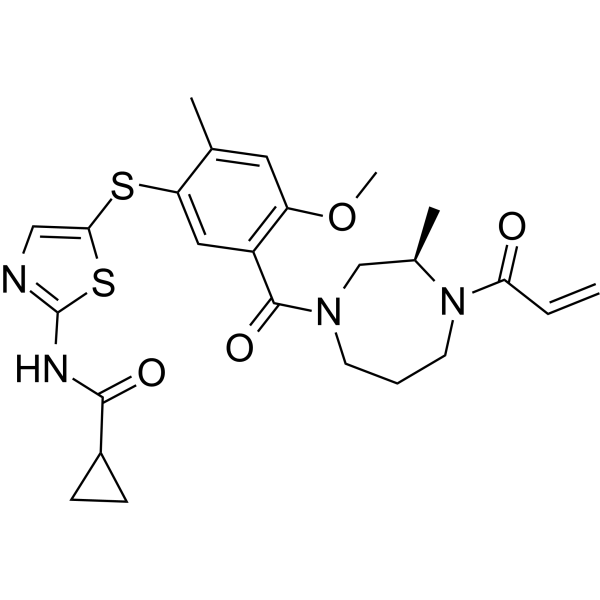
    Soquelitinib (CPI-818) is an orally active and highly selective covalent interleukin-2-inducible kinase (ITK) inhibitor. Soquelitinib is active in six different models of T cell-mediated inflammatory and immune disease, including acute and chronic asthma, pulmonary fibrosis, systemic sclerosis (scleroderma), psoriasis, and acute graft versus host disease with Th2 cytokine product inhibition. Soquelitinib increases tumor infiltration of normal CD8 + cells that possess enhanced T effector function .
    Soquelitinib
  • HY-148494

    FLX475

    CCR Inflammation/Immunology Cancer
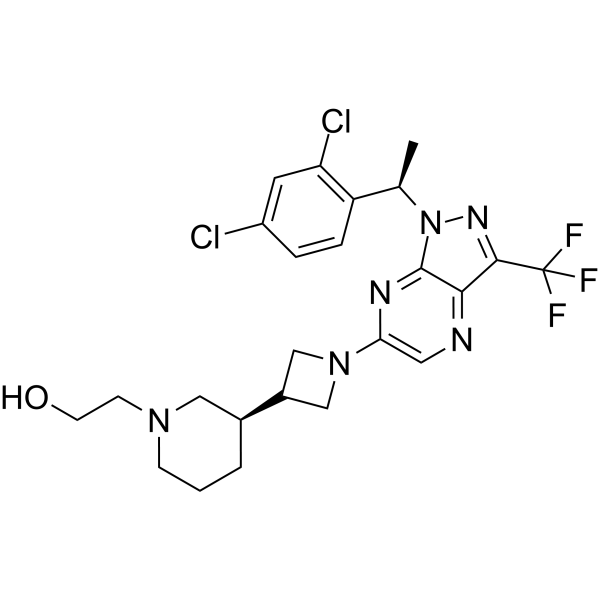
    Tivumecirnon (FLX475) is an orally active, selective CCR4 antagonist. Tivumecirnon blocks the binding of CCR4 to its ligands, CCL17 and CCL22, thereby reducing Treg infiltration into the tumor microenvironment. Tivumecirnon has antitumor activity .
    Tivumecirnon
  • HY-W020780

    mPEG5000-Maleimide

    Biochemical Assay Reagents Cancer
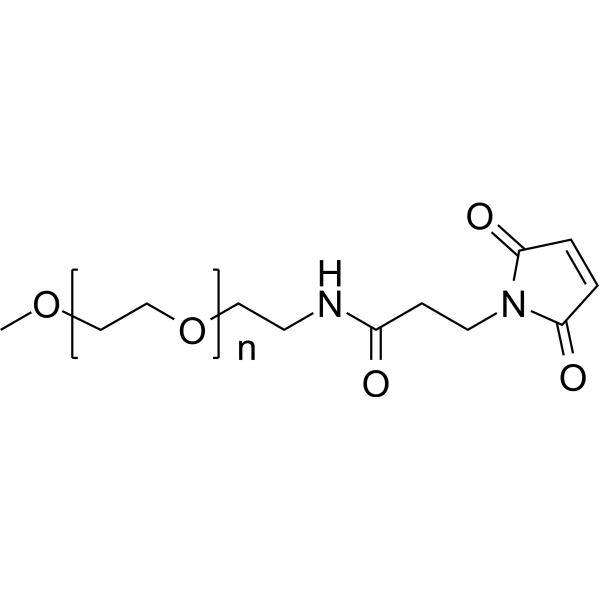
    mPEG5000-Mal (mPEG5000-Maleimide) is a PEG-derived selective covalent binding agent for sulfhydryl groups (RSGs), which can form irreversible thioether bonds with sulfhydryl groups under near-neutral conditions via the maleimide group. The mechanism of action of mPEG5000-Mal can be divided into two categories: firstly, as an enzyme modifier, it binds to target proteins through hydrophobic interactions, hydrogen bonds, and van der Waals forces, altering the protein's secondary structure; secondly, as a nanoparticle surface modifier, it covalently binds to sulfhydryl groups on the surface of red blood cells, changing the surface properties and morphology of the red blood cells, leading to their phagocytosis by macrophages of the reticuloendothelial system. mPEG5000-Mal can react with free cysteine in proteins, increasing the apparent molecular weight of the modified protein by 10-15 kDa for detection purposes. mPEG5000-Mal can enhance the thermal stability and catalytic activity of enzymes, and improve the macrophage targeting of nanoparticles, enabling targeted drug delivery. mPEG5000-Mal can be applied in enzyme engineering research in the food industry and in oncology, assisting radiotherapy by inhibiting tumor-associated macrophage infiltration and enhancing anti-tumor immune responses .
    mPEG5000-Mal
  • HY-P991097

    PM-8002; BNT-327

    VEGFR PD-1/PD-L1 Cancer
    Pumitamig (PM-8002, BNT-327) is a bispecific antibody targeting PD-L1 and VEGF-A, with immune activation and anti-angiogenic activities. By binding to PD-L1, Pumitamig restores the function of effector T cells, while neutralizing VEGF-A in the tumor microenvironment to reverse its inhibition on the infiltration and activation of immune cells and normalize tumor blood vessels. Pumitamig can also be combined with various ADCs targeting TROP2, B7H3, HER2, HER3 for the research of advanced/metastatic solid tumors, including non-small cell lung cancer, ovarian cancer, triple-negative breast cancer, cervical cancer, etc. Pumitamig also exhibits potential efficacy in "cold" tumors with low PD-L1 expression that are insensitive to immunotherapy .
    Pumitamig
  • HY-P990106

    VEGFR Apoptosis Inflammation/Immunology Cancer
    Anti-Mouse VEGFR-2 Antibody (DC101) is a rat anti-mouse VEGFR2 monoclonal antibody. Anti-Mouse VEGFR-2 Antibody (DC101) inhibits tumor angiogenesis by blocking the binding of VEGF and VEGFR2. Anti-Mouse VEGFR-2 Antibody (DC101) promotes immune cell infiltration and induces tumor cell apoptosis. Anti-Mouse VEGFR-2 Antibody (DC101) can be used for researches on various types of cancer such as melanoma, lung cancer and breast cancer .
    Anti-Mouse VEGFR-2 Antibody (DC101)
  • HY-14668
    Lomitapide mesylate
    Maximum Cited Publications
    6 Publications Verification

    AEGR-733 mesylate; BMS-201038 mesylate

    Microsomal Triglyceride Transfer Protein (MTP) mTOR LDLR Autophagy Apoptosis Cardiovascular Disease Neurological Disease Metabolic Disease Cancer
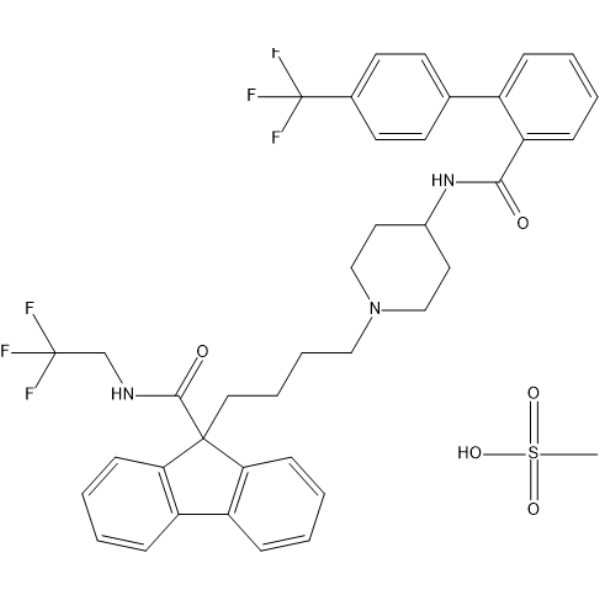
    Lomitapide (AEGR-733; BMS-201038) mesylate is an orally active microsomal triglyceride transfer protein (MTP) inhibitor and a selective mTORC1 inhibitor with lipid-lowering activity and BBB permeability. Lomitapide mesylate significantly reduces plasma LDL levels by blocking the assembly and secretion of very-low-density lipoprotein (VLDL). Lomitapide mesylate inhibits mTORC1 in an ATP-dependent manner, thereby inducing AMPK-independent autophagic cell death and suppressing cancer cell growth and apoptosis. Lomitapide mesylate also enhances tumor infiltration of CD8 + T cells. In addition, Lomitapide mesylate inhibits HDAC, improves endothelial function, effectively alleviates vascular inflammation and oxidative stress, and exerts neuroprotective effects in a cerebral ischemia/reperfusion injury model. Lomitapide mesylate can be used in research on related diseases such as colorectal cancer, breast cancer, melanoma, ischemic stroke, and familial hypercholesterolemia .
    Lomitapide mesylate
  • HY-P99188
    Carlumab
    4 Publications Verification

    CNTO 888

    CCR Cancer
    Carlumab (CNTO 888) is a human anti-CCL2 (chemokine ligand 2) monoclonal antibody. Carlumab binds and neutralises profibrotic activities of human CCL2. Carlumab inhibits tumor growth by reducing macrophage infiltration and decreasing tumor microvascular density. Carlumab can be used for the research of cancer, suah as prostate cancer .
    Carlumab
  • HY-172736

    PROTACs BCL6 CD20 Cancer
    BMS-986458 is a highly selective, orally active cereblon-based BCL6 PROTAC degrader and antitumor agent. BMS-986458 selectively degrades BCL6 by binding cereblon to the BTB domain of BCL6, thereby regulating the cell cycle, antiproliferative and interferon signaling pathways, and upregulating the expression and distribution of CD20. BMS-986458 modulates the phenotype of follicular helper T cells and reduces circulating tumor DNA levels. The combination of BMS-986458 with CD20xCD3 bispecific antibody also enhances the efficiency of T cell tumor infiltration and expansion. BMS-986458 induces regression of BCL6-positive tumors and prolongs survival, and it is suitable for research related to B-cell non-Hodgkin lymphoma, diffuse large B-cell lymphoma, follicular lymphoma, and relapsed/refractory lymphoma .
    BMS-986458
  • HY-160421

    Apoptosis Inflammation/Immunology Cancer
    TREM2-IN-1 (OPA) is a TREM2 inhibitor derived from oxaliplatin and artesunate. TREM2-IN-1 can relieves immunosuppressive tumor microenvironment and enhancing chemical anticancer efficiency. TREM2-IN-1 deters the tumor growth in mice models bearing MC38 colorectal tumor by reducing the number of CD206 + and CX3CR1 + immunosuppressive macrophages. TREM2-IN-1 also promotes the expansion and infiltration of immunostimulatory dendritic, cytotoxic T and natural killer cells .
    TREM2-IN-1
  • HY-P990212
    Anti-Mouse IL-6 Antibody (MP5-20F3)
    1 Publications Verification

    Interleukin Related STAT Infection Inflammation/Immunology
    Anti-Mouse IL-6 Antibody (MP5-20F3) is an anti-mouse IL-6 IgG1 monoclonal antibody. Anti-Mouse IL-6 Antibody (MP5-20F3) reshapes the tumor microenvironment by blocking IL-6. Anti-Mouse IL-6 Antibody (MP5-20F3) can inhibit the STAT3 pathway and enhance T cell infiltration. Anti-Mouse IL-6 Antibody (MP5-20F3) can be used for researches on inflammation and infection conditions such as malignant pleural effusion (MPE) .
    Anti-Mouse IL-6 Antibody (MP5-20F3)
  • HY-P99834

    IAB22M2C; ImaginAb

    Transmembrane Glycoprotein Cancer
    Crefmirlimab (IAB22M2C; ImaginAb) is a humanized CD8-specific single-domain antibody. Conjugation of Crefmirlimab with radioisotopes (e.g., 89Zr) enables tumor immune infiltration assessment, autoimmune disease detection, and immunotherapy response monitoring. Crefmirlimab is applicable for cancer research .
    Crefmirlimab
  • HY-P991149

    YH32367; ABL105

    TNF Receptor Cancer
    Nesfrotamig (YH32367; ABL105) is a bispecific activator targeting HER2 and 4-1BB. The Kd values of Nesfrotamig for human HER2 and human 4-1BB are 0.48 nM and 3.36 nM, respectively. By blocking tumor cell growth signals, activating HER2-dependent local 4-1BB in tumors to maintain T cell survival, and inducing NK cell-mediated antibody-dependent cellular cytotoxicity, Nesfrotamig enhances the cytotoxicity and tumor infiltration ability of immune cells. Nesfrotamig promotes the generation of tumor-specific memory T cells, drives T cell-mediated tumor lysis, exhibits significant anti-tumor efficacy against both HER2-positive and HER2-low-expressing tumors, and shows synergistic activity when combined with anti-PD-1 antibodies. In cynomolgus monkey studies, Nesfrotamig demonstrates good safety and is suitable for research related to HER2-positive and HER2-low-expressing tumors .
    Nesfrotamig
  • HY-153358

    HDAC Cancer
    TNG260 is a selective, orally effective inhibitor of HDAC1 and CoREST complex, with a 10-fold selectivity for HDAC1 over HDAC3 and a 500-fold selectivity for CoREST complex over NuRD and Sin3 complex. TNG260 reshapes the tumor immune microenvironment, reduces immunosuppressive neutrophil infiltration, promotes effector T cell recruitment, and reverses anti-PD-1 resistance caused by STK11 deficiency by inhibiting the activity of the CoREST-HDAC1 complex. TNG260 induces durable tumor regression in combination with α-PD1 in MC38 tumor-bearing mice with STK11 mutations, and has lower toxicity to bone marrow cells than non-selective HDAC inhibitors .
    TNG260
  • HY-160041A

    NOX-A12 sodium

    CXCR Cancer
    Olaptesed pegol (NOX-A12) sodium is a L-oligoribonucleotide aptamer targeting CXCL12 based on a pegylated structure. Olaptesed pegol sodium neutralizes CXCL12, and CXCL12 inhibition mobilizes chronic lymphocytic leukemia cells into the circulation and prevents their homing into the protective microenvironment. Olaptesed pegol sodium can enhances the infiltration of human primary T cells and NK cells and inhibit tumor growth companied with anti-PD-1 antibody. Olaptesed pegol sodium can be used for researches of colon cancer and lymphocytic leukemia .
    Olaptesed pegol sodium
  • HY-160041

    NOX-A12

    CXCR Cancer
    Olaptesed pegol (NOX-A12) is a L-oligoribonucleotide aptamer targeting CXCL12 based on a pegylated structure. Olaptesed pegol neutralizes CXCL12, and CXCL12 inhibition mobilizes chronic lymphocytic leukemia cells into the circulation and prevents their homing into the protective microenvironment. Olaptesed pegol can enhances the infiltration of human primary T cells and NK cells and inhibit tumor growth companied with anti-PD-1 antibody. Olaptesed pegol can be used for researches of colon cancer and lymphocytic leukemia .
    Olaptesed pegol
  • HY-P10102
    Kp7-6
    2 Publications Verification

    Apoptosis PERK NF-κB Caspase JNK Inflammation/Immunology Cancer
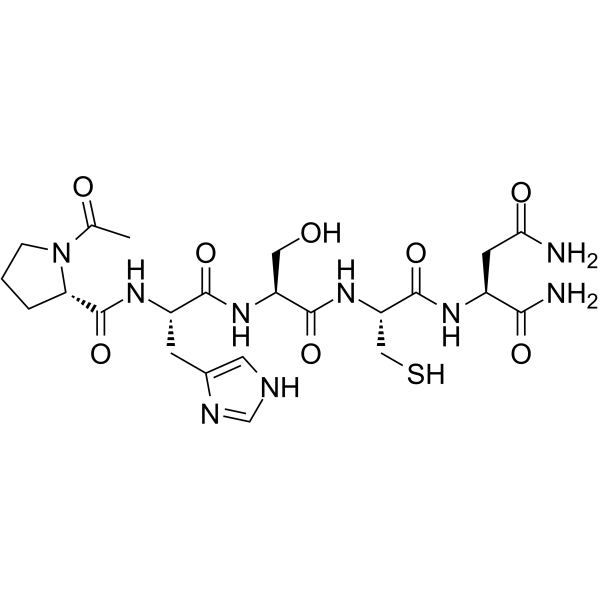
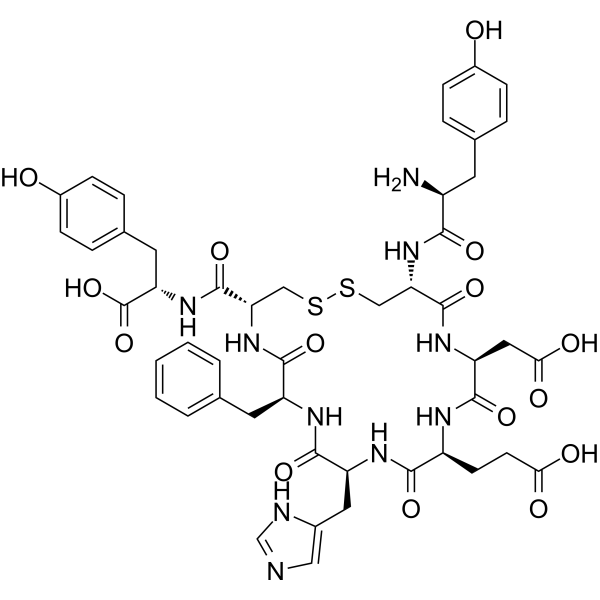
    Kp7-6 is a Fas mimetic peptide and also a Fas/FasL antagonist. Kp7-6 specifically binds to Fas and FasL, disrupts receptor complexes, and blocks downstream apoptosis signaling pathways. Kp7-6 inhibits the phosphorylation of ERK1-2, induces the phosphorylation of IκBα, and activates NF-κB. Kp7-6 inhibits the activation of caspase-8, caspase-3 and JNK, and suppresses human amylin-induced β-cell apoptosis. Kp7-6 inhibits FasL-induced lymphoid cytotoxicity and apoptosis. Kp7-6 reduces local tumor FasL expression, increases CD8 +Fas + T cell infiltration, and decreases tumor volume in pancreatic neuroendocrine tumor models. Kp7-6 prevents concanavalin A-induced liver injury in mice. Kp7-6 is applicable to research related to type 2 diabetes, concanavalin A-induced hepatitis and pancreatic neuroendocrine tumors .
    Kp7-6
  • HY-128481

    STING Inflammation/Immunology Cancer
    SB24011 is a STING modulator and a TRIM29-STING protein-protein interaction inhibitor. SB24011 blocks TRIM29-induced K48-linked specific ubiquitination by binding to STING, thereby upregulating intracellular STING protein levels. SB24011 enhances inflammatory cytokine expression and STING-mediated immune responses, and exhibits abscopal antitumor activity that promotes tumor regression and activates T cell infiltration. When combined with STING agonists or anti-PD1 antibodies, SB24011 synergistically enhances antitumor responses. SB24011 is suitable for research related to colon cancer and melanoma .
    SB24011
  • HY-108910A
    Chymotrypsin (MS grade)
    2 Publications Verification

    EC 3.4.21.1 (MS grade); Chymotrypsin A (MS grade)

    Toll-like Receptor (TLR) NF-κB MMP Others Inflammation/Immunology
    Chymotrypsin (EC 3.4.21.1; Chymotrypsin A) (MS grade) is an orally effective inhibitor targeting molecules such as TLR4, NF-κB, MMP-1, TNF-α, IL-1β, and IL-6. Chymotrypsin (MS grade) downregulates the TLR4/NF-κB signaling pathway, inhibits the release of inflammatory factors, reduces cell infiltration and tissue damage, and also reduces the expression of tumor cell adhesion molecules (such as CD44 and CD54). It can also be specifically detected by fluorescent probes (such as NBD-3). Chymotrypsin (MS grade) has anti-inflammatory, hepatoprotective, joint damage-reducing, liver protection against lipotoxicity, and anti-tumor metastasis functions, and can be used in the research of diseases such as rheumatoid arthritis, non-alcoholic fatty liver disease, and melanoma metastasis. Chymotrypsin (MS grade) can be used in studies of inflammation, edema, and expectoration .
    Chymotrypsin (MS grade)
  • HY-N5084

    TRP Channel HDAC p38 MAPK JNK ERK NF-κB TNF Receptor Interleukin Related Neurological Disease Inflammation/Immunology Cancer
    Pinocembrin 7-O-[3''-O-galloyl-4'',6''-hexahydroxydiphenoyl]-β-D-glucoside is a TRPV1 antagonist and HDAC7 inhibitor. Pinocembrin 7-O-[3''-O-galloyl-4'',6''-hexahydroxydiphenoyl]-β-D-glucoside blocks TRPV1-mediated calcium influx, suppresses phosphorylation of p65, IκBα, p38, JNK, and ERK1/2, inhibiting NF-κB and MAPK signaling cascades. Pinocembrin 7-O-[3''-O-galloyl-4'',6''-hexahydroxydiphenoyl]-β-D-glucoside reduces production and gene expression of pro-inflammatory cytokines IL-1β, IL-6, and TNF-α. Pinocembrin 7-O-[3''-O-galloyl-4'',6''-hexahydroxydiphenoyl]-β-D-glucoside exhibits potent analgesic activity, elevates thermal pain threshold and mechanical pain threshold in murine models. Pinocembrin 7-O-[3''-O-galloyl-4'',6''-hexahydroxydiphenoyl]-β-D-glucoside restores CD8 + T cell infiltration into bladder cancer tumors and improves bladder cancer immunotherapy efficacy. Pinocembrin 7-O-[3''-O-galloyl-4'',6''-hexahydroxydiphenoyl]-β-D-glucoside can be used for the researches of painand bladder cancer .
    Pinocembrin 7-O-[3''-O-galloyl-4'',6''-hexahydroxydiphenoyl]-β-D-glucoside
  • HY-P99157

    CD276/B7-H3 Cancer
    Omburtamab is a humanized monoclonal antibody targeting B7-H3 (CD276). Omburtamab selectively binds to B7-H3 highly expressed on the surface of tumor cells and activates anti-tumor immune responses mediated by T cells and natural killer (NK) cells. Omburtamab can promote the specific infiltration of CAR-T cells into tumors, enhance the killing function of NK cells through the CD16 signaling pathway, and regulate tumor cell glucose metabolism (such as inhibiting the Warburg effect). Omburtamab has the potential to inhibit solid tumors such as non-small cell lung cancer (NSCLC) .
    Omburtamab
  • HY-141831

    Phosphodiesterase (PDE) Cancer
    STF-1084 is a specific, cell-impermeable, competitive inhibitor of ENPP1 (Ki = 33 nM). STF-1084 increases extracellular cGAMP concentrations by preventing its degradation by ENPP1, thereby enhancing immune infiltration. STF-1084 acts synergistically with ionizing radiation (IR) and cGAMP to delay tumor progression. STF-1084 can be used to study cancers with low immunogenicity .
    STF-1084
  • HY-177338

    STING Cyclic GMP-AMP Synthase IFNAR TNF Receptor Interleukin Related Inflammation/Immunology Cancer
    STING agonist-45 is a selective STING agonist (EC50 = 0.28 μM). STING agonist-45 activates the innate immune response through the cGAS-STING pathway, upregulating key markers such as p-TBK1 and IRF3. STING agonist-45 exhibits robust STING activation in human peripheral blood mononuclear cells (PBMCs), inducing the production of type I interferons (such as IFN-β) and downstream cytokines (such as TNF-α and IL-6). STING agonist-45 enhances anti-tumor immunity, inhibits tumor growth, and increases CD8 + T cell infiltration in mouse models. STING agonist-45 is promising for the study of STING-related diseases .
    STING agonist-45
  • HY-P990255

    CXCR Inflammation/Immunology Cancer
    Anti-Mouse CXCL9/MIG Antibody (MIG-2F5.5) is an anti-mouse CXCL9/MIG IgG monoclonal antibody. Anti-Mouse CXCL9/MIG Antibody (MIG-2F5.5) can reduce tumor infiltration of CD8 + cytotoxic T cells (CTLs). Anti-Mouse CXCL9/MIG Antibody (MIG-2F5.5) can prolong the survival of transplanted hearts. Anti-Mouse CXCL9/MIG Antibody (MIG-2F5.5) can be used for researches on immunology and cancer such as prostate cancer .
    Anti-Mouse CXCL9/MIG Antibody (MIG-2F5.5)
  • HY-N0442

    4'-O-β-D-Glucosyl-5-O-methylvisamminol

    NF-κB p38 MAPK JNK Src TNF Receptor NOD-like Receptor (NLR) Amyloid-β MEK ERK Ferroptosis VEGFR Anaplastic lymphoma kinase (ALK) Reactive Oxygen Species (ROS) Neurological Disease Metabolic Disease Inflammation/Immunology Cancer
    5-O-Methylvisammioside (4'-O-β-D-Glucosyl-5-O-methylvisamminol) is an orally active natural chromone glycoside and multiple biological activities. 5-O-Methylvisammioside inhibits ferroptosis by activating the Nrf2/HO-1 signaling axis. 5-O-Methylvisammioside alleviates intestinal barrier damage by inhibiting the ROS/NF-κB/NLRP3 pathway. 5-O-Methylvisammioside exerts a protective effect against acute liver injury by reducing ALT/AST, decreasing inflammatory infiltration, and inhibiting IκB-α phosphorylation and NF-κB nuclear translocation. 5-O-Methylvisammioside blocks the HMGB1/RAGE/MEK/ERK signaling axis to exert anti-tumor and anti-angiogenic effects. 5-O-Methylvisammioside improves depression-like behaviors by inhibiting Src kinase and the NF-κB pathway .
    5-O-Methylvisammioside
  • HY-P990651

    TREM receptor Cancer
    PY314 is a humanized antibody targeting TREM2. PY314 binds TREM2 on tumor-associated macrophages, depletes TREM2-high tumor-associated macrophages, reduces pro-tumorigenic M2 macrophage infiltration, increases CD8 + T cell, NK cell, and M1 macrophage infiltration, creates a proinflammatory tumor microenvironment, and promotes antitumor immune responseS. PY314 can be used for the research of platinum-resistant ovarian cancer, advanced solid tumors, breast cancer, and advanced refractory solid tumors .
    PY314
  • HY-175802

    HYBI-084

    WDR5 Potassium Channel Inflammation/Immunology Cancer
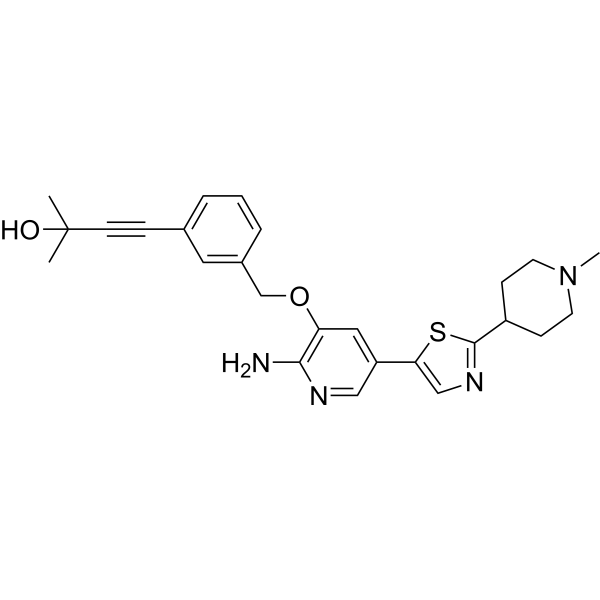
    HBI-2375 (HYBI-084) is a brain-penetrant WDR5 inhibitor with an IC50 of 4.48 nM. HBI-2375 binds to the WINR5 and disrupts MLL1-WDR5 protein-protein interactions. HBI-2375 inhibits cancer cells proliferation and shows anti-tumor activity in AML mouse models, and increases tumor CD8 + cytotoxic T lymphocyte infiltration. HBI-2375 inhibits hERG with an IC50 of 17 µM .
    HBI-2375
  • HY-160696

    CD73 Cancer
    ORIC-533 is an orally active, highly selective, AMP-competitive CD73 inhibitor that potently blocks adenosine production with sub-nanomolar affinity (Ka=0.03 nM). In multiple myeloma, ORIC-533 restores and enhances the cytotoxicity of the immune system against tumor cells through multiple immunological mechanisms, including reversing the immunosuppressive microenvironment, inducing immunogenic cell death, and activating dendritic cells, T cells and NK cells, with no direct toxicity to normal cells. The combination of ORIC-533 with Daratumumab (HY-P9915) synergistically enhances anti-tumor efficacy, significantly increases intratumoral CD8 + T cell infiltration and inhibits tumor growth in vivo .
    ORIC-533
  • HY-N14001

    TNF Receptor Interleukin Related Arginase PD-1/PD-L1 Inflammation/Immunology Cancer
    Naamidine J is an imidazole-type alkaloids discovered in a sponge. Naamidine J inhibits inflammation by binding to the protein CSE1L (KD = 5.41 μM). Namidine J significantly inhibits the expression of pro-inflammatory factors such as TNF-α, IL-1β, and IL-6, and upregulates anti-inflammatory factors such as CD206 and Arg-1. Namidine J inhibits PD-L1 and shows antitumor activity. Namidine J significantly reduces pulmonary tissue edema, inflammatory cell infiltration and cytokine storm in mice. Namidine J can be used for the research on the immune microenvironment of acute lung injury and tumors .
    Naamidine J
  • HY-159838

    EI‐1071

    c-Fms Amyloid-β Neurological Disease Cancer
    Enrupatinib (EI‐1071) is a potent, orally active, CNS-penetrant and selective CSF1R inhibitor. Enrupatinib inhibits macrophage proliferation and osteoclast differentiation in vitro. Enrupatinib preserves microglia distal to plaques. Enrupatinib mitigates Alzheimer's disease (AD)-related pathologies by reducing neuroinflammation, preserving neuronal integrity, lowering disease-associated microglia gene expression, and enhancing cognitive function in 5xFAD and J20 mouse models. Enrupatinib reduces tumor-associated macrophage infiltration and enhances antitumor activity of anti-PD-1 antibody in murine colorectal cancer and breast cancer models. Enrupatinib can be used for the research of AD, colorectal cancer, and breast cancer .
    Enrupatinib
  • HY-144088
    ZYF0033
    2 Publications Verification

    HPK1-IN-22

    MAP4K Inflammation/Immunology Cancer
    ZYF0033 is an orally active inhibitor of the hematopoietic progenitor cell kinase HPK1 with an IC50 of less than 10 nM based on the phosphorylation inhibition of MBP protein. ZYF0033 promotes anti-cancer immune responses and reduces phosphorylation of SLP76 (serine 376). ZYF0033 inhibits tumor growth in the 4T-1 syngeneic mouse model and leads to increased intratumoral infiltration of DCs, NK cells, and CD107a +CD8 + T cells, but not T cells, PD-1 +CD8 + T cells, TIM-3 +CD8 + Infiltration of T cells and LAG3 +CD8 + T cells was reduced .
    ZYF0033
  • HY-P99830

    KH902

    VEGFR TNF Receptor Interleukin Related Cardiovascular Disease Inflammation/Immunology Cancer
    Conbercept (KH902) is a recombinant fusion protein composed of VEGFR-1 (second domain) and VEGFR-2 (third and fourth domains) regions fused to human IgG1 Fc. Conbercept is a VEGF inhibitor (IC50 = 8.8 pM) and is a soluble receptor decoy that blocks all isoforms of VEGF-A (Kd = 0.5 pM), VEGF-B (Kd = 8 pM), VEGF-C, and PlGF (Kd = 5 pM). Conbercept has anti-inflammatory effects, can lower the levels of VEGF, TNF-α and IL-6, and reduce the infiltration of inflammatory cells. Conbercept decreases tumor growth in several oncology studies. Conbercept can be used for various eye diseases such as polypoidal choroidal vasculopathy (PCV), diabetic macular edema (DME) and pathologic myopia choroidal neovascularization (pmCNV) .
    Conbercept
  • HY-160768

    Deubiquitinase Inflammation/Immunology Cancer
    OTUB2-IN-1, a specific inhibitor of OTUB2 (KD: ~12 μM), reduces PD-L1 protein expression in tumor cells and inhibits tumor growth by promoting robust intra-tumor infiltration of cytotoxic T lymphocytes (CTL) .
    OTUB2-IN-1
  • HY-163719

    PARP Cancer
    PARP7-IN-22 (XLY-1) is a PARP7 inhibitor with an IC50 of 0.6 nM. PARP7-IN-22 (XLY-1) is orally active, enhances type I interferon signaling in vitro, restores type I interferon signaling, promotes T cell infiltration into tumor tissues, and significantly inhibits tumor growth. PARP7-IN-22 shows promise for research in the field of cancer immunotherapy .
    PARP7-IN-22
  • HY-105017

    ATL 313; DE 112

    Adenosine Receptor Infection Inflammation/Immunology
    Evodenoson is a selective agonist of the A2A adenosine receptor. Evodenoson’s primary actions include reducing inflammatory responses, decreasing intestinal fluid secretion, edema, tissue damage, and neutrophil infiltration induced by Clostridium difficile toxin A. Evodenoson’s protective effect is achieved by reducing myeloperoxidase (MPO) and adenosine deaminase (ADA) activities, and by lowering the production of tumor necrosis factor-alpha (TNF-α) .
    Evodenoson
  • HY-162133

    STING Apoptosis IKK IFNAR NF-κB Cancer
    MSA-2-Pt, platinum salt-modified MSA-2 (HY-136927), is a STING agonist. MSA-2-Pt inducing cell
    death by platinum and activating the STING pathway by MSA-2. MSA-2-Pt direct activates STING pathway, induces phosphorylation of TBK1, IRF3, and NF-κB p65. MSA-2-Pt enhances tumor infiltration of CD4 + and CD8 + T cells, and induces tumor cell death and apoptosis in mouse colon carcinoma and melanoma models .
    MSA-2-Pt
  • HY-P99027

    LAG525; IMP701; Hu5A8

    LAG-3 Cancer
    Ieramilimab (LAG525; IMP701) is a humanized IgG4 monoclonal antibody that binds to LAG-3, resulting in inhibition of LAG-3 interaction with MHC-II molecules. Ieramilimab restores T-cell and NK-cell-mediated antileukemic immunity by reducing exhaustion and augmenting cytokine output and cytotoxicity. Ieramilimab increases the infiltration of cytotoxic T lymphocytes and reduces baseline densities of regulatory T cells (Tregs) and ADAM10-expressing tumor cells. Ieramilimab can be used for the study of various malignancies including melanoma, RCC, and advanced solid tumors .
    Ieramilimab
  • HY-155959

    PD-1/PD-L1 Cancer
    PD-1/PD-L1-IN-33 (Compound N11) is a PD-1/PD-L1 inhibitor. PD-1/PD-L1-IN-33 inhibits PD-1 and PD-L1 interaction with an IC50: 6.3 nM. PD-1/PD-L1-IN-33 promotes T-cell proliferation, activation, and infiltration into tumor spheres. PD-1/PD-L1-IN-33 has immunomodulatory and anticancer activity .
    PD-1/PD-L1-IN-33
  • HY-P990208

    Interleukin Related NF-κB Parasite Infection Inflammation/Immunology Cancer
    Anti-Mouse IL-9 Antibody (9C1) is an anti-mouse IL-9 IgG2a monoclonal antibody. Anti-Mouse IL-9 Antibody (9C1) can reduce the activation of NF-κB signaling pathway and decrease the infiltration of inflammatory cells. Anti-Mouse IL-9 Antibody (9C1) effectively reduces Th9 cell-mediated allergic reactions and anti-tumor effects. Anti-Mouse IL-9 Antibody (9C1) can be used for researches on inflammation, infection conditions and cancer such as parasitic infections, allergic reactions, breast cancer and osteosarcoma .
    Anti-Mouse IL-9 Antibody (9C1)
  • HY-155847

    Phosphatase PD-1/PD-L1 Inflammation/Immunology Cancer
    LYP-IN-3 is a selective, orally active and reversible lymphoid-tyrosine phosphatase (LYP) inhibitor (IC50 = 2.55 μM, Ki = 0.93 μM). D34 exhibits high selectivity of PTP1B, PTPN12, PTPN5 and SSH2. LYP-IN-3 regulates the T-cell receptor (TCR) signaling by specifically inhibiting LYP. LYP-IN-3 does not significantly inhibit MC38 cell viability; its anti-tumor effect stems from immune regulation. LYP-IN-3 can significantly upregulate PD-L1 or PD-1 expression in different immune cells. LYP-IN-3 facilitates T-cell infiltration and enhances T-cell functions. LYP-IN-3 synergizes with PD-L1 blockade can significantly improve colorectal tumor regression. LYP-IN-3 can be used for the study of colorectal cancer .
    LYP-IN-3
  • HY-178716

    Phosphatase IFNAR STAT JAK Cancer
    PTPN2/1-IN-4 (Compound WS35) is an orally active, dual-functional inhibitor of PTPN1 and PTPN2 with IC50s of 12.8 and 5.8 nM for PTPN1 and PTPN2, respectively. PTPN2/1-IN-4 modulates the IFNγ-JAK-STAT signaling pathway and significantly augments CD8+ T-cell tumor infiltration. PTPN2/1-IN-4 has potent anticancer activity, robustly inhibiting tumor growth both as a monotherapy and in combination with an anti-PD-1 antibody in B16-OVA syngeneic mouse models .
    PTPN2/1-IN-4
  • HY-169859

    Prostaglandin Receptor Interleukin Related Inflammation/Immunology Cancer
    EP4 receptor antagonist 7 (Compound 14) is an antagonist of the prostaglandin E2 (PGE2) receptor subtype EP4 with an IC50 value of 1.1 nM. EP4 receptor antagonist 7 inhibits PGE2-induced β-arrestin recruitment in HEK293 cells with an IC50 value of 0.9 nM. EP4 receptor antagonist 7 decreases PGE2-induced expression of mRNA encoding IL-4, macrophage mannose receptor 1 (Mrc1), chitinase-like protein 3 (Chil3), chemokine (C-X-C) motif ligand 1 (Cxcl1), triggering receptor expressed on myeloid cells 2 (Trem2), and arginase-1 (Arg1), in RAW 264.7 macrophages. EP4 receptor antagonist 7 combined with an anti-PD-1 antibody inhibits tumor growth and increases infiltration of CD 8+ T cells into tumors in a CT26 murine colon cancer model .
    EP4 receptor antagonist 7
  • HY-139874

    CXCR Inflammation/Immunology Cancer
    CXCR2 antagonist 3 (compound 11h) is a potent antagonist of CXC chemokine receptor 2 (CXCR2). CXCR2 antagonist 3 demonstrates double-digit nanomolar potencies against CXCR2 and significantly inhibited neutrophil infiltration into the air pouch. CXCR2 antagonist 3 reduces the infiltration of neutrophils and MDSCs and enhance the infiltration of CD3 + T lymphocytes into the Pan02 tumor tissues .
    CXCR2 antagonist 3
  • HY-P10947

    Epigenetic Reader Domain YAP Cancer
    MACTIDE-V is an orally active and selective peptide-drug conjugate targeting CD206. MACTIDE-V delivers Verteporfin (HY-B0146) to CD206 + tumor-associated macrophages (TAM) to inhibit the YAP/TAZ signaling pathway, prompting YAP exclusion from the nucleus, inducing TAM polarization toward an anti-tumoral phenotype with enhanced phagocytosis and antigen presentation, and boosting T cell infiltration and NK cell activity. MACTIDE-V suppresses primary tumor growth and lung metastasis in triple-negative breast cancer (TNBC) mouse models .
    MACTIDE-V
  • HY-P990149

    Tyrosinase Cancer
    Anti-Mouse/Human TYRP1 Antibody (TA99) is a mouse-derived IgG2a κ type antibody inhibitor, targeting to mouse/human TYRP1. Anti-Mouse/Human TYRP1 Antibody (TA99) binds to Tyrp1 (tyrosinase related protein-1) on tumor. Anti-Mouse/Human TYRP1 Antibody (TA99) enhances infiltration of the tumor by CD8 + T cells. Anti-Mouse/Human TYRP1 Antibody (TA99) can be used for the research of melanoma .
    Anti-Mouse/Human TYRP1 Antibody (TA99)
  • HY-179288

    Transmembrane Glycoprotein STAT Cancer
    TPST2-IN-1 is a potent and selective TPST2 inhibitor with an IC50 of 946 nM and a Ka of 19.4 μM. TPST2-IN-1 increases the phosphorylation of Stat1 and upregulates the IFNγ-responsive gene CXCL10 by inhibiting TPST2 activity.TPST2-IN-1 exhibits anti-tumor activity and enhances T cell-mediated antitumor immunity characterized by increased infiltration of effector CD8 + T cells. TPST2-IN-1 can be used for the research of cancer, such as colon cancer .
    TPST2-IN-1
  • HY-177270

    EGFR Drug Derivative Cancer
    CHNQD-01281, a derivative of Brefeldin A (HY-16592), is a EGFR modulator. CHNQD-01281 has strong antiproliferative activities against cancer cells (IC50: 0.079 and 0.081 μM for T24 and J82 cells, respectively). CHNQD-01281 regulates both EGFR/PI3K/AKT and EGFR/ERK pathways and mediates the chemotactic effect of chemokines on immune effector cells. CHNQD-01281 remarkably inhibits tumor growth in T24 xenograft mice model and prolongs the survival time in MB49 allogeneic mice model via inducing infiltration of cytotoxic T cells .
    CHNQD-01281
  • HY-124665

    TNF Receptor Interleukin Related Infection Metabolic Disease Inflammation/Immunology
    LMP-420 is a selective tumor necrosis factor-α (TNF-α) inhibitor. LMP-420 reduces the release of pro-inflammatory cytokines (e.g., IL-1β, IL-2), inducing the expression of anti-inflammatory cytokine IL-10 and anti-apoptotic molecules SOCS-1 and Mn-SOD. LMP-420 also downregulates chemokines (e.g., IP-10, MCP-1) to reduce immune cell infiltration. LMP-420 is promising for research of type 1 diabetes mellitus, inflammatory diseases (e.g., colitis), and HIV-Mycobacterium tuberculosis coinfection .
    LMP-420
  • HY-P11011

    Pep R54; CXCR4 antagonist peptide 19

    CXCR Cancer
    Peptide R54 (Pep R54; CXCR4 antagonist peptide 19) is an antagonistic peptide targeting CXCR4 with significant anticancer activity. Peptide R54 inhibits CXCR4-dependent cell migration, epithelial-mesenchymal transition, and lung metastasis development, with better serum stability and higher CXCR4 affinity than the lead compound (IC50=20 nM). Peptide R54 synergizes with anti-PD-1 therapy to exert anti-tumor activity in vivo, enhances granzyme activity, and reduces infiltration of Foxp3 cells. Peptide R54 can be used in the study of colon cancer, ovarian cancer, and melanoma .
    Peptide R54

Inquiry Online

Your information is safe with us. * Required Fields.

Salutation


Country or Region *

Applicant Name *


Organization Name *

Department *


Email Address *


Product Name *

Cat. No.


Requested quantity *

Phone Number *


Remarks

Inquiry Online

Inquiry Information

Product Name:
Cat. No.:
Quantity:
MCE Japan Authorized Agent: