



Cholecystokinin Receptor
All Product Categories
-
Cholecystokinin Receptor Inhibitors
(5)
View all products
-
Cholecystokinin Receptor Agonists
(17)
View all products
-
Cholecystokinin Receptor Antagonists
(58)
View all products
-
Cholecystokinin Receptor Activators
(2)
View all products
-
Cholecystokinin Receptor Modulator
(1)
View all products
-
Cholecystokinin Receptor Chemical
(1)
View all products
-
Cholecystokinin Receptor Controls
(2)
View all products
-
Cholecystokinin Receptor Related Products (108)
Related Products (108)

-
Caerulein
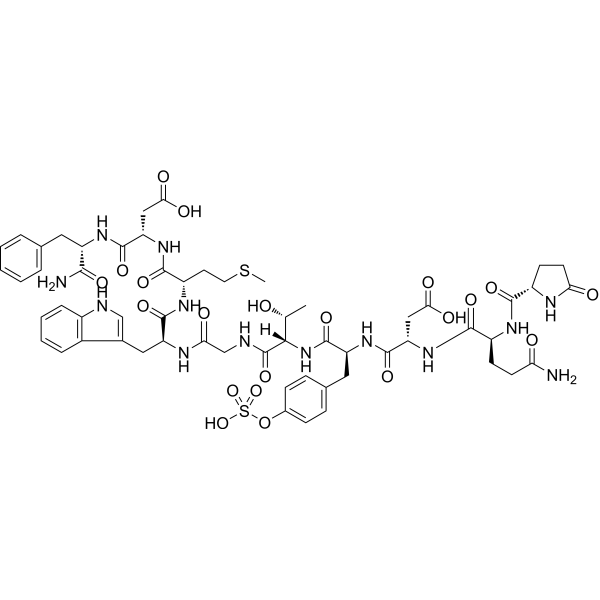 0 ImagesSynonyms: Ceruletide; Cerulein; FI-6934Caerulein is a decapeptide and a potent cholecystokinin receptor agonist. Caerulein is a safe and effective cholecystokinetic agent with a direct spasmogenic effect on the gallbladder muscle and bile ducts.
-
[Leu15]-Gastrin I (human)
![[Leu15]-Gastrin I (human)](https://file.medchemexpress.com/product_pic/hy-p2671.gif "Click to View [Leu15]-Gastrin I (human) Product Detail") 0 Images[Leu15]-Gastrin I (human) is a Gastrin I, human (HY-P1097) peptide hormone derivative, which is trophic for normal gastrointestinal epithelium. Gastrin stimulates growth of gastric adenocarcinoma (gastric cancer) through G-protein-coupled receptor called the cholecystokinin (CCK) or cholecystokinin-B receptors (CCK-BR) that are overexpressed in this malignancy. [Leu15]-Gastrin I (human) is promising for research of gastric cancer.
0 Images[Leu15]-Gastrin I (human) is a Gastrin I, human (HY-P1097) peptide hormone derivative, which is trophic for normal gastrointestinal epithelium. Gastrin stimulates growth of gastric adenocarcinoma (gastric cancer) through G-protein-coupled receptor called the cholecystokinin (CCK) or cholecystokinin-B receptors (CCK-BR) that are overexpressed in this malignancy. [Leu15]-Gastrin I (human) is promising for research of gastric cancer.
-
Sincalide
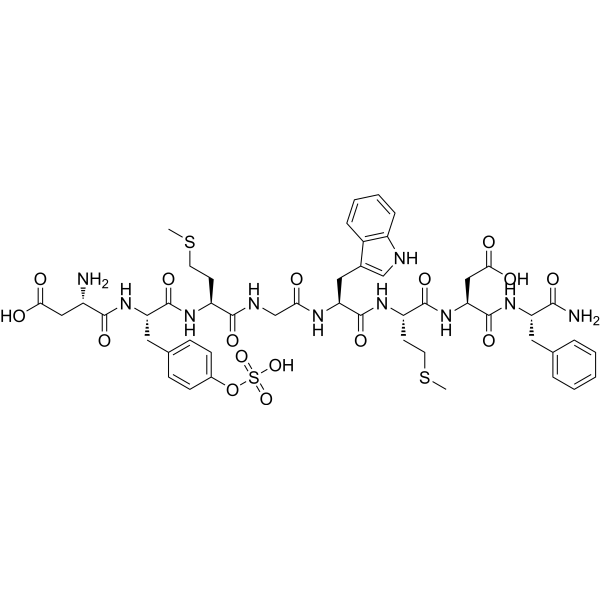 0 ImagesSynonyms: Cholecystokinin octapeptide; CCK-8; SQ19844Sincalide (Cholecystokinin octapeptide, CCK-8) is a rapid-acting amino acid polypeptide hormone analogue of cholecystokinin (CCK) for intravenous use in postevacuation cholecystography. Sincalide is a major bioactive segment of CCK that retains most of the biological activities of CCK. Sincalide can promote gallbladder contraction by injection and helps diagnose gallbladder and pancreas disorders. Sincalide can increase bile secretion, cause the gallbladder to contract and relax the sphincter of Oddi, resulting in bile drainage into the duodenum. Sincalide is a major bioactive segment of CCK that retains most of the biological activities of CCK.
-
Devazepide
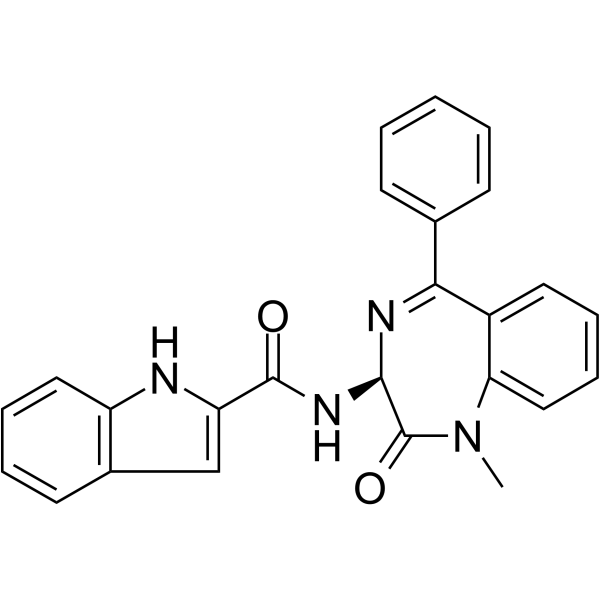 0 ImagesSynonyms: L-364,718; MK-329Devazepide (L-364,718) is a potent, competitive, selective and orally active nonpeptide antagonist of cholecystokinin (CCK) receptor, with IC50s of 81 pM, 45 pM and 245 nM for rat pancreatic, bovine gallbladder and guinea pig brain CCK receptors, respectively. Devazepide (L-364,718) is effective for gastrointestinal disorders.
-
Cholecystokinin
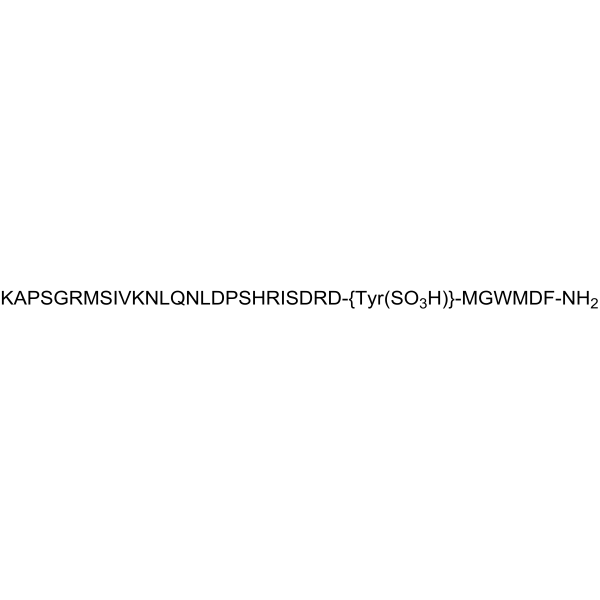 0 ImagesSynonyms: Cholecystokinin-33(human); CCK-33(human)Cholecystokinin is a peptide hormone. Cholecystokinin, as a hunger suppressant, inhibits food intake and stimulates the digestion of fat and protein. Cholecystokinin can be used for the research of gastrointestinal system.
-
Sincalide ammonium
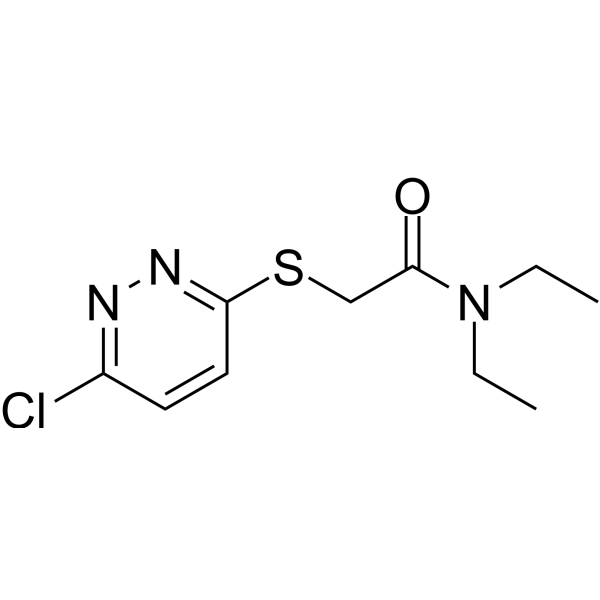
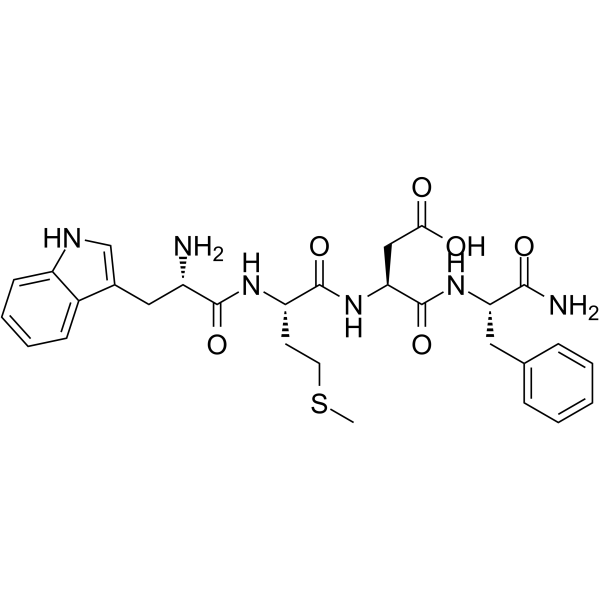
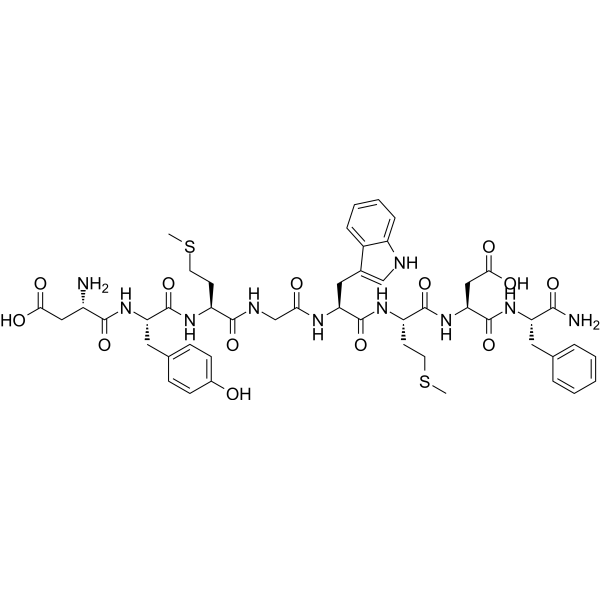
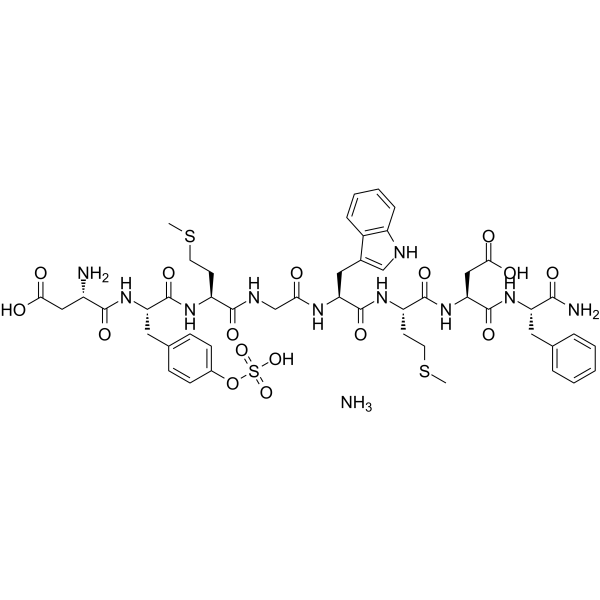 0 ImagesSynonyms: Cholecystokinin octapeptide ammonium; CCK-8 ammonium; SQ19844 ammoniumSincalide ammonium (Cholecystokinin octapeptide ammonium, CCK-8 ammonium) is a rapid-acting amino acid polypeptide hormone analogue of cholecystokinin (CCK) for intravenous use in postevacuation cholecystography. Sincalide ammonium is a major bioactive segment of CCK that retains most of the biological activities of CCK. CCK‐8 can promote gallbladder contraction by injection and helps diagnose gallbladder and pancreas disorders. Sincalide ammonium can increase bile secretion, cause the gallbladder to contract and relax the sphincter of Oddi, resulting in bile drainage into the duodenum. Sincalide ammonium is a major bioactive segment of CCK that retains most of the biological activities of CCK.
-
Lorglumide sodium
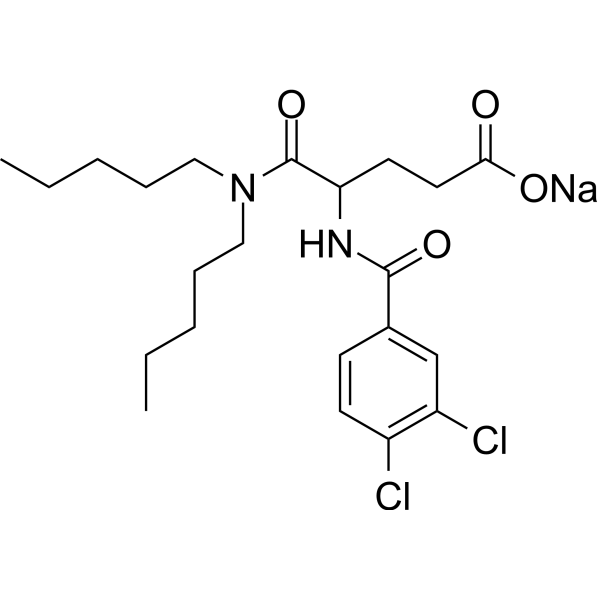 0 ImagesSynonyms: CR-1409 sodiumLorglumide sodium salt (CR-1409 sodium salt) is a potent cholecystokinin (CCK) receptor antagonist.
-
Proglumide
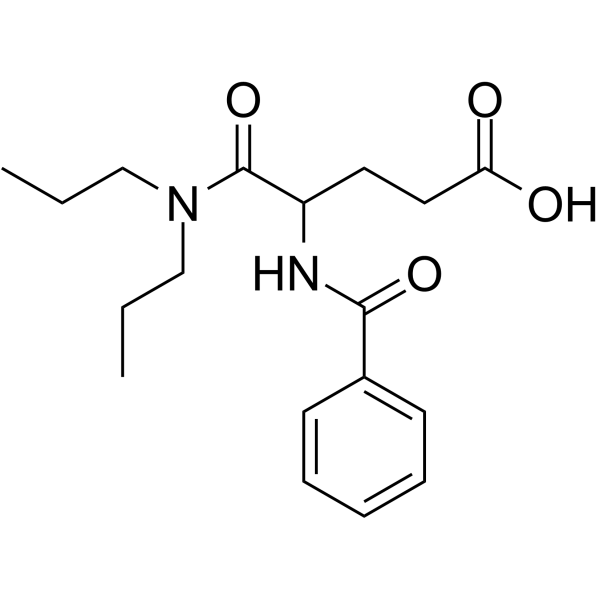 0 ImagesProglumide is a nonpeptide and orally active cholecystokinin (CCK)-A/B receptors antagonist. Proglumide selective blocks CCK’s effects in the central nervous system (CNS). Proglumide has ability to inhibit gastric secretion and to protect the gastroduodenal mucosa. Proglumide also has antiepileptic and antioxidant activities.
-
Biotin-Gastrin-1, human (1-17)
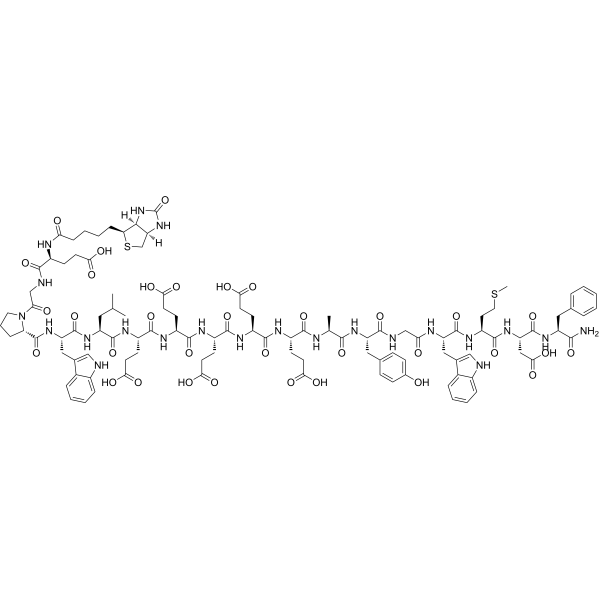 0 ImagesBiotin-Gastrin-1, human (1-17) is a biological active peptide. (Biotin-labeled HY-P1097)
-
Proglumide sodium
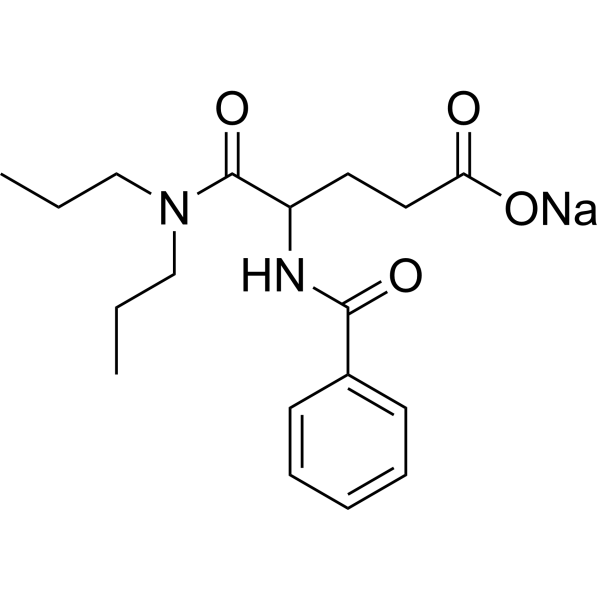 0 ImagesProglumide sodium is a nonpeptide and orally active cholecystokinin (CCK)-A/B receptors antagonist. Proglumide sodium selective blocks CCK’s effects in the central nervous system (CNS). Proglumide sodium has ability to inhibit gastric secretion and to protect the gastroduodenal mucosa. Proglumide sodium also has antiepileptic and antioxidant activities.
-
T-0632
 0 ImagesT-0632 is a CCK A receptor antagonist that exhibits significant pharmacological properties in in vitro studies. T-0632 competitively inhibits the binding of [125I]CCK-8 to rat pancreatic CCK A receptors with a K_i value of 0.24 nM, which is significantly lower than the K_i value for guinea pig CCK B receptors. T-0632 has higher selectivity in inhibiting CCK-8-stimulated pancreatic enzyme release, with an IC_50 value of 5.0 nM, which is more advantageous than L-364,718 and loxiglumide. In rabbit gallbladder smooth muscle, the antagonistic effects of T-0632 and loxiglumide are reversible, while L-364,718 shows a persistent inhibitory effect. These results indicate that T-0632 is a highly potent, reversible and more selective CCK A receptor antagonist.
-
LY 225910
 0 ImagesLY 225910 is a selective antagonist for cholecystokinin receptor (CCK2 receptor), which affects the excitatory response to morphine, and leads to morphine sensitization.
-
PNB-001
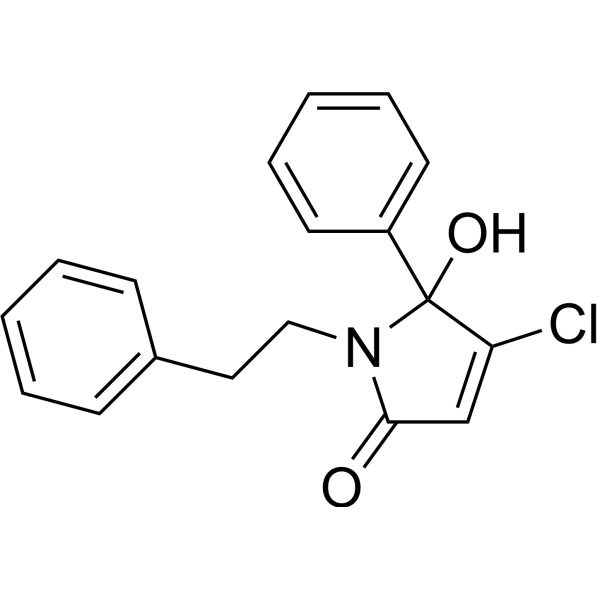 0 ImagesPNB-001 is an orally active CCK2 selective ligand and antagonist. PNB-001 has anti-inflammatory and analgesic activities.
-
Big Gastrin I (human) TFA
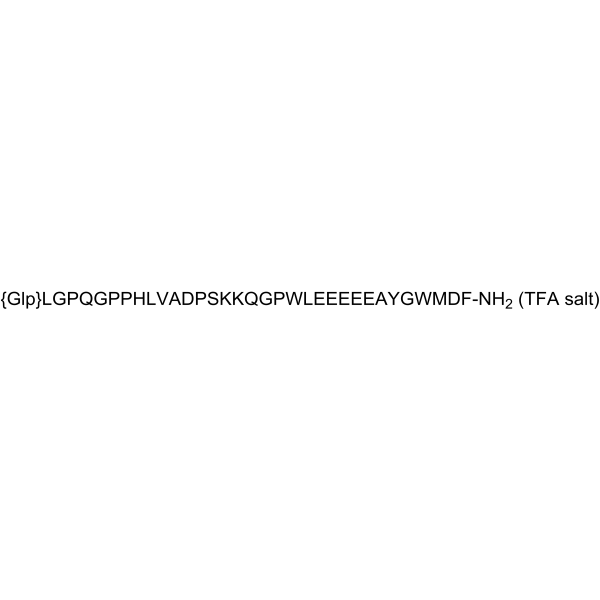 0 ImagesCat. No.: HY-P3446ABig Gastrin I, human (TFA) is a gastrointestinal hormone consisting of 34 amino acids. Big Gastrin I, human (TFA) can be used as a potential substance for the study of cancer, autoimmune diseases, fibrotic diseases, inflammatory diseases, neurological diseases or cardiovascular diseases.
-
L-365260 hemihydrate
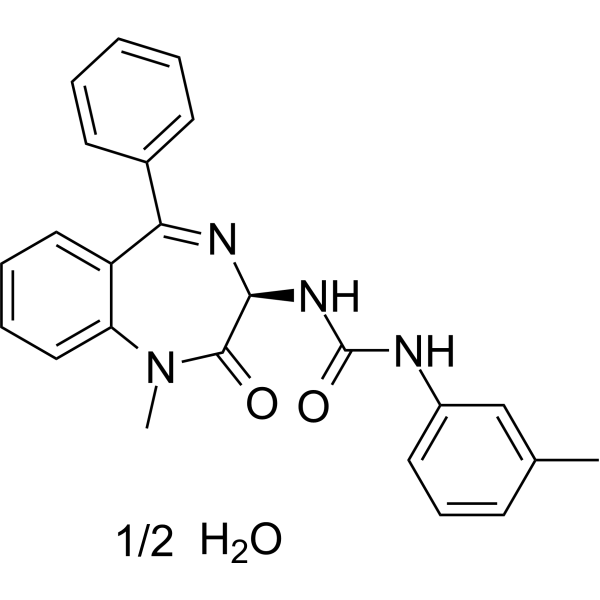 0 ImagesCat. No.: HY-106840APurity: 99.75%L-365260 hemihydrate is an orally active and selective antagonist of non-peptide gastrin and brain cholecystokinin receptor (CCK-B), with Kis of 1.9 nM and 2.0 nM, respectively. L-365260 hemihydrate interacts in a stereoselective and competitive manner with guinea pig stomach gastrin and brain CCK receptors.



