GSK-3
Glycogen synthase kinase-3; Glycogen synthase kinase 3
Glycogen synthase kinase 3 (GSK-3) is a multifunctional serine/threonine kinase consisting of two isoforms, alpha and beta. It is a highly conserved negative regulator of receptor tyrosine kinase, cytokine, and Wnt signaling pathways. Stimulation of these pathways inhibits GSK-3 to modulate diverse downstream effectors that include transcription factors, nutrient sensors, glycogen synthesis, mitochondrial function, circadian rhythm, and cell fate. GSK-3 also regulates alternative splicing in response to T-cell receptor activation, and recent phosphoproteomic studies have revealed that multiple splicing factors and regulators of RNA biosynthesis are phosphorylated in a GSK-3-dependent manner.
The malfunction or aberrant activity of GSK-3 leads to several of disorders, such as Alzheimer's disease (AD) and other neurodegenerative pathologies, and other type of diseases as diabetes, cardiovascular disorders and cancer. GSK-3 is also related to innate immune response against pathogens, which makes GSK-3 an excellent target for therapeutic intervention.
GSK-3 Isoform Specific Products
All Product Categories
-
GSK-3 Inhibitors
(281)
View all products
-
GSK-3 Agonist
(1)
View all products
-
GSK-3 Activators
(46)
View all products
-
GSK-3 Modulators
(4)
View all products
-
GSK-3 Chemicals
(2)
View all products
-
GSK-3 Degraders
(3)
View all products
-
GSK-3 Ligand
(1)
View all products
-
Glycogen Synthase Kinase-3 (GSK-3) Proteins
(6)
View all products
-
GSK-3 alpha Proteins
(1)
View all products
-
GSK-3 beta Proteins
(5)
View all products
-
GSK-3 Related Products (361)
Related Products (361)

-
Recombinant Proteins (6)
-
Antibodies (9)
-
GSK-3 Signaling Pathway
-
GSK-3 Isoform Comparison
-
MK-2206
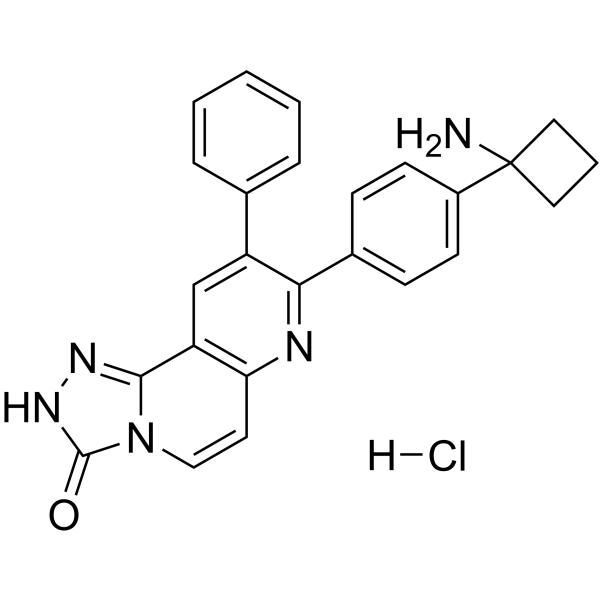 0 ImagesMK-2206 is an orally active pan-AKT inhibitor, with IC50 values of 8 nM, 12 nM and 65 nM against AKT1, AKT2 and AKT3, respectively. MK-2206 inhibits the Akt/mTOR signaling pathway and reduces the levels of downstream GSK3β and Mcl-1 via proteasomal degradation. MK-2206 induces G1-phase cell cycle arrest, apoptosis, epithelial-mesenchymal transition, fibroblast activation and extracellular matrix deposition. MK-2206 causes transient hyperglycemia and hyperinsulinemia in animals. MK-2206 can be used in research related to solid tumors, renal fibrosis and hypercholesterolemia.
-
9-ING-41
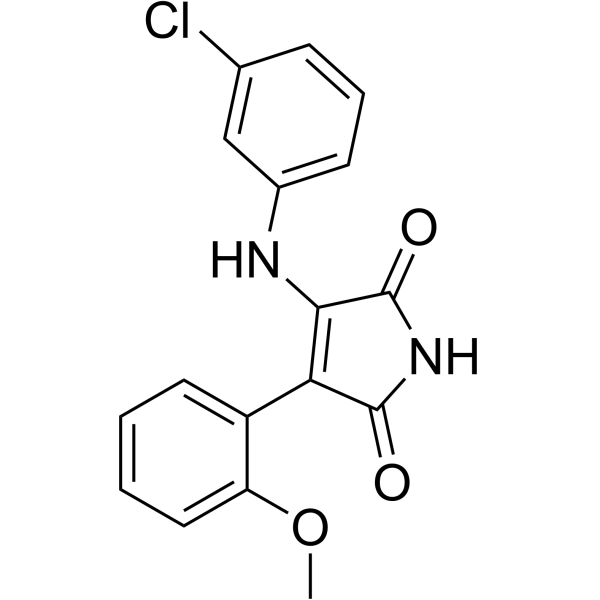
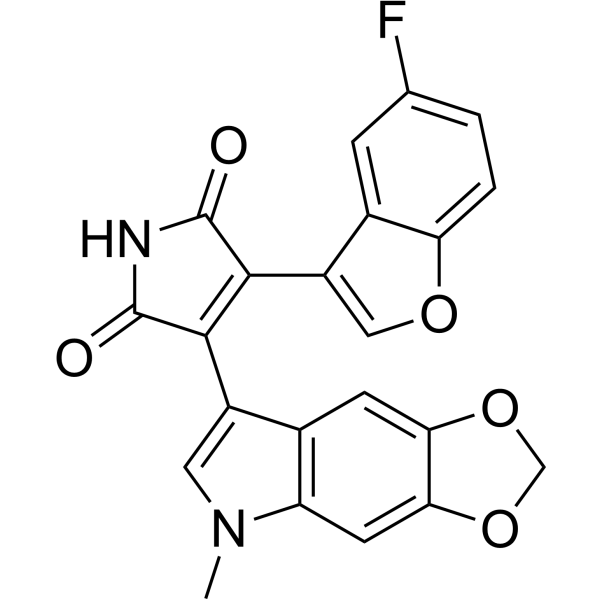 0 ImagesSynonyms: Elraglusib9-ING-41 (Elraglusib) is a maleimide-based ATP-competitive and selective glycogen synthase kinase-3β (GSK-3β) inhibitor with an IC50 of 0.71 μM. 9-ING-41 significantly leads to cell cycle arrest, autophagy and apoptosis in cancer cells. 9-ING-41 has anticancer activity and has the potential for enhancing the antitumor effects of chemotherapeutic agents.
-
Ceftriaxone sodium salt
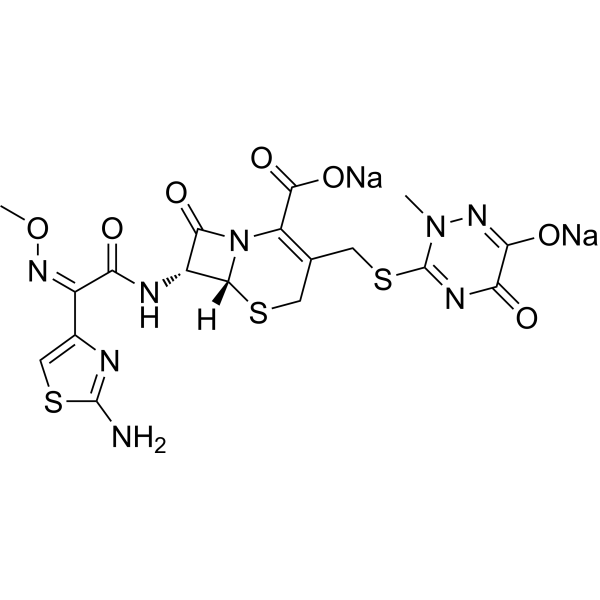 0 ImagesSynonyms: Ro 13-9904Ceftriaxone sodium salt (Ro 13-9904) is a broad spectrum β-lactam third-generation cephalosporin antibiotic, which has good antibacterial activity against a variety of gram-negative and positive bacteria. Ceftriaxone sodium salt is a covalent inhibitor of GSK3β with IC50 value of 0.78 μM. Ceftriaxone sodium salt is an inhibitor of Aurora B. Ceftriaxone sodium salt has anti-inflammatory, antitumor and antioxidant activities. Ceftriaxone sodium salt can be used in the study of bacterial infections and meningitis.
-
Erlotinib Hydrochloride
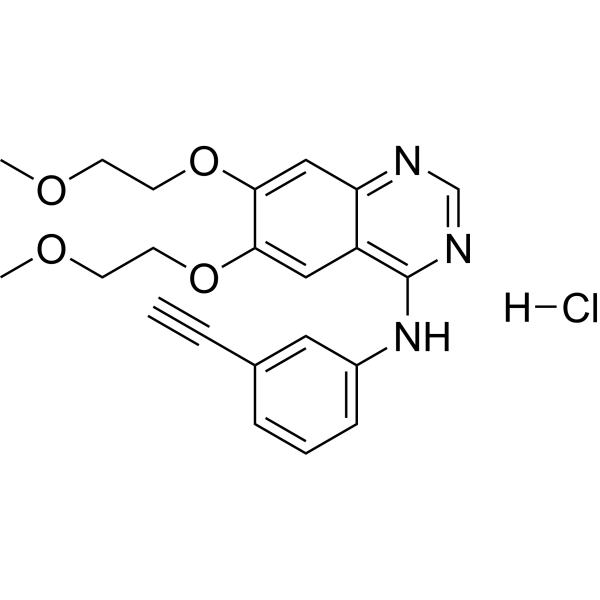 0 ImagesSynonyms: CP-358774 hydrochloride; NSC 718781 hydrochloride; OSI-774 hydrochlorideErlotinib (CP-358774) Hydrochloride is a selective, orally active EGFR tyrosine kinase inhibitor. Erlotinib Hydrochloride also acts as a substrate and inhibitor of OATP2B1, with an IC50 of approximately 0.079 μM for inhibiting OATP2B1-mediated uptake of estrone 3-sulfate. Erlotinib Hydrochloride blocks EGFR phosphorylation, downstream signal transduction, as well as the growth and proliferation of cancer cells. Erlotinib Hydrochloride inhibits MMP-10-mediated renal injury, fibrotic lesions, the ERK1/2, GSK-3β and β-catenin signaling pathways, as well as the deposition of fibronectin, α-SMA, collagen and renal injury markers. Erlotinib Hydrochloride is metabolized via CYP3A to produce the active metabolite OSI-420. Erlotinib Hydrochloride can be used in research related to non-small cell lung cancer, gastric cancer, papillary renal cell carcinoma, EGFR inhibitor resistance and renal fibrosis.
-
AR-A014418
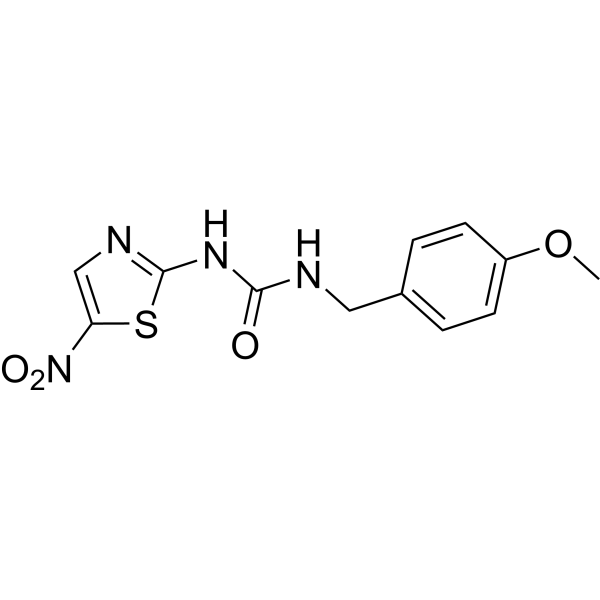 0 ImagesSynonyms: AR 0133418; GSK 3β inhibitor VIII; AR 014418AR-A014418 is a potent, selective and ATP-competitive GSK3β inhibitor (IC50=104 nM; Ki=38 nM).
-
Ceftriaxone
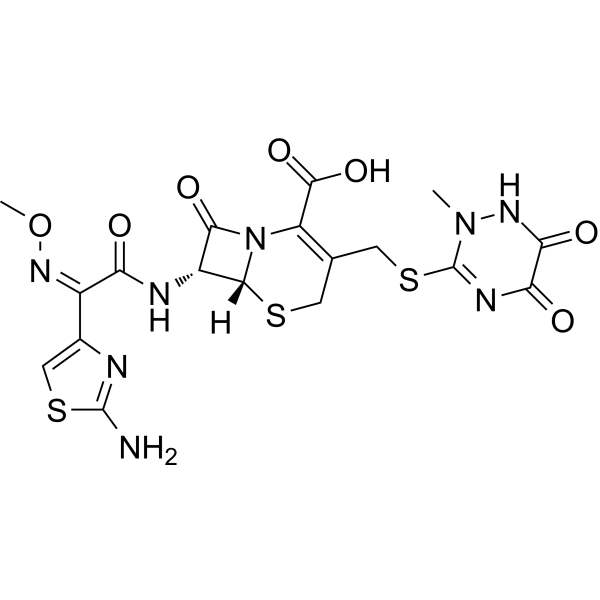 0 ImagesSynonyms: Ro 13-9904 free acidCeftriaxone (Ro 13-9904 free acid) is a broad spectrum β-lactam third-generation cephalosporin antibiotic, which has good antibacterial activity against a variety of gram-negative and positive bacteria. Ceftriaxone is a covalent inhibitor of GSK3β with IC50 value of 0.78 μM. Ceftriaxone is an inhibitor of Aurora B. Ceftriaxone has anti-inflammatory, antitumor and antioxidant activities. Ceftriaxone can be used in the study of bacterial infections and meningitis.
-
MRT68921 dihydrochloride
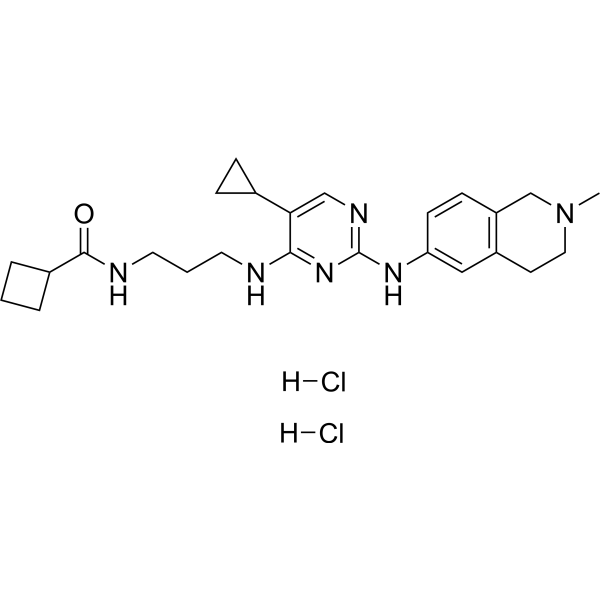 0 ImagesMRT68921 dihydrochloride is a potent NUAK1/ULK1 dual inhibitor. MRT68921 dihydrochloride inhibits ULK1 and ULK2 with IC50 values of 2.9 nM and 1.1 nM, respectively. MRT68921 dihydrochloride can block cells autophagy and kill tumor cells by breaking the balance of oxidative stress signals. MRT68921 dihydrochloride can inhibit cell proliferation and induce ROS production and apoptosis. MRT68921 dihydrochloride can be used for the research of cancer, such as breast cancer.
-
Kaempferide
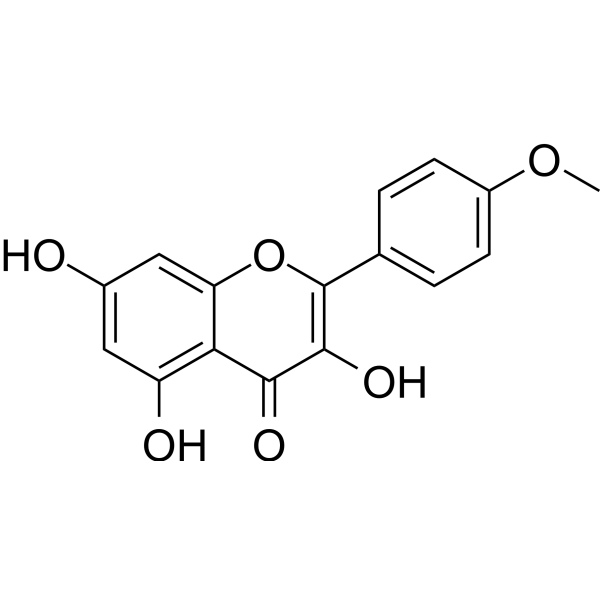 0 ImagesKaempferide is an orally active flavonol isolated from Hippophae rhamnoides L. Kaempferide has anticancer, anti-inflammatory, antioxidant, antidiabetic, antiobesity, antihypertensive, and neuroprotective activities. Kaempferide induces apoptosis. Kaempferide promotes osteogenesis through antioxidants and can be used in osteoporosis research.
-
1-Azakenpaullone
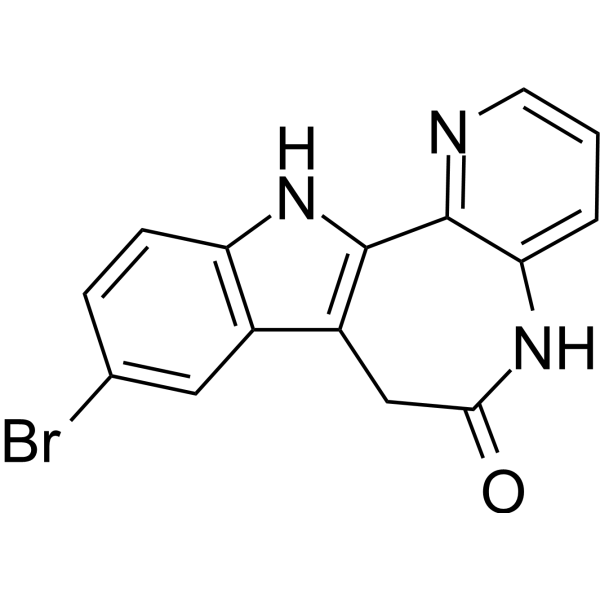 0 ImagesSynonyms: 1-Akp1-Azakenpaullone (1-Akp) is a highly selective and ATP-competitive inhibitor of glycogen synthase kinase-3 β (GSK-3β), with an IC50 value of 18 nM.
-
α-Amyrin
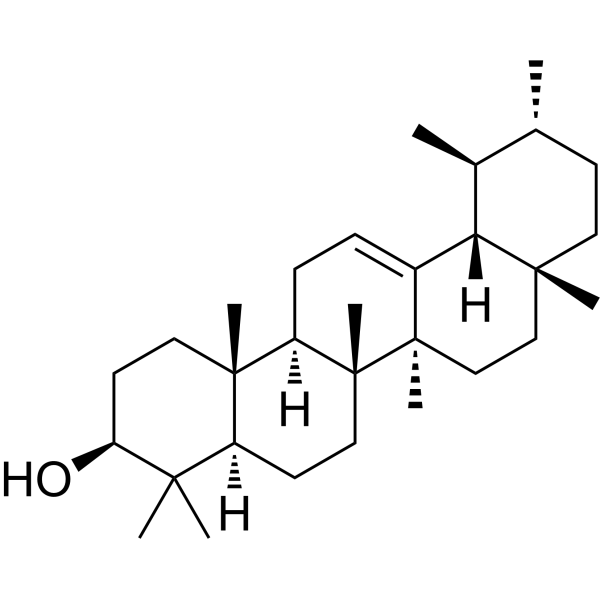 0 Imagesα-Amyrin is a pentacyclic triterpenoid compound with oral activity. α-Amyrin activates the ERK and GSK-3β signaling pathways. α-Amyrin can inhibit cancer cells proliferation and induce apoptosis. α-Amyrin shows anti-bacterial and anti-inflammation activity. α-Amyrin can reduce blood glucose level. α-Amyrin can be used for the researches of cancer, infection, inflammation, metabolic disease and neurological disease, such as breast cancer, Streptococcus oralis infection, skin inflammation and diabetes.
-
AZD1080
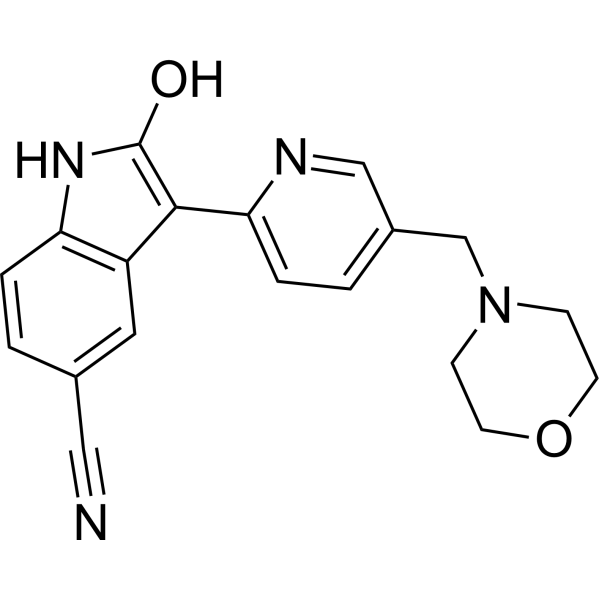 0 ImagesAZD1080 is a potent and selective GSK3 inhibitor. AZD1080 inhibits recombinant human GSK3α and GSK3β with pKi (IC50) of 8.2 (6.9 nM) and 7.5 (31 nM), respectively.
-
Resibufogenin
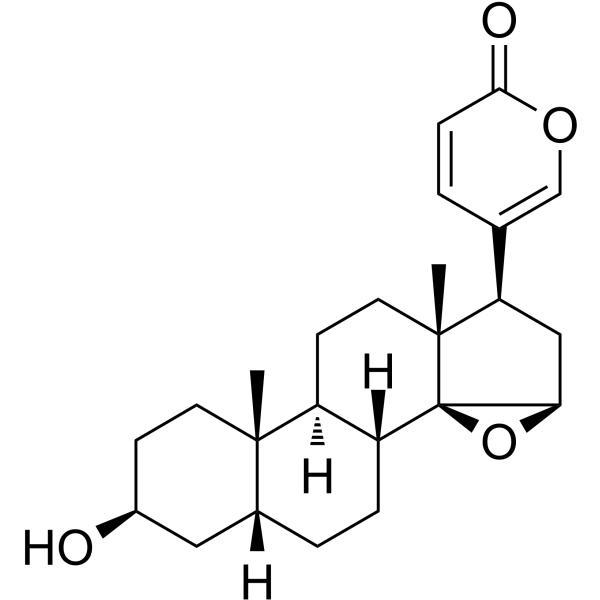 0 ImagesResibufogenin is an orally active anticancer agent. Resibufogenin can be extracted from toad venom. Resibufogenin blocks signaling pathways such as PI3K/Akt, NF-κB, AP-1, activates GSK-3β, and regulates cyclin D1. Resibufogenin can activate central neurons. Resibufogenin has anti-inflammatory activity. Resibufogenin has anti-tumor effects on a variety of tumors such as multiple myeloma, renal cancer, colorectal cancer, pancreatic cancer, and glioma.
-
Lithium chloride hydrate
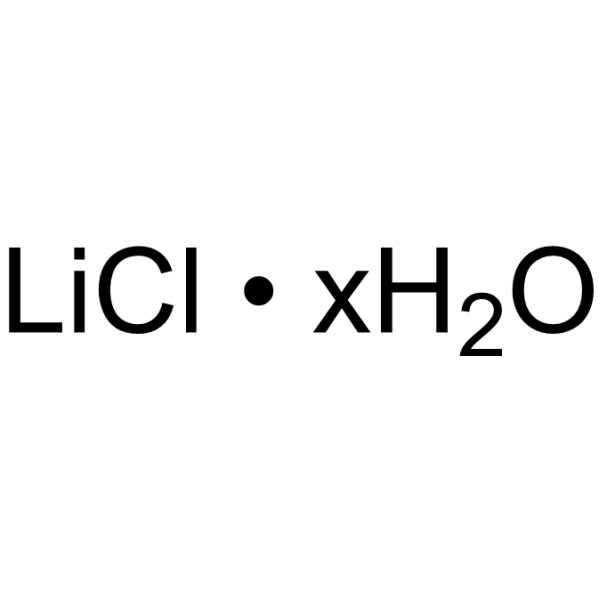 0 ImagesSynonyms: hydrate/monohydrateortrihydrateLithium chloride hydrate, an orally active mood stabilizer, is a potent virus inhibitor and effective immunomodulatory agent. Lithium chloride hydrate has antidepressant activity by inhibiting GSK3β and promoting neurogenesis. Lithium chloride hydrate alleviates cognition dysfunction and the symptoms of acute mania and depression. Lithium chloride hydrate can also be used for research of virus infection and Alzheimer's disease.