



GSK-3
Glycogen synthase kinase-3; Glycogen synthase kinase 3
Glycogen synthase kinase 3 (GSK-3) is a multifunctional serine/threonine kinase consisting of two isoforms, alpha and beta. It is a highly conserved negative regulator of receptor tyrosine kinase, cytokine, and Wnt signaling pathways. Stimulation of these pathways inhibits GSK-3 to modulate diverse downstream effectors that include transcription factors, nutrient sensors, glycogen synthesis, mitochondrial function, circadian rhythm, and cell fate. GSK-3 also regulates alternative splicing in response to T-cell receptor activation, and recent phosphoproteomic studies have revealed that multiple splicing factors and regulators of RNA biosynthesis are phosphorylated in a GSK-3-dependent manner.
The malfunction or aberrant activity of GSK-3 leads to several of disorders, such as Alzheimer's disease (AD) and other neurodegenerative pathologies, and other type of diseases as diabetes, cardiovascular disorders and cancer. GSK-3 is also related to innate immune response against pathogens, which makes GSK-3 an excellent target for therapeutic intervention.
GSK-3 Isoform Specific Products
All Product Categories
-
GSK-3 Inhibitors
(290)
View all products
-
GSK-3 Agonist
(1)
View all products
-
GSK-3 Activators
(47)
View all products
-
GSK-3 Modulators
(5)
View all products
-
GSK-3 Chemicals
(2)
View all products
-
GSK-3 Degraders
(3)
View all products
-
GSK-3 Ligand
(1)
View all products
-
Glycogen Synthase Kinase-3 (GSK-3) Proteins
(6)
View all products
-
GSK-3 alpha Proteins
(1)
View all products
-
GSK-3 beta Proteins
(5)
View all products
-
GSK-3 Related Products (372)
Related Products (372)

-
Recombinant Proteins (6)
-
Antibodies (9)
-
GSK-3 Signaling Pathway
-
GSK-3 Isoform Comparison
-
Eupalinolide B
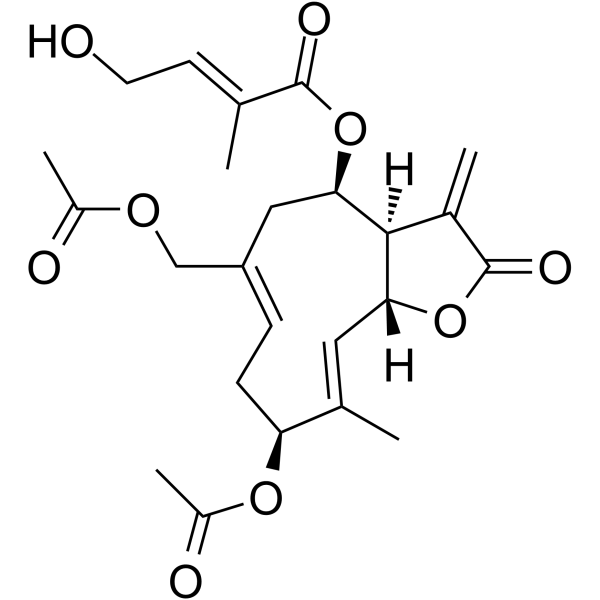 0 ImagesEupalinolide B is a germ sesquiterpene. Eupalinolide B can be isolated from Eupatorium lindleyanum. Eupalinolide B induces Apoptosis, elevates ROS, promotes Autophagy. regulates GSK-3β/β-catenin, targets UBE2D3 and TAK1, activates ROS-ER-JNK, inhibits NF-κB and MAPKs. Eupalinolide B has anticancer activity against pancreatic cancer and liver cancer. Eupalinolide B relieves rheumatoid arthritis, acute lung injury, periodontitis, depression.
-
GSK-3β inhibitor 2
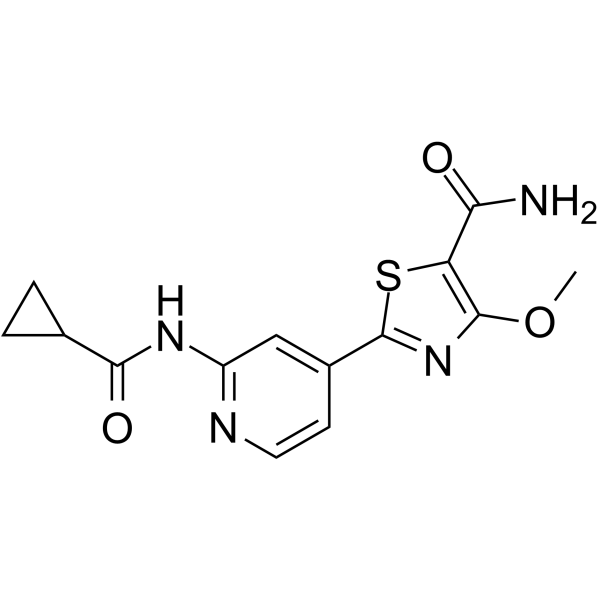 0 ImagesCat. No.: HY-130795CAS No.: 1702428-31-6GSK-3β inhibitor 2 (Compound 3) is a potent, selective and orally active GSK-3β inhibitor with an IC50 of 1.1 nM. GSK-3β inhibitor 2 can cross the blood-brain barrier. GSK-3β inhibitor 2 has the potential for Alzheimer's disease.
-
DIF-3
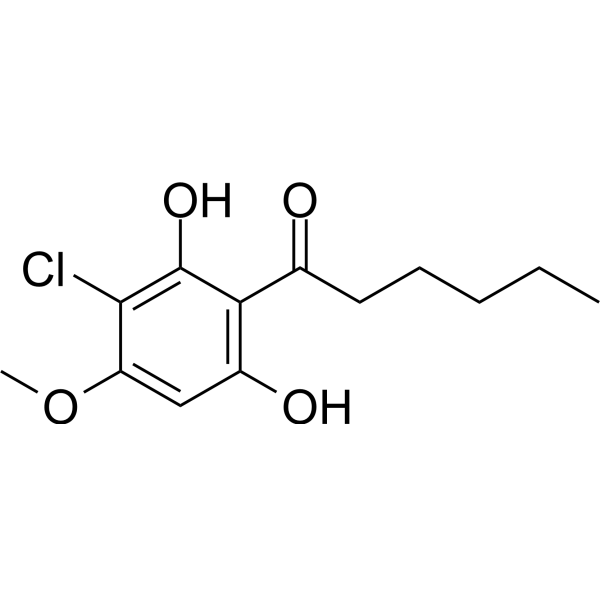 0 ImagesDIF-3 is an orally active anticancer agent. DIF-3 reduces the expression levels of cyclin D1 and c-Myc by facilitating their degradation via activation of GSK-3β. DIF-3 inhibits Wnt/β-catenin signaling pathway-related proteins in cells. DIF-3 induces reactive oxygen species (ROS) and autophagy. DIF suppresses the growth of Trypanosoma. cruzi in HT1080 cells. DIF-3 exerts antitumor effects both in vitro and in vivo.
-
Sodium thiosulfate (99%, water≤1.0%)
 0 ImagesSynonyms: Sodium hyposulfite (99%, water≤1.0%)Sodium thiosulfate (Sodium hyposulfite) is an antioxidant. Sodium thiosulfate inhibits the expression of p-GSK-3β and β-catenin proteins, reduces IL-1β, COX-2, and Iba-1, and inhibits NFκB activation. Sodium thiosulfate promotes angiogenesis, inhibits inflammation, and improves acute lung injury. Sodium thiosulfate also exhibits anti-cancer activity against melanoma. Sodium thiosulfate also exerts renal protective effects. Sodium thiosulfate can be used in the research of osteoarthritis, brain inflammation, cancer (such as breast cancer, melanoma), and kidney disease.
-
Bisphenol F
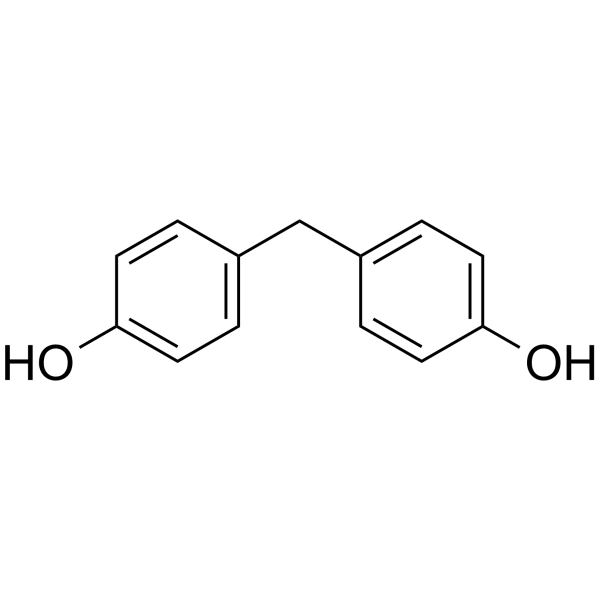 0 ImagesSynonyms: BPF; 4,4'-DihydroxydiphenylmethaneBisphenol F is an orally active endocrine disruptor. Bisphenol F promotes ROS generation, upregulates p-AKT/p-GSK3β, and induces Apoptosis. Bisphenol F interferes with glucose metabolism, affects neurodevelopment and reproductive function. Bisphenol F reduces social novelty preference in mouse offspring. Bisphenol F can be used in bone, blood, and fat-related studies. Bisphenol F is used as a substitute for Bisphenol A (HY-18260).
-
10-Hydroxy-2-decenoic acid
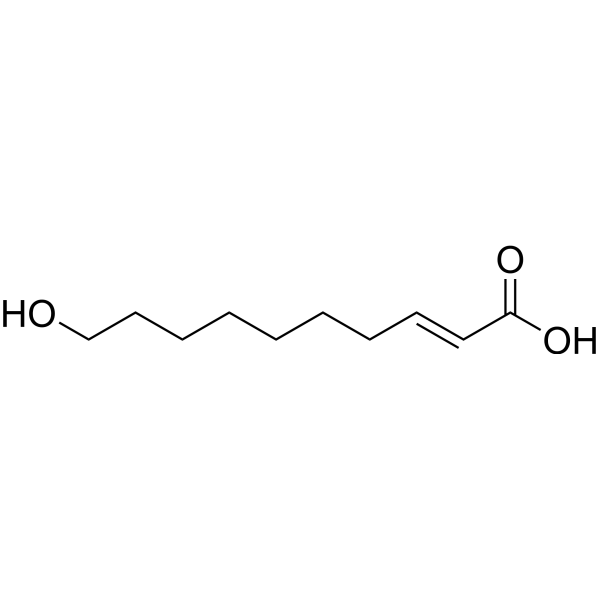 0 ImagesSynonyms: 10-HDA; Queen Bee Acid10-Hydroxy-2-decenoic acid (10-HDA) is an orally active unsaturated medium-chain fatty acid with various physiological activities. 10-Hydroxy-2-decenoic acid induces ROS-mediated apoptosis in A549 cells. 10-Hydroxy-2-decenoic acid inhibits VEGF-induced angiogenesis in human venous endothelial cells. 10-Hydroxy-2-decenoic acid alleviates non-alcoholic fatty liver disease (NAFLD) by activating the AMPK-α signaling pathway. 10-Hydroxy-2-decenoic acid protects against bone loss by inhibiting NF-κB signaling downstream of FFAR4. 10-Hydroxy-2-decenoic acid is an antibiotic against many bacteria and fungi, such as Neurospora sitophila, molds and Staphylococcus aureus. 10-Hydroxy-2-decenoic acid has longevity-promoting effects in C. elegans. 10-Hydroxy-2-decenoic acid prevents osteoarthritis by targeting aspartyl β hydroxylase and inhibiting chondrocyte senescence.
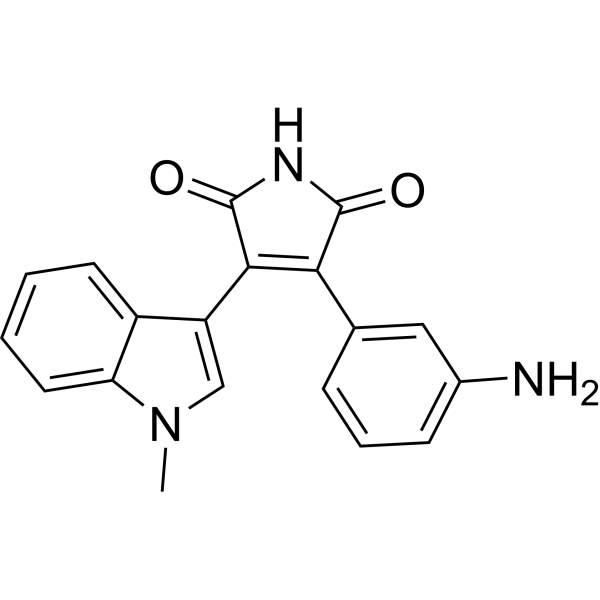
-
BRD0705
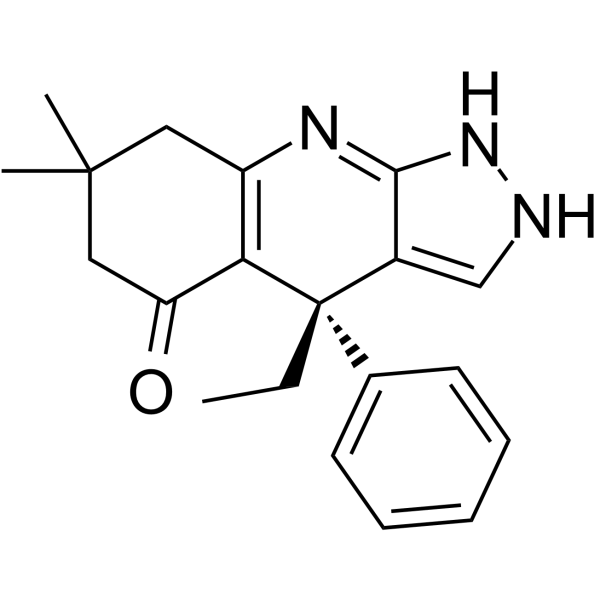 0 ImagesBRD0705 is a potent, paralog selective and orally active GSK3α inhibitor with an IC50 of 66 nM and a Kd of 4.8 μM. BRD0705 displays increased selectivity for GSK3α (8-fold) versus GSK3β (IC50 of 515 nM). BRD0705 can be used for acute myeloid leukemia (AML) research.
-
Cromolyn
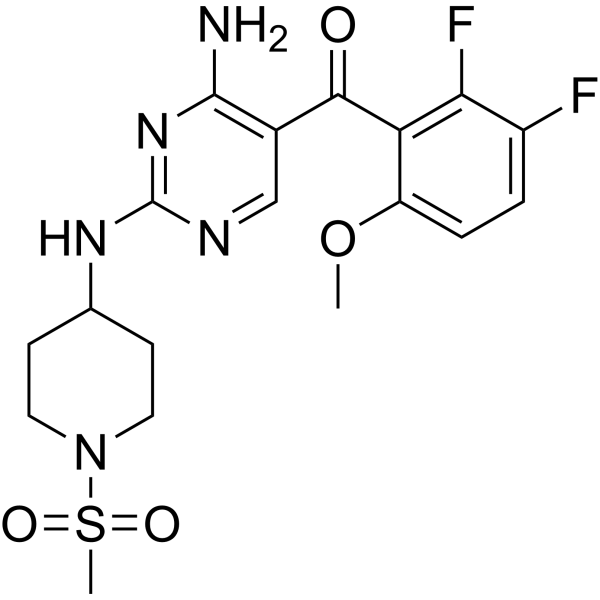
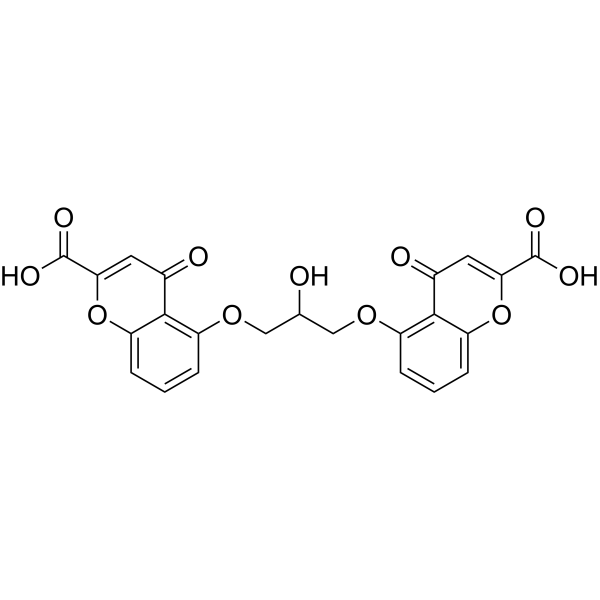 0 ImagesSynonyms: Cromoglycate; Cromoglicic acid; FPL-670 free acidCromolyn (Cromoglycate) is an orally active GSK-3β inhibitor with an IC50 of 2.0 μM. Cromolyn is also a mast cell stabilizer that can inhibit the release of mediators from mast cells, regulate reflex bronchoconstriction, and reduce non-specific bronchial hyperreactivity, and Cromolyn can be used in the research of bronchial asthma. In addition, Cromolyn has multiple activities such as anti-inflammatory, anti-allergic, anti-histamine, anti-cancer, and neuroprotective effects.
-
Alsterpaullone
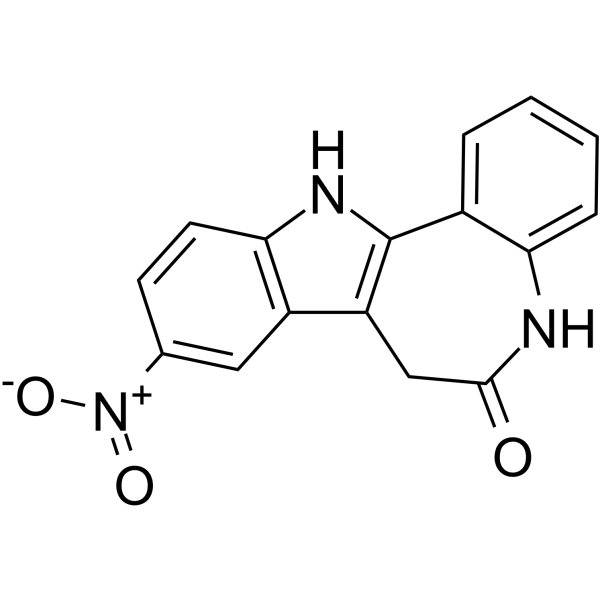 0 ImagesSynonyms: 9-Nitropaullone; NSC 705701Alsterpaullone (9-Nitropaullone) is a potent CDK inhibitor, with IC50s of 35 nM, 15 nM, 200 nM and 40 nM for CDK1/cyclin B, CDK2/cyclin A, CDK2/cyclin E and CDK5/p35, respectively. Alsterpaullone also competes with ATP for binding to GSK-3alpha/GSK-3beta with IC50s of both 4 nM. Alsterpaullone has antitumor activity, and possesses potential for the study in neurodegenerative and proliferative disorders. Alsterpaullone induces apoptosis in leukemia cell line.
-
PHA-793887
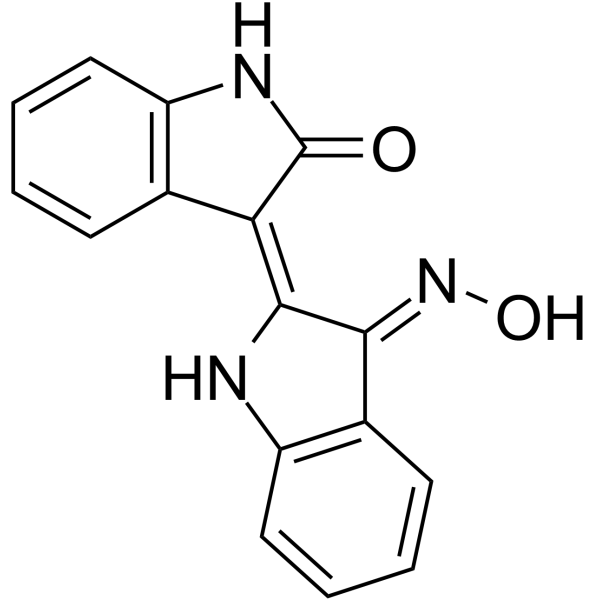
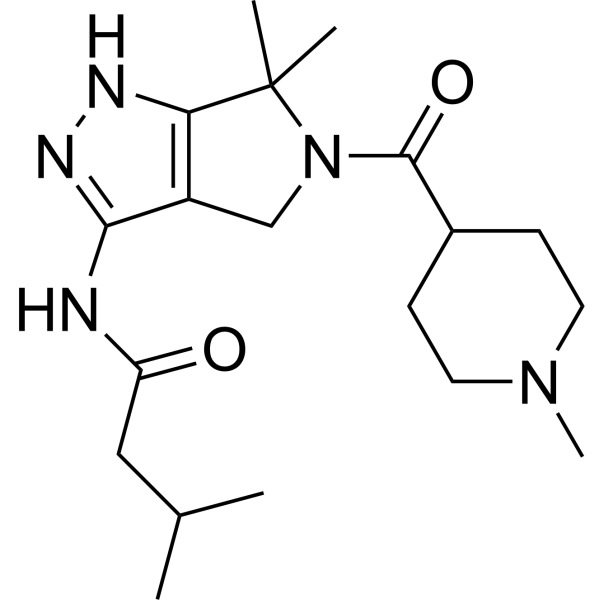 0 ImagesPHA-793887 is a CDK inhibitor (with IC50 values of 8 nM for Cdk2, 60 nM for Cdk1, 62 nM for Cdk4, 138 nM for Cdk9). PHA-793887 inhibits purified GSK3β (IC50 79 nM). PHA-793887 reduces the phosphorylation level of nucleophosmin/cdc6, induces G1/G2/M phase arrest, and triggers Apoptosis by activating Caspase-3. PHA-793887 exhibits anticancer activity against leukemia. PHA-793887 can be used in research related to acute leukemia, chronic myeloid leukemia, and advanced/metastatic solid tumors.
-
Levistolide A
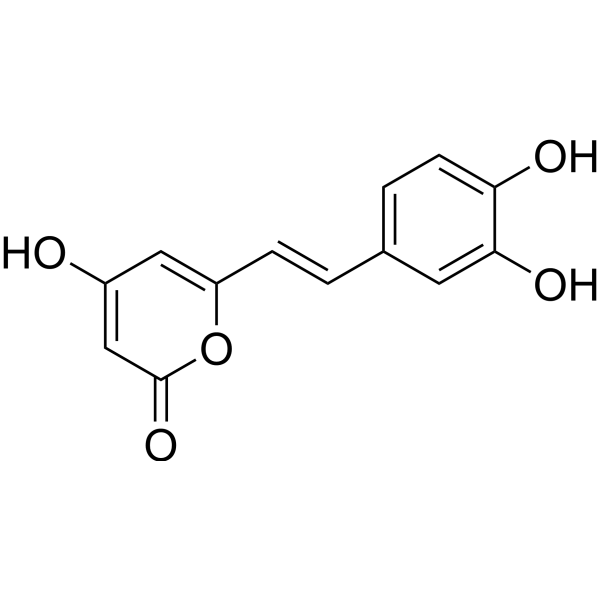
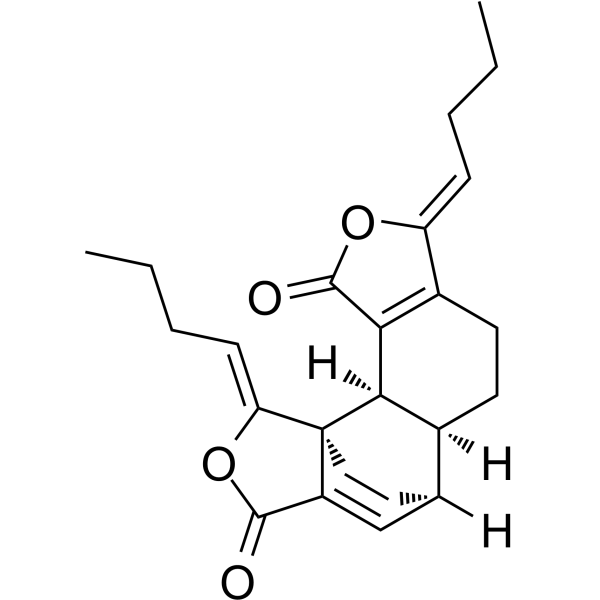 0 ImagesLevistolide A is an apoptosis inducer and a PEDV virus inhibitor. Levistolide A can induce apoptosis in colon cancer cells and suppress the replication of porcine epidemic diarrhea virus (PEDV) by promoting ROS generation. Levistolide A activates peroxisome proliferator-activated receptor γ (PPARγ) in N2a/APP695swe cells and reduces excessive phosphorylation of tau through the GSK3α/β pathway, improving symptoms in Alzheimer’s mice. Levistolide A improves kidney damage in 5/6 nephrectomy (Nx) mice by inhibiting the RAS,TGF-β1/Smad, and MAPK pathways.
-
Neoandrographolide
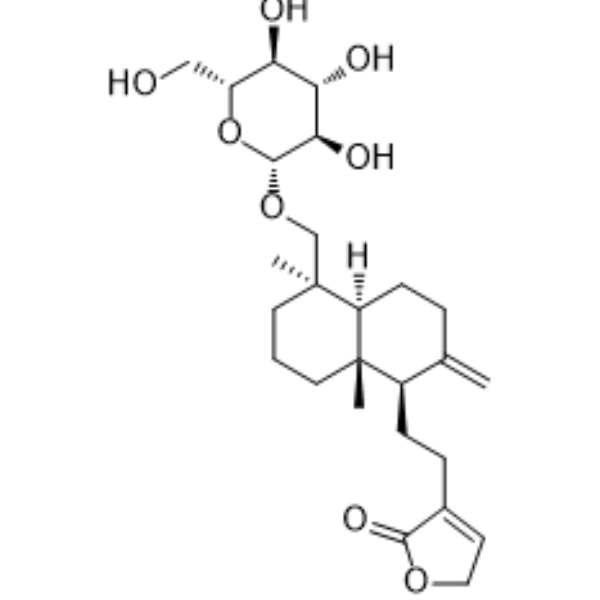 0 ImagesSynonyms: NeoandrographisideNeoandrographolide is a diterpenoid compound isolated from Andrographis paniculata. Neoandrographolide inhibits osteoclasts differentiation and bone resorption through inhibition of MAPK/NF-κB/PI3K/AKT/GSK3β/PPAR/CAMK signaling pathway. Neoandrographolide inhibits apoptosis in rat embryonic ventricular cardiomyocytes. Neoandrographolide inhibits iNOS and the generation of ROS, activates eNOS, exhibiting anti-inflammatory and hypolipidemic activity.
-
Ginsenoside F2
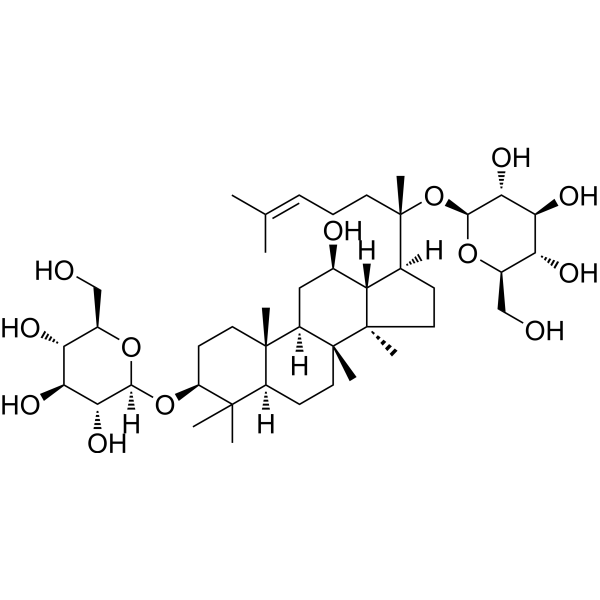 0 ImagesGinsenoside F2 is an orally active bioactive compound that participates in the regulation of metabolism and inflammation. Ginsenoside F2 promotes the phosphorylation of AMPK and ACC, binds to PPARγ, inhibits the phosphorylation of MAPK, activates the PI3K/AKT/GSK-3β pathway, reduces GLRX expression, and regulates lipid metabolism. Ginsenoside F2 reduces ROS production and MDA levels, restores SOD activity in cells, and alleviates oxidative stress. Ginsenoside F2 induces cell apoptosis (Apoptosis) and increases the number of cleaved caspase-3-positive cells. Ginsenoside F2 reduces body weight gain, adipose tissue weight and serum lipid levels in obese mice, and activates the hepatic AMPK signaling pathway and the expression of antioxidant enzymes. Ginsenoside F2 alleviates atopic dermatitis in mice by inhibiting inflammation and reshaping the gut microbiota. Ginsenoside F2 is applicable to research related to insulin resistance, obesity, atopic dermatitis, liver cancer, glioblastoma and glioma.

-
Laduviglusib (Standard)
 0 ImagesSynonyms: CHIR-99021 (Standard); CT99021 (Standard)Laduviglusib (Standard) is the analytical standard of Laduviglusib. Laduviglusib (CHIR-99021) is a potent, selective and orally active GSK-3α/β inhibitor with IC50s of 10 nM and 6.7 nM. Laduviglusib shows >500-fold selectivity for GSK-3 over CDC2, ERK2 and other protein kinases. Laduviglusib is also a potent Wnt/β-catenin signaling pathway activator. Laduviglusib enhances mouse and human embryonic stem cells self-renewal. Laduviglusib induces autophagy.
-
KY19382
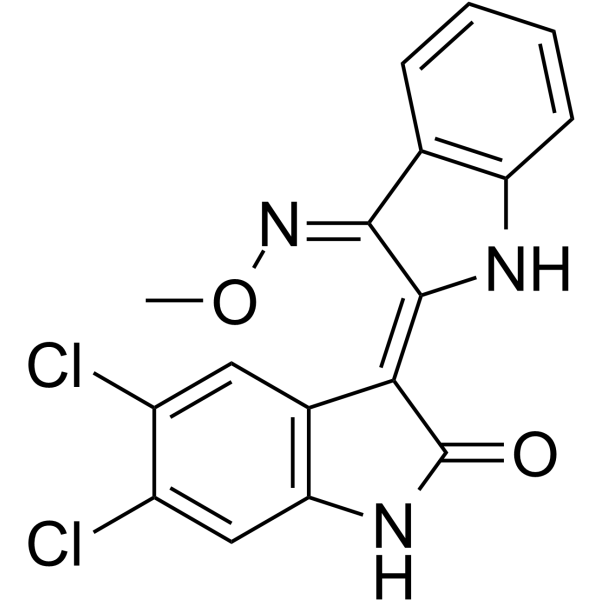 0 ImagesSynonyms: A3051KY19382 is a potent and orally active dual inhibitor of CXXC5-DVL and GSK3β, with IC50s of 19 and 10 nM, respectively. KY19382 activates Wnt/β-catenin signaling through inhibitory effects on both CXXC5-DVL interaction and GSK3β activity. KY19382 can be used for the research of high fat diet (HFD) induced metabolic diseases.




