GSK-3
Glycogen synthase kinase-3; Glycogen synthase kinase 3
Glycogen synthase kinase 3 (GSK-3) is a multifunctional serine/threonine kinase consisting of two isoforms, alpha and beta. It is a highly conserved negative regulator of receptor tyrosine kinase, cytokine, and Wnt signaling pathways. Stimulation of these pathways inhibits GSK-3 to modulate diverse downstream effectors that include transcription factors, nutrient sensors, glycogen synthesis, mitochondrial function, circadian rhythm, and cell fate. GSK-3 also regulates alternative splicing in response to T-cell receptor activation, and recent phosphoproteomic studies have revealed that multiple splicing factors and regulators of RNA biosynthesis are phosphorylated in a GSK-3-dependent manner.
The malfunction or aberrant activity of GSK-3 leads to several of disorders, such as Alzheimer's disease (AD) and other neurodegenerative pathologies, and other type of diseases as diabetes, cardiovascular disorders and cancer. GSK-3 is also related to innate immune response against pathogens, which makes GSK-3 an excellent target for therapeutic intervention.
GSK-3 Isoform Specific Products
All Product Categories
-
GSK-3 Inhibitors
(290)
View all products
-
GSK-3 Agonist
(1)
View all products
-
GSK-3 Activators
(47)
View all products
-
GSK-3 Modulators
(5)
View all products
-
GSK-3 Chemicals
(2)
View all products
-
GSK-3 Degraders
(3)
View all products
-
GSK-3 Ligand
(1)
View all products
-
Glycogen Synthase Kinase-3 (GSK-3) Proteins
(6)
View all products
-
GSK-3 alpha Proteins
(1)
View all products
-
GSK-3 beta Proteins
(5)
View all products
-
GSK-3 Related Products (372)
Related Products (372)

-
Recombinant Proteins (6)
-
Antibodies (9)
-
GSK-3 Signaling Pathway
-
GSK-3 Isoform Comparison
-
PROTAC GSK-3β Degrader-1
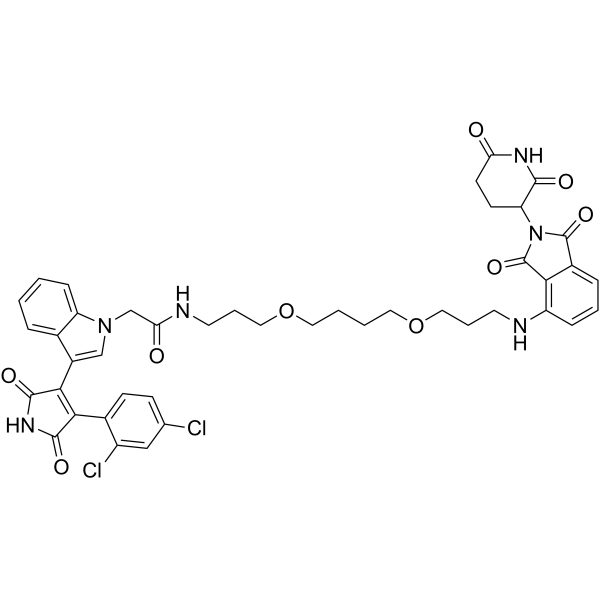 0 ImagesPROTAC GSK-3β Degrader-1 (compound 1) is a degrader targets GSK-3β PROTAC degrader with an IC50 value of 833 nM. PROTAC GSK-3β Degrader-1 contains SB-216763 (a GSK-3β inhibitor), a PEG linker and a CRBN (E3 ligase liand). PROTAC GSK-3β Degrader-1 reduces the neurotoxicity induced by Aβ25-35 peptide and CuSO4. PROTAC GSK-3β Degrader-1 can be used to research in Alzheimer's disease.
-
BMPR2-IN-1 TFA
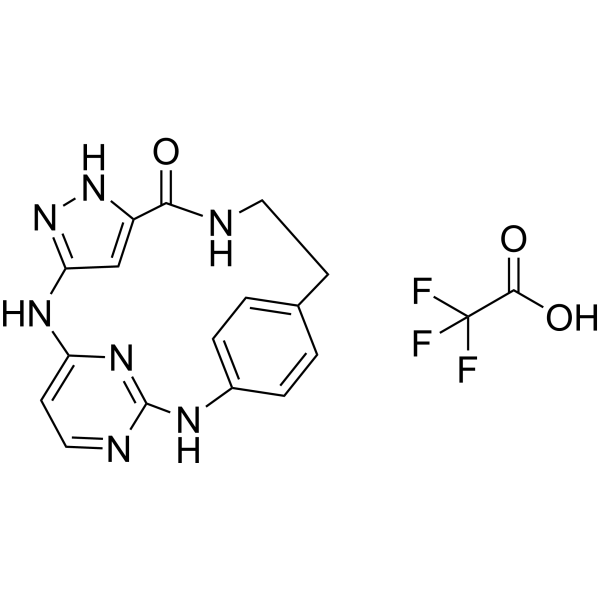 0 ImagesCat. No.: HY-154970APurity: 99.40%BMPR2-IN-1 TFA is a selective BMPR2 inhibitor with a human BMPR2 IC50 of 506 nM and a Kd of 83.5 nM. BMPR2-IN-1 TFA functions as an ATP mimetic, forming hydrogen bonds with the BMPR2 kinase domain backbone and hydrophobic interactions with specific residues, and demonstrates high selectivity for BMPR2 over other kinases.BMPR2-IN-1 TFA can be used for the researches of cancer, pulmonary arterial hypertension and Alzheimer’s disease.
-
MeBIO
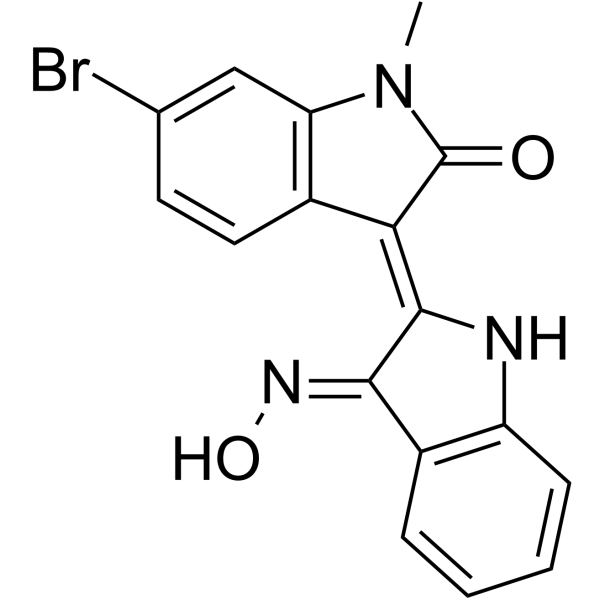 0 ImagesMeBIO is a potent AhR (aryl hydrocarbon receptor) agonist, with IC50 of 44 μM (GSK-3) and 55 μM (CDK1/cyclin B), respectively.
-
Ethyl linoleate
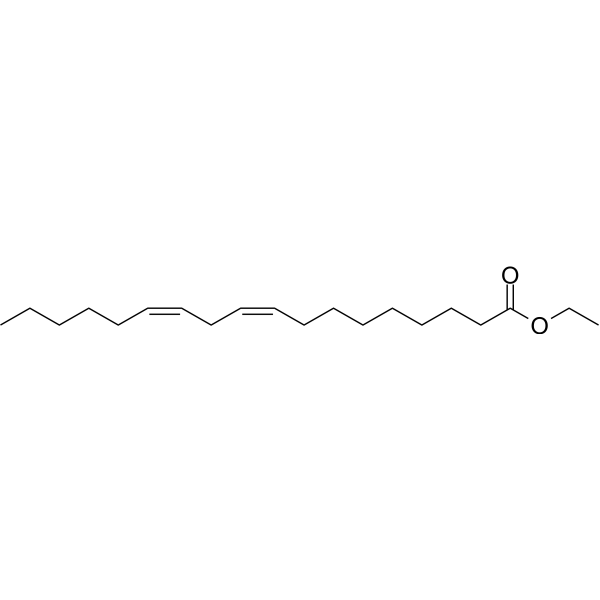 0 ImagesSynonyms: Linoleic Acid ethyl ester; MandenolEthyl linoleate (Linoleic Acid ethyl ester) is an orally active unsaturated fatty acid. Ethyl linoleate inhibits the Akt/GSK3β/β-catenin signaling pathway and the activation of NF-κB. Ethyl linoleate induces heme oxygenase-1 and inhibits tyrosinase. Ethyl linoleate has whitening and anti-inflammatory effects. Ethyl linoleate promotes compound absorption. Ethyl linoleate has a significant influence on atherosclerosis. Ethyl linoleate is used in the research of inflammatory diseases. Ethyl linoleate can be used in cosmetics
-
Gomisin N
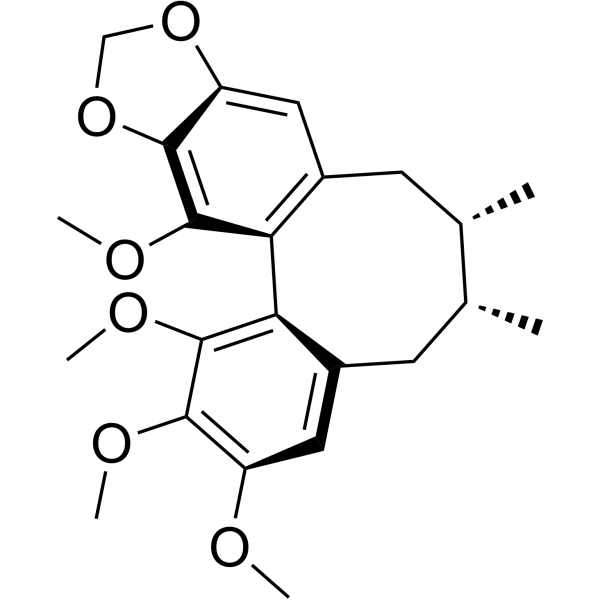 0 ImagesGomisin N is an orally active lignan compound. Gomisin N can be isolated from Schisandra chinensis. Gomisin N induces Apoptosis in a variety of cells. Gomisin N activates AMPK, Akt, MAPK/ERK, Nrf2, caspase-3 and PARP-1. Gomisin N inhibits GSK3β, nitric oxide (NO), and proinflammatory cytokines (IL-1β, IL-6, TNF-α). Gomisin N has anti-inflammatory, antioxidant, anti-obesity, anti-diabetic, and anti-melanogenesis activities. Gomisin N has anti-tumor activity against cervical cancer and liver cancer. Gomisin N improves Alzheimer's disease.
-
Leucettine L41
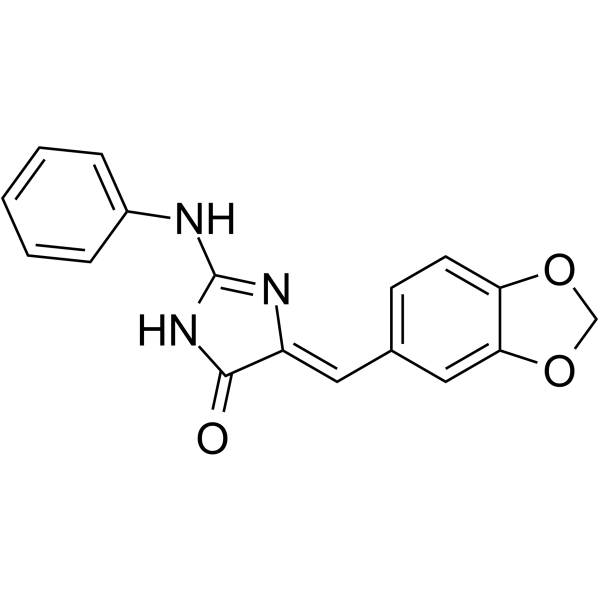 0 ImagesLeucettine L41 is a potent inhibitor of dual-specificity tyrosine phosphorylation-regulated kinases (DYRKs) and CDC-like kinases (CLKs). Leucettine L41 can also inhibit GSK-3 singnaling. Leucettine L41 can inhibit cell apoptosis and ROS production. Leucettine L41 can promote β-cell cell cycle progression, cell proliferation and increase insulin secretion. Leucettine L41 can be used for the researches of neurological disease and metabolic disease, such as Alzheimer’s disease (AD) and diabetes.
-
Erlotinib (Standard)
 0 ImagesSynonyms: CP-358774 (Standard); NSC 718781 (Standard); OSI-774 (Standard)Erlotinib Standard (CP-358774 Standard) is the analytical standard of Erlotinib (HY-50896). This product is intended for research and analytical applications. Erlotinib (CP-358774) is a selective, orally active EGFR tyrosine kinase inhibitor. Erlotinib also acts as a substrate and inhibitor of OATP2B1, with an IC50 of approximately 0.079 μM for inhibiting OATP2B1-mediated uptake of estrone 3-sulfate. Erlotinib blocks EGFR phosphorylation, downstream signal transduction, as well as the growth and proliferation of cancer cells. Erlotinib inhibits MMP-10-mediated renal injury, fibrotic lesions, the ERK1/2, GSK-3β and β-catenin signaling pathways, as well as the deposition of fibronectin, α-SMA, collagen and renal injury markers. Erlotinib is metabolized via CYP3A to produce the active metabolite OSI-420. Erlotinib can be used in research related to non-small cell lung cancer, gastric cancer, papillary renal cell carcinoma, EGFR inhibitor resistance and renal fibrosis.
-
Bisindolylmaleimide I hydrochloride
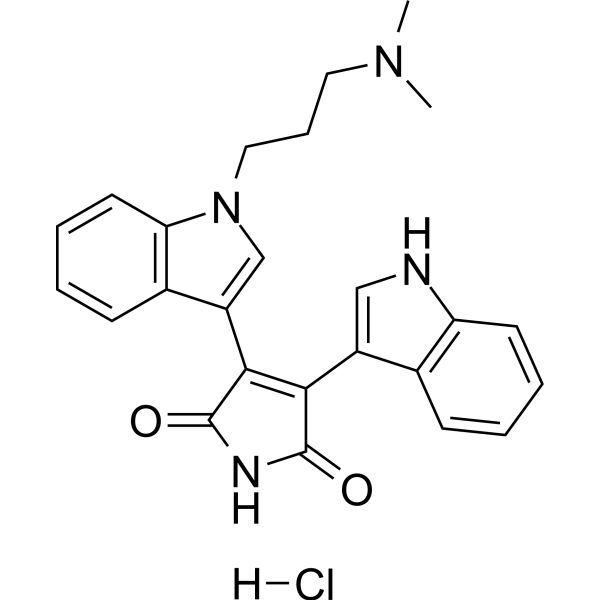 0 ImagesSynonyms: GF109203X hydrochloride; Go 6850 hydrochloride
-
PT-65
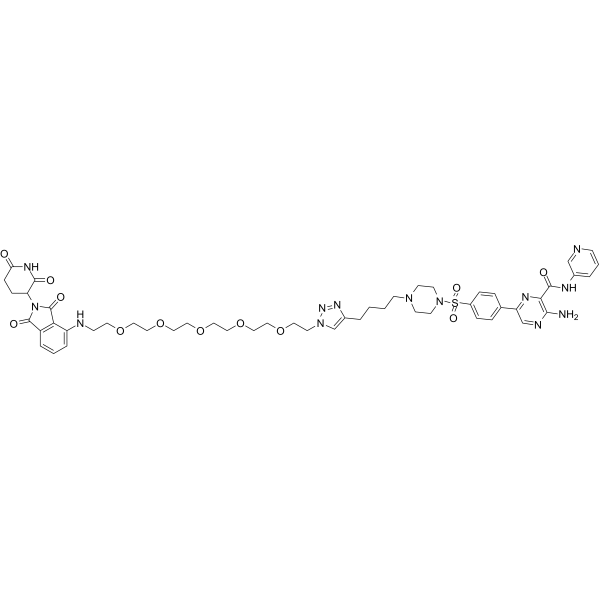 0 ImagesPT-65 is a GSK3α and GSK3β PROTAC degrader with DC50 values of 28.3 nM and 34.2 nM, respectively. PT-65 inhibits excessive tau phosphorylation mediated by GSK3β, Aβ and Okadaic acid (HY-N6785). PT-65 is applicable for the research of Alzheimer's disease.
-
Mocravimod hydrochloride
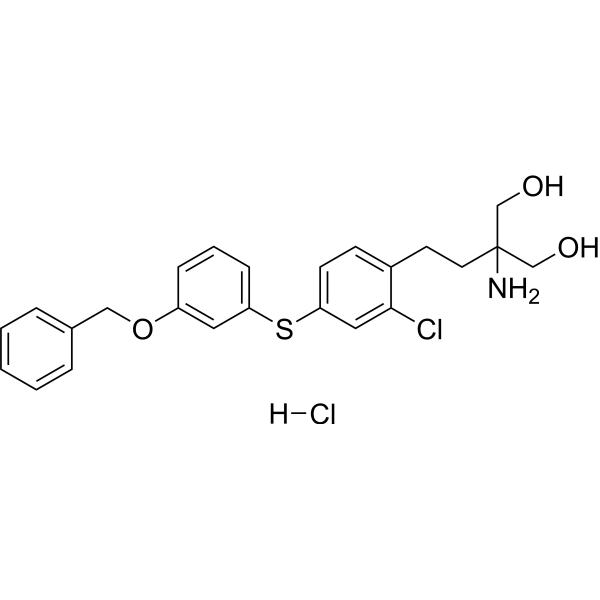 0 ImagesSynonyms: KRP-203Mocravimod (hydrochloride) is an orally active sphingosine-1-phosphate receptor (S1PR) modulator that blocks the signal required by T cells to egress from lymph nodes and other lymphoid organs. Mocravimod (hydrochloride) preferentially binds to S1PR1 over S1PR2 and S1PR3 in cardiomyocytes. Mocravimod (hydrochloride) significantly lowered the concentration of reactive oxygen species (ROS), prevented mitochondrial permeability transition pore opening, boosted mitochondrial membrane potential (MMP), and increased phosphorylation of AKT, EKR, GSK-3β, JAK2, and STAT3. Mocravimod (hydrochloride) retains T cell effector function. Mocravimod (hydrochloride) can be used for the study of acute myelogenous leukemia, diabetes and Myocardial Ischemia-Reperfusion Injury (MIRI).
-
BIO-acetoxime
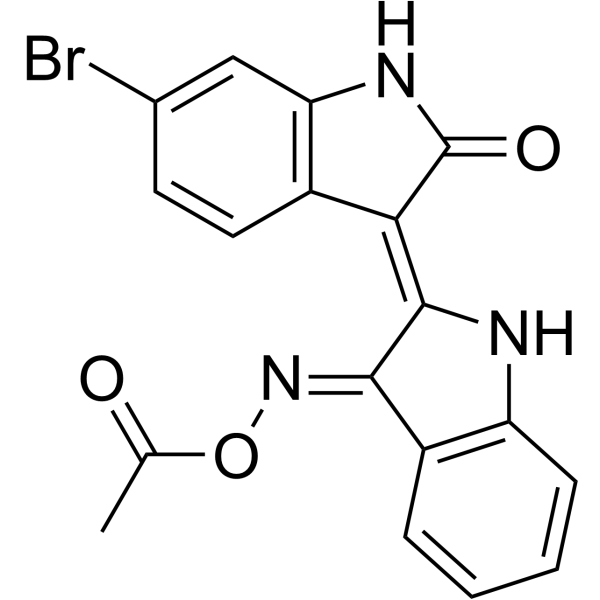 0 ImagesSynonyms: BIABIO-acetoxime (BIA) is a potent and selective GSK-3 inhibitor, with IC50s of both 10 nM for GSK-3α/β. BIO-acetoxime has anticonvulsant and anti-infection activity.
-
WS3
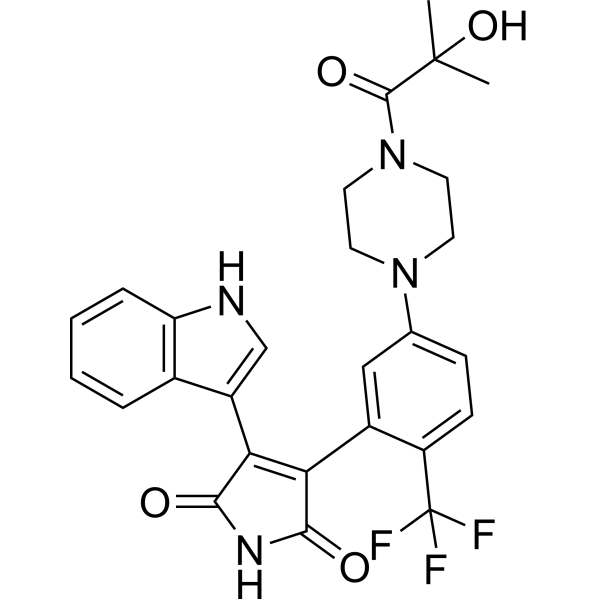
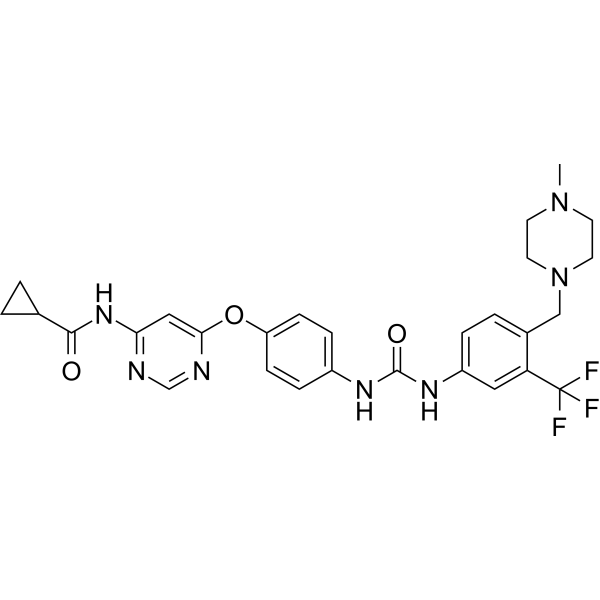 0 ImagesWS3 is an allosteric inhibitor of 14-3-3 (14-3-3ζ: Kd = 2.29 μM). WS3 activates GSK3β by disrupting the binding of 14-3-3-pGSK3β, promotes the ubiquitination and degradation of NRF2, and inhibits the NRF2-ARE signaling pathway (IC50 = 135 nM). It exerts antioxidant inhibition and chemotherapeutic/ferroptosis sensitizing effects in tumors with hyperactivated NRF2. WS3 binds to EBP1/IKKε and promotes the proliferation of β cells and retinal pigment epithelial (RPE) cells, which can be applied to islet regeneration and RPE expansion transplantation. WS3 is applicable to research related to age-related macular degeneration, retinal degeneration and non-small cell lung cancer.
-
Ceftriaxone sodium hydrate
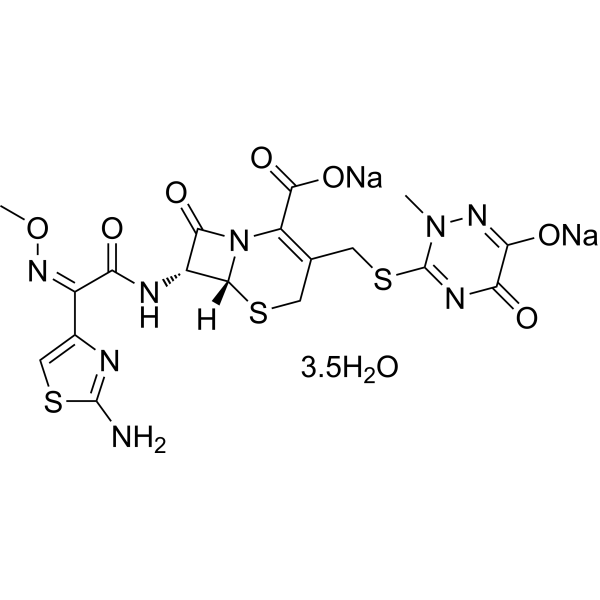 0 ImagesSynonyms: Ro 13-9904 sodium hydrateCeftriaxone sodium hydrate (Ro 13-9904 sodium hydrate) is a broad spectrum β-lactam third-generation cephalosporin antibiotic, which has good antibacterial activity against a variety of gram-negative and positive bacteria. Ceftriaxone sodium hydrate is a covalent inhibitor of GSK3β with IC50 value of 0.78 μM. Ceftriaxone sodium hydrate is an inhibitor of Aurora B. Ceftriaxone sodium hydrate has anti-inflammatory, antitumor and antioxidant activities. Ceftriaxone sodium hydrate can be used in the study of bacterial infections and meningitis.
-
PF-04802367
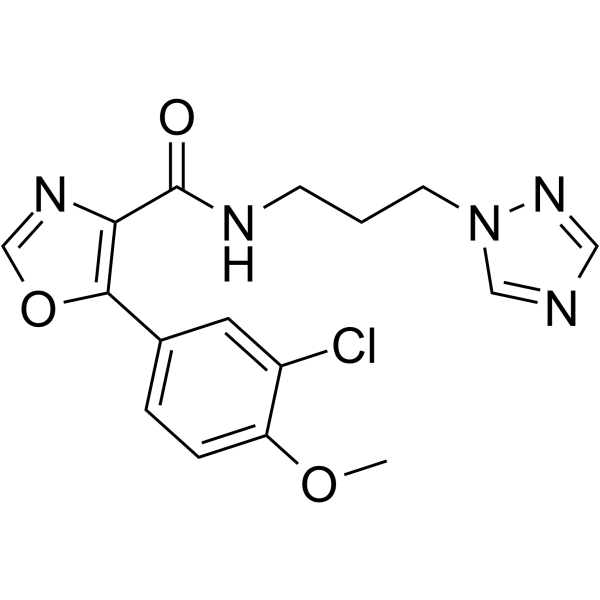 0 ImagesSynonyms: PF-367PF-04802367 (PF-367) is a highly selective GSK-3 inhibitor with an IC50 of 2.1 nM based on a recombinant human GSK-3β enzyme assay and 1.1 nM based on ADP-Glo assay. PF-04802367 shows desirable central nervous system (CNS) properties and potency. PF-04802367 is equally effective at inhibition of the two known GSK-3 isoforms (GSK-3α and GSK-3β) with IC50 values of 10.0 and 9.0 nM in mobility shift assays, respectively.
-
Schisantherin B
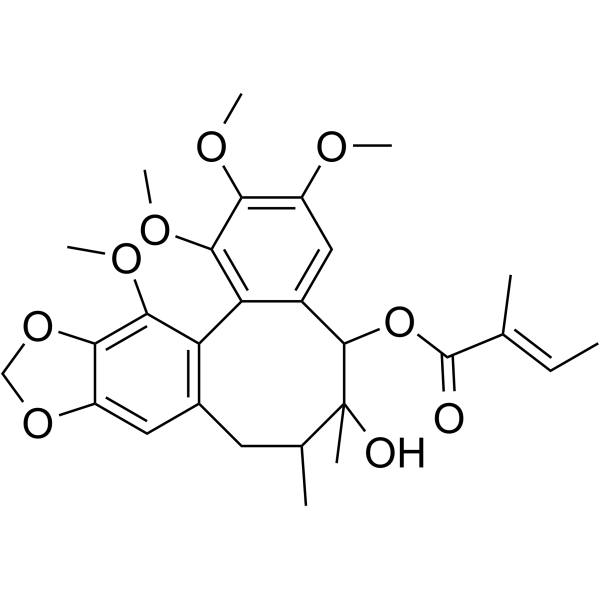 0 ImagesSynonyms: Gomisin-B; Wuweizi ester-B; Schisantherin-BSchisantherin B (Gomisin-B) is a lignan compound and one of the active components of Schisandra chinensis. Schisantherin B activates the PI3K/AKT signaling pathway, restores the activity of GSK3β, and reduces the hyperphosphorylation of tau protein in hippocampal and cerebral cortical tissues. Schisantherin B upregulates the level of GLT-1, decreases the expression of pro-inflammatory cytokines TNF-α/IL-1β/IL-6, upregulates the expression of IL-10, and inhibits cell apoptosis. Schisantherin B is applicable to the research of spinal cord injury, Alzheimer's disease and depression.