



GSK-3
Glycogen synthase kinase-3; Glycogen synthase kinase 3
Glycogen synthase kinase 3 (GSK-3) is a multifunctional serine/threonine kinase consisting of two isoforms, alpha and beta. It is a highly conserved negative regulator of receptor tyrosine kinase, cytokine, and Wnt signaling pathways. Stimulation of these pathways inhibits GSK-3 to modulate diverse downstream effectors that include transcription factors, nutrient sensors, glycogen synthesis, mitochondrial function, circadian rhythm, and cell fate. GSK-3 also regulates alternative splicing in response to T-cell receptor activation, and recent phosphoproteomic studies have revealed that multiple splicing factors and regulators of RNA biosynthesis are phosphorylated in a GSK-3-dependent manner.
The malfunction or aberrant activity of GSK-3 leads to several of disorders, such as Alzheimer's disease (AD) and other neurodegenerative pathologies, and other type of diseases as diabetes, cardiovascular disorders and cancer. GSK-3 is also related to innate immune response against pathogens, which makes GSK-3 an excellent target for therapeutic intervention.
GSK-3 Isoform Specific Products
All Product Categories
-
GSK-3 Inhibitors
(275)
View all products
-
GSK-3 Agonist
(1)
View all products
-
GSK-3 Activators
(46)
View all products
-
GSK-3 Modulators
(4)
View all products
-
GSK-3 Chemicals
(2)
View all products
-
GSK-3 Degraders
(3)
View all products
-
GSK-3 Ligand
(1)
View all products
-
Glycogen Synthase Kinase-3 (GSK-3) Proteins
(6)
View all products
-
GSK-3 alpha Proteins
(1)
View all products
-
GSK-3 beta Proteins
(5)
View all products
-
GSK-3 Related Products (355)
Related Products (355)

-
Recombinant Proteins (6)
-
Antibodies (9)
-
GSK-3 Signaling Pathway
-
GSK-3 Isoform Comparison
-
Cromolyn (Standard)
 0 ImagesSynonyms: Cromoglycate (Standard); Cromoglicic acid (Standard); FPL-670 free acid (Standard)Cromolyn (Standard) is the analytical standard of Cromolyn. This product is intended for research and analytical applications. Cromolyn (Cromoglycate) is an orally active GSK-3β inhibitor with an IC50 of 2.0 μM. Cromolyn is also a mast cell stabilizer that can inhibit the release of mediators from mast cells, regulate reflex bronchoconstriction, and reduce non-specific bronchial hyperreactivity, and Cromolyn can be used in the research of bronchial asthma. In addition, Cromolyn has multiple activities such as anti-inflammatory, anti-allergic, anti-histamine, anti-cancer, and neuroprotective effects.
-
GSK-3β inhibitor 11
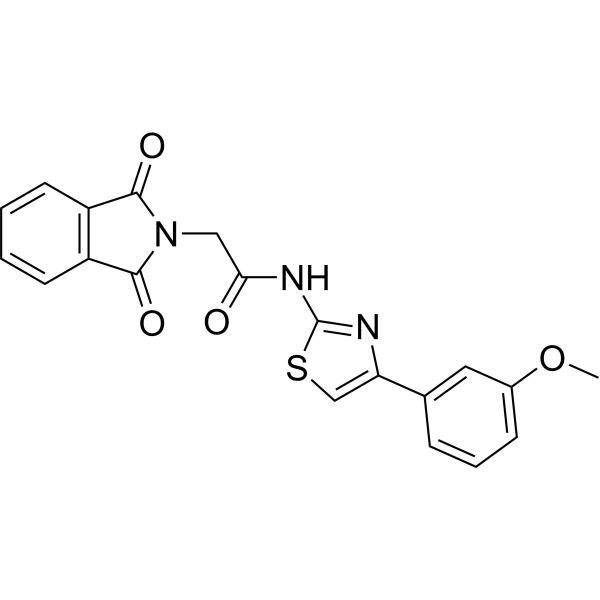 0 ImagesGSK-3β inhibitor 11 (compound 21) is a glycogen synthase kinase-3β (GSK-3β) inhibitor (IC50=10.02 μM). GSK-3β inhibitor 11 can be used in neurodegenerative disease research.
-
9-Hydroxycanthin-6-one
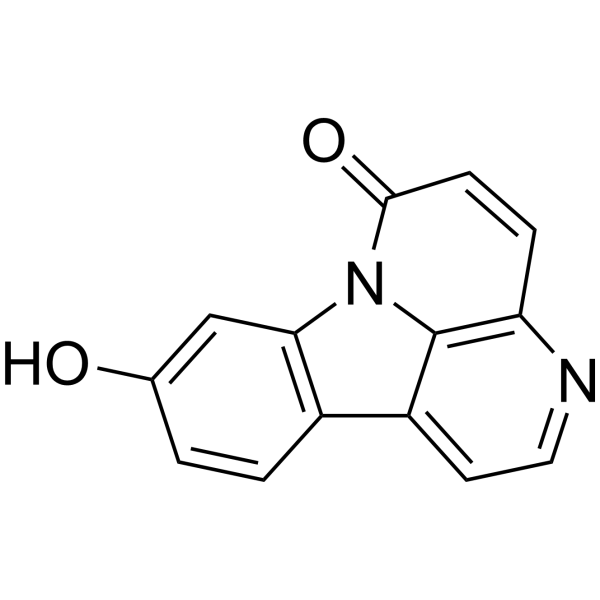 0 ImagesCat. No.: HY-N7183CAS No.: 138544-91-99-Hydroxycanthin-6-one is a β-carboline alkaloid. 9-Hydroxycanthin-6-one can be isolated from the roots of E. longifolia. 9-Hydroxycanthin-6-one inhibits TNF-α-induced activation of the NF-κB pathway. 9-Hydroxycanthin-6-one activates GSK3β independently of CK1α, drives phosphorylation and degradation of β-catenin, and inhibits the Wnt signaling pathway. 9-Hydroxycanthin-6-one exerts selective cytotoxicity against Wnt-dependent colon cancer cells. 9-Hydroxycanthin-6-one can be used in studies related to colon cancer.
-
Erlotinib-d6 hydrochloride
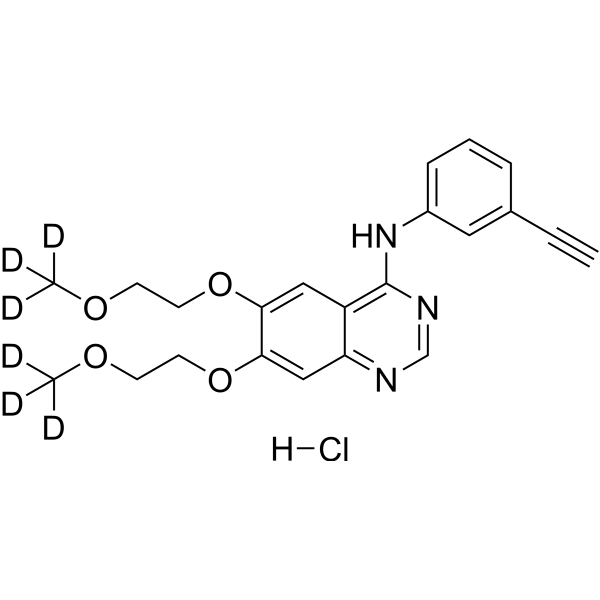 0 ImagesSynonyms: CP-358774-d6 hydrochloride; NSC 718781-d6 hydrochloride; OSI-774-d6 hydrochlorideErlotinib-d6 hydrochloride (CP-358774-d6 hydrochloride) is the deuterated-labeled Erlotinib Hydrochloride (HY-12008). Erlotinib (CP-358774) Hydrochloride is a selective, orally active EGFR tyrosine kinase inhibitor. Erlotinib Hydrochloride also acts as a substrate and inhibitor of OATP2B1, with an IC50 of approximately 0.079 μM for inhibiting OATP2B1-mediated uptake of estrone 3-sulfate. Erlotinib Hydrochloride blocks EGFR phosphorylation, downstream signal transduction, as well as the growth and proliferation of cancer cells. Erlotinib Hydrochloride inhibits MMP-10-mediated renal injury, fibrotic lesions, the ERK1/2, GSK-3β and β-catenin signaling pathways, as well as the deposition of fibronectin, α-SMA, collagen and renal injury markers. Erlotinib Hydrochloride is metabolized via CYP3A to produce the active metabolite OSI-420. Erlotinib Hydrochloride can be used in research related to non-small cell lung cancer, gastric cancer, papillary renal cell carcinoma, EGFR inhibitor resistance and renal fibrosis.
-
CDK8-IN-12
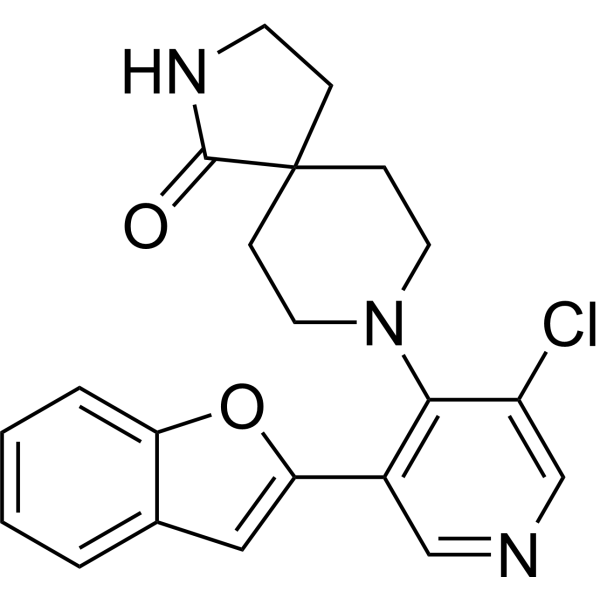 0 ImagesCDK8-IN-12 is an orally active, potent CDK8 inhibitor with a Ki of 14 nM. CDK8-IN-12 has off-target kinase inhibition on GSK-3α, GSK-3β, PCK-θ with Kis of 13 nM, 4 nM, 109 nM, respectively. CDK8-IN-12 shows potent anti-proliferative effects selectively on MV4-11 cell. CDK8-IN-12 is an anti-cancer agent.
-
MJ04
 0 ImagesMJ04 is a selective inhibitor for Janus Kinase 3 (JAK 3) with an IC50 of 2.03 nM. MJ04 inhibits T cell differentation and inhibits the proinfammatory cytokines in Lipopolysaccharides (HY-D1056)‑induced macrophages. MJ04 exhibits good pharmacokinetic characters in mice, promotes hair growth in DHT-induced androgenetic alopecia (AGA) in athymic mice model, without significant toxicity (LD50 >2 g/kg).
-
GSK3-IN-9
 0 ImagesGSK3-IN-9 (Compound 0713) is a selective glycogen synthase kinase 3 (GSK3) inhibitor. GSK3-IN-9 Fragile X syndrome, attention deficit hyperactivity disorder (ADHD), childhood seizure, intellectual disability, diabetes, acute myeloid leukemia (AML), autism, and psychiatric disorder.
-
PfGSK3/PfPK6-IN-1
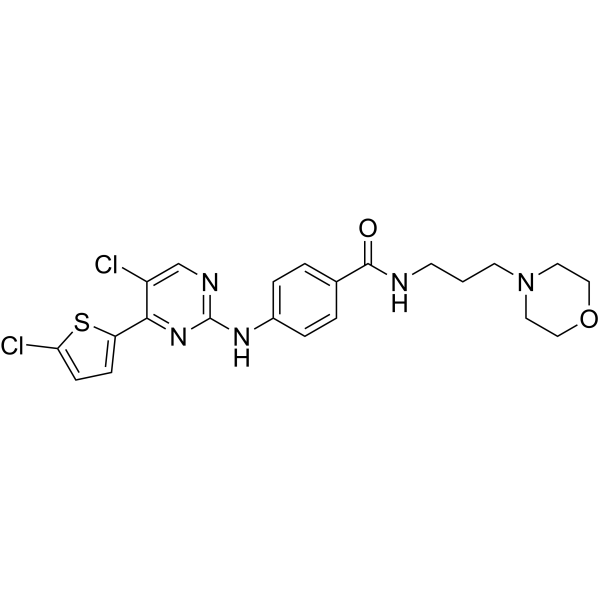 0 ImagesPfGSK3/PfPK6-IN-1 is a dual Plasmodium serine/threonine kinase inhibitor, with an IC50 of 97 nM against PfGSK3 and 8 nM against PfPK6 of Plasmodium falciparum. PfGSK3/PfPK6-IN-1 inhibits the proliferation of blood-stage parasites of Plasmodium falciparum 3D7. PfGSK3/PfPK6-IN-1 shows low cytotoxicity to hepatocytes at a concentration of 200 nM, and reduces cell viability at a concentration of 2 μM. PfGSK3/PfPK6-IN-1 is applicable to malaria-related research.
-
Triptonodiol
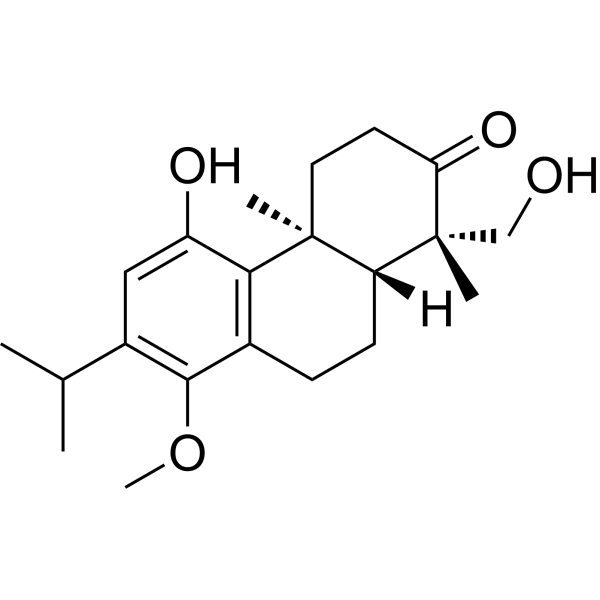 0 ImagesTriptonodiol can be isolated from Trypterygium wilfordii. Triptonodiol has anti-inflammatory and anti-cancer activity. Triptonodiol inhibits the biological activity of GSK.
-
Manzamine A
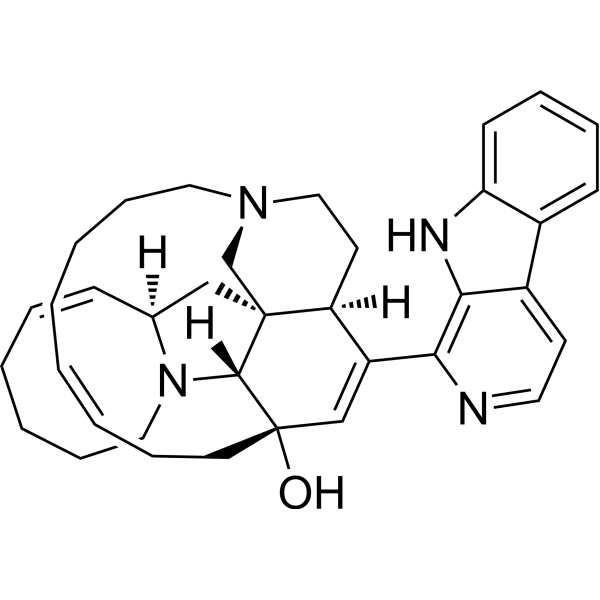 0 ImagesSynonyms: Keramamine AManzamine A, an orally active beta-carboline alkaloid, inhibits specifically GSK-3β and CDK-5 with IC50s of 10.2 μM and 1.5 μM, respectively. Manzamine A targets vacuolar ATPases and inhibits autophagy in pancreatic cancer cells. Manzamine A has antimalarial and anticancer activities. Manzamine A also shows potent activity against HSV-1.
-
Phospho-Glycogen Synthase Peptide-2(substrate) TFA
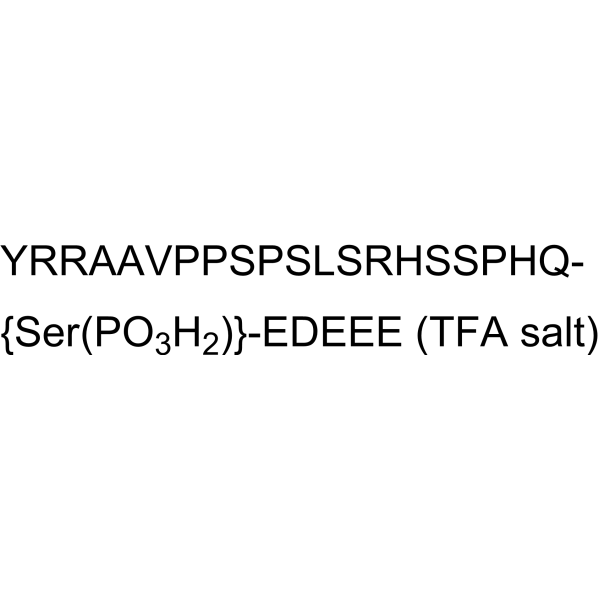 0 ImagesCat. No.: HY-P1113APurity: 99.75%Synonyms: GSK3 substrate TFAPhospho-Glycogen Synthase Peptide-2 (substrate) is peptide substrate for glycogen synthase kinase-3 (GSK-3) and can be used for affinity purification of protein-serine kinases.
-
BRD5648
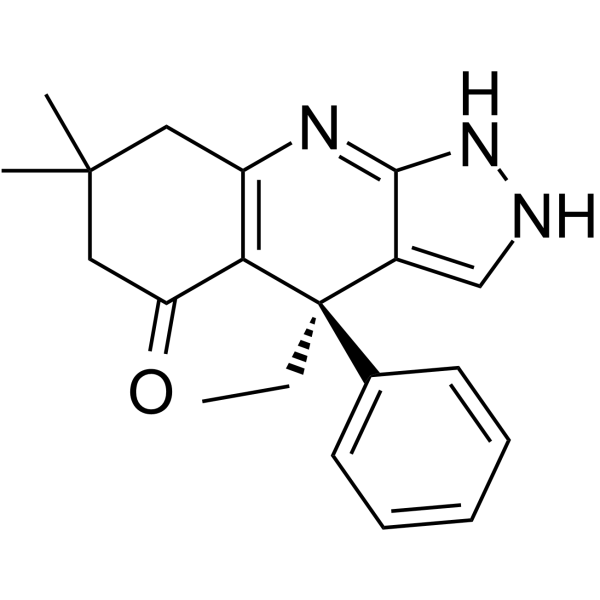 0 ImagesSynonyms: (R)-BRD0705BRD5648 ((R)-BRD0705) is a negative control of BRD0705. BRD0705 is a potent, paralog selective and orally active GSK3α inhibitor with an IC50 of 66 nM and a Kd of 4.8 μM. BRD0705 displays increased selectivity for GSK3α (8-fold) versus GSK3β (IC50 of 515 nM). BRD0705 can be used for acute myeloid leukemia (AML).
-
Chrysomycin A
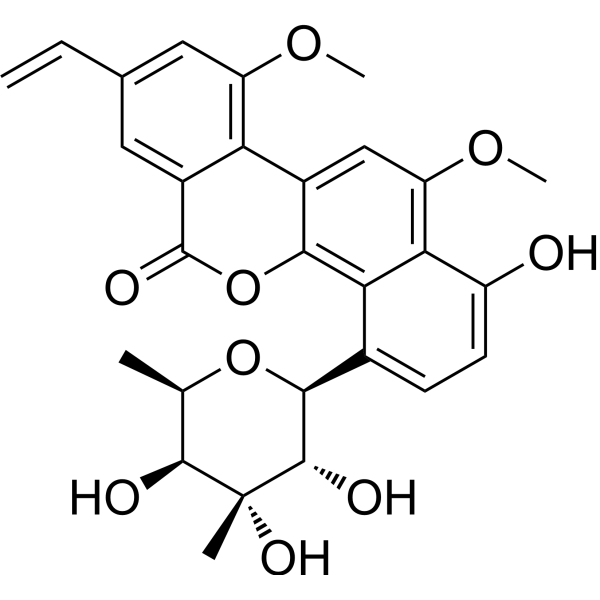 0 ImagesSynonyms: Chr-AChrysomycin A (Chr-A), an antibiotic, can be obtained from Streptomyces. Chrysomycin A exhibits antitumor and anti-tuberculous and MRSA activities. As for glioblastoma, Chrysomycin A inhibits the proliferation, migration, and invasion of cancer cells through the Akt/GSK-3β/β-catenin signaling pathway.
-
Cromolyn disodium (Standard)
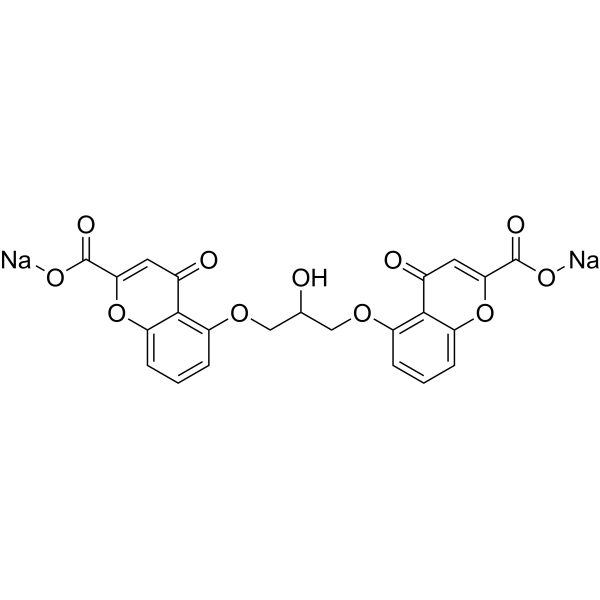 0 ImagesCat. No.: HY-B0320ARCAS No.: 15826-37-6Synonyms: Cromoglycate disodium (Standard); Cromoglicic acid disodium (Standard); FPL-670 (Standard)Cromolyn disodium (Standard) (Cromoglycate disodium (Standard)) is the analytical standard of Cromolyn disodium (HY-B0320A). This product is intended for research and analytical applications. Cromolyn (Cromoglycate) disodium is an orally active GSK-3β inhibitor with an IC50 of 2.0 μM. Cromolyn disodium is also a mast cell stabilizer that can inhibit the release of mediators from mast cells, regulate reflex bronchoconstriction, and reduce non-specific bronchial hyperreactivity, and Cromolyn disodium can be used in the research of bronchial asthma. In addition, Cromolyn disodium has multiple activities such as anti-inflammatory, anti-allergic, anti-histamine, anti-cancer, and neuroprotective effects.
-
Nef-M1
 0 ImagesNef-M1 (Nef-Motif-1) is an antagonist peptide targeting CXCR4 and an apoptosis inducer derived from a myristoylated protein encoded by the nef gene in HIV. Nef-M1 inhibits tumor angiogenesis and epithelial-mesenchymal transition (EMT). Nef-M1 activates the apoptosis pathway by increasing the level of caspase-3 in cancer cells. Nef-M1 simultaneously inhibits VEGF-A, p-GSK-3β and vimentin, and enhances E-cadherin, thereby inhibiting angiogenesis and EMT processes. Nef-M1 can be used in the study of colorectal cancer and breast cancer.
-
GSK-3β inhibitor 10
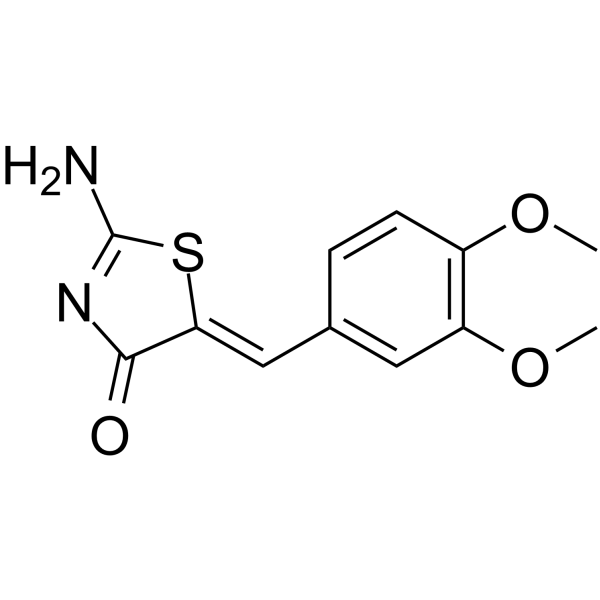 0 ImagesGSK-3β inhibitor 10 (compound 14a) is a highly potent GSK-3β inhibitor with an IC50 value of 80.5 nM. GSK-3β inhibitor 10 can be used for researching Alzheimer’s disease.
-
GSK3 Substrate, α, β subunit
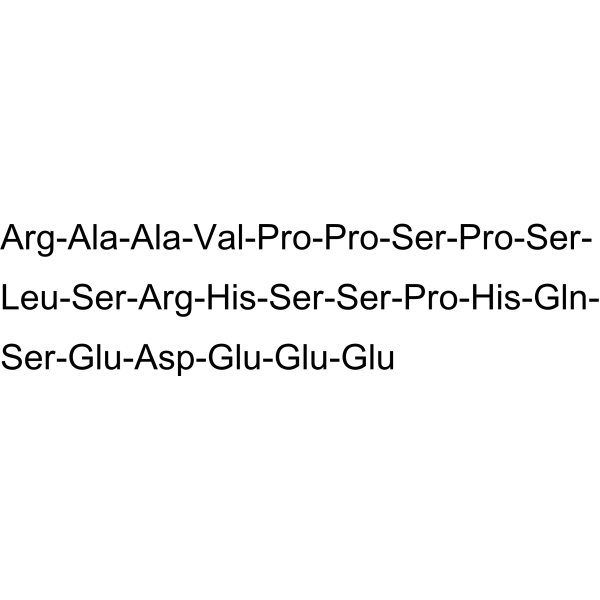 0 ImagesCat. No.: HY-P2558Purity: 99.87%GSK3 Substrate, α, β subunit is peptide substrate for glycogen synthase kinase-3 (GSK-3) and can be used to measure GSK-3 activity.
-
GS87
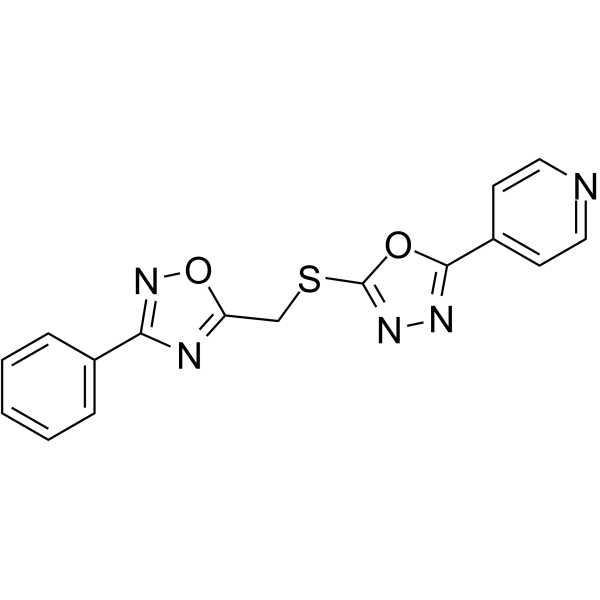 0 ImagesGS87 is a highly specific and potent GSK3 inhibitor with IC50s of 415nM and 521nM for GSK3α and GSK3β, respectively. GS87 induces differentiation of acute myeloid leukemia (AML) cell lines by effectively activating GSK3-dependent signaling components including MAPK signaling. GS87 modulates key GSK3 target proteins involved in cell proliferation and differentiation more effectively than Lithium and SB415285 (SB). GS87 has the potential for acting as a differentiation agent for non-promyelocytic AML research.
-
ES-072
 0 ImagesES-072 is an orally effective selective EGFR mutant (EGFR-T790M) inhibitor. ES-072 activates GSK3α by inhibiting EGFR-T790M activity, which promotes phosphorylation of PD-L1 at Ser279 and Ser283. The phosphorylated PD-L1 recruits the E3 ubiquitin ligase ARIH1, leading to ubiquitination and proteasomal degradation of PD-L1. This mechanism not only reduces cancer cell growth but also enhances anti-tumor immune response by lowering PD-L1 levels. ES-072 can be used to inhibit proliferation in non-small cell lung cancer (NSCLC) cells.




