iGluR
Ionotropic glutamate receptors
iGluR (ionotropic glutamate receptor) is a ligand-gated ion channel that is activated by the neurotransmitter glutamate. iGluR are integral membrane proteins compose of four large subunits that form a central ion channel pore. Sequence similarity among all known glutamate receptor subunits, including the AMPA, kainate, NMDA, and δ receptors.
AMPA receptors are the main charge carriers during basal transmission, permitting influx of sodium ions to depolarise the postsynaptic membrane. NMDA receptors are blocked by magnesium ions and therefore only permit ion flux following prior depolarisation. This enables them to act as coincidence detectors for synaptic plasticity. Calcium influx through NMDA receptors leads to persistent modifications in the strength of synaptic transmission.
iGluR Isoform Specific Products
All Product Categories
-
iGluR Inhibitors
(131)
View all products
-
iGluR Agonists
(131)
View all products
-
iGluR Antagonists
(348)
View all products
-
iGluR Activators
(35)
View all products
-
iGluR Modulators
(93)
View all products
-
iGluR MDM2 Inhibitor
(1)
View all products
-
iGluR Controls
(5)
View all products
-
iGluR Ligands
(3)
View all products
-
iGluR Related Products (830)
Related Products (830)

-
Antibodies (11)
-
iGluR Isoform Comparison
-
Trofinetide
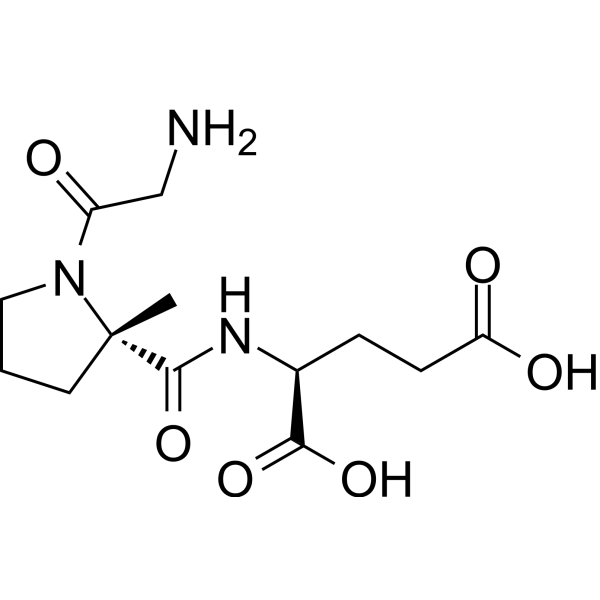 0 ImagesSynonyms: NNZ-2566Trofinetide (NNZ-2566), a synthetic analogue of the endogenous N-terminus tripeptide, Glycine-Proline-Glutamate (GPE), has been shown to be neuroprotective in animal models of brain injury.
-
Quinolinic acid (Standard)
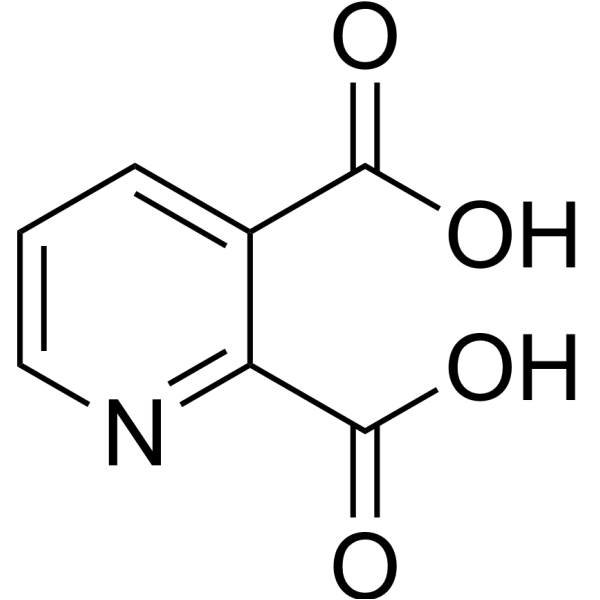 0 ImagesQuinolinic acid (Standard) is the analytical standard of Quinolinic acid. This product is intended for research and analytical applications. Quinolinic acid, an endogenous metabolite of tryptophan, is a N-methyl-D-aspartate receptor (NMDA receptor) agonist. Quinolinic acid increases glutamate efflux, induces the generation of ROS, activates nitric oxide synthase, produces excessive NO, leading to calcium ion influx and neuronal apoptosis.
-
Creatinine-d5
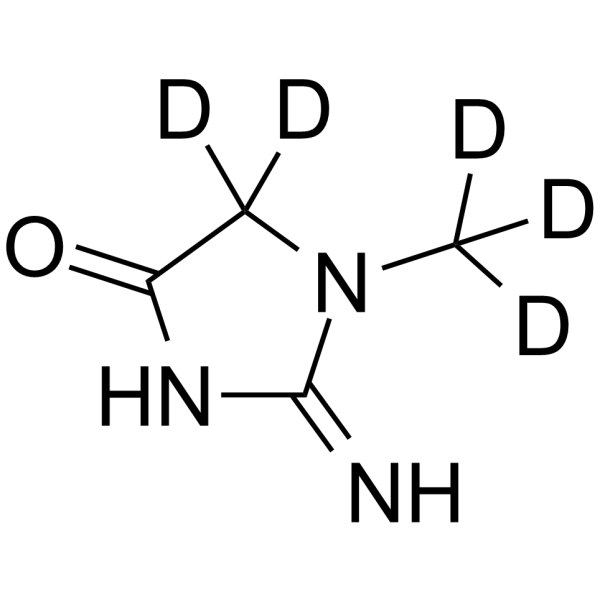 0 ImagesCat. No.: HY-B0504S2Purity: 99.93%Synonyms: NSC13123-d5Creatinine-d5 is the deuterium labeled Creatinine. Creatinine (NSC13123) is an orally active, blood-brain barrier-permeable modulator of GABAA and NMDA receptors, with activities of antioxidation and metabolic regulation. Creatinine is generated via non-enzymatic conversion of creatine and phosphocreatine in muscle. Creatinine serum levels correlate with muscle mass, glomerular filtration rate, and extrarenal clearance, serving as an evaluation biomarker for renal function, muscle mass, and clinical outcomes, and used for perioperative renal risk assessment. In addition, Creatinine can induce specific Cryptococcus species to produce creatinine deiminase and act as their nitrogen source, while it can be secreted via renal tubules. Creatinine is widely used in research related to various diseases such as neurodegenerative diseases, psychiatric disorders, acute kidney injury, chronic kidney disease, and renal failure.
-
L-Glutamic acid-d5
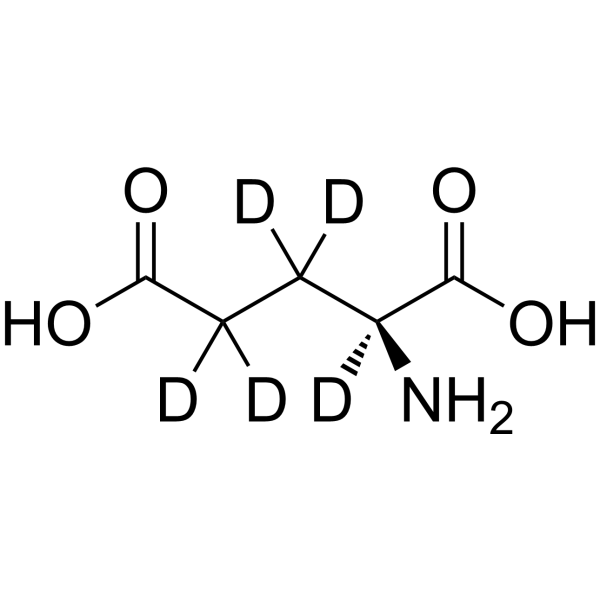 0 ImagesL-Glutamic acid-d5 is the deuterium labeled L-Glutamic acid. L-Glutamic acid acts as an excitatory transmitter and an agonist at all subtypes of glutamate receptors (metabotropic, kainate, NMDA, and AMPA). L-Glutamic acid shows a direct activating effect on the release of DA from dopaminergic terminals.
-
Naspm
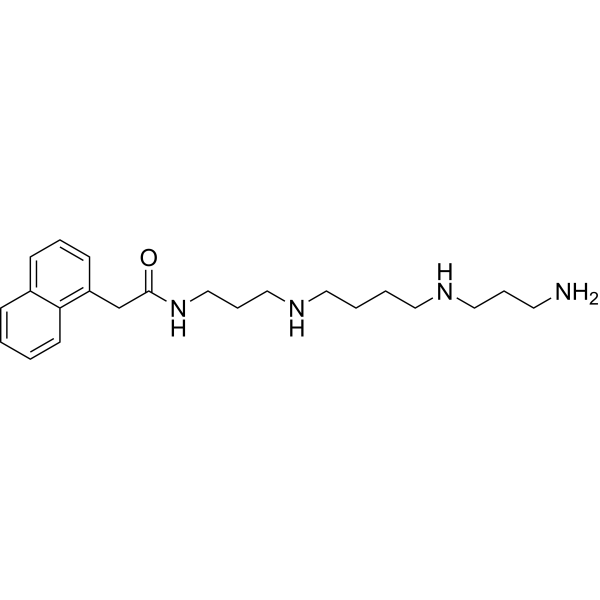 0 ImagesCat. No.: HY-12506CAS No.: 122306-11-0Synonyms: 1-Naphthylacetyl spermineNaspm (1-Naphthyl acetyl spermine), a synthetic analogue of Joro spider toxin, is a calcium permeable AMPA (CP-AMPA) receptors antagonist.
-
Naspm trihydrochloride
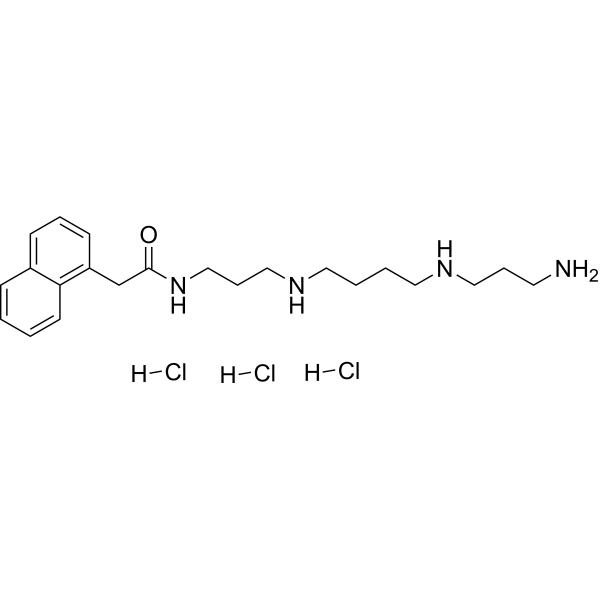 0 ImagesSynonyms: 1-Naphthylacetyl spermine trihydrochlorideNaspm trihydrochloride (1-Naphthylacetyl spermine trihydrochloride), a synthetic analogue of Joro spider toxin, is a calcium permeable AMPA (CP-AMPA) receptors antagonist.
-
L-Aspartic acid-13C4
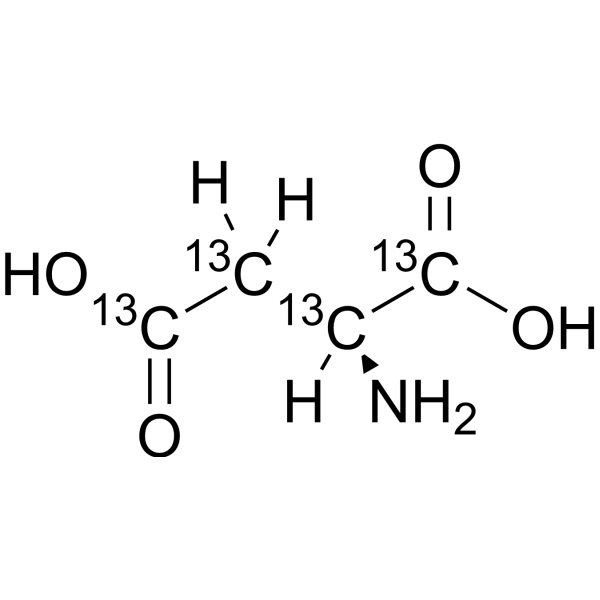 0 ImagesL-Aspartic acid-13C4 is the 13C-labeled L-Aspartic acid (HY-N0666). L-Aspartic acid is a NMDA receptor agonist and acidic amino acid. L-Aspartic acid has no independent analgesic activity. L-Aspartic acid can antagonize the analgesic effects of D-Aspartic acid and Morphine. L-Aspartic acid regulates polymorph transformation, crystal growth/aggregation and nucleation processes of calcium carbonate, and can serve as a biomineralization template. L-Aspartic acid promotes burst firing of central neurons. L-Aspartic acid can be used in studies related to cerebral ischemia and epilepsy.
-
Aniracetam
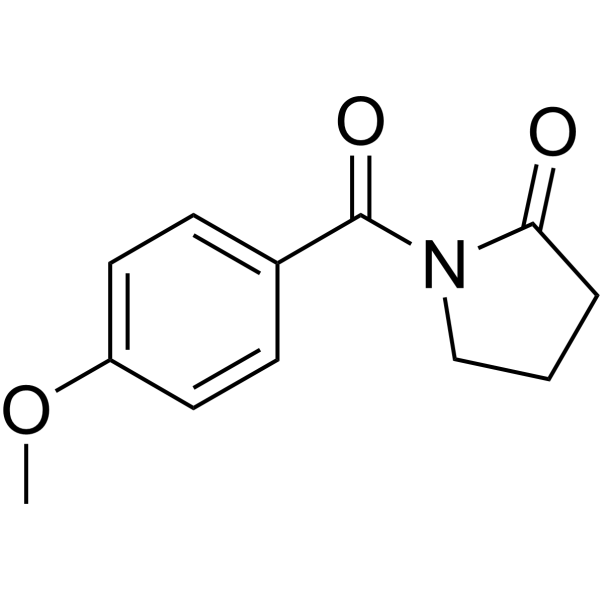 0 ImagesSynonyms: Ro 13-5057Aniracetam (Ro 13-5057) is an orally active neuroprotective agent, possessing nootropics effects. Aniracetam potentiates the ionotropic quisqualate (iQA) responses in the CA1 region of rat hippocampal slices. Aniracetam also potentiates the excitatory post synaptic potentials (EPSPs) in Schaffer collateral-commissural synapses. Aniracetam can prevents the CO2-induced impairment of acquisition in hypercapnia model rats. Aniracetam can be used to research cerebral dysfunctional disorders.
-
Tat-NR2B9c
 0 ImagesSynonyms: Tat-NR2Bct; NA-1Tat-NR2B9c (Tat-NR2Bct; NA-1) is a postsynaptic density-95 (PSD-95) inhibitor, with EC50 values of 6.7 nM and 670 nM for PSD-95d2 (PSD-95 PDZ domain 2) and PSD-95d1, respectively. Tat-NR2B9c disrupts the PSD-95/NMDAR interaction, inhibiting NR2A and NR2B binding to PSD-95 with IC50 values of 0.5 μM and 8 μM, respectively. Tat-NR2B9c also inhibits neuronal nitric oxide synthase (nNOS)/PSD-95 interaction, and possesses neuroprotective efficacy.
-
PEAQX tetrasodium hydrate
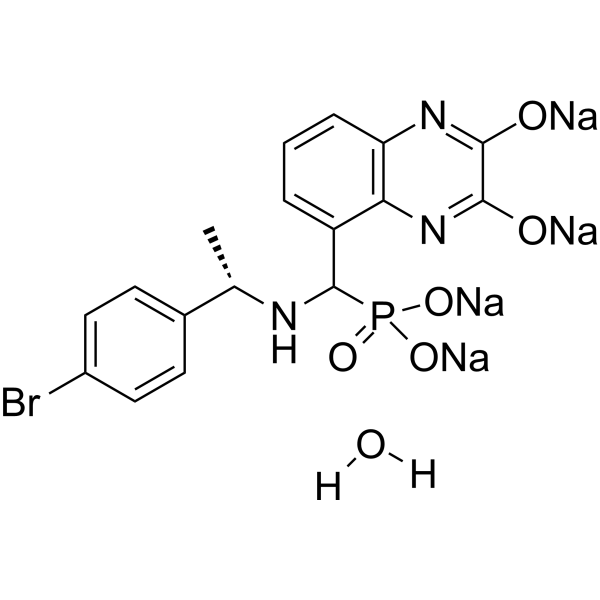 0 ImagesCat. No.: HY-12294APurity: 99.72%Synonyms: NVP-AAM077 tetrasodium hydratePEAQX tetrasodium hydrate (NVP-AAM077 tetrasodium hydrate) is a tetrasodium hydrate of PEAQX (HY-12294). PEAQX tetrasodium hydrate is an orally active and selective NMDA antagonist, with IC50 values of 270 nM and 29.6 μM for hNMDAR 1A/2A and hNMDAR 1A/2B, respectively. PEAQX tetrasodium hydrate can promote the activation of caspase-3 and induce cell apoptosis in cortical striatal slice cultures.
-
Ethopropazine hydrochloride
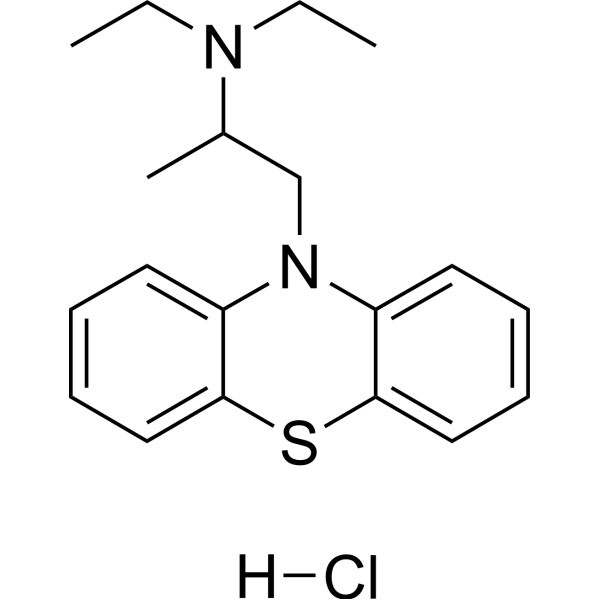 0 ImagesEthopropazine (Isothazine) hydrochloride is a potent and selective BChE inhibitor, a poor AChE inhibitor and a non-selective mAChR and NMDA antagonist. Ethopropazine hydrochloride has anticholinergic, antihistamine, antiadrenergic actions and properties. Ethopropazine hydrochloride alleviates thermal hyperalgesia in a dose dependent manner. Ethopropazine hydrochloride can be used for the research of Parkinson’s disease.
-
Glycine-d5
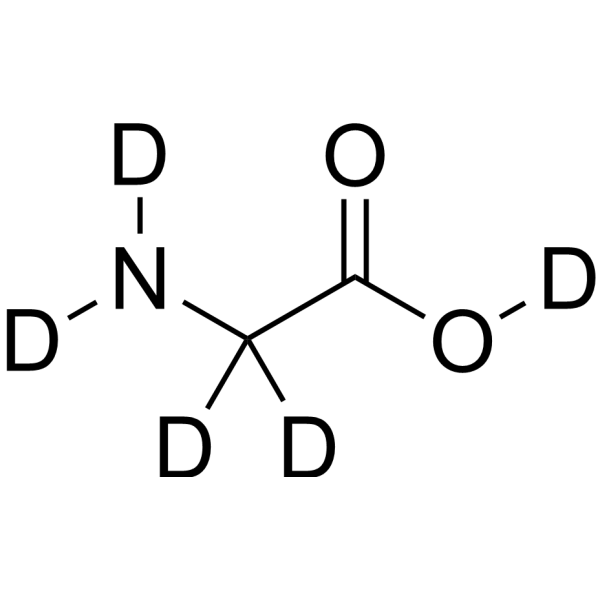 0 ImagesGlycine-d5 is the deuterium labeled Glycine. Glycine is an inhibitory neurotransmitter in the CNS and also acts as a co-agonist along with glutamate, facilitating an excitatory potential at the glutaminergic N-methyl-D-aspartic acid (NMDA) receptors.

-
Coniferyl ferulate
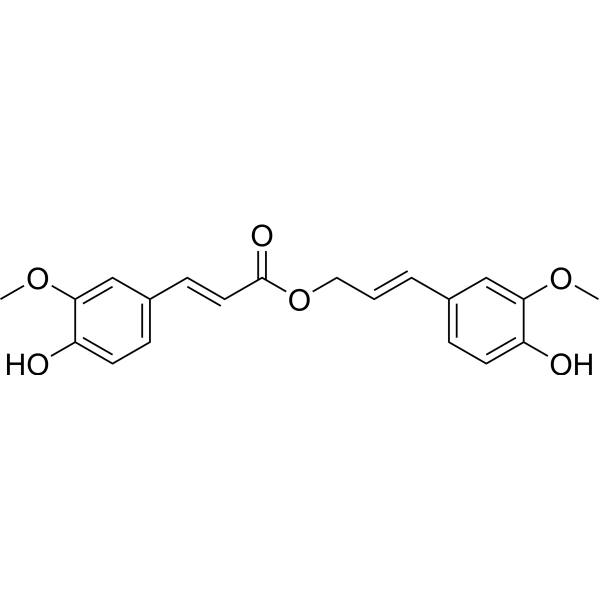 0 ImagesConiferyl ferulate is an orally active phenolic acid compound. Coniferyl ferulate is a potent inhibitor of glutathione S-transferase (GST) (IC50 = 0.3 μM), which downregulates P-gp expression, induces apoptosis in B-MD-C1 (ADR+/+) cells, and reverses multidrug resistance. Coniferyl ferulate blocks the NMDAR/NR2B-CaMKII-MAPKs signaling pathway, inhibits ROS production and mitochondrial apoptosis, while reshapes the intestinal microbiota and microbial metabolism, ameliorates colonic inflammation and alleviates depressive symptoms in mice. Coniferyl ferulate can alleviate the toxicity of xylene to hematopoietic stem and progenitor cells by targeting Mgst2. Coniferyl ferulate exhibits antibacterial activity against the Gram-positive Bacillus subtilis and Staphylococcus aureus.
-
L-Glutamic acid-d3
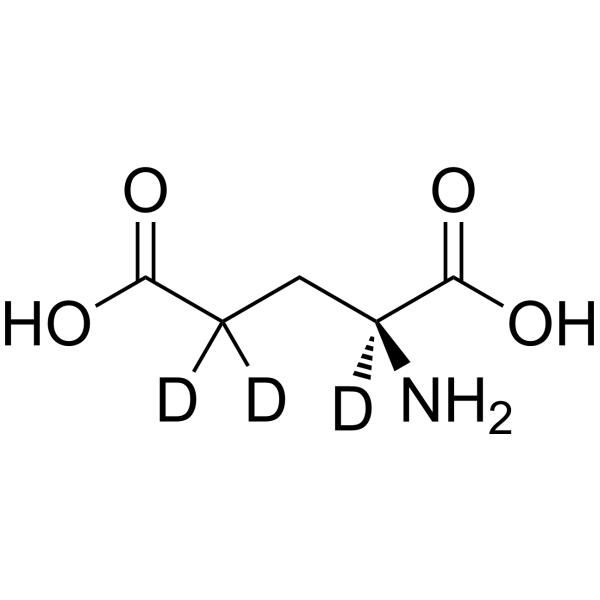 0 ImagesL-Glutamic acid-d3 is the deuterium labeled L-Glutamic acid. L-Glutamic acid acts as an excitatory transmitter and an agonist at all subtypes of glutamate receptors (metabotropic, kainate, NMDA, and AMPA). L-Glutamic acid shows a direct activating effect on the release of DA from dopaminergic terminals.
-
L-Aspartic acid-d3
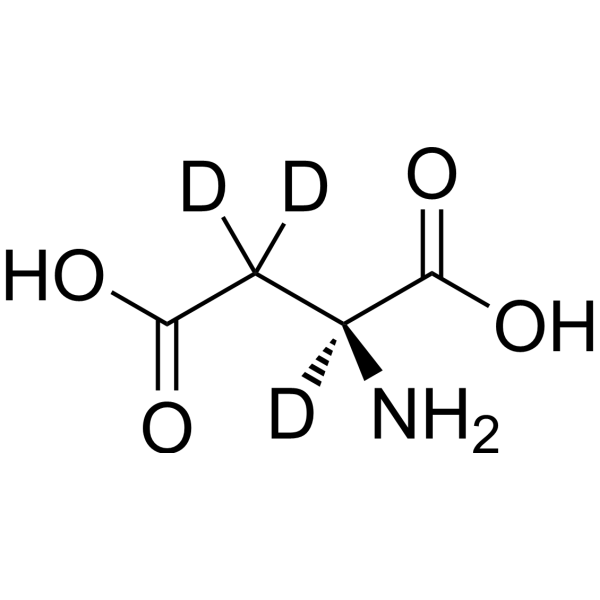 0 ImagesL-Aspartic acid-d3 is the d3-labeled L-Aspartic acid (HY-N0666). L-Aspartic acid is a NMDA receptor agonist and acidic amino acid. L-Aspartic acid has no independent analgesic activity. L-Aspartic acid can antagonize the analgesic effects of D-Aspartic acid and Morphine. L-Aspartic acid regulates polymorph transformation, crystal growth/aggregation and nucleation processes of calcium carbonate, and can serve as a biomineralization template. L-Aspartic acid promotes burst firing of central neurons. L-Aspartic acid can be used in studies related to cerebral ischemia and epilepsy.