



GW9662 (Standard)
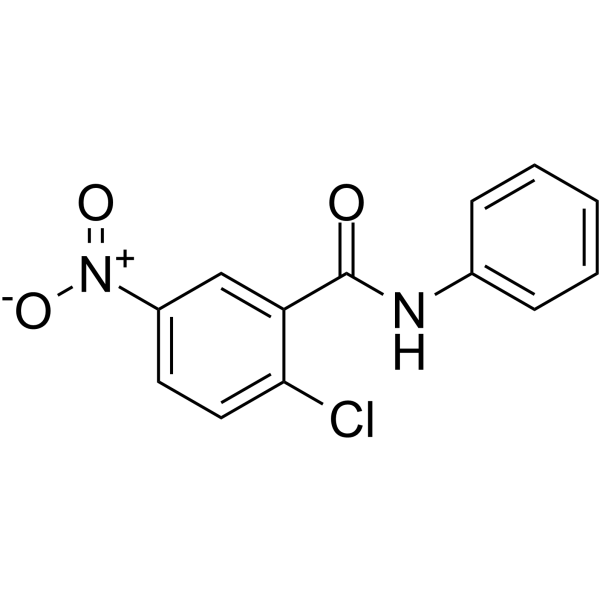
GW9662 (Standard) is the analytical standard of GW9662. This product is intended for research and analytical applications. GW9662 is a potent and selective PPARγ antagonist with an IC50 of 3.3 nM, showing 10 and 1000-fold selectivity over PPARα and PPARδ, respectively.
Nos produits utilisent uniquement pour la recherche. Nous ne vendons pas aux patients.
- Pureté : 98%
- CAS No.: 22978-25-2
- Formule: C13H9ClN2O3
- Masse moléculaire:276.68
-
Stockage:
Please store the product under the recommended conditions in the Certificate of Analysis.


To place orders, for customer services and technical support, please contact: MedChemExpress USA
Tel: 609-228-6898 E-mail: [email protected] [email protected]


-
 Product Information
-
Chemical Information
- Pureté et documentation
-
 Help & FAQs


-
HY-16578
GW9662PPARγ Antagonist -
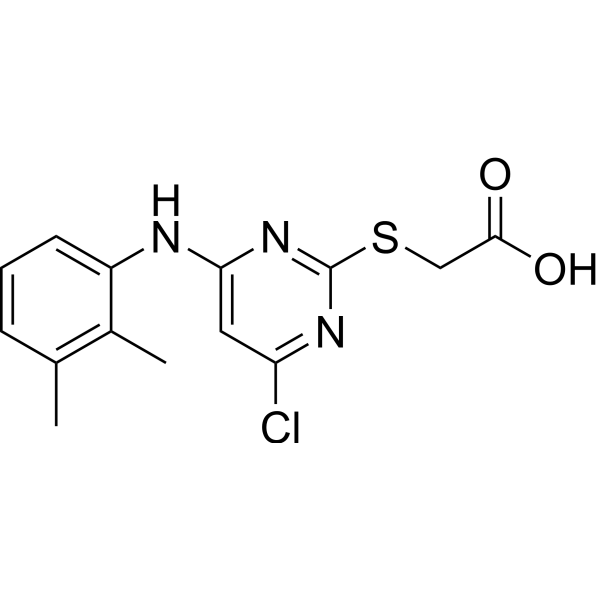
HY-16995
Pirinixic acidPPAR Agonist -
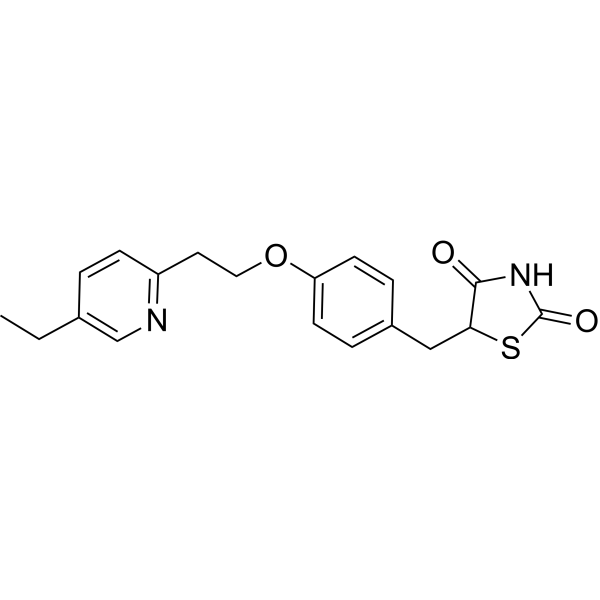
HY-13956
PioglitazonePPARγ Agonist -
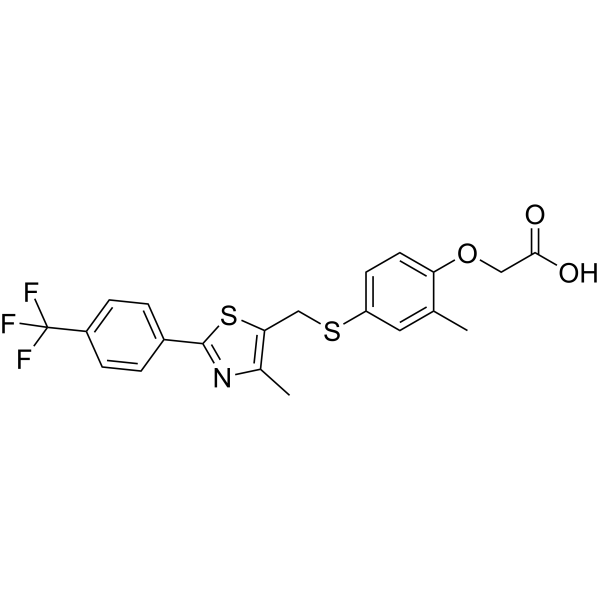
HY-10838
GW 501516PPARδ Agonist -
HY-17386
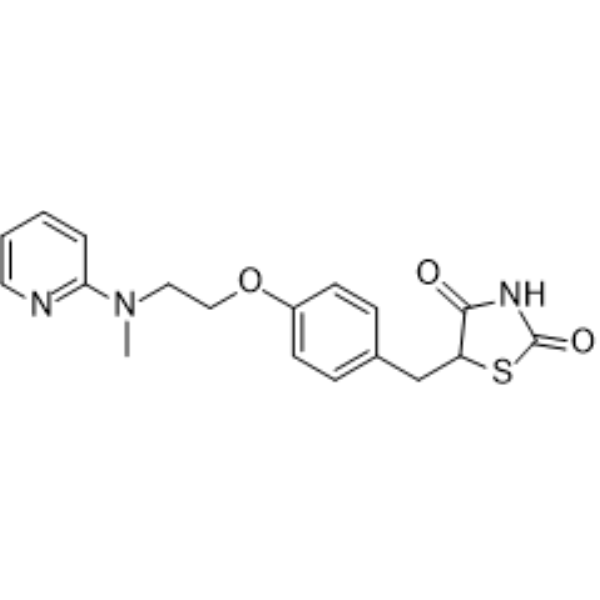
RosiglitazonePPARγ Agonist -
HY-17356
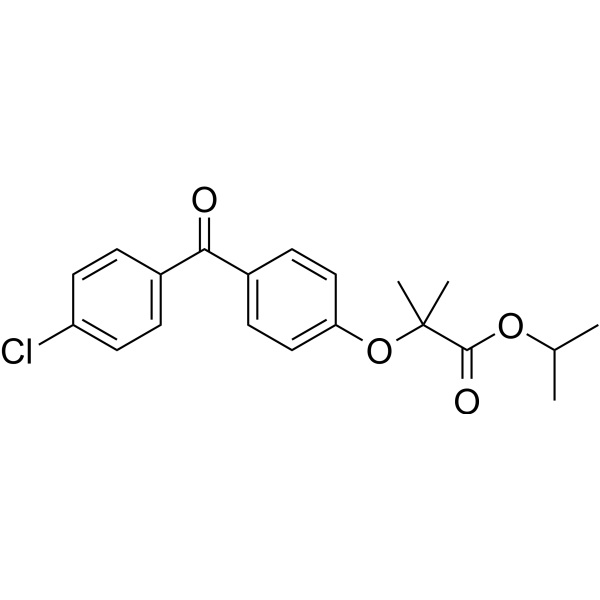
Fenofibrate -
HY-15577
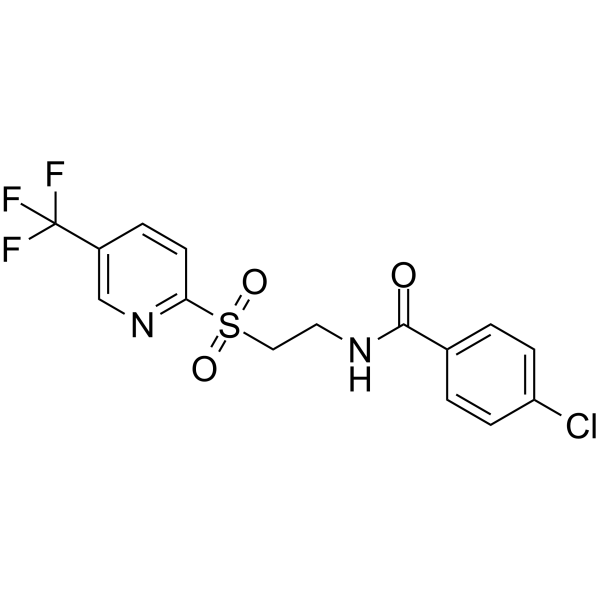
GSK3787PPARδ Antagonist -
HY-13202
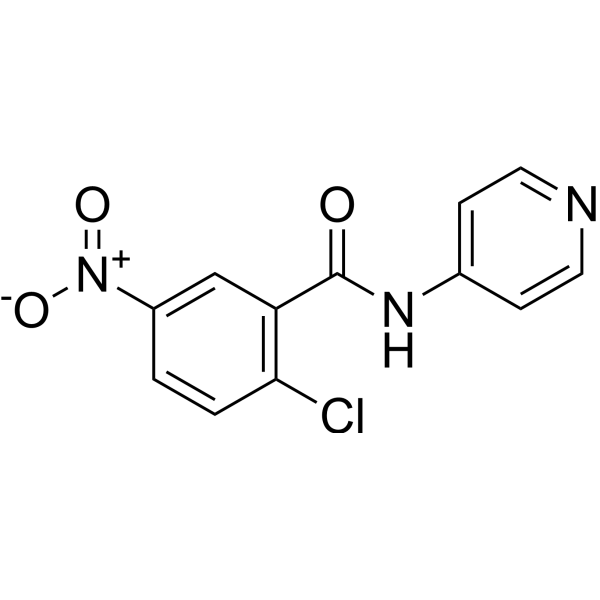
T0070907PPARγ Antagonist -
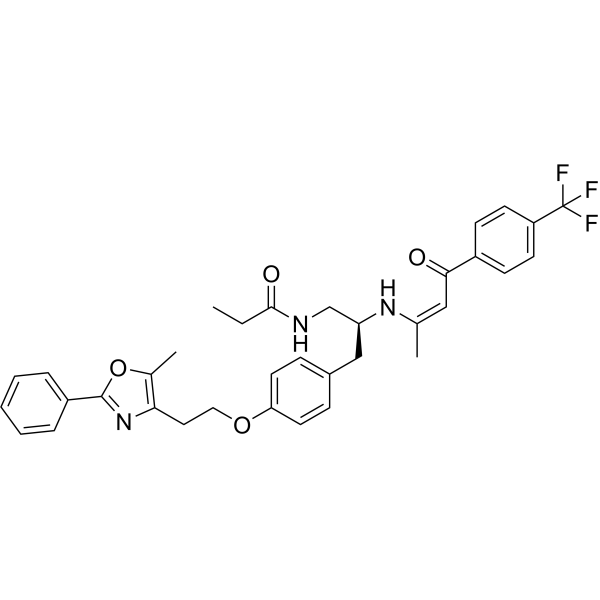
HY-15372
GW6471PPARα Antagonist -
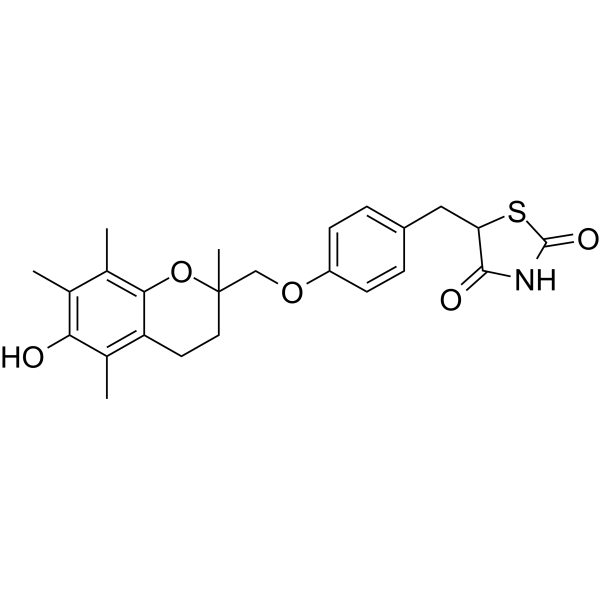
HY-50935
TroglitazonePPARγ Agonist -
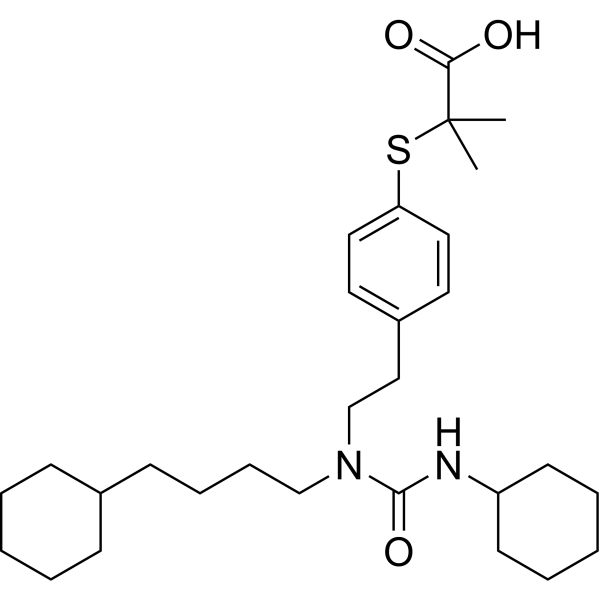
HY-13861
GW7647PPAR Agonist -
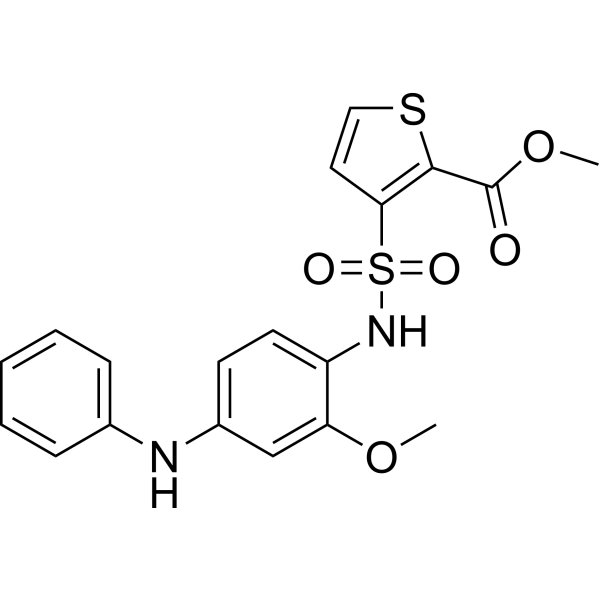
HY-12377
GSK0660PPAR Antagonist


Product Information
Information
Application
The compound is the grade of analytical standard, which is the reference standard supplied assay. It is commonly used in qualitative, quantitative and methodological research experiments in HPLC, GC and MS.


Chemical Information
-
CAS No. 22978-25-2
-
Masse moléculaire 276.68
-
Formule C13H9ClN2O3
-
SMILES
O=C(NC1=CC=CC=C1)C2=CC([N+]([O-])=O)=CC=C2Cl
-
Livraison
Room temperature in continental US; may vary elsewhere.
-
Stockage
Please store the product under the recommended conditions in the Certificate of Analysis.


Pureté et documentation
Références
[1]. Leesnitzer LM, et al. Functional consequences of cysteine modification in the ligand binding sites of peroxisome proliferator activated receptors by GW9662. Biochemistry. 2002 May 28;41(21):6640-50. [Content Brief]
[2]. Seargent JM, et al. GW9662, a potent antagonist of PPARgamma, inhibits growth of breast tumor cells and promotes the anticancer effects of the PPARgamma agonist BRL 49653, independently of PPARgamma activation. Br J Pharmacol. 2004 Dec;143(8):933-7. [Content Brief]
[3]. Sato K, et al. PPARγ antagonist attenuates mouse immune-mediated bone marrow failure by inhibition of T cell function.Haematologica. 2016 Jan;101(1):57-67. [Content Brief]
[4]. Collino M, et al. The selective PPARgamma antagonist GW9662 reverses the protection of LPS in a model of renal ischemia-reperfusion. Kidney Int. 2005 Aug;68(2):529-36. [Content Brief]

Calculators
Concentration (start) × Volume (start) = Concentration (final) × Volume (final)


GW9662 (Standard) Related Classifications
HY-16578R Related Classifications
 Powered by Bioz