



N,N-Dimethylacetamide
Based on 1 publication(s) in Google Scholar
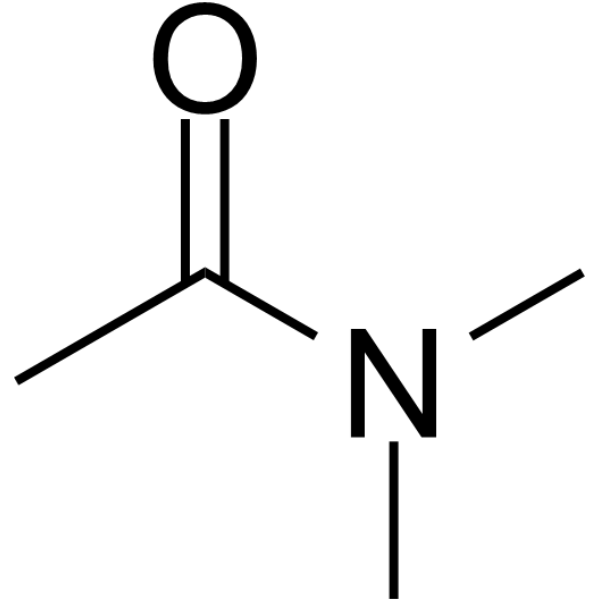
N,N-Dimethylacetamide (DMAc) is an organic solvent with blood-brain transmissibility and an FDA-approved drug excipient. N, N-dimethylacetamide exerts anti-inflammatory activity by inhibiting the NF-κB signaling pathway. N, N-dimethylacetamide can be used in studies of weight gain caused by a high-fat diet and neuroinflammation in Alzheimer's disease.
Nur für Forschungszwecke. Wir verkaufen nicht an Patienten.
- Reinheit : 99.96%
- CAS. Nr.: 127-19-5
- Formel: C4H9NO
- Molecular Weight:87.12
-
Speicherung:
Please store the product under the recommended conditions in the Certificate of Analysis.

To place orders, for customer services and technical support, please contact: MedChemExpress USA
Tel: 609-228-6898 E-mail: [email protected] [email protected]


-
 Biologische Aktivität
-
Chemical Information
-
Lösungsmittel & Löslichkeit
- Protokoll
- Reinheit & Dokumentation
- Verweise
-
 Help & FAQs


-
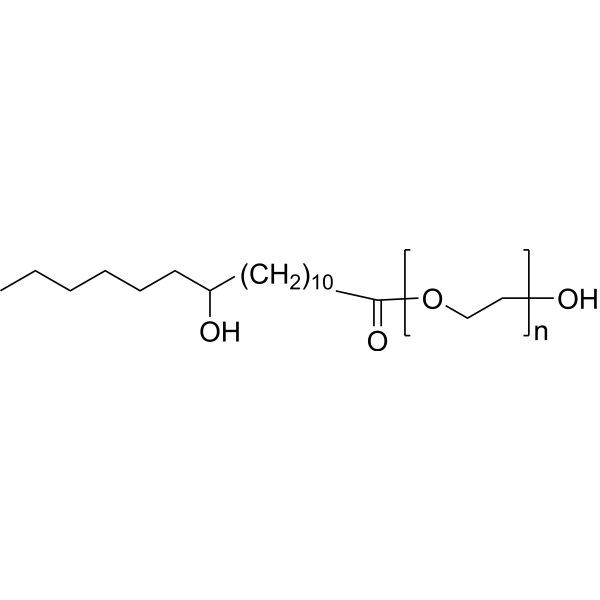
HY-Y1893
Solutol HS-15 -
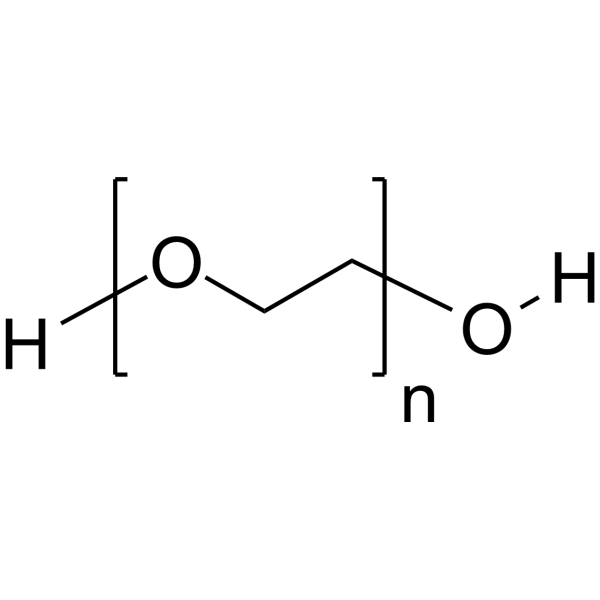
HY-Y0873A
PEG400 -
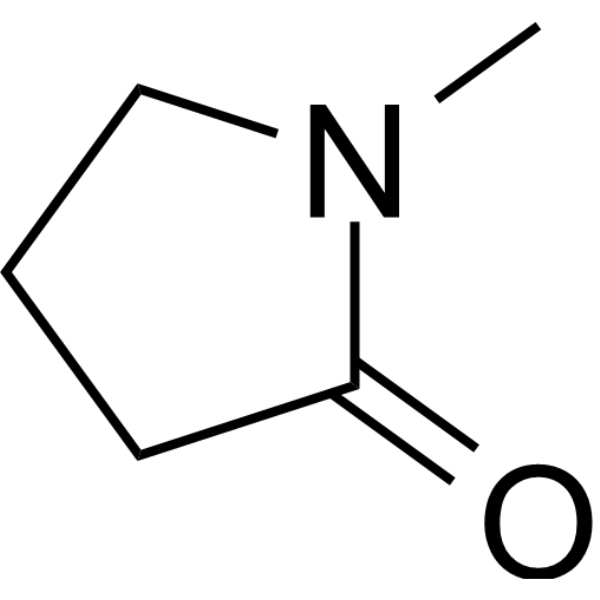
HY-Y1275
N-MethylpyrrolidoneFive-membered Cyclic Amide -
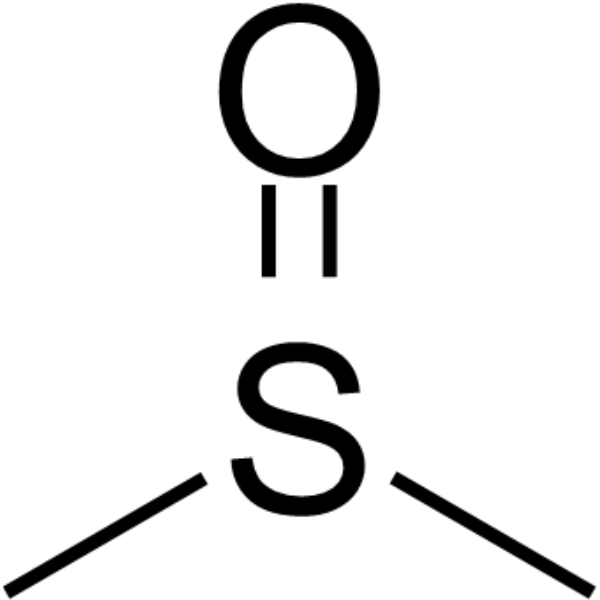
HY-Y0320
Dimethyl sulfoxide, meets analytical specification of Ch.P.Aprotic Solvent -
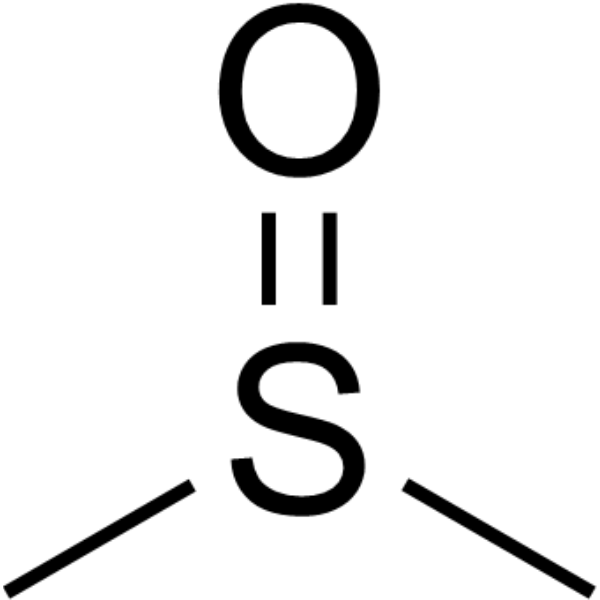
HY-Y0320C
Dimethyl sulfoxideAprotic Solvent -

HY-Y0320D
Dimethyl sulfoxide, cryoprotectant vitrification agentBiochemical Assay Reagent -

HY-Y1891
Tween 80 -
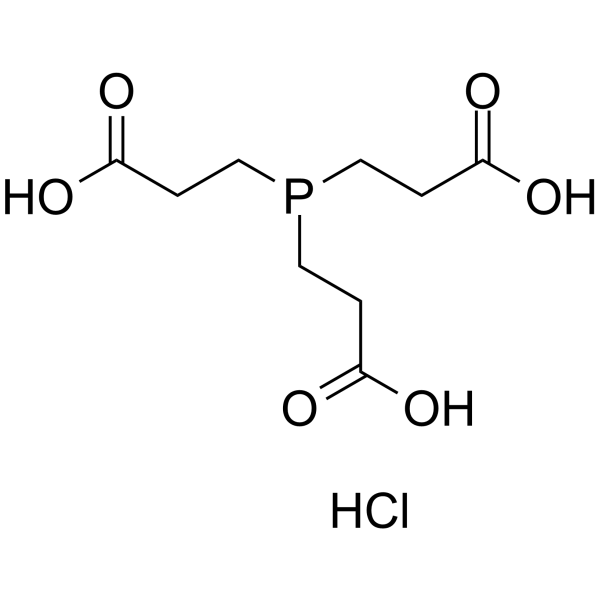
HY-W011500
TCEP hydrochlorideNon-Thiol Reducing Agent -

HY-Y0320R
Dimethyl sulfoxide (Standard)Aprotic Solvent -

HY-Y0320GL
Dimethyl sulfoxide (GMP Like)GMP Like class DMSO -
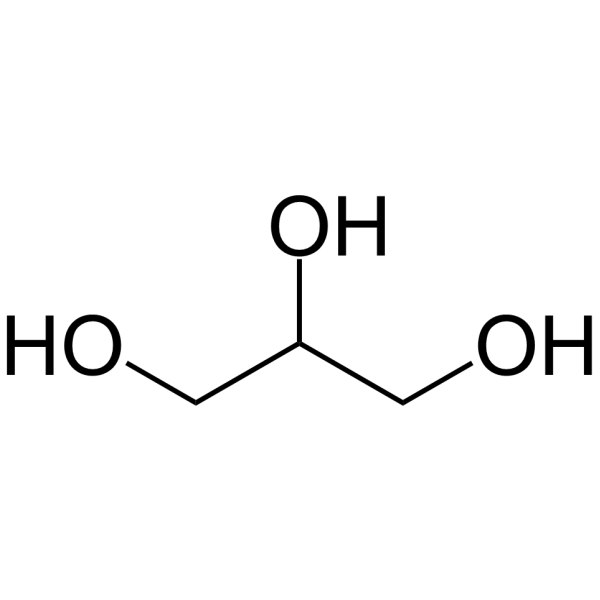
HY-B1659
GlycerolEndogenous Metabolite
Publications Citing Use of MedChemExpress (MCE) N,N-Dimethylacetamide
More

Biologische Aktivität
Beschreibung
In Vitro
N,N-Dimethylacetamide (10-1000 μM, 24 h) inhibits the bactericidal activity of macrophages in RAW 264.7 cells[1].
N,N-Dimethylacetamide (0.1-10 mM, 2 h) inhibits Aβ-induced inflammation in microglia cell lines SIM-A9 and HMC3[2].
MedChemExpress (MCE) has not independently confirmed the accuracy of these methods. They are for reference only. Further protocols information, click here.
-
Cell Line:SIM-A9, HMC3
-
Concentration:0.1, 1, 10 mM
-
Incubation Time:2 h
-
Result:Diminished iNOS production.
Decreased Aβ42 in a concentration-dependent manner.
Reduced APP and p-APP protein levels at 1 and 10 mM.
Increased IκBα levels in SIM-A9 cells with both 1 mM and 10 mM and in HMC3 cells with 10 mM.
In Vivo
N,N-Dimethylacetamide (2.1 g/kg/day, intraperitoneally administered) attenuates the clinical and histological features of DSS-induced colitis[3].
MedChemExpress (MCE) has not independently confirmed the accuracy of these methods. They are for reference only.
-
Animal Model:LPS-Triggered PTB and Spontaneous Abortions mice[1]
-
Dosage:0.2, 0.39, 0.78, 1.56, 3,1 mg/kg
-
Administration:i.p. Single dose
-
Result:Attenuated the excessive endotoxin-triggered proinflammatory response that leads to preterm delivery.
-
Animal Model:DSS-induced colitis in C57Bl/6 mice[3]
-
Dosage:2.1 g/kg
-
Administration:i.p. once a day for four days
-
Result:Attenuated inflammation, crypt injury and ulceration.


Chemical Information
-
CAS. Nr. 127-19-5
-
Appearance Liquid (Density: 0.937 g/cm3)
-
Molecular Weight 87.12
-
Formel C4H9NO
-
Color Colorless to light yellow
-
SMILES
CC(N(C)C)=O
-
Synonyms
DMAc
-
Versand
Room temperature in continental US; may vary elsewhere.
-
Speicherung
Please store the product under the recommended conditions in the Certificate of Analysis.


Publications (1)
-
Journal Impact Factor
-
Most Recent
-
Sci Rep
Heat shock factor 1 inhibition enhances the effects of modulated electro hyperthermia in a triple negative breast cancer mouse model. [Abstract]2024 Apr 8;14(1):8241. PMID: 38589452


Lösungsmittel & Löslichkeit
In Vitro:
DMSO : ≥ 100 mg/mL (1147.84 mM; Hygroscopic DMSO has a significant impact on the solubility of product, please use newly opened DMSO)
* "≥" means soluble, but saturation unknown.

Protokoll
-
Cotton Pellet Granuloma
Cotton pellet granuloma is a classical in vivo chronic inflammation model used to evaluate the anti-inflammatory potential of test substances by measuring their ability to inhibit granuloma tissue formation around an implanted foreign body (cotton pellet) in rodents. The method is based on the biological response to a sterile implanted material, which induces proliferative phase inflammation characterized by fibroblast proliferation and collagen-rich granuloma formation, and the final readout reflects the extent of chronic inflammatory tissue growth surrounding the pellet. In multiple preclinical pharmacological evaluations, inhibition of cotton pellet-induced granuloma formation has been used as an indicator of anti-inflammatory activity in both synthetic and natural product screening contexts.
-
Carrageenan-Induced Paw Edema
Carrageenan-induced paw edema is an acute inflammation model in which intraplantar injection of carrageenan induces localized inflammatory swelling characterized by vascular permeability, leukocyte infiltration, and production of inflammatory mediators such as prostaglandins and cytokines, making it widely used to evaluate anti-inflammatory agents in vivo. The resulting paw volume or thickness increase is quantified over time as a direct readout of inflammatory intensity and drug efficacy, typically reflecting cyclooxygenase-mediated prostaglandin-driven edema formation and immune cell recruitment in peripheral tissue[20].
-
Research Protocol for Inflammation-related Diseases
The NLRP3 inflammasome is a cytosolic innate immune signaling platform that integrates priming signals and danger-signal activation to promote caspase-1 activation, maturation of IL-1β and IL-18, and gasdermin D-mediated pyroptotic cell death. The core experimental logic is to determine whether inflammatory disease phenotypes are driven by increased NLRP3 expression, ASC-containing inflammasome assembly, caspase-1 cleavage, GSDMD cleavage, and extracellular release of IL-1β/IL-18 rather than by nonspecific cell injury alone. The pathway is strongly linked to inflammation-related disease phenotypes because monosodium urate crystals activate NALP3/NLRP3 inflammasome signaling in gout-like crystal inflammation, cholesterol crystals activate NLRP3 inflammasomes in atherogenesis models, and DSS-induced intestinal inflammation has been reported to involve NLRP3 inflammasome activity. However, experimental colitis studies also show context-dependent protective effects of NLRP3 inflammasome co
-
Research Protocol for Neurological Diseases
PINK1/Parkin-mediated mitophagy pathway is a mitochondrial quality-control signaling axis in which mitochondrial depolarization stabilizes PINK1 on damaged mitochondria, activates Parkin recruitment and E3 ubiquitin ligase activity, promotes ubiquitination of outer mitochondrial membrane proteins, recruits selective autophagy adaptors, and drives lysosomal degradation of damaged mitochondria. In neurological disease research, this pathway is experimentally important because neurons, especially dopaminergic neurons, are highly dependent on mitochondrial integrity, and defective mitochondrial turnover can lead to mitochondrial dysfunction, oxidative stress, impaired neuronal survival, α-synuclein accumulation, and neuroinflammatory damage-associated signals. The genetic disease link is strongest in Parkinson’s disease because mutations in PRKN/parkin cause autosomal recessive juvenile parkinsonism, mutations in PINK1 cause hereditary early-onset Parkinson’s disease, and Drosophila studie
-
Alzheimer’s Disease Modeling
Alzheimer’s Disease (AD) is a neurodegenerative disorder characterized by a progressive decline in cognitive functions and loss of specific types of neurons and synapses. Alzheimer's symptoms can be simulated in mice by injecting drugs (such as Aβ) or genetically modified.


Reinheit & Dokumentation
-
Data Sheet (274 KB)
-
SDS (761 KB)
- English - EN (761 KB)
- Français - FR (761 KB)
- Deutsch - DE (761 KB)
- Norwegian - NO (761 KB)
- Español - ES (761 KB)
- Swedish - SV (761 KB)
- Italian - IT (761 KB)
- Korean - KR (761 KB)
- Portuguese - PT (761 KB)
-
Handling Instructions (2659 KB)
Verweise
[1]. Sundaram S, et al. N,N-dimethylacetamide regulates the proinflammatory response associated with endotoxin and prevents preterm birth. Am J Pathol. 2013 Aug;183(2):422-30. [Content Brief]
[2]. Wei ZH, et al. N,N-dimethylacetamide targets neuroinflammation in Alzheimer's disease in in-vitro and ex-vivo models. Sci Rep. 2023 May 1;13(1):7077. [Content Brief]
[3]. Koya JB, et al. FDA-Approved Excipient N, N-Dimethylacetamide Attenuates Inflammatory Bowel Disease in In Vitro and In Vivo Models. Fortune J Health Sci. 2022;5:499-509. [Content Brief]

Calculators
Konzentration (Stammlösung) × Volumen (Stammlösung) = Konzentration (Ziellösung) × Volumen (Ziellösung)


Complete Stock Solution Preparation Table
| Optional Solvent | Concentration Solvent Mass | 1 mg | 5 mg | 10 mg | 25 mg |
|---|---|---|---|---|---|
| DMSO | 1 mM | 11.4784 mL | 57.3921 mL | 114.7842 mL | 286.9605 mL |
| 5 mM | 2.2957 mL | 11.4784 mL | 22.9568 mL | 57.3921 mL | |
| 10 mM | 1.1478 mL | 5.7392 mL | 11.4784 mL | 28.6961 mL | |
| 15 mM | 0.7652 mL | 3.8261 mL | 7.6523 mL | 19.1307 mL | |
| 20 mM | 0.5739 mL | 2.8696 mL | 5.7392 mL | 14.3480 mL | |
| 25 mM | 0.4591 mL | 2.2957 mL | 4.5914 mL | 11.4784 mL | |
| 30 mM | 0.3826 mL | 1.9131 mL | 3.8261 mL | 9.5654 mL | |
| 40 mM | 0.2870 mL | 1.4348 mL | 2.8696 mL | 7.1740 mL | |
| 50 mM | 0.2296 mL | 1.1478 mL | 2.2957 mL | 5.7392 mL | |
| 60 mM | 0.1913 mL | 0.9565 mL | 1.9131 mL | 4.7827 mL | |
| 80 mM | 0.1435 mL | 0.7174 mL | 1.4348 mL | 3.5870 mL | |
| 100 mM | 0.1148 mL | 0.5739 mL | 1.1478 mL | 2.8696 mL |


N,N-Dimethylacetamide Related Classifications
HY-W042416 Related Classifications
 Powered by Bioz