



Troxerutin
Based on 3 publication(s) in Google Scholar
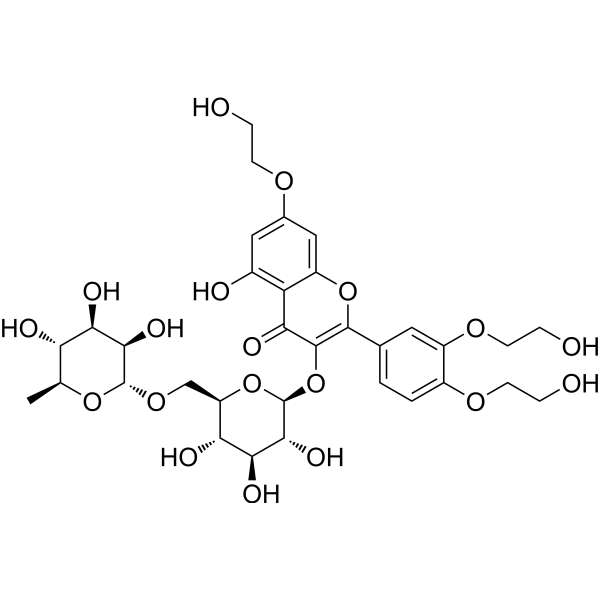
Troxerutin, also known as vitamin P4, is a tri-hydroxyethylated derivative of natural bioflavonoid rutins which can inhibit the production of reactive oxygen species (ROS) and depress ER stress-mediated NOD activation.
For research use only. We do not sell to patients.
- Purity : 98.07%
- CAS No.: 7085-55-4
- Formula: C33H42O19
- Molecular Weight:742.68
-
Storage:Powder -20°C, 3 years , 4°C, 2 years ; In solvent -80°C, 2 years , -20°C, 1 year

To place orders, for customer services and technical support, please contact: MedChemExpress USA
Tel: 609-228-6898 E-mail: [email protected] [email protected]


-
 Biological Activity
-
Chemical Information
-
Solvent & Solubility
- Protocols
- Purity & Documentation
- References
-
 Help & FAQs


-
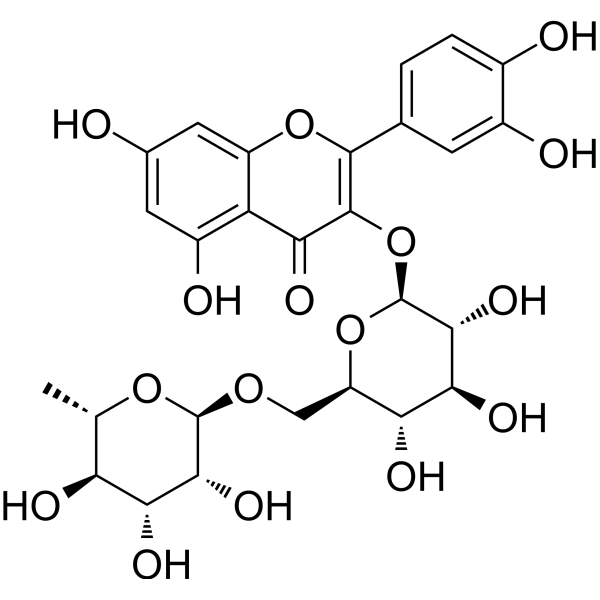
HY-N0148
RutinCBR1 Inhibitor -
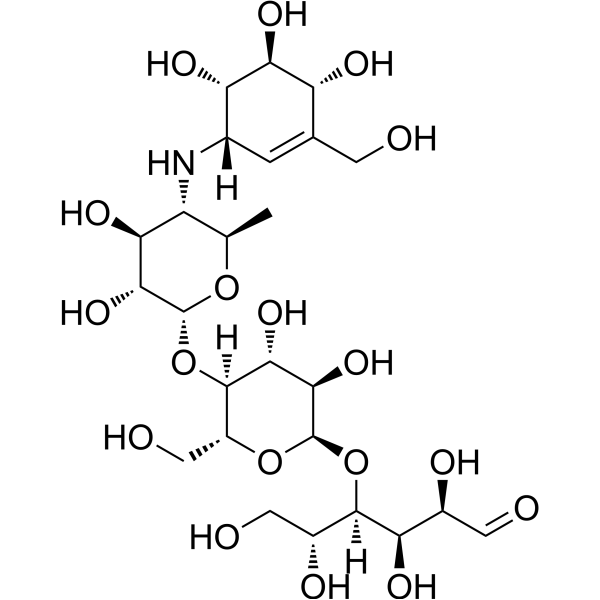
HY-B0089
AcarboseAlpha-Glucosidase Inhibitor -
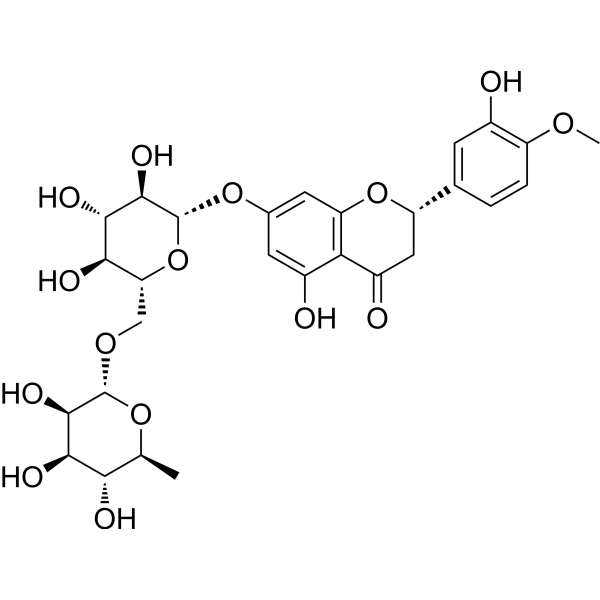
HY-15337
HesperidinAntioxidant -
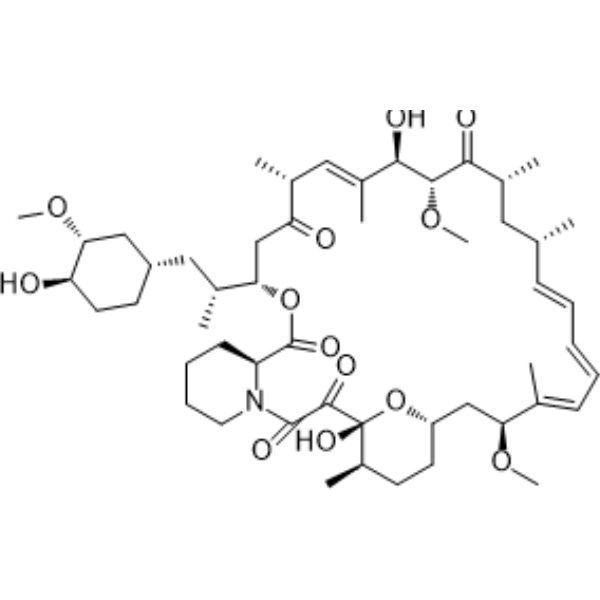
HY-10219
RapamycinmTOR Inhibitor -
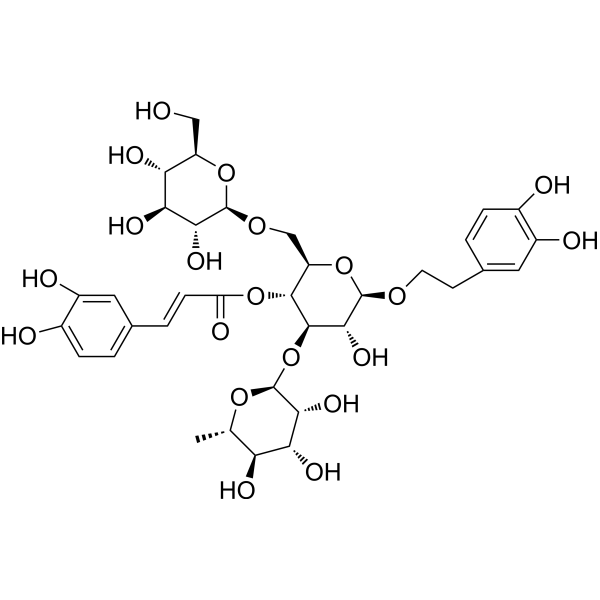
HY-N0020
EchinacosideWnt/β-catenin Signaling Inhibitor -
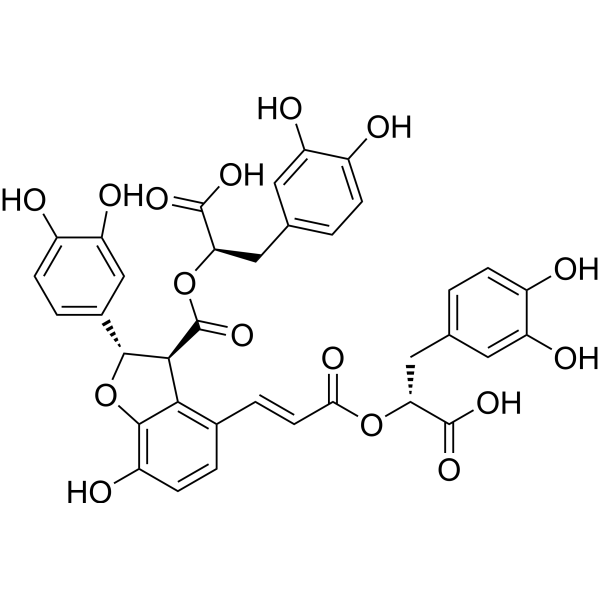
HY-N1362
Salvianolic acid BAntioxidant -
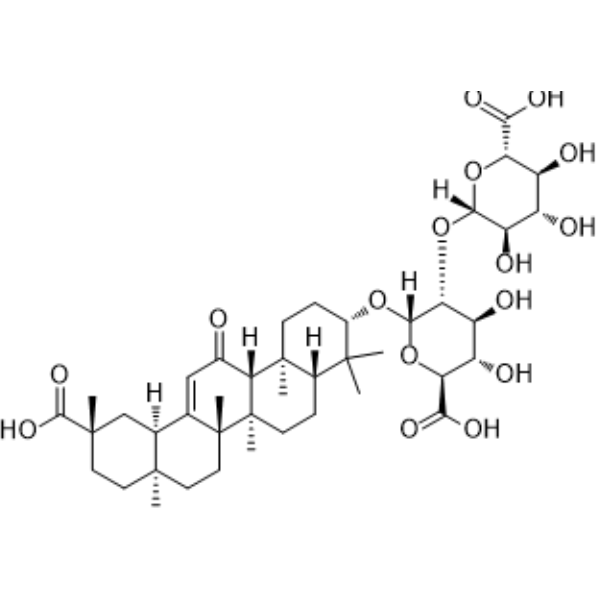
HY-N0184
Glycyrrhizic acidHMGB1 Antagonist -
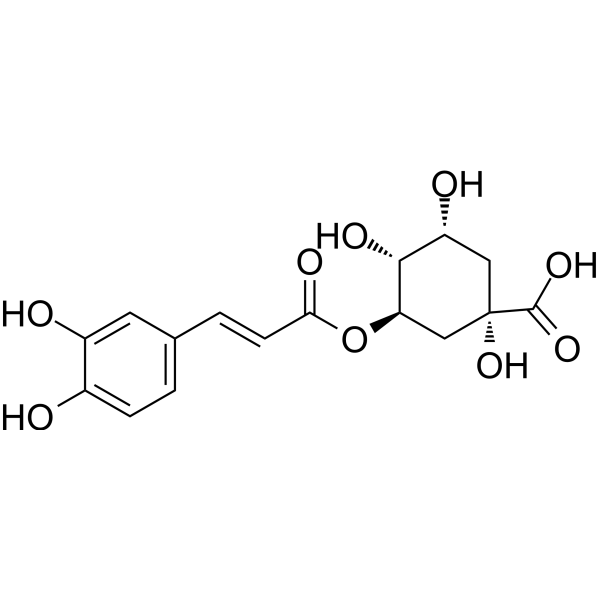
HY-N0055
Chlorogenic acidAntioxidant -
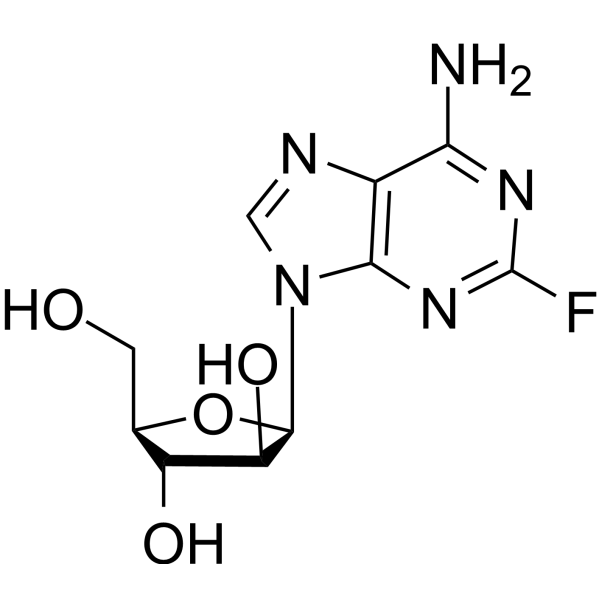
HY-B0069
FludarabineDNA Synthesis Inhibitor -
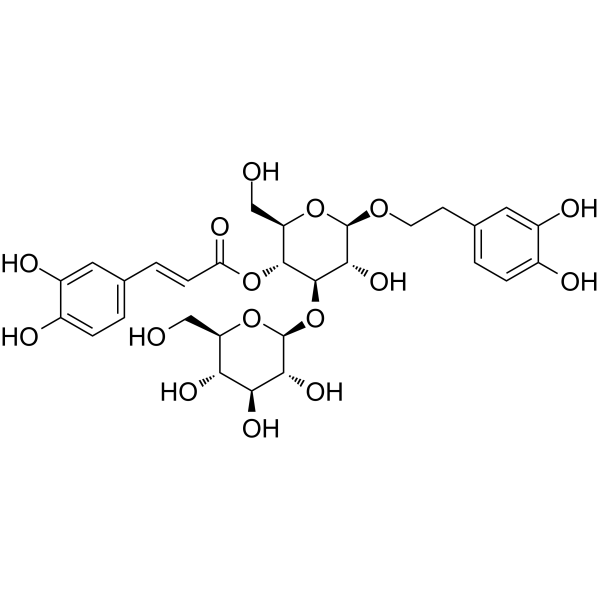
HY-N0031
PlantamajosideNF-κB Inhibitor -
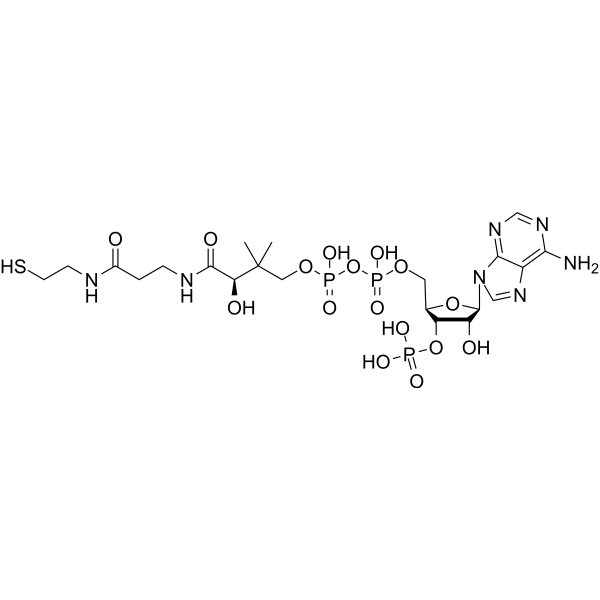
HY-128851
Coenzyme ACofactor -
HY-N0319
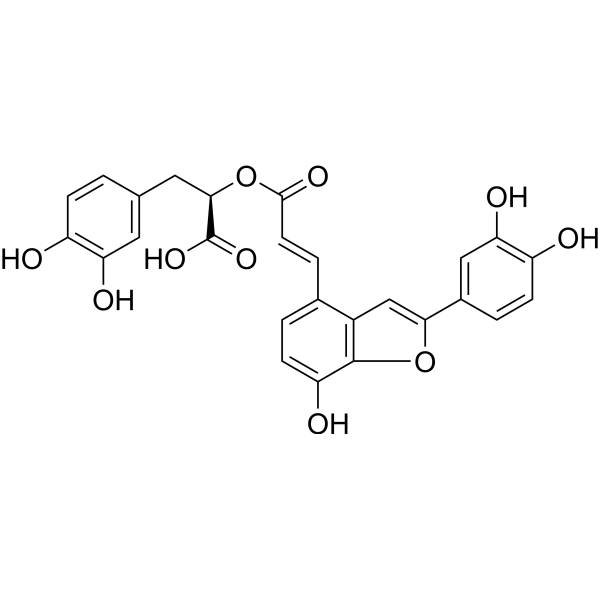
Salvianolic acid CCytochrome Inhibitor
Publications Citing Use of MedChemExpress (MCE) Troxerutin
More Customer Validation & Images

-
IP
-
WB
-
RT-PCR
-
Cell Imaging/Staining
-
Histological Imaging/Staining


Biological Activity
Description
IC50 & Target
In Vitro
The results reveal that the maximum protective effect against ROS induced cell damage in the HDP cells occurs following pretreatment with 10 μM Troxerutin. Treatment with H2O2 alone decreases cell viability to 77.33±2.44%; however, pretreatment with 10 μM Troxerutin maintains cell viability at 90.88±2.24% following H2O2 exposure (P<0.05). At concentrations of 5 and 10 μM, pretreatment with Troxerutin causes a decrease in the number of cells in the sub G1 phase, indicative of cell death. In the control and Troxerutin-only-treated cells, 3.58±0.15 and 0.89±0.11% are 2′7′-dichlorofluorescein (DCF)-positive (P<0.05), whereas treatment with H2O2 alone increases the level of ROS to 46.36±2.33%. The cells pretreated with Troxerutin are 19.92±1.95% DCF-positive following H2O2 treatment, indicating that Troxerutin reduces the H2O2-induced production of ROS in the HDP cells[1] .
MedChemExpress (MCE) has not independently confirmed the accuracy of these methods. They are for reference only.
In Vivo
Lipid depositions in tunica intimae and tunica media are attenuated in Troxerutin-treated diabetic rats compare with untreated diabetic rats. Structural disarrangement and deformity of smooth muscle cells in aortic tissue of Troxerutin-treated diabetic rats are considerably lower than histology of untreated diabetic aorta. Administration of Troxerutin for four weeks to diabetic rats significantly reduces the level of malondialdehyde (MDA) compare to that of untreated diabetic rats (P<0.01)[3].
MedChemExpress (MCE) has not independently confirmed the accuracy of these methods. They are for reference only.
Clinical Trial
| NCT Number | Sponsor | Condition | Start Date |
Phase

|
|---|---|---|---|---|
| NCT01329991 | 2011-05 | PHASE1 |


Chemical Information
-
CAS No. 7085-55-4
-
Appearance Solid
-
Molecular Weight 742.68
-
Formula C33H42O19
-
Color Light yellow to yellow
-
SMILES
O=C1C(O[C@H]2[C@@H]([C@H]([C@@H]([C@@H](CO[C@H]3[C@@H]([C@@H]([C@H]([C@H](C)O3)O)O)O)O2)O)O)O)=C(C4=CC=C(OCCO)C(OCCO)=C4)OC5=CC(OCCO)=CC(O)=C15
-
Synonyms
Trihydroxyethylrutin
-
Structure Classification
-
Initial Source
-
Shipping
Room temperature in continental US; may vary elsewhere.
-
Storage
Powder -20°C 3 years 4°C 2 years In solvent -80°C 2 years -20°C 1 year


Publications (3)
-
Journal Impact Factor
-
Most Recent
-
Cell Mol Biol Lett
Troxerutin suppresses the stemness of osteosarcoma via the CD155/SRC/β-catenin signaling axis. [Abstract]2025 Apr 11;30(1):45. PMID: 40217455
Troxerutin purchased from MedChemExpress. Usage Cited in: Cell Mol Biol Lett. 2025 Apr 11;30(1):45. [Abstract]
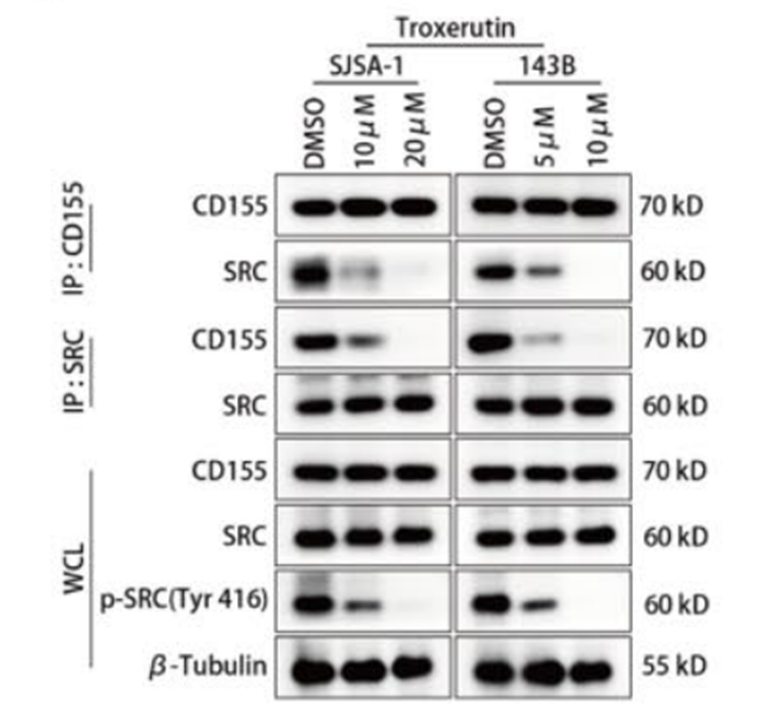
The co-IP experiment was conducted to investigate the interaction between CD155 and SRC in SJSA-1 and 143B cells following Troxerutin (5, 10, 20 μM) treatment.
Troxerutin purchased from MedChemExpress. Usage Cited in: Cell Mol Biol Lett. 2025 Apr 11;30(1):45. [Abstract]
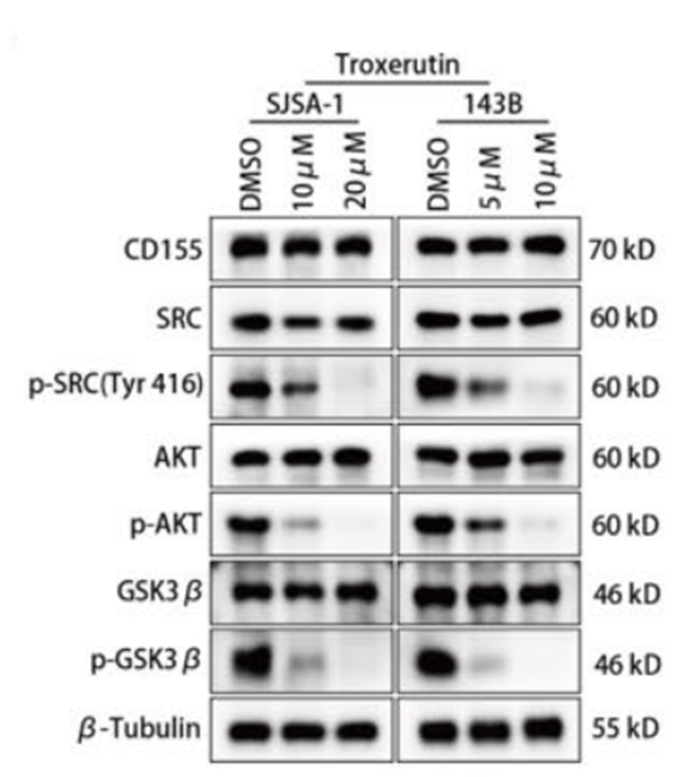
Western blot analysis was employed to assess alterations in the phosphorylated SRC, AKT, and GSK3β protein levels within OS cells following Troxerutin (5, 10, 20 μM) treatment.
Troxerutin purchased from MedChemExpress. Usage Cited in: Cell Mol Biol Lett. 2025 Apr 11;30(1):45. [Abstract]
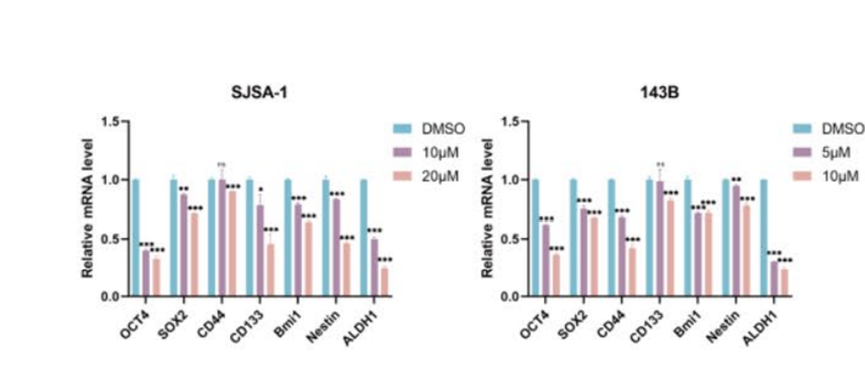
qRT-PCR was utilized to assess the expression levels of stemness markers in SJSA-1 and 143B cells following Troxerutin (5, 10, 20 μM) treatment.
-
Int J Mol Sci
Discovery of TRPV4-Targeting Small Molecules with Anti-Influenza Effects Through Machine Learning and Experimental Validation. [Abstract]2025 Feb 6;26(3):1381. PMID: 39941149 -
iScience
Activation of long-non-coding RNA NEAT1 sponging microRNA-147 inhibits radiation damage by targeting PDPK1 in troxerutin radioprotection. [Abstract]2023 Jan 5;26(2):105932. PMID: 36698722
Troxerutin purchased from MedChemExpress. Usage Cited in: iScience. 2023 Jan 5;26(2):105932. [Abstract]
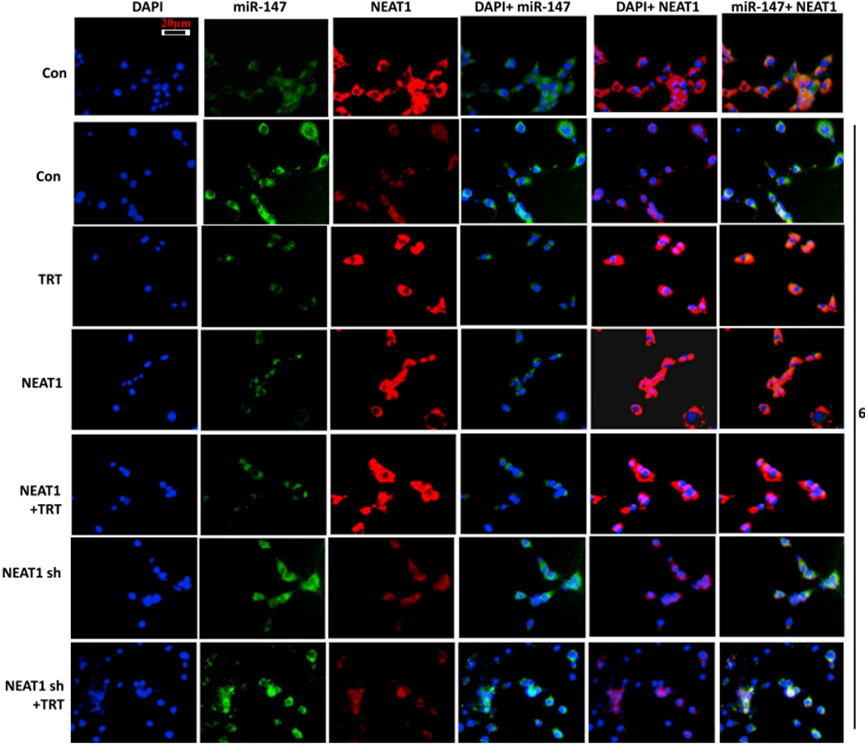
Fluorescence in situ hybridization analyze was used to detect NAET1 and miR-147 in irradiated BNL CL2 cells pretreated with Troxerutin (TRT) (10 μg/mL).
Troxerutin purchased from MedChemExpress. Usage Cited in: iScience. 2023 Jan 5;26(2):105932. [Abstract]
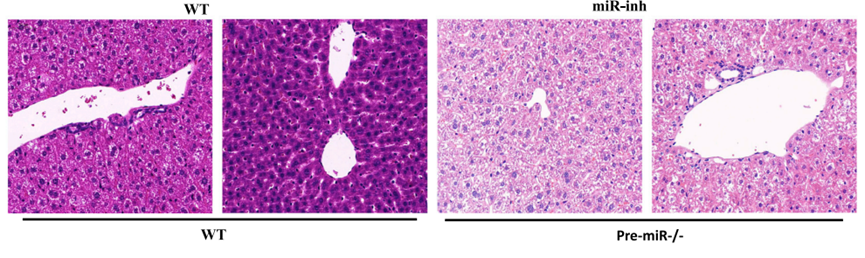
Effect of TRT on the liver histopathological changes after radiation in pre-miR−/− mice treated with Troxerutin (TRT) (10 μg/mL).


Solvent & Solubility
In Vitro:
DMSO : 100 mg/mL (134.65 mM; Need ultrasonic and warming; Hygroscopic DMSO has a significant impact on the solubility of product, please use newly opened DMSO)
H2O : ≥ 50 mg/mL (67.32 mM)
* "≥" means soluble, but saturation unknown.
Please refer to the solubility information to select the appropriate solvent. Once prepared, please aliquot and store the solution to prevent product inactivation from repeated freeze-thaw cycles.
Storage method and period of stock solution: -80°C, 2 years; -20°C, 1 year. When stored at -80°C, please use it within 2 years. When stored at -20°C, please use it within 1 year.
* Note: If you choose water as the stock solution, please dilute it to the working solution, then filter and sterilize it with a 0.22 μm filter before use.
Please refer to the solubility information to select the appropriate solvent. Once prepared, please aliquot and store the solution to prevent product inactivation from repeated freeze-thaw cycles.
Storage method and period of stock solution: -80°C, 2 years; -20°C, 1 year. When stored at -80°C, please use it within 2 years. When stored at -20°C, please use it within 1 year.
* Note: If you choose water as the stock solution, please dilute it to the working solution, then filter and sterilize it with a 0.22 μm filter before use.
Concentration (start) × Volume (start) = Concentration (final) × Volume (final)
In Vivo:
Select the appropriate dissolution method based on your experimental animal and administration route.
- For the following dissolution methods, please ensure to first prepare a clear stock solution using an In Vitro approach and then sequentially add co-solvents:
- To ensure reliable experimental results, the clarified stock solution can be appropriately stored based on storage conditions. As for the working solution for In Vivo experiments, it is recommended to prepare freshly and use it on the same day.
- The percentages shown for the solvents indicate their volumetric ratio in the final prepared solution. If precipitation or phase separation occurs during preparation, heat and/or sonication can be used to aid dissolution.
Add each solvent one by one: 10% DMSO 40% PEG300 5% Tween-80 45% Saline
Solubility: ≥ 2.5 mg/mL (3.37 mM); Clear solution
This protocol yields a clear solution of ≥ 2.5 mg/mL (saturation unknown).
Taking 1 mL working solution as an example, add 100 μL DMSO stock solution (25.0 mg/mL) to 400 μL PEG300, and mix evenly; then add 50 μL Tween-80 and mix evenly; then add 450 μL Saline to adjust the volume to 1 mL.
Preparation of Saline: Dissolve 0.9 g sodium chloride in ddH₂O and dilute to 100 mL to obtain a clear Saline solution.
Add each solvent one by one: 10% DMSO 90% (20% SBE-β-CD in Saline)
Solubility: ≥ 2.5 mg/mL (3.37 mM); Clear solution
This protocol yields a clear solution of ≥ 2.5 mg/mL (saturation unknown).
Taking 1 mL working solution as an example, add 100 μL DMSO stock solution (25.0 mg/mL) to 900 μL 20% SBE-β-CD in Saline, and mix evenly.
Preparation of 20% SBE-β-CD in Saline (4°C, storage for one week): 2 g SBE-β-CD powder is dissolved in 10 mL Saline, completely dissolve until clear.
For the following dissolution methods, please prepare the working solution directly:
It is recommended to prepare fresh solutions and use them promptly within a short period of time.
The percentages shown for the solvents indicate their volumetric ratio in the final prepared solution. If precipitation or phase separation occurs during preparation, heat and/or sonication can be used to aid dissolution.
Add each solvent one by one: 0.5% CMC-Na/saline water
Solubility: 24 mg/mL (32.32 mM); Clear solution; Need ultrasonic
In Vivo Dissolution Calculator
Please enter the basic information of animal experiments:
-
-
-
-
Recommended: Prepare an additional quantity of animals to account for potential losses during experiments.
Working solution concentration: 0.22 mg/mL
This product has good water solubility, please refer to the measured solubility data in water/PBS/Saline for details.


Purity & Documentation
-
Data Sheet (283 KB)
-
SDS (393 KB)
- English - EN (393 KB)
- Français - FR (393 KB)
- Deutsch - DE (393 KB)
- Norwegian - NO (393 KB)
- Español - ES (393 KB)
- Swedish - SV (393 KB)
- Italian - IT (393 KB)
- Korean - KR (393 KB)
- Portuguese - PT (393 KB)
-
Handling Instructions (2659 KB)
References
[1]. Lim KM, et al. Analysis of changes in microRNA expression profiles in response to the troxerutin-mediated antioxidant effect in human dermal papilla cells. Mol Med Rep. 2015 Aug;12(2):2650-60. [Content Brief]
[2]. Zhang Z, et al. Troxerutin Attenuates Enhancement of Hepatic Gluconeogenesis by Inhibiting NOD Activation-Mediated Inflammation in High-Fat Diet-Treated Mice. Int J Mol Sci. 2016 Dec 25;18(1). pii: E31. [Content Brief]
[3]. Badalzadeh R, et al. Beneficial effect of troxerutin on diabetes-induced vascular damages in rat aorta: histopathological alterations and antioxidation mechanism. Int J Endocrinol Metab. 2015 Apr 30;13(2):e25969. [Content Brief]


Complete Stock Solution Preparation Table
Please refer to the solubility information to select the appropriate solvent. Once prepared, please aliquot and store the solution to prevent product inactivation from repeated freeze-thaw cycles.
Storage method and period of stock solution: -80°C, 2 years; -20°C, 1 year. When stored at -80°C, please use it within 2 years. When stored at -20°C, please use it within 1 year.
| Optional Solvent | Concentration Solvent Mass | 1 mg | 5 mg | 10 mg | 25 mg |
|---|---|---|---|---|---|
| H2O / DMSO | 1 mM | 1.3465 mL | 6.7324 mL | 13.4647 mL | 33.6619 mL |
| 5 mM | 0.2693 mL | 1.3465 mL | 2.6929 mL | 6.7324 mL | |
| 10 mM | 0.1346 mL | 0.6732 mL | 1.3465 mL | 3.3662 mL | |
| 15 mM | 0.0898 mL | 0.4488 mL | 0.8976 mL | 2.2441 mL | |
| 20 mM | 0.0673 mL | 0.3366 mL | 0.6732 mL | 1.6831 mL | |
| 25 mM | 0.0539 mL | 0.2693 mL | 0.5386 mL | 1.3465 mL | |
| 30 mM | 0.0449 mL | 0.2244 mL | 0.4488 mL | 1.1221 mL | |
| 40 mM | 0.0337 mL | 0.1683 mL | 0.3366 mL | 0.8415 mL | |
| 50 mM | 0.0269 mL | 0.1346 mL | 0.2693 mL | 0.6732 mL | |
| 60 mM | 0.0224 mL | 0.1122 mL | 0.2244 mL | 0.5610 mL | |
| DMSO | 80 mM | 0.0168 mL | 0.0842 mL | 0.1683 mL | 0.4208 mL |
| 100 mM | 0.0135 mL | 0.0673 mL | 0.1346 mL | 0.3366 mL |
* Note: If you choose water as the stock solution, please dilute it to the working solution, then filter and sterilize it with a 0.22 μm filter before use.


Troxerutin Related Classifications
HY-N0139 Related Classifications
 Powered by Bioz