235 Results for "

GPCR

" in MedChemExpress (MCE) Product Catalog:
Products (235)

235 Results for "GPCR" in MCE Product Catalog:

2
2 Cited Publications
Cat. No.: HY-136390
CAS No.: 1386162-69-1
Purity:  99.50%
Target:  

Dopamine Receptor

Research Areas:  

Neurological Disease

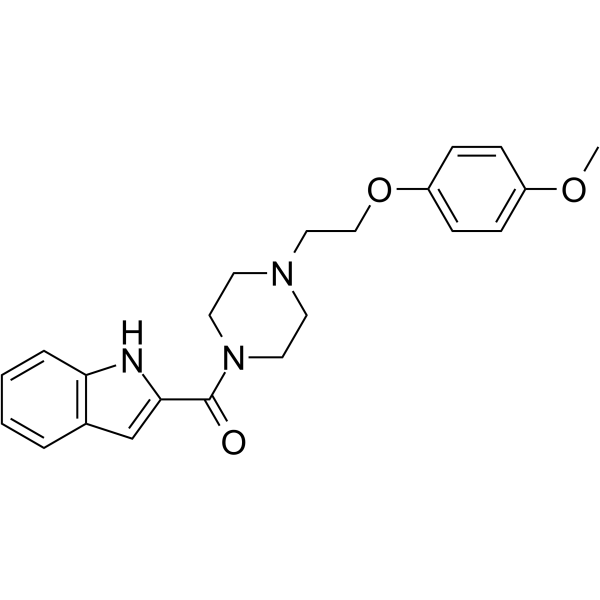
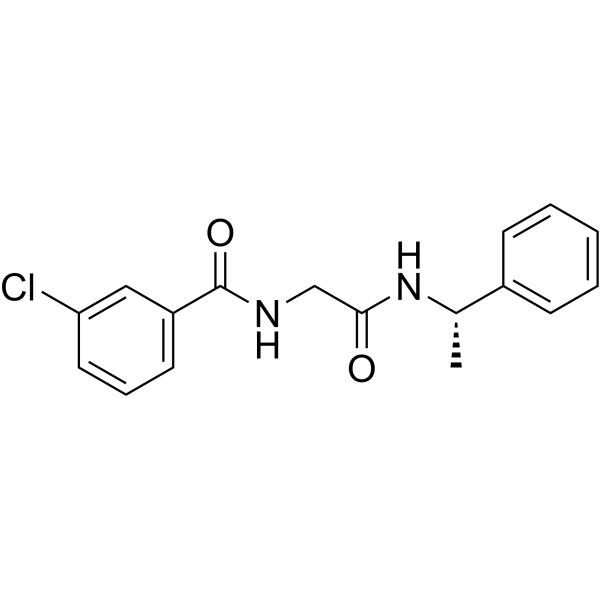
ML417 is a selective and brain penetrant D3 dopamine receptor (D3R) agonist, with an EC50 of 38 nM. ML417 potently promotes D3R-mediated β-arrestin translocation, G protein mediated signaling, and pERK phosphorylation with minimal effects on other GPCR-mediated signaling. ML417 exhibits neuroprotection against toxin-induced neurodegeneration of dopaminergic neurons .
loading...
    loading...
2
2 Cited Publications
Cat. No.: HY-107625A
CAS No.: 1781934-47-1
Purity:  99.90%
Target:  

MCHR1 (GPR24)

Research Areas:  

Neurological Disease

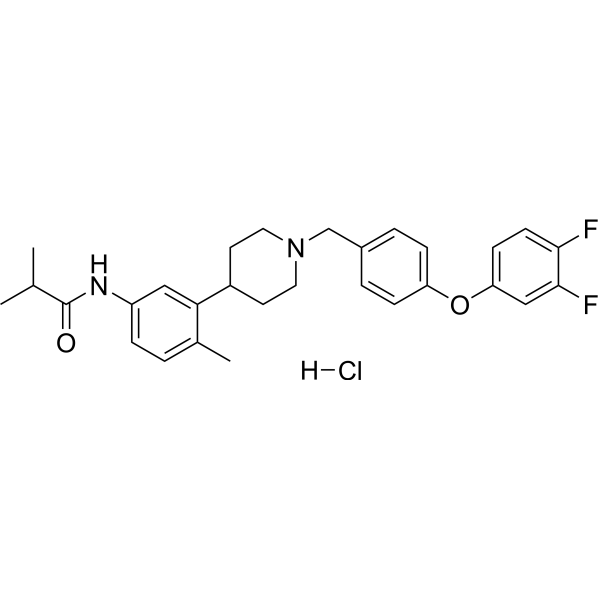
SNAP 94847 hydrochloride is a novel, high affinity selective melanin-concentrating hormonereceptor1 (MCHR1) antagonist with (Ki= 2.2 nM, Kd=530 pM), it displays >80-fold and >500-fold selectivity over MCHα1A and MCHD2 receptors respectively. SNAP 94847 hydrochloride binds with high affinity to the mouse and rat MCHR1 with minimal cross-reactivity to other GPCR, ion channels, enzymes, and transporters .
loading...
    loading...
2
2 Cited Publications
Cat. No.: HY-10499
CAS No.: 892546-37-1
Purity:  99.88%
Synonyms: BIM-46187
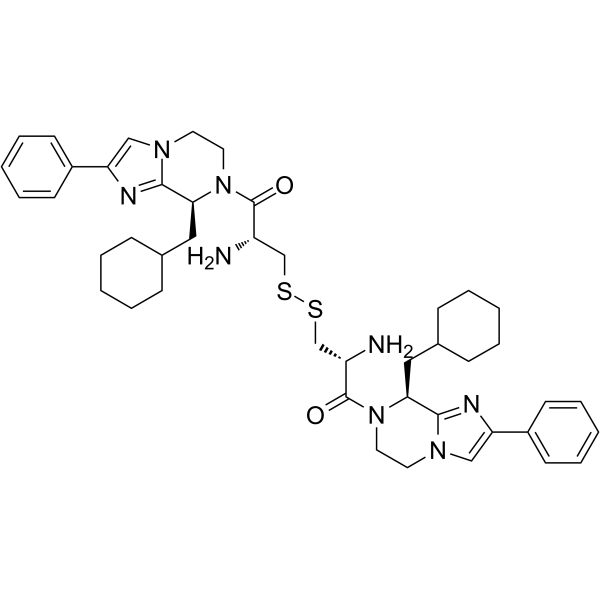
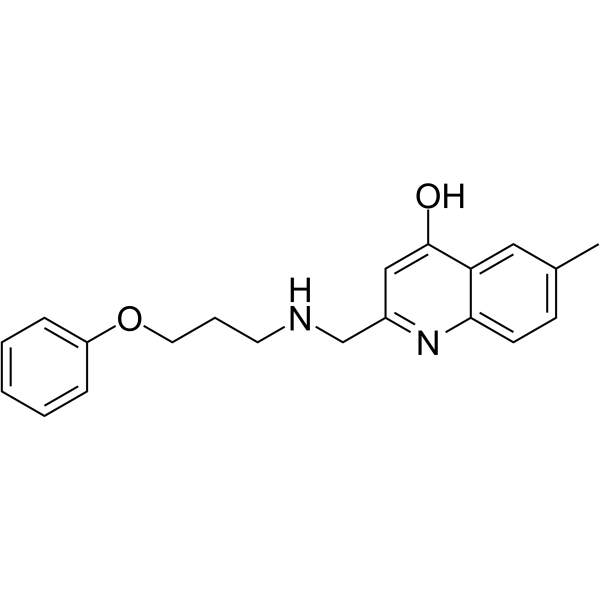
PH-064 (BIM-46187) is an orally active inhibitor of the heterotrimeric G-protein complex. PH-064 inhibits SERT activity and attenuates shear stress-induced Akt phosphorylation. PH-064 has potent anti-hyperalgesia activity. PH-064 inhibits G protein-coupled receptor-dependent tumorigenesis. PH-064 can be used in the study of pain (e.g., inflammatory pain, neuropathic pain), GPCR-dependent tumors, and inflammatory lung injury .
loading...
    loading...
2
2 Cited Publications
Cat. No.: HY-B2132
CAS No.: 61-54-1
Synonyms: 3-(2-Aminoethyl)indole~2-(3-Indolyl)ethylamine
Tryptamine is a selective, blood-brain-penetrating 5-HT4 receptor agonist (EC50=1-3 mM) and an endogenous ligand of the aryl hydrocarbon receptor (AHR) (Kd=10-50 nM). Tryptamine promotes intestinal anion secretion and fluid transport by activating G protein-coupled receptors (GPCRs) and accelerates gastrointestinal motility. Tryptamine regulates Th17/Treg balance to inhibit neuroinflammation, competitively binds to 5-HT receptors to regulate central nervous system activity, and participates in temperature regulation and spinal reflex regulation as a neuromodulator. Tryptamine can be used to study intestinal motility disorders such as functional constipation, and has shown significant efficacy in multiple sclerosis models .
loading...
    loading...
2
2 Cited Publications
Cat. No.: HY-113066A
CAS No.: 7415-69-2
Purity:  ≥95.0%
Synonyms: GDP disodium salt
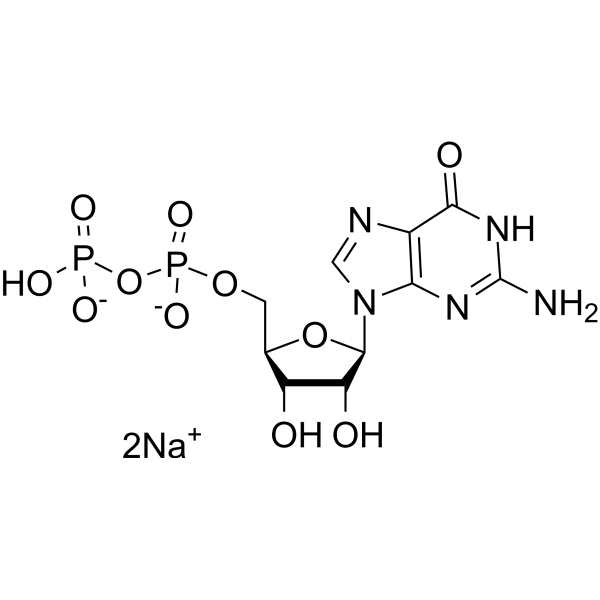
Guanosine 5'-diphosphate (GDP) disodium salt, a purine nucleoside diphosphate, is interconverted to guanosine by the action of exonucleotidase and phosphorylation of nucleoside to guanine. Guanosine 5'-diphosphate disodium salt activates adenosine 5'-triphosphate-sensitive K + channel and is used to study the kinetics and characteristics of GTPases such as those associated with G-protein coupled receptors (GPCR). Guanosine 5'-diphosphate disodium salt is a potential iron mobilizer, which prevents the Hepcidin (HY-P70400)-ferroportin interaction and modulates the interleukin-6 (IL-6)/stat-3 pathway. Elevated levels of guanosine 5’-diphosphate are associated with the pathogenesis of neurological diseases. Guanosine 5'-diphosphate disodium salt is promising for the research of inflammation, such as anemia of inflammation (AI) .
loading...
    loading...
1
1 Cited Publications
Cat. No.: HY-148087
CAS No.: 2787501-83-9
Purity:  99.89%
Target:  

RXFP Receptor

Research Areas:  

Cardiovascular Disease

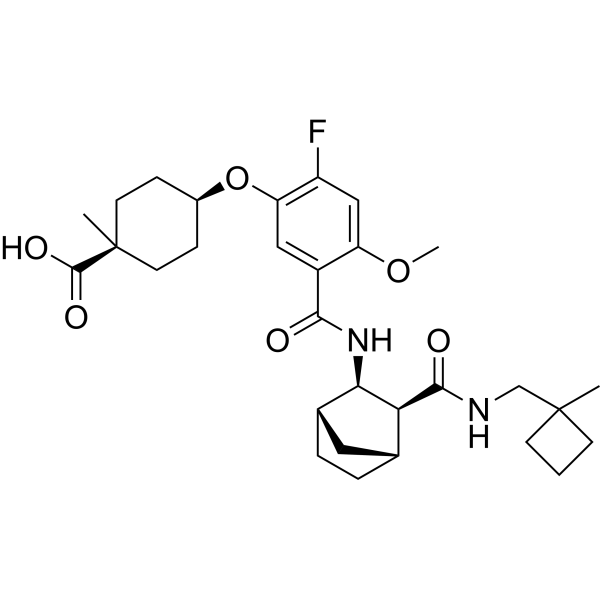
AZD5462 is a RXFP1 modulator, can be used for heart failure research. RXFP1 is the cognate receptor for human relaxin, belongs to GPCR family 1c number with anti-fibrotic and anti-inflammatory properties .
loading...
    loading...
1
1 Cited Publications
Cat. No.: HY-110098
CAS No.: 1110781-88-8
Purity:  99.85%
Synonyms: EPPTB
Ro 5212773 (EPPTB) is a potent and selective trace amine-associated receptor 1 (TAAR1) antagonist (Ki=0.9 nM for mouse TAAR1), with no significant effects on other TAARs. TAAR1 is a G protein-coupled receptor (GPCR) that is nonselectively activated by endogenous metabolites of amino acids .
loading...
    loading...
1
1 Cited Publications
Cat. No.: HY-116835
CAS No.: 2040401-92-9
Purity:  99.94%
Target:  

CCR

Research Areas:  

Inflammation/Immunology

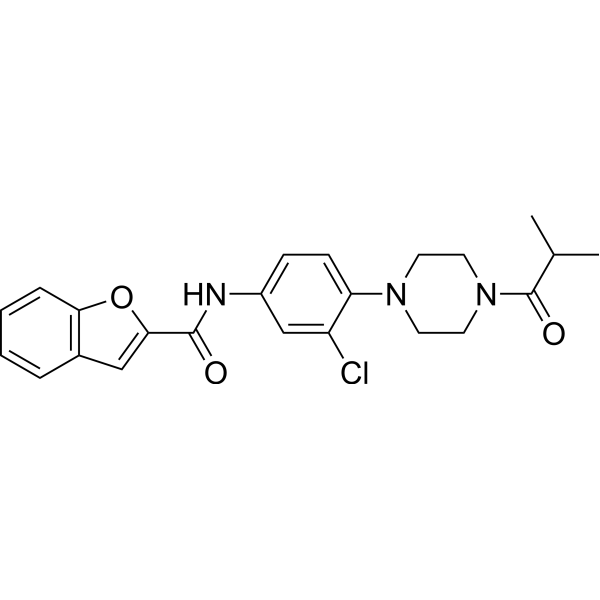
BI 6901 is a potent, selective CCR10 antagonist (pIC50=9.0). BI 6901 shows high selectivity over other GPCRs, including a number of other chemokine receptors. BI 6901 is efficacious in the murine DNFB model of contact hypersensitivity and can be used for inflammation research .
loading...
    loading...
1
1 Cited Publications
Cat. No.: HY-125880
CAS No.: 1849603-72-0
Purity:  99.73%
Target:  

Neurotensin Receptor

Research Areas:  

Neurological Disease Endocrinology

SBI-553 is a potent and brain penetrant NTR1 allosteric modulator, with an EC50 of 0.34 μM .
loading...
    loading...
1
1 Cited Publications
Cat. No.: HY-19838
CAS No.: 1802326-66-4
Target:  

GPR139

Research Areas:  

Neurological Disease

JNJ-63533054 is a potent, selective and orally active GPR139 agonist with an EC50 of 16 nM for human GPR139 (hGPR139). JNJ-63533054 shows selective for GPR139 over other GPCRs, ion channels, and transporters. JNJ-63533054 can cross the blood-brain barrier (BBB) .
loading...
    loading...
1
1 Cited Publications
Cat. No.: HY-P2278
CAS No.: 597578-70-6
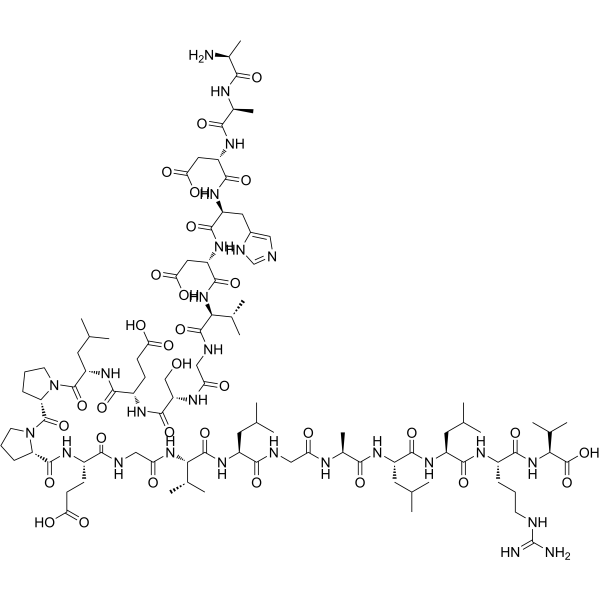
PEN (human), one of the most abundant hypothalamic neuropeptide and derived from the proprotein ProSAAS, is an endogenous ligand of GPR83 .
loading...
    loading...
1
1 Cited Publications
Cat. No.: HY-139950
CAS No.: 674359-73-0
Purity:  99.57%
Target:  

Ras

Research Areas:  

Cancer

Rasarfin is a dual Ras and ARF6 inhibitor .
loading...
    loading...
1
1 Cited Publications
Cat. No.: HY-125751
CAS No.: 1434515-70-4
Purity:  99.53%
Target:  

Dopamine Receptor

Research Areas:  

Neurological Disease

UCSF924, a chemical probe, is a potent and specific dopamine D4 receptor (DRD4) partial agonist with a EC50 of 4.2 nM. UCSF924 has no off-target effects on more than 320 non-olfactory GPCRs. UCSF924 can be used for research in the field of neuropsychiatric diseases .
loading...
    loading...
1
1 Cited Publications
Cat. No.: HY-107579
CAS No.: 72420-38-3
Purity:  99.25%
Synonyms: AY 25712
Target:  

GPR109A ERK

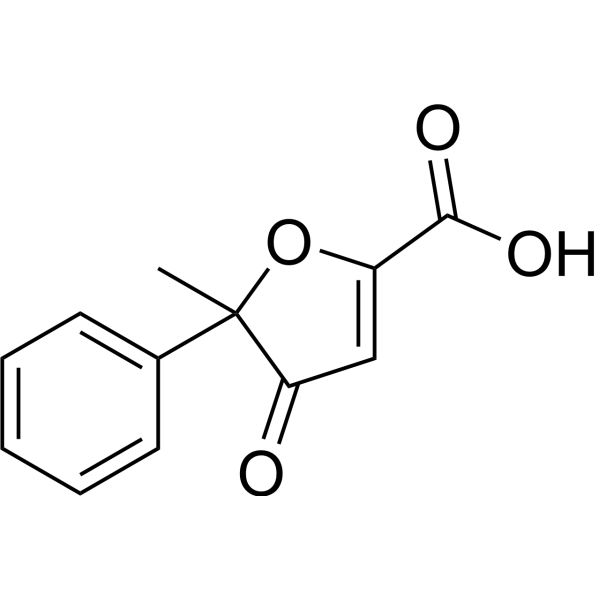
Acifran (AY 25712) is an orally active, full GPR109A and GPR109B agonist and hypolipidemic agent. Acifran reduces Forskolin (HY-15371)-induced cAMP elevation, triggers ERK1/ERK2 phosphorylation, and inhibits lipolysis in adipose tissue through Gi-coupled GPCR activation. Acifran is used for research on atherosclerosis, hyperlipidemia, and type 2 diabetes .
loading...
    loading...
1
1 Cited Publications
Cat. No.: HY-P2278A
PEN (human) TFA, one of the most abundant hypothalamic neuropeptide and derived from the proprotein ProSAAS, is an endogenous ligand of GPR83 .
loading...
    loading...
1
1 Cited Publications
Cat. No.: HY-139690
CAS No.: 2615910-00-2
Purity:  98.96%
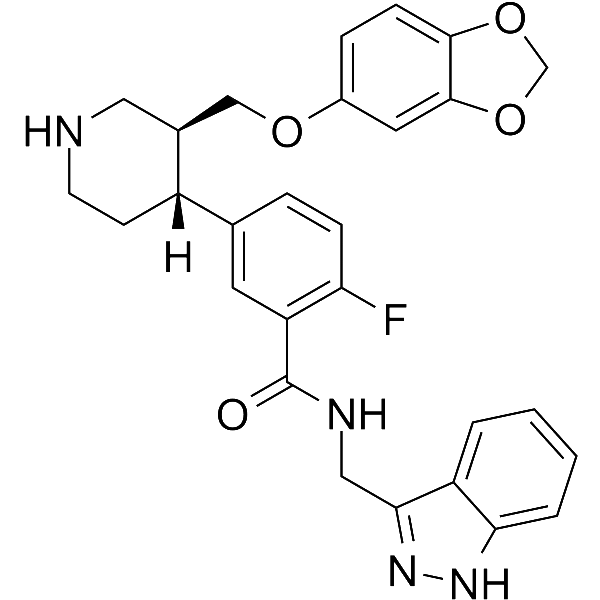
CCG258747 is a selective GRK2 inhibitor (IC50 = 18 nM) with high selectivity over GRK1, GRK5, PKA, and ROCK1 (518, 83, > 5500, and > 550-fold, respectively). CCG258747 also blocks the internalization of the µ-opioid receptor (MOR). CCG258747 attenuates IgE mediated anaphylaxis by inhibiting GRK2 and FcεRI signaling pathway but activates mast cells via MRGPRX2 and MRGPRB2. CCG258747 can be used to study diseases related to overexpression of GRK2 (such as heart failure, opioid tolerance) .
loading...
    loading...
1
1 Cited Publications
Cat. No.: HY-B1607
CAS No.: 77-38-3
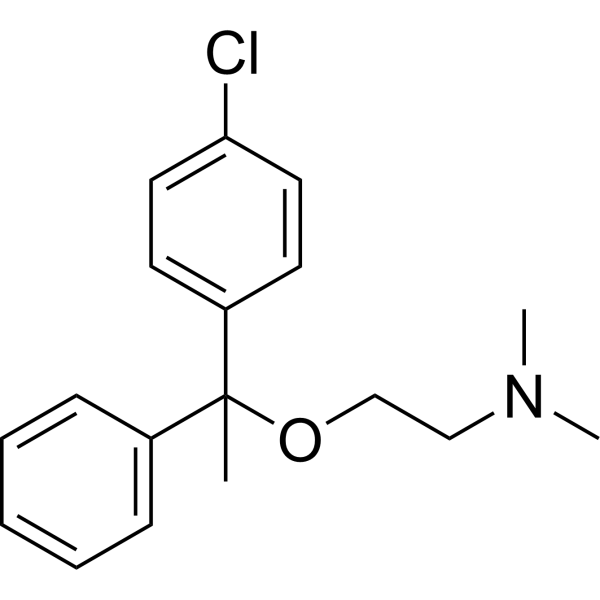
Chlorphenoxamine, an antihistamine and anticholinergic agent is a GPCR antagonist. Chlorphenoxamine inhibits multiple lethal viral diseases, such as SARS-CoV, MERS-CoV, EBOV and malaria. Chlorphenoxamine shows anti-filovirus activity against both EBOV and Marburg virus (MARV) with IC50s of 1.1 μM and 6.2 μM, respectively. Chlorphenoxamine is used for allergic conditions, urticaria, viral diseases and Parkinson’s disease .
loading...
    loading...
1
1 Cited Publications
Cat. No.: HY-W105750
CAS No.: 1191-25-9
Synonyms: 6-HHA
6-Hydroxyhexanoic acid (6-HHA) is a bacterial effector molecule with metabolic and immunomodulatory activities. 6-Hydroxyhexanoic acid activates the JAK1-STAT1 signaling pathway, promotes phenotypic conversion of M2 macrophages to M1 macrophages, and exerts anti-tumor effects by regulating macrophage polarization. 6-Hydroxyhexanoic acid inhibits lipolysis in adipocytes mediated by Gαi family GPCR, and reduces high-fat diet-induced weight gain and obesity. 6-Hydroxyhexanoic acid can be used in studies related to pancreatic ductal adenocarcinoma, obesity, and insulin resistance .
loading...
    loading...
1
1 Cited Publications
Cat. No.: HY-113478S
CAS No.: 347841-46-7
Purity:  99.52%
Synonyms: Ursodeoxycholate-d4; Ursodiol-d4; UDCA-d4
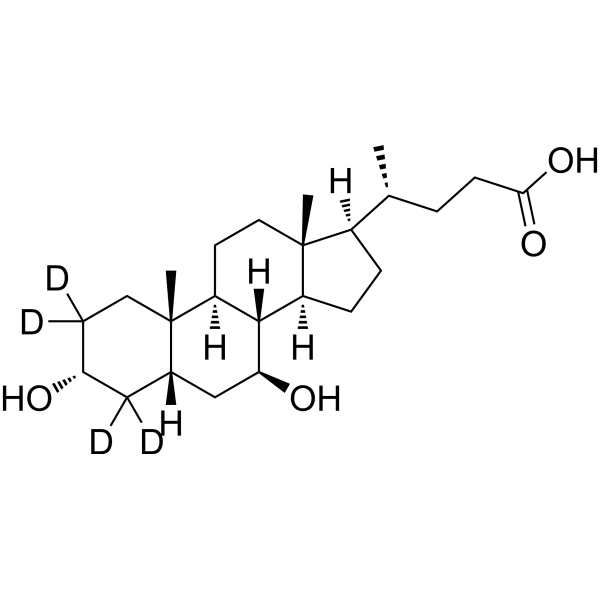
Ursodeoxycholic acid-2,2,4,4-d4 is the deuterium labeled Ursodeoxycholic acid (HY-13771). Ursodeoxycholic acid is a secondary bile acid issued from the transformation of (cheno)deoxycholic acid by intestinal bacteria, acting as a key regulator of the intestinal barrier integrity and essential for lipid metabolism. Ursodeoxycholic acid acts as signaling molecule, exerting its effects by interacting with bile acid activated receptors, including G-protein coupled bile acid receptor 5 (TGR5, GPCR19) and the farnesoid X receptor (FXR). Ursodeoxycholic acid can be used for the research of a variety of hepatic and gastrointestinal diseases. Ursodeoxycholic acid also reduces ACE2 expression and is beneficial for reducing SARS-CoV-2 infection .
loading...
    loading...
1
1 Cited Publications
Cat. No.: HY-119442
CAS No.: 143816-42-6
Target:  

Leukotriene Receptor

Research Areas:  

Cardiovascular Disease

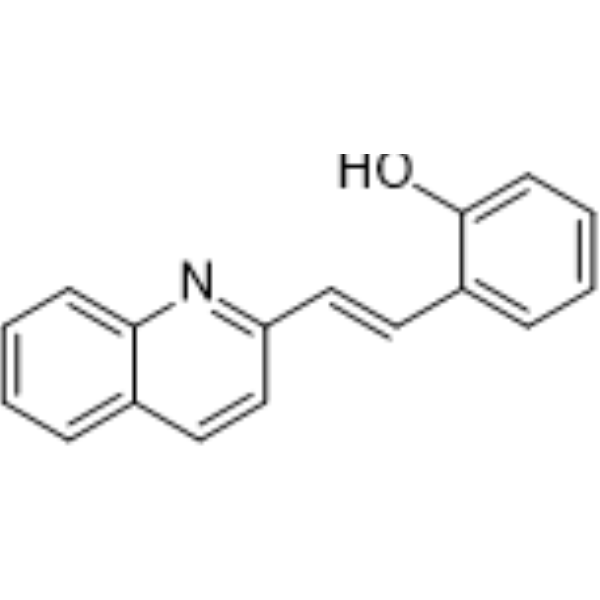
Quininib is a cysteinyl leukotriene 1 and 2 receptor antagonist with IC50s of 1.2 and 52 μM for CysLT1R and CysLT2R, respectively. Quininib is a potent inhibitor of developmental angiogenesis in the zebrafish eye. Quininib can be used for the research of ocular neovascular pathologies and may complement current anti-VEGF biological agents .
loading...
    loading...

