



IRG1-IN-1
Based on 10 publication(s) in Google Scholar
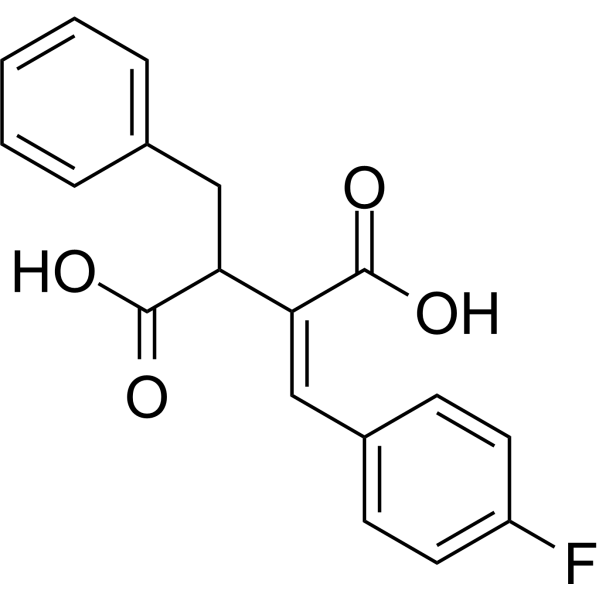
IRG1-IN-1 is an itaconic acid derivative. IRG1-IN-1 can inhibit immune-responsive gene 1 (IRG1) activity. IRG1-IN-1 can be used for the research of cancer, inflammation and autoimmune diseases.
For research use only. We do not sell to patients.
- Purity : 99.80%
- CAS No.: 2407652-42-8
- Formula: C18H15FO4
- Molecular Weight:314.31
-
Storage:
4°C, sealed storage, away from moisture and light
* In solvent : -80°C, 6 months; -20°C, 1 month (sealed storage, away from moisture and light)

To place orders, for customer services and technical support, please contact: MedChemExpress USA
Tel: 609-228-6898 E-mail: [email protected] [email protected]


-
 Biological Activity
-
Chemical Information
-
Solvent & Solubility
- Protocols
- Purity & Documentation
- References
-
 Help & FAQs


-
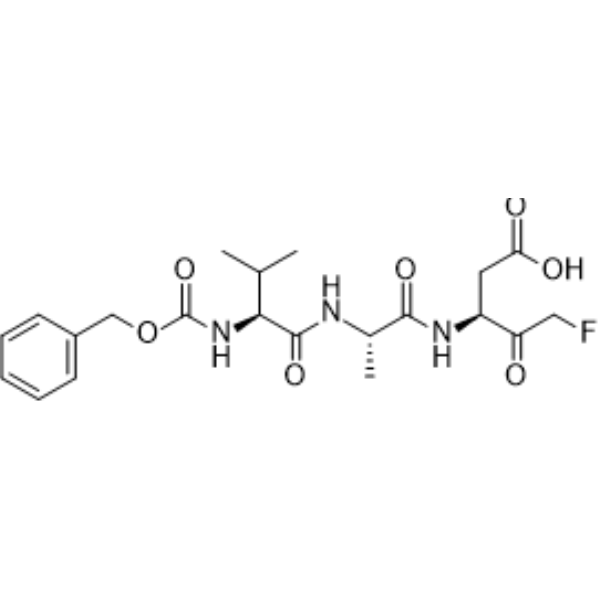
HY-16658B
Z-VAD-FMKPan-Caspase Inhibitor -
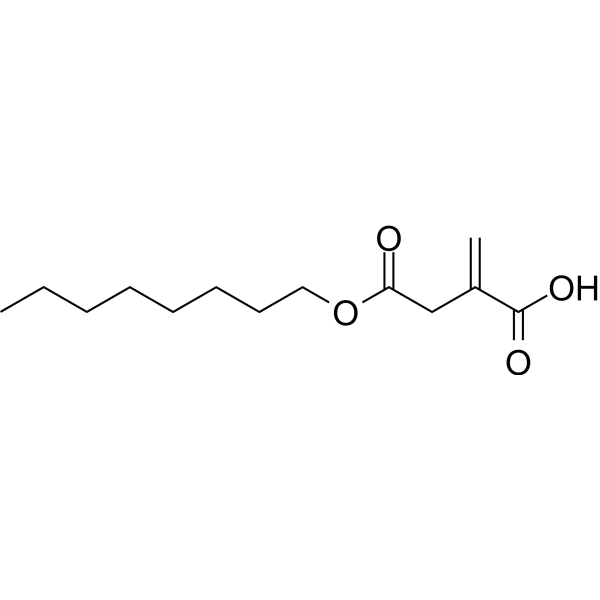
HY-112675
4-Octyl itaconateNrf2 Activator -
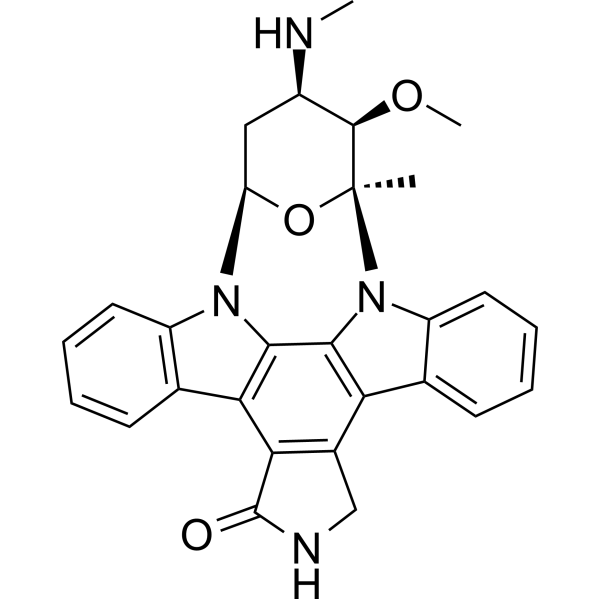
HY-15141
StaurosporinePKC/PKA Inhibitor -
HY-Y0320
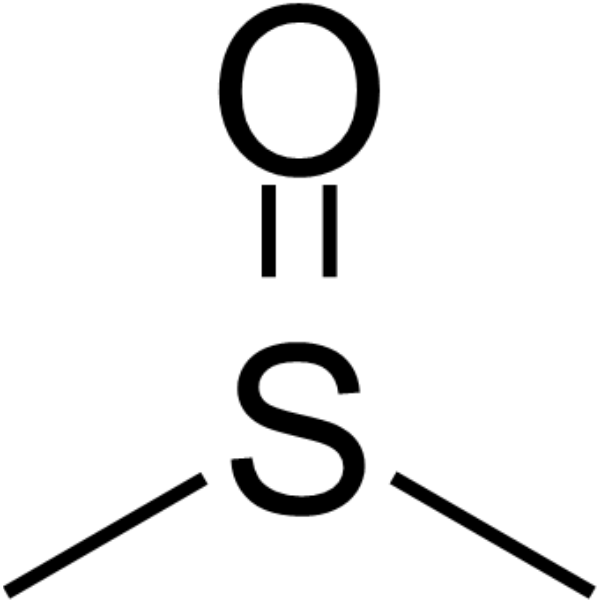
Dimethyl sulfoxide, meets analytical specification of Ch.P.Aprotic Solvent -
HY-10182
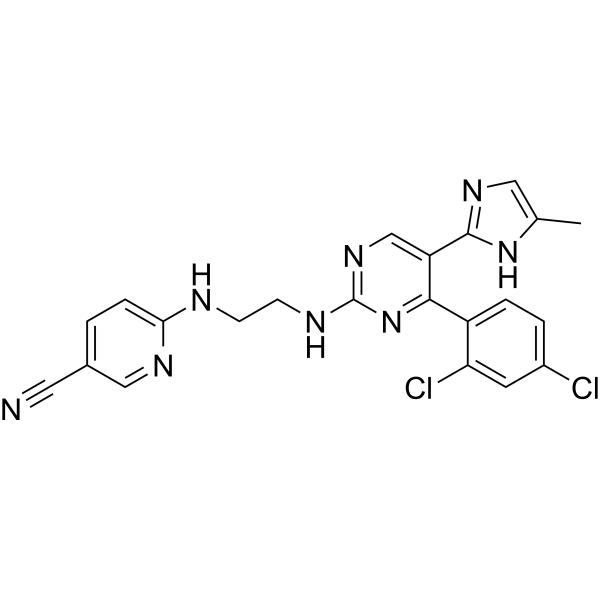
LaduviglusibGSK-3 Inhibitor -
HY-128868A
FITC-Dextran (MW 4000)Fluorescent Dye -
HY-125746
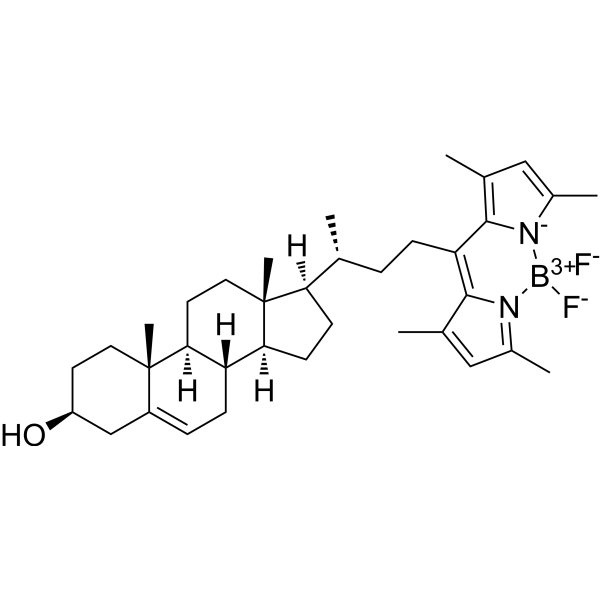
BODIPY-CholesterolFluorescent Dye -
HY-15723A
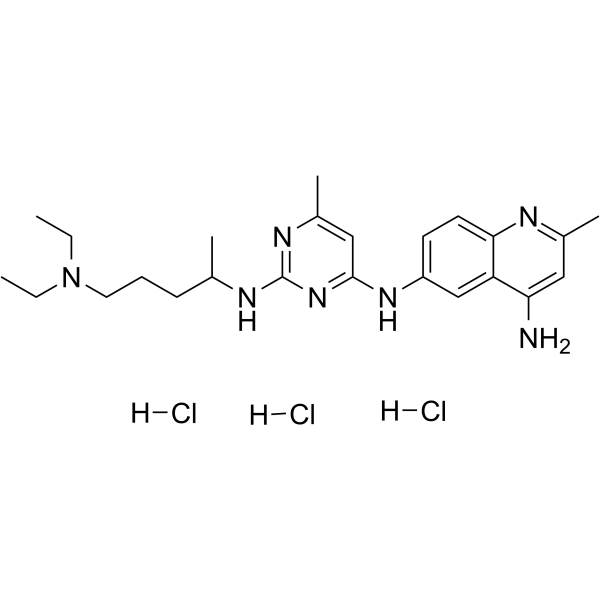
NSC 23766 trihydrochlorideRac Inhibitor -
HY-100004
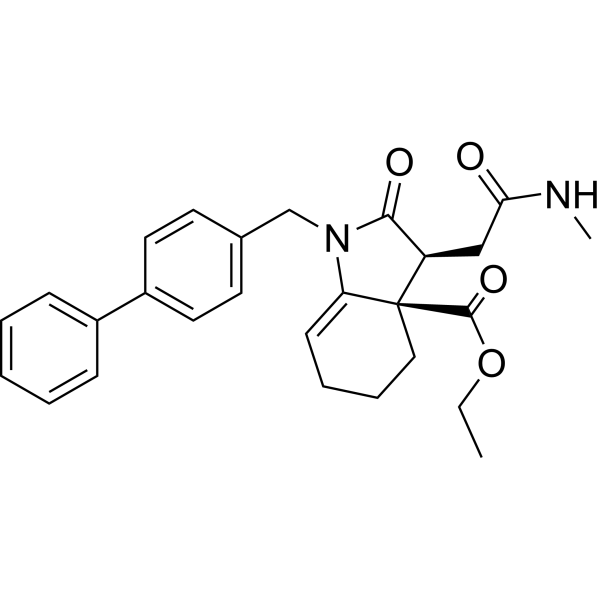
Fumarate hydratase-IN-1Fumarate Hydratase Inhibitor
Publications Citing Use of MedChemExpress (MCE) IRG1-IN-1
More- Nature. 2026 Apr;652(8111):1004-1015. [Abstract]
- Nat Commun. 2025 Nov 26;16(1):10551. [Abstract]
- Redox Biol. 2026 May:92:104101. [Abstract]
- Cardiovasc Diabetol. 2026 Jan 14;25(1):38.
- J Nanobiotechnology. 2025 Jul 15;23(1):514. [Abstract]
- Cell Prolif. 2025 Sep 22:e70130. [Abstract]
- Sci Rep. 2026 Mar 31. [Abstract]
- Med Gas Res. 2026 Mar 1;16(1):26-32. [Abstract]
- J Leukoc Biol. 2026 Mar 11:qiag034. [Abstract]
- Université de Montréal. 2025 Mar.
 Customer Validation & Images

-
In Vivo Efficacy Study
-
WB
-
Bio/Physico-chemical Assay
-
WB
-
Cell Proliferation/Viability Assay


Biological Activity
Description
In Vitro
IRG1-IN-1(compound 6) (0.5 mM; 2 mM) reduces production of itaconic acid and the secretion of TNFα from LPS-stimulated human monocyte derived macrophages (hMDMs) [1].
IRG1-IN-1 (0.5 mM; 1 mM) inhibits the proliferation of C-IRG1-9 rat glioma cells[1].
IRG1-IN-1(10 nM) increases proliferation of TCR-activated hCD8+ T cells[1].
IRG1-IN-1(10μM) shows depletion of trimethylation of histone 3 at lysine 4 (H3K4me3) in CR-activated hCD8+ T cells[1].
MedChemExpress (MCE) has not independently confirmed the accuracy of these methods. They are for reference only.
-
Cell Line:TCR-activated hCD8+ T cells
-
Concentration:10 μM
-
Incubation Time:24-72 h
-
Result:Decreased protein levels of histone 3 (H3).
-
Cell Line:C-IRG1-9 rat glioma cells and TCR-activated hCD8+ T cells
-
Concentration:0.5 mM; 1 mM; 10 nM
-
Incubation Time:48-96 h
-
Result:Inhibited the proliferation of C-IRG1-9 rat glioma cells and increased proliferation of TCR-activated hCD8+ T cells.
In Vivo
MedChemExpress (MCE) has not independently confirmed the accuracy of these methods. They are for reference only.
-
Animal Model:C57BL/6 mice[1]
-
Dosage:0.2 mg/kg
-
Administration:IP; 27 days
-
Result:Increased survival of C57BL/6 mice bearing mouse CT26 colorectal tumors.
Decreased intratumoral frequency of M-MDSCs in tumors.


Chemical Information
-
CAS No. 2407652-42-8
-
Appearance Solid
-
Molecular Weight 314.31
-
Formula C18H15FO4
-
Color White to off-white
-
SMILES
O=C(O)/C(C(CC1=CC=CC=C1)C(O)=O)=C\C2=CC=C(F)C=C2
-
Shipping
Room temperature in continental US; may vary elsewhere.
-
Storage
4°C, sealed storage, away from moisture and light
* In solvent : -80°C, 6 months; -20°C, 1 month (sealed storage, away from moisture and light)


Publications (10)
-
Journal Impact Factor
-
Most Recent
-
Nature
2026 Apr;652(8111):1004-1015. PMID: 41639460
IRG1-IN-1 purchased from MedChemExpress. Usage Cited in: Nature. 2026 Apr;652(8111):1004-1015. [Abstract]
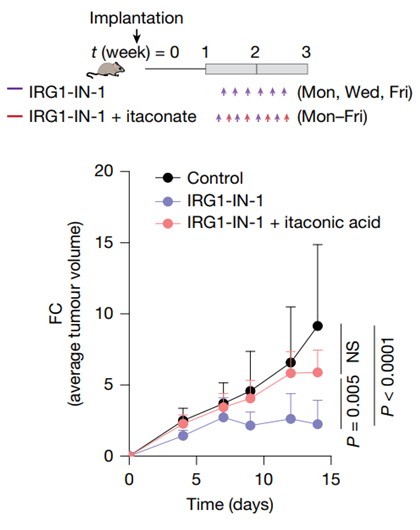
Fold change in tumour volume of mice with ZFTA–RELA mNSC xenografts and treated with vehicle (control; n = 5), an ACOD1-specific inhibitor (IRG1-IN-1, 1 mg/kg, intraperitoneally (i.p.); n = 6) or a combination of IRG1-IN-1 (1 mg/kg, i.p.) and itaconate (25 mg/kg, i.v.; n = 8). IRG1-IN-1 significantly slowed tumour growth.
IRG1-IN-1 purchased from MedChemExpress. Usage Cited in: Nature. 2026 Apr;652(8111):1004-1015. [Abstract]
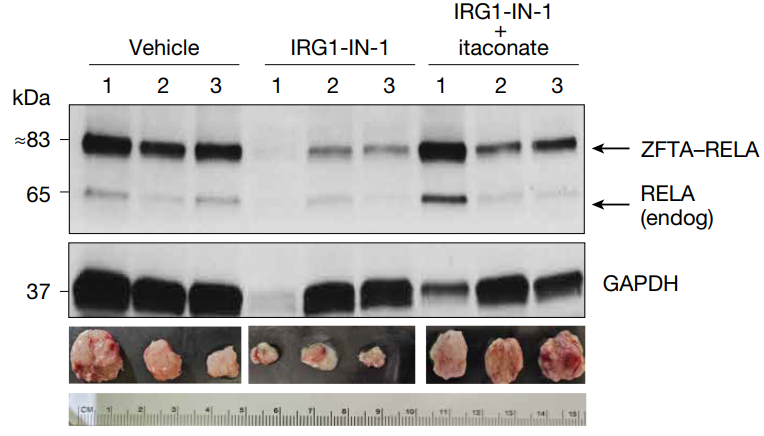
Western blot analysis of ZFTA–RELA, endogenous RELA and GAPDH levels was performed in tumour tissues (n = 3 per group) from mice bearing ZFTA–RELA mNSC xenografts. Mice were treated with vehicle, IRG1-IN-1 (1 mg/kg; i.p.; once every other day for 2 weeks), or the combination of IRG1-IN-1 and itaconate (25 mg/kg; i.v.). Tumour images are shown below. IRG1-IN-1 reduced ZFTA–RELA protein levels in vivo, and this effect was rescued by itaconate supplementation.
-
Nat Commun
Itaconate transport across the plasma membrane and Salmonella-containing vacuole via MCT1/4 modulates macrophage antibacterial activity. [Abstract]2025 Nov 26;16(1):10551. PMID: 41298379
IRG1-IN-1 purchased from MedChemExpress. Usage Cited in: Nat Commun. 2025 Nov 26;16(1):10551. [Abstract]
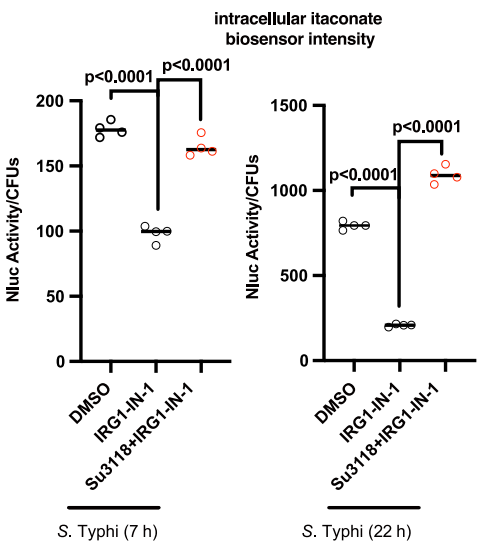
RAW264.7 cells treated with IRG1-IN-1 (1 mM) and Su3118 were infected with S. Typhi encoding the nanoluciferase-dependent itaconate biosensor for 22 h.
-
Redox Biol
Stromal cell-derived itaconate promotes endometriosis via macrophage NRF2 and lysosomal pH modulation. [Abstract]2026 May:92:104101. PMID: 41780193 -
-
J Nanobiotechnology
Reprogramming tumor-associated macrophages and blocking PD-L1 via engineered outer membrane vesicles to enhance T cell infiltration and cytotoxic functions. [Abstract]2025 Jul 15;23(1):514. PMID: 40660251 -
Cell Prolif
LCN2-ACOD1 Signalling Affects the Post-Injury Regeneration of Skeletal Muscle Through Mediating Ferroptosis. [Abstract]2025 Sep 22:e70130. PMID: 40984022
IRG1-IN-1 purchased from MedChemExpress. Usage Cited in: Cell Prolif. 2025 Sep 22:e70130. [Abstract]
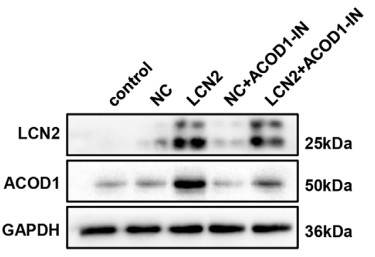
Western blots were used to verify the protein expression level of LCN2 and ACOD1 after overexpression of LCN2 with or without 20 μM IRG1-IN-1 (ACOD1-IN) after 48 h of treatment. IRG1-IN-1 (ACOD1-IN) inhibited the upregulation of ACOD1 protein expression levels.
IRG1-IN-1 purchased from MedChemExpress. Usage Cited in: Cell Prolif. 2025 Sep 22:e70130. [Abstract]
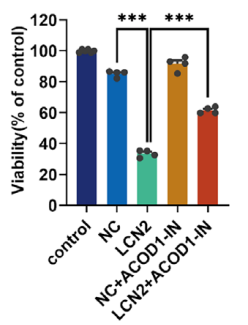
Cell viability of C2C12 myoblasts after overexpression of LCN2 either alone or in the presence of 20 μM IRG1-IN-1 (ACOD1-IN) after 48 h of treatment. ACOD1-IN alleviated the inhibitory effect of LCN2 on cell viability.
-
Sci Rep
Pomolic acid alleviates CCl4‑induced liver fibrosis in mice by suppressing β-arrestin 2-mediated pro-fibrotic macrophage polarization. [Abstract]2026 Mar 31. PMID: 41917130 -
Med Gas Res
Mechanism by which hydrogen-rich water mitigates exercise-induced fatigue: activation of the immunoresponsive gene 1-itaconate/nuclear factor erythroid 2-related factor 2/heme oxygenase-1 pathway. [Abstract]2026 Mar 1;16(1):26-32. PMID: 40580185 -
J Leukoc Biol
Mitochondrial electron transport chain modulation orchestrates divergent TLR3 and TLR7 responses. [Abstract]2026 Mar 11:qiag034. PMID: 41811758 -


Solvent & Solubility
In Vitro:
DMSO : 100 mg/mL (318.16 mM; Need ultrasonic; Hygroscopic DMSO has a significant impact on the solubility of product, please use newly opened DMSO)
Please refer to the solubility information to select the appropriate solvent. Once prepared, please aliquot and store the solution to prevent product inactivation from repeated freeze-thaw cycles.
Storage method and period of stock solution: -80°C, 6 months; -20°C, 1 month (sealed storage, away from moisture and light). When stored at -80°C, please use it within 6 months. When stored at -20°C, please use it within 1 month.
Please refer to the solubility information to select the appropriate solvent. Once prepared, please aliquot and store the solution to prevent product inactivation from repeated freeze-thaw cycles.
Storage method and period of stock solution: -80°C, 6 months; -20°C, 1 month (sealed storage, away from moisture and light). When stored at -80°C, please use it within 6 months. When stored at -20°C, please use it within 1 month.
Concentration (start) × Volume (start) = Concentration (final) × Volume (final)
In Vivo:
Select the appropriate dissolution method based on your experimental animal and administration route.
- For the following dissolution methods, please ensure to first prepare a clear stock solution using an In Vitro approach and then sequentially add co-solvents:
- To ensure reliable experimental results, the clarified stock solution can be appropriately stored based on storage conditions. As for the working solution for In Vivo experiments, it is recommended to prepare freshly and use it on the same day.
- The percentages shown for the solvents indicate their volumetric ratio in the final prepared solution. If precipitation or phase separation occurs during preparation, heat and/or sonication can be used to aid dissolution.
Add each solvent one by one: 10% DMSO 40% PEG300 5% Tween-80 45% Saline
Solubility: ≥ 2.5 mg/mL (7.95 mM); Clear solution
This protocol yields a clear solution of ≥ 2.5 mg/mL (saturation unknown).
Taking 1 mL working solution as an example, add 100 μL DMSO stock solution (25.0 mg/mL) to 400 μL PEG300, and mix evenly; then add 50 μL Tween-80 and mix evenly; then add 450 μL Saline to adjust the volume to 1 mL.
Preparation of Saline: Dissolve 0.9 g sodium chloride in ddH₂O and dilute to 100 mL to obtain a clear Saline solution.
Add each solvent one by one: 10% DMSO 90% (20% SBE-β-CD in Saline)
Solubility: ≥ 2.5 mg/mL (7.95 mM); Clear solution
This protocol yields a clear solution of ≥ 2.5 mg/mL (saturation unknown).
Taking 1 mL working solution as an example, add 100 μL DMSO stock solution (25.0 mg/mL) to 900 μL 20% SBE-β-CD in Saline, and mix evenly.
Preparation of 20% SBE-β-CD in Saline (4°C, storage for one week): 2 g SBE-β-CD powder is dissolved in 10 mL Saline, completely dissolve until clear.
In Vivo Dissolution Calculator
Please enter the basic information of animal experiments:
-
-
-
-
Recommended: Prepare an additional quantity of animals to account for potential losses during experiments.
Please enter your animal formula composition:
-
%DMSO +
Recommended: Keep the proportion of DMSO in working solution below 2% if your animal is weak.
-
%+
-
+%Tween-80 + +
-
%Saline +
The co-solvents required include: DMSO, . All of co-solvents are available by MedChemExpress (MCE). , Tween 80. All of co-solvents are available by MedChemExpress (MCE).
Working solution concentration: 0.22 mg/mL
Method for preparing stock solution: mg drug dissolved in μL DMSO. Stock solution concentration: mg/mL. * In solvent : -80°C, 6 months; -20°C, 1 month (sealed storage, away from moisture and light)
1. Take μL DMSO stock solution;
2. Add μL .
μL , mix evenly;
3. Then add μL Tween 80, mix evenly;
4. Then add μL
Please ensure that the stock solution in the first step is dissolved to a clear state, and add co-solvents in sequence. You can use ultrasonic heating (ultrasonic cleaner, recommended frequency 20-40 kHz), vortexing, etc. to assist dissolution.


Purity & Documentation
-
Data Sheet (279 KB)
-
SDS (252 KB)
- English - EN (252 KB)
- Français - FR (252 KB)
- Deutsch - DE (252 KB)
- Norwegian - NO (252 KB)
- Español - ES (252 KB)
- Swedish - SV (252 KB)
- Italian - IT (252 KB)
- Korean - KR (252 KB)
- Portuguese - PT (252 KB)
-
Handling Instructions (2659 KB)
References


Complete Stock Solution Preparation Table
Please refer to the solubility information to select the appropriate solvent. Once prepared, please aliquot and store the solution to prevent product inactivation from repeated freeze-thaw cycles.
Storage method and period of stock solution: -80°C, 6 months; -20°C, 1 month (sealed storage, away from moisture and light). When stored at -80°C, please use it within 6 months. When stored at -20°C, please use it within 1 month.
| Optional Solvent | Concentration Solvent Mass | 1 mg | 5 mg | 10 mg | 25 mg |
|---|---|---|---|---|---|
| DMSO | 1 mM | 3.1816 mL | 15.9079 mL | 31.8157 mL | 79.5393 mL |
| 5 mM | 0.6363 mL | 3.1816 mL | 6.3631 mL | 15.9079 mL | |
| 10 mM | 0.3182 mL | 1.5908 mL | 3.1816 mL | 7.9539 mL | |
| 15 mM | 0.2121 mL | 1.0605 mL | 2.1210 mL | 5.3026 mL | |
| 20 mM | 0.1591 mL | 0.7954 mL | 1.5908 mL | 3.9770 mL | |
| 25 mM | 0.1273 mL | 0.6363 mL | 1.2726 mL | 3.1816 mL | |
| 30 mM | 0.1061 mL | 0.5303 mL | 1.0605 mL | 2.6513 mL | |
| 40 mM | 0.0795 mL | 0.3977 mL | 0.7954 mL | 1.9885 mL | |
| 50 mM | 0.0636 mL | 0.3182 mL | 0.6363 mL | 1.5908 mL | |
| 60 mM | 0.0530 mL | 0.2651 mL | 0.5303 mL | 1.3257 mL | |
| 80 mM | 0.0398 mL | 0.1988 mL | 0.3977 mL | 0.9942 mL | |
| 100 mM | 0.0318 mL | 0.1591 mL | 0.3182 mL | 0.7954 mL |


IRG1-IN-1 Related Classifications
HY-148335 Related Classifications
 Powered by Bioz