



Rimegepant
Based on 12 publication(s) in Google Scholar
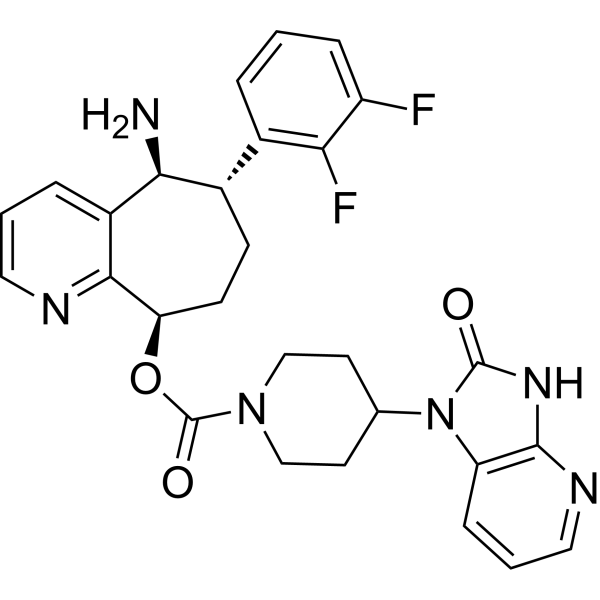
Rimegepant (BMS-927711; BHV-3000) is an orally bioavailable and blood-brain barrier permeable antagonist of CGRP and AMY1 receptors, with a pIC50 of 8.01 and a Ki of 0.027 nM for human CGRP receptors. Rimegepant antagonizes cAMP production induced by αCGRP, βCGRP and amylin at CGRP and AMY1 receptors in humans, rats and mice, as well as at rat AMY3 receptors. Rimegepant can be used in research related to migraine .
연구목적의 판매만을 진행합니다. 환자를 대상으로 한 판매는 하지 않습니다.
- Purity : 99.99%
- CAS No.: 1289023-67-1
- 화학식: C28H28F2N6O3
- 분자량:534.56
-
보관:Powder -20°C, 3 years , 4°C, 2 years ; In solvent -80°C, 1 year , -20°C, 6 months

To place orders, for customer services and technical support, please contact: MedChemExpress USA
Tel: 609-228-6898 E-mail: [email protected] [email protected]


-
 Biological Activity
-
Chemical Information
-
용액&용해도
- 순도&문서
- References
-
 Help & FAQs


-
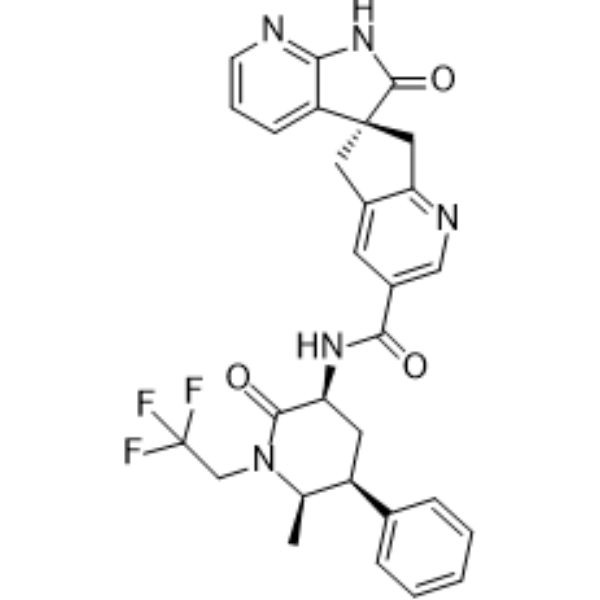
HY-12366
UbrogepantCGRP Antagonist -
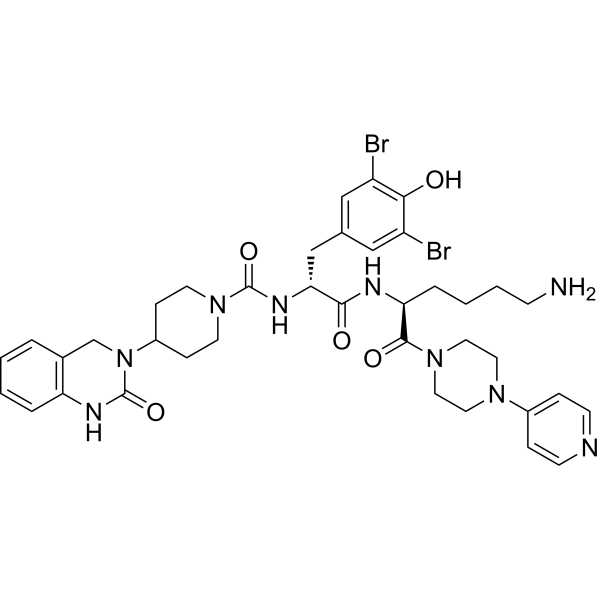
HY-10095
OlcegepantCGRP Antagonist -
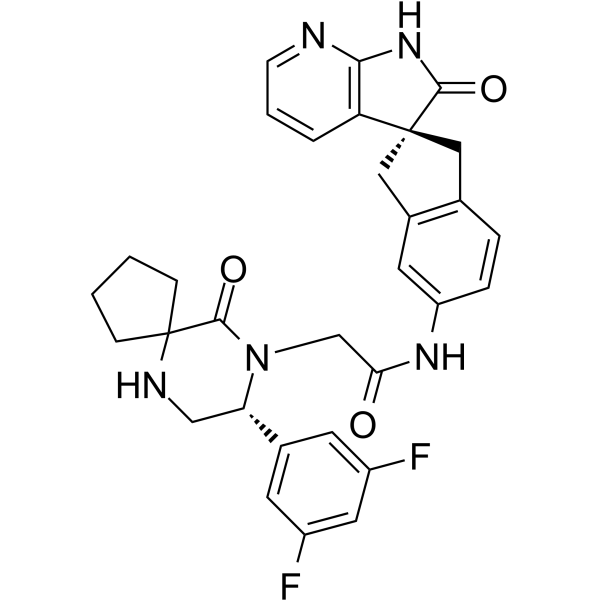
HY-10301
MK-3207CGRP Receptor Antagonist -
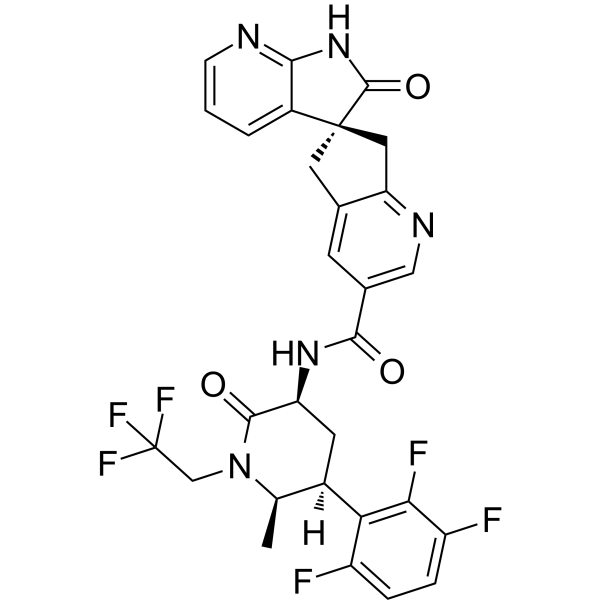
HY-109022
AtogepantCGRP Antagonist -
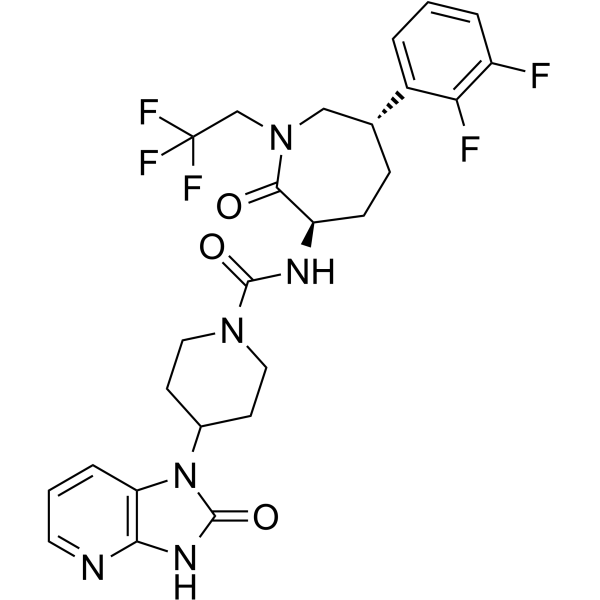
HY-32709
TelcagepantCGRP Antagonist -
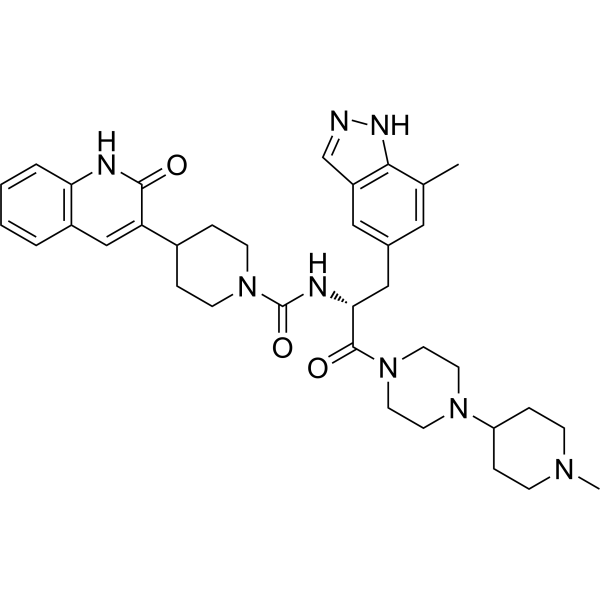
HY-134992
VazegepantCGRP Receptor Antagonist -
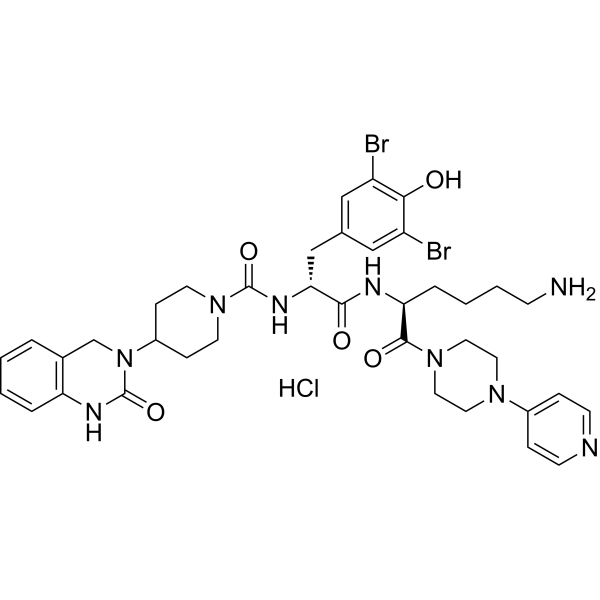
HY-10095A
Olcegepant hydrochlorideCGRP Antagonist -
HY-10302
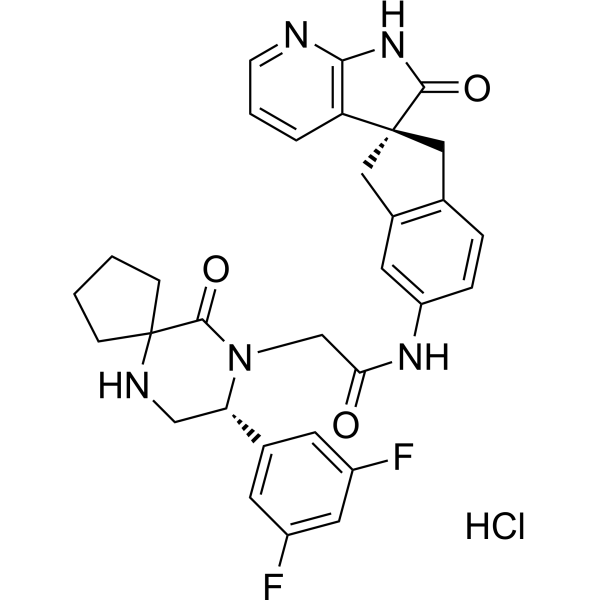
MK-3207 HydrochlorideCGRP Receptor Antagonist -
HY-P0090
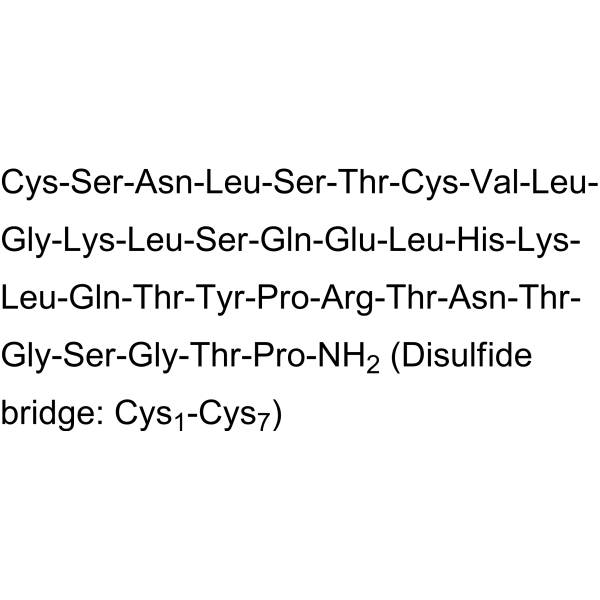
Calcitonin (salmon)CGRP Receptor Agonist -
HY-P1071
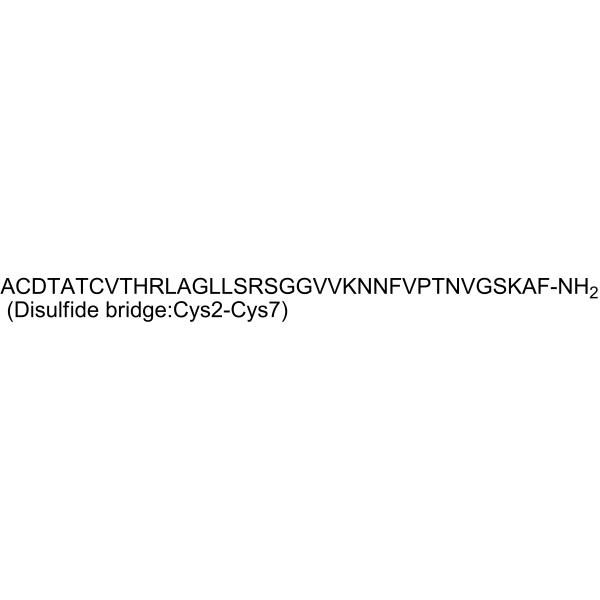
α-CGRP (human)Vasodilator -

HY-P9938
ErenumabCGRP Receptor Inhibitor -
HY-17031
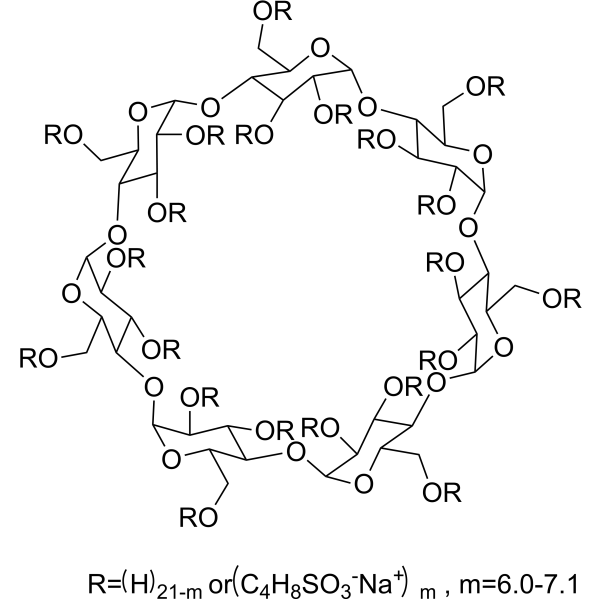
SBE-β-CDExcipient
Publications Citing Use of MedChemExpress (MCE) Rimegepant
More- Nature. 2025 Apr;640(8059):802-810. [Abstract]
- Lancet Neurol. 2022 Mar;21(3):284-294. [Abstract]
- Cell. 2025 Nov 26;188(24):6754-6773.e29. [Abstract]
- Cell Metab. 2022 Dec 6;34(12):1999-2017.e10. [Abstract]
- J Immunother Cancer. 2026 May 8;14(5):e013958. [Abstract]
- Free Radic Biol Med. 2025 Dec 24:245:18-29. [Abstract]
- Br J Pharmacol. 2024 Jan;181(1):142-161. [Abstract]
- Ann Neurol. 2020 Oct;88(4):771-784. [Abstract]
- Vascul Pharmacol. 2017 Mar:90:36-43. [Abstract]
- Pharmacology. 2019;104(5-6):332-341. [Abstract]
- bioRxiv. 2026 May 22:2026.05.20.725748. [Abstract]
- bioRxiv. 2024 Mar 8:2024.03.04.583209. [Abstract]
 Customer Validation & Images

-
Histological Imaging/Staining
-
In Vivo Efficacy Study
-
Flow Cytometry
-
In Vivo Efficacy Study
-
Histological Imaging/Staining


Biological Activity
제품 설명
Cellular Effect
|
Cell Line

|
Type | Value | Description | References |
|---|---|---|---|---|
| SK-N-MC | EC50 |
0.14 nM
Compound: 8, BMS-927711
|
Antagonist activity at CGRP receptor in human SK-N-MC cells assessed as inhibition of CGRP-stimulated cAMP production preincubated for 15 mins prior to CGRP challenge measured after 30 mins by HTRF assay
Antagonist activity at CGRP receptor in human SK-N-MC cells assessed as inhibition of CGRP-stimulated cAMP production preincubated for 15 mins prior to CGRP challenge measured after 30 mins by HTRF assay
|
[PMID: 23153230] |
In Vitro
Rimegepant (10 μM; 15 min) antagonizes cAMP production at rat CGRP, AMY1, and AMY3 receptors with apparent pA2 values of 6.41, 6.43-5.73, and 6.45 respectively, but shows no quantifiable activity at other rat calcitonin family receptors[1].
Rimegepant (10 μM; 15 min) antagonizes cAMP production at mouse CGRP receptors with an apparent pA2 of 6.89, shows weak, inconsistent activity at mouse AMY1 receptors, and has no quantifiable activity at other mouse calcitonin family receptors[1].
Rimegepant (tested across a concentration range; 15 min) inhibits cAMP production at human CGRP receptors with a pIC50 of 8.01, and at human AMY1 receptors with pIC50 values of 6.25 (human-αCGRP agonist) and 5.66 (human-amylin agonist)[1].
Rimegepant (tested at concentrations enabling apparent pA2 determination; 15 min) antagonizes cAMP production at human CGRP receptors with apparent pA2 values of 9.56 (human-αCGRP) and 9.34 (human-βCGRP), and at human AMY1 receptors with apparent pA2 values of 8.07 (human-αCGRP) and 7.48 (human-amylin), but shows no quantifiable activity at human AM1 or AM2 receptors[1].
Rimegepant (compound 8) potently binds to the human CGRP receptor in SK-N-MC cell membranes with a Ki of 0.027 nM and a protein-adjusted Ki of 0.39 nM[2].
Rimegepant acts as a full, competitive antagonist of CGRP-stimulated cAMP production in SK-N-MC cells with an IC50 of 0.14 nM[2].
Rimegepant (BMS-927711/compound 8) has improved human liver microsomal stability with a half-life of 83 min[2].
Rimegepant shows low inhibition of human CYP isoforms, with an IC50 of 17 μM for CYP3A4 and IC50 ≥20 μM for all other tested isoforms[2].
Rimegepant exhibits no significant off-target liabilities in a panel of 45 receptor, ion channel binding, and enzyme activity assays[2].
Rimegepant (10-30 μM) causes less than 30% inhibition of the hERG potassium channel at 10 and 30 μM and has no significant effect on L-type sodium or calcium channels in HEK-293 cells[2].
MedChemExpress (MCE) has not independently confirmed the accuracy of these methods. They are for reference only.
Parmacokinetics
| Species | Dose | Route | Plasma Concentration |
|---|---|---|---|
| Rat[2] | 7 mg/kg | s.c. | 400 nM |
In Vivo
MedChemExpress (MCE) has not independently confirmed the accuracy of these methods. They are for reference only.
-
Animal Model:C57Bl/6J (adult male, 25-30 g)[3]
-
Dosage:12.84 mg/kg (single dose); 12.84 mg/kg (chronic 7-day dosing)
-
Administration:p.o.; single dose; daily for 7 days
-
Result:Reached a peak plasma concentration of 562 pg/µl at 3 hours post-single dose.
Reached a peak trigeminal ganglion (TG) content of 160 pg/mg at 3 hours post-single dose, with a flattened, prolonged increase compared to plasma.
Reached a peak parietal brain cortex content of 123 pg/mg at 3 hours post-single dose, with a temporal pattern similar to the TG.
Had lower drug contents in dura mater than corresponding plasma concentrations at 3 hours post-single dose.
Reached hypothalamus contents comparable to the TG at 3 hours post-single dose.
Had higher parietal brain cortex contents at 6 hours after the final chronic dose than levels measured 6 hours after a single dose.


Chemical Information
-
CAS No. 1289023-67-1
-
Appearance Solid
-
분자량 534.56
-
화학식 C28H28F2N6O3
-
Color White to off-white
-
SMILES
N[C@H]1[C@H](C2=C(F)C(F)=CC=C2)CC[C@@H](OC(N3CCC(N4C(C=CC=N5)=C5NC4=O)CC3)=O)C6=NC=CC=C61
-
Synonyms
BMS-927711; BHV-3000
-
선적
Room temperature in continental US; may vary elsewhere.
-
보관
Powder -20°C 3 years 4°C 2 years In solvent -80°C 1 year -20°C 6 months


Publications (12)
-
Journal Impact Factor
-
Most Recent
-
Nature
2025 Apr;640(8059):802-810. PMID: 39972142
Rimegepant purchased from MedChemExpress. Usage Cited in: Nature. 2025 Apr;640(8059):802-810. [Abstract]
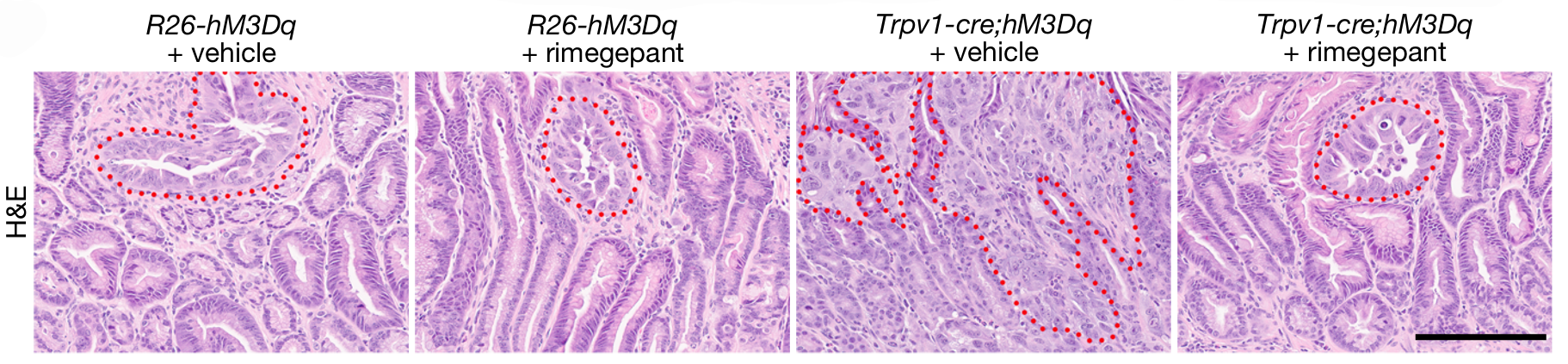
Representative images of MNU-induced dysplasia from CNO-treated mice with or without Rimegepant administration were presented. CNO-activated mice treated with a diet containing Rimegepant (a CGRP antagonist; 10 mg/kg; mixed into the AIN-76A mouse chow) showed reduced MNU-induced tumour development compared with the untreated controls.
Rimegepant purchased from MedChemExpress. Usage Cited in: Nature. 2025 Apr;640(8059):802-810. [Abstract]
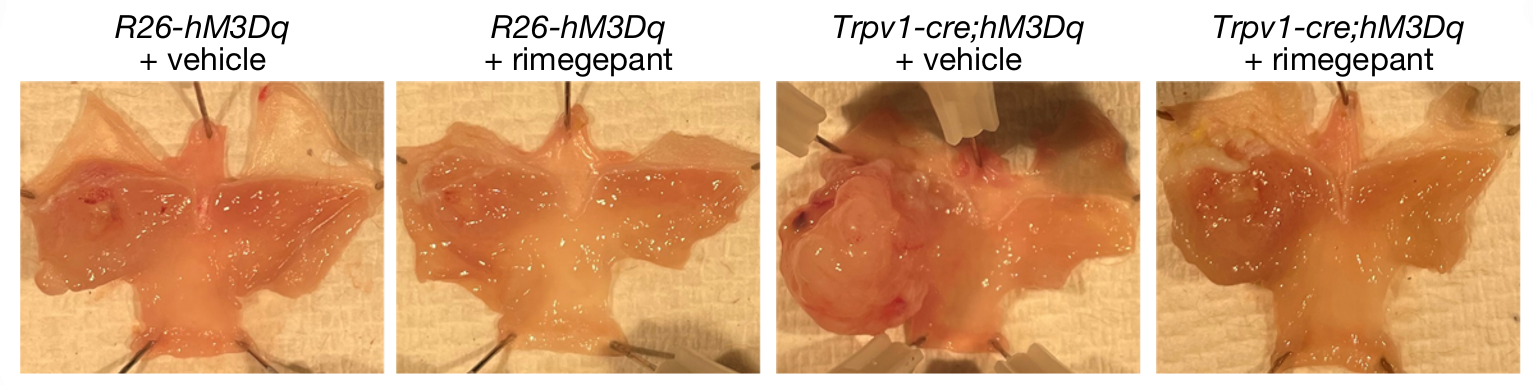
Representative images of syngeneic orthotopic tumours from CNO-treated mice with or without Rimegepant (a CGRP antagonist; 10 mg/kg; mixed into the AIN-76A mouse chow) administration were shown. Nociceptive neuronal activation resulted in significantly increased tumour volume, which was inhibited by Rimegepant treatment.
-
Lancet Neurol
Calcitonin gene-related peptide-targeting drugs for migraine: how pharmacology might inform treatment decisions. [Abstract]2022 Mar;21(3):284-294. PMID: 35093196 -
Cell
2025 Nov 26;188(24):6754-6773.e29. PMID: 41138728 -
Cell Metab
Cancer cells co-opt nociceptive nerves to thrive in nutrient-poor environments and upon nutrient-starvation therapies. [Abstract]2022 Dec 6;34(12):1999-2017.e10. PMID: 36395769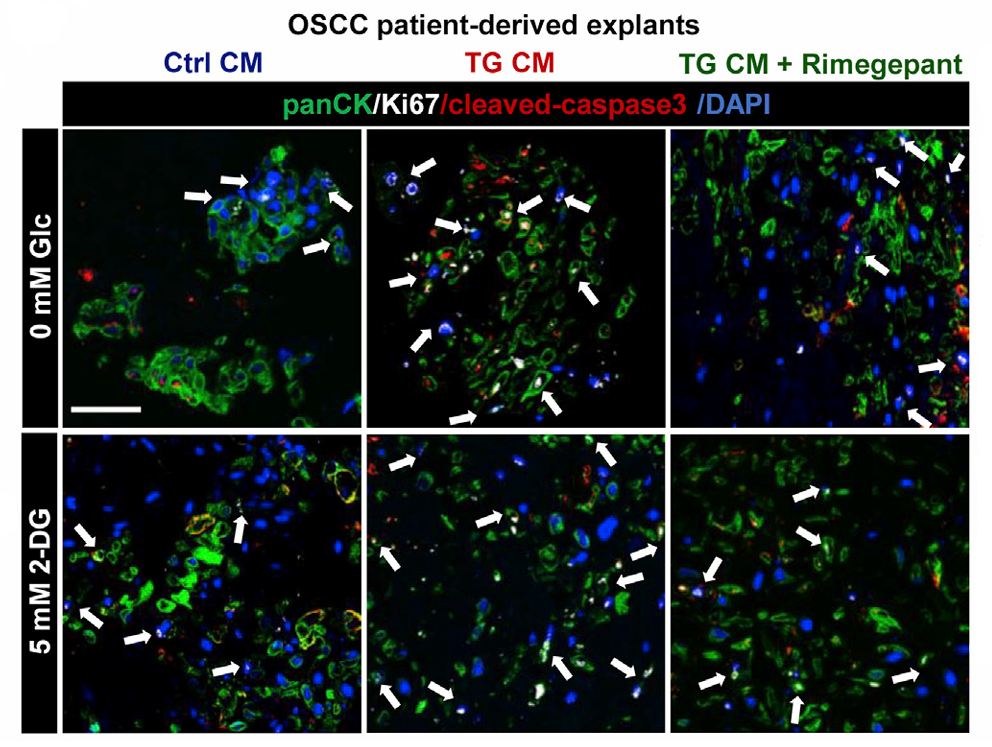
Rimegepant purchased from MedChemExpress. Usage Cited in: Cell Metab. 2022 Dec 6;34(12):1999-2017.e10. [Abstract]
Treated OSCCPDEs with TG CM significantly increased the proportion of Ki67+ cancer cells under low-glucose culture and upon 2-DG treatment, which was antagonized by Rimegepant via antagonism of CGRP-CLR signaling.
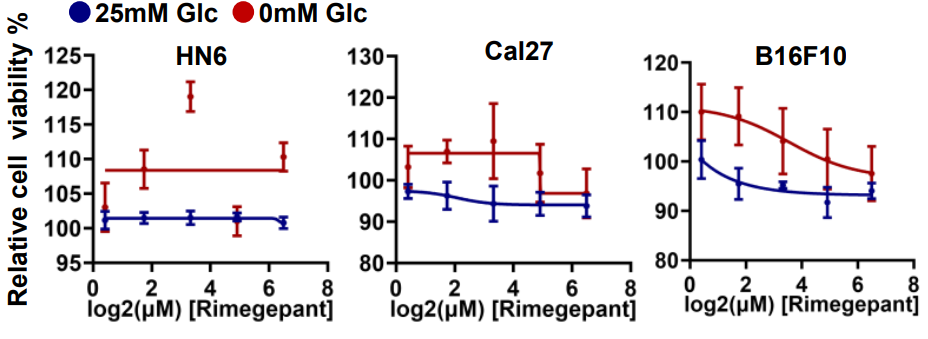
Rimegepant purchased from MedChemExpress. Usage Cited in: Cell Metab. 2022 Dec 6;34(12):1999-2017.e10. [Abstract]
In vitro Cal27 cell growth of indicated cancer cells upon Rimegepant treatment for 48 hrs (n=4 biological replicates per group).
-
J Immunother Cancer
Sensory neuron-derived CCL5 orchestrates an immunosuppressive niche via regulatory T cells to fuel head and neck tumor progression. [Abstract]2026 May 8;14(5):e013958. PMID: 42103358 -
Free Radic Biol Med
Oxidative stress impairs the expansion of regulatory T cells in active vitiligo via dysregulated CGRP-RAMP1-Gαi3 signaling. [Abstract]2025 Dec 24:245:18-29. PMID: 41453541
Rimegepant purchased from MedChemExpress. Usage Cited in: Free Radic Biol Med. 2025 Dec 24:245:18-29. [Abstract]
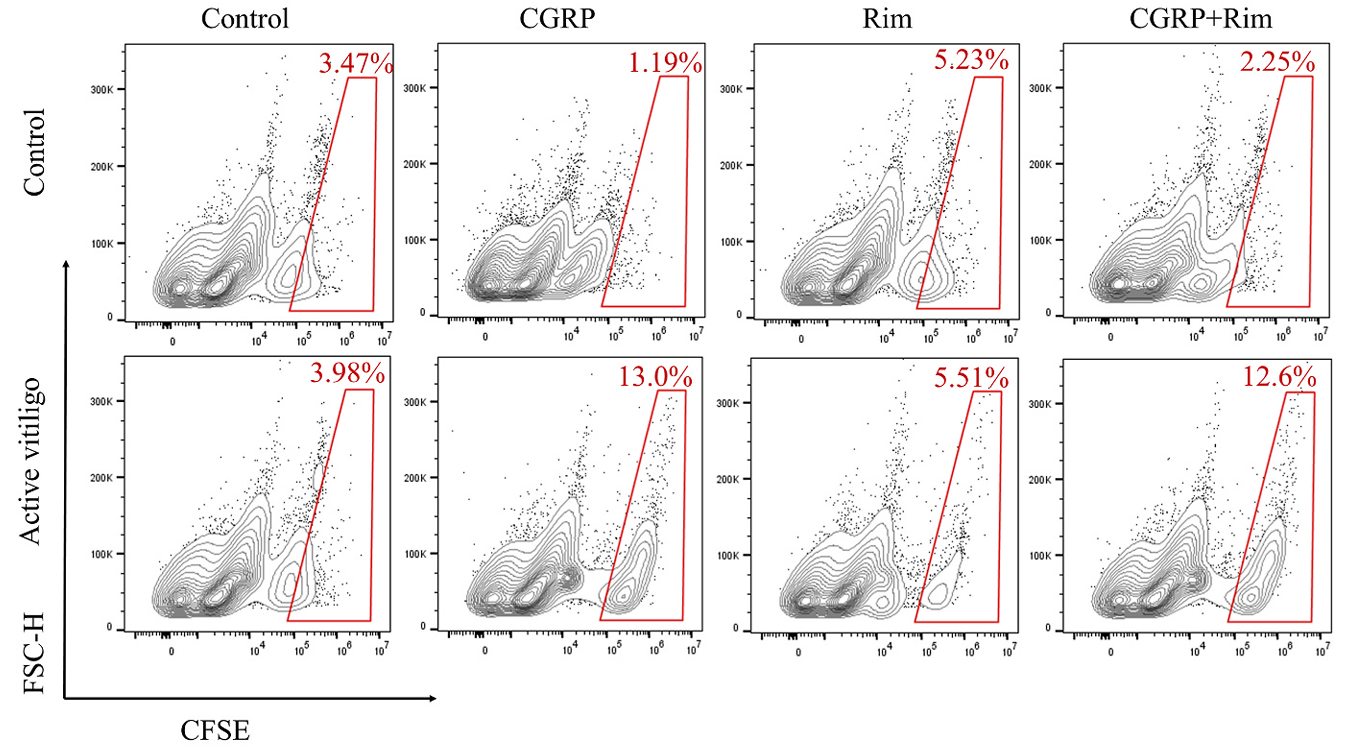
Reduced proliferative responsiveness of Tregs isolated from patients with active vitiligo to CGRP was observed. CD4 + CD25 high CD127 dim Tregs were sorted by flow cytometry and cultured for 72 h in the presence of Rimegepant (1 μM). DMSO was used as the vehicle control. Representative scatter plots of Tregs from healthy controls (upper panels) and from patients with active vitiligo (lower panels) were shown.
Rimegepant purchased from MedChemExpress. Usage Cited in: Free Radic Biol Med. 2025 Dec 24:245:18-29. [Abstract]
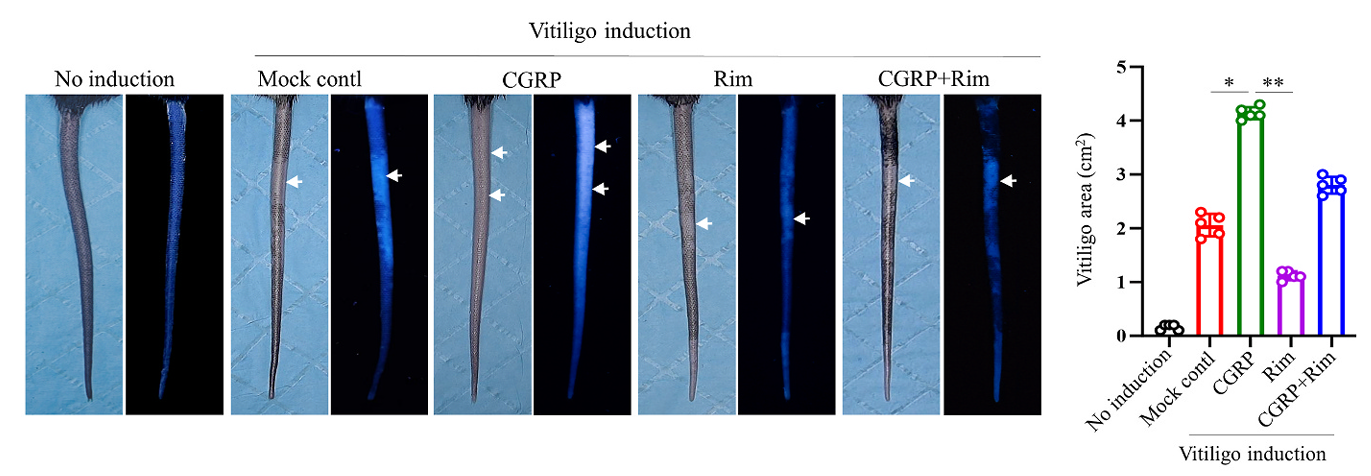
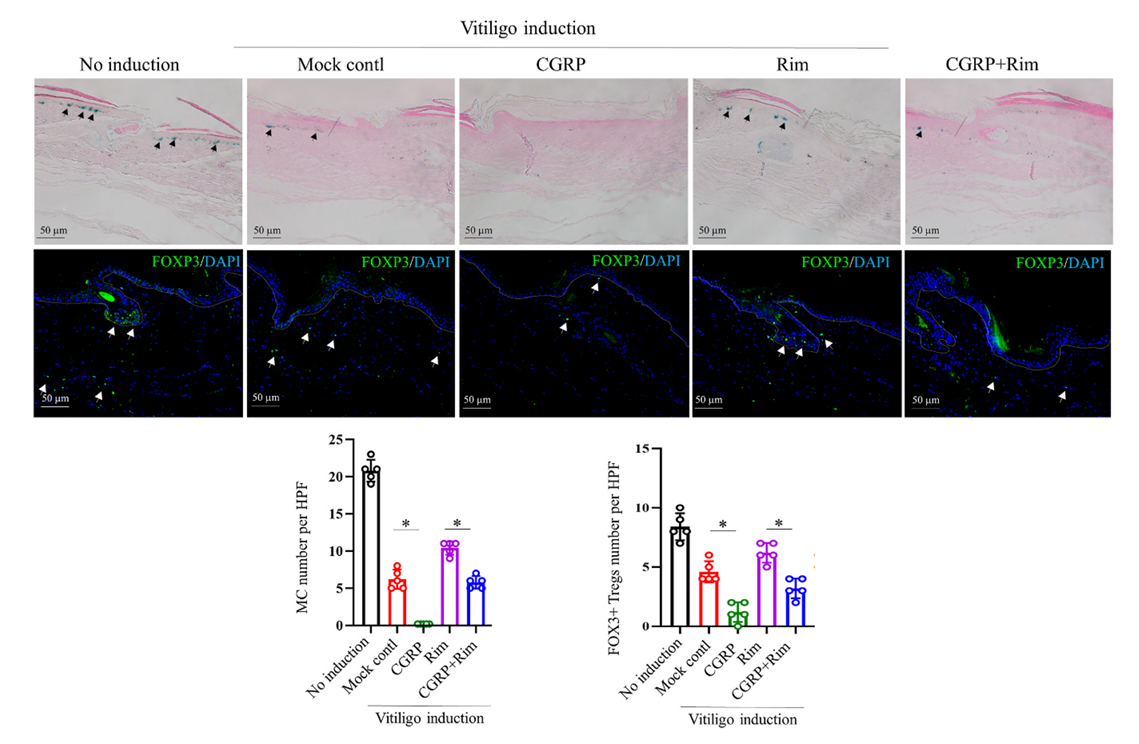
Effects of Rimegepant (0.2 mg/mouse/day; oral gavage; three times weekly for 3 weeks) on depigmentation in the tail skin of vitiligo model mice were investigated. Representative macroscopic and Wood's lamp images of tail skin from each group were shown. White arrows indicated depigmented areas, and quantification of depigmented areas was shown on the right. Rimegepant partially reversed CGRP-induced vitiligo progression.
Rimegepant purchased from MedChemExpress. Usage Cited in: Free Radic Biol Med. 2025 Dec 24:245:18-29. [Abstract]
X-gal staining and immunofluorescence were performed on tail skin sections from each group. Upper panels: X-gal staining visualized MCs (black arrows); black dashed lines indicated borders between depigmented and normally pigmented areas. Lower panels: Immunofluorescence staining of FOXP3+ Tregs (green) with nuclei labeled by DAPI (blue); white dashed lines denoted the dermal-epidermal junction, and white arrows indicated FOXP3+ Tregs. Rimegepant (0.2 mg/mouse/day; oral gavage; three times weekly for 3 weeks) partially reversed CGRP-induced vitiligo progression and restored Treg numbers.
-
Br J Pharmacol
2024 Jan;181(1):142-161. PMID: 37580864 -
Ann Neurol
Anti-migraine Calcitonin Gene-Related Peptide Receptor Antagonists Worsen Cerebral Ischemic Outcome in Mice. [Abstract]2020 Oct;88(4):771-784. PMID: 32583883 -
Vascul Pharmacol
Binding and functional pharmacological characteristics of gepant-type antagonists in rat brain and mesenteric arteries. [Abstract]2017 Mar:90:36-43. PMID: 28192258 -
Pharmacology
The Presence of Calcitonin Gene-Related Peptide and Its Receptors in Rat, Pig and Human Brain: Species Differences in Calcitonin Gene-Related Peptide Pharmacology. [Abstract]2019;104(5-6):332-341. PMID: 31484177 -
bioRxiv
2026 May 22:2026.05.20.725748. PMID: 42239358 -
bioRxiv
Nociceptive neurons interact directly with gastric cancer cells via a CGRP/Ramp1 axis to promote tumor progression. [Abstract]2024 Mar 8:2024.03.04.583209. PMID: 38496544


용액&용해도
In Vitro:
DMSO : 50 mg/mL (93.53 mM; Need ultrasonic; Hygroscopic DMSO has a significant impact on the solubility of product, please use newly opened DMSO)
Ethanol : 4.4 mg/mL (8.23 mM; Need ultrasonic)
Please refer to the solubility information to select the appropriate solvent. Once prepared, please aliquot and store the solution to prevent product inactivation from repeated freeze-thaw cycles.
Storage method and period of stock solution: -80°C, 1 year; -20°C, 6 months. When stored at -80°C, please use it within 1 year. When stored at -20°C, please use it within 6 months.
Please refer to the solubility information to select the appropriate solvent. Once prepared, please aliquot and store the solution to prevent product inactivation from repeated freeze-thaw cycles.
Storage method and period of stock solution: -80°C, 1 year; -20°C, 6 months. When stored at -80°C, please use it within 1 year. When stored at -20°C, please use it within 6 months.
Concentration (start) × Volume (start) = Concentration (final) × Volume (final)
In Vivo:
Select the appropriate dissolution method based on your experimental animal and administration route.
- For the following dissolution methods, please ensure to first prepare a clear stock solution using an In Vitro approach and then sequentially add co-solvents:
- To ensure reliable experimental results, the clarified stock solution can be appropriately stored based on storage conditions. As for the working solution for In Vivo experiments, it is recommended to prepare freshly and use it on the same day.
- The percentages shown for the solvents indicate their volumetric ratio in the final prepared solution. If precipitation or phase separation occurs during preparation, heat and/or sonication can be used to aid dissolution.
Add each solvent one by one: 10% DMSO 40% PEG300 5% Tween-80 45% Saline
Solubility: ≥ 5 mg/mL (9.35 mM); Clear solution
This protocol yields a clear solution of ≥ 5 mg/mL (saturation unknown).
Taking 1 mL working solution as an example, add 100 μL DMSO stock solution (50.0 mg/mL) to 400 μL PEG300, and mix evenly; then add 50 μL Tween-80 and mix evenly; then add 450 μL Saline to adjust the volume to 1 mL.
Preparation of Saline: Dissolve 0.9 g sodium chloride in ddH₂O and dilute to 100 mL to obtain a clear Saline solution.
Add each solvent one by one: 10% DMSO 90% (20% SBE-β-CD in Saline)
Solubility: ≥ 5 mg/mL (9.35 mM); Clear solution
This protocol yields a clear solution of ≥ 5 mg/mL (saturation unknown).
Taking 1 mL working solution as an example, add 100 μL DMSO stock solution (50.0 mg/mL) to 900 μL 20% SBE-β-CD in Saline, and mix evenly.
Preparation of 20% SBE-β-CD in Saline (4°C, storage for one week): 2 g SBE-β-CD powder is dissolved in 10 mL Saline, completely dissolve until clear.
Add each solvent one by one: 10% EtOH 90% PEG300
Solubility: ≥ 1 mg/mL (1.87 mM); Clear solution
In Vivo Dissolution Calculator
Please enter the basic information of animal experiments:
-
-
-
-
Recommended: Prepare an additional quantity of animals to account for potential losses during experiments.
Please enter your animal formula composition:
-
%DMSO +
Recommended: Keep the proportion of DMSO in working solution below 2% if your animal is weak.
-
%+
-
+%Tween-80 + +
-
%Saline +
The co-solvents required include: DMSO, . All of co-solvents are available by MedChemExpress (MCE). , Tween 80. All of co-solvents are available by MedChemExpress (MCE).
Working solution concentration: 0.22 mg/mL
Method for preparing stock solution: mg drug dissolved in μL DMSO. Stock solution concentration: mg/mL.
1. Take μL DMSO stock solution;
2. Add μL .
μL , mix evenly;
3. Then add μL Tween 80, mix evenly;
4. Then add μL
Please ensure that the stock solution in the first step is dissolved to a clear state, and add co-solvents in sequence. You can use ultrasonic heating (ultrasonic cleaner, recommended frequency 20-40 kHz), vortexing, etc. to assist dissolution.


순도&문서
-
Data Sheet (288 KB)
-
SDS (393 KB)
- English - EN (393 KB)
- Français - FR (393 KB)
- Deutsch - DE (393 KB)
- Norwegian - NO (393 KB)
- Español - ES (393 KB)
- Swedish - SV (393 KB)
- Italian - IT (393 KB)
- Korean - KR (393 KB)
- Portuguese - PT (393 KB)
-
Handling Instructions (2659 KB)
References
[1]. Nimick M, et al. Pharmacological characterization of ubrogepant and atogepant in cAMP assays at human, rat, and mouse calcitonin family receptors in transfected cells. Biochem Pharmacol. Published online August 30, 2025. [Content Brief]
[3]. Pistolesi A, et al. Biodistribution of atogepant and rimegepant in mouse peripheral and central structures of relevance to migraine pathogenesis. Cephalalgia. 2025;45(11):3331024251378713. [Content Brief]


Complete Stock Solution Preparation Table
Please refer to the solubility information to select the appropriate solvent. Once prepared, please aliquot and store the solution to prevent product inactivation from repeated freeze-thaw cycles.
Storage method and period of stock solution: -80°C, 1 year; -20°C, 6 months. When stored at -80°C, please use it within 1 year. When stored at -20°C, please use it within 6 months.
| Optional Solvent | Concentration Solvent Mass | 1 mg | 5 mg | 10 mg | 25 mg |
|---|---|---|---|---|---|
| Ethanol / DMSO | 1 mM | 1.8707 mL | 9.3535 mL | 18.7070 mL | 46.7674 mL |
| 5 mM | 0.3741 mL | 1.8707 mL | 3.7414 mL | 9.3535 mL | |
| DMSO | 10 mM | 0.1871 mL | 0.9353 mL | 1.8707 mL | 4.6767 mL |
| 15 mM | 0.1247 mL | 0.6236 mL | 1.2471 mL | 3.1178 mL | |
| 20 mM | 0.0935 mL | 0.4677 mL | 0.9353 mL | 2.3384 mL | |
| 25 mM | 0.0748 mL | 0.3741 mL | 0.7483 mL | 1.8707 mL | |
| 30 mM | 0.0624 mL | 0.3118 mL | 0.6236 mL | 1.5589 mL | |
| 40 mM | 0.0468 mL | 0.2338 mL | 0.4677 mL | 1.1692 mL | |
| 50 mM | 0.0374 mL | 0.1871 mL | 0.3741 mL | 0.9353 mL | |
| 60 mM | 0.0312 mL | 0.1559 mL | 0.3118 mL | 0.7795 mL | |
| 80 mM | 0.0234 mL | 0.1169 mL | 0.2338 mL | 0.5846 mL |


Rimegepant Related Classifications
HY-15498 Related Classifications
 Powered by Bioz