



Maresin 1
Based on 7 publication(s) in Google Scholar
Maresin 1, produced by human Mφs from endogenous docosahexaenoic acid (DHA) and a specialized proresolving mediator, stimulates intracellular [Ca2+] and secretion. Maresin 1 possesses anti-inflammatory activity.
For research use only. We do not sell to patients.
- Purity : 99.03%
- CAS No.: 1268720-28-0
- Formula: C22H32O4
- Molecular Weight:360.49
-
Storage:
Solution, -20°C, 2 years

To place orders, for customer services and technical support, please contact: MedChemExpress USA
Tel: 609-228-6898 E-mail: [email protected] [email protected]


-
 Biological Activity
-
Chemical Information
- Protocols
- Purity & Documentation
- References
-
 Help & FAQs


-
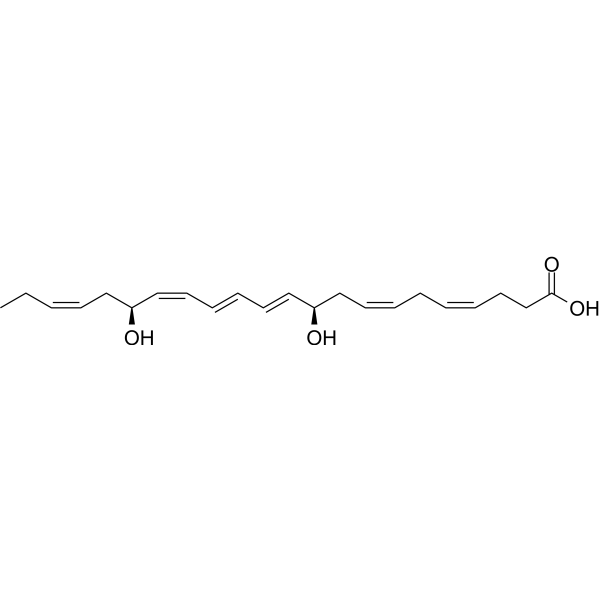
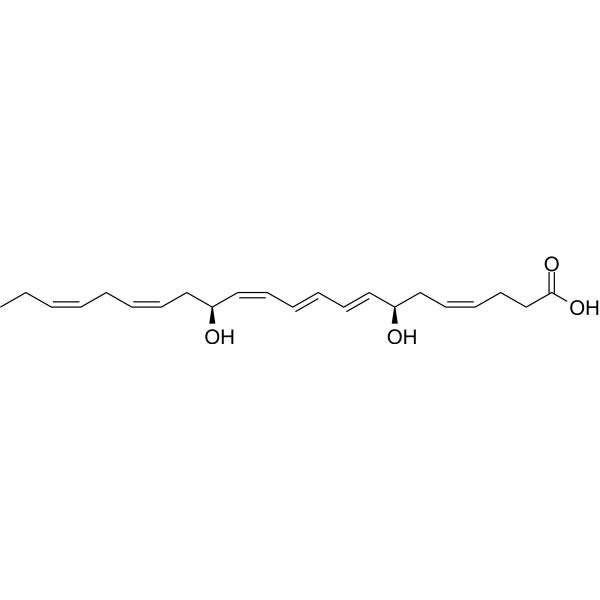
HY-130413
Protectin D1Neuroprotectin D1 -
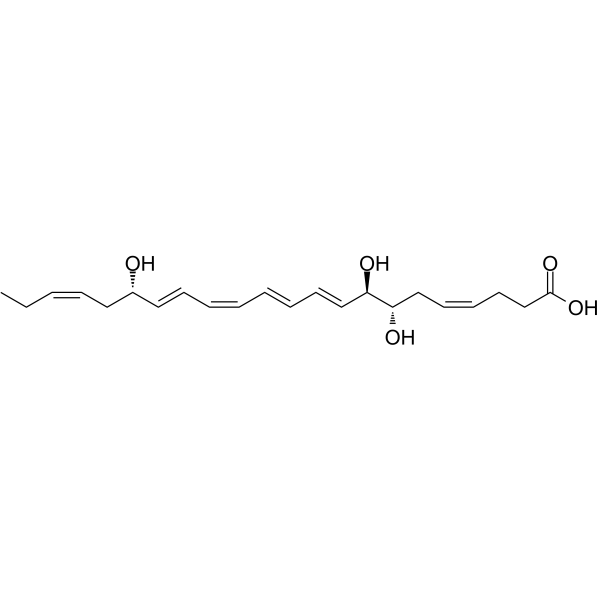
HY-125527
Resolvin D1Endogenous Inflammation Mediator -
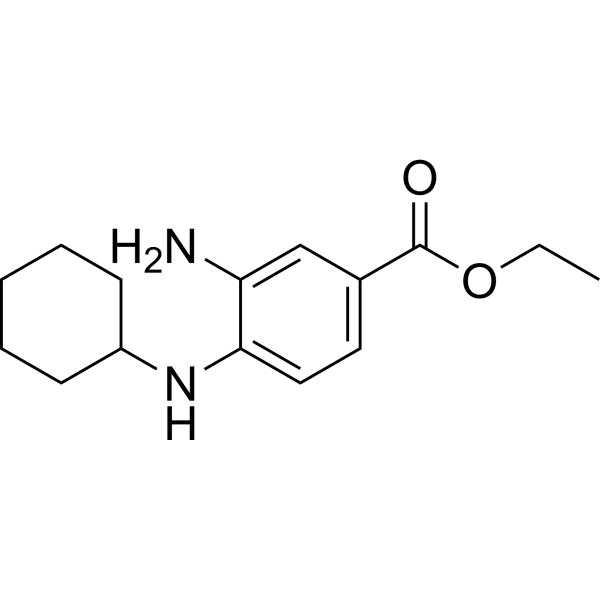
HY-100579
Ferrostatin-1Ferroptosis Inhibitor -

HY-139414
LysophosphatidylcholinesHemolytic Agent -
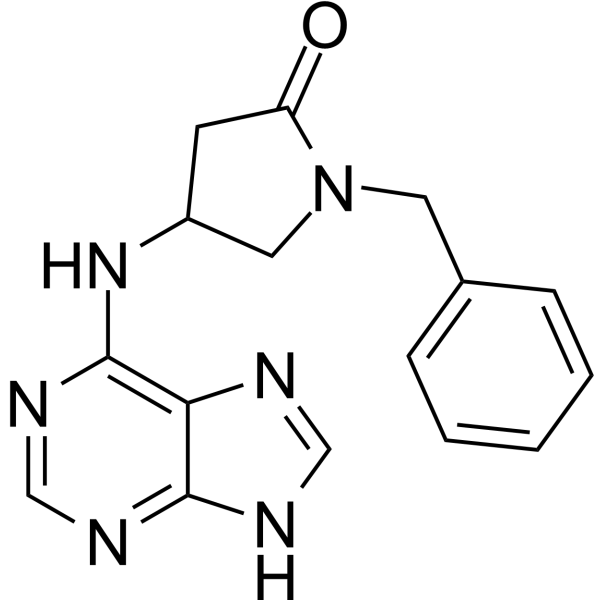
HY-133807A
(Rac)-BenpyrineTNF-α Inhibitor -

HY-P2670
SN50MControl Peptide -

HY-W011309A
1-O-Hexadecyl-sn-glycerolAlkyl Glycerol Monoether -
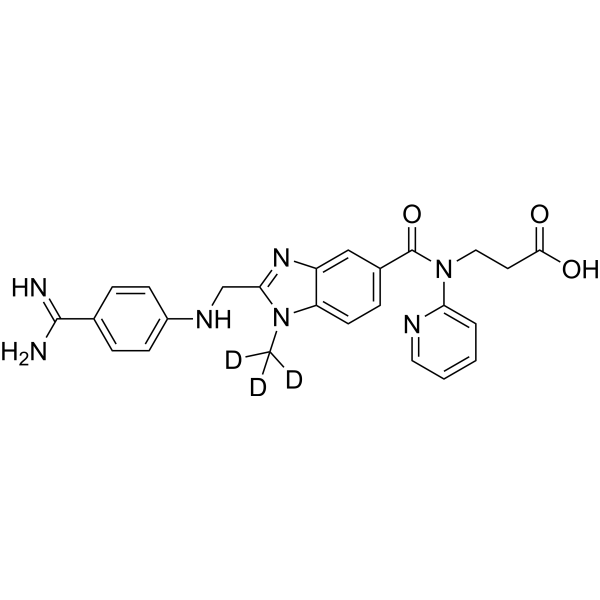
HY-10163S1
Dabigatran-d3Stable Isotope -
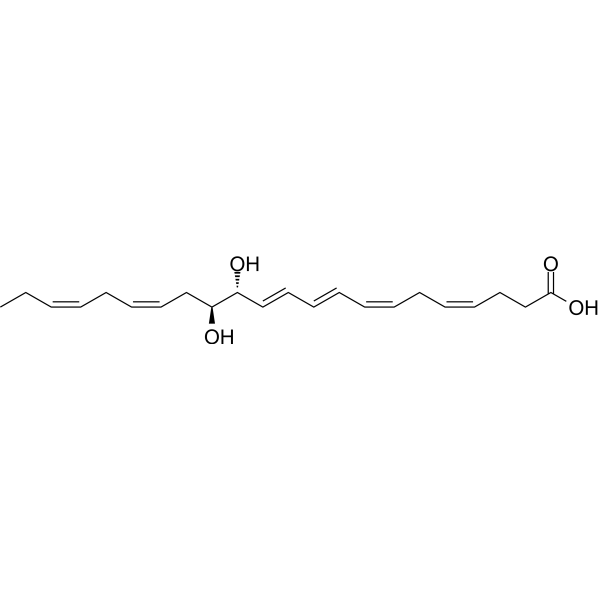
HY-119684
Maresin 2Anti-inflammatory And Pro-resolving Mediator -
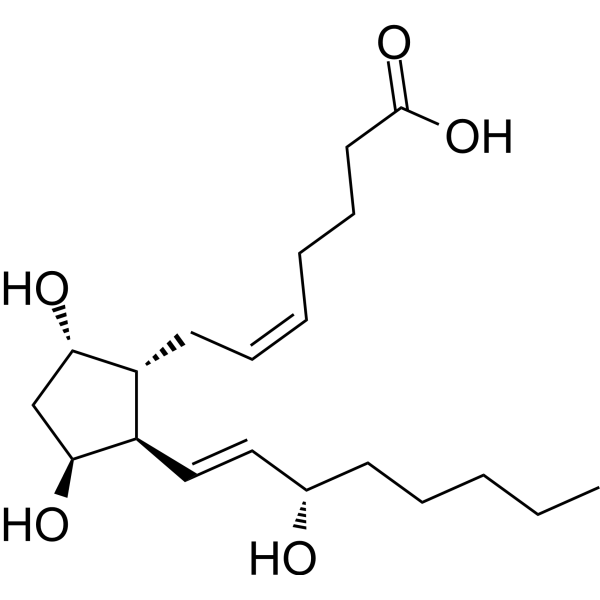
HY-129953
9α,11β-Prostaglandin F2αEndogenous Metabolite -
HY-116124
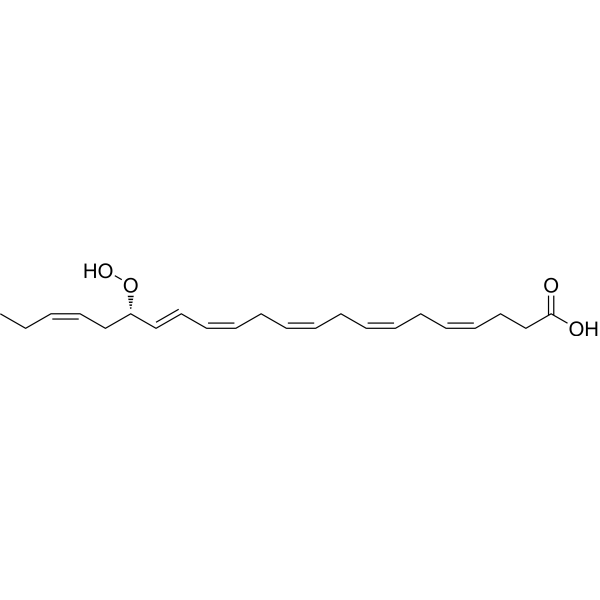
17(S)-HpDHAHydrolyzate -
HY-W010882S
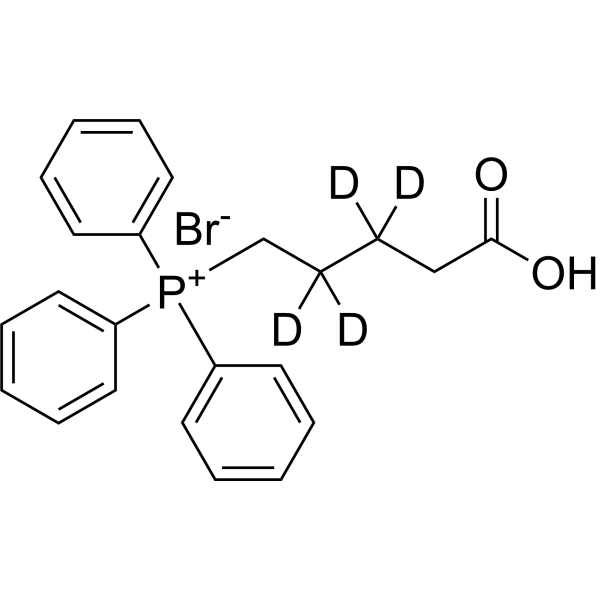
(4-Carboxybutyl-d4)triphenylphosphonium bromideStable Isotope
Publications Citing Use of MedChemExpress (MCE) Maresin 1
More- Adv Sci (Weinh). 2026 Mar 31:e20748. [Abstract]
- Biochem Pharmacol. 2025 Oct:240:117099. [Abstract]
- J Inflamm. 2021 Feb 8;18(1):8. [Abstract]
- J Inflamm Res. 2024 Dec 13:17:11041-11053. [Abstract]
- Exp Eye Res. 2026 Aug 7:272:111193.
- Tissue Cell. 2024 Apr 21, 102388.
- Exp Ther Med. 2026 Mar 19;31(5):141. [Abstract]


Biological Activity
Description
In Vitro
Maresin 1 (MaR1, 300 nM) reduces neutrophil migration and reactive oxygen species production, besides decreasing IL-1b, TNF-a, IL-6, and INF-g production[3].
MedChemExpress (MCE) has not independently confirmed the accuracy of these methods. They are for reference only. Further protocols information, click here.
-
Cell Line:Neutrophils (2×10⁵ cells/well).
-
Concentration:300 nM.
-
Incubation Time:30 min.
-
Result:Adherent cells are stimulated for 24 h with LPS (1 mg/ml) in the presence or absence of MaR1 (300 nM) in a final volume of 250 ml/well[3].
In Vivo
? Maresin 1 (MaR1, 0.1, 0.3, and 1 μg/animal, e.v.) protects mice against acute DSS-induced colitis. Maresin 1 (0.3, and 1 μg/animal, e.v.) treatment markedly reduces macroscopic damage in the acute protocol of DSS-induced colitis[3].
MedChemExpress (MCE) has not independently confirmed the accuracy of these methods. They are for reference only.
-
Animal Model:Male CD1 mice (8-10 wk of age) (colitis was induced by DSS)[3].
-
Dosage:0.1, 0.3, and 1 μg/animal.
-
Administration:Intraocular route once a day from day 0 to day 7.
-
Result:MaR1 (0.3 and 1 mg/animal) significantly reduces MPO levels in mouse colon tissue.


Chemical Information
-
CAS No. 1268720-28-0
-
Appearance Liquid
-
Molecular Weight 360.49
-
Formula C22H32O4
-
Color Colorless to light yellow
-
SMILES
CC/C=C\C/C=C\C[C@H](O)/C=C\C=C\C=C\[C@H](O)C/C=C\CCC(O)=O
-
Shipping
Room temperature in continental US; may vary elsewhere.
-
Storage
Solution, -20°C, 2 years


Publications (7)
-
Journal Impact Factor
-
Most Recent
-
Adv Sci (Weinh)
Tailored Porous Bimetallic Nanozyme Platform for Full-Cycle Therapeutics of Intestinal Ischemia/Reperfusion. [Abstract]2026 Mar 31:e20748. PMID: 41915846 -
Biochem Pharmacol
Maresin1 ameliorates osseointegration in type 2 diabetes mellitus by promoting FAM134B-mediated ER-phagy in osteoblasts. [Abstract]2025 Oct:240:117099. PMID: 40619017 -
J Inflamm
MAR1 suppresses inflammatory response in LPS-induced RAW 264.7 macrophages and human primary peripheral blood mononuclear cells via the SIRT1/PGC-1α/PPAR-γ pathway. [Abstract]2021 Feb 8;18(1):8. PMID: 33557833 -
J Inflamm Res
Maresin1 Inhibits Ferroptosis via the Nrf2/SLC7A11/GPX4 Pathway to Protect Against Sepsis-Induced Acute Liver Injury. [Abstract]2024 Dec 13:17:11041-11053. PMID: 39691306 -
-
-
Exp Ther Med
Maresin 1 activates autophagy through SIRT1/PPAR-γ signaling to mitigate high glucose-induced pyroptosis in human retinal pigment epithelial cells. [Abstract]2026 Mar 19;31(5):141. PMID: 41929533

Protocols
-
Cotton Pellet Granuloma
Cotton pellet granuloma is a classical in vivo chronic inflammation model used to evaluate the anti-inflammatory potential of test substances by measuring their ability to inhibit granuloma tissue formation around an implanted foreign body (cotton pellet) in rodents. The method is based on the biological response to a sterile implanted material, which induces proliferative phase inflammation characterized by fibroblast proliferation and collagen-rich granuloma formation, and the final readout reflects the extent of chronic inflammatory tissue growth surrounding the pellet. In multiple preclinical pharmacological evaluations, inhibition of cotton pellet-induced granuloma formation has been used as an indicator of anti-inflammatory activity in both synthetic and natural product screening contexts.
-
Carrageenan-Induced Paw Edema
Carrageenan-induced paw edema is an acute inflammation model in which intraplantar injection of carrageenan induces localized inflammatory swelling characterized by vascular permeability, leukocyte infiltration, and production of inflammatory mediators such as prostaglandins and cytokines, making it widely used to evaluate anti-inflammatory agents in vivo. The resulting paw volume or thickness increase is quantified over time as a direct readout of inflammatory intensity and drug efficacy, typically reflecting cyclooxygenase-mediated prostaglandin-driven edema formation and immune cell recruitment in peripheral tissue[20].
-
Ca2+ Staining Technique
Ca2+ staining is an experimental technique that utilizes specific fluorescent probes (such as Fluo-4 AM, Fura-2, etc.) to qualitatively or quantitatively detect dynamic changes in intracellular Ca2+ concentrations; this is achieved by monitoring the changes in fluorescent signals generated when these probes bind to free intracellular calcium ions. The underlying principle relies primarily on the presence of chelating groups within the probe's molecular structure that possess high affinity for calcium ions.
-
Research Protocol for Inflammation-related Diseases
The NLRP3 inflammasome is a cytosolic innate immune signaling platform that integrates priming signals and danger-signal activation to promote caspase-1 activation, maturation of IL-1β and IL-18, and gasdermin D-mediated pyroptotic cell death. The core experimental logic is to determine whether inflammatory disease phenotypes are driven by increased NLRP3 expression, ASC-containing inflammasome assembly, caspase-1 cleavage, GSDMD cleavage, and extracellular release of IL-1β/IL-18 rather than by nonspecific cell injury alone. The pathway is strongly linked to inflammation-related disease phenotypes because monosodium urate crystals activate NALP3/NLRP3 inflammasome signaling in gout-like crystal inflammation, cholesterol crystals activate NLRP3 inflammasomes in atherogenesis models, and DSS-induced intestinal inflammation has been reported to involve NLRP3 inflammasome activity. However, experimental colitis studies also show context-dependent protective effects of NLRP3 inflammasome co


Purity & Documentation
-
Data Sheet (267 KB)
-
SDS (419 KB)
- English - EN (419 KB)
- Français - FR (419 KB)
- Deutsch - DE (419 KB)
- Norwegian - NO (419 KB)
- Español - ES (419 KB)
- Swedish - SV (419 KB)
- Italian - IT (419 KB)
- Korean - KR (419 KB)
- Portuguese - PT (419 KB)
-
Handling Instructions (2659 KB)
References
[1]. Markus V Olsen, et al. Maresin 1, a Specialized Proresolving Mediator, Stimulates Intracellular [Ca 2+ ] and Secretion in Conjunctival Goblet Cells. J Cell Physiol. 2020 Jun 8. [Content Brief]
[2]. Macrophage Proresolving Mediator Maresin 1 Stimulates Tissue Regeneration and Controls Pain [Content Brief]
[3]. Rodrigo Marcon, et al. Maresin 1, a Proresolving Lipid Mediator Derived From omega-3 Polyunsaturated Fatty Acids, Exerts Protective Actions in Murine Models of Colitis. J Immunol. 2013 Oct 15;191(8):4288-98. [Content Brief]

Calculators
Concentration (start) × Volume (start) = Concentration (final) × Volume (final)


Maresin 1 Related Classifications
HY-116429 Related Classifications
 Powered by Bioz