



Biotin-labeled Peptides
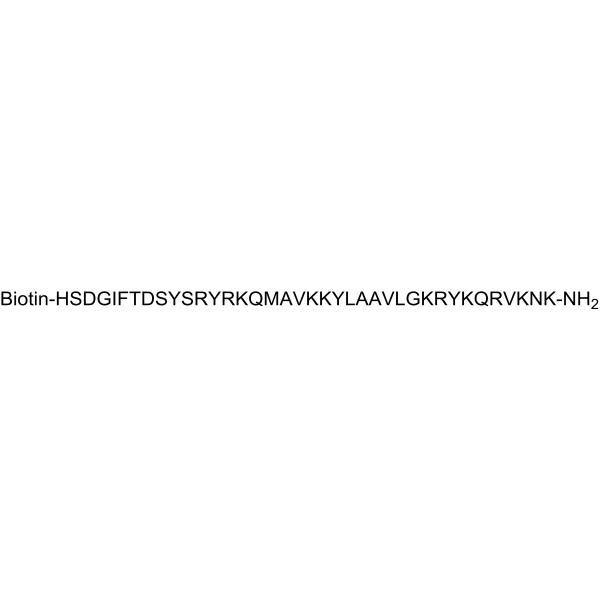
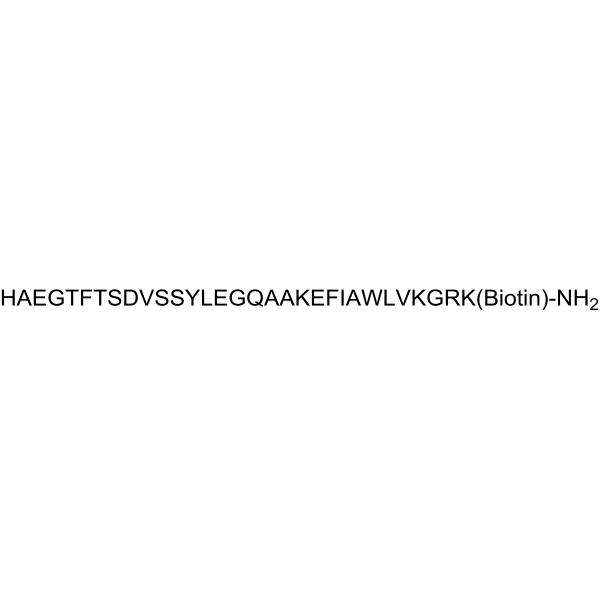
- Formula: C165H252N44O48S
- Molecular Weight: 3649.84
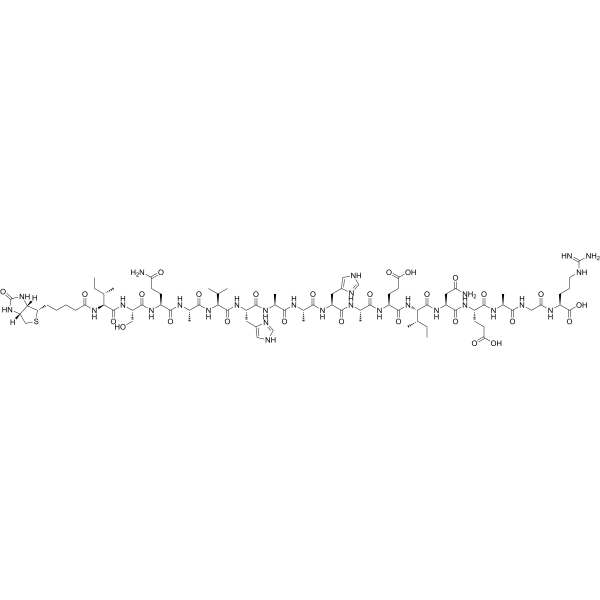

- Formula: C173H283N53O51S3.xHC2F3O2
- Molecular Weight: 4017.62 (free base)
Biotinyl-α-CGRP (human) TFA is a polypeptide that can be found by peptide screening. Peptide screening is a research tool that pools active peptides primarily by immunoassay. Peptide screening can be used for protein interaction, functional analysis, epitope screening, especially in the field of agent research and development.
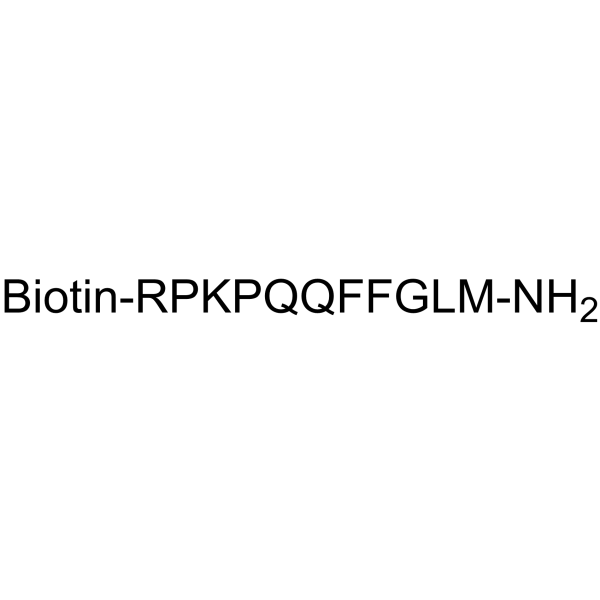
- Formula: C73H112N20O15S2
- Molecular Weight: 1574.90
Biotin-Substance P is the biotin tagged Substance P. Substance P (Neurokinin P) is a neuropeptide, acting as a neurotransmitter and as a neuromodulator in the CNS. The endogenous receptor for substance P is neurokinin 1 receptor (NK1-receptor, NK1R).

- Formula: C40H60N10O16S4·xC2HF3O2
- Molecular Weight: 1065.22 (free base)
Biotin-glutathione oxidized TFA ((N,N-Biotinyl glutathione disulfide TFA; Biotin-GSSG TFA) is an inducer of protein S-glutathionylation and a detection probe for S-glutathionylated proteins. Biotin-glutathione oxidized TFA forms protein-glutathione disulfide adducts, mimics components of oxidative stress, and drives protein S-glutathionylation. Biotin-glutathione oxidized TFA enables the labeling, detection, localization and purification of proteins susceptible to S-glutathionylation.

- Formula: C380H597N105O115S2·xC2HF3O2
- Molecular Weight: 8540.57 (free base)
Biotin-FRETS-VWF73 TFA is a biotin-labeled 73-amino acid peptide. FRETS-VWF73 TFA is a fluorescent substrate for ADAMTS13 detection (Ex=340 nm; Em=450 nm).
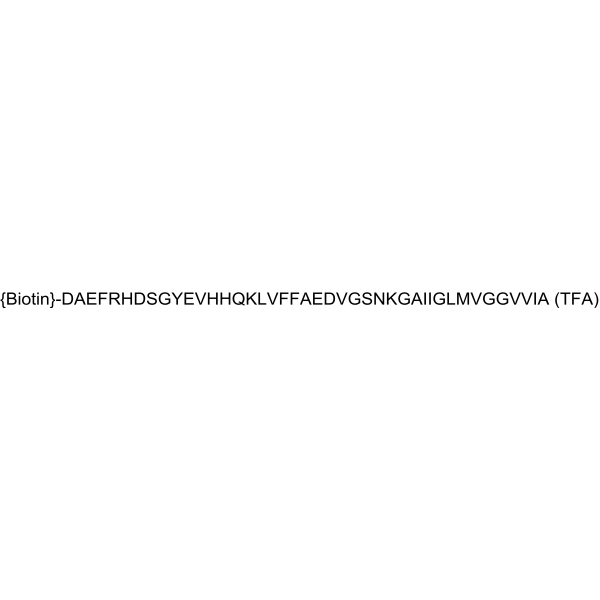
- Formula: C215H326F3N57O64S2
- Molecular Weight: 4854.36
Biotin-β-Amyloid (1-42), human TFA (Biotin-Amyloid β-Peptide (1-42) (human) TFA) is the botin labeled β-Amyloid (1-42), human TFA (HY-P1363). β-Amyloid (1-42), human TFA is a 42-amino acid peptide which plays a key role in the pathogenesis of Alzheimer disease.

- Formula: C89H134N28O24S.xC2HF3O2
- Molecular Weight: 2012.25 (free base)
Hyaluronan-binding peptide, biotin labeled TFA is a biological active peptide. (This peptide is a hyaluronan-binding peptide biotinylated through a C-terminal GGGSK linker. Hyaluronan (HA) is a nonsulfated glycosaminoglycan expressed in the extracellular matrix and on cell surfaces. HA plays a role in fertilization, embryonic development, wound healing, angiogenesis, leukocyte trafficking to inflamed tissues, and cancer metastasis. This peptide has been shown to block HA binding to CD44 receptors and inhibit T cell proliferation.).
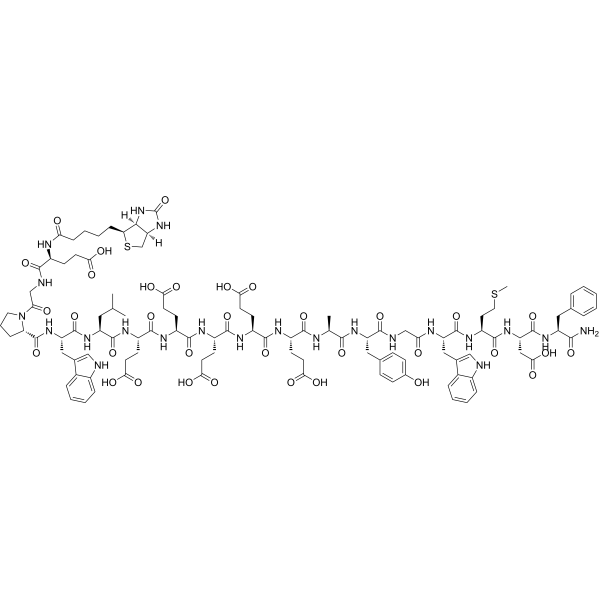
- Formula: C107H140N22O34S2
- Molecular Weight: 2342.51
Biotin-Gastrin-1, human (1-17) is a biological active peptide. (Biotin-labeled HY-P1097)

- Formula: C35H60N6O8S
- Molecular Weight: 724.95
Biotin-epoxomicin is a Proteasome subunit binder. Biotin-epoxomicin serves as an affinity reagent for identifying proteasomal catalytic subunits, and facilitates affinity purification of active proteasomal subunits for LC-MS identification. Biotin-epoxomicin can be used to study solid tumors derived from B16 melanoma.
- Formula: C66H96N16O15S
- Molecular Weight: 1385.63
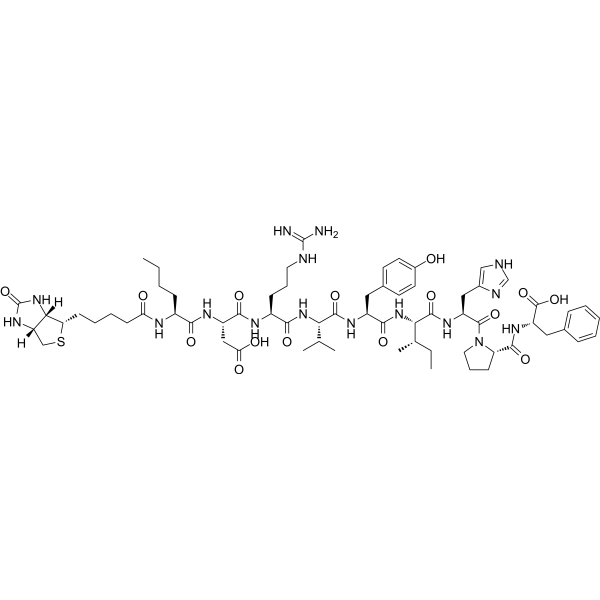
Biotin-Ahx-Angiotensin II human (Biotin-Ahx-Angiotensin II; Biotin-Ahx-Ang II; Biotin-Ahx-DRVYIHPF) is a biological active peptide. (biotin labeled HY-13948)

- Formula: C54H95N9O11S
- Molecular Weight: 1078.45
Biotin-(Oaa)3-epoxomicin is a biotin-labeled form of Epoxomicin (HY-13821), prepared by conjugating Epoxomicin with biotin via three hydrophilic oxaacetyl amino acid (Oaa) linkers. Biotin-(Oaa)3-epoxomicin is primarily used in proteomic studies for the capture, identification and target validation of proteasome complexes, to determine the intracellular targets of epoxomicin. Epoxomicin acts as a proteasome inhibitor and NF-κB inhibitor, which effectively blocks inflammatory responses in mouse ear edema assays. It inhibits proteasome activity via covalent binding to catalytic subunits including LMP7, X, MECL1 and Z, with the strongest inhibitory effect on chymotrypsin-like activity, and does not interfere with non-proteasomal proteases such as trypsin and papain.
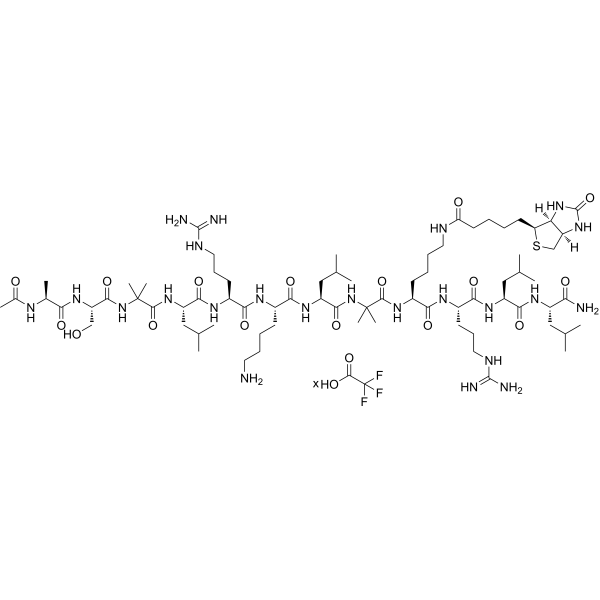
- Formula: C74H135N23O16S.xC2HF3O2
Biotin-COG1410 TFA is a biotin labled COG1410 (HY-P2136). COG1410 is an apolipoprotein E-derived peptide and an apoptosis inhibitor. COG1410 exerts neuroprotective and antiinflammatory effects in a murine model of traumatic brain injury (TBI). COG1410 can be used for the research of neurological disease.
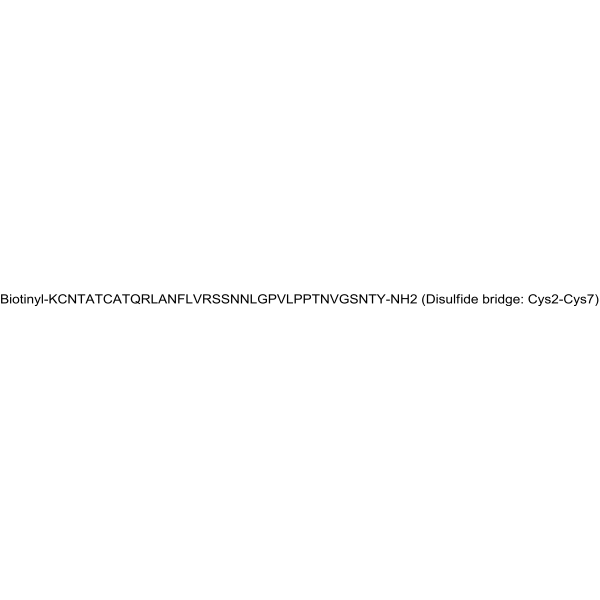
- Formula: C177H286N54O55S3
- Molecular Weight: 4146.74
Biotinyl-Amylin (mouse, rat) is a biotinylated Amylin (mouse, rat). Amylin (mouse, rat) is a 37-aminoacid pancreatic protein that exerts control over several metabolic events such as glycemia and lacticemia.

- Formula: C174H287N55O50S2.xC2HF3O2
- Molecular Weight: 4013.61 (free base)
Biotinylated CCDC61 peptide (CAPture peptide, biotin-CCDC61 (334-366)) TFA is a biotinylated peptide derived from the centrosomal protein CCDC61. Biotinylated CCDC61 peptide TFA specifically isolates intact centrosomes.
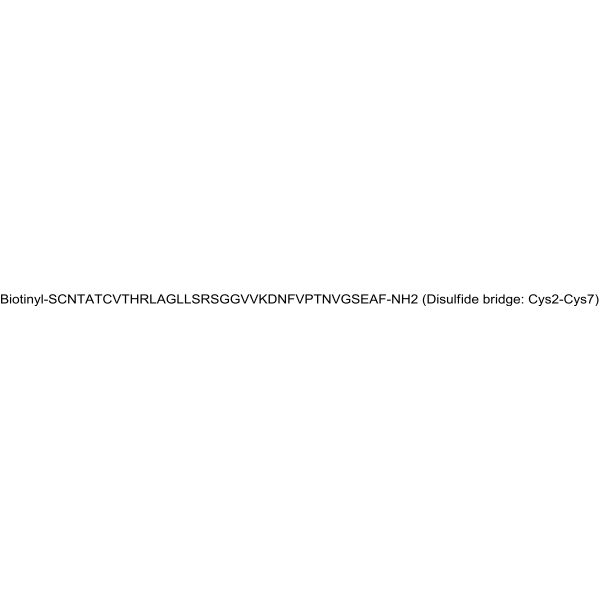
- Formula: C172H278N52O54S3
- Molecular Weight: 4034.56
Biotinyl-α-CGRP (mouse, rat) is a polypeptide that can be found by peptide screening. Peptide screening is a research tool that pools active peptides primarily by immunoassay. Peptide screening can be used for protein interaction, functional analysis, epitope screening, especially in the field of agent research and development.

- Formula: C177H286N54O55S3.xC2HF3O2
- Molecular Weight: 4146.69 (free base)
Biotinyl-Amylin (mouse, rat) TFA is a biotinylated Amylin (mouse, rat). Amylin (mouse, rat) is a 37-aminoacid pancreatic protein that exerts control over several metabolic events such as glycemia and lacticemia.
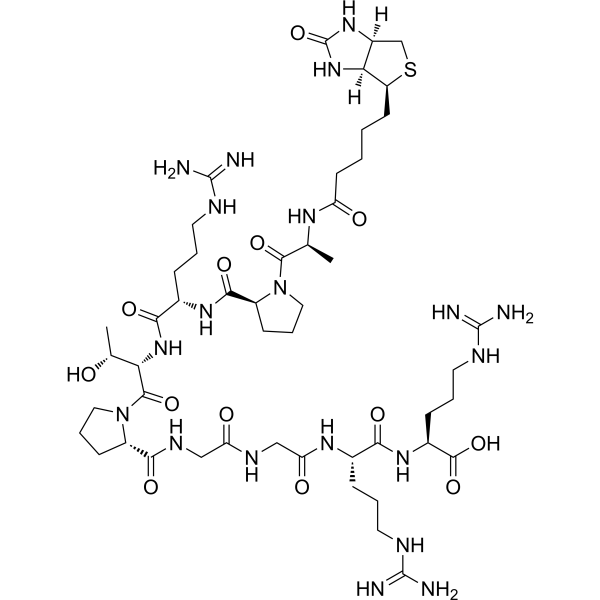
- Formula: C49H84N20O13S
- Molecular Weight: 1193.38
Biotin-myelin basic protein (94-102) is a peptide fragemt. Myelin basic protein is responsible for adhesion of the cytosolic surfaces of multilayered compact myelin, it plays an important role in the process of myelination of nerves in the nervous system. Myelin basic protein also acts as a membrane actin-binding protein, which might allow it to participate in transmission of extracellular signals to the cytoskeleton in oligodendrocytes and tight junctions in myelin.

- Formula: C109H195F9N14O23S2
- Molecular Weight: 2304.91
Pam3CSK4-Biotin (Pam3Cys-Ser-(Lys)4-Biotin) TFA is biotinylated Pam3CSK4. Pam3CSK4-Biotin TFA is a Toll-like receptor 1/2 (TLR1/2) agonist.



