



Promethazine hydrochloride (Standard)
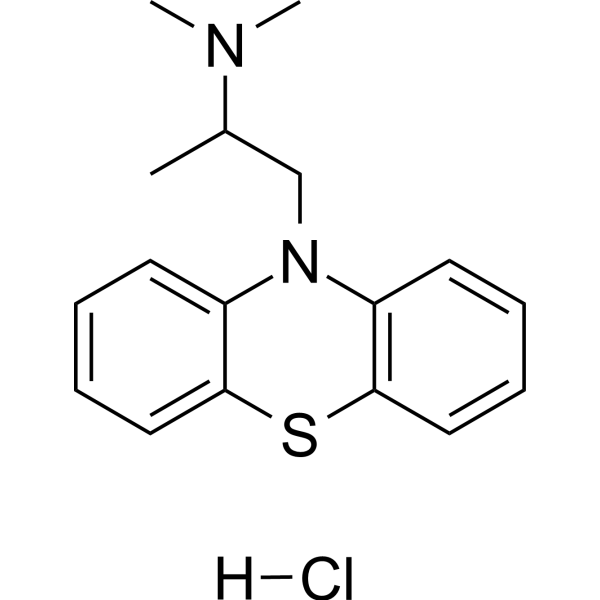
Promethazine (hydrochloride) (Standard) is the analytical standard of Promethazine (hydrochloride). This product is intended for research and analytical applications. Promethazine hydrochloride is an orally active phenothiazine derivative with antihistaminic (H1), sedative, antiemetic, anticholinergic, and antimotion sickness properties. Promethazine hydrochloride is a potent H1 receptor antagonist and a mAChR antagonist. It also has a certain affinity for 5-HT2A and 5-HT2C receptors.
For research use only. We do not sell to patients.
- Purity : 98%
- CAS No.: 58-33-3
- Formula: C₁₇H₂₁ClN₂S
- Molecular Weight:320.88
-
Storage:
Please store the product under the recommended conditions in the Certificate of Analysis.


To place orders, for customer services and technical support, please contact: MedChemExpress USA
Tel: 609-228-6898 E-mail: [email protected] [email protected]


-
 Product Information
-
Chemical Information
- Purity & Documentation
-
 Help & FAQs


-
HY-B0781
Promethazine hydrochloride -
HY-B0539
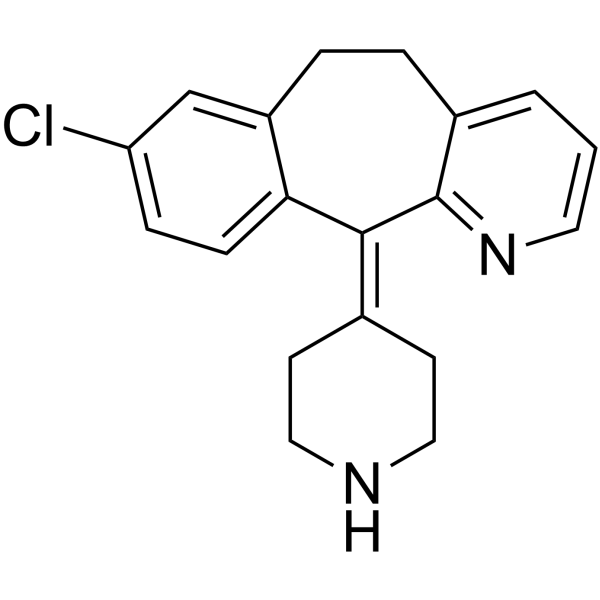
Desloratadine -
HY-17043
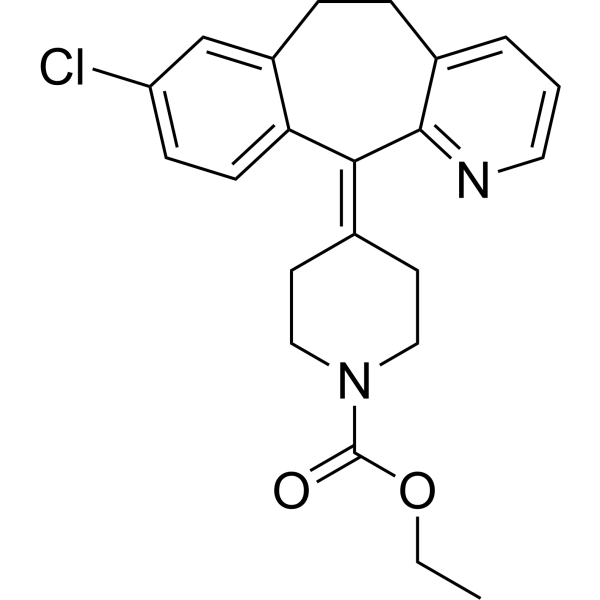
Loratadine -
HY-B0462
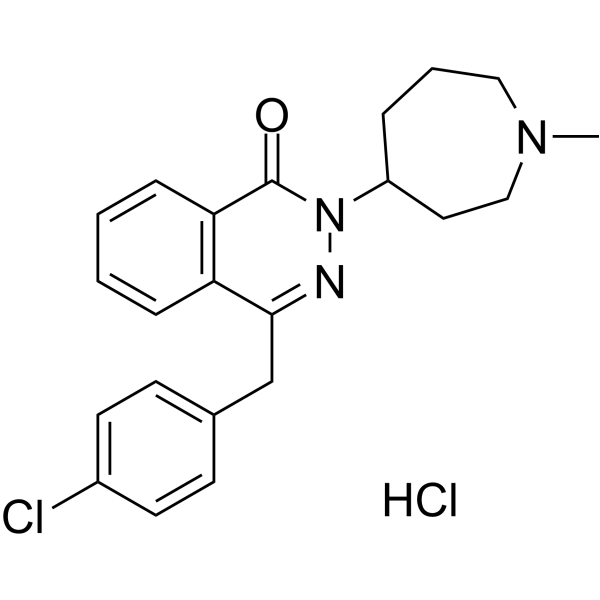
Azelastine hydrochloride -
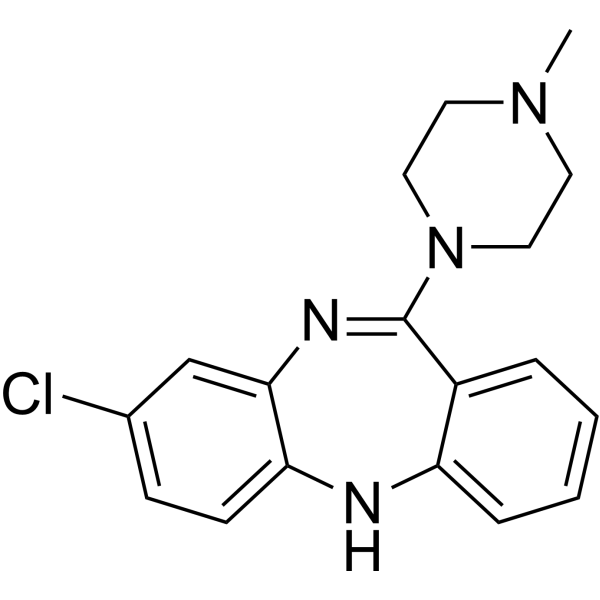
HY-14539
Clozapine -
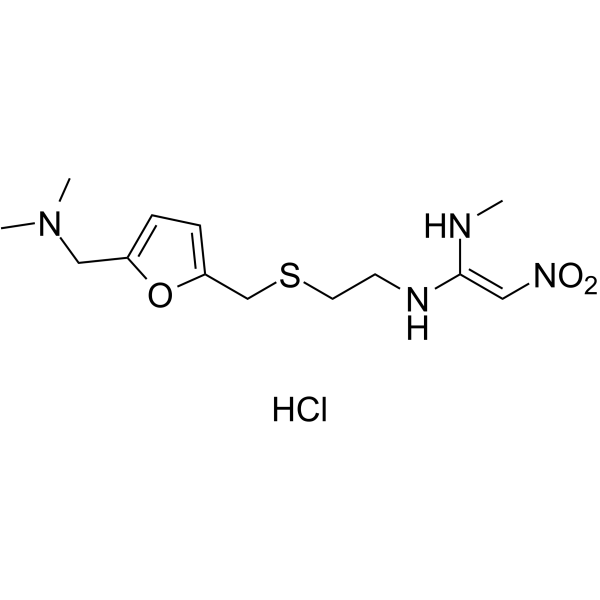
HY-B0281A
Ranitidine hydrochloride -
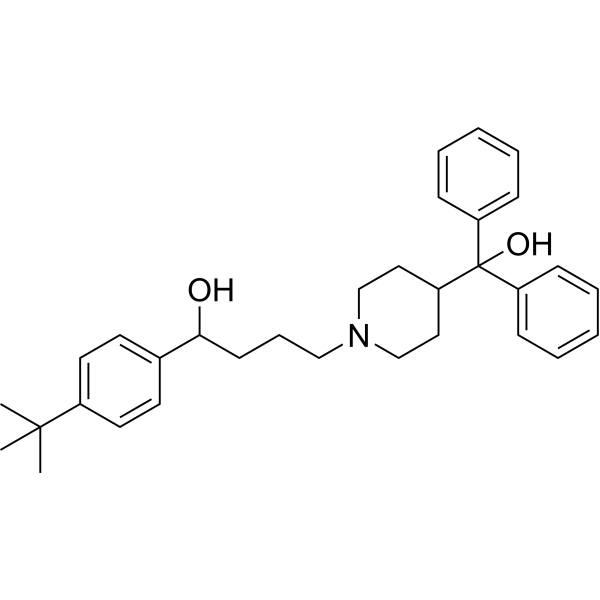
HY-B1193
Terfenadine -
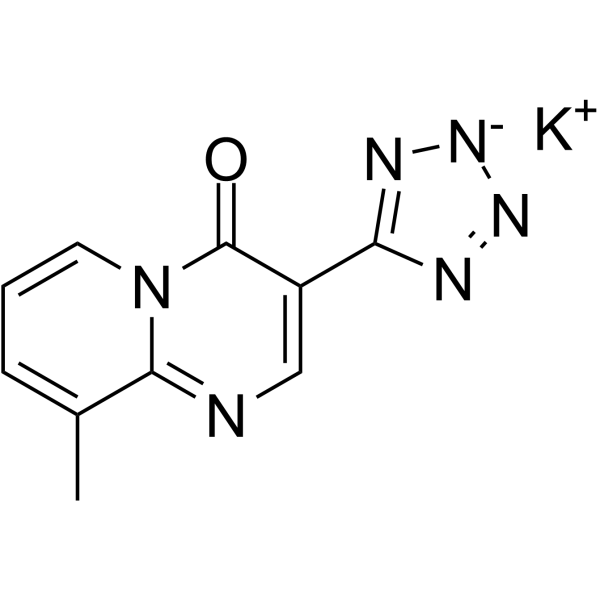
HY-B0538A
Pemirolast potassium -
HY-17042A
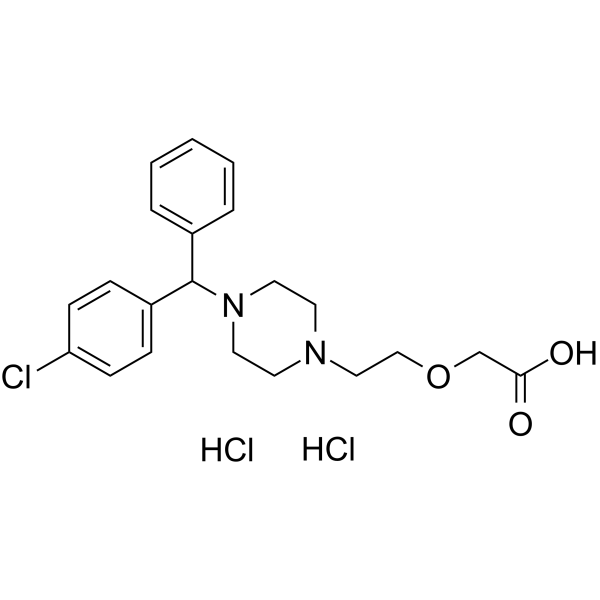
Cetirizine dihydrochloride -
HY-12532
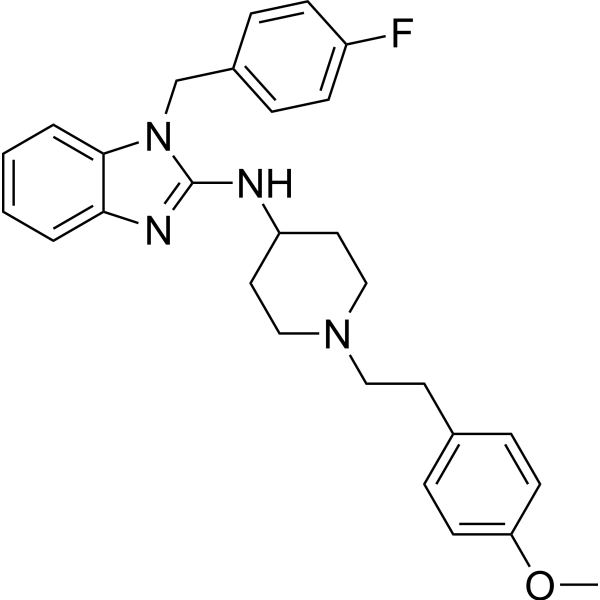
Astemizole -
HY-B0693
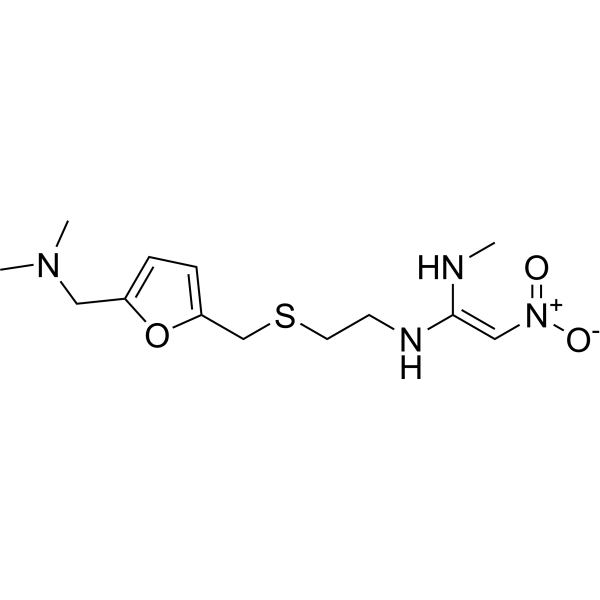
Ranitidine -
HY-N0494
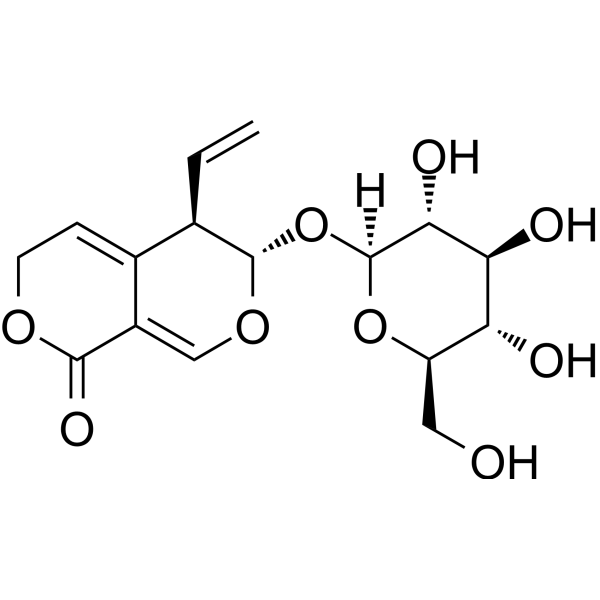
Gentiopicroside


Product Information
Information
Application
The compound is the grade of analytical standard, which is the reference standard supplied assay. It is commonly used in qualitative, quantitative and methodological research experiments in HPLC, GC and MS.


Chemical Information
-
CAS No. 58-33-3
-
Molecular Weight 320.88
-
Formula C₁₇H₂₁ClN₂S
-
SMILES
CC(N(C)C)CN1C(C=CC=C2)=C2SC3=CC=CC=C13.[H]Cl
-
Shipping
Room temperature in continental US; may vary elsewhere.
-
Storage
Please store the product under the recommended conditions in the Certificate of Analysis.


Purity & Documentation
References
[1]. Kasai T, et al. Promethazine Hydrochloride Inhibits Ectopic Fat Cell Formation in Skeletal Muscle. Am J Pathol. 2017 Dec;187(12):2627-2634. [Content Brief]
[2]. Fiorella D, et al. The role of the 5-HT2A and 5-HT2C receptors in the stimulus effects of hallucinogenic drugs. I: Antagonist correlation analysis. Psychopharmacology (Berl). 1995 Oct;121(3):347-56. [Content Brief]
[3]. McDonough JA, et al. Microcapsule-gel formulation of promethazine HCl for controlled nasal delivery: a motion sickness medication. J Microencapsul. 2007 Mar;24(2):109-16. [Content Brief]
[4]. Wink CS, et al. Effects of promethazine HCl on osteoporotic femora of adult castrated male rats. Acta Anat (Basel). [Content Brief]

Calculators
Concentration (start) × Volume (start) = Concentration (final) × Volume (final)


Promethazine hydrochloride (Standard) Related Classifications
HY-B0781R Related Classifications
 Powered by Bioz