70 Results for "

Developmental Toxicity

" in MedChemExpress (MCE) Product Catalog:
Products (70)

70 Results for "Developmental Toxicity" in MCE Product Catalog:

Cat. No.: HY-136380S
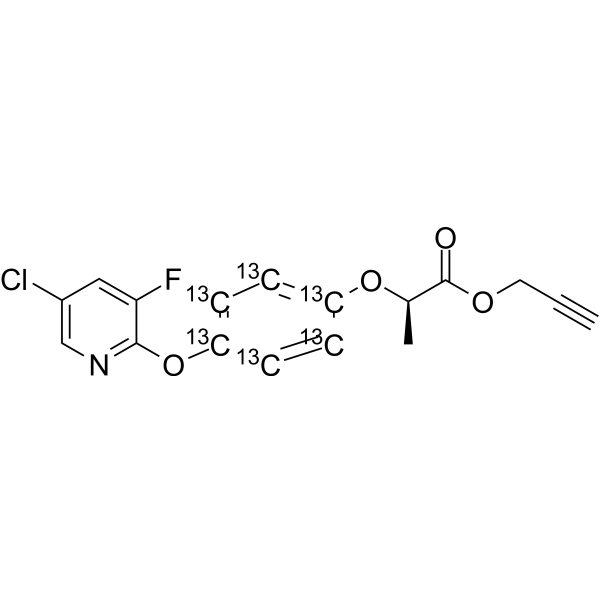
Clodinafop-propargyl- 13C6 is the 13C-labeled Clodinafop-propargyl (HY-136380). Clodinafop-propargyl, an aryloxyphenoxy-propionate herbicide, is used for postemergence control of annual grasses in cereals. Clodinafop-propargyl has organ toxicity and developmental toxicity .
loading...
    loading...
Cat. No.: HY-136355S
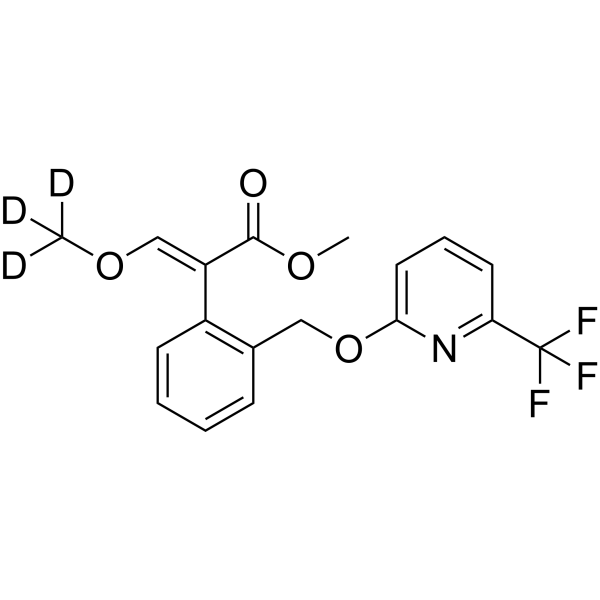
Picoxystrobin-d3 is the deuterium labeled Picoxystrobin (HY-136355). Picoxystrobin is a strobilurin fungicide. Picoxystrobin controls plant diseases by inhibiting mitochondrial respiration. Picoxystrobin is highly toxic to zebrafish embryos, causing developmental abnormalities, oxidative stress, and immunotoxicity .
loading...
    loading...
Cat. No.: HY-136355R
CAS No.: 117428-22-5
Picoxystrobin (Standard) is the analytical standard of Picoxystrobin (HY-136355). This product is intended for research and analytical applications. Picoxystrobin is a strobilurin fungicide. Picoxystrobin controls plant diseases by inhibiting mitochondrial respiration. Picoxystrobin is highly toxic to zebrafish embryos, causing developmental abnormalities, oxidative stress, and immunotoxicity .
loading...
    loading...
Cat. No.: HY-B0973S
CAS No.: 33262-29-2
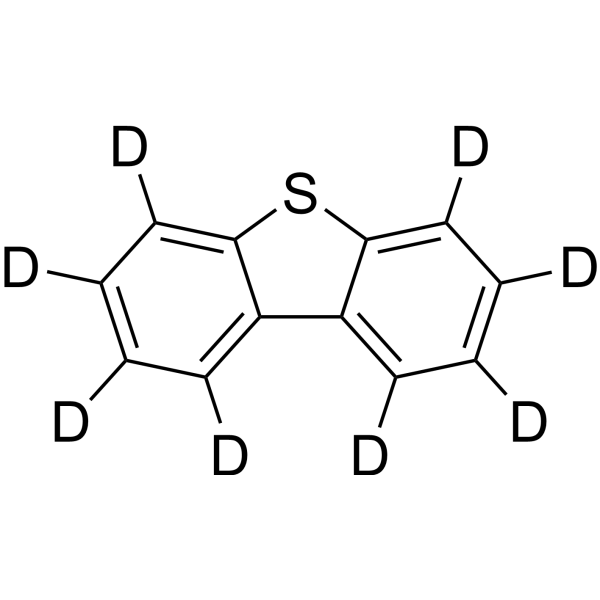
Dibenzothiophene-d8 is the deuterium labeled Dibenzothiophene (HY-B0973). Dibenzothiophene is an orally active and a noncompetitive CYP1A inhibitor. Dibenzothiophene inhibits CYP1A-mediated EROD activity with Km of 0.592 μM. Dibenzothiophene interacts with the AHR pathway. Dibenzothiophene enhances the embryotoxicity of β-naphthoflavone (HY-114740). Dibenzothiophene shows acute toxicity in mice. Dibenzothiophene is mainly used for the study of the mechanism of developmental toxicity in organisms .
loading...
    loading...
Cat. No.: HY-B0973R
CAS No.: 132-65-0
Synonyms: DBT (Standard); Diphenylene sulfide (Standard)
Dibenzothiophene (Standard) is the analytical standard of Dibenzothiophene (HY-B0973). This product is intended for research and analytical applications. Dibenzothiophene is an orally active and a noncompetitive CYP1A inhibitor. Dibenzothiophene inhibits CYP1A-mediated EROD activity with Km of 0.592 μM. Dibenzothiophene interacts with the AHR pathway. Dibenzothiophene enhances the embryotoxicity of β-naphthoflavone (HY-114740). Dibenzothiophene shows acute toxicity in mice. Dibenzothiophene is mainly used for the study of the mechanism of developmental toxicity in organisms .
loading...
    loading...
Cat. No.: HY-W762011R
CAS No.: 5436-43-1
BDE 47 (Standard) is the analytical standard of BDE 47. This product is intended for research and analytical applications. BDE 47 targets mitochondria, inhibits mitochondrial oxidative phosphorylation (OXPHOS), decreases mitochondrial membrane potential (MMP) and induces apoptosis in embryonic cell. BDE 47 induces the generation of ROS, and activates the JNK signaling pathway. BDE 47 exhibits embryonic developmental toxicity in zebrafish .
loading...
    loading...
Cat. No.: HY-B2015S
CAS No.: 1189903-75-0
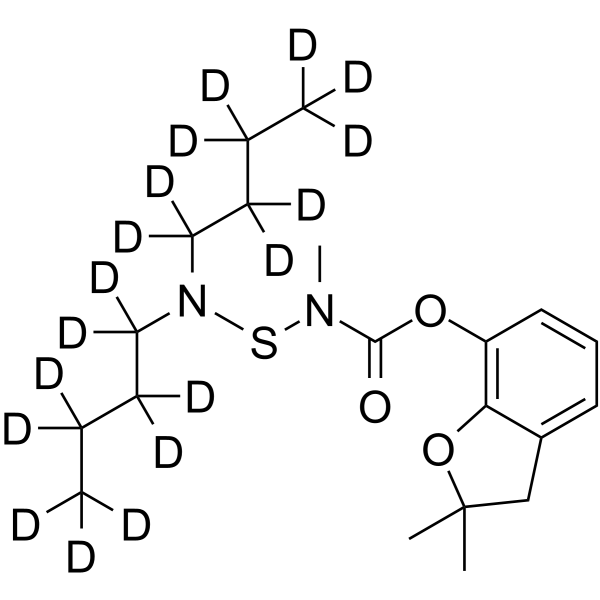
Carbosulfan-d18 is the deuterium labeled Carbosulfan. Carbosulfan is an orally active AChE inhibitor that hydrolyzes to Carbofuran in organisms to exert insecticidal effects. Carbosulfan exhibits broad-spectrum insecticidal activity, and it also induces severe oxidative stress by enhancing lipid peroxidation and impairing the antioxidant defense system. Carbosulfan causes reproductive toxicity in male rats and developmental disorders in their offspring. Carbosulfan shows persistence in paddy field environments and potential hazards to non-target organisms, and it is commonly used in studies related to reproductive toxicity and environmental risk assessment .
loading...
    loading...
Cat. No.: HY-122351
CAS No.: 245650-17-3
Research Areas:  

Others

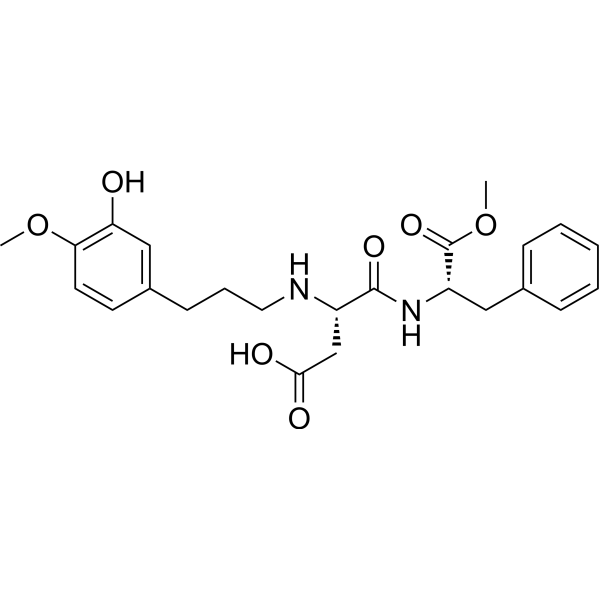
Advantame is an N-substituted derivative of aspartame. Advantame is a high-intensity, low calorie sweetener. Advantame can interact with plasma protein. Advantame has the potential to produce hypotension and inhibit hERG K + channel to produce carditoxicity. Advantame binds to T1R2/T1R3 taste GPCR to form an oligomeric functional selectivity of biased heteromers with NMBR to induce a significant sialidase activity in vitro. Advantame has maternal toxicity (gastrointestinal disturbances) in the prenatal developmental toxicity study in rabbits .
loading...
    loading...
Cat. No.: HY-B2015R
CAS No.: 55285-14-8
Carbosulfan (Standard) is the analytical standard of Carbosulfan. This product is intended for research and analytical applications. Carbosulfan is an orally active AChE inhibitor that hydrolyzes to Carbofuran in organisms to exert insecticidal effects. Carbosulfan exhibits broad-spectrum insecticidal activity, and it also induces severe oxidative stress by enhancing lipid peroxidation and impairing the antioxidant defense system. Carbosulfan causes reproductive toxicity in male rats and developmental disorders in their offspring. Carbosulfan shows persistence in paddy field environments and potential hazards to non-target organisms, and it is commonly used in studies related to reproductive toxicity and environmental risk assessment .
loading...
    loading...
Cat. No.: HY-B2010S
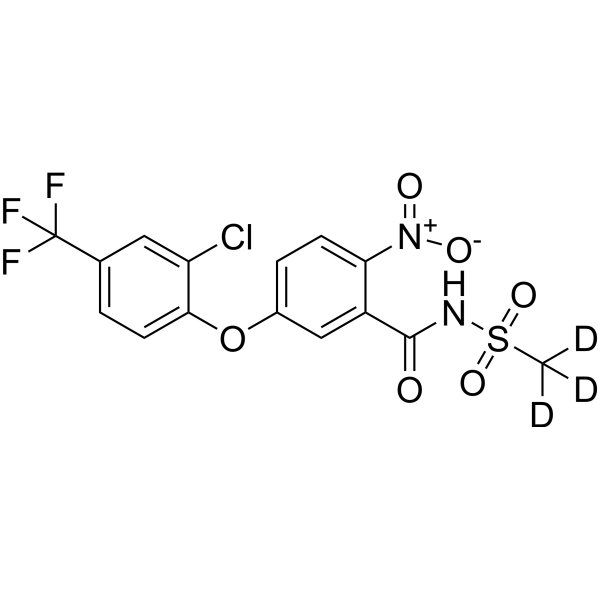
Fomesafen-d3 is the deuterium-labeled Fomesafen (HY-B2010). Fomesafen is an orally active herbicide. Fomesafen inhibits protoporphyrinogen oxidase (PPO). Fomesafen induces Apoptosis and increases ROS. Fomesafen exhibits developmental toxicity, immunotoxicity, and neurotoxicity. It induces precancerous lesions in the liver and hepaturoporphyria in mice. Fomesafen is used to control broadleaf weeds in soybean fields, rubber plantations, and orchards .
loading...
    loading...
Cat. No.: HY-133813AR
CAS No.: 72296-47-0
Apovincaminic acid hydrochloride salt (Standard) is the analytical standard of Apovincaminic acid hydrochloride salt (HY-133813A). This product is intended for research and analytical applications. Apovincaminic acid hydrochloride salt is the major metabolite of Vinpocetine (HY-13295), with blood-brain barrier permeability and oral activity. Apovincaminic acid hydrochloride salt is detectable in the plasma of pregnant rabbits after oral administration of Vinpocetine. Apovincaminic acid hydrochloride salt is absorbable from all segments of the gastrointestinal tract of Norway rat, with the stomach as the primary absorption site, and is excreted via urine and feces. Apovincaminic acid hydrochloride salt is used in the research of cerebrovascular diseases .
loading...
    loading...
Cat. No.: HY-133813S
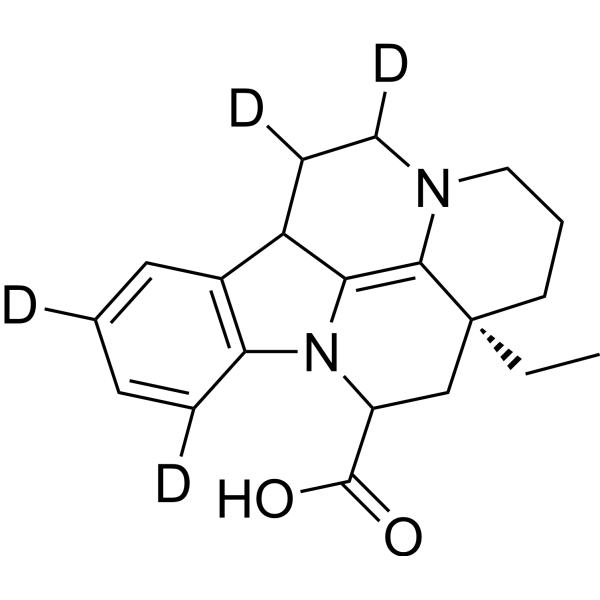
Apovincaminic acid-d4 is the deuterated-labeled Apovincaminic acid (HY-133813). Apovincaminic acid is the major metabolite of Vinpocetine (HY-13295), with blood-brain barrier permeability and oral activity. Apovincaminic acid is detectable in the plasma of pregnant rabbits after oral administration of Vinpocetine. Apovincaminic acid is absorbable from all segments of the gastrointestinal tract of Norway rat, with the stomach as the primary absorption site, and is excreted via urine and feces. Apovincaminic acid is used in the research of cerebrovascular diseases .
loading...
    loading...
Cat. No.: HY-B2010R
CAS No.: 72178-02-0
Fomesafen (Standard) is the analytical standard of Fomesafen (HY-B2010). This product is intended for research and analytical applications. Fomesafen is an orally active herbicide. Fomesafen inhibits protoporphyrinogen oxidase (PPO). Fomesafen induces Apoptosis and increases ROS. Fomesafen exhibits developmental toxicity, immunotoxicity, and neurotoxicity. It induces precancerous lesions in the liver and hepaturoporphyria in mice. Fomesafen is used to control broadleaf weeds in soybean fields, rubber plantations, and orchards .
loading...
    loading...
Cat. No.: HY-122351AR
CAS No.: 714229-20-6
Research Areas:  

Others

Advantame (Standard) is the analytical standard of Advantame. This product is intended for research and analytical applications. Advantame is an N-substituted derivative of aspartame. Advantame is a high-intensity, low calorie sweetener. Advantame can interact with plasma protein. Advantame has the potential to produce hypotension and inhibit hERG K + channel to produce carditoxicity. Advantame binds to T1R2/T1R3 taste GPCR to form an oligomeric functional selectivity of biased heteromers with NMBR to induce a significant sialidase activity in vitro. Advantame has maternal toxicity (gastrointestinal disturbances) in the prenatal developmental toxicity study in rabbits .
loading...
    loading...
Cat. No.: HY-W331198
CAS No.: 122454-29-9
Target:  

Insecticide Ferroptosis

Research Areas:  

Infection

Tralopyril is an orally active, blood-brain barrier-penetrating antifouling insecticide and endocrine disruptor. By interfering with the thyroid hormone system and mitochondrial oxidative phosphorylation, Tralopyril downregulates the transcription of genes such as TRHR, Nkx2.1, TRα and induces ferroptosis. Tralopyril disrupts amino acid, energy and lipid metabolism, exhibits significant skeletal and reproductive toxicity, and causes developmental damage. Tralopyril has a long half-life in vivo and wide tissue distribution, posing potential risks to aquatic organisms and human health. Tralopyril shows species specificity in in vitro liver microsomal metabolism, exerts lethal effects on target insects and laboratory animals, and is commonly used in studies of chlorfenapyr poisoning and related toxic mechanisms .
loading...
    loading...
Cat. No.: HY-W040194R
CAS No.: 81777-89-1
Research Areas:  

Metabolic Disease

Clomazone (Standard) is the analytical standard of Clomazone (HY-W040194). This product is intended for research and analytical applications. Clomazone is a broad spectrum herbicide, mainly used to control annual broadleaf weeds and grass weeds in various crops such as rice, soybeans, and peanuts. Clomazone inhibits carotenoid biosynthesis, and treated plants show typical "albinism" symptoms due to the destruction of chloroplast membrane structure leading to chlorophyll degradation. Clomazone exhibits multiple toxic effects on non-target organisms, including aquatic lethality, developmental malformations, liver damage, mitochondrial dysfunction, and hematotoxicity.
loading...
    loading...
Cat. No.: HY-W663938R
CAS No.: 400882-07-7
Cyflumetofen (Standard) is the analytical standard of Cyflumetofen (HY-W663938). This product is intended for research and analytical applications. Cyflumetofen is a non-systemic acylacetonitrile Acaricide. Cyflumetofen interferes with the Wnt/β-catenin signaling pathway, induces Apoptosis, and reduces the level of tight junction proteins. Cyflumetofen upregulates the expression of Pink1, Parkin and Lrrk2 genes associated with the pathogenesis of Parkinson's disease in zebrafish larvae. Cyflumetofen induces developmental toxicity and oxidative stress in zebrafish larvae, damages neurons, reduces motor activity, alters brain tissue structure, and disrupts blood-brain barrier structure. Cyflumetofen exhibits acaricidal activity against spider mites. Cyflumetofen can be used in studies related to Parkinson's disease and infestations by spider mites (Tetranychus urticae, Tetranychus kanzawai, Panonychus citri) .
loading...
    loading...
Cat. No.: HY-B2004R
CAS No.: 130000-40-7
Thifluzamide (Standard) is the analytical standard of Thifluzamide. This product is intended for research and analytical applications. Thifluzamide is a fungicide that inhibits fungal respiration by blocking the ubiquinone-binding site in mitochondrial complex II. Thifluzamide exhibits significant activity against Basidiomycota pathogens (such as Rhizoctonia cerealis, Ustilago and Puccinia genera) and is commonly used in studies on wheat sharp eyespot. Thifluzamide displays a dual mechanism in regulating lipid metabolism: it reduces fatty acid synthase activity to inhibit endogenous fatty acid synthesis, and increases carnitine palmitoyltransferase-I activity to accelerate fatty acid β-oxidation, thereby reducing total cholesterol and triglyceride levels in the liver. Thifluzamide also induces hepatotoxicity in zebrafish models and carries a risk of developmental toxicity. Thifluzamide inhibition of Rhizoctonia cerealis may result in low to moderate levels of drug resistance, leading to the generation of stable drug-resistant mutants .
loading...
    loading...
Cat. No.: HY-W102352
CAS No.: 111-21-7
Target:  

Drug Derivative

Research Areas:  

Endocrinology

Triethylene glycol diacetate is an orally active Triethylene glycol (HY-W017440) derivative with reproduction toxicity. Triethylene glycol diacetate reduces body weights of nursing mouse pups during lactation, with effects reversing by young adulthood, and increases combined kidney/adrenal weight in adult. Triethylene glycol diacetate can be used for the research of reproductive and developmental toxicity .
loading...
    loading...
Cat. No.: HY-W142457
CAS No.: 18479-58-8
Dihydromyrcenol is an orally active flavor ingredient and Antifungal agent. Dihydromyrcenol acts as a toxicant. Dihydromyrcenol induces phototoxicity-related growth inhibition in Bakers' Yeast. In pregnant rats, Dihydromyrcenol causes threshold maternal toxicity by reducing feed consumption and body weight gain, and also induces threshold developmental toxicity by decreasing fetal body weight, inhibiting ossification of metatarsal bones in the hind paws, increasing the number of extra thoracic vertebrae ribs, and altering vertebral counts .
loading...
    loading...

