100 Results for "

2,7-dibromo-9,9-diethyl-9H-fluorene

" in MedChemExpress (MCE) Product Catalog:
Products (100)

100 Results for "2,7-dibromo-9,9-diethyl-9H-fluorene" in MCE Product Catalog:

5
5 Cited Publications
Cat. No.: HY-Y0836
CAS No.: 123-25-1
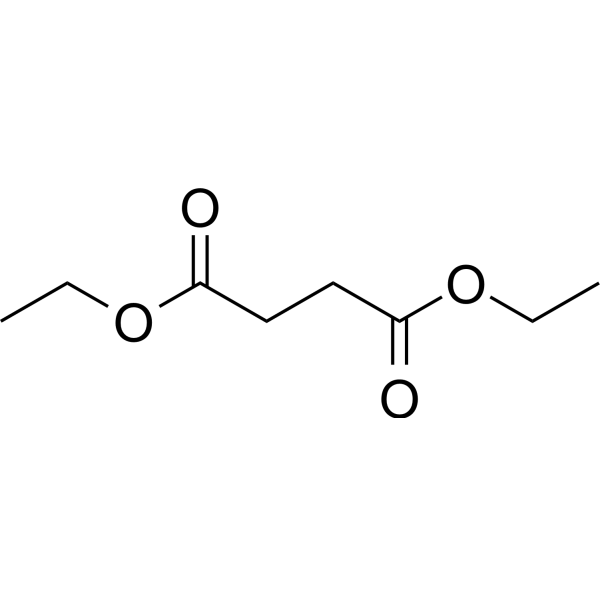
Synonyms: diethyl Butanedioate
Diethyl succinate (Diethyl Butanedioate) can be utilized at physiological pH, allowing it to penetrate biological membranes and integrate into the cells of tissue cultures, where it is metabolized via the tricarboxylic acid cycle. Diethyl succinate modulates the polarization and activation of microglial cells by reducing mitochondrial fission and the levels of reactive oxygen species (ROS), thereby exerting an inflammatory protective effect in primary microglial cells. Furthermore, Diethyl succinate is non-toxic and can be used in flavorings and seasonings .
loading...
    loading...
2
2 Cited Publications
Cat. No.: HY-Y0284
CAS No.: 84-66-2
Diethyl phthalate is an orally active plasticizer and detergent base. Diethyl phthalate increases the activities of ACP, ALP, SDH, and ALT in liver, muscle, or both tissues. Diethyl phthalate induces dose-dependent mortality and sluggish behavior in freshwater fish. Diethyl phthalate may induce male reproductive toxicity. Diethyl phthalate is added to plastic polymers to help maintain their flexibility .
loading...
    loading...
1
1 Cited Publications
Cat. No.: HY-Y1147
CAS No.: 141-05-9
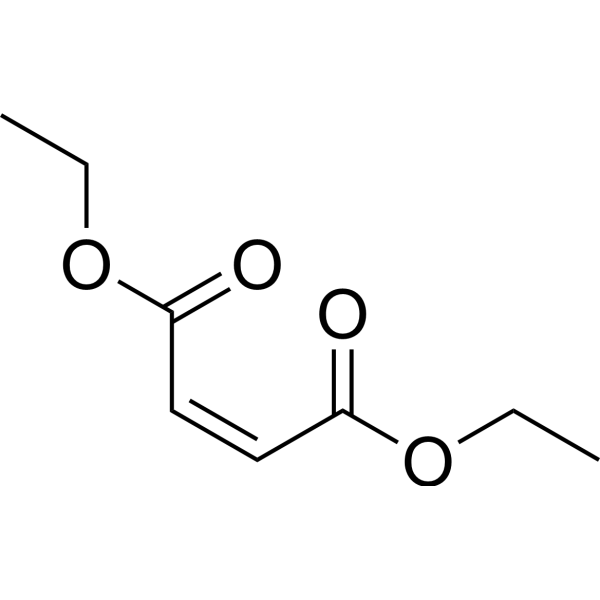
Synonyms: Maleic acid diethyl ester
Diethyl maleate (DEM) is an orally available, effective glutathione (GSH) depletor that crosses the blood-brain barrier. Diethyl maleate covalently binds irreversibly to GSH via glutathione S-transferase with an in vitro IC50 of 0.1-0.5 mM. Diethyl maleate selectively depletes GSH in liver, lung, and brain tissues, exacerbating oxidative stress and enhancing hyperbaric oxygen toxicity. Diethyl maleate promotes precursor amino acid uptake and in turn promotes GSH synthesis by upregulating the activity of the cystine-glutamate transporter XO -. Diethyl maleate can be used to study redox homeostasis and GSH protection mechanisms in oxidative stress-related diseases such as hyperbaric oxygen injury and metabolic diseases[1][2][3].
loading...
    loading...
1
1 Cited Publications
Cat. No.: HY-W026772
CAS No.: 86-73-7
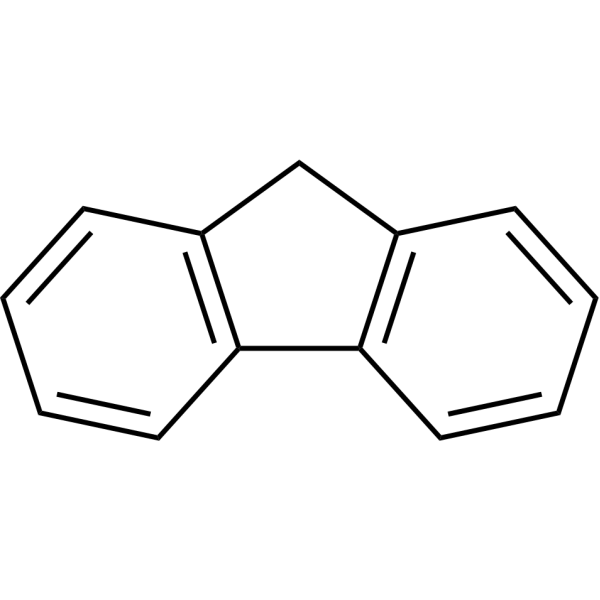
Fluorene is an orally active polycyclic aromatic hydrocarbon (PAH) and a precursor to other fluorene-based compounds. Fluorene and its derivatives serve as dye precursors for fluorene synthesis. In A549 cells, Fluorene induces oxidative stress and inflammatory responses by increasing ROS and SOD generation, exacerbating lipid peroxidation, modulating antioxidant enzyme activity, and upregulating the expression of pro-inflammatory factors TNF-α and IL-6. In vivo, Fluorene exhibits anxiolytic activity. Fluorene holds potential for research in inflammation and neurological disorders .
loading...
    loading...
1
1 Cited Publications
Cat. No.: HY-W010056
CAS No.: 623-91-6
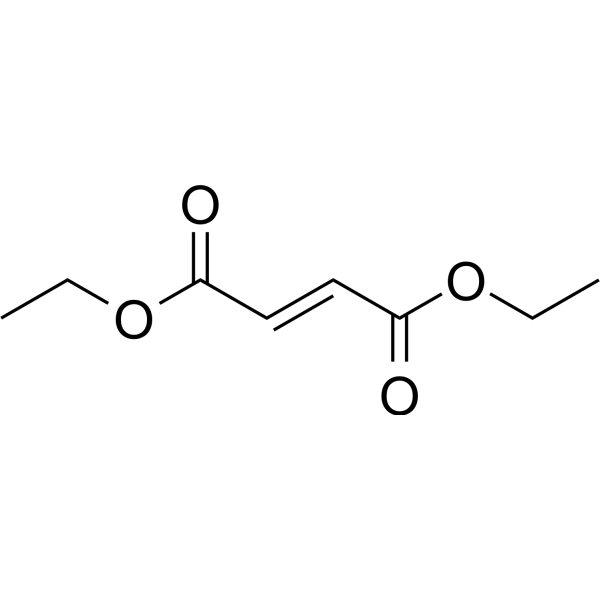
Diethyl fumarate is a Nrf2 inducer. Diethyl fumarate induces non-immunological contact urticaria, causing erythema, edema, and dose-dependent skin responses characterized by rapid onset, peak response, and subsequent resolution. The hybrid of Diethyl fumarate and Curcumin (HY-N0005) exerts neuroprotective effects. Diethyl fumarate can be used in the research of Parkinson's disease and non-immunological contact urticaria .
loading...
    loading...
1
1 Cited Publications
Cat. No.: HY-44178
CAS No.: 133-08-4
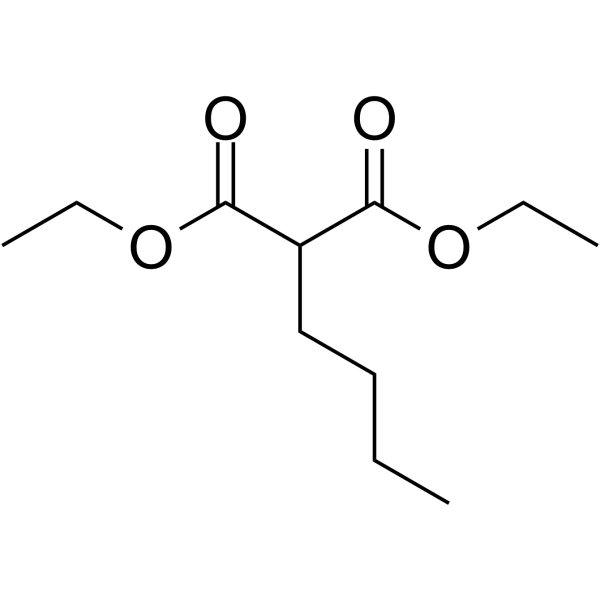
Diethyl butylmalonate is a competitive inhibitor of succinate dehydrogenase. Diethyl butylmalonate exerts anti-inflammatory effects by inhibiting ROS production. Diethyl butylmalonate also has neuroprotective activity. In addition, Diethyl butylmalonate shows toxicity to T. pyriformis, with its log(IGC50 -1) being 0.557. Diethyl butylmalonate can be used in the research of diseases such as Alzheimer's disease .
loading...
    loading...
Cat. No.: HY-D0846
CAS No.: 1609-47-8
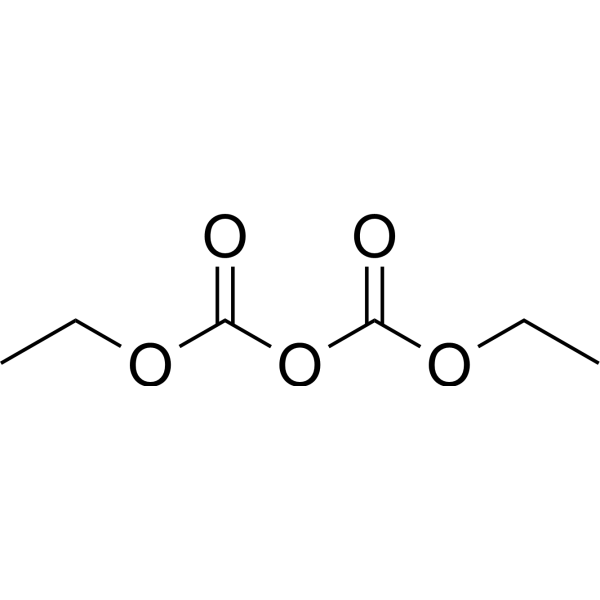
Diethyl pyrocarbonate is a potent, orally active, non-specific chemical inhibitor of RNase. Diethyl pyrocarbonate has been useful in vitro as an agent relatively specific for binding to imidazole of histidine. Diethyl pyrocarbonate inhibits central chemosensitivity in rabbits. Diethyl pyrocarbonate can modify Ser, Thr, His and Tyr residues. Diethyl pyrocarbonate can be used for modeling .
loading...
    loading...
Cat. No.: HY-Y0786
CAS No.: 77-48-5
Target:  

PROTAC Linkers

Research Areas:  

Cancer

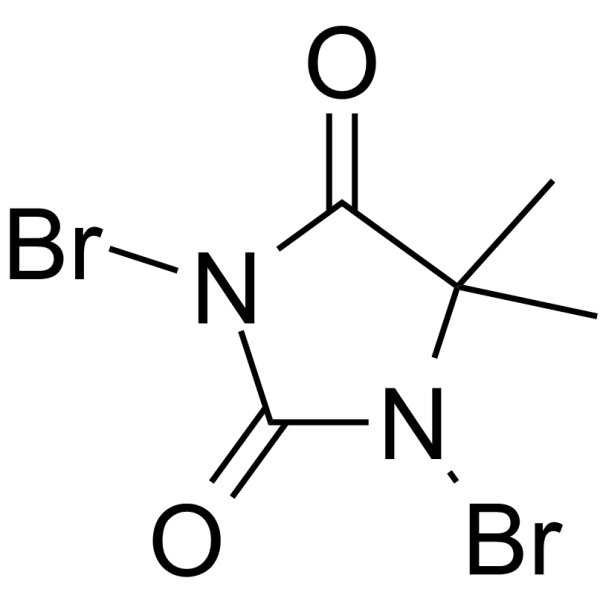
1,3-Dibromo-5,5-dimethylhydantoin is an alkyl chain-based PROTAC linker that can be used in the synthesis of PROTACs .
loading...
    loading...
Cat. No.: HY-Y0190
CAS No.: 87-91-2
Synonyms: diethyl tartrate
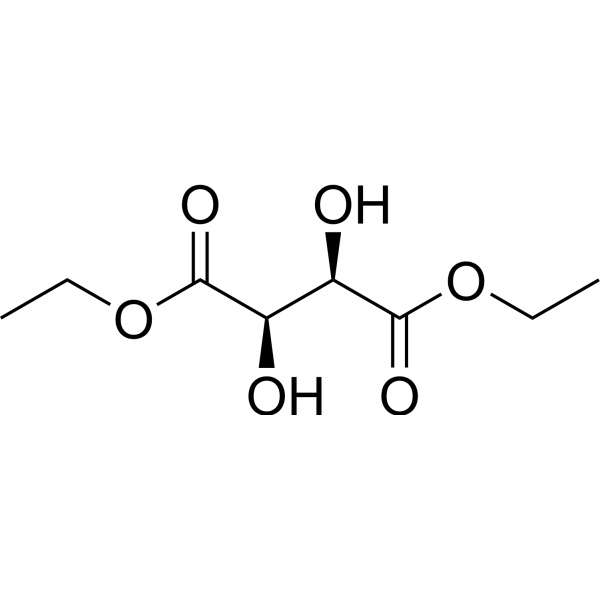
(2R,3R)-Diethyl 2,3-dihydroxysuccinate (Diethyl tartrate) is utilized in food industry as a flavoring agent and acidity regulator and for this purpose is also used in wines .
loading...
    loading...
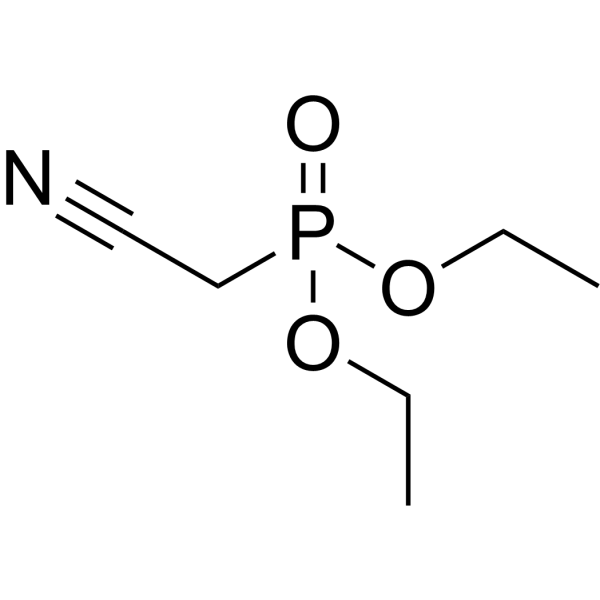
Cat. No.: HY-76459
CAS No.: 2537-48-6
Diethyl (cyanomethyl)phosphonate is a neutral bipolar neurotoxicant mimic that contains the diethylphosphonate moiety present in many chemical warfare agents and pesticides. Diethyl (cyanomethyl)phosphonate also serves as an important intermediate for the synthesis of other active compounds .
loading...
    loading...
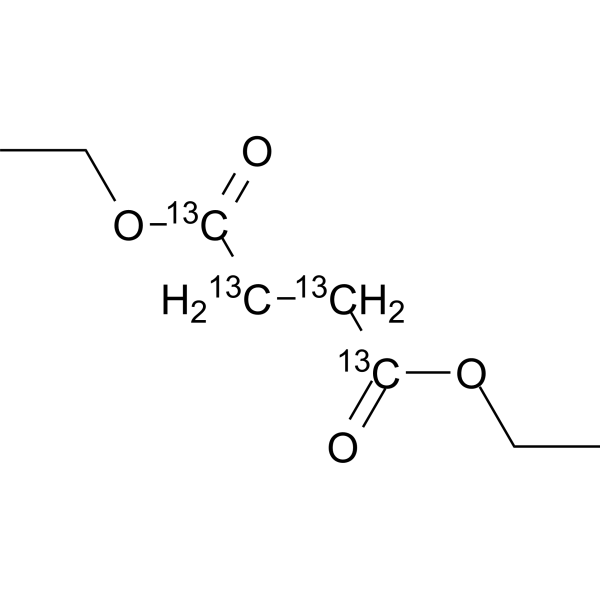
Cat. No.: HY-Y0836S
CAS No.: 1628796-56-4
Synonyms: 1,4-diethyl butanedioate-1,2,3,4-13C4
Diethyl succinate- 13C4 is the 13C labeled Diethyl succinate . Diethyl succinate (Diethyl Butanedioate) is used at physiological pH and crosses biological membranes, incorporates into cells in tissue culture and is metabolized by the TCA cycle. Diethyl succinate is known to be non-toxic and used in fragrances and flavoring .
loading...
    loading...
Cat. No.: HY-W340234
CAS No.: 34649-21-3
4,5-Dibromo-2-pyrrolic acid (compound 2) is an immunosuppressive compound. 4,5-Dibromo-2-pyrrolic acid suppresses the proliferative response of splenocytes to suboptimal concentrations of the mitogen, concanavalin A (Con A) .
loading...
    loading...
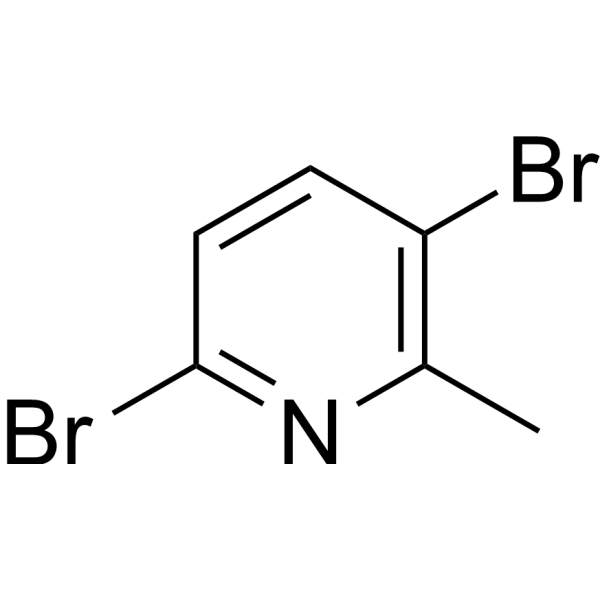
Cat. No.: HY-W003282
CAS No.: 39919-65-8
3,6-Dibromo-2-methylpyridine is a key intermediate in organic synthesis. 3,6-Dibromo-2-methylpyridine can be used in the study of pulmonary fibrosis and PRC2-dependent cancers .
loading...
    loading...
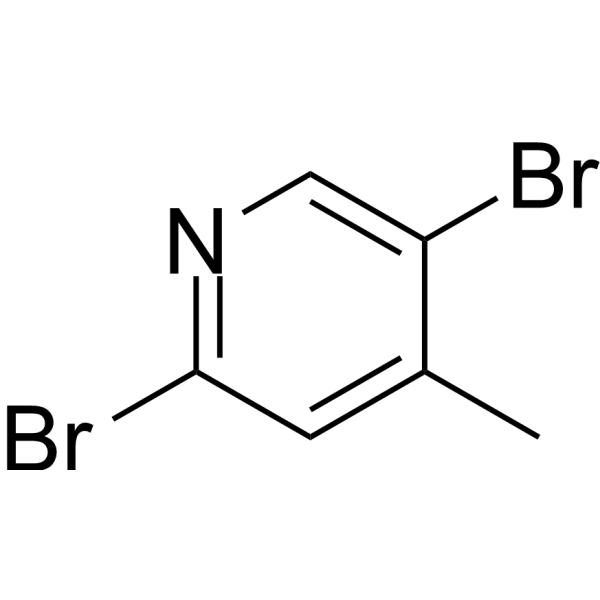
Cat. No.: HY-W009498
CAS No.: 3430-26-0
2,5-Dibromo-4-methylpyridine is a synthetic pyridine derivative and serves as an important intermediate .
loading...
    loading...
Cat. No.: HY-Y1361
CAS No.: 13811-71-7
Synonyms: D-(-)-Tartaric acid diethyl ester
Diethyl D-(-)-tartrate (D-(-)-Tartaric acid diethyl ester) is a biochemical reagent that can be used as a biological material or organic compound for life science related research. Diethyl D(-)-tartrate can also react with fatty carbonyl compounds to form bis(sodium carboxylate) types of surfactants, which have good water solubility, strong ability to lower surface tension, and can be easily decomposed under acidic conditions .
loading...
    loading...
Cat. No.: HY-W014092
CAS No.: 96-21-9
1,3-Dibromo-2-propanol is a biochemical reagent.
loading...
    loading...
Cat. No.: HY-W072385
CAS No.: 5279-32-3
Target:  

Drug Derivative

Research Areas:  

Neurological Disease

1,2-Dibromo-4,5-methylenedioxybenzene is an impurity in the synthesis of amphetamines .
loading...
    loading...
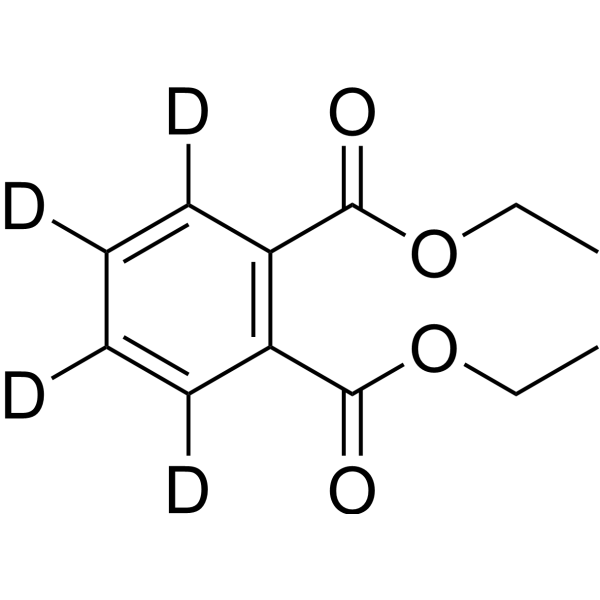
Cat. No.: HY-Y0284S
CAS No.: 93952-12-6
Diethyl phthalate-d4 is the d4 labeled Diethyl phthalate (HY-Y0284). Diethyl phthalate is an orally active plasticizer and detergent base. Diethyl phthalate increases the activities of ACP, ALP, SDH, and ALT in liver, muscle, or both tissues. Diethyl phthalate induces dose-dependent mortality and sluggish behavior in freshwater fish. Diethyl phthalate may induce male reproductive toxicity. Diethyl phthalate is added to plastic polymers to help maintain their flexibility .
loading...
    loading...
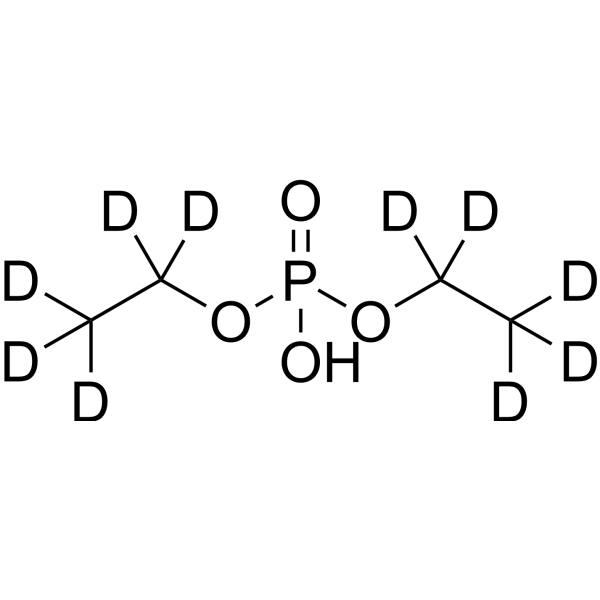
Cat. No.: HY-101417S1
CAS No.: 2483831-48-5
Purity:  99.70%
Synonyms: diethyl phosphoric acid-d10
Diethyl phosphate-d10-1 is the deuterium labeled Diethyl phosphate. Diethylphosphate (Diethyl phosphoric acid) is an orally active organophosphorus pesticides metabolite. Diethylphosphate can interfere with thyroid hormone-related mechanisms and affect intestinal microbes in rats .
loading...
    loading...
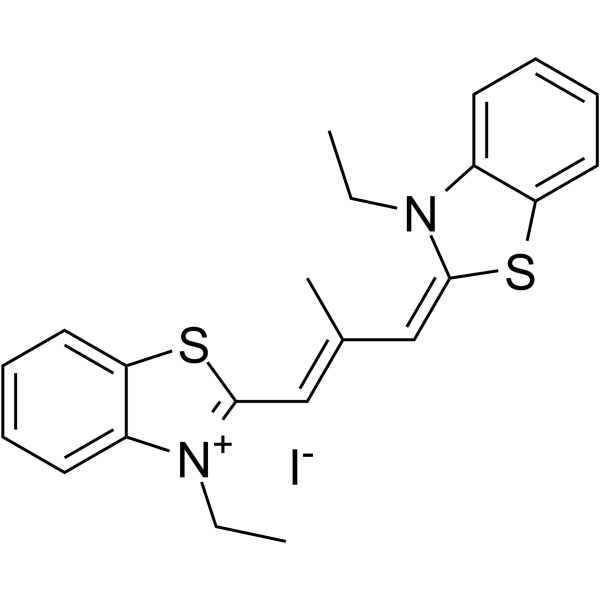
Cat. No.: HY-111935
CAS No.: 3065-79-0
Target:  

Microtubule/Tubulin

Research Areas:  

Neurological Disease

3,3'-Diethyl-9-methylthiacarbocyanine iodide is a cyanine dye, also a tau aggregation inhibitor, with an IC50 value of 0.28 μM for tau. 3,3'-Diethyl-9-methylthiacarbocyanine iodide can cause misfunction of the microtubule cytoskeleton. 3,3'-Diethyl-9-methylthiacarbocyanine iodide can be used for researching Alzheimer’s disease .
loading...
    loading...

