
1. Search Result
Search Result
Pathways Recommended: PI3K/Akt/mTOR
Results for "

AKT Kinase Inhibitor

" in MedChemExpress (MCE) Product Catalog:

156

Inhibitors & Agonists

4

Screening Libraries

1

Biochemical Assay Reagents

3

Peptides

2

Inhibitory Antibodies

18

Natural
Products

3

Isotope-Labeled Compounds

1

Oligonucleotides

Targets Recommended:
Cat. No. Product Name Target Research Areas Chemical Structure
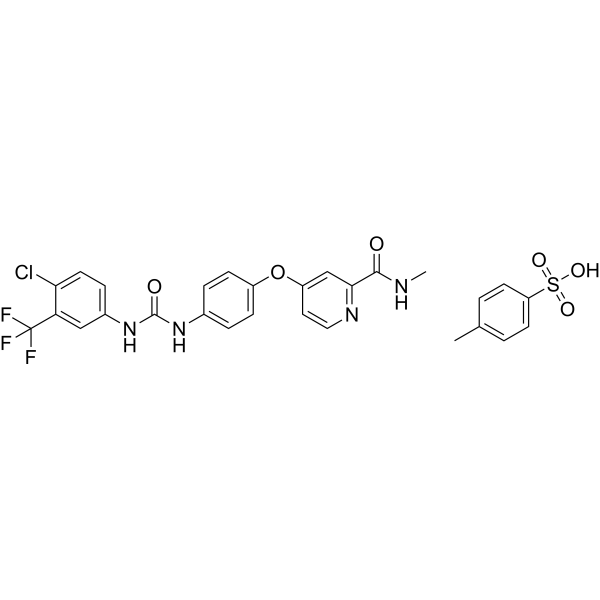
  • HY-10201
    Sorafenib
    Maximum Cited Publications
    283 Publications Verification

    Bay 43-9006

    Raf VEGFR FLT3 Autophagy Apoptosis STAT Akt MMP Cadherin p38 MAPK ERK MEK PI3K PARP Bcl-2 Family Infection Neurological Disease Metabolic Disease Inflammation/Immunology Cancer
    Sorafenib (Bay 43-9006) is a potent oral active multikinase inhibitor. Sorafenib blocks autophosphorylation and activity of receptor tyrosine kinases (VEGFR-2, VEGFR-3) and RAF family kinases, thereby suppressing the RAF/MEK/ERK and PI3K/Akt pathways, inhibiting STAT3 phosphorylation, and selectively inhibiting the MAPK pathway in cancer cells. Sorafenib induces cell cycle arrest, autophagy, apoptosis, and PARP cleavage, reduces Bcl-2, Bcl-XL, cyclin D1 levels, and activates Bak and Bax. Sorafenib inhibits tumor growth and metastasis in mouse and rat models. Sorafenib can be used for cancer research, such as colon, breast, non-small-cell lung cancer (NSCLC), ovarian, pancreatic, melanoma, colorectal and hepatocellular carcinoma .
    Sorafenib
  • HY-15431
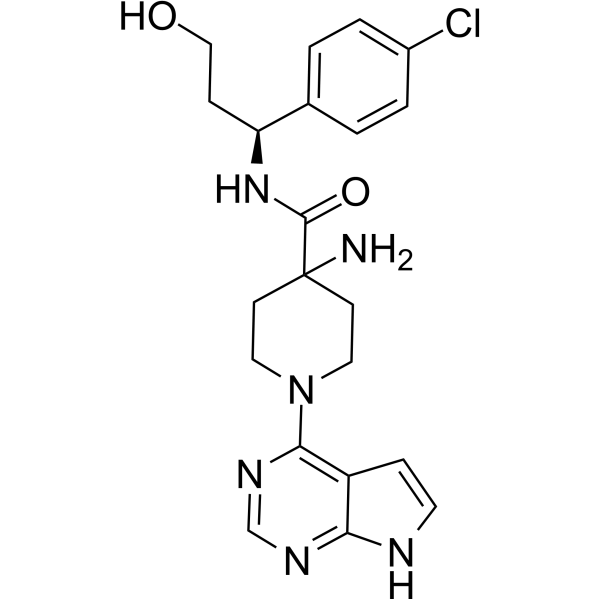
    Capivasertib
    80+ Cited Publications

    AZD5363

    Akt Autophagy Cancer
    Capivasertib (AZD5363) is an orally active and potent pan-AKT kinase inhibitor with IC50 of 3, 7 and 7 nM for Akt1,Akt2 and Akt3, respectively.
    Capivasertib
  • HY-10971
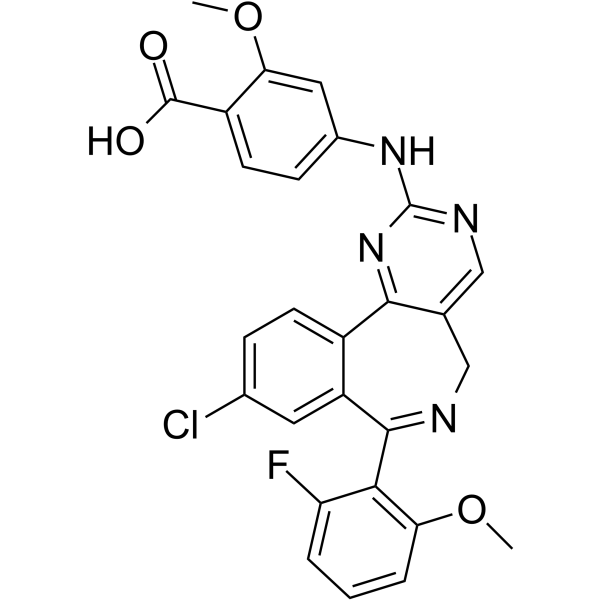
    Alisertib
    70+ Cited Publications

    MLN 8237

    Aurora Kinase Autophagy Apoptosis Cancer
    Alisertib (MLN 8237) is an orally active and selective Aurora A kinase inhibitor (IC50=1.2 nM), which binds to Aurora A kinase resulting in mitotic spindle abnormalities, mitotic accumulation. Alisertib (MLN 8237) induces apoptosis and autophagy through targeting the AKT/mTOR/AMPK/p38 pathway in leukemic cells. Antitumor activity .
    Alisertib
  • HY-13404
    Capmatinib
    20+ Cited Publications

    INC280; INCB28060

    c-Met/HGFR Apoptosis Cancer
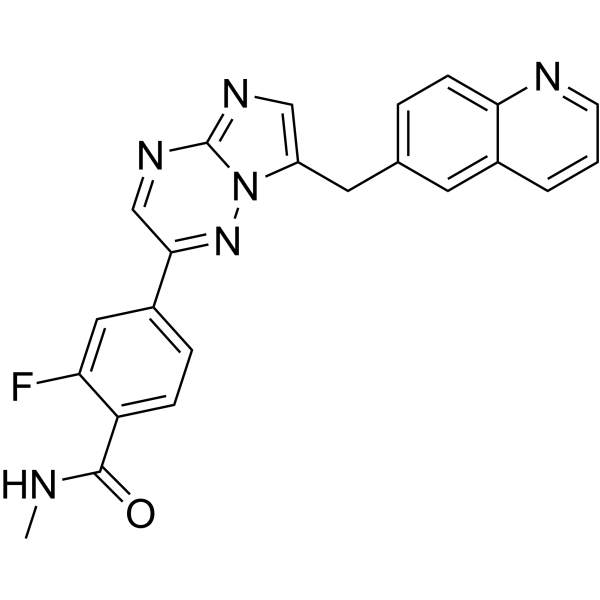
    Capmatinib (INC280; INCB28060) is a potent, orally active, selective, and ATP competitive c-Met kinase inhibitor (IC50=0.13 nM). Capmatinib can inhibit phosphorylation of c-MET as well as c-MET pathway downstream effectors such as ERK1/2, AKT, FAK, GAB1, and STAT3/5. Capmatinib potently inhibits c-MET-dependent tumor cell proliferation and migration and effectively induces apoptosis. Antitumor activity. Capmatinib is largely metabolized by CYP3A4 and aldehyde oxidase .
    Capmatinib
  • HY-10230
    Midostaurin
    35+ Cited Publications

    PKC412; CGP 41251

    PKC VEGFR c-Kit NO Synthase Apoptosis Cancer
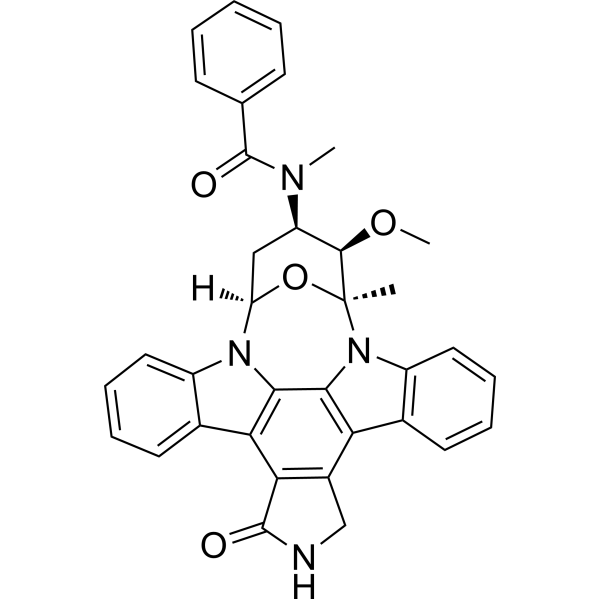
    Midostaurin (PKC412; CGP 41251) is an orally active, reversible multi-targeted protein kinase inhibitor. Midostaurin inhibits PKCα/β/γ, Syk, Flk-1, Akt, PKA, c-Kit, c-Fgr, c-Src, FLT3, PDFRβ and VEGFR1/2 with IC50s ranging from 22-500 nM . Midostaurin also upregulates endothelial nitric oxide synthase (eNOS) gene expression. Midostaurin shows powerful anticancer effects .
    Midostaurin
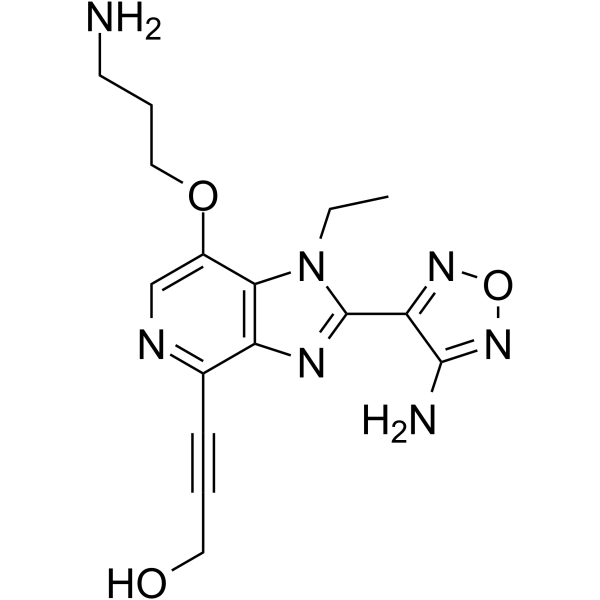
  • HY-10249A
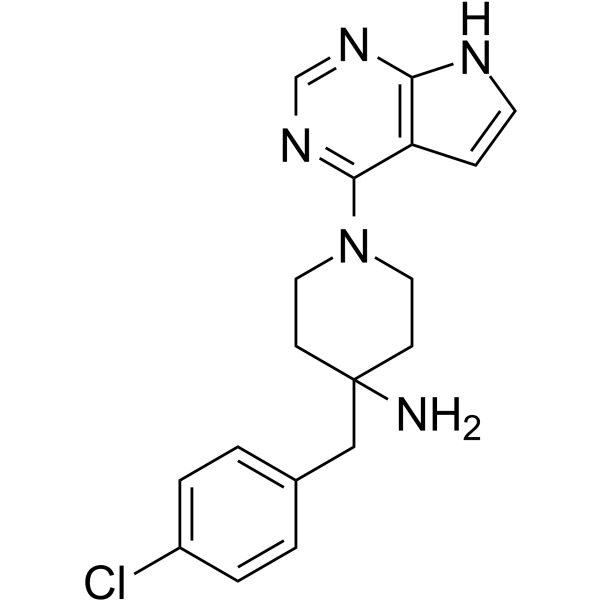
    AKT Kinase Inhibitor
    15+ Cited Publications

    Akt Cancer
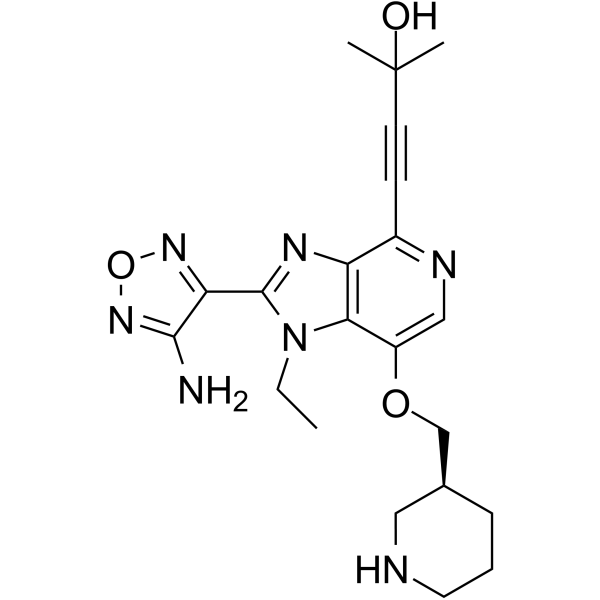
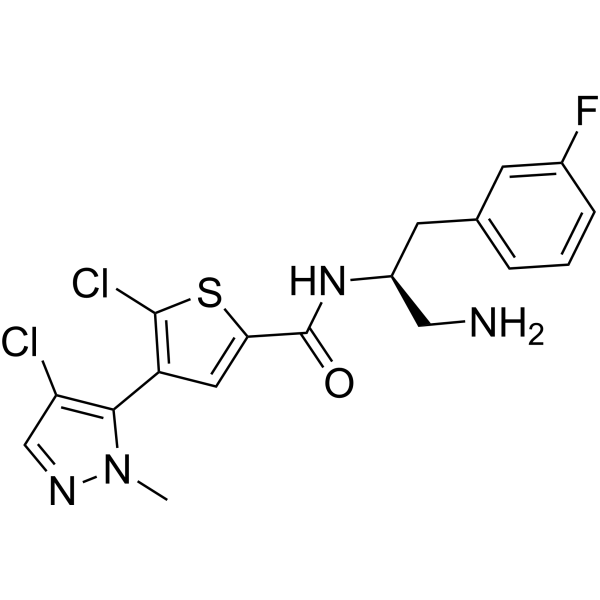
    AKT Kinase Inhibitor is an Akt kinase inhibitor with anti-tumor activity .
    AKT Kinase Inhibitor
  • HY-15727
    Afuresertib
    15+ Cited Publications

    GSK2110183; LAE002

    Akt PKC ROCK Cancer
    Afuresertib (GSK2110183) is an orally bioavailable, selective, ATP-competitive and potent pan-Akt kinase inhibitor with Kis of 0.08/2/2.6 nM for Akt1/Akt2/Akt3, respectively .
    Afuresertib
  • HY-12037A
    Rigosertib
    5+ Cited Publications

    ON-01910

    Polo-like Kinase (PLK) PI3K Apoptosis Cancer
    Rigosertib (ON-01910) is a multi-kinase inhibitor and a selective anti-cancer agent, which induces apoptosis by inhibition the PI3 kinase/Akt pathway, promots the phosphorylation of histone H2AX and induces G2/M arrest in cell cycle . Rigosertib is a selective and non-ATP-competitive inhibitor of PLK1 with an IC50 of 9 nM .
    Rigosertib
  • HY-122913

    Akt Cancer
    Borussertib, a chemical probe, is a covalent-allosteric and first-in-class inhibitor of protein kinase Akt, with an IC50 of 0.8 nM and a Ki of 2.2 nM for Akt wt .
    Borussertib
  • HY-10249
    GSK-690693
    40+ Cited Publications

    Akt AMPK Autophagy Cancer
    GSK-690693 is an ATP-competitive pan-Akt inhibitor with IC50s of 2 nM, 13 nM, 9 nM for Akt1, Akt2 and Akt3, respectively. GSK-690693 is also an AMPK inhibitor, affects Unc-51-like autophagy activating kinase 1 (ULK1) activity and robustly inhibits STING-dependent IRF3 activation .
    GSK-690693
  • HY-B0789
    SU6656
    20+ Cited Publications

    Src FAK Akt Cancer
    SU6656 is a Src family kinases inhibitor with IC50s of 280, 20, 130, 170 nM for Src, Yes, Lyn, and Fyn, respectively. SU6656 inhibits FAK phosphorylation at Y576/577, Y925, Y861 sites. SU6656 also inhibits p-AKT.
    SU6656
  • HY-18719
    Endoxifen (Z-isomer)
    3 Publications Verification

    Estrogen Receptor/ERR Drug Metabolite PKC Akt Apoptosis Neurological Disease Cancer
    Endoxifen Z-isomer hydrochloride, an orally active Tamoxifen (HY-13757A) metabolite, is a selective estrogen receptor modulator with 100-fold more potency than its parent agent, Tamoxifen. Endoxifen Z-isomer inhibits PKCβ1 kinase activity. Endoxifen Z-isomer attenuates PKCβ1-activated AKT Ser473 phosphorylation, diminishes AKT substrate phosphorylation, and induces Apoptosis. Endoxifen Z-isomer exhibits anticancer activity against hormone-resistant metastatic breast cancer .
    Endoxifen (Z-isomer)
  • HY-16558
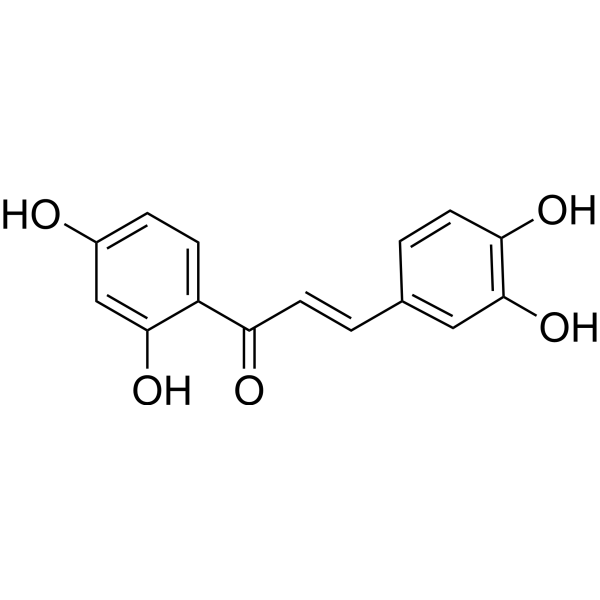
    Butein
    5+ Cited Publications

    2’,3,4,4’-tetrahydroxy Chalcone

    EGFR Autophagy Apoptosis Phosphodiesterase (PDE) Cancer
    Butein is a cAMP-specific PDE inhibitor with an IC50 of 10.4 μM for PDE4 . Butein is a specific protein tyrosine kinase inhibitor with IC50s of 16 and 65 μM for EGFR and p60 c-src in HepG2 cells . Butein sensitizes HeLa cells to Cisplatin through AKT and ERK/p38 MAPK pathways by targeting FoxO3a . Butein is a SIRT1 activator (STAC).
    Butein
  • HY-16071
    AT13148
    2 Publications Verification

    Akt PKA ROCK Ribosomal S6 Kinase (RSK) Cancer
    AT13148 is an orally active and ATP-competitive, multi-AGC kinase inhibitor with IC50s of 38 nM/402 nM/50 nM, 8 nM, 3 nM, and 6 nM/4 nM for Akt1/2/3, p70S6K, PKA, and ROCKI/II, respectively.
    AT13148
  • HY-12624
    Narazaciclib
    2 Publications Verification

    ON123300

    CDK AMPK PDGFR Cancer
    Narazaciclib (ON123300), a strong and brain-penetrant multi-kinase inhibitor, inhibits CDK4 (IC50=3.9 nM), Ark5 (IC50=5 nM), PDGFRβ (IC50=26 nM), FGFR1 (IC50=26 nM), RET (IC50=9.2 nM), and FYN (IC50=11 nM). Single agent Narazaciclib causes a dose-dependent suppression of phosphorylation of Akt as well as activation of Erk in brain tumors . Narazaciclib inhibits CDK6 with an IC50 of 9.82 nM .
    Narazaciclib
  • HY-13260
    CCT128930
    5+ Cited Publications

    Akt Autophagy Apoptosis Cancer
    CCT128930 is a ATP-competitive and selective inhibitor of AKT (IC50=6 nM for AKT2). CCT128930 has 28-fold selectivity over the closely related PKA kinase (IC50=168 nM) through the targeting of Met282 of AKT (Met173 of PKA-AKT chimera), as well as 20-fold selectivity over p70S6K (IC50=120 nM). Antitumor activity.
    CCT128930
  • HY-100932
    ML-9
    5 Publications Verification

    Myosin Cancer
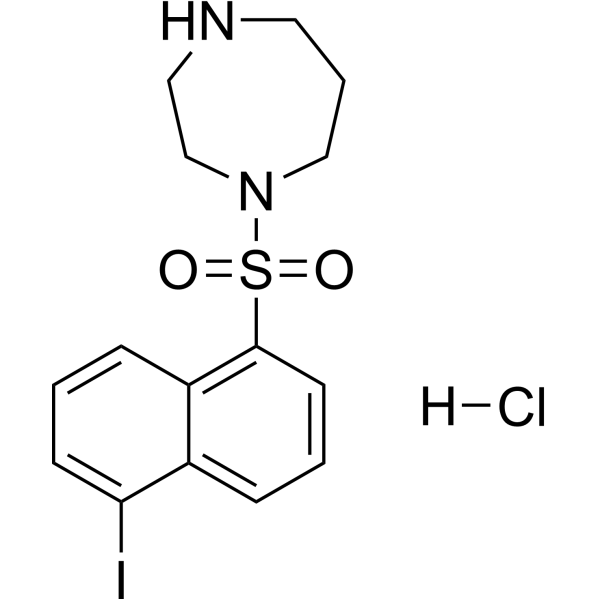
    ML-9 is a selective and potent inhibitor of Akt kinase, inhibits myosin light-chain kinase (MLCK) and stromal interaction molecule 1 (STIM1) activity . ML-9 inhibits inhibits MLCK, PKA and PKC activity with Ki values of 4, 32 and 54 μM, respectively . ML-9 induces autophagy by stimulating autophagosome formation and inhibiting their degradation .
    ML-9
  • HY-18676
    OSU-T315
    10+ Cited Publications

    Integrin Autophagy Apoptosis Cancer
    OSU-T315 (ILK-IN-1) is a small Integrin-linked kinase (ILK) inhibitor with an IC50 of 0.6 μM, inhibiting PI3K/AKT signaling by dephosphorylation of AKT-Ser473 and other ILK targets (GSK-3β and myosin light chain) . OSU-T315 abrogates AKT activation by impeding AKT localization in lipid rafts and triggers caspase-dependent apoptosis in an ILK-independent manner . OSU-T315 causes cell death through apoptosis and autophagy .
    OSU-T315
  • HY-13326
    ASP3026
    5+ Cited Publications

    Anaplastic lymphoma kinase (ALK) Apoptosis ROS Kinase Caspase PARP IGF-1R STAT Akt JNK Cancer
    ASP3026 is a selective and orally active inhibitor of anaplastic lymphoma kinase (ALK). ASP3026 is a selective and oral active anaplastic lymphoma kinase (ALK) inhibitor with a IC50 value of 3.5 nM. ASP3026 can inhibit the phosphorylation of IGF-1R, STAT3, AKT and JNK proteins, and induce the cleavage of caspase 3 and PARP. It also inhibited ROS and ACK. ASP3026 can be used in anti-tumor research .
    ASP3026
  • HY-N2081
    Skimmianine
    3 Publications Verification

    Cholinesterase (ChE) PI3K Akt NF-κB Neurological Disease Inflammation/Immunology Cancer
    Skimmianine is an orally active furoquiniline alkaloid present mainly in the Rutaceae family. Skimmianine has analgesic, antispastic, sedative, and anti-inflammatory properties. Skimmianine inhibits acetylcholinesterase (AChE) (IC50 = 8.6 μg/mL). Skimmianine exhibits cytotoxicity against a variety of cancer cell lines and genotoxicity. Skimmianine has antioxidant and anti-inflammatory effects on ischemia-reperfusion (IR) injury. Skimmianine exerts anti-inflammatory effects through activation of the phosphatidylinositol-3-kinase (PI3K)-protein kinase B (AKT) pathway. Skimmianine is neuroprotective by targeting the NF-κB activation pathway to prevent neuroinflammation. Skimmianine inhibits the release of histamine, intracellular Ca 2+ signaling and protein kinase C signaling .
    Skimmianine
  • HY-116035
    Nimbolide
    2 Publications Verification

    Wnt NF-κB CDK Apoptosis Cancer
    Nimbolide is a triterpene compound that can be isolated from neem (Azadirachta indica), possesses anticancer and antiproliferative activity. Nimbolide induces tumor cell apoptosis by inhibiting NF-κB and CDK4/CDK6 kinase. Nimbolide suppresses the Wnt, PI3K-Akt, MAPK and JAK-STAT signaling pathways .
    Nimbolide
  • HY-13404C

    INC280 dihydrochloride hydrate; INCB-28060 dihydrochloride hydrate

    c-Met/HGFR Apoptosis Cancer
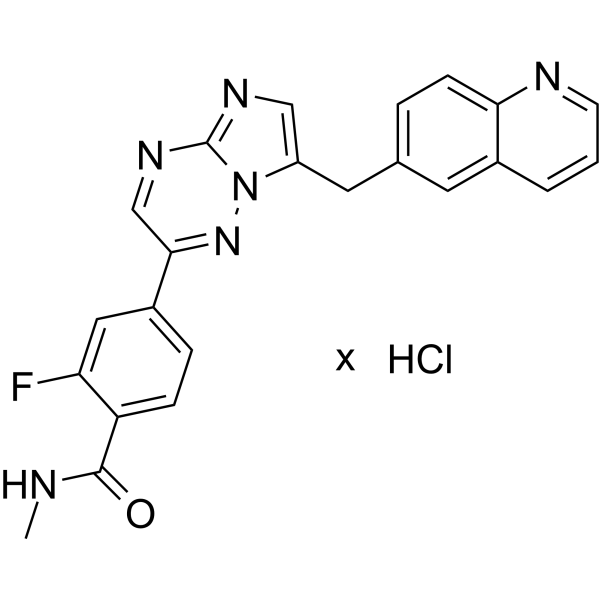
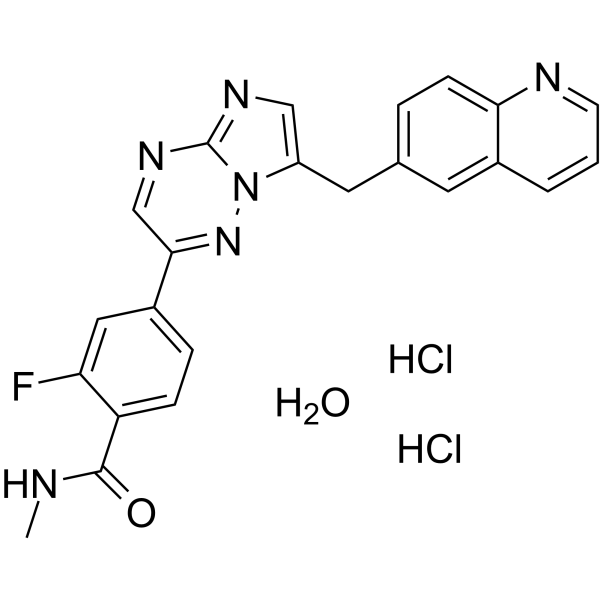
    Capmatinib (INC280; INCB28060) dihydrochloride hydrate is a potent, orally active, selective, and ATP competitive c-Met kinase inhibitor (IC50=0.13 nM). Capmatinib dihydrochloride hydrate can inhibit phosphorylation of c-MET as well as c-MET pathway downstream effectors such as ERK1/2, AKT, FAK, GAB1, and STAT3/5. Capmatinib dihydrochloride hydrate potently inhibits c-MET-dependent tumor cell proliferation and migration and effectively induces apoptosis. Antitumor activity. Capmatinib dihydrochloride hydrate is largely metabolized by CYP3A4 and aldehyde oxidase .
    Capmatinib dihydrochloride hydrate
  • HY-15290
    AIM-100
    4 Publications Verification

    Ack1 Cancer
    AIM-100 is a potent and selective Ack1 inhibitor with an IC50 of 21.58 nM. AIM-100 also inhibits Tyr 267 phosphorylation. AIM-100 does not inhibits other kinases including PI3-kinase and AKT subfamily members. AIM-100 has an anticancer effect .
    AIM-100
  • HY-107597
    Halicin
    2 Publications Verification

    SU3327

    JNK Metabolic Disease Inflammation/Immunology
    Halicin (SU3327) is a potent, selective and substrate-competitive JNK inhibitor with an IC50 of 0.7 μM. Halicin also inhibits protein-protein interactions between JNK and JNK Interacting Protein (JIP) with an IC50 of 239 nM. Halicin shows less active against p38α and Akt kinase .
    Halicin
  • HY-15727A
    Afuresertib hydrochloride
    15+ Cited Publications

    GSK2110183 hydrochloride; LAE002 hydrochloride

    Akt PKC ROCK Cancer
    Afuresertib hydrochloride (GSK 2110183 hydrochloride) is an orally bioavailable, selective, ATP-competitive and potent pan-Akt kinase inhibitor with Kis of 0.08/2/2.6 nM for Akt1/Akt2/Akt3 respectively .
    Afuresertib hydrochloride
  • HY-137458
    Vevorisertib
    1 Publications Verification

    ARQ 751

    Akt Ser/Thr Protease Cancer
    Vevorisertib (ARQ 751) is an orally active, potent and selective pan-AKT serine/threonine kinase inhibitor against AKT1 (IC50=0.55 nM), AKT2 (IC50=0.81 nM), and AKT3 (IC50=1.31 nM). Vevorisertib, as a single agent or in combination with other anti-cancer agents, can be used for the research of solid tumors with PIK3CA / AKT / PTEN mutations .
    Vevorisertib
  • HY-119751
    Hematein
    1 Publications Verification

    Casein Kinase Akt Wnt Apoptosis Cancer
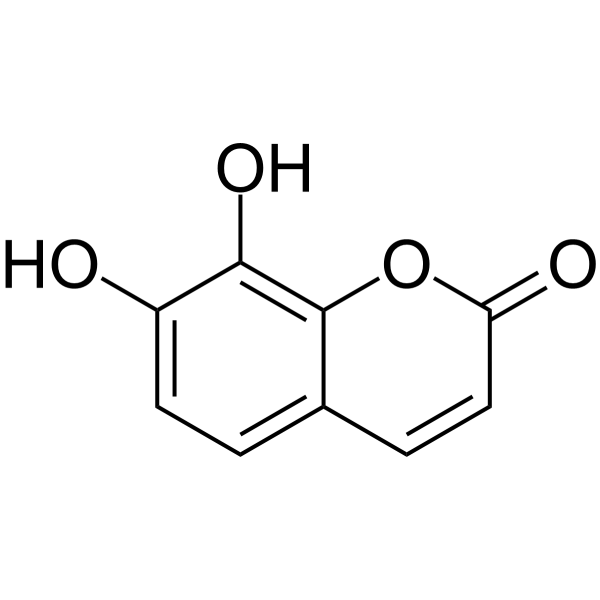
    Hematein is a oxidation product of hematoxylin acted as a dye . Hematein is an allosteric casein kinase II inhibitor with an IC50 of 0.74 μM. Hematein inhibits Akt/PKB Ser129 phosphorylation, the Wnt/TCF pathway and increases apoptosis in lung cancer cells .
    Hematein
  • HY-18719A
    Endoxifen Z-isomer hydrochloride
    3 Publications Verification

    Estrogen Receptor/ERR Drug Metabolite PKC Akt Apoptosis Neurological Disease Cancer
    Endoxifen Z-isomer hydrochloride, an orally active Tamoxifen (HY-13757A) metabolite, is a selective estrogen receptor modulator with 100-fold more potency than its parent agent, Tamoxifen. Endoxifen Z-isomer hydrochloride inhibits PKCβ1 kinase activity. Endoxifen Z-isomer hydrochloride attenuates PKCβ1-activated AKT Ser473 phosphorylation, diminishes AKT substrate phosphorylation, and induces Apoptosis. Endoxifen Z-isomer hydrochloride exhibits anticancer activity against hormone-resistant metastatic breast cancer .
    Endoxifen Z-isomer hydrochloride
  • HY-12037
    Rigosertib sodium
    5+ Cited Publications

    ON-01910 sodium

    Polo-like Kinase (PLK) PI3K Apoptosis Cancer
    Rigosertib sodium (ON-01910 sodium) is a multi-kinase inhibitor and a selective anti-cancer agent, which induces apoptosis by inhibition the PI3K/Akt pathway, promotes the phosphorylation of histone H2AX and induces G2/M arrest in cell cycle . Rigosertib sodium is a selective and non-ATP-competitive inhibitor of PLK1 with an IC50 of 9 nM .
    Rigosertib sodium
  • HY-121629

    PDK-1 Cancer
    PS210 is a potent and selective PDK1 activator with a Kd of 3 μM and targets the PIF-binding pocket of PDK1. PS210 is inactive against other protein kinases, including PDK1 downstream signaling components such as S6K, PKB/Akt or GSK3. In cells, the prodrug of PS210 (PS423) acts as a substrate-selective inhibitor of PDK1, inhibiting the phosphorylation and activation of S6K .
    PS210
  • HY-10721

    AKT protein Kinase Inhibitor

    Akt Cancer
    PF-AKT400 is a broadly selective, potent, ATP-competitive Akt inhibitor, displays 900-fold greater selectivity for PKBα (IC50=0.5 nM) than PKA (IC50=450 nM).
    PF-AKT400
  • HY-10249D

    Akt Cancer
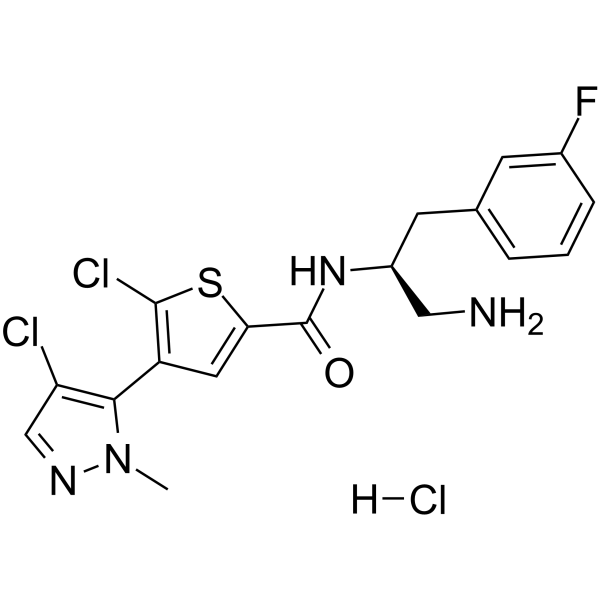
    AKT Kinase Inhibitor hydrochloride is an Akt kinase inhibitor with anti-tumor activity . AKT Kinase Inhibitor (hydrochloride) is a click chemistry reagent, it contains an Alkyne group and can undergo copper-catalyzed azide-alkyne cycloaddition (CuAAc) with molecules containing Azide groups.
    AKT Kinase Inhibitor hydrochloride
  • HY-160469

    Akt PROTACs Cancer
    INY-05-040 is an AKT degrader that can selectively and quickly degrade all three AKT isoforms. INY-05-040 exhibits anti-cancer activity. INY-05-040 can inhibit downstream signaling and cell proliferation in 288 cancer cell lines. INY-05-040 can suppress AKT signaling and induces the stress mitogen-activated protein kinase (MAPK) c-Jun N-terminal kinase (JNK). INY-05-040 is effective for breast cancer lines with a low-baseline activation of stress MAPK pathway. INY-05-040 can be studied for anti-cancer research .
    INY-05-040
  • HY-13072
    Cenisertib
    1 Publications Verification

    AS-703569; R-763

    Aurora Kinase Bcr-Abl Akt STAT FLT3 Cancer
    Cenisertib (AS-703569) is an ATP-competitive multi-kinase inhibitor that blocks the activity of Aurora-kinase-A/B, ABL1, AKT, STAT5 and FLT3. Cenisertib induces major growth-inhibitory effects by blocking the activity of several different molecular targets in neoplastic mast cells (MC). Cenisertib inhibits tumor growth in xenograft models of pancreatic, breast, colon, ovarian, and lung tumors and leukemia .
    Cenisertib
  • HY-110193
    SPP-86
    2 Publications Verification

    RET Cancer
    SPP-86 is a potent and selective cell permeable inhibitor of RET tyrosine kinase, with an IC50 of 8 nM. SPP-86 inhibits RET-induced phosphatidylinositide 3-kinases (PI3K)/Akt and MAPK signaling, also inhibits RET-induced estrogen receptorα (ERα) phosphorylation in MCF7 cells . SPP-86 is a click chemistry reagent, it contains an Alkyne group and can undergo copper-catalyzed azide-alkyne cycloaddition (CuAAc) with molecules containing Azide groups.
    SPP-86
  • HY-P10605

    Akt GSK-3 Cancer
    GSK3β-peptide is a substrate mimetic peptide of glycogen synthase kinase 3-β (GSK3-β) that can bind to the active site of GSK3-β and mimic the behavior of a real substrate. GSK3β-peptide can be used to develop substrate mimetic inhibitors of Akt as potential anticancer drugs .
    GSK3β-peptide
  • HY-13404A
    Capmatinib dihydrochloride
    20+ Cited Publications

    INC280 dihydrochloride; INCB28060 dihydrochloride

    c-Met/HGFR Apoptosis Cancer
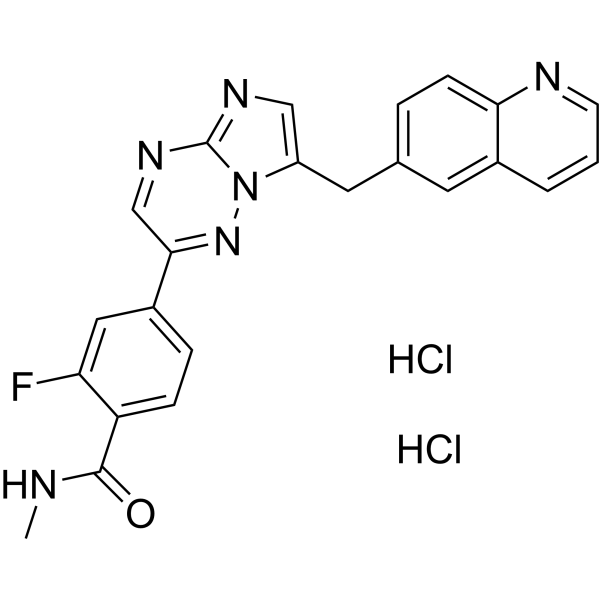
    Capmatinib (INC280; INCB28060) dihydrochloride is a potent, orally active, selective, and ATP competitive c-Met kinase inhibitor (IC50=0.13 nM). Capmatinib dihydrochloride can inhibit phosphorylation of c-MET as well as c-MET pathway downstream effectors such as ERK1/2, AKT, FAK, GAB1, and STAT3/5. Capmatinib dihydrochloride potently inhibits c-MET-dependent tumor cell proliferation and migration and effectively induces apoptosis. Antitumor activity. Capmatinib dihydrochloride is largely metabolized by CYP3A4 and aldehyde oxidase .
    Capmatinib dihydrochloride
  • HY-13404B
    Capmatinib hydrochloride
    20+ Cited Publications

    INC280 hydrochloride; INCB-28060 hydrochloride

    c-Met/HGFR Apoptosis Cancer
    Capmatinib (INC280; INCB28060) hydrochloride is a potent, orally active, selective, and ATP competitive c-Met kinase inhibitor (IC50=0.13 nM). Capmatinib hydrochloride can inhibit phosphorylation of c-MET as well as c-MET pathway downstream effectors such as ERK1/2, AKT, FAK, GAB1, and STAT3/5. Capmatinib hydrochloride potently inhibits c-MET-dependent tumor cell proliferation and migration and effectively induces apoptosis. Antitumor activity. Capmatinib hydrochloride is largely metabolized by CYP3A4 and aldehyde oxidase .
    Capmatinib hydrochloride
  • HY-139534
    ARI-1
    1 Publications Verification

    ROR Apoptosis Akt mTOR PARP Cancer
    ARI-1 is a receptor tyrosine kinase-like orphan receptor 1 (ROR1) inhibitor. ARI-1 blocks the PI3K/AKT/mTOR signaling pathway in a ROR1-dependent manner. ARI-1 upregulates cleaved-PARP and p-P38. ARI-1 induces Apoptosis. ARI-1 has anticancer activity against non-small cell lung cancer .
    ARI-1
  • HY-15369

    Akt Apoptosis Cancer
    FPA-124, a cell-permeable copper complex, is a selective Akt inhibitor with an IC50 of 0.1 μM. FPA-124 interacts with both the pleckstrin homology (PH) and the kinase domains of Akt. FPA-124 induces apoptosis .
    FPA-124
  • HY-15985
    CTX-0294885
    3 Publications Verification

    Akt Metabolic Disease Inflammation/Immunology Cancer
    CTX-0294885 is a broad spectrum kinase inhibitor that can capture 235 kinases from MDA-MB-231 cells, and can capture all members of the AKT family. CTX-0294885 is a powerful reagent for analysis of kinome signaling networks that can be used for the research of diseases like inflammation, diabetes, and cancer .
    CTX-0294885
  • HY-101246

    RET Cancer
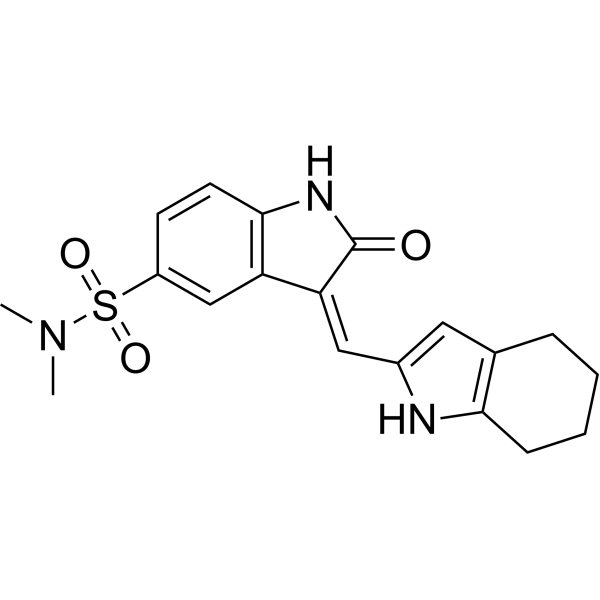
    RPI-1 is a specific, orally available 2-indolinone Ret tyrosine kinase inhibitor. RPI-1 inhibits proliferation, Ret tyrosine phosphorylation, Ret protein expression, and the activation of PLCgamma, ERKs and AKT in human medullary thyroid carcinoma TT cells. Antitumor activity .
    RPI-1
  • HY-147259

    c-Met/HGFR Cancer
    Dalmelitinib is an orally active selective c-Met kinase inhibitor (IC50: 2.9 nM) that binds to the ATP-binding region of c-Met. Dalmelitinib induces the phosphorylation of MET, partially or completely inhibits the phosphorylation of AKT and ERK. Dalmelitinib potently inhibits cancer cell (c-Met oncogene amplification) proliferation, and is used for the research of cancers like human non-small cell lung cancer (NSCLC) .
    Dalmelitinib
  • HY-13260A
    CCT128930 hydrochloride
    5+ Cited Publications

    Akt Autophagy Apoptosis Cancer
    CCT128930 hydrochloride is a potent and selective inhibitor of AKT (IC50=6 nM). CCT128930 hydrochloride has 28-fold selectivity over the closely related PKA kinase (IC50=168 nM) through the targeting of Met282 of AKT (Met173 of PKA-AKT chimera), as well as 20-fold selectivity over p70S6K (IC50=120 nM). CCT128930 hydrochloride induces cell cycle arrest, DNA damage, and autophagy. Antitumor activity .
    CCT128930 hydrochloride
  • HY-162143

    SphK Akt mTOR Cancer
    SKI-349 is a dual-targeted inhibitor of sphingosine kinase 1/2 (SPHK1/2) and microtubule assembly (MDA). SKI-349 has anticancer activity. SKI-349 can inhibit the vitality, invasion, and AKT/mTOR signaling pathway of liver cells .
    SKI-349
  • HY-P10323

    Tumstatin (74-98), human

    Integrin FAK mTOR Apoptosis Cancer
    T7 Peptide is a protein synthesis inhibitor and anti-angiogenic agent, with a Kd of 10 nM for human transferrin receptor. T7 Peptide inhibits the phosphorylation of focal adhesion kinase, the activation of phosphatidylinositol 3-kinase and Akt, the kinase activity of mTOR, as well as the phosphorylation of 4E-BP1 in endothelial cells. T7 Peptide induces G0/G1 cell cycle arrest, apoptosis and protective autophagy in hepatocellular carcinoma cells, and suppresses tumor growth in mouse models. T7 Peptide is applicable to research related to cancer, glioblastoma, hepatocellular carcinoma and glioma .
    T7 Peptide
  • HY-P10323A

    Tumstatin (74-98), human TFA

    Integrin FAK mTOR Apoptosis Cancer
    T7 Peptide TFA is a protein synthesis inhibitor and anti-angiogenic agent, with a Kd of 10 nM for human transferrin receptor. T7 Peptide TFA inhibits the phosphorylation of focal adhesion kinase, the activation of phosphatidylinositol 3-kinase and Akt, the kinase activity of mTOR, as well as the phosphorylation of 4E-BP1 in endothelial cells. T7 Peptide TFA induces G0/G1 cell cycle arrest, apoptosis and protective autophagy in hepatocellular carcinoma cells, and suppresses tumor growth in mouse models. T7 Peptide TFA is applicable to research related to cancer, glioblastoma, hepatocellular carcinoma and glioma .
    T7 Peptide TFA
  • HY-126257

    Akt Apoptosis Cancer
    AKT-IN-3 (compound E22) is a potent, orally active low hERG blocking Akt inhibitor, with 1.4 nM, 1.2 nM and 1.7 nM for Akt1, Akt2 and Akt3, respectively. AKT-IN-3 (compound E22) also exhibits good inhibitory activity against other AGC family kinases, such as PKA, PKC, ROCK1, RSK1, P70S6K, and SGK. AKT-IN-3 (compound E22) induces apoptosis and inhibits metastasis of cancer cells .
    AKT-IN-3
  • HY-115674

    Glutathione S-transferase Akt MEK Neurological Disease Inflammation/Immunology
    ML175 is a specific glutathione transferase Omega 1-1 (GSTO1-1) inhibitor. ML175 can significantly activate Akt and MEK1/2 kinases. ML175 can be used in the research of diseases such as Parkinson's disease .
    ML175
  • HY-177332

    TAM Receptor SARS-CoV Akt Infection Cancer
    SLC-391 is an orally active AXL kinase inhibitor with an IC50 of 9.6 nM against AXL kinase. SLC-391 inhibits Gas6-induced AXL-dependent phosphorylation of Akt. SLC-391 inhibits SARS-CoV-2 infection, entry and replication in cells. SLC-391 suppresses cancer cell proliferation. SLC-391 inhibits tumor growth in mouse solid tumor xenograft models. SLC-391 can be used for the research of COVID-19, influenza virus infection, triple-negative breast cancer, chronic myeloid leukemia and non-small cell lung cancer .
    SLC-391

Inquiry Online

Your information is safe with us. * Required Fields.

Salutation


Country or Region *

Applicant Name *


Organization Name *

Department *


Email Address *


Product Name *

Cat. No.


Requested quantity *

Phone Number *


Remarks

Inquiry Online

Inquiry Information

Product Name:
Cat. No.:
Quantity:
MCE Japan Authorized Agent:

