


Search Result
Results for "
Aspergillus niger
" in MedChemExpress (MCE) Product Catalog:
1
Biochemical Assay Reagents
| Cat. No. |
Product Name |
Target |
Research Areas |
Chemical Structure |
-
- HY-135849
-
|
|
Reactive Oxygen Species (ROS)
|
Cancer
|
|
Catalase, Aspergillus niger is a key enzyme in the metabolism of H2O2 and reactive oxygen species (ROS), and its expression and localization is markedly altered in tumors . Free oxygen radical scavenger.
|
-
-
- HY-P2902
-
|
|
Endogenous Metabolite
|
Cancer
|
|
Glucose oxidase is used in the food and beverage industry as a preservative and stabilizer and is commonly derived from the fungus Aspergillus niger. Glucose oxidase can react with intracellular glucose and oxygen (O2) to produce hydrogen peroxide (H2O2) and gluconic acid, which can cut off the nutrition source of cancer cells and consequently inhibit their proliferation .
|
-
-
- HY-W012530
-
|
|
Endogenous Metabolite
PDI
|
Infection
Metabolic Disease
|
|
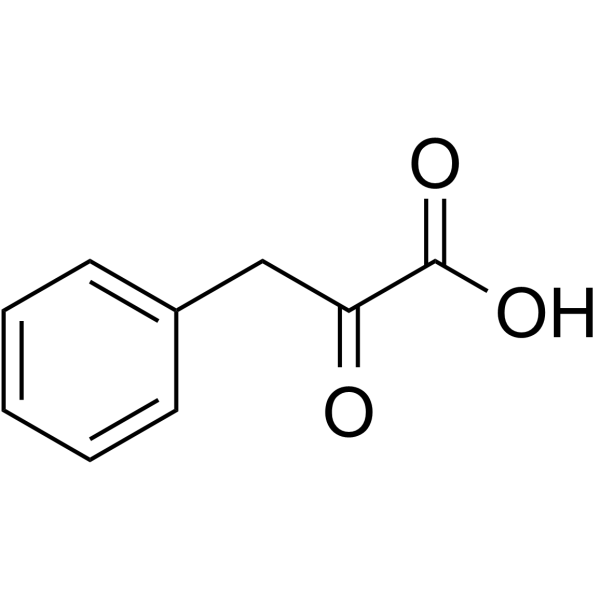
Phenylpyruvic acid is a precursor of the antifungal compound phenyllactic acid. Phenylpyruvic acid can improve the antifungal activity of eight lactic acid bacterial strains through the addition into a dedined growth medium. Phenylpyruvic acid demonstrates improved inhibitory activity against fungal bread contaminants Aspergillus niger and Penicillium roqueforti. Phenylpyruvic acid affects enzyme activity of the pentose phosphate pathway involved in the oxidative phase in rat brain homogenates. Phenylpyruvic acid can reduce glucose-6-phosphate dehydrogenase activity .
|
-
-
- HY-P2857
-
|
Amyloglucosidase, Aspergillus niger
|
Endogenous Metabolite
|
Metabolic Disease
|
|
Amyloglucosidase, Aspergillus niger (Amyloglucosidase, Aspergillus niger) is a starch-hydrolyzing enzyme with high catalytic efficiency towards soluble starch and raw starch. Amyloglucosidase, Aspergillus niger hydrolyzes α-1,4 and α-1,6 glycosidic linkages in starch and similar substrates, and primarily releases β-glucose molecules from the non-reducing ends. Amyloglucosidase, Aspergillus niger participates in glycogen metabolism and is associated with type II glycogen storage disease. Amyloglucosidase, Aspergillus niger converts starch into glucose, and is applicable to the industrial production of high-fructose syrup, ethanol and other fermented products .
|
-
-
- HY-126386
-
|
EC 3.2.1.15
|
Biochemical Assay Reagents
|
Others
|
|
Pectinase (EC 3.2.1.15) is a mixed enzymes that hydrolyze pectic substances, it mostly presents in microorganisms and higher plants. Pectinase is involved in the metabolism of the cell wall as well as in the growth of the cell, senescence, ripening of fruits, pathogenesis and abscission process .
|
-
-
- HY-P2996
-
|
|
Others
|
Others
|
|
NAD(P)H-Nitrate reductase is isolated from Aspergillus niger that catalyses the reduction of nitrate to nitrite via a two-electron transfer. In plants, the electron donor for Nitrate reductase is NADPH is NADH:Nitrate reductase and a bispecific NAD(P)H: Nitrate reductase .
|
-
-
- HY-N3097
-
-
-
- HY-W047709
-
|
THEED; THEEN
|
Biochemical Assay Reagents
Bacterial
Fungal
|
Infection
Cancer
|
|
N,N,N',N'-Tetrakis(2-hydroxyethyl)ethylenediamine (THEED; THEEN) is a tetrapodal pentadentate chelating ligand that functions as a chelator to form stable complexes with metal ions. N,N,N',N'-Tetrakis(2-hydroxyethyl)ethylenediamine serves as a versatile building block for organic synthesis, a reagent for metal extraction, and an auxiliary for catalytic reactions. N,N,N',N'-Tetrakis(2-hydroxyethyl)ethylenediamine-derived metal complexes exhibit antibacterial, antifungal, and anticancer activities. N,N,N',N'-Tetrakis(2-hydroxyethyl)ethylenediamine and its metal complexes can be used for research related to breast cancer, leukemia, various bacterial and fungal infections .
|
-
-
- HY-P2871
-
|
EC 3.2.1.22
|
Endogenous Metabolite
|
Others
|
|
α-Galactosidase, Aspergillus niger (EC 3.2.1.22), that is, α-galactosidase, is a glycoside hydrolase that widely exists in animals, plants and microorganisms, and is often used in biochemical research. α-Galactosidase catalyzes the hydrolysis of α-1,6-linked terminal galactose residues, including galactooligosaccharides, galactomannans, and galactolipids. Catalyzes many catabolic processes including cleavage of glycoproteins, glycolipids and polysaccharides .
|
-
-
- HY-P3173
-
|
R-enzyme
|
Biochemical Assay Reagents
|
Others
|
|
Pullulanase (R-enzyme) is a key starch debranching enzyme that specifically hydrolyzes α-1,6-glycosidic linkages in polysaccharides such as amylopectin and pullulan, facilitating the efficient degradation of starch into fermentable sugars .
|
-
-
- HY-N6723
-
|
|
Ceramidase
Acyltransferase
|
Infection
Cancer
|
|
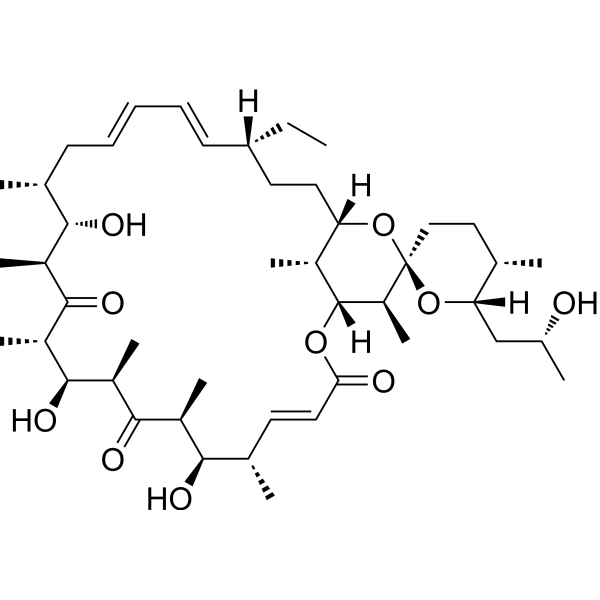
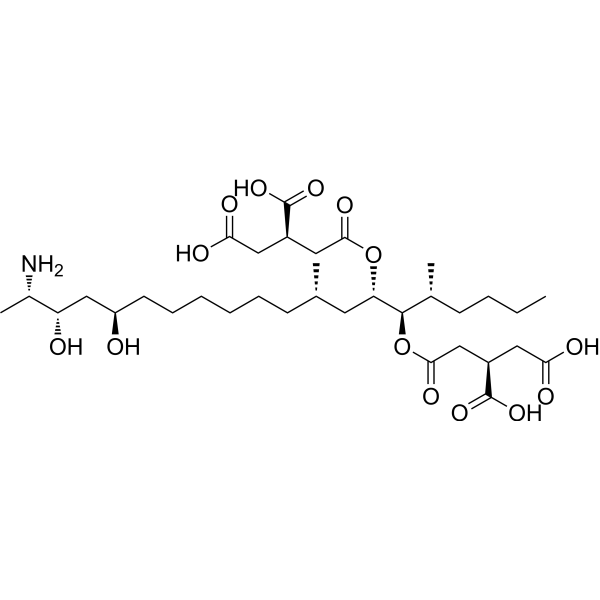
Fumonisin B2 is a selective ceramide synthase inhibitor and carcinogenic mycotoxin with toxicity comparable to that of Fumonisin B1 (HY-N6719). Fumonisin B2 inhibits de novo sphingolipid biosynthesis by blocking the amide bond formation between fatty acids and dihydrosphingosine, which leads to a massive intracellular accumulation of free dihydrosphingosine, altered sphingosine levels, subsequent inhibition of cell proliferation, and induction of cell death. Fumonisin B2 is used to investigate the pathogenesis of diseases associated with Fusarium verticillioides contamination, including equine leukoencephalomalacia, porcine pulmonary edema syndrome, human esophageal cancer, and rat hepatocellular carcinoma .
|
-
-
- HY-E70222
-
|
|
Others
|
Others
|
|
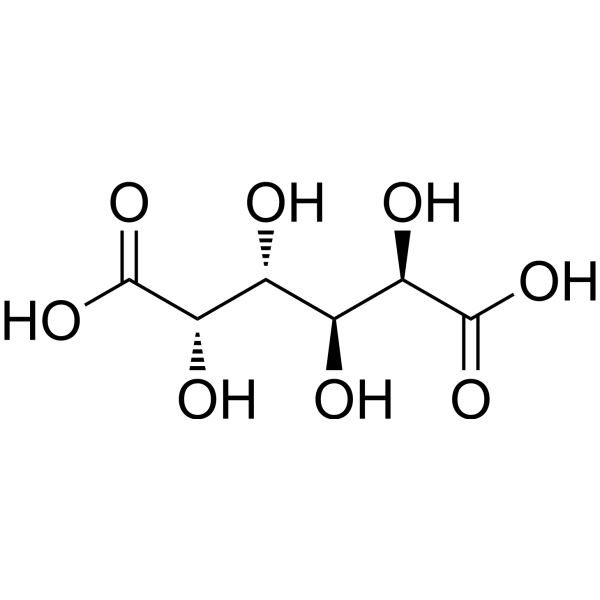
Phytase, from Aspergillus niger degrades phytic acid into inositol and phosphate. Phytase, from Aspergillus niger phytase treatment can minimize the anti-nutritional effect of phytic acid .
|
-
-
- HY-P2124
-
|
|
Antibiotic
Bacterial
|
Infection
|
|
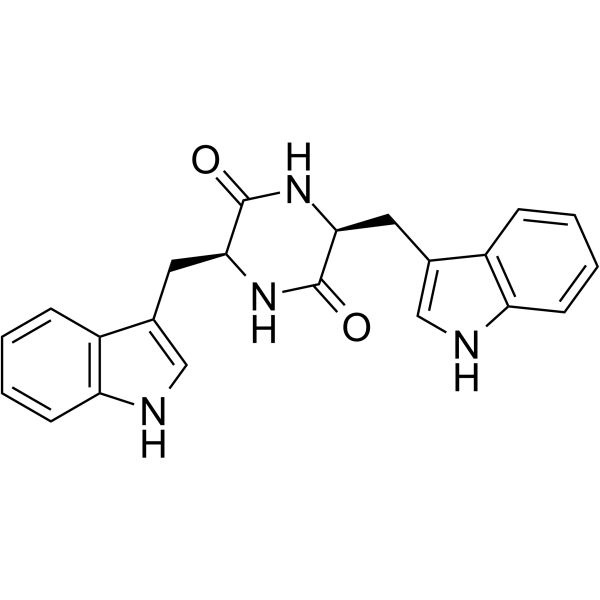
Cyclo(L-Trp-L-Trp) is an antibiotic, and shows antimicrobial activity. Cyclo(L-Trp-L-Trp) can inhibit A. baumannii, as well as Candida albicans, Bacillus subtilis, Micrococcus luteus, Saccharomyces cerevisiae, Aspergillus niger, Staphylococcus aureus. Cyclo(L-Trp-L-Trp) can be used in microbial infection research .
|
-
-
- HY-E70332
-
|
|
Endogenous Metabolite
|
Others
|
|
Lipase, Aspergillus niger is a biocatalyst and a key enzyme in new biocatalyst technology. Enzyme engineering focuses on enhancing enzyme reaction kinetics, substrate selectivity, and activity under harsh conditions such as low or high pH. By introducing stimulus responsiveness to these enzyme modifications, dynamic control of activity is also possible .
|
-
-
- HY-N6027
-
|
|
Fungal
Bacterial
|
Infection
|
|
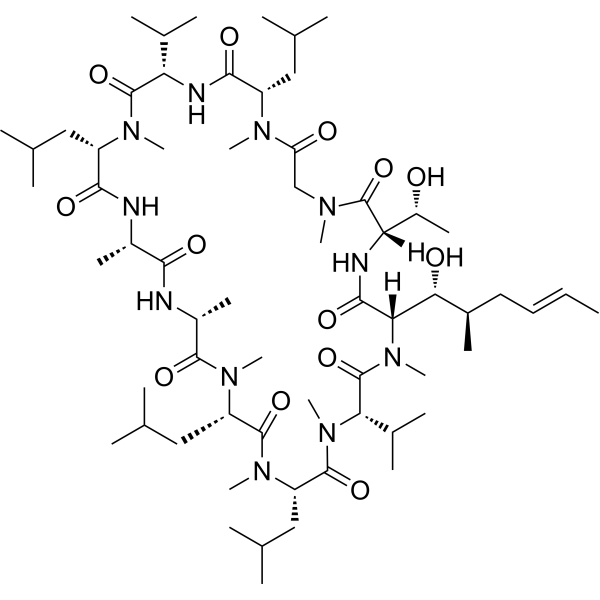
Cyclosporin C is a fungal metabolite that has been found in T. inflatum and has diverse biological activities, including antifungal, antiviral, and immunosuppressant properties. Cyclosporin C shows no activity against bacteria or yeasts .
|
-
-
- HY-134635
-
|
|
Bacterial
Fungal
HIV
CDK
|
Infection
Cancer
|
|
Dehydrozingerone is a ginger-derived component and cyclin D1 inhibitor that downregulates cyclin D1 expression and induces cell cycle G1 phase arrest. Dehydrozingerone reduces the proliferative capacity of castration-resistant prostate cancer cells under in vitro conditions. Dehydrozingerone reduces subcutaneous tumor growth by inhibiting cell proliferation and angiogenesis. Dehydrozingerone exerts antibacterial and antifungal activities via its α,β-unsaturated carbonyl conjugated system. Dehydrozingerone can be used in studies related to castration-resistant prostate cancer, bacterial infections, and food spoilage fungal infections .
|
-
-
- HY-N8009
-
|
|
Biochemical Assay Reagents
|
Others
|
|
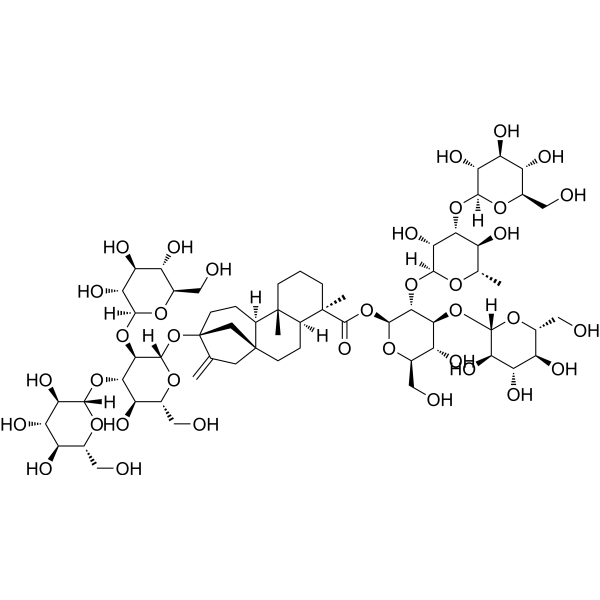
Rebaudioside O is a heptapyranosyl diterpene glycoside that occurs in the leaves of Stevia rebaudiana Bertoni. Rebaudioside O serves as a sweetener .
|
-
-
- HY-Y1422E
-
|
|
Biochemical Assay Reagents
Lipase
|
Others
|
Lipase, Aspergillus niger (Immobilized) is an immobilized triacylglycerol acyl hydrolase and biocatalyst. Lipase, Aspergillus niger (Immobilized) broadly catalyzes the hydrolysis of glycerol-long-chain fatty acid esters, exhibits positional selectivity for the 1,3-positions of glycerol, but shows low hydrolysis efficiency for castor oil. Lipase, Aspergillus niger (Immobilized) displays optimal activity at 45°C and pH 7.0, and remains stable at temperatures up to 60°C and over a broad pH range of 2.0-9.0. Lipase, Aspergillus niger (Immobilized) is activated by Ca 2+ and Mg 2+, but inhibited by Mn 2+, Fe 2+ and Zn 2+ .
|
-
-
- HY-W012530R
-
|
|
Reference Standards
Endogenous Metabolite
PDI
|
Infection
Metabolic Disease
|
|
Phenylpyruvic acid (Standard) is the analytical standard of Phenylpyruvic acid. This product is intended for research and analytical applications. Phenylpyruvic acid is a precursor of the antifungal compound phenyllactic acid. Phenylpyruvic acid can improve the antifungal activity of eight lactic acid bacterial strains through the addition into a dedined growth medium. Phenylpyruvic acid demonstrates improved inhibitory activity against fungal bread contaminants Aspergillus niger and Penicillium roqueforti. Phenylpyruvic acid affects enzyme activity of the pentose phosphate pathway involved in the oxidative phase in rat brain homogenates. Phenylpyruvic acid can reduce glucose-6-phosphate dehydrogenase activity .
|
-
-
- HY-W016203
-
|
Sodium phenylpyruvate
|
Endogenous Metabolite
PDI
|
Infection
Metabolic Disease
|
|
Phenylpyruvic acid sodium is a endogenous metabolite that participates in the synthesis of 3-phenyllactic acid (PLA) by lactate dehydrogenase. Phenylpyruvic acid is a precursor of the antifungal compound phenyllactic acid. Phenylpyruvic acid can improve the antifungal activity of eight lactic acid bacterial strains through the addition into a dedined growth medium. Phenylpyruvic acid demonstrates improved inhibitory activity against fungal bread contaminants Aspergillus niger and Penicillium roqueforti. Phenylpyruvic acid affects enzyme activity of the pentose phosphate pathway involved in the oxidative phase in rat brain homogenates. Phenylpyruvic acid can reduce glucose-6-phosphate dehydrogenase activity .
|
-
-
- HY-E70888
-
|
|
Lipase
|
Others
|
|
Lipase, Candida antarctica, expressed in Aspergillus niger, is a serine hydrolase, which belongs to the α/β hydrolase fold family .
|
-
-
- HY-W039915
-
|
|
Glycosidase
|
Others
|
|
Allyl α-D-galactopyranoside is an α-galactoside and acceptor/donor substrate for transgalactosylation reactions. Allyl α-D-galactopyranoside acts as an acceptor substrate in α-galactosidase-catalyzed transgalactosylation, and serves as a donor substrate to form longer α-galactosyl-containing oligosaccharides. Allyl α-D-galactopyranoside serves as a model compound for investigating the catalytic mechanism and substrate specificity of glycoside hydrolases and glycosyltransferases .
|
-
-
- HY-W587956
-
|
|
Fungal
|
Infection
|
|
α-Guaiene is a natural sesquiterpene and fungicidal agent found in Pogostemon cablin (patchouli) essential oil. α-Guaiene suppresses the growth of Aspergillus niger, Candida albicans, Microsporum gypseum, and Trichophyton mentagrophytes. α-Guaiene can be used for the study of fungal infection .
|
-
-
- HY-N6783
-
|
|
Fungal
Antibiotic
|
Infection
|
|
Oligomycin C is a macrolide antibiotic produced by Streptomyces strains. Oligomycin C exhibits a strong activity against Aspergillus niger, Alternaria alternata, Botrytis cinerea and Phytophthora capsici but no activity toward bacteria .
|
-
-
- HY-W038767
-
|
p-Toluoylhydrazine
|
Bacterial
Fungal
|
Infection
|
|
4-Methylbenzohydrazide (p-ToluoylHYdrazine) (Compound 5) is an antibacterial agent. 4-Methylbenzohydrazide shows a pMIC value of 1.38 against Staphylococcus aureus, Bacillus subtilis, Escherichia coli, and Aspergillus niger .
|
-
-
- HY-136153
-
|
|
Fungal
|
Infection
|
|
Amphotericin X1 is an 13-O-methyl derivative of Amphotericin B with good antifungal activity. Amphotericin X1 inhibits Candida albicans 33/079, C.parapsilosis 937A, Cryptococcus neoformans 451, Aspergillus niger 57A and A.fumigatus with MIC values of 1 μg/mL, 8 μg/mL, 1 μg/mL, 2 μg/mL and 2 μg/mL, respectively .
|
-
-
- HY-P2996A
-
|
|
Drug Isomer
|
Others
|
|
Nitrate Reductase, Arabidopsis thaliana is the isomer of NAD(P)H-Nitrate reductase (HY-P2996). NAD(P)H-Nitrate reductase is isolated from Aspergillus niger that catalyses the reduction of nitrate to nitrite via a two-electron transfer. In plants,the electron donor for Nitrate reductase is NADPH is NADH:Nitrate reductase and a bispecific NAD(P)H: Nitrate reductase .
|
-
-
- HY-131050
-
|
|
Bacterial
Fungal
|
Infection
|
|
Aspergillus niger-IN-1 (Compound 17), a derivative of thiazolidine-2,4-dione, acts as an antimicrobial agent. Aspergillus niger-IN-1 exhibited antimicrobial activity against various bacterial and fungal strains, including Bacillus subtilis, Staphylococcus aureus, Klebsiella pneumonia, Escherichia coli, Salmonella typhi, Candida albicans and Aspergillus niger, with MIC values of 11.3, 5.65, 11.3, 5.65, 5.65, 5.65, and 5.65 μM/mL, respectively .
|
-
-
- HY-E70326
-
|
|
Endogenous Metabolite
|
Others
|
|
Acid Protease, Aspergillus niger is a biocatalyst and a key enzyme in new biocatalyst technology. Enzyme engineering focuses on enhancing enzyme reaction kinetics, substrate selectivity, and activity under harsh conditions such as low or high pH. By introducing stimulus responsiveness to these enzyme modifications, dynamic control of activity is also possible .
|
-
-
- HY-N15604
-
|
|
Fungal
|
Others
|
|
Fonsecin is a component of dimeric naphtho-γ-pyrone. Fonsecin can be isolated from a culture extract of Aspergillus niger C-433 .
|
-
-
- HY-P2569
-
|
|
Apoptosis
|
Cancer
|
|
Malformin A1, a cyclic pentapeptide isolated from Aspergillus niger, possess a range of bioactive properties including antibacterial activity. Malformin A1 shows potent cytotoxic activities on human colorectal cancer cells. Malformin A1 induces apoptosis by activating PARP, caspase 3, -7, and -9 .
|
-
-
- HY-164620
-
|
|
Fungal
|
Infection
|
|
Antifungal agent 112 (Compound 1e) exhibits antifungal activity against Candida albicans, Aspergillus niger and Aspergillus fumigatus with MIC of 0.0024, 0.0022 and 0.0028 M, respectively .
|
-
-
- HY-N14960
-
|
|
Antibiotic
|
|
|
Clavariopsin A is a cyclic depsipeptide antibiotic. Clavariopsin A shows antifungal activity for Candida albicans IFO 0583, Candida albicans ATCC 10231, Aspergillus niger AJ117374, Aspergillus fumigatus AJ117190, Aspergillus fumigatus JCM1739 with MIC values of 8, 8, 16, 2, 4 μg/mL, respectively .
|
-
-
- HY-N14961
-
|
|
Antibiotic
|
Infection
|
|
Clavariopsin B is a cyclic depsipeptide antibiotic. Clavariopsin B shows antifungal activity for Candida albicans IFO 0583, Candida albicans ATCC 10231, Aspergillus niger AJ117374, Aspergillus fumigatus AJ117190, Aspergillus fumigatus JCM1739 with MIC values of 8, 8, 16, 4, 4 μg/mL, respectively .
|
-
-
- HY-N2544
-
-
-
- HY-N14582
-
|
|
Antibiotic
Fungal
|
Infection
|
|
Glomosporin is a cyclic ester peptide antifungal antibiotic, and it has moderate anti-Aspergillus flavus (including Aspergillus Niger and Aspergillus Niger), yeast activity (MIC is 16 μg/mL) .
|
-
-
- HY-N14186
-
-
-
- HY-109706
-
|
|
Bacterial
Fungal
|
Infection
|
|
(Rac)-CPI-098 shows antibacterial activity. (Rac)-CPI-098 exhibits superior anti-fungal activity against Monascus ruber, better activity against Aspergillus fumigates, good activity against Aspergillus niger and Aspergillus parasites and moderate activity against Candida albicans .
|
-
-
- HY-N9720
-
|
|
Antibiotic
Bacterial
Fungal
|
Infection
|
|
Herbarin is a quinone antibiotic. Herbarin complex has anti-Gram-positive bacteria, negative bacteria, Citrus Canker xanthomonas, potato early blight, Aspergillus Niger, Decaprous and other fungal activities .
|
-
-
- HY-N14881
-
|
|
Bacterial
|
Infection
Cancer
|
|
Monorden E has the effect of arresting the cell cycle of Jurket cells in G1 and G2/M phases. Monorden E has anti-Aspergillus niger activity .
|
-
-
- HY-N14866
-
|
|
Bacterial
|
Infection
Cancer
|
|
Monorden B has the effect of arresting the cell cycle of Jurket cells in G1 and G2/M phases. Monorden B has anti-Aspergillus niger activity .
|
-
-
- HY-E70107
-
|
Cbh1
|
Others
|
Others
|
|
Cellobiohydrolase I, Trichoderma longibrachiatum (Cbh1) belongs to glycoside hydrolase family 7 (GH7) that catalyzes the processive hydrolysis of cellulose into cellobiose .
|
-
-
- HY-159809
-
|
|
Bacterial
|
Infection
Inflammation/Immunology
|
|
Antibacterial agent 249 demonstrates broad-spectrum antimicrobial properties, effectively inhibiting the growth of Aspergillus niger, Bacillus subtilis, Pseudomonas albicans, Escherichia coli, and Staphylococcus aureus, while also exhibiting anti-inflammatory activity in vitro, making it a potential candidate for treating bacterial infections.
|
-
-
- HY-N15359
-
|
|
Bacterial
|
Infection
|
|
Germicidin C is a microbial metabolite with antibacterial activity, which is found in the marine sponge-derived fungus Aspergillus niger. Germicidin C can inhibit the growth of various pathogenic bacteria such as Staphylococcus aureus, Escherichia coli, and Bacillus subtilis with MIC values ranging from 32 to 64 µg/mL .
|
-
-
- HY-N3097R
-
-
-
- HY-N7236
-
|
|
Parasite
Fungal
|
Infection
|
|
Pervicoside B is a glycoside C isolated from Neothyone gibbosa sea cucumber. In vitro studies have shown that Pervicoside B has a potent antiparasitic effect against Leishmania mexicana, inhibiting 100% of promastigotes at 5-10 μg/mL. Pervicoside B also exhibits strong antifungal activity against Aspergillus niger, with MIC values ranging from 4.65 to 16.7 μg/mL. Pervicoside B has potential applications in the inhibition of parasitic infections and fungal diseases .
|
-
-
- HY-P10329
-
|
|
Fungal
|
Infection
|
|
KK14(R) is an analog of the de novo synthetic peptide KK14, which exhibits antifungal activity against Fusarium culmorum, Penicillium expansum and Aspergillus niger , with MICs of 6.25, 12.5 and 12.5 μg/mL, respecitvely. KK14(R) exhibits good heat- and pH-stability. KK14(R) exhibits cytotoxicity against cells Caco-2 and RAW264.7 .
|
-
-
- HY-158402
-
|
|
Bacterial
Fungal
|
Infection
Inflammation/Immunology
|
|
Anti-inflammatory agent 84 (Compound 4D) is a derivative of Coumarin (HY-N0709) with antimicrobial and anti-inflammatory activities. Anti-inflammatory agent 84 inhibits E. coli, Candida albicans, Staphylococcus aureus and methicillin-resistant S. aureus (MRSA), with MIC of 312, 156, 19 and 316 μg/mL, respectively. Anti-inflammatory agent 84 inhibits biofilm formation of S. aureus, E. coli and MRSA, with IC50 of 185, 321 and 99 μM, respectively. Anti-inflammatory agent 84 inhibits nitric oxide production in Lipopolysaccharide (HY-D1056)-stimulated RAW264.7 macrophage cell .
|
-
-
- HY-N3687
-
|
|
Others
|
Cancer
|
|
Dasycarpol (compound 2) is a product of microbial transformation of fraxinellone by Aspergillus niger (AS 3.421). Dasycarpol shows moderate cytotoxicity against A549 cells ,with the IC50 of 20 ug/mL .
|
-
-
- HY-P2124R
-
|
|
Reference Standards
Antibiotic
Bacterial
|
Infection
|
|
L-Isoleucine (Standard) is the analytical standard of L-Isoleucine. This product is intended for research and analytical applications. L-Isoleucine is an orally active branched chain amino acid, which is the L-enantiomer of isoleucine. L-Isoleucine has a role as a Saccharomyces cerevisiae metabolite, an Escherichia coli metabolite, a plant metabolite, a human metabolite, an algal metabolite and a mouse metabolite. L-Isoleucine regulates the inflammatory response to protect against pathogens in vivo and in vitro .
|
-
- HY-180483
-
|
|
Fungal
|
Infection
|
|
Antifungal agent 144 (Compound 3f) is a highly selective antifungal agent against Aspergillus niger, with an MIC of 7.5 μg/mL. Antifungal agent 144 simultaneously inhibits chitin deacetylase AngCDA and 1,3-β-glucan synthase. Antifungal agent 144 functions by disrupting the integrity of the fungal cell wall and does not bind to Ergosterol (HY-N0181). Antifungal agent 144 can be used for research on Aspergillus niger infections .
|
-
- HY-43806
-
|
|
Fungal
Bacterial
|
Infection
|
|
Antifungal agent 143 is potent antifungal agent which also exihibits antibacterial activity. Antifungal agent 143 inhibits growth of Candida albicans and Aspergillus niger, Escherichia coli, Pseudomonas aeruginosa, Staphylococcus aureus, and Streptococcus pyogenes. Antifungal agent 143 can be used for antimicrobial research .
|
-
- HY-W032878
-
|
|
Fungal
SOD
|
Infection
|
|
N,N-Bis(3-aminopropyl)dodecylamine is a potent fungicidal agent with remarkable activity against Aspergillus niger. N,N-Bis(3-aminopropyl)dodecylamine induces oxidative stress and regulates the activities of multiple antioxidant and mitochondrial enzymes in a concentration‑ and duration‑dependent manner. N,N-Bis(3-aminopropyl)dodecylamine disrupts fungal organelles, remodels mitochondrial morphology and impairs mitochondria‑related cellular functions. N,N-Bis(3-aminopropyl)dodecylamine can be used for the research of fungicidal mechanisms and oxidative stress in Aspergillus niger .
|
-
- HY-N12752
-
|
Casbene
|
Bacterial
Fungal
|
Infection
|
|
(-)-Casbene (Casbene) is an antimicrobial agent that can be found in Euphorbiaceae plants. (-)-Casbene retards Aspergillus niger development, and inhibits Escherichia coli growth. (-)-Casbene can be used for the research of bacterial and fungal infection .
|
-
- HY-N15056
-
|
|
Fungal
|
Infection
|
|
Chainin has anti-yeast and Aspergillus Niger fungal activity .
|
-
- HY-N14737
-
|
|
Fungal
|
Infection
Inflammation/Immunology
|
|
Dunaimycin A1 is a 24-membered macrolide compound with immunosuppressive activity and antifungal activity against Aspergillus niger. Dunaimycin A1 is promising for research of autoimmune diseases .
|
-
- HY-N15052
-
|
|
Bacterial
|
Infection
Cancer
|
|
Monorden C has the effect of arresting the cell cycle of Jurket cells in G1 and G2/M phases. Monorden C has anti-Aspergillus niger activity .
|
-
- HY-178722
-
|
|
Fungal
Bacterial
|
Infection
|
|
Deferasirox methyl ester (compound 6a), a derivative of Deferasirox (HY-17359), is an antimicrobial agent. Deferasirox methyl ester exhibits activities against Staphylococcus aureus, Staphylococcus epidermidis, Escherichia coli, Candida albicans and Aspergillus niger with MICs of 0.5, 4.0, 1.0, 4.0, and 2.0 μg/mL, respectively. Deferasirox methyl ester can be used for antimicrobial research .
|
-
- HY-W072994
-
|
|
Fungal
Insecticide
|
Infection
|
|
Copper naphthenate is an organocopper compound with the properties of a fungicide, preservative, oil-borne protectant, and toxicant. Copper naphthenate increases serum and urine copper levels in exposed populations, causes skin irritation, and induces intraperitoneal toxicity in rats. Copper naphthenate inhibits the growth of decay fungi and molds on moso bamboo, kills the free-living stages of Ichthyophthirius multifiliis, and controls wood-boring insects and termites .
|
-
- HY-N19934
-
|
|
|
Others
|
|
Protogenkwanin 4'-glucoside is a flavonoid glucoside that can be found in the fertile sprouts of Equisetum arvense L. .
|
-
- HY-N17436
-
|
|
Bacterial
|
Inflammation/Immunology
Cancer
|
|
Demethoxyhexahydrocurcumin is a Curcumin (HY-N0005) biotransformation metabolite and diarylheptanoid with antioxidant and antimicrobial activities. Demethoxyhexahydrocurcumin scavenges free radicals, inhibits cancer cell viability, and suppresses microbial growth. Demethoxyhexahydrocurcumin can be used for the research of colorectal cancer .
|
-
- HY-N17734
-
|
|
Bacterial
Fungal
|
Infection
|
|
2-Deethoxy-2-hydroxyphantomolin, Germacranolide, is an Antifungal and Antibacterial agent. 2-Deethoxy-2-hydroxyphantomolin can be isolated from Elephantopus tomentosus Linn and E. mollis. 2-Deethoxy-2-hydroxyphantomolin is moderately active against Candida albicans (14 mm clearing zone) and slightly active against Escherichia coli (12 mm), Pseudomonas aeruginosa (12 mm), Bacillus subtilis (14 mm), and Trichophyton mentagrophytes (13 mm) .
|
-
- HY-123565
-
|
|
Tie
Fungal
Bacterial
|
Infection
Cancer
|
|
TP-S1-68 (Compound 10) is a TIE-2 inhibitor with an IC50 of 3.65 μM. TP-S1-68 exhibits antibacterial activity against a variety of fungal and bacteria. TP-S1-68 serves as a starting compound for the further development of TIE-2 inhibitors. TP-S1-68 can be used in research related to solid tumors, bacterial infections and fungal infections .
|
-
| Cat. No. |
Product Name |
Type |
-
- HY-W039915
-
|
|
Biochemical Assay Reagents
|
|
Allyl α-D-galactopyranoside is an α-galactoside and acceptor/donor substrate for transgalactosylation reactions. Allyl α-D-galactopyranoside acts as an acceptor substrate in α-galactosidase-catalyzed transgalactosylation, and serves as a donor substrate to form longer α-galactosyl-containing oligosaccharides. Allyl α-D-galactopyranoside serves as a model compound for investigating the catalytic mechanism and substrate specificity of glycoside hydrolases and glycosyltransferases .
|
| Cat. No. |
Product Name |
Target |
Research Area |
-
- HY-P2124
-
|
|
Antibiotic
Bacterial
|
Infection
|
|
Cyclo(L-Trp-L-Trp) is an antibiotic, and shows antimicrobial activity. Cyclo(L-Trp-L-Trp) can inhibit A. baumannii, as well as Candida albicans, Bacillus subtilis, Micrococcus luteus, Saccharomyces cerevisiae, Aspergillus niger, Staphylococcus aureus. Cyclo(L-Trp-L-Trp) can be used in microbial infection research .
|
-
- HY-P2569
-
|
|
Apoptosis
|
Cancer
|
|
Malformin A1, a cyclic pentapeptide isolated from Aspergillus niger, possess a range of bioactive properties including antibacterial activity. Malformin A1 shows potent cytotoxic activities on human colorectal cancer cells. Malformin A1 induces apoptosis by activating PARP, caspase 3, -7, and -9 .
|
-
- HY-P10329
-
|
|
Fungal
|
Infection
|
|
KK14(R) is an analog of the de novo synthetic peptide KK14, which exhibits antifungal activity against Fusarium culmorum, Penicillium expansum and Aspergillus niger , with MICs of 6.25, 12.5 and 12.5 μg/mL, respecitvely. KK14(R) exhibits good heat- and pH-stability. KK14(R) exhibits cytotoxicity against cells Caco-2 and RAW264.7 .
|
-
- HY-P2124R
-
|
|
Reference Standards
Antibiotic
Bacterial
|
Infection
|
|
L-Isoleucine (Standard) is the analytical standard of L-Isoleucine. This product is intended for research and analytical applications. L-Isoleucine is an orally active branched chain amino acid, which is the L-enantiomer of isoleucine. L-Isoleucine has a role as a Saccharomyces cerevisiae metabolite, an Escherichia coli metabolite, a plant metabolite, a human metabolite, an algal metabolite and a mouse metabolite. L-Isoleucine regulates the inflammatory response to protect against pathogens in vivo and in vitro .
|
| Cat. No. |
Product Name |
Category |
Target |
Chemical Structure |
-
- HY-W012530
-
-
-
- HY-P2857
-
|
Amyloglucosidase, Aspergillus niger
|
Structural Classification
Natural Products
Microorganisms
Animals
Classification of Application Fields
Metabolic Disease
Disease Research Fields
Source Classification
|
Endogenous Metabolite
|
|
Amyloglucosidase, Aspergillus niger (Amyloglucosidase, Aspergillus niger) is a starch-hydrolyzing enzyme with high catalytic efficiency towards soluble starch and raw starch. Amyloglucosidase, Aspergillus niger hydrolyzes α-1,4 and α-1,6 glycosidic linkages in starch and similar substrates, and primarily releases β-glucose molecules from the non-reducing ends. Amyloglucosidase, Aspergillus niger participates in glycogen metabolism and is associated with type II glycogen storage disease. Amyloglucosidase, Aspergillus niger converts starch into glucose, and is applicable to the industrial production of high-fructose syrup, ethanol and other fermented products .
|
-
-
- HY-N3097
-
-
-
- HY-N6723
-
-
-
- HY-N8009
-
-
-
- HY-W012530R
-
-
-
- HY-N6783
-
-
-
- HY-N15604
-
-
-
- HY-P2569
-
-
-
- HY-N14960
-
|
|
Microorganisms
Antibiotics
Other Antibiotics
Source Classification
|
Antibiotic
|
|
Clavariopsin A is a cyclic depsipeptide antibiotic. Clavariopsin A shows antifungal activity for Candida albicans IFO 0583, Candida albicans ATCC 10231, Aspergillus niger AJ117374, Aspergillus fumigatus AJ117190, Aspergillus fumigatus JCM1739 with MIC values of 8, 8, 16, 2, 4 μg/mL, respectively .
|
-
-
- HY-N14961
-
|
|
Microorganisms
Antibiotics
Other Antibiotics
Source Classification
|
Antibiotic
|
|
Clavariopsin B is a cyclic depsipeptide antibiotic. Clavariopsin B shows antifungal activity for Candida albicans IFO 0583, Candida albicans ATCC 10231, Aspergillus niger AJ117374, Aspergillus fumigatus AJ117190, Aspergillus fumigatus JCM1739 with MIC values of 8, 8, 16, 4, 4 μg/mL, respectively .
|
-
-
- HY-N2544
-
-
-
- HY-N14582
-
-
-
- HY-N14186
-
-
-
- HY-N9720
-
-
-
- HY-N14881
-
-
-
- HY-N14866
-
-
-
- HY-N15359
-
|
|
Natural Products
Microorganisms
Source Classification
|
Bacterial
|
|
Germicidin C is a microbial metabolite with antibacterial activity, which is found in the marine sponge-derived fungus Aspergillus niger. Germicidin C can inhibit the growth of various pathogenic bacteria such as Staphylococcus aureus, Escherichia coli, and Bacillus subtilis with MIC values ranging from 32 to 64 µg/mL .
|
-
-
- HY-N3097R
-
-
-
- HY-N7236
-
|
|
Triterpenes
Animals
Terpenoids
Source Classification
|
Parasite
Fungal
|
|
Pervicoside B is a glycoside C isolated from Neothyone gibbosa sea cucumber. In vitro studies have shown that Pervicoside B has a potent antiparasitic effect against Leishmania mexicana, inhibiting 100% of promastigotes at 5-10 μg/mL. Pervicoside B also exhibits strong antifungal activity against Aspergillus niger, with MIC values ranging from 4.65 to 16.7 μg/mL. Pervicoside B has potential applications in the inhibition of parasitic infections and fungal diseases .
|
-
-
- HY-N3687
-
-
-
- HY-N12752
-
-
-
- HY-N15056
-
-
-
- HY-N14737
-
-
-
- HY-N15052
-
-
-
- HY-N19934
-
-
-
- HY-N17436
-
-
-
- HY-N17734
-
|
|
Structural Classification
Other Monoterpenes
Terpenoids
Plants
Boraginaceae
Source Classification
|
Bacterial
Fungal
|
|
2-Deethoxy-2-hydroxyphantomolin, Germacranolide, is an Antifungal and Antibacterial agent. 2-Deethoxy-2-hydroxyphantomolin can be isolated from Elephantopus tomentosus Linn and E. mollis. 2-Deethoxy-2-hydroxyphantomolin is moderately active against Candida albicans (14 mm clearing zone) and slightly active against Escherichia coli (12 mm), Pseudomonas aeruginosa (12 mm), Bacillus subtilis (14 mm), and Trichophyton mentagrophytes (13 mm) .
|
-
Your information is safe with us. * Required Fields.
Inquiry Information
- Product Name:
- Cat. No.:
- Quantity:
- MCE Japan Authorized Agent:

