

Delivery of temperature sensitive items including proteins and kits will be paused on 6/19 for the Juneteenth holiday. For urgent orders please contact customer service.
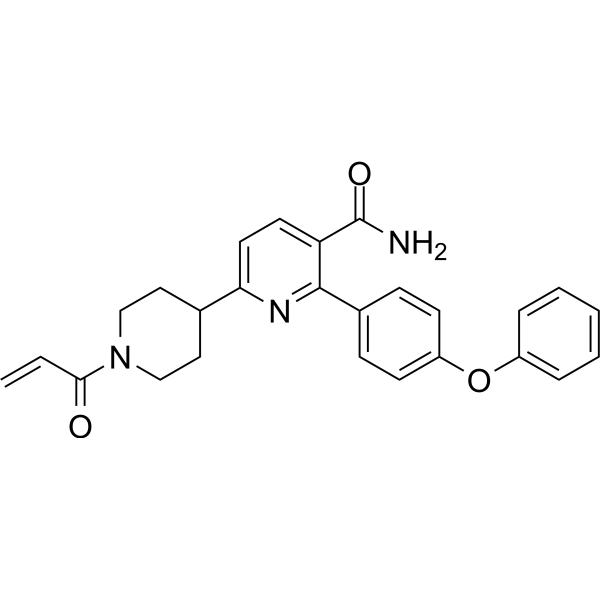
Orelabrutinib (ICP-022) is a potent, orally active, and irreversible Bruton's tyrosine kinase (BTK) inhibitor with potential antineoplastic activity. Orelabrutinib prevents both the activation of the B-cellantigenreceptor (BCR) signaling pathway and BTK-mediated activation of downstream survival pathways, inhibiting the growth of malignant B-cells that overexpress BTK .
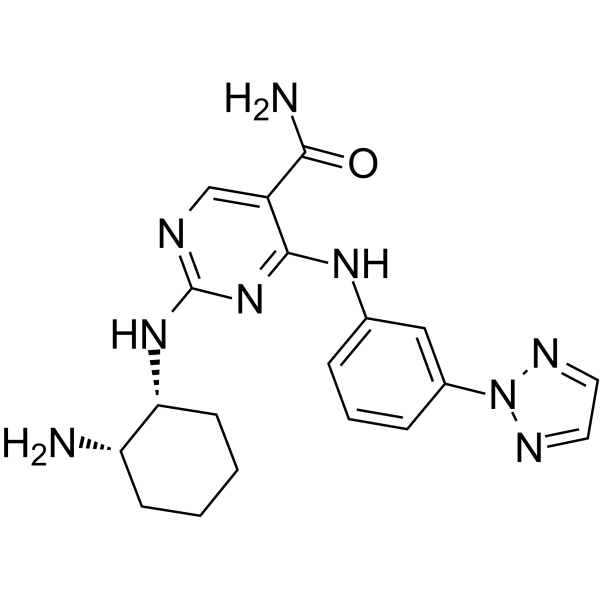
PRT062607 (P505-15; PRT-2607) is an orally active ATP-competitive Syk inhibitor with an IC50 value of 1 nM, and exhibits at least 80-fold selectivity over other kinases. PRT062607 blocks Bcellantigenreceptor-mediated activation, Fcε receptor 1-mediated basophil degranulation and microglial phagocytosis, and induces caspase-dependent apoptosis and microglial death. PRT062607 inhibits tumor growth and peripheral nerve injury-induced mechanical allodynia, and prevents neuronal loss. PRT062607 can be used in research related to rheumatoid arthritis, chronic lymphocytic leukemia, non-Hodgkin's lymphoma, neurodegenerative diseases and neuropathic pain .
Clesrovimab (MK1654) is a humanized IgG1 monoclonal antibody targeting the respiratory syncytial virus (RSV) protein F. Clesrovimab binds to pre-fusion and post-fusion forms of RSV-A fusion protein with high affinity, with corresponding KD values of 71 pM and 480 pM, respectively. Clesrovimab is applicable for the research of RSV infection .
Elebsiran (VIR-2218) sodium is a siRNA that targets and degrades hepatitis B virus (HBV) and hepatitis D virus (HDV) RNA transcripts. Elebsiran sodium leads to a significant decrease in HBV surface antigen (HBsAg) and a reduction in viral load. Elebsiran sodium binds to the sialic acid-depleted glycoprotein receptor (ASGPR) on the surface of liver cells through the GalNAc ligand, achieving liver-targeted delivery and demonstrating improved liver safety. Elebsiran sodium can be used for the study of chronic HBV/HDV infections .
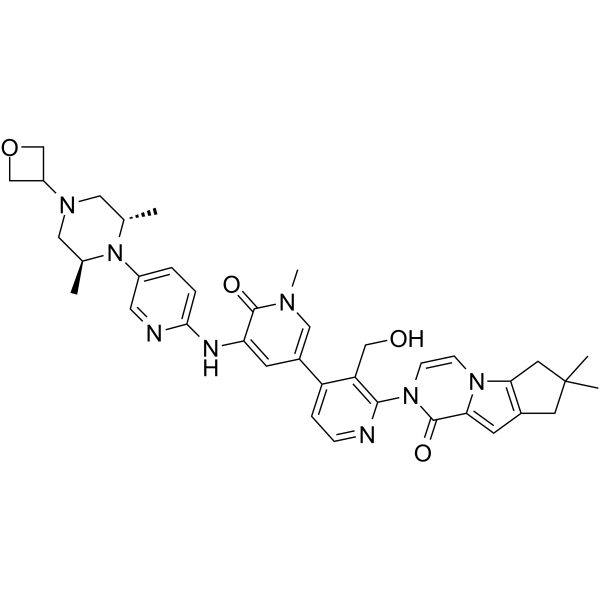
NDI-101150 is an orally active, potent and selective hematopoietic progenitor cell kinase 1 (HPK1) inhibitor with an IC50 of 0.7 nM. NDI-101150 blocks HPK1-mediated negative regulation of immune receptor signaling, inhibits immunosuppression of T cell activation, enhances antigen-specific antibody production and augments B-cell activation. NDI-101150 inhibits tumor growth in syngeneic tumor models, establishes durable antitumor immune memory, and synergizes with anti-PD1 to enhance exhausted T cell activity and drive tumor regressions. NDI-101150 can be used for the research of cancer, such as breast cancer and colon cancer .
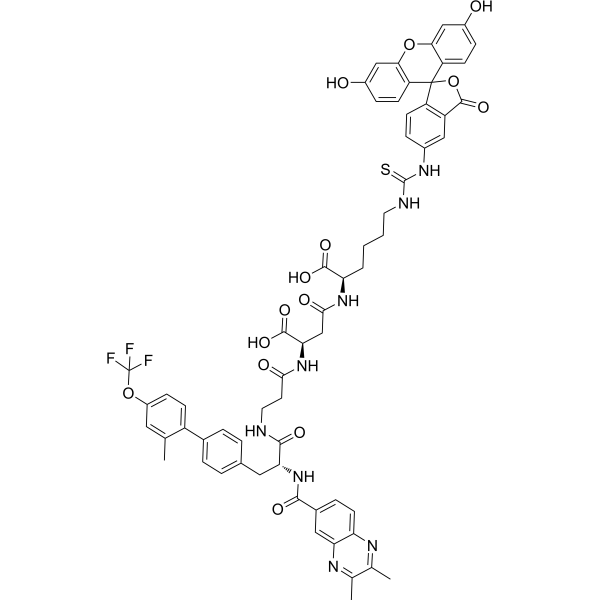
CBP-1018 is a PDC (peptide-drug conjugate) formed by conjugating Monomethyl auristatin E (HY-15162) to a dual-targeting ligand of FLOR1/PSMA (prostate-specific membrane antigen) via a linker (HY-78738). CBP-1018 binds to FLOR1 and prostate-specific membrane antigen (PSMA). CBP-1018 is applicable to the research of solid tumors and metastatic castration-resistant prostate cancer .
Elebsiran (VIR-2218) is a siRNA that targets and degrades hepatitis B virus (HBV) and hepatitis D virus (HDV) RNA transcripts. Elebsiran leads to a significant decrease in HBV surface antigen (HBsAg) and a reduction in viral load. Elebsiran binds to the sialic acid-depleted glycoprotein receptor (ASGPR) on the surface of liver cells through the GalNAc ligand, achieving liver-targeted delivery and demonstrating improved liver safety. Elebsiran can be used for the study of chronic HBV/HDV infections .
CD19 CAR circRNA will express CD19 car protein, and can be used in chimeric antigenreceptor T cell immunotherapy (CAR-CD19). The CD19 car is a chimeric antigenreceptor. Among them, CD19 is a CD molecule expressed by Bcells (i.e. leukocyte differentiation antigen), an important membrane antigen involved in Bcell proliferation, differentiation, activation and antibody production, and can also promote BCR signal transduction.
CD31 (PECAM-1) is platelet endothelial cell adhesion molecule-1, serves as the endothelial cell-specificreceptor of clostridium perfringens b-Toxin (CPB). CD31 is also an ER-MP12 antigen, acts as a linker between mechanical stress, metabolism and inflammation. CD31 peptide is able to sustain phosphorylation of the CD31 ITIM686 and of SHP2 and to inhibit TCR-induced T-cell activation - .
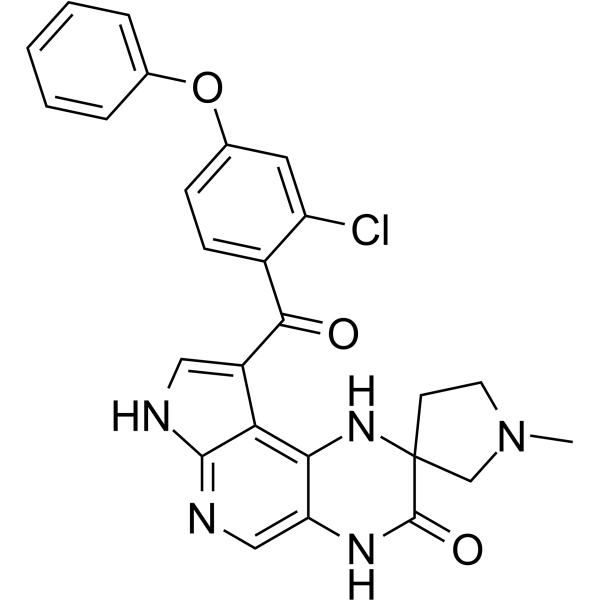
BTK-IN-14 is a potent inhibitor of BTK. BTK plays an important role in signaling mediated by Bcellantigenreceptor (BCR) and Fcγreceptor (FcγR) in Bcells and myeloid cells, respectively. BTK-IN-14 has the potential for the research of related diseases, especially autoimmune diseases, inflammatory diseases or cancer (extracted from patent WO2022057894A1, compound 1) .
Neoaureothin is a bacterial metabolite that has been found in Streptomyces. It is an androgen receptor (AR) antagonist that inhibits binding of dihydrotestosterone (DHT) to ARs (IC50=13 μM) and inhibits DHT-induced expression of prostate-specific antigen in LNCaP cells (IC50=1.75 nM). Neoaureothin is cytotoxic to A549, HCT116, and HepG2 cells (IC50s=34.3, 47, and 37.2 μg/mL, respectively). It also has nematocidal activity against the pine wood nematode B. xylophilus (LC50=0.84 μg/mL) and increases survival of P. densiflora trees inoculated with B. xylophilus.
Human CD40 mRNA encodes the human CD40 molecule (CD40) protein, a member of the TNF-receptor superfamily. CD40 is a receptor on antigen-presenting cells of the immune system and is essential for mediating a broad variety of immune and inflammatory responses including T cell-dependent immunoglobulin class switching, memory Bcell development, and germinal center formation.
BTK-IN-11 is a potent inhibitor of BTK. BTK plays an important role in signaling mediated by Bcellantigenreceptor (BCR) and Fcγreceptor (FcγR) in Bcells and myeloid cells, respectively. BTK-IN-11 has the potential for the research of related diseases, especially autoimmune diseases, inflammatory diseases or cancer (extracted from patent WO2022063101A1, compound Z2) .
(R)-Phe-A110/B319, a hapten, is a selective binder to tumor-associated antigens. (R)-Phe-A110/B319 has a 20-fold higher affinity towards the H1047R mutant of p110α in the p110α/p85α PI3K complex. (R)-Phe-A110/B319 can be used for the research of conditional chimeric antigenreceptor T (CAR-T) cell activation and tumor targeting .
CD31 (PECAM-1) TFA is platelet endothelial cell adhesion molecule-1, serves as the endothelial cell-specificreceptor of clostridium perfringens b-Toxin (CPB). CD31 TFA is also an ER-MP12 antigen, acts as a linker between mechanical stress, metabolism and inflammation. CD31 TFA peptide is able to sustain phosphorylation of the CD31 ITIM686 and of SHP2 and to inhibit TCR-induced T-cell activation - .
Bruton's tyrosine kinase (BTK) plays a vital role in B-cellantigenreceptor (BCR) signalling transduction pathway. BTK can be used for the study of lymphomas and autoimmune diseases. BTK has multiple mutants. BTK V416L Recombinant Human Active Protein Kinase is a recombinant BTK V416L protein that can be used to study BTK V416L-related functions .
Bruton's tyrosine kinase (BTK) plays a vital role in B-cellantigenreceptor (BCR) signalling transduction pathway. BTK can be used for the study of lymphomas and autoimmune diseases. BTK has multiple mutants. BTK C481R Recombinant Human Active Protein Kinase is a recombinant BTK C481R protein that can be used to study BTK C481R-related functions .
Anti-Mouse CD79b Antibody (HM79b) reacts with the mouse CD79b. CD79b participates in the signal transduction cascade activated by the Bcellantigenreceptor complex (BCR), ultimately leading to complex internalization, transport to late endosomes, and antigen presentation. Recommend Isotype Controls: Mouse IgG2a kappa, Isotype Control (HY-P99978) .
BCMA CAR mRNA can express the CAR protein targeting human BCMA. BCMA CAR mRNA can trigger the transient expression of CAR, enabling T cells to be targeted without the need for permanent genetic modification. BCMA is a member of the tumor necrosis factor receptor superfamily 17 (TNFRSF17), also known as B-cell maturation antigen (CD269), which promotes B-cell survival and plays a role in regulating humoral immunity. BCMA is highly expressed in multiple myeloma and is a biomarker for the diagnosis of multiple myeloma.
Anti-Mouse CTLA-4 Antibody (UC10-4F10-11) reacts with mouse cytotoxic T lymphocyte antigen-4 (CTLA-4, CD152). Anti-Mouse CTLA-4 Antibody (UC10-4F10-11) promotes T cell co-stimulation by blocking CTLA-4 binding to the B7 co-receptors, allowing for CD28 binding. Recommend Isotype Controls: Polyclonal Armenian hamster IgG, Isotype Control (HY-P990305) .
AM-8508 is an orally bioactive PI3Kδ inhibitor with an IC50 of 0.016 μM. AM-8508 selectively inhibits PI3Kδ, thereby blocking AKT phosphorylation mediated by the Bcellreceptor. AM-8508 suppresses the formation of antigen-specific IgG and IgM in rats immunized with keyhole limpet hemocyanin. AM-8508 can be used for the research of inflammatory diseases .
Anti-Mouse CD1d Antibody (1B1) is an antibody targeting mouse CD1d (Kd=12.5 nM). By inserting into the lipid-binding groove of CD1d, Anti-Mouse CD1d Antibody (1B1) overlaps with the binding sites of type I and type IINKTcellreceptors (TCR), thereby effectively blocking TCR-mediated interactions. Anti-Mouse CD1d Antibody (1B1) activates antigen-presenting cells such as dendritic cells and macrophages, induces them to release IL-12p70, and increases the levels of key cytokines including IL-12, IFN-γ and IFN-α in mouse serum. Anti-Mouse CD1d Antibody (1B1) can be used in studies related to renal cancer, breast cancer and colon adenocarcinoma. When combined with anti-DR5 or anti-CD137 antibodies and chemotherapeutic drugs, Anti-Mouse CD1d Antibody (1B1) exhibits significant tumor inhibitory and even eradication effects in mice .
CBP-1018 is a PDC (peptide-drug conjugate) formed by conjugating Monomethyl auristatin E (HY-15162) to a dual-targeting ligand of FLOR1/PSMA (prostate-specific membrane antigen) via a linker (HY-78738). CBP-1018 binds to FLOR1 and prostate-specific membrane antigen (PSMA). CBP-1018 is applicable to the research of solid tumors and metastatic castration-resistant prostate cancer .
CD31 (PECAM-1) is platelet endothelial cell adhesion molecule-1, serves as the endothelial cell-specificreceptor of clostridium perfringens b-Toxin (CPB). CD31 is also an ER-MP12 antigen, acts as a linker between mechanical stress, metabolism and inflammation. CD31 peptide is able to sustain phosphorylation of the CD31 ITIM686 and of SHP2 and to inhibit TCR-induced T-cell activation - .
CD31 (PECAM-1) TFA is platelet endothelial cell adhesion molecule-1, serves as the endothelial cell-specificreceptor of clostridium perfringens b-Toxin (CPB). CD31 TFA is also an ER-MP12 antigen, acts as a linker between mechanical stress, metabolism and inflammation. CD31 TFA peptide is able to sustain phosphorylation of the CD31 ITIM686 and of SHP2 and to inhibit TCR-induced T-cell activation - .
Clesrovimab (MK1654) is a humanized IgG1 monoclonal antibody targeting the respiratory syncytial virus (RSV) protein F. Clesrovimab binds to pre-fusion and post-fusion forms of RSV-A fusion protein with high affinity, with corresponding KD values of 71 pM and 480 pM, respectively. Clesrovimab is applicable for the research of RSV infection .
Anti-Mouse CD79b Antibody (HM79b) reacts with the mouse CD79b. CD79b participates in the signal transduction cascade activated by the Bcellantigenreceptor complex (BCR), ultimately leading to complex internalization, transport to late endosomes, and antigen presentation. Recommend Isotype Controls: Mouse IgG2a kappa, Isotype Control (HY-P99978) .
Anti-Mouse CTLA-4 Antibody (UC10-4F10-11) reacts with mouse cytotoxic T lymphocyte antigen-4 (CTLA-4, CD152). Anti-Mouse CTLA-4 Antibody (UC10-4F10-11) promotes T cell co-stimulation by blocking CTLA-4 binding to the B7 co-receptors, allowing for CD28 binding. Recommend Isotype Controls: Polyclonal Armenian hamster IgG, Isotype Control (HY-P990305) .
Anti-Mouse CD1d Antibody (1B1) is an antibody targeting mouse CD1d (Kd=12.5 nM). By inserting into the lipid-binding groove of CD1d, Anti-Mouse CD1d Antibody (1B1) overlaps with the binding sites of type I and type IINKTcellreceptors (TCR), thereby effectively blocking TCR-mediated interactions. Anti-Mouse CD1d Antibody (1B1) activates antigen-presenting cells such as dendritic cells and macrophages, induces them to release IL-12p70, and increases the levels of key cytokines including IL-12, IFN-γ and IFN-α in mouse serum. Anti-Mouse CD1d Antibody (1B1) can be used in studies related to renal cancer, breast cancer and colon adenocarcinoma. When combined with anti-DR5 or anti-CD137 antibodies and chemotherapeutic drugs, Anti-Mouse CD1d Antibody (1B1) exhibits significant tumor inhibitory and even eradication effects in mice .
CD79B protein, together with CD79A, initiates the B-cell antigen receptor complex (BCR) signaling cascade, which is critical for complex internalization and transport to late endosomes, promoting antigen presentation. CD79B enhances CD79A phosphorylation, possibly recruiting kinases or protective proteins. CD79B Protein, Mouse (HEK293, Fc) is the recombinant mouse-derived CD79B protein, expressed by HEK293 , with C-hFc labeled tag.
CD79B Protein, also known as B29 or Igβ, is an essential component of the B cell receptor along with immunoglobulin and mb1 (Igα, CD79a) and is absolutely required for B cell development. Rat CD79B protein comprises 228 amino acids, and its amino acid sequence is 85 and 69% identical with the mouse and human counterparts, respectively. The B-cell antigen receptor (BCR) signaling component Igβ (CD79B) and the co-receptor CD19 act as an alternative B-cell signaling module that promotes the survival of B lymphoma and normal B cells via integrated ITAM/PI3K signaling. The loss of CD79B causes a block in N-glycan maturation and accumulation of immature proteins. CD79B Protein, Rat (HEK293, His) is the recombinant rat-derived CD79B protein, expressed by HEK293 , with C-His labeled tag.
CD79B Protein, also known as B29 or Igβ, is an essential component of the B cell receptor along with immunoglobulin and mb1 (Igα, CD79a) and is absolutely required for B cell development. Rat CD79B protein comprises 228 amino acids, and its amino acid sequence is 85 and 69% identical with the mouse and human counterparts, respectively. The B-cell antigen receptor (BCR) signaling component Igβ (CD79B) and the co-receptor CD19 act as an alternative B-cell signaling module that promotes the survival of B lymphoma and normal B cells via integrated ITAM/PI3K signaling. The loss of CD79B causes a block in N-glycan maturation and accumulation of immature proteins. CD79B Protein, Rat (HEK293, Fc) is the recombinant rat-derived CD79B protein, expressed by HEK293 , with C-hFc labeled tag.
CD40 protein is a TNFSF5/CD40LG receptor that transduces signals through TRAF6 and MAP3K8-mediated pathways, activates ERK in macrophages and B cells, and induces immunoglobulin secretion. CD40 exists as monomers and homodimers and interacts with TRAF proteins (TRAF1, TRAF2, TRAF3, TRAF5, and TRAF6). CD40 Protein, Human (Biotinylated, HEK293, His-Avi) is the recombinant human-derived CD40 protein, expressed by HEK293 , with C-Avi, C-His labeled tag.
CD79B protein binds to CD79A and initiates the B cell antigen receptor complex (BCR) signaling cascade. This results in complex internalization, transport to late endosomes and antigen presentation. CD79B Protein, Rhesus Macaque (HEK293, His) is the recombinant Rhesus Macaque-derived CD79B protein, expressed by HEK293 , with C-6*His labeled tag.
The Siglec-2/CD22 protein mediates B cell interactions and may direct B cell localization within lymphoid tissues.It recognizes sialylated glycoproteins, especially α-2,6-linked sialic acid, and participates in cis-interactions at the cell surface.CD22 Protein, Rhesus Macaque (HEK293, His) is the recombinant Rhesus Macaque-derived CD22 protein, expressed by HEK293 , with C-His labeled tag.
The Siglec-2/CD22 protein mediates B cell interactions and may direct B cell localization within lymphoid tissues.It recognizes sialylated glycoproteins, especially α-2,6-linked sialic acid, and participates in cis-interactions at the cell surface.CD22 Protein, Rhesus Macaque (HEK293, Fc) is the recombinant Rhesus Macaque-derived CD22 protein, expressed by HEK293 , with C-hFc labeled tag.
The Siglec-2/CD22 protein mediates B cell interactions and may direct B cell localization within lymphoid tissues. It recognizes sialylated glycoproteins, especially α-2,6-linked sialic acid, and participates in cis-interactions at the cell surface. Siglec-2/CD22 Protein, Rat (HEK293, His) is the recombinant rat-derived Siglec-2/CD22 protein, expressed by HEK293 , with C-His labeled tag.
The Siglec-2/CD22 protein mediates B cell interactions and may direct B cell localization within lymphoid tissues. It recognizes sialylated glycoproteins, especially α-2,6-linked sialic acid, and participates in cis-interactions at the cell surface. Siglec-2/CD22 Protein, Rat (HEK293, Fc) is the recombinant rat-derived Siglec-2/CD22 protein, expressed by HEK293 , with C-hFc labeled tag.
CD79B protein binds to CD79A and initiates the B cell antigen receptor complex (BCR) signaling cascade. This results in complex internalization, transport to late endosomes and antigen presentation. CD79B Protein, Human (HEK293, His) is the recombinant human-derived CD79B protein, expressed by HEK293 , with C-6*His labeled tag.
CD79B protein binds to CD79A and initiates the B cell antigen receptor complex (BCR) signaling cascade. This results in complex internalization, transport to late endosomes and antigen presentation. CD79B Protein, Human (HEK293, hFc) is the recombinant human-derived CD79B protein, expressed by HEK293, with C-hFc labeled tag.
CD79B protein binds to CD79A and initiates the B cell antigen receptor complex (BCR) signaling cascade. This results in complex internalization, transport to late endosomes and antigen presentation. CD79B Protein, Human (Biotinylated, HEK293, His-Avi) is the recombinant human-derived CD79B protein, expressed by HEK293 , with C-Avi, C-6*His labeled tag.
The Siglec-2/CD22 protein mediates B cell interactions and may direct B cell localization within lymphoid tissues. It recognizes sialylated glycoproteins, especially α-2,6-linked sialic acid, and participates in cis-interactions at the cell surface. Siglec-2/CD22 Protein, Human (Biotinylated, HEK293, His-Avi) is the recombinant human-derived Siglec-2/CD22 protein, expressed by HEK293 , with C-Avi, C-6*His labeled tag.
CD79A cooperates with CD79B to initiate the B cell antigen receptor complex (BCR) signaling cascade upon antigen binding. This results in complex internalization, transport and antigen presentation. CD79 Protein, Mouse (HEK293, His) is a recombinant protein dimer complex containing mouse-derived CD79 protein, expressed by HEK293 , with C-His labeled tag. CD79 Protein, Mouse (HEK293, His), has molecular weight of 23-43 kDa, respectively.
The CD79A protein is critical for initiating the B cell antigen receptor complex (BCR) signaling cascade upon antigen binding. It promotes internalization, transport to late endosomes, and antigen presentation of BCR complexes. CD79 Protein, Human (HEK293, His) is the recombinant human-derived CD79, expressed by HEK293, with C-6*His labeled tag.
CD40 Protein, a vital TNFR superfamily member, lacks conserved residue(s) crucial for feature annotation propagation, indicating unique structural attributes. This distinctiveness may influence CD40's functional interactions within the TNFR superfamily, underscoring the need for further exploration to unravel its specific roles and regulatory mechanisms in cellular signaling pathways. CD40 Protein, Cynomolgus (HEK293, Fc) is the recombinant cynomolgus-derived CD40 protein, expressed by HEK293 , with C-hFc labeled tag.
The CD79A protein is critical for initiating the B cell antigen receptor complex (BCR) signaling cascade upon antigen binding. It promotes internalization, transport to late endosomes, and antigen presentation of BCR complexes. CD79 Protein, Human (HEK293, Flag-His) is a recombinant protein dimer complex containing human-derived CD79 protein, expressed by HEK293 , with C-His, C-Flag labeled tag. CD79 Protein, Human (HEK293, Flag-His), has molecular weight of ~37.5 kDa.
The CD79A protein is critical for initiating the B cell antigen receptor complex (BCR) signaling cascade upon antigen binding. It promotes internalization, transport to late endosomes, and antigen presentation of BCR complexes. CD79A Protein, Human (HEK293, His) is the recombinant human-derived CD79A protein, expressed by HEK293 , with C-6*His labeled tag.
CD79A cooperates with CD79B to initiate the B cell antigen receptor complex (BCR) signaling cascade upon antigen binding. This results in complex internalization, transport and antigen presentation. CD79A Protein, Mouse (HEK293, Fc) is the recombinant mouse-derived CD79A protein, expressed by HEK293 , with C-hFc labeled tag.
Killer cell immunoglobulin-like receptor 2DL2; CD158 antigen-like family member B1; MHC class I NK cellreceptor; NKAT-6; p58 NK receptor CL-43; CD158b1; KIR2DL2; CD158B1; NKAT6
KIR2DL2/CD158b1, found on NK cells, functions as a receptor for HLA-Cw1, Cw3, Cw7, and Cw8 allotypes. Its key role is to inhibit NK cell activity, serving as a regulator to prevent cellular lysis. Interacting with specific HLA-C molecules, KIR2DL2/CD158b1 contributes to the delicate balance of inhibitory signals in the immune system, shaping the responsiveness of NK cells to potential targets. KIR2DL2/CD158b1 Protein, Human (HEK293, His-Avi) is the recombinant human-derived KIR2DL2/CD158b1 protein, expressed by HEK293 , with C-Avi, C-His labeled tag.
Killer cell immunoglobulin-like receptor 2DL2; CD158 antigen-like family member B1; MHC class I NK cellreceptor; NKAT-6; p58 NK receptor CL-43; CD158b1; KIR2DL2; CD158B1; NKAT6
KIR2DL2/CD158b1, found on NK cells, functions as a receptor for HLA-Cw1, Cw3, Cw7, and Cw8 allotypes. Its key role is to inhibit NK cell activity, serving as a regulator to prevent cellular lysis. Interacting with specific HLA-C molecules, KIR2DL2/CD158b1 contributes to the delicate balance of inhibitory signals in the immune system, shaping the responsiveness of NK cells to potential targets. KIR2DL2/CD158b1 Protein, Human (Biotinylated, HEK293, His-Avi) is the recombinant human-derived KIR2DL2/CD158b1 protein, expressed by HEK293 , with C-Avi, C-His labeled tag.
Killer cell immunoglobulin-like receptor 2DL2; CD158 antigen-like family member B1; MHC class I NK cellreceptor; NKAT-6; p58 NK receptor CL-43; CD158b1; KIR2DL2; CD158B1; NKAT6
KIR2DL2/CD158b1, found on NK cells, functions as a receptor for HLA-Cw1, Cw3, Cw7, and Cw8 allotypes. Its key role is to inhibit NK cell activity, serving as a regulator to prevent cellular lysis. Interacting with specific HLA-C molecules, KIR2DL2/CD158b1 contributes to the delicate balance of inhibitory signals in the immune system, shaping the responsiveness of NK cells to potential targets. KIR2DL2/CD158b1 Protein, Human (HEK293, Fc) is the recombinant human-derived KIR2DL2/CD158b1 protein, expressed by HEK293, with C-hFc labeled tag.
KIR2DL3, found on NK cells, selectively recognizes HLA-C alleles like HLA-Cw1, HLA-Cw3, and HLA-Cw7. Its interaction leads to inhibitory effects, preventing NK cell activity and cell lysis. KIR2DL3's association with ARRB2 underscores its role in cellular signaling pathways, intricately modulating NK cell functions. KIR2DL3 Protein, Human (HEK293, His) is the recombinant human-derived KIR2DL3 protein, expressed by HEK293 , with C-6*His labeled tag.
NKG2-A/NKG2-B type II integral membrane protein; CD159 antigen-like family member A; NK cellreceptor A; NKG2-A/B-activating NK receptor; CD159a; KLRC1; NKG2A
The NKG2A protein is an important immunosuppressive receptor that forms a complex with KLRD1 on lymphocyte subsets for self-non-self discrimination. It recognizes HLA-E loaded with self-peptides, monitors MHC class I expression in healthy cells, and promotes self-tolerance. NKG2A Protein, Human (HEK293, His) is the recombinant human-derived NKG2A protein, expressed by HEK293 , with N-8*His labeled tag.
B cellantigenreceptor Ig beta associated protein 1; BPM 90; BPM L; BPM-L; BPM90; BPML; IBAP 1; Imp 9; Importin 9; Novel centrosomal protein RanBPM; RAN binding protein 9; Ran binding protein centrosomal; Ran Binding Protein in the Microtubule organizing center; Ran binding protein M; Ran BP9; Ran-binding protein 9; Ran-binding protein M; RANB9_HUMAN; RanBP 7; RANBP 9; RanBP7; RanBP9; RanBPM.
WB, ICC/IF
Human, Mouse, Rat
RanBP9 Antibody (YA1995) is a Rabbit-derived and non-conjugated IgG monoclonal antibody, targeting to RanBP9.
B cellantigenreceptor Ig beta associated protein 1; BPM 90; BPM L; BPM-L; BPM90; BPML; IBAP 1; Imp 9; Importin 9; Novel centrosomal protein RanBPM; RAN binding protein 9; Ran binding protein centrosomal; Ran Binding Protein in the Microtubule organizing center; Ran binding protein M; Ran BP9; Ran-binding protein 9; Ran-binding protein M; RANB9_HUMAN; RanBP 7; RANBP 9; RanBP7; RanBP9; RanBPM.
WB, ICC/IF, IP
Human
RanBP9 Antibody (YA5234) is a Mouse-derived and non-conjugated monoclonal antibody, targeting to RanBP9.
Elebsiran (VIR-2218) sodium is a siRNA that targets and degrades hepatitis B virus (HBV) and hepatitis D virus (HDV) RNA transcripts. Elebsiran sodium leads to a significant decrease in HBV surface antigen (HBsAg) and a reduction in viral load. Elebsiran sodium binds to the sialic acid-depleted glycoprotein receptor (ASGPR) on the surface of liver cells through the GalNAc ligand, achieving liver-targeted delivery and demonstrating improved liver safety. Elebsiran sodium can be used for the study of chronic HBV/HDV infections .
Human CD40 mRNA encodes the human CD40 molecule (CD40) protein, a member of the TNF-receptor superfamily. CD40 is a receptor on antigen-presenting cells of the immune system and is essential for mediating a broad variety of immune and inflammatory responses including T cell-dependent immunoglobulin class switching, memory Bcell development, and germinal center formation.
BCMA CAR mRNA can express the CAR protein targeting human BCMA. BCMA CAR mRNA can trigger the transient expression of CAR, enabling T cells to be targeted without the need for permanent genetic modification. BCMA is a member of the tumor necrosis factor receptor superfamily 17 (TNFRSF17), also known as B-cell maturation antigen (CD269), which promotes B-cell survival and plays a role in regulating humoral immunity. BCMA is highly expressed in multiple myeloma and is a biomarker for the diagnosis of multiple myeloma.
Inquiry Online
Your information is safe with us. * Required Fields.
Western blot analysis of extracts from THP-1(lane 2(20μg), Jurkat (lane 3(20μg) and NIH3T3(lane 4(20μg) using FOXO1A (HY-P80132) Rabbit mAb. Proteins were transferred
to a PVDF membrane and blocked with 5% non-fat milk in TBST for 2 hour at room temperature. The primary antibody (1/1000) and Loading control antibody (Beta Actin, HY-P80438, 1/10000) was
used in 5% non-fat milk in TBST at 4°C overnight. Goat Anti-Mouse/Rabbit IgG-HRP Secondary Antibody (1/10000) was used for 1 hour at room temperature.
Western blot analysis of extracts from THP-1(lane 2(20μg), Jurkat (lane 3(20μg) and NIH3T3(lane 4(20μg) using FOXO1A (HY-P80132) Rabbit mAb. Proteins were transferred
to a PVDF membrane and blocked with 5% non-fat milk in TBST for 2 hour at room temperature. The primary antibody (1/1000) and Loading control antibody (Beta Actin, HY-P80438, 1/10000) was
used in 5% non-fat milk in TBST at 4°C overnight. Goat Anti-Mouse/Rabbit IgG-HRP Secondary Antibody (1/10000) was used for 1 hour at room temperature.
Western blot analysis of extracts from THP-1(lane 2(20μg), Jurkat (lane 3(20μg) and NIH3T3(lane 4(20μg) using FOXO1A (HY-P80132) Rabbit mAb. Proteins were transferred
to a PVDF membrane and blocked with 5% non-fat milk in TBST for 2 hour at room temperature. The primary antibody (1/1000) and Loading control antibody (Beta Actin, HY-P80438, 1/10000) was
used in 5% non-fat milk in TBST at 4°C overnight. Goat Anti-Mouse/Rabbit IgG-HRP Secondary Antibody (1/10000) was used for 1 hour at room temperature.
Western blot analysis of extracts from THP-1(lane 2(20μg), Jurkat (lane 3(20μg) and NIH3T3(lane 4(20μg) using FOXO1A (HY-P80132) Rabbit mAb. Proteins were transferred
to a PVDF membrane and blocked with 5% non-fat milk in TBST for 2 hour at room temperature. The primary antibody (1/1000) and Loading control antibody (Beta Actin, HY-P80438, 1/10000) was
MedchemExpress Validation 03
Western blot analysis of extracts from THP-1(lane 2(20μg), Jurkat (lane 3(20μg) and NIH3T3(lane 4(20μg) using FOXO1A (HY-P80132) Rabbit mAb. Proteins were transferred
MedchemExpress Validation 04
Western blot analysis of extracts from THP-1(lane 2(20μg), Jurkat (lane 3(20μg) and NIH3T3(lane 4(20μg) using FOXO1A (HY-P80132) Rabbit mAb. Proteins were transferred
to a PVDF membrane and blocked with 5% non-fat milk in TBST for 2 hour at room temperature. The primary antibody (1/1000) and Loading control antibody (Beta Actin, HY-P80438, 1/10000) was
used in 5% non-fat milk in TBST at 4°C overnight. Goat Anti-Mouse/Rabbit IgG-HRP Secondary Antibody (1/10000) was used for 1 hour at room temperature.
MedchemExpress Validation
Western blot analysis of extracts from THP-1(lane 2(20μg), Jurkat (lane 3(20μg) and NIH3T3(lane 4(20μg) using FOXO1A (HY-P80132) Rabbit mAb. Proteins were transferred
to a PVDF membrane and blocked with 5% non-fat milk in TBST for 2 hour at room temperature. The primary antibody (1/1000) and Loading control antibody (Beta Actin, HY-P80438, 1/10000) was
used in 5% non-fat milk in TBST at 4°C overnight. Goat Anti-Mouse/Rabbit IgG-HRP Secondary Antibody (1/10000) was used for 1 hour at room temperature.
Western blot analysis of extracts from THP-1(lane 2(20μg), Jurkat (lane 3(20μg) and NIH3T3(lane 4(20μg) using FOXO1A (HY-P80132) Rabbit mAb. Proteins were transferred
to a PVDF membrane and blocked with 5% non-fat milk in TBST for 2 hour at room temperature. The primary antibody (1/1000) and Loading control antibody (Beta Actin, HY-P80438, 1/10000) was
used in 5% non-fat milk in TBST at 4°C overnight. Goat Anti-Mouse/Rabbit IgG-HRP Secondary Antibody (1/10000) was used for 1 hour at room temperature.
MedchemExpress Validation
Western blot analysis of extracts from THP-1(lane 2(20μg), Jurkat (lane 3(20μg) and NIH3T3(lane 4(20μg) using FOXO1A (HY-P80132) Rabbit mAb. Proteins were transferred
to a PVDF membrane and blocked with 5% non-fat milk in TBST for 2 hour at room temperature. The primary antibody (1/1000) and Loading control antibody (Beta Actin, HY-P80438, 1/10000) was
used in 5% non-fat milk in TBST at 4°C overnight. Goat Anti-Mouse/Rabbit IgG-HRP Secondary Antibody (1/10000) was used for 1 hour at room temperature.
MedchemExpress Validation
Western blot analysis of extracts from THP-1(lane 2(20μg), Jurkat (lane 3(20μg) and NIH3T3(lane 4(20μg) using FOXO1A (HY-P80132) Rabbit mAb. Proteins were transferred
to a PVDF membrane and blocked with 5% non-fat milk in TBST for 2 hour at room temperature. The primary antibody (1/1000) and Loading control antibody (Beta Actin, HY-P80438, 1/10000) was
used in 5% non-fat milk in TBST at 4°C overnight. Goat Anti-Mouse/Rabbit IgG-HRP Secondary Antibody (1/10000) was used for 1 hour at room temperature.
MedchemExpress Validation
Western blot analysis of extracts from THP-1(lane 2(20μg), Jurkat (lane 3(20μg) and NIH3T3(lane 4(20μg) using FOXO1A (HY-P80132) Rabbit mAb. Proteins were transferred
to a PVDF membrane and blocked with 5% non-fat milk in TBST for 2 hour at room temperature. The primary antibody (1/1000) and Loading control antibody (Beta Actin, HY-P80438, 1/10000) was
used in 5% non-fat milk in TBST at 4°C overnight. Goat Anti-Mouse/Rabbit IgG-HRP Secondary Antibody (1/10000) was used for 1 hour at room temperature.
MedchemExpress Validation
Western blot analysis of extracts from THP-1(lane 2(20μg), Jurkat (lane 3(20μg) and NIH3T3(lane 4(20μg) using FOXO1A (HY-P80132) Rabbit mAb. Proteins were transferred
to a PVDF membrane and blocked with 5% non-fat milk in TBST for 2 hour at room temperature. The primary antibody (1/1000) and Loading control antibody (Beta Actin, HY-P80438, 1/10000) was
used in 5% non-fat milk in TBST at 4°C overnight. Goat Anti-Mouse/Rabbit IgG-HRP Secondary Antibody (1/10000) was used for 1 hour at room temperature.
MedchemExpress Validation
Western blot analysis of extracts from THP-1(lane 2(20μg), Jurkat (lane 3(20μg) and NIH3T3(lane 4(20μg) using FOXO1A (HY-P80132) Rabbit mAb. Proteins were transferred
to a PVDF membrane and blocked with 5% non-fat milk in TBST for 2 hour at room temperature. The primary antibody (1/1000) and Loading control antibody (Beta Actin, HY-P80438, 1/10000) was
used in 5% non-fat milk in TBST at 4°C overnight. Goat Anti-Mouse/Rabbit IgG-HRP Secondary Antibody (1/10000) was used for 1 hour at room temperature.
MedchemExpress Validation
Western blot analysis of extracts from THP-1(lane 2(20μg), Jurkat (lane 3(20μg) and NIH3T3(lane 4(20μg) using FOXO1A (HY-P80132) Rabbit mAb. Proteins were transferred
to a PVDF membrane and blocked with 5% non-fat milk in TBST for 2 hour at room temperature. The primary antibody (1/1000) and Loading control antibody (Beta Actin, HY-P80438, 1/10000) was
used in 5% non-fat milk in TBST at 4°C overnight. Goat Anti-Mouse/Rabbit IgG-HRP Secondary Antibody (1/10000) was used for 1 hour at room temperature.
MedChemExpress values your privacy and your trust is important to us. We use cookies to enhance your website experience. Some cookies are necessary to run the website.
Privacy and Cookie Policy

