
1. Search Result
Search Result
Pathways Recommended: Stem Cell/Wnt Cell Cycle/DNA Damage
Results for "

B1 B cells

" in MedChemExpress (MCE) Product Catalog:

158

Inhibitors & Agonists

2

Fluorescent Dyes

7

Biochemical Assay Reagents

6

Peptides

5

Inhibitory Antibodies

30

Natural
Products

5

Isotope-Labeled Compounds

3

Antibodies

1

Oligonucleotides

1

GMP Molecules

Cat. No. Product Name Target Research Areas Chemical Structure
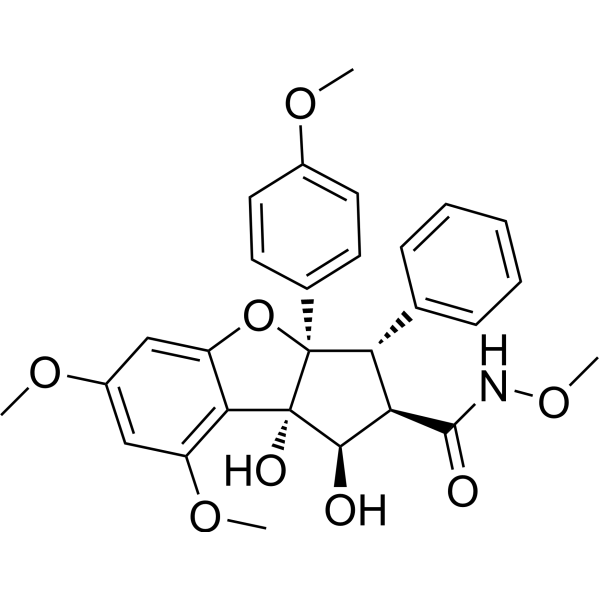
  • HY-16399
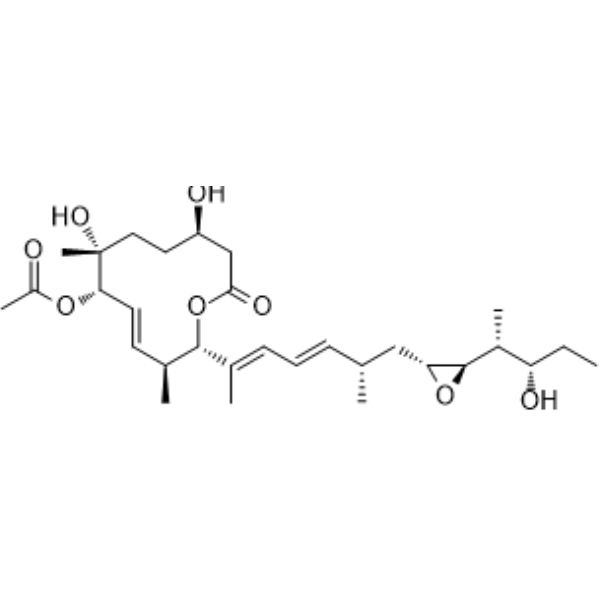
    Pladienolide B
    5 Publications Verification

    Apoptosis SF3B1 Cancer
    Pladienolide B is a potent cancer cell growth inhibitor that targets the SF3B1 subunit of the spliceosome. Pladienolide B exerts antitumor activities mediated through the inhibition of pre-mRNA splicing. Pladienolide B induces apoptosis .
    Pladienolide B
  • HY-W145667
    Mannan
    1 Publications Verification

    Endogenous Metabolite Glycosidase Bacterial Interleukin Related Reactive Oxygen Species (ROS) Infection Metabolic Disease Inflammation/Immunology
    Mannan is an orally active polysaccharide compound that binds to the mannose receptor (MR). Mannan promotes bacterial uptake and endosomal degradation by binding to MR, thereby enhancing the production of IL-12 in immune cells. Mannan enhances ROS production. Mannan modulates immunity, inhibits Aflatoxin B1 (HY-N6615)-induced toxicity, and reduces lipid .
    Mannan
  • HY-16466

    SF3B1 Cancer
    Spliceostatin A, the FR901464 (HY-16212) methylated derivative, is a potent anti-tumor agent. Spliceostatin A inhibits splicing and promotes pre-mRNA accumulation by binding SF3B1. SF3B1 is a subcomplex of U2 small nuclear ribonucleoprotein in the spliceosome. Spliceostatin A induces Apoptosis in chronic lymphocytic leukemia (CLL) cells .
    Spliceostatin A
  • HY-172085

    IFNAR DNA/RNA Synthesis c-Myc CDK Cancer
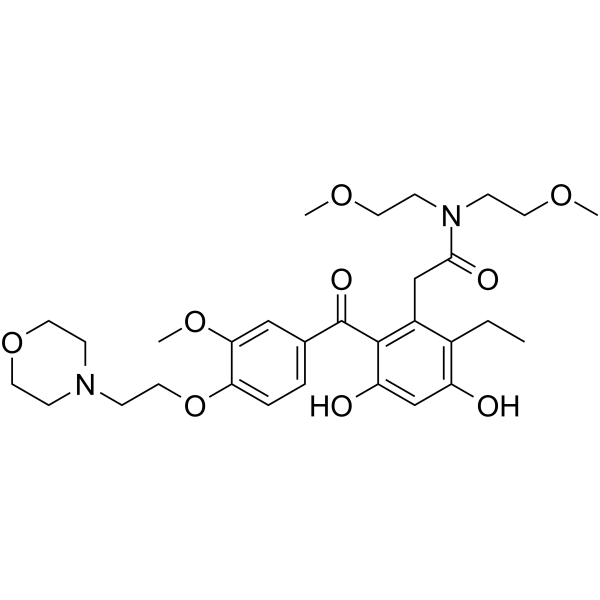
    SH514 is an orally active IRF4 inhibitor (IC50 = 2.63 μM). SH514 binds to the IRF4-DBD domain, thereby inhibiting the interaction of IRF4 protein with DNA (KD = 1.28 μM). SH514 can inhibit the proliferation of IRF4-high-expressing NCI-H929 and MM.1R cells, and displays no cytotoxicity for normal cells. SH514 significantly downregulates the expression of IRF4 downstream target genes concentration-dependently. SH514 inhibits the expression of cell cycle-related proteins CDC2, Cyclin B1, Cyclin D1, Cyclin E1, and CMYC in Multiple Myeloma cells. SH514 can induce DNA damage and increase the expression of γH2AX. SH514 effectively inhibits the proliferation of multiple myeloma tumors .
    SH514
  • HY-A0248A
    Polymyxin B1
    1 Publications Verification

    Bacterial Infection
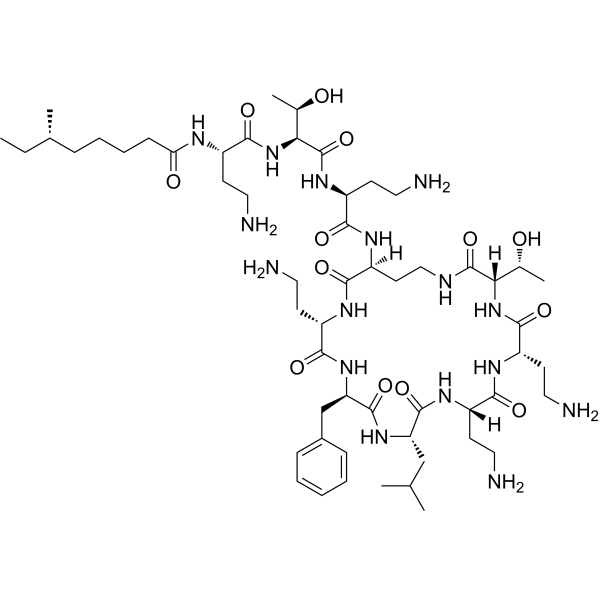
    Polymyxin B1 is a potent antimicrobial lipopeptide first derived from Bacilus polymyxa. Polymyxin B1 is the major component in Polymyxin B (HY-A0248). Polymyxin B1 can induce lysis of bacterial cells through interaction with their membranes. Polymyxin B1 has the potential for multidrug-resistant Gram-negative bacterial infections treatment .
    Polymyxin B1
  • HY-B0837
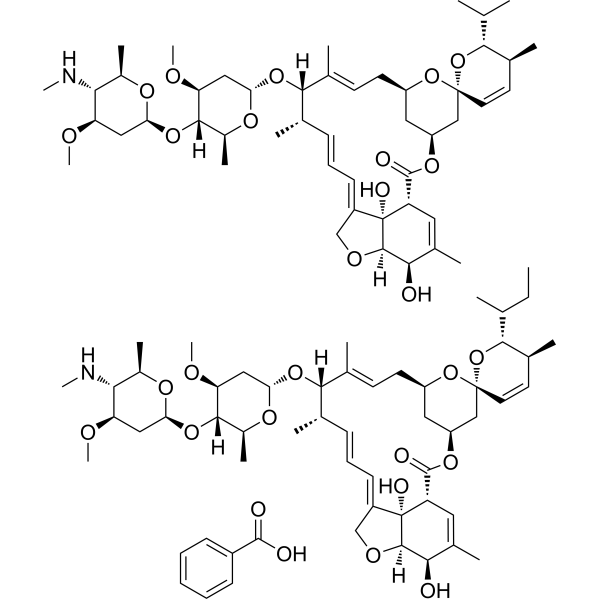
    Emamectin Benzoate
    1 Publications Verification

    MK-244

    Environmental Pollutants Parasite Apoptosis Reactive Oxygen Species (ROS) GABA Receptor Infection Neurological Disease
    Emamectin Benzoate (MK-244) is an orally active nervoussystem toxicant by binding g-aminobutyric (GABA) receptor in insects. Emamectin Benzoate is one of semi-synthetic derivative of Avermectin (HY-15311) with a broadspectrum of insecticidal and acaricidal activity. Emamectin Benzoate induces ROS-mediated DNA damage and cell apoptosis. Emamectin Benzoate, a mixture of the natural Emamectin B1a benzoate and Emamectin B1b benzoate, has the main component of Emamectin B1a benzoate .
    Emamectin Benzoate
  • HY-N2424

    2-Phenyl-4-chromone

    CDK Apoptosis Caspase Cancer
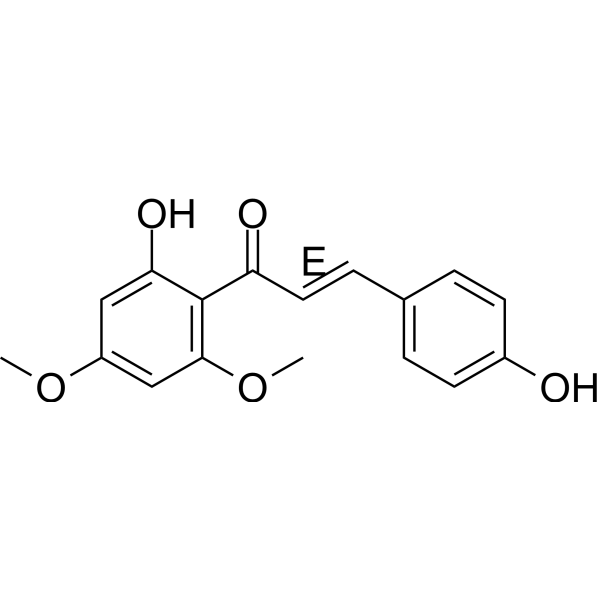
    Flavone is an anti-tumor compound that targets cell cycle regulatory proteins (such as cyclin B1) and apoptosis-related factors (such as p21waf1, PIG3). Flavone selectively induces mitochondrial-mediated apoptosis pathways in tumor cells, inhibits cyclin B1 protein expression, upregulates p21waf1, and activates p63/p73 proteins. Flavone has immunomodulatory functions that enhance natural killer cell (NK cell) activity and lymphocyte proliferation. Flavone is used in cancer research, especially for its inhibitory potential in solid tumor models such as esophageal cancer and liver cancer .
    Flavone
  • HY-N0417
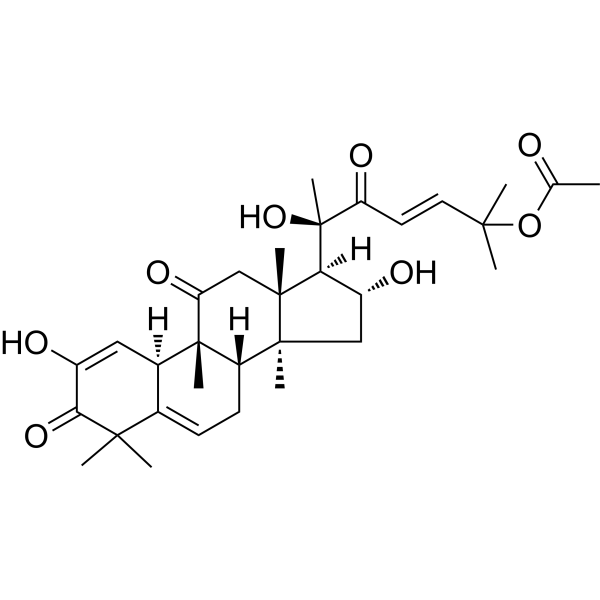
    Cucurbitacin E
    5+ Cited Publications

    α-Elaterin; α-Elaterine

    CDK Autophagy PANoptosis Metabolic Disease Inflammation/Immunology Cancer
    Cucurbitacin E is a CDK1 inhibitor that significantly inhibits the activity of the cyclin B1/CDC2 complex. Cucurbitacin E also induces PANoptosis in adrenocortical carcinoma cells in a ZBP1-dependent manner. Cucurbitacin E exhibits synergistic effects with Mitotane (HY-13690); when used in combination, they effectively eliminate tumors .
    Cucurbitacin E
  • HY-13468
    KW-2478
    4 Publications Verification

    HSP Apoptosis Bcr-Abl p38 MAPK CDK STAT Cancer
    KW-2478 is an HSP90 inhibitor (IC50 = 3.8 nM). KW-2478 inhibits the growth and induces apoptosis in chronic myeloid leukemia (CML) cells and liver cancer cells. KW-2478 weakens the BCR/ABL and MAPK signaling pathways, leading to increased p27 and p21 expression and decreased cyclin B1 expression. KW-2478 downregulates STAT3 expression. KW-2478 may be used in research on cancers such as CML and liver cancer .
    KW-2478
  • HY-NP203

    HDL (human)

    Apolipoprotein NO Synthase LPL Receptor Akt PI3K p38 MAPK Neurological Disease Metabolic Disease Inflammation/Immunology Cancer
    High density lipoprotein (human) (HDL (human)) is a human-derived high-density lipoprotein. High density lipoprotein can cross the blood-brain barrier, and partially acts on endothelial nitric oxide synthase (eNOS) by activating surface receptors such as SR-B1 and S1P3R, as well as intracellular signaling cascades involving Akt, PI3K and MAPK, thereby inducing the production of NO in endothelial cells. High density lipoprotein (human) can be used in research related to type 2 diabetes, Alzheimer's disease, cancer and atherosclerosis .
    High density lipoprotein (human)
  • HY-15039

    Bradykinin Receptor Metabolic Disease Inflammation/Immunology Endocrinology
    SSR240612 is a potent, and orally active specific non-peptide bradykinin B1 receptor antagonist, with Kis of 0.48 nM and 0.73 nM for B1 kinin receptors of human fibroblast MRC5 and HEK cells expressing human B1 receptors, 481 nM and 358 nM for B2 receptors of guinea pig ileum membranes and CHO cells expressing human B1 receptor, respectively.
    SSR240612
  • HY-P99139

    Interleukin Related Reactive Oxygen Species (ROS) Ferroptosis Cardiovascular Disease Inflammation/Immunology Cancer
    Anti-Mouse IL-1b Antibody (B122) is an anti-mouse IL-1b IgG monoclonal antibody. Anti-Mouse IL-1b Antibody (B122) enhances ferroptosis and increases levels of reactive oxygen species (ROS) combined with Sulfasalazine (SAS) (HY-14655). Anti-Mouse IL-1b Antibody (B122) can reduce monocyte infiltration and alleviate T cell exhaustion by blocking IL-1β signaling. Anti-Mouse IL-1b Antibody (B122) can be used for researches on cancer and cardiovascular conditions such as oral squamous cell carcinoma (OSCC), glioblastoma (GBM) and heart failure .
    Anti-Mouse IL-1b Antibody (B122)
  • HY-136453
    CR-1-31-B
    10+ Cited Publications

    Eukaryotic Initiation Factor (eIF) Apoptosis Cancer
    CR-1-31-B is a synthetic rocaglate and a potent eIF4A inhibitor. CR-1-31-B exhibits powerful inhibitory effects over eIF4A by perturbing the interaction between eIF4A and RNA, sequentially impeding initiation during protein synthesis. CR-1-31-B perturbs association of Plasmodium falciparum eIF4A (PfeIF4A) with RNA. CR-1-31-B induces apoptosis of neuroblastoma and gallbladder cancer cells .
    CR-1-31-B
  • HY-N6723

    Ceramidase Acyltransferase Infection Cancer
    Fumonisin B2 is a selective ceramide synthase inhibitor and carcinogenic mycotoxin with toxicity comparable to that of Fumonisin B1 (HY-N6719). Fumonisin B2 inhibits de novo sphingolipid biosynthesis by blocking the amide bond formation between fatty acids and dihydrosphingosine, which leads to a massive intracellular accumulation of free dihydrosphingosine, altered sphingosine levels, subsequent inhibition of cell proliferation, and induction of cell death. Fumonisin B2 is used to investigate the pathogenesis of diseases associated with Fusarium verticillioides contamination, including equine leukoencephalomalacia, porcine pulmonary edema syndrome, human esophageal cancer, and rat hepatocellular carcinoma .
    Fumonisin B2
  • HY-141881

    PROTACs Apoptosis SF3B1 Cancer
    PROTAC-O4I2 is a PROTAC targets splicing factor 3B1 (SF3B1). PROTAC-O4I2 induces FLAG-SF3B1 degradation with an IC50 value of 0.244 μM in K562 cells. PROTAC-O4I2 also induces cellular apoptosis in K562 WT cells .
    PROTAC-O4I2
  • HY-N3504

    Sirtuin OAT Cancer
    Ophiopogonin D' is a steroidal saponin and a SIRT1 activator. Ophiopogonin D' can also regulate the activities of transporters OATP1B1 and OATP1B3. Ophiopogonin D' exhibits certain toxicity to tumor cells. Ophiopogonin D' can be used in tumor research .
    Ophiopogonin D'
  • HY-P990643

    Integrin Inflammation/Immunology
    OS-2966 is a humanized antibody expressed in CHO cells, targeting Integrin b1/ITGB1/CD29. OS-2966 carries a huIgG1 type heavy chain and a huκ type light chain, with a predicted molecular weight (MW) of 145.5 kDa. The isotype control for OS-2966 can be referenced as Human IgG1 kappa, Isotype Control (HY-P99001).
    OS-2966
  • HY-168906

    Bradykinin Receptor PI3K Akt TNF Receptor ERK Neurological Disease Inflammation/Immunology
    BI-113823 is an orally active, blood-brain barrier-permeable bradykinin B1 receptor antagonist, with a Ki value of 5.3 nM for human receptors and 13.3 nM for rat receptors. BI-113823 reduces inflammation-induced mechanical hyperalgesia, as well as the mechanical sensitivity of peripheral afferent nerves and spinal nociceptive-specific neurons. BI-113823 alleviates liver fibrosis and portal hypertension, and improves survival in chronic liver disease models. BI-113823 inhibits the activities of monocytes, neutrophils and hepatic stellate cells, as well as the PI3K/Akt signaling pathway. BI-113823 can be used in research related to inflammatory pain, liver fibrosis and portal hypertension .
    BI-113823
  • HY-130841

    APC Ligands for Target Protein for PROTAC Cancer
    Apcin-A is a small molecule inhibitor that selectively targets the cell division cycle protein Cdc20 and is a derivative of Apcin (HY-110287). Apcin-A competitively binds to the D-box binding pocket of Cdc20 and inhibits substrate ubiquitination mediated by the anaphase promoting complex APC/C-Cdc20. Apcin-A also blocks the binding of Cdc20 to substrates (such as securin and cyclin B1), inhibiting anaphase initiation and cell cycle exit. Apcin-A can promote or prolong mitotic slippage in coordination with p31 comet under conditions of high spindle assembly checkpoint (SAC) activity. Apcin-A can be used to develop anti-mitotic drugs and overcome tumor chemotherapy resistance. Apcin-A can be used to synthesize PROTAC CP5V (HY-130257)[1][2][3].
    Apcin-A
  • HY-P99976

    CD19 Inflammation/Immunology
    Anti-Mouse CD19 Antibody (1D3) is an IgG2a antibody inhibitor targeting mouse CD19. Anti-Mouse CD19 Antibody (1D3) reduces CD19 expression levels on the surface of B cells. Anti-Mouse CD19 Antibody (1D3) inhibits the replication of peritoneal B-1a cells .
    Anti-Mouse CD19 Antibody (1D3)
  • HY-B2054

    Environmental Pollutants Insecticide MDM-2/p53 Apoptosis Cancer
    Tebufenozide is a nonsteroidal ecdysone agonist used to control pest. Tebufenozide has cytotoxic and induces apoptosis in HeLa and insect Tn5B1-4 cells .
    Tebufenozide
  • HY-A0248AS

    Isotope-Labeled Compounds Bacterial Infection
    Polymyxin B1-d7 TFA is the deuterium labeled Polymyxin B1 TFA (HY-A0248A). Polymyxin B1 is a potent antimicrobial lipopeptide first derived from Bacilus polymyxa. Polymyxin B1 is the major component in Polymyxin B (HY-A0248). Polymyxin B1 can induce lysis of bacterial cells through interaction with their membranes. Polymyxin B1 has the potential for multidrug-resistant Gram-negative bacterial infections treatment .
    Polymyxin B1-d7 TFA
  • HY-155552

    Apoptosis CDK Caspase Cancer
    GSPT1 degrader-1 is a highly selective degrader targeting GSPT1. GSPT1 degrader-1 induces degradation via the ubiquitin-proteasome system. GSPT1 degrader-1 induces G0/G1 phase arrest, apoptosis (apoptosis) and inhibits proliferation in leukemia cells. GSPT1 degrader-1 reduces the levels of CDK6 and Cyclin B1, while increases the levels of activated caspase-3 and caspase-9 in leukemia cells. GSPT1 degrader-1 can be used in leukemia research .
    GSPT1 degrader-1
  • HY-P5421

    Proton Pump Others
    Caloxin 1B1 is a biological active peptide. (Caloxin 1b1 is obtained by screening for binding to extracellular domain 1 of PMCA4, which inhibited PMCA extracellularly, selectively, and had a higher affinity for PMCA4 than PMCA1. Because caloxin 1b1 had been selected to bind to an extracellular domain of PMCA, it could be added directly to cells and tissues to examine its effects on smooth muscle and endothelium.)
    Caloxin 1B1
  • HY-137499

    Liposome Endogenous Metabolite Neurological Disease
    NT1-O12B, an endogenous chemical and a neurotransmitter-derived lipidoid (NT-lipidoid), is an effective carrier for enhanced brain delivery of several blood-brain barrier (BBB)-impermeable cargos. Doping NT1-O12B into BBB-impermeable lipid nanoparticles (LNPs) gives the LNPs the ability to cross the BBB. NT-lipidoids formulation not only facilitate cargo crossing of the BBB, but also delivery of the cargo into neuronal cells for functional gene silencing or gene recombination .
    NT1-O12B
  • HY-W002438

    Biochemical Assay Reagents Endogenous Metabolite OAT Ferroptosis Neurological Disease Metabolic Disease
    6-Hydroxyindole is an orally active, endogenous long-acting OATP1B1 inhibitor. 6-Hydroxyindole does not alter the cell surface expression or subcellular localization of OATP1B1. 6-Hydroxyindole protects cells against Ferroptosis. 6-Hydroxyindole possesses intrinsic radical-trapping antioxidant activity. 6-Hydroxyindole serves as a component of oxidative hair dyes. 6-Hydroxyindole can be used in research related to renal failure and neurodegenerative diseases .
    6-Hydroxyindole
  • HY-143328

    PROTACs Epigenetic Reader Domain Apoptosis Cancer
    PROTAC BRD4 Degrader-17 (compound 13i) is a potent PROTAC BRD4 Degrader, with IC50 values of 29.54 nM (BRD4 (BD1)) and 3.82 nM (BRD4 (BD2)). PROTAC BRD4 Degrader-17 significantly attenuates G2/M progression associated Cyclin B1 expression. PROTAC BRD4 Degrader-17 significantly induces apoptosis in MV-4-11 cells .
    PROTAC BRD4 Degrader-17
  • HY-122735

    Ser/Thr Kinase Bacterial Infection
    Inh2-B1 is a Ser/Thr protein kinase (STK1) inhibitor. Inh2-B1 specifically inhibits STK1 activity by directly binding to its ATP-binding catalytic domain. Inh2-B1 down-regulates cell wall hydrolase genes and disrupts the biofilm formation of Methicillin-resistant Staphylococcus aureus (MRSA) clearly .
    Inh2-B1
  • HY-157942

    Cytochrome P450 Cancer
    CYP1B1-IN-7 (compound 2a) is a selective inhibitor of CYP1B1 (IC50: 75 nM). CYP1B1-IN-7 also reverses resistance (IC50: 29 μM) and exhibits cytotoxicity in the CYP1B1-overexpressing MCF-7 cell line that is resistant to Docetaxel (HY-B0011) .
    CYP1B1-IN-7
  • HY-129247

    MDM-2/p53 Aryl Hydrocarbon Receptor Cytochrome P450 Cancer
    Versicolorin A is a biosynthetic precursor of Aflatoxin B1 (HY-N6615). Versicolorin A induces phosphorylation of p53. Versicolorin A activates the aryl hydrocarbon receptor AhR and significantly induces the expression of CYP1A1. Versicolorin A exerts genotoxic and cytotoxic effects. Versicolorin A enhances the genotoxicity of aflatoxin B1 in cells by promoting CYP450-mediated bioactivation of aflatoxin B1. Versicolorin A can be used in research related to colorectal cancer and hepatocellular carcinoma .
    Versicolorin A
  • HY-P990215

    Interleukin Related Infection Inflammation/Immunology
    Anti-Mouse IL-27 p28 Antibody (MM27.7B1) is a mouse-derived anti-mouse IL-27 p28 IgG2a, κ type antibody inhibitor. Anti-Mouse IL-27 p28 Antibody (MM27.7B1) can neutralize IL-27. Anti-Mouse IL-27 p28 Antibody (MM27.7B1) delays CD8+ T cell reconstitution mediated by IL-27 after murine anti-thymocyte globulin (mATG) treatment in BALB/c heart allografts mice models .
    Anti-Mouse IL-27 p28 Antibody (MM27.7B1)
  • HY-125729

    Parasite SARS-CoV Infection
    Ivermectin B1b is the minor component of Ivermectin. Ivermectin, a potent anti-parasitic agent, inhibits the replication of SARS-CoV-2 in cell culture .
    Ivermectin B1b
  • HY-16918A

    SBi4211 dimethanesulfonate

    Calmodulin Inflammation/Immunology Cancer
    Heptamidine dimethanesulfonate (SBi4211 dimethanesulfonate) is a potent Pentamidine-related inhibitor of the calcium-binding protein S100B (Kd=6.9 μM), selectively kills melanoma cells with S100B over those without S100B . Heptamidine is a useful tool for the investigation of Myotonic dystrophy (DM) .
    Heptamidine dimethanesulfonate
  • HY-148243
    IGUANA-1 free base
    1 Publications Verification

    STL5-T-0057

    Aldehyde Dehydrogenase (ALDH) Cancer
    IGUANA-1 free base (STL5-T-0057) is an selective ALDH1 B1 inhibitor with an IC50 value of 30 nM. IGUANA-1 free base inhibits cell growth of SW480 cells in adherent and spheroid conditions with IC50 values of 2.46 and 0.39 μM, respectively. IGUANA-1 free base can be used for the research of cancer .
    IGUANA-1 free base
  • HY-146817

    Microtubule/Tubulin Apoptosis Cancer
    Tubulin polymerization-IN-11 is a potent tubulin polymerization inhibitor with an IC50 value of 3.4 μM. Tubulin polymerization-IN-11 shows antiproliferative activity. Tubulin polymerization-IN-11 induces Apoptosis and cell cycle arrest at G2/M phase. Tubulin polymerization-IN-11 decreases the expression of cyclin B1, p-cdc2, and Bcl-2 protein levels and increases the expression of cleaved PARP .
    Tubulin polymerization-IN-11
  • HY-E70653

    CDK Cancer
    CDK1 is a cyclin-dependent kinase that functions as a serine/threonine protein kinase, and is a key player in cell cycle regulation. CDK1/CycB1 Recombinant Human Active Protein Kinase is an ortholog of CDK1. CDK1/cyclin B1 complexes initiates mitotic entry by phosphorylating a multitude of proteins to condense chromosomes, disrupt the nuclear envelope, and enable microtubules polymerization to attach and to segregate the chromosomes .
    CDK1/CycB1 Recombinant Human Active Protein Kinase
  • HY-13468A

    HSP Apoptosis Bcr-Abl p38 MAPK CDK STAT Cancer
    KW-2478 hydrochloride is an HSP90 inhibitor (IC50 = 3.8 nM). KW-2478 hydrochloride inhibits the growth and induces apoptosis in chronic myeloid leukemia (CML) cells and liver cancer cells. KW-2478 hydrochloride weakens the BCR/ABL and MAPK signaling pathways, leading to increased p27 and p21 expression and decreased cyclin B1 expression. KW-2478 hydrochloride downregulates STAT3 expression. KW-2478 hydrochloride may be used in research on cancers such as CML and liver cancer .
    KW-2478 hydrochloride
  • HY-122054A

    Keap1-Nrf2 Cancer
    BPK-29 hydrochloride is a specific ligand that disrupts the atypical orphan nuclear receptor NR0B1-protein (such RBM45 and SNW1) interactions by covalently modifying C274. BPK-29 hydrochloride impairs the anchorage-independent growth of KEAP1-mutant cancer cells .
    BPK-29 hydrochloride
  • HY-176484

    CDK Apoptosis Cancer
    CDK9-IN-39 (1-7a-B1) is an orally active cyclin-dependent kinase 9 (CDK9) inhibitor with an IC50 of 6.51 nM. CDK9-IN-39 induces cell apoptosis by inhibiting the phosphorylation of RNA polymerase II at Ser2 and can be used for study of colorectal cancer .
    CDK9-IN-39
  • HY-161521

    Polo-like Kinase (PLK) Cancer
    PLK1-IN-10 (Compound 4Bb) is an orally active PLK1 PBD (polo-box domain) inhibitor. PLK1-IN-10 blocks the interaction of PLK1 with the cell division regulator protein 1 (PRC1) and decreases the protein expression of the CDK1-Cyclin B1 complex. PLK1-IN-10 reacts with glutathione (GSH) to increase cellular oxidative stress, ultimately leading to cell death .
    PLK1-IN-10
  • HY-143327

    PROTACs Epigenetic Reader Domain Apoptosis Cancer
    PROTAC BRD4 Degrader-16 is a potent PROTAC BRD4 Degrader, with IC50 values of 34.58 nM (BRD4 (BD1)) and 40.23 nM (BRD4 (BD2)). PROTAC BRD4 Degrader-16 ignificantly attenuates G2/M progression associated Cyclin B1 expression. PROTAC BRD4 Degrader-16 significantly induces apoptosis in MV-4-11 cells .
    PROTAC BRD4 Degrader-16
  • HY-175261

    CDK Wee1 Checkpoint Kinase (Chk) Cancer
    DHI1 is an anti-leukemia agent with high selectivity for Jurkat (IC50 = 21.83 μM) and HL-60 (IC50 = 19.14 μM) leukemia cells and has low toxicity to non-cancerous cells. DHI1 can induce G2/M phase cell arrest in Jurkat and HL-60 leukemia cells, as well as S phase arrest in HL-60 cells, and has significant effects on cell cycle signaling molecules Wee1, cyclin B1, cdc2 on Tyr15, and Chk1. DHI1 inhibits the migration and invasion of Jurkat and HL-60 cells by disrupting cytoskeletal actin filaments. DHI1 can be used to study hematological malignancies .
    DHI1
  • HY-146095

    MDM-2/p53 DNA/RNA Synthesis Apoptosis Cancer
    p53 Activator 2 (compound 10ah) intercalats into DNA and results in significant DNA double-strand break.p53 Activator 2 increases the expression of p53, p-p53, CDK4, p21 to cause cell cycle arrest at G2/M phase.p53 Activator 2 induce apoptosis and significantly down-regulates the anti-apoptosis proteins Bcl-2, Bcl-xL and the levels of cyclin B1.p53 Activator 2 has anti-proliferation activity against MGC-803 cells, with an IC50 of 1.73 µM. p53 Activator 2 displays potent anticancer efficiency against MGC-803 xenograft tumors models .
    p53 Activator 2
  • HY-178036

    MDM-2/p53 Topoisomerase Bcl-2 Family Caspase Cyclin G-associated Kinase (GAK) Cancer
    ZM484 is a potent dual p53-MDM2/TOP1 inhibitor that exhibits antiproliferative and antitumor activity both in vitro and in vivo. ZM484 effectively upregulates p53 and MDM2 proteins and maintains TOP1 inhibitory activity by the release of camptothecin (CPT) and a potent p53-MDM2 inhibitor. ZM484 induces cell cycle arrest and apoptosis by regulating the expression of key apoptosis- and cycle-related proteins, including caspase-3, Bcl-2, and Cyclin B1. ZM484 can be used for colorectal cancer research .
    ZM484
  • HY-N14276

    Antibiotic Bacterial Infection Cancer
    Miyakamide B1 is an antibiotic with insecticidal effect. Miyakamide B1 inhibits the growth of Artemia salina. Miyakamide B1 has a weak antixanthomonas activity. Miyakamide B1 inhibits P388 cells with an IC50 of 8.8 μg/mL .
    Miyakamide B1
  • HY-Y0790R

    p-Isopropylbenzaldehyde (Standard)

    α-synuclein Reference Standards Infection Neurological Disease Inflammation/Immunology Cancer
    Cuminaldehyde Standard is the analytical standard of Cuminaldehyde. This product is intended for research and analytical applications. Cuminaldehyde is the main component of Cuminum cyminum and has multiple biological activities, including anti-inflammatory, anti-cancer, anti-diabetic, anti-injury, anti-neuropathy and antibacterial effects. Cuminaldehyde is an inhibitor of aldose reductase (IC50= 0.00085 mg/mL) and α-glucosidase (IC50=0.5 mg/mL). Cuminaldehyde also inhibits the fibrillation of α-synuclein and prevents its aggregation Cuminaldehyde can induce apoptosis in colon adenocarcinoma cells by targeting topoisomerase I and II. In addition, Cuminaldehyde also exerts anti-inflammatory activity by inhibiting lipoxygenase. Cuminaldehyde has a strong inhibitory effect on the growth of Aspergillus flavus and the biosynthesis of aflatoxin B1 (AFB1). Cuminaldehyde can exert anti-injury and anti-neuropathy effects by participating in opioid receptors, L-arginine/NO/cGMP pathways and anti-inflammatory effects. Cuminaldehyde has potential application value in the research of neurodegenerative diseases, cancer, diabetes and neuropathic pain diseases .
    Cuminaldehyde (Standard)
  • HY-N14418

    Antibiotic Bacterial Infection
    Parvodicin B1 is a glycopeptide antibiotic. Parvodicin B1 has inhibitory effect on Staphylococcus aureus, Staphylococcus furfur, Staphylococcus hemolyticus and Enterococcus faecalis. Parvodicin B1 acts by inhibiting the synthesis of bacterial cell wall .
    Parvodicin B1
  • HY-126981

    Others Cancer
    Sarasinoside B1 is a glycoside compound. Sarasinoside B1 exhibits moderate cytotoxicity against Neuro-2a and HepG2 cell lines (IC50=~5-18 μM).
    Sarasinoside B1
  • HY-N14802

    Antibiotic Bacterial Infection
    Napyradiomycin B1 is an antibiotic with anti-Gram-positive bacteria and mycobacterial activity. Napyradiomycin B1 almost none to Gram-negative bacteria and fungi. IC50 (μg/mL) of leukemia L-1210 cells is 2.2 .
    Napyradiomycin B1
  • HY-175836

    Cytochrome P450 Apoptosis Cancer
    CYP1B1-IN-12 is a selective cytochrome P450 1B1 (CYP1B1) inhibitor with an IC50 of 6.05 nM. CYP1B1-IN-12 demonstrates remarkable selectivity, exceeding 1600-fold and 16,000-fold over CYP1A1 and CYP1A2, respectively. CYP1B1-IN-12 can enhance Paclitaxel (HY-B0015)-mediated apoptosis and restore Paclitaxel sensitivity in A549/Taxol-resistant cells. CYP1B1-IN-12 can inhibit the epithelial-mesenchymal transition process and reduce cells migration and invasion. CYP1B1-IN-12 can be used for the research of cancer, such as non-small cell lung cancer (NSCLC) .
    CYP1B1-IN-12

Inquiry Online

Your information is safe with us. * Required Fields.

Salutation


Country or Region *

Applicant Name *


Organization Name *

Department *


Email Address *


Product Name *

Cat. No.


Requested quantity *

Phone Number *


Remarks

Inquiry Online

Inquiry Information

Product Name:
Cat. No.:
Quantity:
MCE Japan Authorized Agent:

