


1. Search Result
Search Result
Isoforms Recommended: Bax
Results for "

Bax

" in MedChemExpress (MCE) Product Catalog:

413

Inhibitors & Agonists

1

Fluorescent Dye

3

Biochemical Assay Reagents

14

Peptides

4

Inhibitory Antibodies

118

Natural
Products

2

Recombinant Proteins

10

Isotope-Labeled Compounds

7

Antibodies

1

Click Chemistry

10

Oligonucleotides

Cat. No. Product Name Target Research Areas Chemical Structure
  • HY-50907
    ABT-737
    65+ Cited Publications

    Bcl-2 Family Apoptosis Autophagy Mitophagy Inflammation/Immunology Cancer
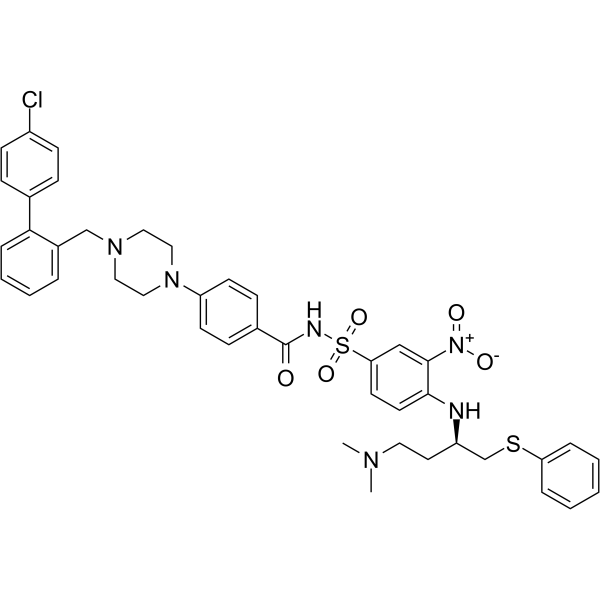
    ABT-737, a BH3 mimetic, is a potent Bcl-2, Bcl-xL and Bcl-w inhibitor with EC50s of 30.3 nM, 78.7 nM, and 197.8 nM, respectively. ABT-737 induces the disruption of the BCL-2/BAX complex and BAK-dependent but BIM-independent activation of the intrinsic apoptotic pathway. ABT-737 induces autophagy and has the potential for acute myeloid leukemia (AML) research .
    ABT-737
  • HY-W004500
    All-trans-retinal
    3 Publications Verification

    Endogenous Metabolite Apoptosis Metabolic Disease
    All-trans-retinal is an vitamin A metabolite in the retina, and is produced following photo-isomerization of the visual chromophore 11-cis-Retinal. All-trans-retinal is cleared from photoreceptors by ATP-binding cassette transporter (ABCA4) and all-trans-retinol dehydrogenase (RDH). All-trans-retinal induces Bax activation via DNA damage to mediate retinal cell apoptosis .
    All-trans-retinal
  • HY-N1423
    Glycocholic acid
    3 Publications Verification

    P-glycoprotein Bcl-2 Family G protein-coupled Bile Acid Receptor 1 Endogenous Metabolite Bacterial Apoptosis FXR Caspase MDM-2/p53 LPL Receptor Metabolic Disease Inflammation/Immunology Cancer
    Glycocholic acid is a bile acid derivative. Glycocholic acid downregulates MDR1, Bcl-2, MRP1, MRP2 and FXR, upregulates Bax, p53, caspase-9, caspase-3, TGR5 and S1PR2. Glycocholic acid inhibits multidrug resistance and efflux pumps, induces mitochondrial apoptosis, and enhances chemosensitivity. Glycocholic acid modulates related bile acid receptor signaling. Glycocholic acid suppresses growth and conjugation of Enterobacteriaceae and increases their antibiotic susceptibility. Glycocholic acid can be used for the research of colon adenocarcinoma and cholangiocarcinoma (CCA) .
    Glycocholic acid
  • HY-N2342
    Procyanidin C1
    5+ Cited Publications

    PCC1

    Apoptosis Cancer
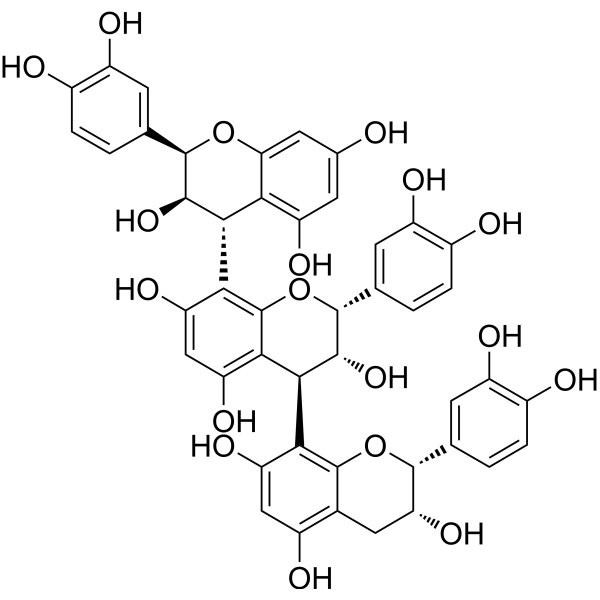
    Procyanidin C1 (PCC1), a natural polyphenol with oral activity, causes DNA damage, cell cycle arrest and induces apoptosis. Procyanidin C1 decreases the level of Bcl-2, but enhances BAX, caspase 3 and 9 expression in cancer cells. Procyanidin C1 shows senotherapeutic activity and increases lifespan in mice .
    Procyanidin C1
  • HY-126741
    Azadirachtin
    2 Publications Verification

    Environmental Pollutants Parasite Caspase NF-κB Apoptosis Bcl-2 Family Infection Inflammation/Immunology Cancer
    Azadirachtin is an oral active triterpenoid compound with anticancer, antimalarial, anti-inflammatory, and insecticidal activities. Azadirachtin induces cell apoptosis through the mitochondrial pathway (by inhibiting Bcl-2/Bax ratio or activating Apaf-1 and caspase-3) or through death receptors (by inhibiting TNFR activation). Additionally, Azadirachtin exerts its anti-inflammatory effects by inhibiting NF-кB signaling pathway activation, and it exhibits insecticidal activity by inducing apoptosis in insect cells .
    Azadirachtin
  • HY-B1060
    Methylprednisolone succinate sodium
    2 Publications Verification

    Methylprednisolone hydrogen succinate sodium

    Glucocorticoid Receptor Infection Neurological Disease Inflammation/Immunology Cancer
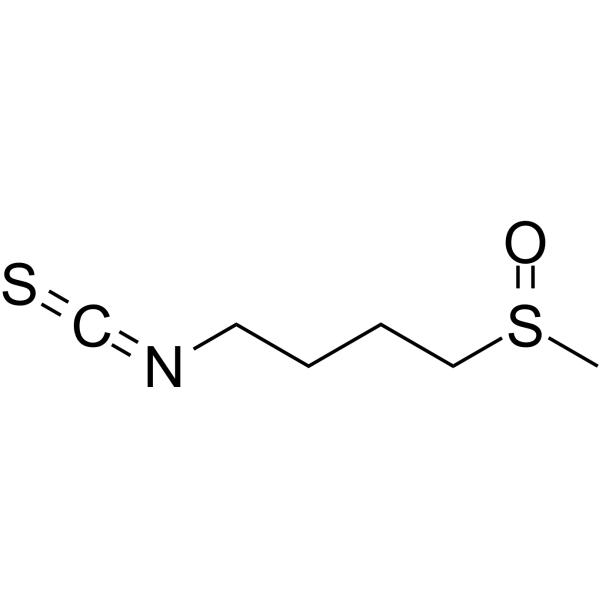
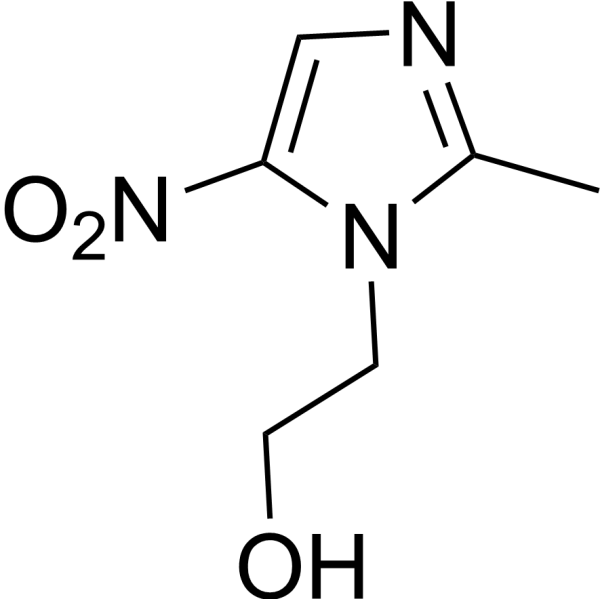
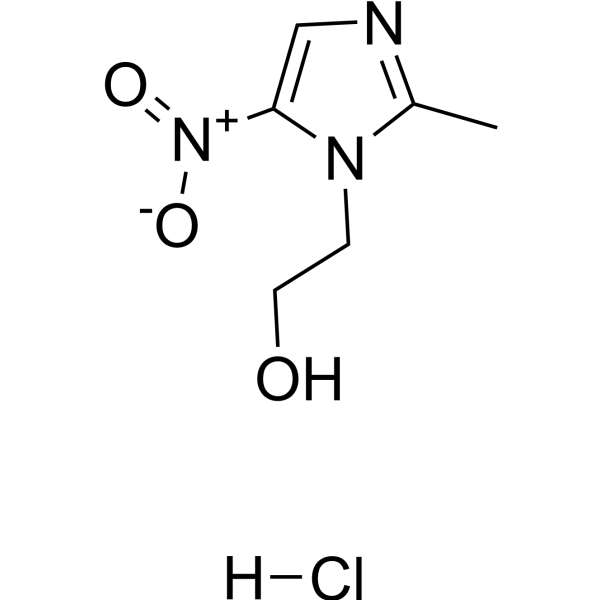
    Methylprednisolone succinate (Methylprednisolone hydrogen succinate) sodium is a prodrug of Methylprednisolone (HY-B0260) and glucocorticoid with immunosuppressant and anti-inflammatory activity. Methylprednisolone succinate sodium binds cytosolic glucocorticoid receptors, translocates to nuclei, and modulates target gene transcription. Methylprednisolone succinate sodium alters Bax, Bcl-2, occludin, and ZO-1 expression; attenuates TLR4/NF-κB signaling; suppresses proinflammatory cytokine production and immune cell activation. Methylprednisolone succinate sodium can be used for the research of intracranial haemorrhage, rheumatoid arthritis, multiple sclerosis, preterminal cancer, inflammatory conditions, shock, immediate-type hypersensitivity, acute myocardial ischemia, hypoxic heart muscle damage, and traumatic spinal cord injury .
    Methylprednisolone succinate sodium
  • HY-103269
    BAI1
    10+ Cited Publications

    Bcl-2 Family Apoptosis Cancer
    BAI1 is a selective and allosteric inhibitor of BAX, an apoptosis regulator. BAI1 directly binds to BAX and allosterically inhibits BAX activation. BAI1 has the potential for the research of diseases mediated by BAX-dependent cell death .
    BAI1
  • HY-W674241

    Endogenous Metabolite Apoptosis Bcl-2 Family Reactive Oxygen Species (ROS) Neurological Disease Cancer
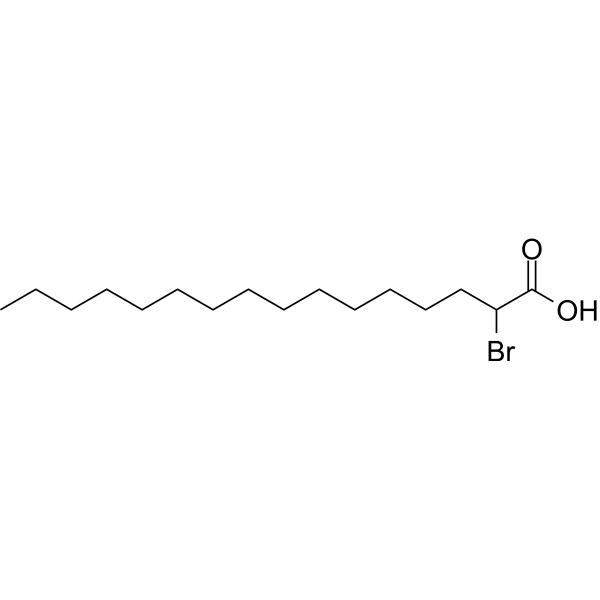
    4-Ethylphenyl sulfate is an orally active and brain-penetrant gut microbial metabolite. 4-Ethylphenyl sulfate downregulates Bcl2 expression, upregulates Bax expression, and induces cancer cell apoptosis via the endogenous apoptotic pathway. 4-Ethylphenyl sulfate induces G2/M cell cycle arrest and reactive oxygen species (ROS) production. 4-Ethylphenyl sulfate impairs oligodendrocyte maturation, reduces oligodendrocyte-neuron interactions, decreases axonal myelination levels, and shifts the oligodendrocyte population toward immature precursor cells. 4-Ethylphenyl sulfate alters brain region-specific neural activity and functional connectivity in mice, and correlates with anxiety-like behaviors in mice .
    4-Ethylphenyl sulfate
  • HY-P0081
    Bax inhibitor peptide V5
    15+ Cited Publications

    BIP-V5; Bax Inhibiting Peptide V5

    Bcl-2 Family Apoptosis Cancer
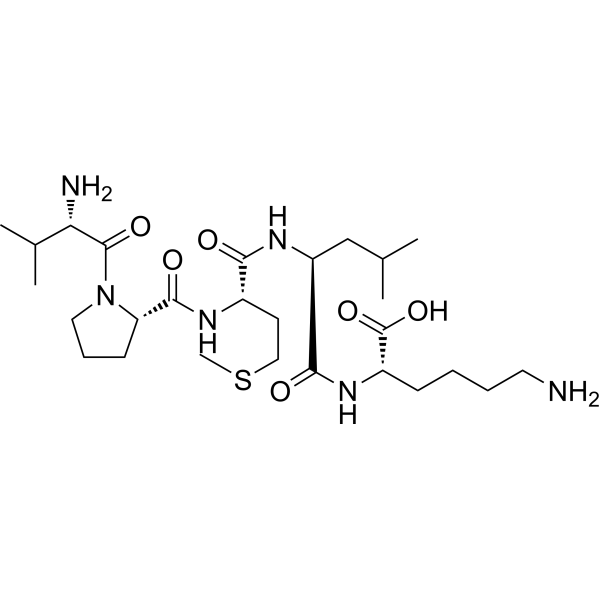
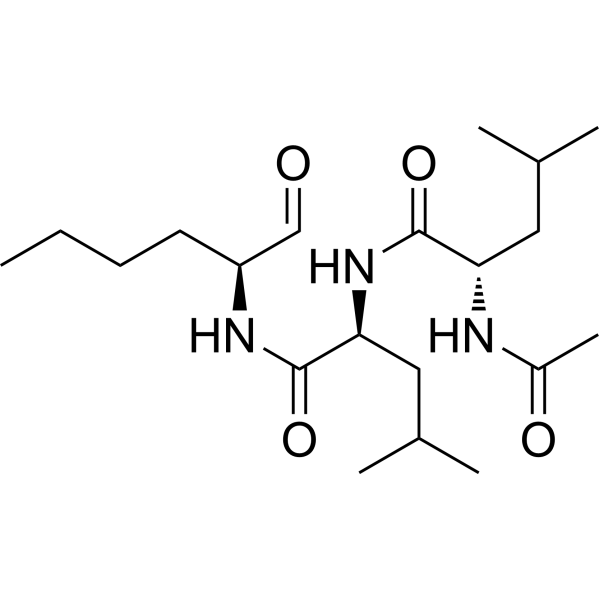
    Bax inhibitor peptide V5 (BIP-V5) is a Bax-mediated apoptosis inhibitor, used for cancer treatment.
    Bax inhibitor peptide V5
  • HY-P1928

    Bcl-2 Family Neurological Disease Endocrinology
    Humanin, an anti-apoptotic peptide of 24 amino acids, is a Bax inhibitor. Humanin prevents the translocation of Bax from cytosol to mitochondria, blocks Bax from the inactive to active conformation. Humanin is a mitochondria-associated peptide with a neuroprotective effect against AD-related neurotoxicity. Humanin also improves overall insulin sensitivity in animal. Humanin are related to aging .
    Humanin analogue, in which the serine at position 14 is replaced by glycine, names HNG .
    Humanin
  • HY-172262

    VDAC Bcl-2 Family Apoptosis Cancer
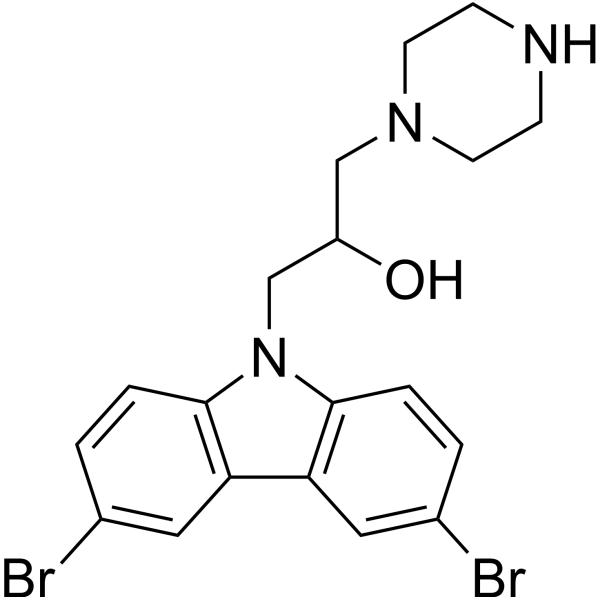
    WEHI-3773 is a VDAC2 ligand and apoptosis modulator. WEHI-3773 directly binds to the β7-β10 region of VDAC2 and disrupts its interaction with BAX and BAK. WEHI-3773 regulates BAX-mediated apoptosis in BAK-deficient cells by modulating conformational activation of BAX, mitochondrial redistribution, and cytochrome c release. WEHI-3773 overcomes Venetoclax (HY-15531) resistance, resensitizes leukemia cells carrying BAX mutations to BH3 mimetics, and enables long-term clonogenic survival of BAK-deficient cells treated with BH3 mimetics. WEHI-3773 is applicable to research related to acute myeloid leukemia .
    WEHI-3773
  • HY-N1423A
    Glycocholic acid sodium
    3 Publications Verification

    P-glycoprotein Bcl-2 Family G protein-coupled Bile Acid Receptor 1 Bacterial Apoptosis FXR Caspase MDM-2/p53 LPL Receptor Endogenous Metabolite Metabolic Disease Cancer
    Glycocholic acid sodium is a bile acid derivative. Glycocholic acid downregulates MDR1, Bcl-2, MRP1, MRP2 and FXR, upregulates Bax, p53, caspase-9, caspase-3, TGR5 and S1PR2. Glycocholic acid sodium inhibits multidrug resistance and efflux pumps, induces mitochondrial apoptosis, and enhances chemosensitivity. Glycocholic acid sodium modulates related bile acid receptor signaling. Glycocholic acid sodium suppresses growth and conjugation of Enterobacteriaceae and increases their antibiotic susceptibility. Glycocholic acid sodium can be used for the research of colon adenocarcinoma and cholangiocarcinoma (CCA) .
    Glycocholic acid sodium
  • HY-B1900
    Methylprednisolone succinate
    2 Publications Verification

    Methylprednisolone hydrogen succinate

    Glucocorticoid Receptor Bacterial Toll-like Receptor (TLR) NF-κB Infection Neurological Disease Metabolic Disease Inflammation/Immunology Cancer
    Methylprednisolone succinate (Methylprednisolone hydrogen succinate) is a prodrug of Methylprednisolone (HY-B0260) and glucocorticoid with immunosuppressant and anti-inflammatory activity. Methylprednisolone succinate binds cytosolic glucocorticoid receptors, translocates to nuclei, and modulates target gene transcription. Methylprednisolone succinate alters Bax, Bcl-2, occludin, and ZO-1 expression; attenuates TLR4/NF-κB signaling; suppresses proinflammatory cytokine production and immune cell activation. Methylprednisolone succinate can be used for the research of intracranial haemorrhage, rheumatoid arthritis, multiple sclerosis, preterminal cancer, inflammatory conditions, shock, immediate-type hypersensitivity, acute myocardial ischemia, hypoxic heart muscle damage, and traumatic spinal cord injury .
    Methylprednisolone succinate
  • HY-P99262

    Bax69; Anti-Human MIF Recombinant Antibody

    Macrophage migration inhibitory factor (MIF) Cancer
    Imalumab (BAX69) is a recombinant, human IgG1 monoclonal antibody that targets macrophage inhibitory factor (MIF). Imalumab can be used for the research of ovarian carcinoma, recurrent malignant ascites and cancer .
    Imalumab
  • HY-101996

    Bcl-2 Family Cancer
    SMBA1 is a potent Bax agonist with a Ki value of 43.3 nM. SMBA1 enhances the Bax expression. SMBA1 shows anti-tumor activity. SMBA1 has the potential for the research of lung cancer .
    SMBA1
  • HY-123054
    BTSA1
    1 Publications Verification

    Bcl-2 Family Apoptosis Cancer
    BTSA1 is a potent, high affinity and orally active BAX activator with an IC50 of 250 nM and an EC50 of 144 nM. BTSA1 binds with high affinity and specificity to the N-terminal activation site and induces conformational changes to BAX leading to BAX-mediated apoptosis .
    BTSA1
  • HY-105930
    Lobaplatin
    5 Publications Verification

    D-19466

    Apoptosis Caspase Bcl-2 Family Cancer
    Lobaplatin (D-19466) is a diastereometric mixture of platinum(II) complexe. Lobaplatin arrests cell cycle at G1 and G2/M phase. Lobaplatin induces apoptosis by increasing expressions of caspase and Bax, decreasing expression of Bcl-2. Lobaplatin can be used for research of cancer .
    Lobaplatin
  • HY-W614507

    NADPH Oxidase Apoptosis Bcl-2 Family Metabolic Disease Cancer
    Dihydronicotinamide riboside is a potent NAD + concentration enhancer. Dihydronicotinamide riboside modulates targets BAX, PUMA, NQO2, and IκB kinase. Dihydronicotinamide riboside mediates apoptosis, induces pro-oxidant activity, mitochondrial dysfunction, metabolic dysregulation, redox modulation, and pro-inflammatory M1 phenotype induction. Dihydronicotinamide riboside increases intracellular and mitochondrial NAD + levels, maintains cell survival against NAD +-depleting genotoxins. Dihydronicotinamide riboside can be used for the research of hepatocellular carcinoma .
    Dihydronicotinamide riboside
  • HY-118948
    MSN-50
    1 Publications Verification

    Bcl-2 Family Neurological Disease
    MSN-50 is a Bax and Bak oligomerization inhibitor. MSN-50 efficiently inhibits liposome permeabilization, prevents genotoxic cell death and promotes neuroprotection .
    MSN-50
  • HY-119979

    Cardanol C15:1

    Apoptosis Reactive Oxygen Species (ROS) Mitochondrial Metabolism MMP CDK Caspase Bcl-2 Family PARP MDM-2/p53 Cholinesterase (ChE) Infection Inflammation/Immunology Cancer
    Cardanol monoene (Cardanol C15:1) is a phenolic compound which can be found in cashew nut shell liquid. Cardanol monoene can inhibit cancer cells proliferation, migration, cause S phase arrest, induce apoptosis, ROS production and mitochondrial depolarization. Cardanol monoene downregulates MMP-2, MMP-9, cyclinA1 expression, regulates CDK2, p53, Bax, cytochrome c, cleaved caspase-3, cleaved PARP, Apaf-1 expression and Bax/Bcl-2 ratio. Cardanol monoene shows weak DPPH radical scavenging activity and AChE inhibition activity. Cardanol monoene is lethal to Artemia salina nauplii. Cardanol monoene. Cardanol monoene can be used for the research of cancer, infection and inflamation .
    Cardanol monoene
  • HY-101997

    Orthopoxvirus Apoptosis Caspase Bcl-2 Family Akt Infection Cancer
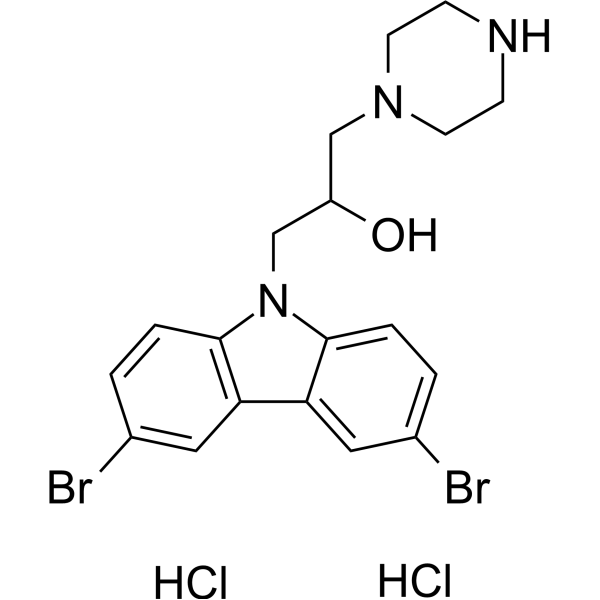
    BEPP hydrochloride is a double-stranded RNA-dependent protein kinase (PKR) modulator. BEPP hydrochloride enhances the phosphorylation levels of PKR and eIF2α, activates caspase-3, upregulates the pro-apoptotic protein BAX, and downregulates the anti-apoptotic protein Bcl-2. BEPP hydrochloride inhibits vaccinia virus replication and exhibits selective cytotoxicity in cells expressing PKR. BEPP hydrochloride can be used in research related to cancer and viral infections .
    BEPP hydrochloride
  • HY-W042156

    Fungal Neurological Disease
    Aegeline, a main alkaloid, mimics the yeast SNARE protein Sec22p in suppressing α-synuclein and Bax toxicity in yeast. Aegeline restores growth of yeast cells suppressed by either αsyn or Bax. Antioxidant activity .
    Aegeline
  • HY-N0307

    Bcl-2 Family NF-κB DNA/RNA Synthesis Apoptosis Cardiovascular Disease Neurological Disease
    Ciwujianoside B is an orally active, blood-brain barrier penetrable radioprotective agent and memory enhancer. Ciwujianoside B reduces radiation-induced DNA damage, cell cycle arrest and apoptosis, downregulates NF-κB and the Bax/Bcl-2 ratio, and enhances the proliferative capacity of bone marrow cells. Ciwujianoside B enhances object recognition memory in normal mice and induces dendritic extension in primary cultured cortical neurons. Ciwujianoside B can be used in studies related to hematopoietic system radiation injury and memory enhancement .
    Ciwujianoside B
  • HY-15341
    BAM7
    2 Publications Verification

    Bcl-2 Family Cancer
    BAM7 is a direct and selective activator of proapoptotic BAX with an IC50 of 3.3 μM.
    BAM7
  • HY-B1752
    Quinpirole
    4 Publications Verification

    LY 171555; (-)-LY 141865

    Dopamine Receptor Calcium Channel Bcl-2 Family iGluR Apoptosis Neurological Disease
    Quinpirole (LY 171555; (-)-LY 141865) is a D2/D3 dopamine receptor agonist and a CaV1.3 calcium channel modulator. Quinpirole normalizes dendritic spine density in dopamine-depleted striatum, upregulates the protein expression of BCL2 and GluR2, downregulates the protein expression of BAX, and delays the onset of seizures. Quinpirole enhances learning and memory, inhibits neuronal apoptosis (apoptosis), and induces anxiety-like, stereotyped, and compulsive behaviors. Quinpirole disrupts prepulse inhibition in rhesus monkeys, enhances the activity of paraventricular thalamic neurons to promote recovery from Isoflurane anesthesia, and alters the composition of the gut microbiota in rats. Quinpirole can be used in research related to dyskinesia, pain, epilepsy, and neurological disorders including anxiety disorder, obsessive-compulsive disorder, and schizophrenia .
    Quinpirole
  • HY-P99529

    Bax1810; TAK-752; SM101

    Fc Receptor (FcR) Inflammation/Immunology
    Valziflocept (BAX1810; TAK-752) is a recombinant soluble human FcγRIIb receptor that targets Fc and FcγR. FcγRs bind to and neutralize pathogenic IgG, thereby acting as a "decoy" or "scavenger" receptor that reduces the severity of autoimmune diseases. Valziflocept is used in research on autoimmune diseases such as systemic lupus erythematosus (SLE) .

    Valziflocept
  • HY-117078

    Apoptosis Cancer
    justicidin A is a nature product that could be isolated form Justicia procumbens. justicidin A decreases the level of Ku70 leading to translocation of Bax from the cytosol to mitochondria to induce apoptosis. justicidin A can be used in research of cancer .
    Justicidin A
  • HY-N6801

    Caspase Apoptosis Bcl-2 Family Infection Inflammation/Immunology Cancer
    Nivalenol, a trichothecene mycotoxin that can be produced by Fusarium graminearum, is a fungal metabolite present in agricultural product. Nivalenol modulates apoptotic pathway, cell cycle regulation, Bax, ERK, caspase-3, and poly-ADP-ribose synthase activity in macrophages. Nivalenol inhibits ribosomal peptidyltransferase site, protein synthesis, DNA synthesis, and cell proliferation. Nivalenol induces late-stage apoptotic morphological changes, reduces cellular metabolism, and decreases cell proliferation in erythroleukemia cells. Nivalenol induces lymphocyte apoptosis in murine thymus, spleen, and Peyer's patches. Nivalenol can be used for the research of erythroleukemia .
    Nivalenol
  • HY-N13250

    Apoptosis AMPK Elastase Bcl-2 Family Interleukin Related Caspase PI3K Akt SOD Cardiovascular Disease
    Hawthorn Extract is an orally active hawthorn extract. Hawthorn Extract decreases Bax expression and increases Bcl-2 expression in the aorta. Hawthorn Extract regulates the AMPK signaling pathway, induces apoptosis, enhances the hepatic antioxidant system, and ameliorates symptoms of liver injury, inflammation and cancer. Hawthorn Extract reduces plasma levels of pro-inflammatory factors, increases plasma levels of anti-inflammatory adiponectin, and alleviates atherosclerotic plaque lesions in the aorta. Hawthorn Extract improves symptoms associated with chronic heart failure . Hawthorn Extract inhibits FMLP-induced superoxide anion production, Elastase release, ILB4 generation and calcium signaling in neutrophils, and also reduces LPS-induced cytokine production in neutrophils. Hawthorn Extract induces autophagy and inhibits the proliferation of intestinal stem cells. Hawthorn Extract can be used in research related to atherosclerosis, hepatitis, alcoholic liver disease, non-alcoholic fatty liver disease, hepatocellular carcinoma, chronic heart failure and hypotension .
    Hawthorn Extract
  • HY-N0566

    Anemosapogenin

    Apoptosis Autophagy Bcl-2 Family Caspase Survivin p38 MAPK MMP Cancer
    23-Hydroxybetulinic acid (Anemosapogenin) is an orally active triterpenoid with broad-spectrum anticancer activity. 23-Hydroxybetulinic acid reduces the levels of Bcl-2 and survivin, elevates the level of Bax, promotes the cleavage/activation of caspase-3 and caspase-9, and induces apoptosis via the endogenous mitochondrial pathway involving cytochrome C release and mitochondrial membrane potential disruption. 23-Hydroxybetulinic acid arrests the cell cycle at S and G1 phases, inhibits cancer cell proliferation, blocks the MAPK signaling pathway, regulates MMP2, and induces autophagic apoptosis by upregulating beclin-1. 23-Hydroxybetulinic acid inhibits the activity and efflux function of P-gp, increases the intracellular accumulation of chemotherapeutic drugs, and synergistically enhances cytotoxicity with Doxorubicin (HY-15142). 23-Hydroxybetulinic acid inhibits the phosphorylation and nuclear translocation of STAT6, blocks M2 macrophage polarization, and reduces M2 macrophage-mediated apoptosis resistance of colon cancer cells. 23-Hydroxybetulinic acid can be used in related studies on chronic myeloid leukemia, hepatocellular carcinoma, sarcoma 180, multidrug-resistant breast cancer, leukemia, Doxorubicin-induced cardiotoxicity, and colorectal cancer .
    23-Hydroxybetulinic acid
  • HY-13108
    Bz 423
    1 Publications Verification

    BZ48

    Bcl-2 Family Inflammation/Immunology
    Bz 423 is a pro-apoptotic 1,4-benzodiazepine with therapeutic properties in murine models of lupus demonstrating selectivity for autoreactive lymphocytes, and activates Bax and Bak.
    Bz 423
  • HY-122760
    Bax activator-1
    3 Publications Verification

    Bcl-2 Family Apoptosis Cancer
    Bax activator-1 (compound 106) is a Bax activator that induces Bax-dependent tumor cell apoptosis .
    Bax activator-1
  • HY-N1423B
    Glycocholic acid hydrate
    3 Publications Verification

    Endogenous Metabolite Caspase G protein-coupled Bile Acid Receptor 1 LPL Receptor MDM-2/p53 Bcl-2 Family P-glycoprotein FXR Bacterial Apoptosis Metabolic Disease Inflammation/Immunology Cancer
    Glycocholic acid hydrate is a bile acid derivative. Glycocholic acid hydrate downregulates MDR1, Bcl-2, MRP1, MRP2 and FXR, upregulates Bax, p53, caspase-9, caspase-3, TGR5 and S1PR2. Glycocholic acid hydrate inhibits multidrug resistance and efflux pumps, induces mitochondrial apoptosis, and enhances chemosensitivity. Glycocholic acid hydrate modulates related bile acid receptor signaling. Glycocholic acid hydrate suppresses growth and conjugation of Enterobacteriaceae and increases their antibiotic susceptibility. Glycocholic acid hydrate can be used for the research of colon adenocarcinoma and cholangiocarcinoma (CCA) .
    Glycocholic acid hydrate
  • HY-N1157

    Apigenin-5-methyl ether

    Bcl-2 Family Caspase Neurological Disease
    Thevetiaflavone could upregulate the expression of Bcl-2 and downregulate that of Bax and caspase-3.
    Thevetiaflavone
  • HY-157176

    Bcl-2 Family Others
    BAX-IN-1 is a potential, selective inhibitor of Bcl-2-associated X protein (BAX).
    BAX-IN-1
  • HY-110031
    BAI1 hydrochloride
    10+ Cited Publications

    Apoptosis Bcl-2 Family Cancer
    BAI1 hydrochloride is a selective apoptosis factor BAX allosteric inhibitors. BAI1 hydrochloride binds BAX and allosterically inhibits its activation. BAI1 hydrochloride has the potential to be used in the study of BAX dependent cell death-mediated diseases .
    BAI1 hydrochloride
  • HY-132173

    Bcl-2 Family Cancer
    GL0388 is a Bax activator that results in Bax insertion into mitochondrial membrane. GL0388 shows antiproliferative activities against various cancer cells, with IC50s of 0.299-1.57 μM. GL0388 activates Bax and induce Bax-mediated apoptosis. GL0388 suppresses breast cancer xenograft tumor growth in vivo .
    GL0388
  • HY-147929

    Apoptosis Caspase Bcl-2 Family Cancer
    Apoptotic agent-3 (compound 15f) promotes apoptosis through the potential mitochondria-mediated Bcl-2/Bax pathway and activation of the Caspase 3 pathway. Apoptotic agent-3 exhibits anti-proliferative activities and can be used for cancer research .
    Apoptotic agent-3
  • HY-153480A
    ARC19499 sodium
    1 Publications Verification

    Bax499 sodium

    Factor Xa Factor VIIa Tissue Factor Pathway Inhibitor (TFPI) Others
    ARC19499 sodium is an aptamer that inhibits tissue factor pathway inhibitor (TFPI) , thereby enabling clot initiation and propagation via the extrinsic pathway. The core aptamer binds tightly and specifically to TFPI. ARC19499 sodium blocks TFPI inhibition of both factor Xa and the TF/factor VIIa complex. ARC19499 sodium corrects thrombin generation in hemophilia A and B plasma and restores clotting in FVIII-neutralized whole blood.
    ARC19499 sodium
  • HY-107835

    FCR 2769

    Environmental Pollutants Apoptosis Bcl-2 Family Parasite Insecticide Infection Cancer
    Flumethrin (FCR 2769) is a pyrethroid insecticide and acaricide . Flumethrin targets voltage-gated sodium channels and estrogen receptor α (ERα). Flumethrin induces cytotoxicity, apoptosis, genotoxicity and DNA damage in breast cancer cells by regulating the expression of BCL2, BAX, TP53 and P21 genes. Flumethrin is applicable to relevant studies on ectoparasite infections (tick and flea burdens) in dogs and cats, as well as breast cancer .
    Flumethrin
  • HY-120079
    MSN-125
    4 Publications Verification

    Bcl-2 Family Apoptosis Cancer
    MSN-125 is a potent Bax and Bak oligomerization inhibitor. MSN-125 prevents mitochondrial outer membrane permeabilization (MOMP) with an IC50 of 4 μM. MSN-125 potently inhibits Bax/Bak-mediated apoptosis in HCT-116, BMK Cells, and primary cortical neurons, protects primary neurons against glutamate excitotoxicity .
    MSN-125
  • HY-N10144

    PI3K Akt Keap1-Nrf2 Bcl-2 Family SOD Reactive Oxygen Species (ROS) Inflammation/Immunology
    Shinpterocarpin is a flavonoid compound. Shinpterocarpin can be isolated from the air-dried roots of Glycyrrhiza glabra L. and Xuanshen Decoction. Shinpterocarpin binds to the targets PI3K, AKT, Nrf2, Bcl-2, Bax, CAT and SOD. Shinpterocarpin enhances immunity and exerts antioxidant effects by reducing the production of ROS .
    Shinpterocarpin
  • HY-161242A

    Bcl-2 Family Cancer
    CBI1 formic is a covalent BAX inhibitor. CBI1 formic selectively derivatizes BAX at C126 and inhibits BAX activation by triggering ligands or point mutagenesis. CBI1 formic blocks t-2-hex lipidation and oligomerization of BAX. CBI1 formic inhibits BAX activation induced by BH3 ligands, F116A mutagenesis or t-2-hex .
    CBI1 formic
  • HY-143230

    OGX-011

    Apoptosis Cancer
    Custirsen (OGX-011) is an antisense oligonucleotide that targets clusterin mRNA. Custirsen induces apoptosis by activating Bax, triggering mitochondrial translocation and cytochrome c release. Custirsen acts as a chemosensitizer, radiosensitizer and hormone sensitizer. Custirsen can be used in research related to prostate cancer, non-small cell lung cancer and metastatic breast cancer .
    Custirsen
  • HY-N6573

    Apoptosis Bcl-2 Family Cancer
    Bufarenogin induces intrinsic apoptosis via Bax and ANT cooperation .
    Bufarenogin
  • HY-N6926

    HIV Apoptosis Caspase VEGFR ERK PI3K Akt mTOR PARP Infection Cancer
    1,3,5-Tricaffeoylquinic acid acts as an angiogenesis inhibitor and apoptosis inducer, and exhibits anti-HIV activity. 1,3,5-Tricaffeoylquinic acid inhibits the phosphorylation of VEGFR2, ERK, PI3K, Akt and mTOR in the angiogenesis signaling pathway. 1,3,5-Tricaffeoylquinic acid regulates apoptosis-related proteins, upregulates the levels of activated caspase-8, Bax, activated PARP and caspase-3/9, while downregulates the level of Bcl-2. 1,3,5-Tricaffeoylquinic acid inhibits tube formation and shows cytotoxicity against ovarian cancer cells. 1,3,5-Tricaffeoylquinic acid can be used in studies related to ovarian cancer .
    1,3,5-Tricaffeoylquinic acid
  • HY-148368

    Bcl-2 Family Apoptosis Cancer
    CYD-4-61 is a novel Bax activator used for breast cancer research. CYD-4-61 inhibits triple-negative breast cancer MDA-MB-231 and ER-positive breast cancer MCF-7 cell lines proliferation. CYD-4-61 activates Bax protein to induce cytochrome c release and regulate apoptotic biomarkers, leading to cancer cell apoptosis .
    CYD-4-61
  • HY-P5325A

    Bcl-2 Family Others
    Bid BH3 (80-99) acetate is a biological active peptide. (BID is a pro-apoptotic member of the 'BH3-only' (BOPS) subset of the BCL-2 family of proteins that constitute a critical control point in apoptosis. Bid is the first of the BOPs reported to bind and activate Bcl-2, Bax, and Bak. Bid serves as a death-inducing ligand that moves from the cytosol to the mitochondrial membrane to inactivate Bcl-2 or to activate Bax.Pyroglutamyl (pGlu) peptides may spontaneously form when either Glutamine (Q) or Glutamic acid (E) is located at the sequence N-terminus. The conversion of Q or E to pGlu is a natural occurrence and in general it is believed that the hydrophobic γ-lactam ring of pGlu may play a role in peptide stability against gastrointestinal proteases. Pyroglutamyl peptides are therefore considered a normal subset of such peptides and are included as part of the peptide purity during HPLC analysis.)
    Bid BH3 (80-99) acetate
  • HY-153480

    Bax499

    Factor Xa Factor VIIa Tissue Factor Pathway Inhibitor (TFPI) Others
    ARC19499 is an aptamer that inhibits tissue factor pathway inhibitor (TFPI) , thereby enabling clot initiation and propagation via the extrinsic pathway. The core aptamer binds tightly and specifically to TFPI. ARC19499 blocks TFPI inhibition of both factor Xa and the TF/factor VIIa complex. ARC19499 corrects thrombin generation in hemophilia A and B plasma and restores clotting in FVIII-neutralized whole blood.
    ARC19499
  • HY-15668

    MMP Bcl-2 Family Caspase Apoptosis Drug Derivative Cancer
    ST09 is an efficient and low toxicity Curcumin (HY-N0005) derivative. ST09 significantly inhibits cell migration and downregulates the expression of MMP1, MMP2, and Vimentin. ST09 has strong cytotoxicity to breast cancer cells, such as MDA-MB-231, MCF7 and T47D cells. ST09 induces cell apoptosis by upregulating Bax and cleaved caspase-3/9. ST09 can be used in the research of cancer such as breast cancer .
    ST09

Inquiry Online

Your information is safe with us. * Required Fields.

Salutation


Country or Region *

Applicant Name *


Organization Name *

Department *


Email Address *


Product Name *

Cat. No.


Requested quantity *

Phone Number *


Remarks

Inquiry Online

Inquiry Information

Product Name:
Cat. No.:
Quantity:
MCE Japan Authorized Agent:

