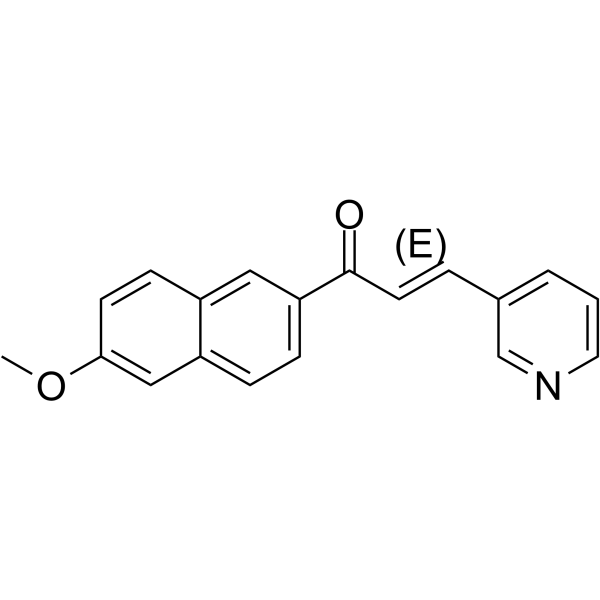
197 Results for "

CYP1

" in MedChemExpress (MCE) Product Catalog:
Products (197)

197 Results for "CYP1" in MCE Product Catalog:

  • Isoforms Recommended:
21
21 Publications Verification
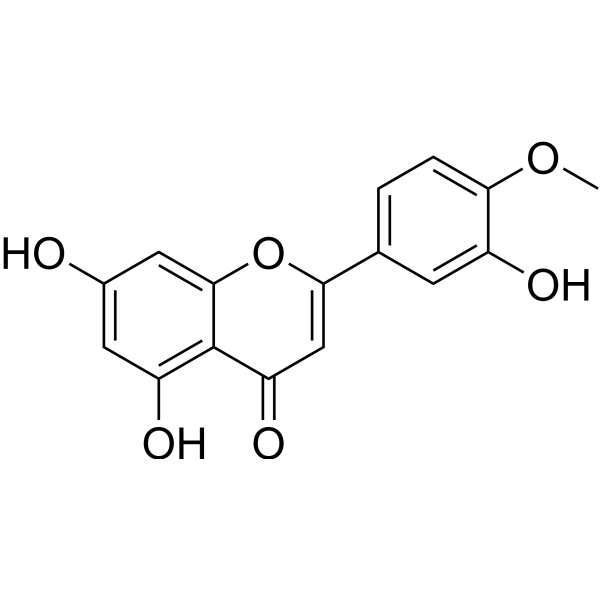
Cat. No.: HY-N0125
CAS No.: 520-34-3
Diosmetin is a natural flavonoid which inhibits human CYP1A enzyme activity with an IC50 of 40 μM in HepG2 cell.
loading...
    loading...
20
20 Cited Publications
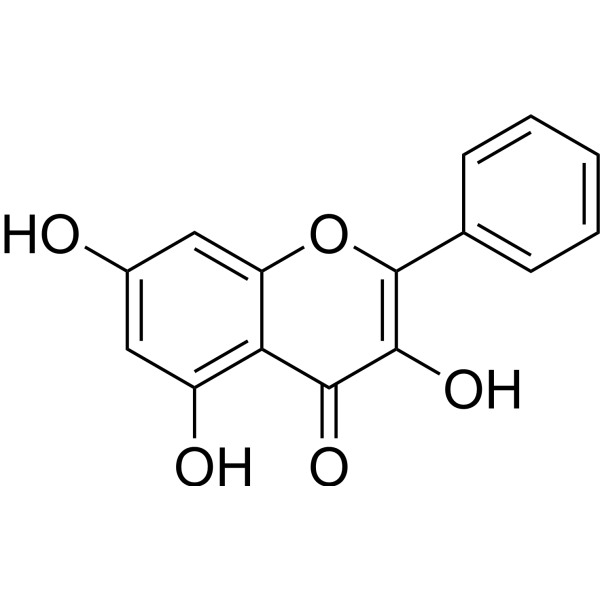
Cat. No.: HY-N0382
CAS No.: 548-83-4
Synonyms: Norizalpinin; 3,5,7-Trihydroxyflavone
Galangin (Norizalpinin) is an agonist/antagonist of the arylhydrocarbon receptor. Galangin (Norizalpinin) also shows inhibition of CYP1A1 activity.
loading...
    loading...
9
9 Cited Publications
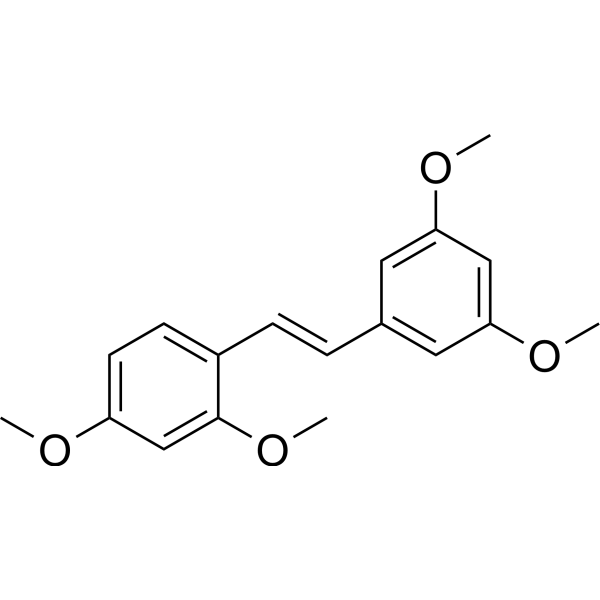
Cat. No.: HY-19340
CAS No.: 24144-92-1
Synonyms: (E)-2,3',4,5'-tetramethoxystilbene
Target:  

Cytochrome P450

Research Areas:  

Cancer

TMS ((E)-2,3',4,5'-tetramethoxystilbene) is a selective and competitive CYP1B1 inhibitor with an IC50 of 6 nM and a Ki value of 3 nM. TMS shows a lesser extent inhibitory effect on CYP1A1 (IC50=300 nM) and CYP1A2 (IC50=3.1 μM). TMS is a methylated derivative of resveratrol and has anti-cancer activity [1] .
loading...
    loading...
8
8 Cited Publications
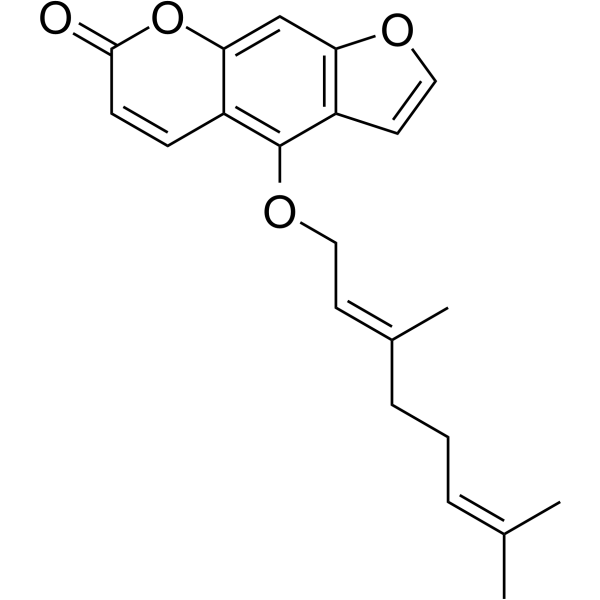
Cat. No.: HY-N2194
CAS No.: 7380-40-7
Synonyms: 5-Geranoxypsoralen; Bergamotine; Bergaptin
Bergamottin is a potent and competitive CYP1A1 inhibitor with a Ki of 10.703 nM.
loading...
    loading...
8
8 Cited Publications
Cat. No.: HY-111338
CAS No.: 321-64-2
Purity:  99.91%
Target:  

Cholinesterase (ChE)

Research Areas:  

Neurological Disease

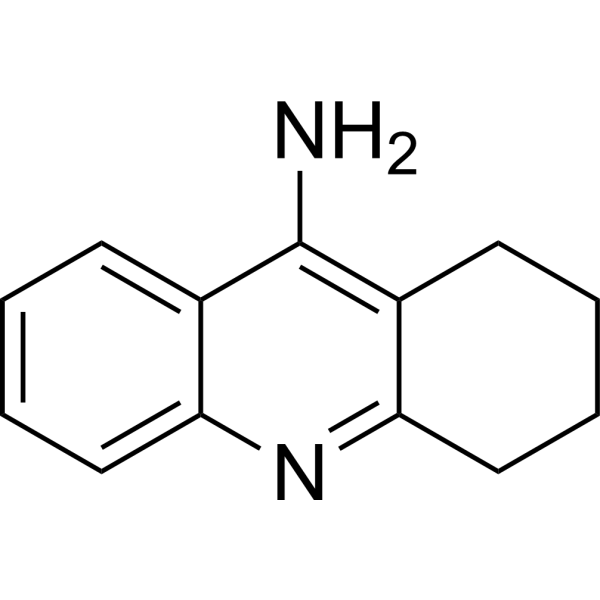
Tacrine is an effective oral acetylcholine (AChE) inhibitor (IC50 = 109 nM) and also acts as an active substrate for CYP1A2. Tacrine can restore cognitive dysfunction in elderly rats. Tacrine can cause liver toxicity and is used in research related to Alzheimer's disease [1] .
loading...
    loading...
8
8 Cited Publications
Cat. No.: HY-N0482
CAS No.: 487-41-2
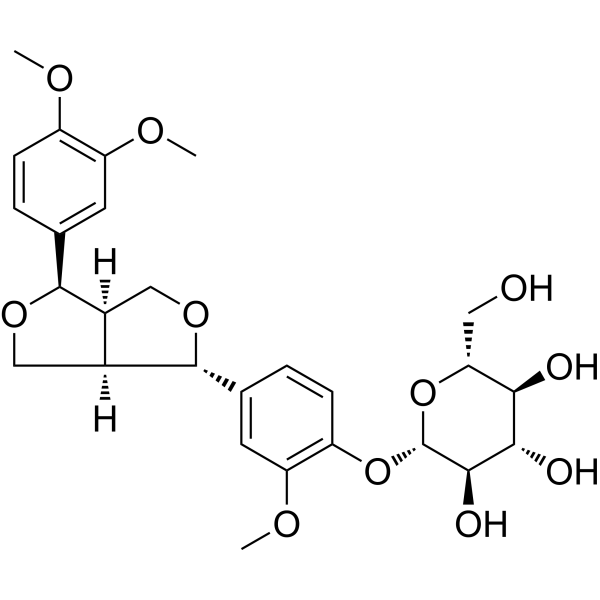
Phillyrin is isolated from Forsythia suspensa Vahl (Oleaceae), has antibacterial and anti-inflammatory activities. Phillyrin has potential inductive effects on rat CYP1A2 and CYP2D1 activities, without affecting CYP2C11 and CYP3A1/2 activities [1]. Phillyrin has anti-influenza A virus activities .
loading...
    loading...
2
2 Cited Publications
Cat. No.: HY-134217
CAS No.: 2247950-73-6
Purity:  98.17%
Research Areas:  

Cancer

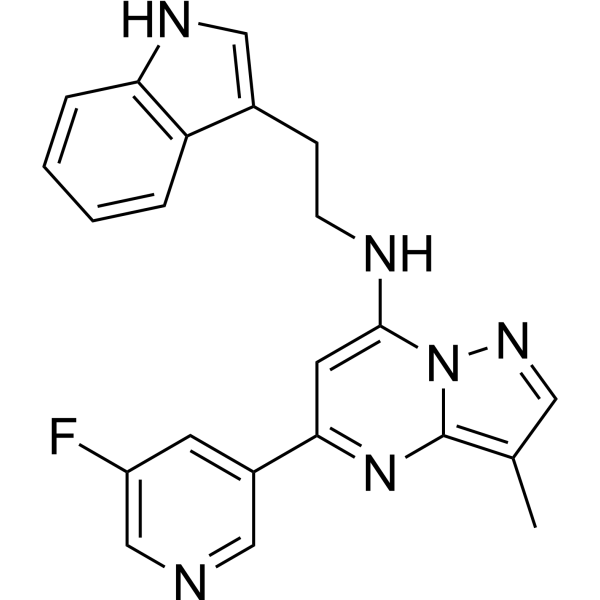
KYN-101 is a potent, selective and orally active AHR inhibitor. KYN-101 decreases the CYP1A1 mRNA expression. KYN-101 shows anti-cancer activity [1].
loading...
    loading...
2
2 Cited Publications
Cat. No.: HY-N2374
CAS No.: 855-96-9
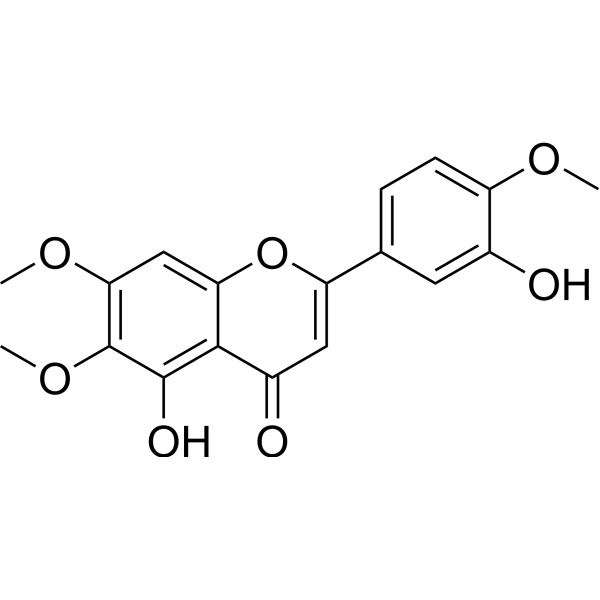
Eupatorin is an orally active flavonoid with antiproliferative and vasodilatory properties. Eupatorin downregulates the expression levels of NF-κB, MMP9, IL-1β and TNF-α. Eupatorin induces apoptosis, G2/M phase cell cycle arrest, and reactive oxygen species (ROS) production. Eupatorin modulates the activities of muscarinic receptors and β-adrenergic receptors; inhibits sarcoplasmic reticulum calcium release and calcium channels; and activates the NO/sGC/cGMP pathway, indomethacin-sensitive pathway, and potassium channel pathway. Eupatorin exerts cytotoxic effects on cancer cell lines, and is metabolized by CYP1A1 and CYP1 family enzymes to form metabolites with antiproliferative activity. Eupatorin can be used in research related to breast cancer, hypertension, and leukemia [1] .
loading...
    loading...
2
2 Cited Publications
Cat. No.: HY-G0007
CAS No.: 88546-55-8
Synonyms: Omeprazole sulphone
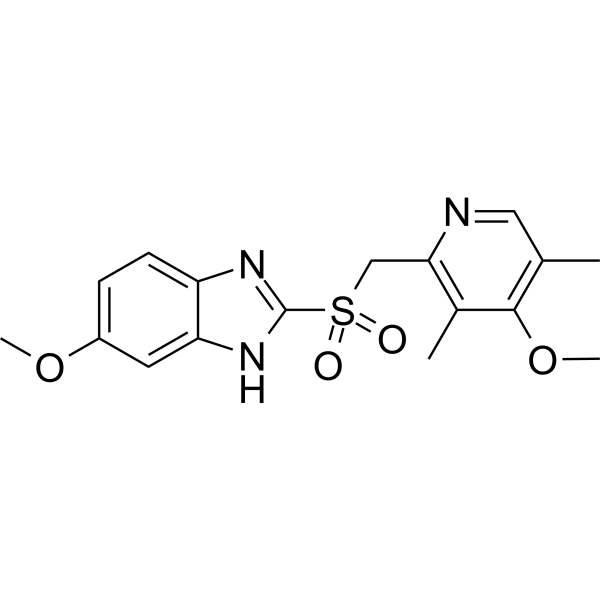
Omeprazole sulfone (Omeprazole sulphone) is one of the major circulating metabolites of Omeprazole (HY-B0113) in vivo, and belongs to class 4 non-mutagenic impurities. Omeprazole sulfone does not bind to the aryl hydrocarbon receptor (AhR), nor does it induce the expression of CYP1A1 or CYP1A2. However, Omeprazole sulfone promotes the migration of gastric epithelial cells under basal conditions and reverses the inhibitory effect of Indomethacin (HY-14397) on cell migration. Omeprazole sulfone does not promote cell proliferation, nor does it upregulate COX-2 expression or activate signaling pathways such as ERK, P38 MAPK and PI3K. Omeprazole sulfone maintains basal ulcer healing under non-acid-dependent conditions and can be used in studies related to gastric ulcer repair [1] .
loading...
    loading...
2
2 Cited Publications
Cat. No.: HY-30152
CAS No.: 2009-24-7
Synonyms: 8-Hydroxypsoralen
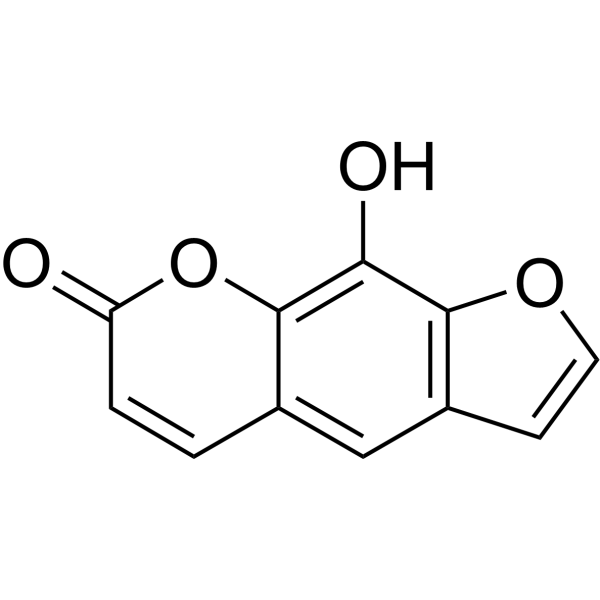
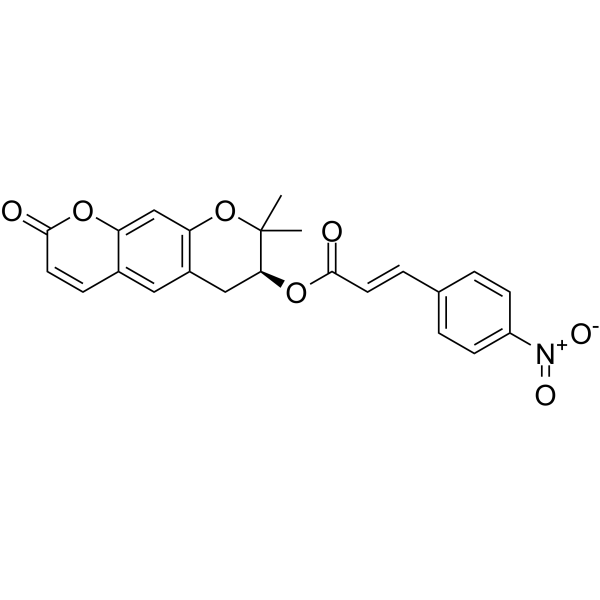
Xanthotoxol (8-Hydroxypsoralen) It is a kind of fragrant bean substance, and it is a CYP450 inhibitor. Xanthotoxol has anti-inflammatory, anti-inflammatory, and 5-HT antagonistic and protective effects. Xanthotoxol inhibited CYP3A4 sum CYP1A2 IC50s separation 7.43 μM sum 27.82 μM. Xanthotoxol can pass through MAPK and NF-κB, inhibiting inflammation.
loading...
    loading...
1
1 Cited Publications
Cat. No.: HY-B0476
CAS No.: 62-44-2
Synonyms: Acetophenetidin
Target:  

COX

Research Areas:  

Inflammation/Immunology

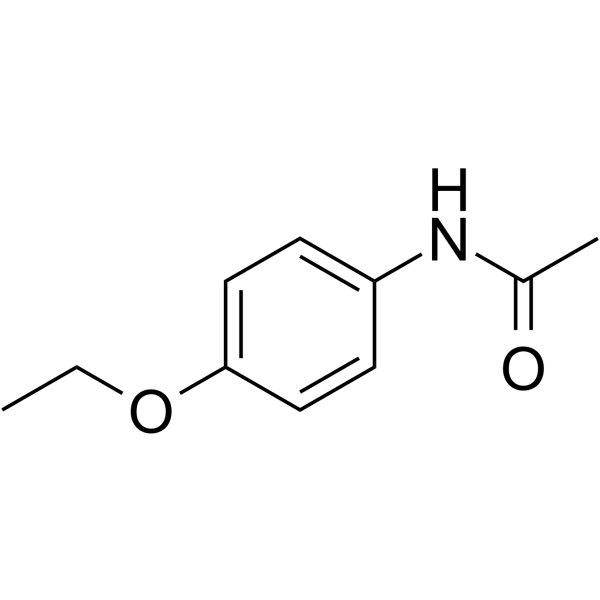
Phenacetin (Acetophenetidin) is a non-opioid analgesic/antipyretic agent. Phenacetin is a selective COX-3 inhibitor. Phenacetin is used as probe of cytochrome P450 enzymes CYP1A2 in human liver microsomes and in rats [1] .
loading...
    loading...
1
1 Cited Publications
Cat. No.: HY-Y0110
CAS No.: 135-19-3
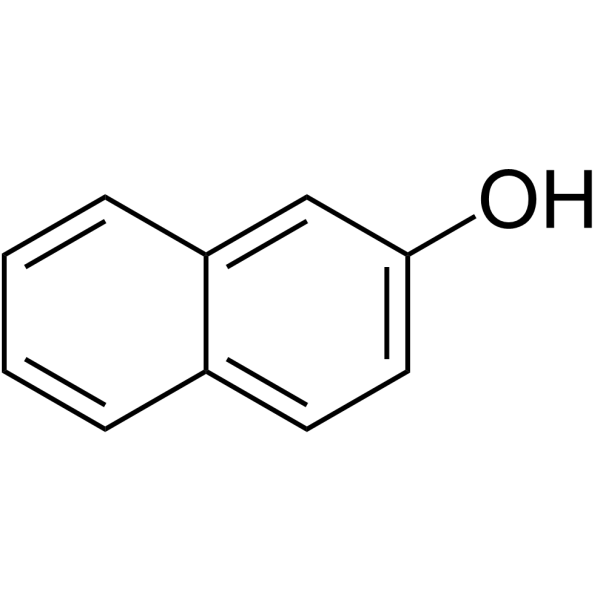
2-Naphthol is a metabolite of naphthalene, catalyzed by cytochrome P450 (CYP) isozymes (CYP 1A1, CYP 1A2, CYP 2A1, CYP 2E1 and CYP 2F2).
loading...
    loading...
1
1 Cited Publications
Cat. No.: HY-D0145
CAS No.: 5725-91-7
Synonyms: Resorufin ethyl ether
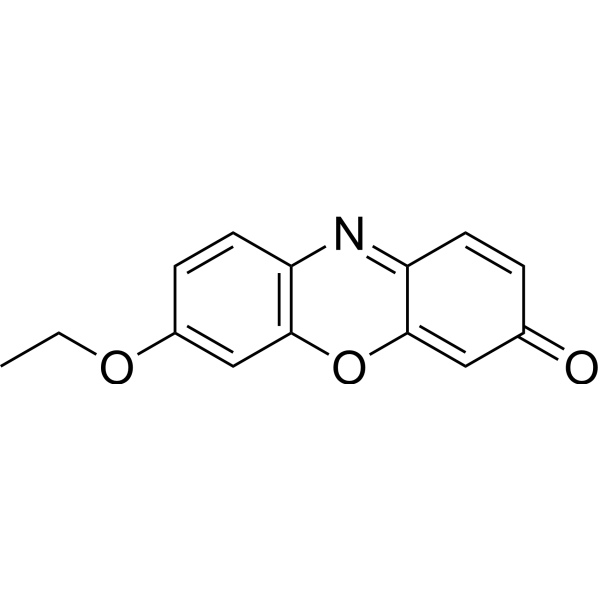
7-Ethoxyresorufin (Resorufin ethyl ether) is a fluorometric substrate and competitive inhibitor of cytochrome P450, especially CYP1A1. 7-Ethoxyresorufin also inhibits NO synthase [1] .
loading...
    loading...
1
1 Cited Publications
Cat. No.: HY-101285
CAS No.: 1821143-80-9
Purity:  ≥98.0%
Target:  

Cytochrome P450

Research Areas:  

Cancer

DMU2139 is a potent and specific CYP1B1 inhibitor, with IC50s of 9 nM and 795 nM for CYP1B1 and CYP1A1, respectively.
loading...
    loading...
1
1 Cited Publications
Cat. No.: HY-146393
CAS No.: 2411389-67-6
Purity:  98.09%
Target:  

PROTACs Cytochrome P450

Research Areas:  

Cancer

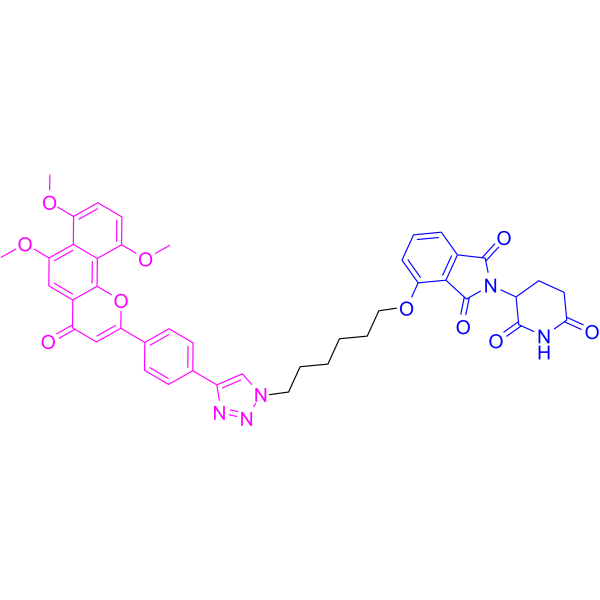
PROTAC CYP1B1 degrader-1 is a CYP1B1 PROTAC degrader with a human IC50 of 95.1 nM. PROTAC CYP1B1 degrader-1 induces concentration-dependent CYP1B1 degradation. PROTAC CYP1B1 degrader-1 can be used for the research of CYP1B1-mediated Docetaxel (HY-B0011)-resistant prostate cancer [1].
loading...
    loading...
1
1 Cited Publications
Cat. No.: HY-W017113
CAS No.: 149-30-4
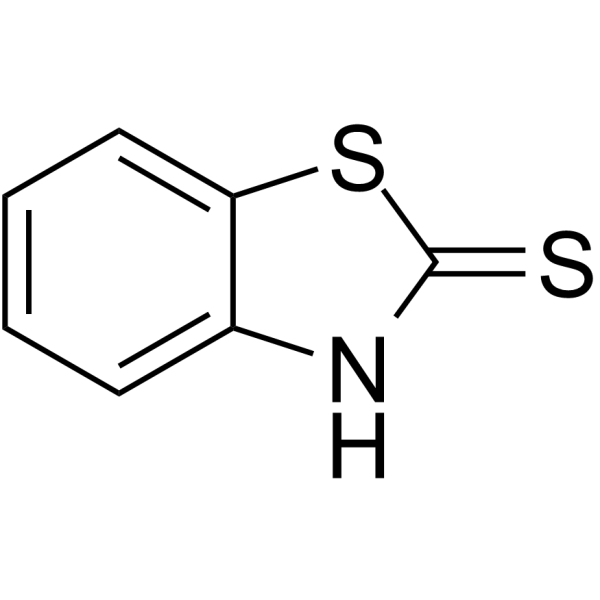
2-Mercaptobenzothiazole is an activator of the aryl hydrocarbon receptor (AhR) [1], inhibiting thyroid hormone synthesis and dopamine beta-hydroxylase activity . 2-Mercaptobenzothiazole promotes bladder cancer cell invasion by altering the conformation of the AhR ligand binding domain (LBD), activating AhR transcription, and upregulating the mRNA and protein expression of target genes CYP1A1 and CYP1B1 [1]. 2-Mercaptobenzothiazole inhibits thyroid peroxidase (TPO) with an IC50 value of 11.5 μM, induces histological changes such as follicular cell hypertrophy in Xenopus laevis tadpoles, delaying metamorphosis . 2-Mercaptobenzothiazole increases chromosomal aberrations and sister chromatid exchanges (SCEs) in Chinese hamster ovary (CHO) cells, and enhances carcinogenicity in F344/N rats . 2-Mercaptobenzothiazole inhibits norepinephrine synthesis in mice and completely blocks the conversion of exogenous dopamine to norepinephrine in rat cardiomyocytes .
loading...
    loading...
1
1 Cited Publications
Cat. No.: HY-117026
CAS No.: 1954681-29-8
Purity:  99.94%
LKY-047, a Decursin derivative, is a potent and selective reversible competitive cytochrome P45022J2 (CYP2J2) inhibitor with an IC50 of 1.7 μM. LKY-047 is inactive against other human P450s, such as CYPs 1A2, 2A6, 2B6, 2C8, 2C9, 2C19, 2D6, 2E1, and 3A [1].
loading...
    loading...
1
1 Cited Publications
Cat. No.: HY-114740
CAS No.: 6051-87-2
Purity:  99.95%
Synonyms: 5,6-Benzoflavone; beta-NF
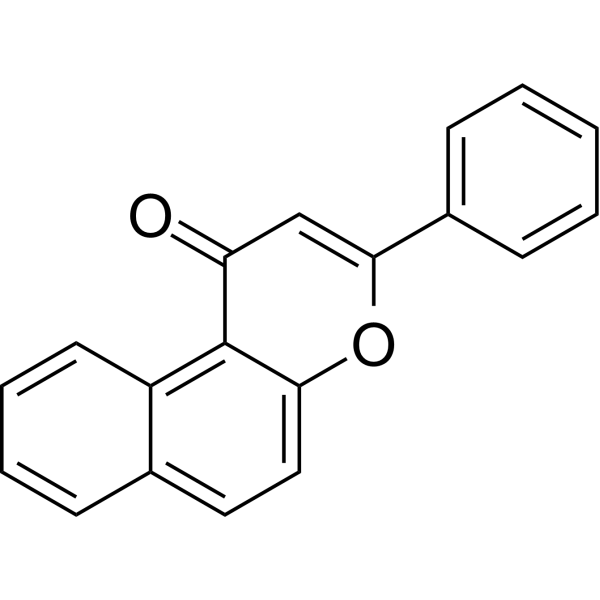
β-Naphthoflavone is an exogenous aryl hydrocarbon receptor (AHR) ligand. β-Naphthoflavone can activate AHR to participate in various biological processes, including cell growth, differentiation, apoptosis, and metabolism. β-Naphthoflavone has antioxidant activity and can exert its antioxidant function by regulating the activity of antioxidant enzymes. β-Naphthoflavone is also a non-carcinogenic CYP1A inducer and can be used to study aristolochic acid (AAI) induced renal injury [1] .
loading...
    loading...
1
1 Cited Publications
Cat. No.: HY-N2382
CAS No.: 81917-50-2
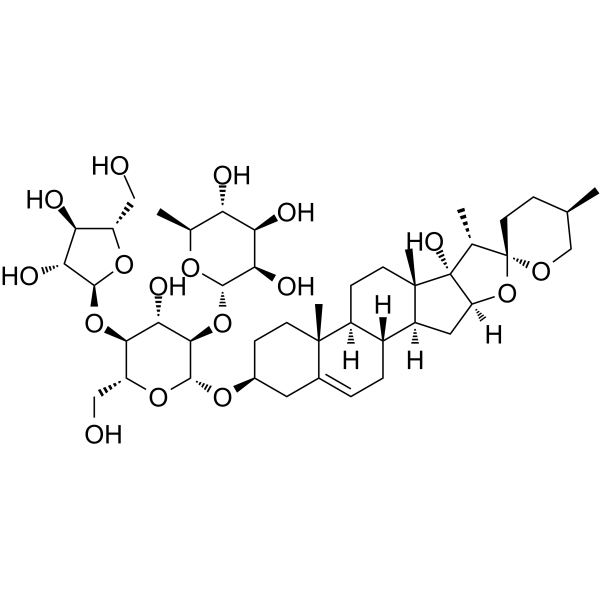
Polyphyllin H is a steroidal saponin. Polyphyllin H is isolated from Paris polyphylla. Polyphyllin H potently inhibits the activities of CYP1A2 (IC50 = 6.44 μM, competitive), CYP2D6 (IC50 = 13.88 μM, competitive) and CYP3A4 (IC50 = 4.52 μM, non-competitive, time-dependent). Polyphyllin H downregulates the expression of ABCB1 and ABCC3. Polyphyllin H binds to membrane cholesterol and disrupts lipid raft structures. Polyphyllin H restores the sensitivity of paclitaxel-resistant breast cancer cells to paclitaxel [1] .
loading...
    loading...
1
1 Cited Publications
Cat. No.: HY-N0043
CAS No.: 52705-93-8
Synonyms: Gypenoside VIII
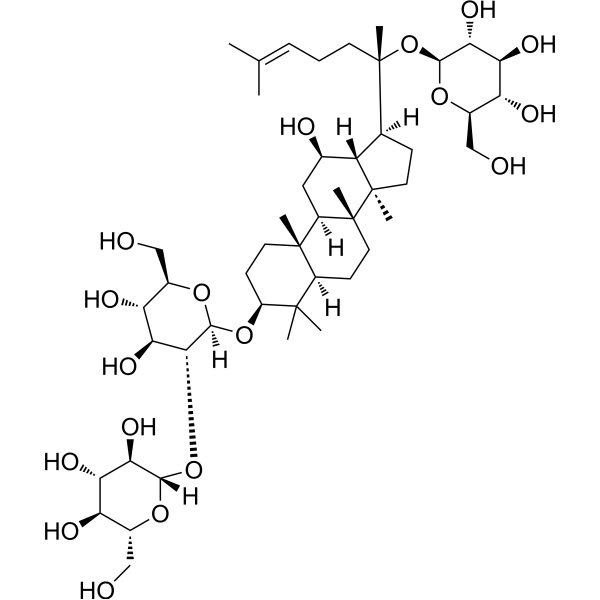
Ginsenoside Rd inhibits TNFα-induced NF-κB transcriptional activity with an IC50 of 12.05±0.82 μM in HepG2 cells. Ginsenoside Rd inhibits expression of COX-2 and iNOS mRNA. Ginsenoside Rd also inhibits Ca 2+ influx. Ginsenoside Rd inhibits CYP2D6, CYP1A2, CYP3A4, and CYP2C9, with IC50s of 58.0±4.5 μM, 78.4±5.3 μM, 81.7±2.6 μM, and 85.1±9.1 μM, respectively.
loading...
    loading...

