1. Search Result
Search Result
Pathways Recommended: Neuronal Signaling JAK/STAT Signaling
Results for "

Calcium signaling

" in MedChemExpress (MCE) Product Catalog:

170

Inhibitors & Agonists

4

Screening Libraries

1

Fluorescent Dyes

8

Biochemical Assay Reagents

20

Peptides

4

Inhibitory Antibodies

27

Natural
Products

11

Isotope-Labeled Compounds

2

Oligonucleotides

1

GMP Molecules

Cat. No. Product Name Target Research Areas Chemical Structure
  • HY-100001
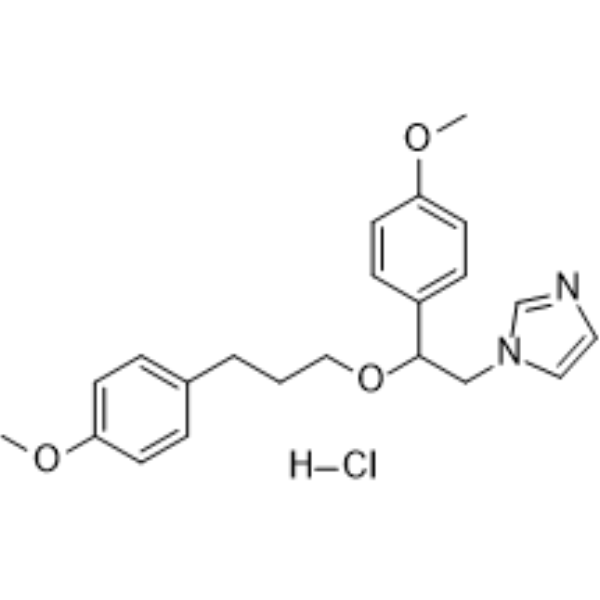
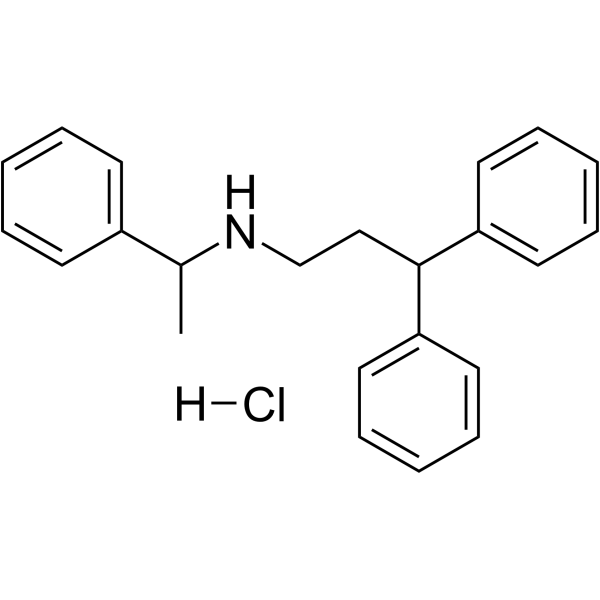
    SKF-96365 (hydrochloride)
    Maximum Cited Publications
    27 Publications Verification

    TRP Channel CRAC Channel Autophagy CaMK Akt Apoptosis Na+/Ca2+ Exchanger Calcium Channel Neurological Disease Inflammation/Immunology Cancer
    SKF-96365 hydrochloride is a TRPC channel antagonist and store-operated calcium entry (SOCE) inhibitor. SKF-96365 hydrochloride reduces calcium ion influx by inhibiting the activity and expression of TRPC6, STIM1 and Orai1. SKF-96365 hydrochloride inhibits voltage-gated sodium current (cardiac INa/NaV1.5) and slows myocardial conduction. SKF-96365 hydrochloride inhibits phosphorylation/activation of CaMKIIγ and suppresses the downstream AKT signaling pathway. SKF-96365 hydrochloride induces G2/M phase cell cycle arrest, apoptosis and cytoprotective autophagy in colorectal cancer cells. SKF-96365 hydrochloride alleviates allergic rhinitis symptoms by reducing inflammatory cytokine levels. SKF-96365 hydrochloride reduces intracellular calcium overload, inhibits Homer1 expression, prevents nuclear damage and suppresses apoptosis. SKF-96365 hydrochloride inhibits the growth of colorectal cancer xenografts in nude mice . SKF-96365 hydrochloride is applicable to research related to allergic rhinitis, colorectal cancer, Parkinson's disease, persistent spontaneous nociception and hyperalgesia .
    SKF-96365 (hydrochloride)
  • HY-B0252
    Hydrochlorothiazide
    5+ Cited Publications

    HCTZ

    TGF-beta/Smad Potassium Channel Cardiovascular Disease Metabolic Disease Cancer
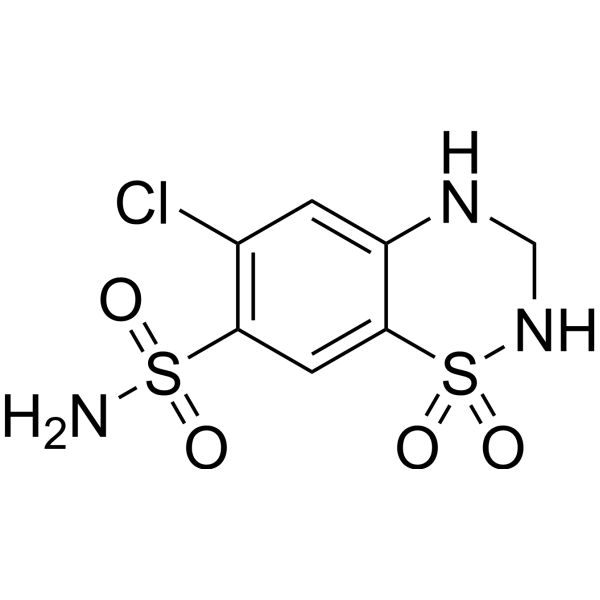
    Hydrochlorothiazide (HCTZ), an orally active diuretic agent of the thiazide class, inhibits transforming TGF-β/Smad signaling pathway. Hydrochlorothiazide has direct vascular relaxant effects via opening of the calcium-activated potassium (KCA) channel. Hydrochlorothiazide improves cardiac function, reduces fibrosis and has antihypertensive effect .
    Hydrochlorothiazide
  • HY-Y0537E
    Potassium chloride, for cell culture
    1 Publications Verification

    Environmental Pollutants Calcium Channel Potassium Channel Biochemical Assay Reagents Neurological Disease
    Potassium chloride, for cell culture is potassium chloride that can be used for cell culture. Potassium chloride, for cell culture increases extracellular potassium ion concentration to induce cellular depolarization, thereby activating voltage-gated calcium channels and regulating intracellular calcium signaling. Potassium chloride, for cell culture upregulates Brn-5. Potassium chloride, for cell culture inhibits the proliferation of neurons and some plant cells .
    Potassium chloride, for cell culture
  • HY-W015954

    Endogenous Metabolite Calcium Channel Bacterial Infection Metabolic Disease
    (2R,3R)-Butane-2,3-diol is a non-covalent, reversible agonist targeting lanthanum (La 3+)-sensitive calcium channels in bacteria (e.g., Escherichia coli) with an EC50 of approximately 25 mM. (2R,3R)-Butane-2,3-diol binds to calcium channel proteins or related complexes, induces channel opening, promotes extracellular calcium influx, and triggers intracellular calcium transients, which may regulate bacterial physiological activities such as growth, metabolism, and signal transduction. (2R,3R)-Butane-2,3-diol mediates bacterial-host cell signaling interactions and affects the metabolic balance of intestinal microorganisms, and can be used to study lactose intolerance and other related diseases .
    (2R,3R)-Butane-2,3-diol
  • HY-B1371
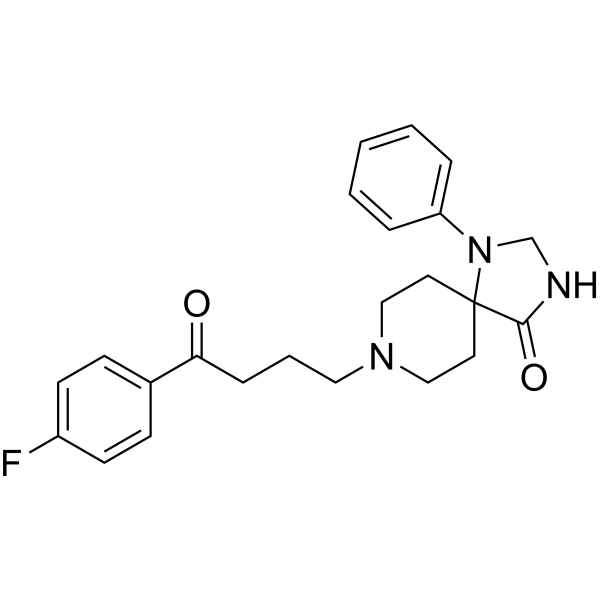
    Spiperone
    2 Publications Verification

    Spiroperidol

    Dopamine Receptor 5-HT Receptor Wnt Neurological Disease
    Spiperone (Spiroperidol) is a potent dopamine D2, serotonin 5-HT1A, and serotonin 5-HT2A antagonist. Spiperone is also a labelled ligand for neuroleptic receptors. Spiperone enhances intracellular calcium level and inhibits the Wnt signaling pathway. Spiperone has the potential for the research of neurology diseases .
    Spiperone
  • HY-P1416
    Foxy-5
    5+ Cited Publications

    Wnt Cancer
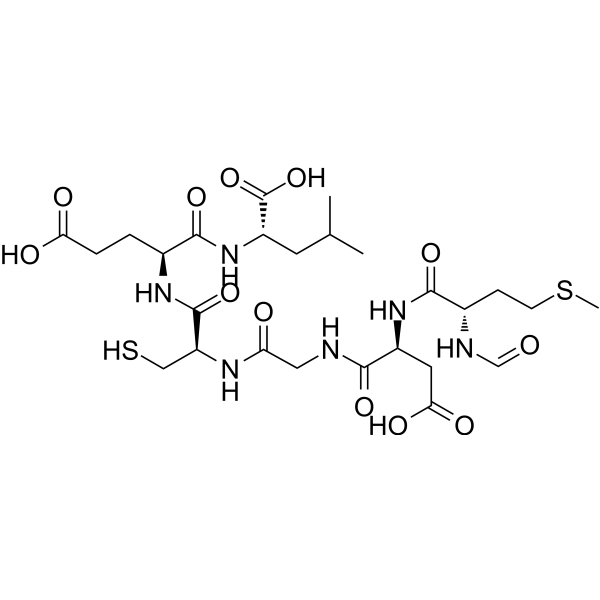
    Foxy-5, a WNT5A agonist, is a mimicking peptide of WNT5A which is a non-canonical member of the Wnt family. Foxy-5 triggers cytosolic free calcium signaling without affecting β-catenin activation and it impairs the migration and invasion of epithelial cancer cells. Foxy-5 effectively reduces the metastatic spread of WNT5A-low prostate cancer cells in an orthotopic mouse model .
    Foxy-5
  • HY-P10408

    EGFR MMP Calcium Channel NOD-like Receptor (NLR) ERK p38 MAPK Infection Inflammation/Immunology
    Candidalysin is a cytolytic peptide toxin secreted by the fungus Candida albicans. Candidalysin drives epithelial immune responses by activating the EGFR-MAPK signaling pathway, inducing MMP expression and calcium influx, and regulating the c-Fos transcription factor and MKP1 via p38 MAPK and ERK1/2 respectively. Candidalysin is essential for mucosal and systemic infections, activating NLRP3 to promote inflammatory responses, neutrophil recruitment, and Th17 immunity. Candidalysin activates LDH causing membrane damage and exhibiting cytotoxicity
    Candidalysin
  • HY-109804
    CORM-401
    10+ Cited Publications

    Reactive Oxygen Species (ROS) Inflammation/Immunology
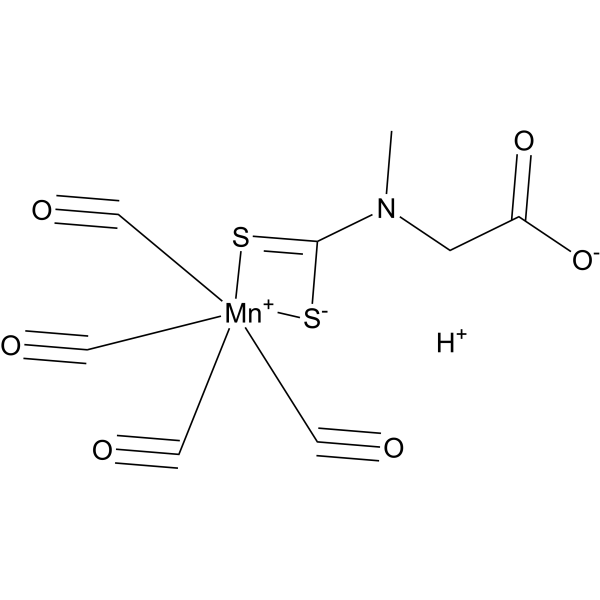
    CORM-401 is an oxidant-sensitive CO-releasing molecule. CORM-401 induces NO increase in the regulation of endothelial calcium signalling. CORM-401 reduces TNF-α/CHX and H2O2-induced ROS production. CORM-401 uncouples mitochondrial respiration and inhibits glycolysis .
    CORM-401
  • HY-N0546
    Ligustroflavone
    2 Publications Verification

    Nuezhenoside

    CaSR RIP kinase Mixed Lineage Kinase TGF-beta/Smad Cardiovascular Disease Neurological Disease Metabolic Disease Endocrinology
    Ligustroflavone is an orally active flavonoid compound. Ligustroflavone can be extracted from Ligustrum lucidum. Ligustroflavone antagonizes the calcium-sensing receptor (CaSR), inhibits the RIPK1/RIPK3/MLKL pathway, and downregulates TGF-β/Smad signaling. Ligustroflavone regulates calcium metabolism, protects bone tissue, reduces cerebral ischemic injury, and inhibits liver fibrosis. Ligustroflavone can be used in the study of diabetic osteoporosis, ischemic stroke, and liver fibrosis .
    Ligustroflavone
  • HY-P991734

    TREM receptor Syk Calcium Channel Neurological Disease Inflammation/Immunology
    VHB937 is a potent and selective TREM2 agonist, a human monoclonal antibody, with sub-nanomolar affinity. VHB937 enhances TREM2 surface expression and downstream signaling, such as Syk phosphorylation and calcium mobilization. VHB937 exhibits robust neuroprotective effects in vivo, significantly reducing pathology and pro-inflammatory markers across a broad range of animal models of neuroinflammation and neurodegeneration. VHB937 can be used for neurodegenerative diseases research .
    VHB937
  • HY-113355

    Endogenous Metabolite Apoptosis Neurological Disease Inflammation/Immunology Endocrinology
    NADH is an orally active dehydrogenase coenzyme that acts as a crucial electron carrier in cellular respiration and participates in ATP production. NADH promotes metabolism, supports brain function, and counteracts oxidative stress by transferring electrons to the electron transport chain. As a signaling molecule, NADH regulates multiple biological processes, including anti-apoptosis, synaptic plasticity, gene expression, and calcium homeostasis. Redox imbalance of NADH/NAD⁺ is one of the key pathological mechanisms of various diseases, such as diabetic nephropathy, neurodegenerative diseases, and ischemia-reperfusion injury.
    NADH
  • HY-N5063
    Plantainoside D
    2 Publications Verification

    Angiotensin-converting Enzyme (ACE) IKK Calcium Channel PKC Reactive Oxygen Species (ROS) NF-κB Apoptosis Sirtuin NOD-like Receptor (NLR) Cardiovascular Disease Neurological Disease Inflammation/Immunology
    Plantainoside D, a phenylethanoid glycosides, is a IKK-β inhibitor with diverse biological activities. Plantainoside D shows inhibitory activity of angiotensin-converting enzyme (ACE) with an IC50 of 2.17 mM. Plantainoside D significantly reduces the release of glutamate from nerve terminals in the cerebral cortex of rats by inhibiting the voltage-dependent calcium channel (VDCCs) and protein kinase C (PKC) signaling cascade. Plantainoside D significantly alleviates cell apoptosis by inhibiting the generation of ROS and the activation of NF-κB. Plantainoside D significantly improves acute lung injury (ALI) induced by sepsis by regulating the Sirt3/NLRP3 signaling pathway. Plantainoside D can be used for the study of neuroprotection, antioxidant, anti-inflammation, antihypertension .
    Plantainoside D
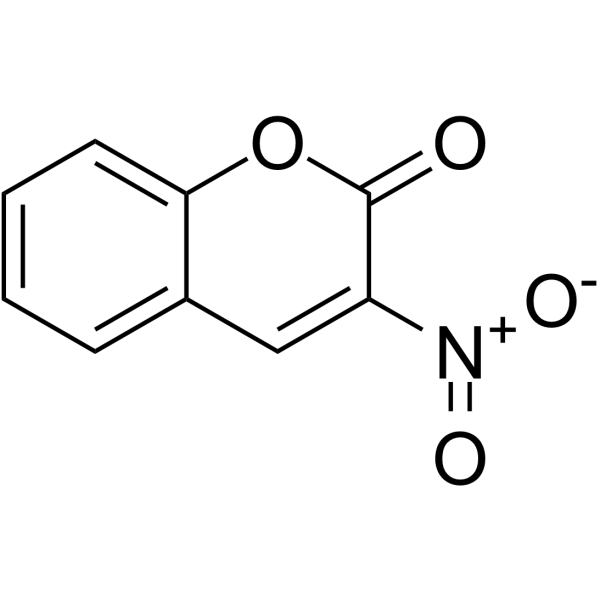
  • HY-111919
    3-Nitrocoumarin
    3 Publications Verification

    Phospholipase Fungal Infection
    3-Nitrocoumarin is an inhibitor for phospholipase C that blocks the generation of inositol triphosphate (IP3), thereby affecting the calcium signaling pathway .
    3-Nitrocoumarin
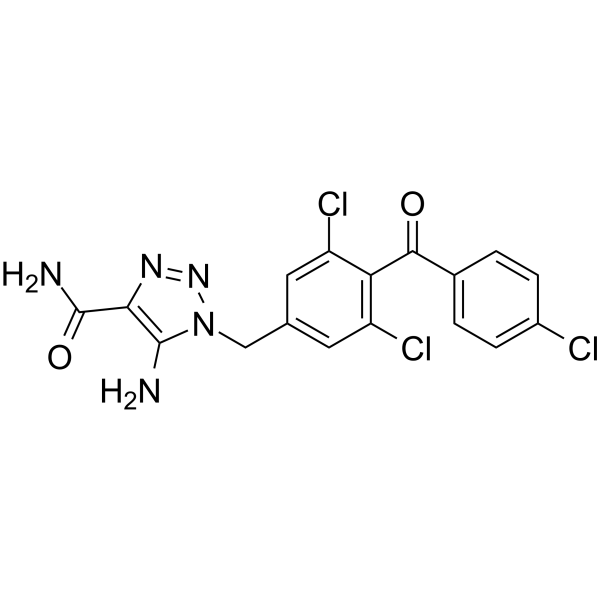
  • HY-16126
    Carboxyamidotriazole
    4 Publications Verification

    L-651582; CAI

    Calcium Channel NF-κB p38 MAPK NO Synthase Cardiovascular Disease Inflammation/Immunology Cancer
    Carboxyamidotriazole (L-651582) is an orally active cytostatic inhibitor of nonvoltage-operated calcium channels and calcium channel-mediated signaling pathways. Carboxyamidotriazole inhibits NF-κB, MAPK activation and NO production. Carboxyamidotriazole has anti-angiogenic and anti-inflammatory activities. Carboxyamidotriazole has anticancer activity against liver cancer, lung cancer and leukemia .
    Carboxyamidotriazole
  • HY-17397
    Strontium Ranelate
    2 Publications Verification

    Distrontium renelate; S12911

    CaSR Metabolic Disease
    Strontium Ranelate (S12911) is an antiosteoporotic agent that acts by reducing bone resorption and promoting bone formation, thereby inducing a positive bone balance. Strontium Ranelate can also activate the calcium-sensing receptor (CaSR) in non skeletal cells, resulting in the activation of inositol 1, 4, 5-triphosphate production and mitogen-activated protein kinase signaling .
    Strontium Ranelate
  • HY-P10849

    Calcium Channel Others
    IP3RPEP6 is an IP3R competitive inhibitor. IP3RPEP6 has the IC50 values of 9.0 μM, 3.9 μM and 4.3 μM for IP3R1, IP3R2 and IP3R3, respectively. IP3RPEP6 does not affect the Ryanodine receptor and Cx43 hemichannels. IP3RPEP6 regulates calcium signaling within cells .
    IP3RPEP6
  • HY-B0380A

    Opioid Receptor Toll-like Receptor (TLR) Calcium Channel Potassium Channel IRAK ERK JNK NF-κB Akt Apoptosis Neurological Disease Metabolic Disease Inflammation/Immunology Cancer
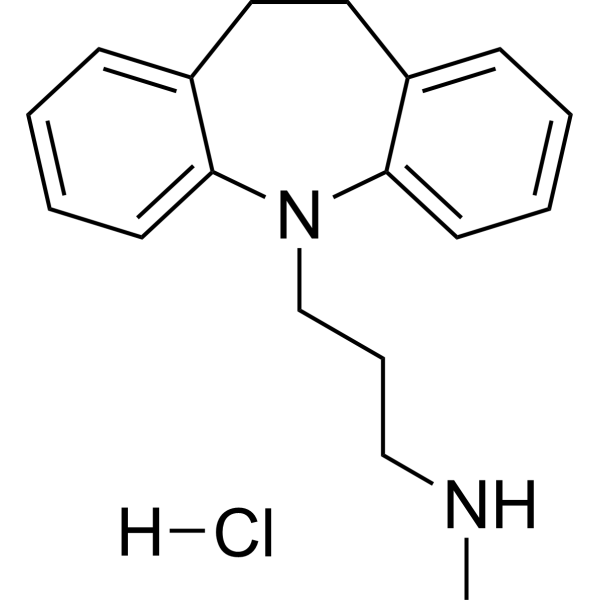
    Trimebutine maleate is a multi-target inhibitor and opioid receptor agonist with antimuscarinic activity. Trimebutine maleate inhibits L-type Ca 2+ channels and large-conductance calcium-activated potassium channels (BKCa channels), thereby inhibiting extracellular calcium influx and potassium ion efflux. Trimebutine maleate also targets Toll-like receptors, inhibits Toll-like receptor 2/4/7/8/9 signals, and inhibits LPS-induced IRAK1 activation, as well as ERK1/2, JNK and NF-κB activation, thereby exerting anti-inflammatory effects. Trimebutine maleate also induces tumor cell apoptosis by inhibiting the AKT/ERK pathway. Trimebutine maleate also inhibits excessive contraction of smooth muscle and can be used in the study of gastrointestinal disorders such as irritable bowel syndrome (IBS) .
    Trimebutine maleate
  • HY-B0380

    Opioid Receptor Toll-like Receptor (TLR) Calcium Channel Potassium Channel IRAK ERK JNK NF-κB Akt Apoptosis Neurological Disease Metabolic Disease Inflammation/Immunology Cancer
    Trimebutine is a multi-target inhibitor and opioid receptor agonist with antimuscarinic activity. Trimebutine inhibits L-type Ca 2+ channels and large-conductance calcium-activated potassium channels (BKCa channels), thereby inhibiting extracellular calcium influx and potassium ion efflux. Trimebutine also targets Toll-like receptors, inhibits Toll-like receptor 2/4/7/8/9 signals, and inhibits LPS-induced IRAK1 activation, as well as ERK1/2, JNK and NF-κB activation, thereby exerting anti-inflammatory effects. Trimebutine also induces tumor cell apoptosis by inhibiting the AKT/ERK pathway. Trimebutine also inhibits excessive contraction of smooth muscle and can be used in the study of gastrointestinal disorders such as irritable bowel syndrome (IBS) .
    Trimebutine
  • HY-128121

    Dopamine Receptor Neurological Disease
    MLS1547 is a highly efficacious G protein-biased dopamine D2 receptor (D2R) agonist (Ki=1.2 μM). MLS1547 stimulates D2R G protein-mediated signaling (EC50=0.37 μM in a calcium mobilization assay). MLS1547 acts as an antagonist for dopamine (DA)-stimulated β-arrestin recruitment to the D2R (IC50=9.9 μM) .
    MLS1547
  • HY-138668

    TRP Channel Neurological Disease
    JW-65 is a selective TRPC3 channel inhibitor with favorable blood-brain barrier penetration. JW-65 directly binds to human TRPC3 protein and modulates calcium signaling to reduce seizure susceptibility. JW-65 reduces seizure incidence, severity, and duration while prolonging seizure latency in multiple seizure models. JW-65 alleviates Aβ‑induced neuronal damage. JW-65 serves as a valuable tool for research on epilepsy, seizure disorders, and Alzheimer’s disease .
    JW-65
  • HY-N6036
    Ganoderic acid F
    1 Publications Verification

    Others Cancer
    Ganoderic acid F is a ganoderic acid. Ganoderic acid F exhibits antitumor and antimetastatic activities through inhibition of angiogenesis and alteration of proteins involving cell proliferation and/or cell death, carcinogenesis, oxidative stress, calcium signaling, and endoplasmic reticulum stress .
    Ganoderic acid F
  • HY-W587861
    5β-Dihydroprogesterone
    1 Publications Verification

    5βDHP

    Oxytocin Receptor Endocrinology
    5β-Dihydroprogesterone (5βDHP) is the metabolite of Progesterone (HY-N0437). 5β-Dihydroprogesterone binds to oxytocin receptor, reduces the Oxytocin (HY-17571)-induced calcium signal transduction, thereby exhibiting the tocolytic activity .
    5β-Dihydroprogesterone
  • HY-B1035
    Levobunolol hydrochloride
    1 Publications Verification

    l-Bunolol hydrochloride

    Adrenergic Receptor Calcium Channel Casein Kinase Cardiovascular Disease
    Levobunolol (l-Bunolol) hydrochloride is a non-selective β-adrenergic antagonist and vasodilator. By blocking calcium ion influx and reducing the sensitivity of vascular smooth muscle to calcium, Levobunolol hydrochloride effectively dilates the ciliary arteries and increases ocular blood flow, so it is widely used in research on glaucoma and ocular hypertension. Levobunolol hydrochloride inhibits the β-receptor signaling pathway and the expression of related proliferation markers (such as CK3, CK14, CK19, Ki67) in corneal cells. In rabbit models, Levobunolol hydrochloride not only does not inhibit corneal epithelial regeneration, but also accelerates the healing of mechanical injury without adverse effects. Levobunolol hydrochloride also inhibits histamine-induced vasoconstriction and intracellular calcium elevation, exhibiting unique vascular regulatory activity. Levobunolol hydrochloride protects ocular blood flow and promotes corneal repair .
    Levobunolol hydrochloride
  • HY-103316

    Calcium Channel Cardiovascular Disease Inflammation/Immunology
    trans-Ned 19 is a NAADP antagonist and TPC blocker. trans-Ned 19 suppresses the calcium signal and the rat aorta relaxation in response to low histamine concentrations. trans-Ned 19 increases the spontaneous acrosome reaction rate, alleviates anti-CD3 mAb-induced intestinal inflammation, and improves kidney damage in mice with nephrotoxic serum nephritis .
    trans-Ned 19
  • HY-120967

    p38 MAPK Akt Interleukin Related Cancer
    (2S)-OMPT (triethylamine), in ethanol:chloroform (1:1), 98%, Lysophosphatidic acid analogue, is a LPA3 G-protein-coupled receptor agonist. (2S)-OMPT (triethylamine), in ethanol:chloroform (1:1), 98% selectively activates LPA3 G-protein-coupled receptor to trigger downstream cellular signaling events. (2S)-OMPT (triethylamine), in ethanol:chloroform (1:1), 98% induces calcium, IL-6 release in cancer cells and activates MAPK and Akt signaling pathways. (2S)-OMPT (triethylamine), in ethanol:chloroform (1:1), 98% can be used for the research of ovarian cancer .
    (2S)-OMPT triethylamine, in ethanol:chloroform (1:1), 98%
  • HY-11095

    mGluR CaSR PI3K Akt mTOR Autophagy Apoptosis Bcl-2 Family Caspase Cardiovascular Disease Neurological Disease
    NPS 2390 is an allosteric antagonist of calcium-sensing receptor (CaSR) and mGluR1/5. NPS 2390 inhibits the PI3K/Akt/mTOR signaling pathway, reduces hypoxia-induced intracellular calcium elevation, decreases the expression of autophagy (autophagy) proteins, regulates the expression of phenotypic marker proteins, and inhibits the proliferation of pulmonary artery smooth muscle cells. NPS 2390 attenuates the endogenous apoptosis (apoptosis) pathway, increases the expression level of Bcl-2, downregulates the expression levels of Bax, cytochrome c and caspase-3, alleviates cerebral edema and improves neurological function in rat models. NPS 2390 can be used in studies related to hypoxic pulmonary hypertension, traumatic brain injury, stroke and pain .
    NPS 2390
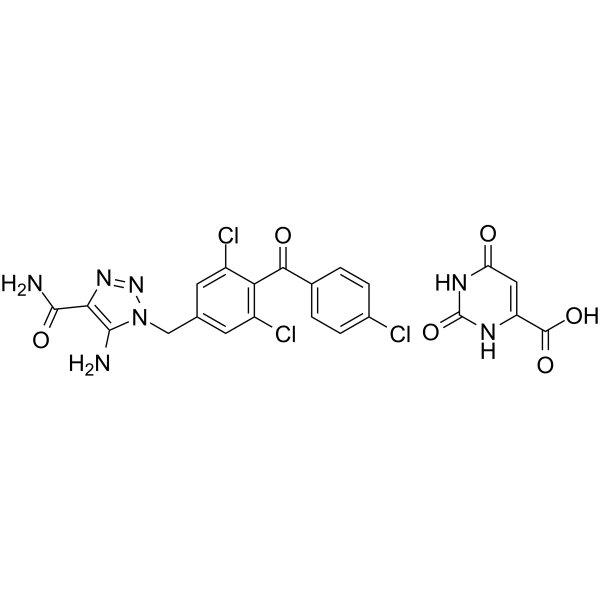
  • HY-16125
    Carboxyamidotriazole Orotate
    4 Publications Verification

    L-651582 Orotate; CAI Orotate

    Calcium Channel Cardiovascular Disease Inflammation/Immunology Cancer
    Carboxyamidotriazole Orotate (L-651582 Orotate) is the orotate salt form of Carboxyamidotriazole (CAI), an orally bioavailable signal transduction inhibitor. Carboxyamidotriazole Orotate is a cytostatic inhibitor of nonvoltage-operated calcium channels and calcium channel-mediated signaling pathways. Carboxyamidotriazole Orotate shows anti-tumor, anti-inflammatory and antiangiogenic effects .
    Carboxyamidotriazole Orotate
  • HY-120967A

    p38 MAPK Akt Interleukin Related Cancer
    (2S)-OMPT, Lysophosphatidic acid analogue, is a LPA3 G-protein-coupled receptor agonist. (2S)-OMPT selectively activates LPA3 G-protein-coupled receptor to trigger downstream cellular signaling events. (2S)-OMPT induces calcium, IL-6 release in cancer cells and activates MAPK and Akt signaling pathways. (2S)-OMPT can be used for the research of ovarian cancer .
    (2S)-OMPT
  • HY-B0252S1

    HCTZ-13C,d2

    Isotope-Labeled Compounds TGF-beta/Smad Potassium Channel Cardiovascular Disease Metabolic Disease
    Hydrochlorothiazid- 13C,d2 is the 13C- and deuterium labeled Hydrochlorothiazide. Hydrochlorothiazide (HCTZ), an orally active diuretic agent of the thiazide class, inhibits transforming TGF-β/Smad signaling pathway. Hydrochlorothiazide has direct vascular relaxant effects via opening of the calcium-activated potassium (KCA) channel. Hydrochlorothiazide improves cardiac function, reduces fibrosis and has antihypertensive effect .
    Hydrochlorothiazid-13C,d2
  • HY-107802
    Breviscapine
    2 Publications Verification

    Breviscapinun

    NF-κB Interleukin Related TGF-beta/Smad Calcium Channel Cardiovascular Disease Neurological Disease Inflammation/Immunology
    Breviscapine (Breviscapinun) is a flavonoid compound with antioxidant, anti-inflammatory, anti-fibrotic, and neuroprotective activities. Breviscapine ameliorates cerebral ischemia/reperfusion injury and vascular dementia, and inhibits the formation of postoperative abdominal adhesions. The mechanism of action of Breviscapine involves the regulation of oxidative stress, inflammatory cytokines, signaling pathways such as TGF-β/Smad, and cellular calcium overload. Breviscapine is used for research on diseases including cardiovascular and cerebrovascular diseases .
    Breviscapine
  • HY-P1416A
    Foxy-5 TFA
    5+ Cited Publications

    Wnt Cancer
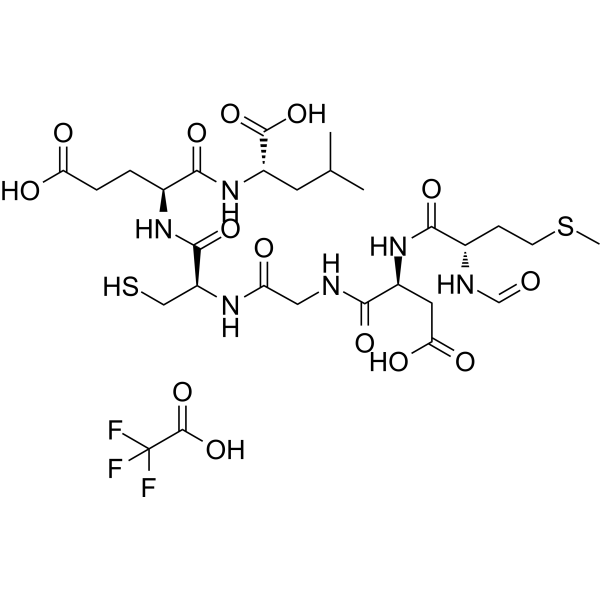
    Foxy-5 TFA, a WNT5A agonist, is a mimicking peptide of WNT5A which is a non-canonical member of the Wnt family. Foxy-5 TFA triggers cytosolic free calcium signaling without affecting β-catenin activation and it impairs the migration and invasion of epithelial cancer cells. Foxy-5 TFA effectively reduces the metastatic spread of WNT5A-low prostate cancer cells in an orthotopic mouse model .
    Foxy-5 TFA
  • HY-176446

    Mas-related G-protein-coupled Receptor (MRGPR) Inflammation/Immunology
    Mrgx2 antagonist-3 (Compound B-40) is a highly selective antagonist of MrgX2 receptor with an IC50 value of 0.042-2.5 nM. Mrgx2 antagonist-3 blocks downstream G protein signaling and β-Arrestin recruitment, thereby inhibiting MrgX2 receptor-mediated calcium influx and cellular degranulation. Mrgx2 antagonist-3 is promising for research of inflammation-related diseases and pruritus, such as chronic urticaria, allergic asthma .
    Mrgx2 antagonist-3
  • HY-125942
    SKF-96365
    Maximum Cited Publications
    27 Publications Verification

    CRAC Channel TRP Channel CaMK Akt Apoptosis Autophagy Na+/Ca2+ Exchanger Calcium Channel Neurological Disease Inflammation/Immunology Cancer
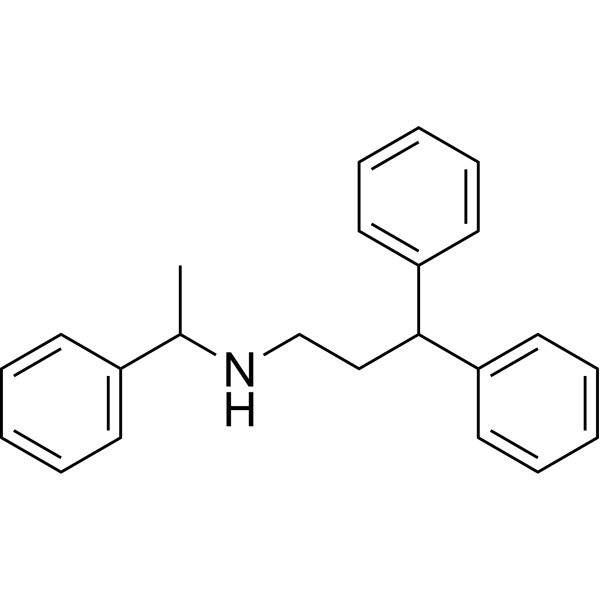
    SKF-96365 is a TRPC channel antagonist and store-operated calcium entry (SOCE) inhibitor. SKF-96365 reduces calcium ion influx by inhibiting the activity and expression of TRPC6, STIM1 and Orai1. SKF-96365 inhibits voltage-gated sodium current (cardiac INa/NaV1.5) and slows myocardial conduction. SKF-96365 inhibits phosphorylation/activation of CaMKIIγ and suppresses the downstream AKT signaling pathway. SKF-96365 induces G2/M phase cell cycle arrest, apoptosis and cytoprotective autophagy in colorectal cancer cells. SKF-96365 alleviates allergic rhinitis symptoms by reducing inflammatory cytokine levels. SKF-96365 reduces intracellular calcium overload, inhibits Homer1 expression, prevents nuclear damage and suppresses apoptosis. SKF-96365 inhibits the growth of colorectal cancer xenografts in nude mice . SKF-96365 is applicable to research related to allergic rhinitis, colorectal cancer, Parkinson's disease, persistent spontaneous nociception and hyperalgesia .
    SKF-96365
  • HY-163171

    Chloride Channel Neurological Disease
    ARN 11391 is a selective enhancer of inositol triphosphate receptor type 1 (ITPR1). ARN 11391 can be used in the study of spinocerebellar ataxia .
    ARN11391
  • HY-177303

    CaSR SARS-CoV Infection Metabolic Disease Endocrinology
    AXT-914 is a Calcium-sensing receptor (CaSR) inhibitor. AXT-914 has antiviral activity against the coronavirus HCoV 229E and SARS-CoV2. AXT914 reduces cytosolic calcium signalling activity of CaSR mutations. AXT-914 can be used for Bartter syndrome type 5 and autosomal dominant hypocalcemia (ADH) and coronavirus infections research .
    AXT-914
  • HY-167548

    PKC Potassium Channel Others
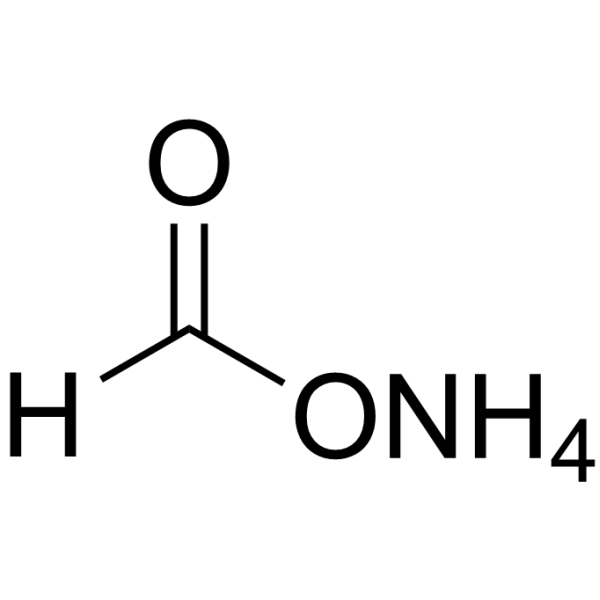
    L-α-Phosphatidylinositol-4,5-bisphosphate ammonium is a key signaling lipid. L-α-Phosphatidylinositol-4,5-bisphosphate ammonium is an activator of PKC in the presence of calcium ions and phospholipid serine. L-α-Phosphatidylinositol-4,5-bisphosphate ammonium is also an antagonist of the KIR3.4 (ATP-sensitive potassium, KATP) channel. L-α-Phosphatidylinositol-4,5-bisphosphate ammonium can be used in research related to signal transduction, ion channel regulation, and membrane transport.
    L-α-Phosphatidylinositol-4,5-bisphosphate ammonium
  • HY-B0252R
    Hydrochlorothiazide (Standard)
    5+ Cited Publications

    HCTZ (Standard)

    Reference Standards TGF-beta/Smad Potassium Channel Cardiovascular Disease Metabolic Disease Cancer
    Hydrochlorothiazide (Standard) is the analytical standard of Hydrochlorothiazide. This product is intended for research and analytical applications. Hydrochlorothiazide (HCTZ), an orally active diuretic agent of the thiazide class, inhibits transforming TGF-β/Smad signaling pathway. Hydrochlorothiazide has direct vascular relaxant effects via opening of the calcium-activated potassium (KCA) channel. Hydrochlorothiazide improves cardiac function, reduces fibrosis and has antihypertensive effect .
    Hydrochlorothiazide (Standard)
  • HY-107401

    SCH-351125

    HIV CCR Calcium Channel Infection
    Ancriviroc (SCH-351125) is an orally active CCR5 antagonist with an IC50 value of 13 nM against hCCR5. Ancriviroc specifically binds to hCCR5, blocks ligand-induced signal transduction, calcium influx, GTPγS binding, chemotaxis, ligand binding, and HIV-1 entry, induces conformational changes in CCR5, and inhibits infection and replication of R5-tropic HIV-1 .
    Ancriviroc
  • HY-B1640R
    Ethacrynic acid (Standard)
    5+ Cited Publications

    Etacrynic acid (Standard)

    Reference Standards Glutathione S-transferase NF-κB Calcium Channel Inflammation/Immunology Cancer
    Ethacrynic acid (Standard) is the analytical standard of Ethacrynic acid. This product is intended for research and analytical applications. Ethacrynic acid (Etacrynic acid) is a diuretic. Ethacrynic acid is an inhibitor of glutathione S-transferases (GSTs). Ethacrynic acid is a potent inhibitor of NF-kB-signaling pathway, and also modulates leukotriene formation. Ethacrynic acid also inhibits L-type voltage-dependent and store-operated calcium channel, leading to relaxation of airway smooth muscle (ASM) cells. Ethacrynic acid has anti-inflammatory properties that reduces the retinoid-induced ear edema in mice .
    Ethacrynic acid (Standard)
  • HY-102052

    Potassium Channel Metabolic Disease
    DCEBIO is a small/medium conductance calcium-activated potassium (SKCa/IKCa) channel opener and primary neuron signal blocker. It hyperpolarizes the membrane potential of C2C12 myoblasts by activating IKCa channels, thereby promoting myogenic differentiation. The specific biological activity of DCEBIO is manifested in increased myotube formation, enhanced myosin heavy chain II protein levels and myogenin mRNA levels. DCEBIO can be applied in the field of muscle research, especially in muscle-related degenerative diseases such as sarcopenia .
    DCEBIO
  • HY-14788

    AVE1625

    Cannabinoid Receptor Metabolic Disease
    Drinabant (AVE1625) is an orally active CB1 receptor antagonist. Drinabant (AVE1625) inhibits the agonist-stimulated calcium signal with IC50 values of 25 nM and 10 nM for the hCB1-R and rCB1-R, respectively, and is ineffective for the hCB2-R .
    Drinabant
  • HY-175087

    Ins(1,2,4,5,6)P5 sodium salt; 1,2,4,5,6-IP5 sodium salt

    Calcium Channel Others
    D-myo-Inositol-1,2,4,5,6-pentaphosphate (Ins(1,2,4,5,6)P5) sodium salt is one of several different inositol oligophosphate isomers involved in signal transduction. In human Jurkat T lymphocytes, Ins(1,2,4,5,6)P5 (sodium salt) is phosphorylated to InsP6 by 1/3 kinase. D-myo-Inositol-1,2,4,5,6-pentaphosphate sodium salt is involved in calcium signaling .
    D-myo-Inositol-1,2,4,5,6-pentaphosphate sodium salt
  • HY-B0252S

    HCTZ-d2

    TGF-beta/Smad Potassium Channel Cardiovascular Disease Metabolic Disease
    Hydrochlorothiazid-d2 is the deuterium labeled Hydrochlorothiazide. Hydrochlorothiazide (HCTZ), an orally active diuretic agent of the thiazide class, inhibits transforming TGF-β/Smad signaling pathway. Hydrochlorothiazide has direct vascular relaxant effects via opening of the calcium-activated potassium (KCA) channel. Hydrochlorothiazide improves cardiac function, reduces fibrosis and has antihypertensive effect .
    Hydrochlorothiazid-d2
  • HY-P10815

    Apoptosis Calcium Channel Others
    IP3RCYT is an IP3R inhibitory peptide, which can inhibit the binding of cytochrome C to IP3R with an IC50 about 100 nM. IP3RCYT regulates calcium signaling within cells. P3RCYT inhibits apoptosis in HeLa and Jurkat cells treated with Staurosporine (HY-15141) or Membrane-bound Fas ligand (FasL) .
    IP3RCYT
  • HY-111527

    Calcium Channel Neurological Disease
    PPZ2 is a diacylglycerol (DAG)-activated TRPC3/TRPC6/TRPC7 channel activator with activity in promoting neuronal development and survival. PPZ2 activates recombinant TRPC3/TRPC6/TRPC7 channels in a dose-dependent manner without affecting other TRPC channels. PPZ2 elicits cation currents and calcium ion (Ca(2+)) influx in cultured central neurons. PPZ2 is able to induce BDNF-like neurite outgrowth and neuroprotection, an effect that disappears after TRPC3/TRPC6/TRPC7 knockdown or inhibition. PPZ2 also increases the activation of the calcium-dependent transcription factor cAMP response element binding protein. The effects of PPZ2 suggest that calcium signaling mediated by activation of DAG-activated TRPC channels plays an important role in its neurotrophic effects .
    PPZ2
  • HY-118170

    Chloride Channel Others
    T16A(inh)-C01 is an inhibitor of TMEM16A (ANO1). T16A(inh)-C01 blocks chloride channel mediated by ANO1 with an IC50 of 8.4 μM, without interfering with calcium signaling .
    T16A(inh)-C01
  • HY-P1409A
    ADWX 1 TFA
    1 Publications Verification

    Potassium Channel Inflammation/Immunology
    ADWX 1 TFA is a new peptide inhibitor that is potent and selective for Kv1.3 with an IC50 value of 1.89 pM. ADWX 1 inhibits Kv1.3 channel activity specifically to inhibit both the initial calcium signaling and NF-κB activation. ADWX 1 TFA ameliorates the disease in rats of experimental autoimmune encephalomyelitis (EAE) models. ADWX 1 TFA can be used to study T cell-mediated autoimmune diseases .
    ADWX 1 TFA
  • HY-P4856

    PTHR PKC Endocrinology
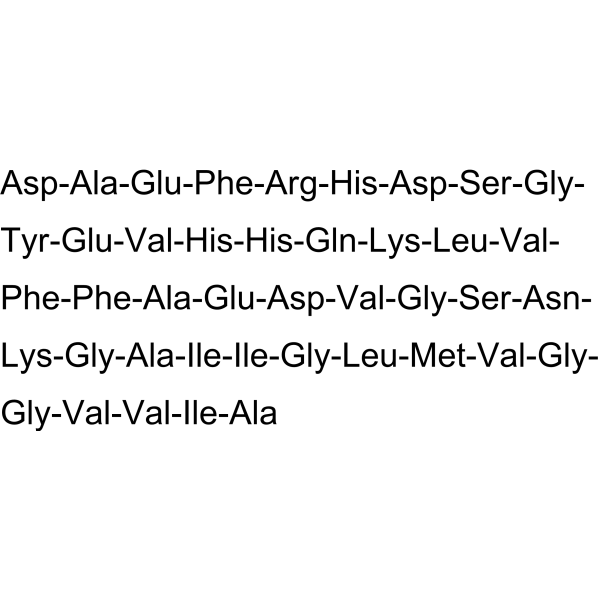
    pTH-Related Protein (1-40) (human, mouse, rat) stimulates calcium uptake in rat intestinal cells through PTHR1 receptor and PKCα/β signaling pathways. pTH-Related Protein (1-40) up-regulates parathyroid hormone 1 receptor (PTHR1) protein, four transcellular calcium transporters, potential vanillin member 6 (TRPV6), calcium-binding protein-D9K (CaBP-D9k), sodium-calcium Exchanger 1 (NCX1) and plasma membrane calcium ATPase 1 (PMCA1) .
    pTH-Related Protein (1-40) (human, mouse, rat)
  • HY-W015954R

    Reference Standards Endogenous Metabolite Calcium Channel Bacterial Infection Metabolic Disease
    (2R,3R)-Butane-2,3-diol (Standard) is the analytical standard of (2R,3R)-Butane-2,3-diol (HY-W015954). This product is intended for research and analytical applications. (2R,3R)-Butane-2,3-diol is a non-covalent, reversible agonist targeting lanthanum (La 3+)-sensitive calcium channels in bacteria (e.g., Escherichia coli) with an EC50 of approximately 25 mM. (2R,3R)-Butane-2,3-diol binds to calcium channel proteins or related complexes, induces channel opening, promotes extracellular calcium influx, and triggers intracellular calcium transients, which may regulate bacterial physiological activities such as growth, metabolism, and signal transduction. (2R,3R)-Butane-2,3-diol mediates bacterial-host cell signaling interactions and affects the metabolic balance of intestinal microorganisms, and can be used to study lactose intolerance and other related diseases .
    (2R,3R)-Butane-2,3-diol (Standard)
  • HY-W703190

    Inositol 1,4,5,6-tetraphosphate; D-Ins(1,4,5,6)P4

    Endogenous Metabolite Metabolic Disease
    D-myo-Inositol-1,4,5,6-tetraphosphate (D-Ins(1,4,5,6)P4) is one of several different inositol oligophosphate isomers implicated in signal transduction. It almost completely inhibits calcium-activated chloride channels at a concentration of 8-10 μM .
    D-myo-Inositol-1,4,5,6-tetraphosphate

Inquiry Online

Your information is safe with us. * Required Fields.

Salutation


Country or Region *

Applicant Name *


Organization Name *

Department *


Email Address *


Product Name *

Cat. No.


Requested quantity *

Phone Number *


Remarks

Inquiry Online

Inquiry Information

Product Name:
Cat. No.:
Quantity:
MCE Japan Authorized Agent:

