1. Search Result
Search Result
Results for "

Cdc2

" in MedChemExpress (MCE) Product Catalog:

69

Inhibitors & Agonists

4

Peptides

7

Natural
Products

28

Recombinant Proteins

17

Antibodies

4

Oligonucleotides

Cat. No. Product Name Target Research Areas Chemical Structure
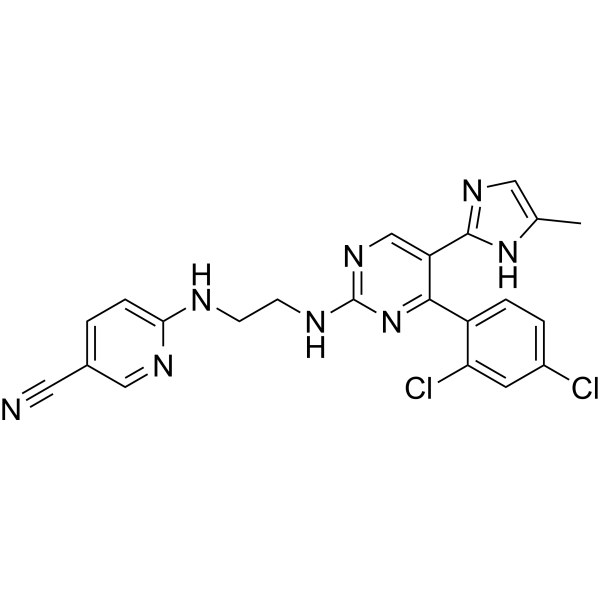
  • HY-10182
    Laduviglusib
    Maximum Cited Publications
    295 Publications Verification

    CHIR-99021; CT99021

    Organoid GSK-3 Wnt β-catenin Autophagy Metabolic Disease Cancer
    Laduviglusib (CHIR-99021) is a potent, selective and orally active GSK-3α/β inhibitor with IC50s of 10 nM and 6.7 nM. Laduviglusib shows >500-fold selectivity for GSK-3 over CDC2, ERK2 and other protein kinases. Laduviglusib is also a potent Wnt/β-catenin signaling pathway activator. Laduviglusib enhances mouse and human embryonic stem cells self-renewal. Laduviglusib induces autophagy [2] .
    Laduviglusib
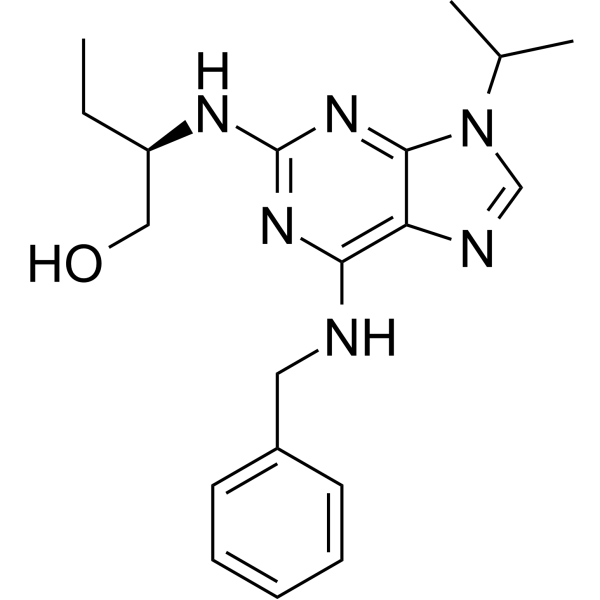
  • HY-30237
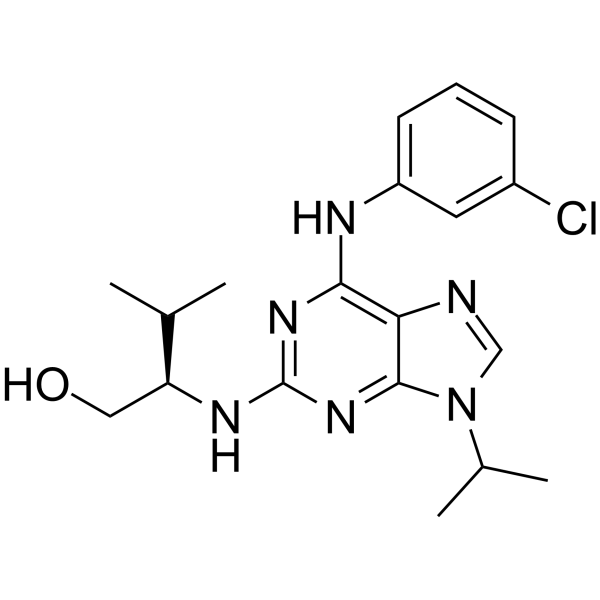
    (R)-Roscovitine
    30+ Cited Publications

    Seliciclib; CYC202

    CDK Neurological Disease Metabolic Disease Cancer
    (R)-Roscovitine (Seliciclib) is an orally bioavailable, selective and BBB-permeable CDKs inhibitor with IC50s of 0.2 μM, 0.65 μM, and 0.7 μM for CDK5, Cdc2, and CDK2, respectively.
    (R)-Roscovitine
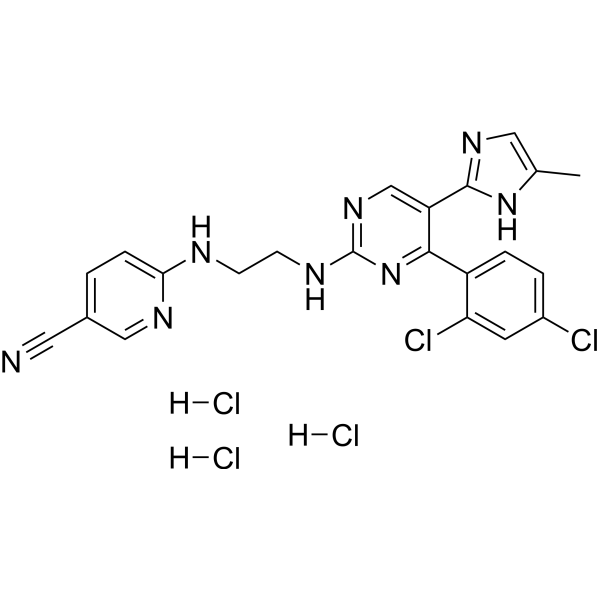
  • HY-10182B
    Laduviglusib trihydrochloride
    Maximum Cited Publications
    295 Publications Verification

    CHIR-99021 trihydrochloride; CT99021 trihydrochloride

    Organoid GSK-3 Wnt β-catenin Autophagy Cancer
    Laduviglusib (CHIR-99021) trihydrochloride is a potent and selective GSK-3α/β inhibitor with IC50s of 10 nM and 6.7 nM. Laduviglusib trihydrochloride shows >500-fold selectivity for GSK-3 over CDC2, ERK2 and other protein kinases. Laduviglusib trihydrochloride is also a potent Wnt/β-catenin signaling pathway activator. Laduviglusib trihydrochloride enhances mouse and human embryonic stem cells self-renewal. Laduviglusib trihydrochloride induces autophagy [2] .
    Laduviglusib trihydrochloride
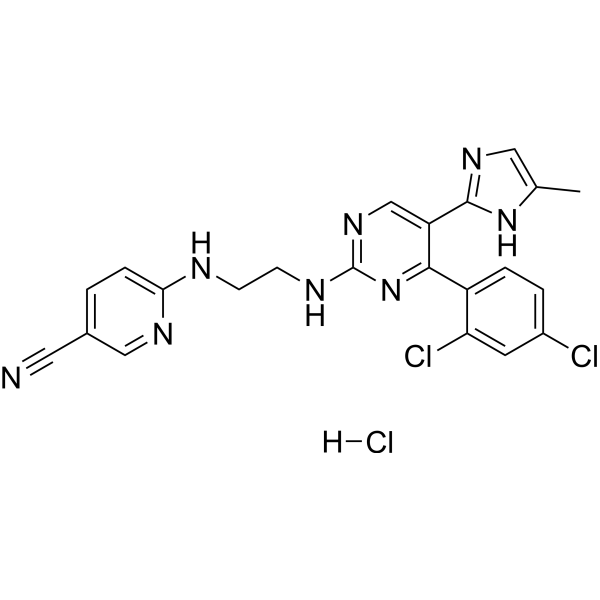
  • HY-10182A
    Laduviglusib monohydrochloride
    Maximum Cited Publications
    295 Publications Verification

    CHIR-99021 monohydrochloride; CT99021 monohydrochloride

    Organoid GSK-3 Wnt β-catenin Autophagy Cancer
    Laduviglusib (CHIR-99021) monohydrochloride is a potent and selective GSK-3α/β inhibitor with IC50s of 10 nM and 6.7 nM. Laduviglusib monohydrochloride shows >500-fold selectivity for GSK-3 over CDC2, ERK2 and other protein kinases. Laduviglusib monohydrochloride is also a potent Wnt/β-catenin signaling pathway activator. Laduviglusib monohydrochloride enhances mouse and human embryonic stem cells self-renewal. Laduviglusib monohydrochloride induces autophagy [2] .
    Laduviglusib monohydrochloride
  • HY-147054

    Debio 0123; WEE1-IN-5

    Wee1 CDK Cancer
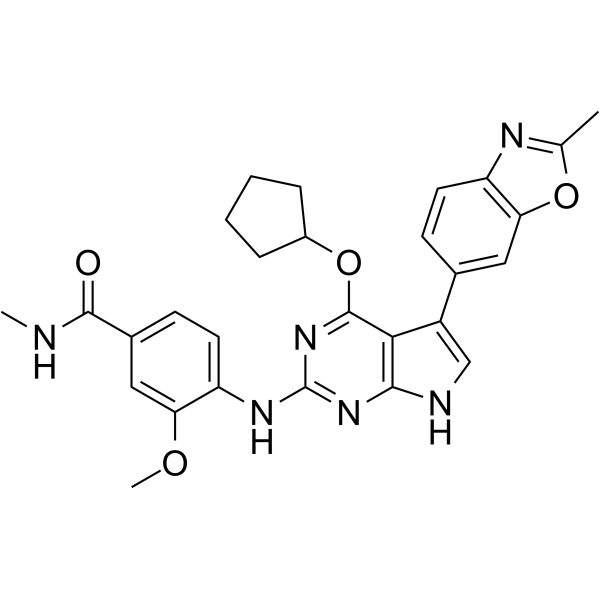
    Zedoresertib (Debio 0123) is a potent WEE1 inhibitor with an IC50 value of 0.8 nM. Zedoresertib inhibits phospho-CDC2. Zedoresertib abrogates the G2 check point, increasing sensitivity to DNA damaging agents in cancer cells. Zedoresertib can be used for researching anticancer .
    Zedoresertib
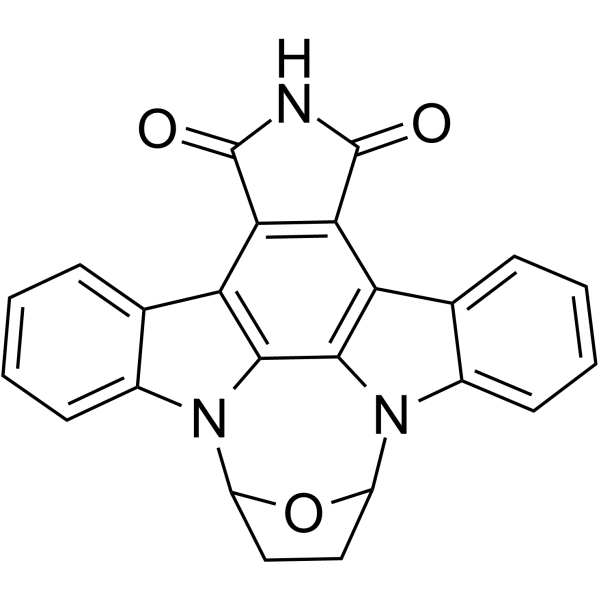
  • HY-107407
    SB-218078
    5 Publications Verification

    Checkpoint Kinase (Chk) CDK PKC Apoptosis Cancer
    SB-218078 is a potent, selective, ATP-competitive and cell-permeable checkpoint kinase 1 (Chk1) inhibitor that inhibits Chk1 phosphorylation of cdc25C with an IC50 of 15 nM. SB-218078 is less potently inhibits Cdc2 (IC50 of 250 nM) and PKC (IC50 of 1000 nM). SB-218078 causes apoptosis by DNA damage and cell cycle arrest [2] .
    SB-218078
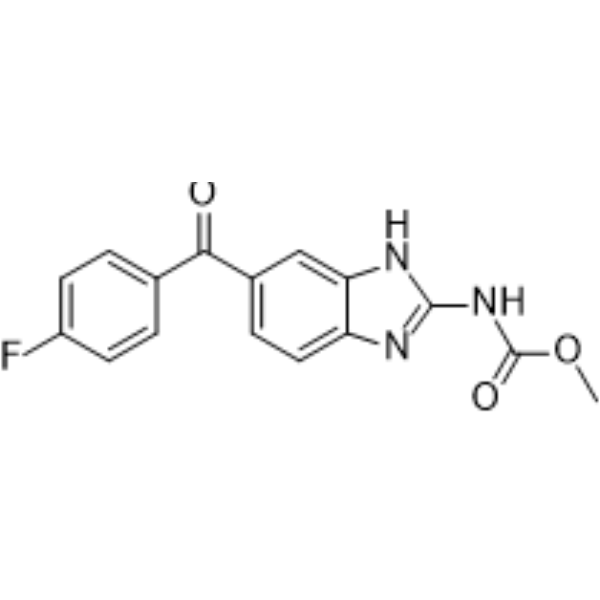
  • HY-B0294
    Flubendazole
    5+ Cited Publications

    Parasite Microtubule/Tubulin STAT MDM-2/p53 Apoptosis Autophagy Infection Cancer
    Flubendazole is an anthelmintic drug based on altering microtubule structure, inhibition of tubulin polymerization and disruption of microtubule function. Flubendazole induces apoptosis in human colorectal cancer (CRC) by blocking the STAT3 signaling axis and activation of autophagy. Flubendazole induces P53 expression and reduced Cyclin B1 and p-cdc2 expression. Flubendazole is an antitumor agent. Flubendazole can be used for worm and intestinal parasites [2].
    Flubendazole
  • HY-172085

    IFNAR DNA/RNA Synthesis c-Myc CDK Cancer
    SH514 is an orally active IRF4 inhibitor (IC50 = 2.63 μM). SH514 binds to the IRF4-DBD domain, thereby inhibiting the interaction of IRF4 protein with DNA (KD = 1.28 μM). SH514 can inhibit the proliferation of IRF4-high-expressing NCI-H929 and MM.1R cells, and displays no cytotoxicity for normal cells. SH514 significantly downregulates the expression of IRF4 downstream target genes concentration-dependently. SH514 inhibits the expression of cell cycle-related proteins CDC2, Cyclin B1, Cyclin D1, Cyclin E1, and CMYC in Multiple Myeloma cells. SH514 can induce DNA damage and increase the expression of γH2AX. SH514 effectively inhibits the proliferation of multiple myeloma tumors .
    SH514
  • HY-112296
    T025
    4 Publications Verification

    CDK Apoptosis DYRK Cancer
    T025 is an orally active and highly potent inhibitor of Cdc2-like kinase (CLKs), with Kd values of 4.8, 0.096, 6.5, 0.61, 0.074, 1.5 and 32 nM for CLK1, CLK2, CLK3, CLK4, DYRK1A, DYRK1B and DYRK2, respectively. T025 induces caspase-3/7-mediated cell apoptosis. T025 reduces CLK-dependent phosphorylation. T025 exerts anti-proliferative activities in both hematological and solid cancer cell lines (IC50 values: 30-300 nM). T025 has an anti-tumor efficiency, mainly for MYC-driven disease research .
    T025
  • HY-18299A
    Purvalanol A
    4 Publications Verification

    NG-60

    CDK Autophagy Apoptosis Cancer
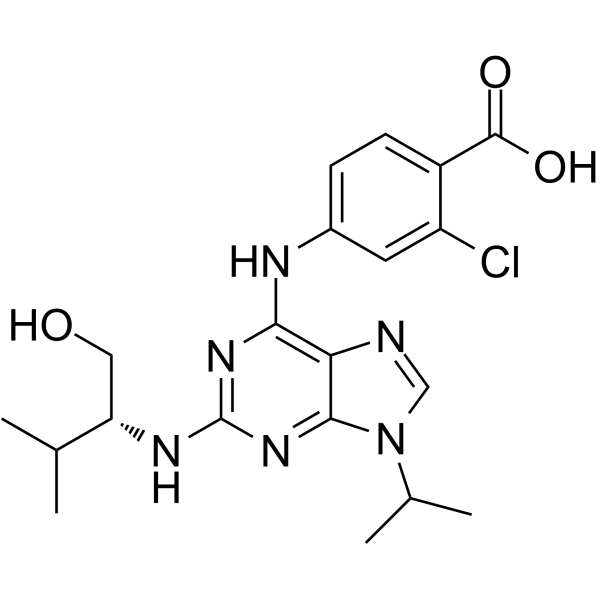
    Purvalanol A is a potent CDK inhibitor, which inhibits cdc2-cyclin B, cdk2-cyclin A, cdk2-cyclin E, cdk4-cyclin D1, and cdk5-p35 with IC50s of 4, 70, 35, 850, 75 nM, resepctively.
    Purvalanol A
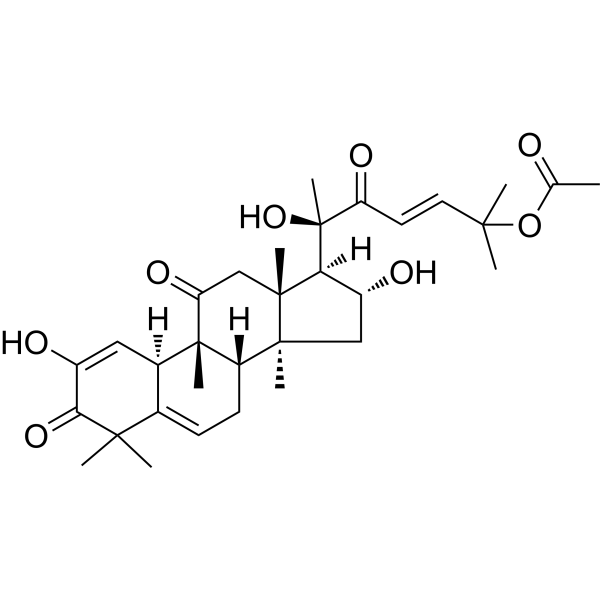
  • HY-N0417
    Cucurbitacin E
    5+ Cited Publications

    α-Elaterin; α-Elaterine

    CDK Autophagy PANoptosis Metabolic Disease Inflammation/Immunology Cancer
    Cucurbitacin E is a CDK1 inhibitor that significantly inhibits the activity of the cyclin B1/CDC2 complex. Cucurbitacin E also induces PANoptosis in adrenocortical carcinoma cells in a ZBP1-dependent manner. Cucurbitacin E exhibits synergistic effects with Mitotane (HY-13690); when used in combination, they effectively eliminate tumors [2] .
    Cucurbitacin E
  • HY-13076
    CHIR-98014
    5+ Cited Publications

    GSK-3 Metabolic Disease
    CHIR-98014 is a potent, cell-permeable GSK-3 inhibitor with IC50s of 0.65 and 0.58 nM for GSK-3α and GSK-3β, respectively; it shows less potent activities against cdc2 and erk2.
    CHIR-98014
  • HY-10447

    EM-1421

    Survivin COX TNF Receptor Apoptosis Infection Inflammation/Immunology Cancer
    Terameprocol is an inhibitor targeting the Sp1 transcription factor, which can selectively inhibit the transcription of Sp1-dependent genes. Terameprocol exerts its effects by inhibiting Sp1-mediated gene transcription, such as reducing the expression of genes like CDC2, survivin and HMGB1, thereby arresting the cell cycle, inducing apoptosis, and suppressing the inflammatory response. Terameprocol exhibits anti-proliferative, pro-apoptotic, and anti-inflammatory activities and is currently mainly used in the research of diseases such as cancer and pulmonary arterial hypertension[1][2][3].
    Terameprocol
  • HY-18299
    Purvalanol B
    2 Publications Verification

    NG 95

    CDK Parasite Infection Cancer
    Purvalanol B (NG 95) is a potent, selective, reversible and ATP-competitive inhibitor CDK, with IC50s of 6 nM, 6 nM, 9 nM, 6 nM for cdc2-cyclin B, CDK2-cyclin A, CDK2-cyclin E and CDK5-p35, respectively. Purvalanol B shows selectivity for CDK over a range of other protein kinases (IC50>1000 nM). Purvalanol B inhibits the growth a chloroquine-resistant strain of P. falciparum .
    Purvalanol B
  • HY-15951

    CID44968231; NCGC00188654

    CDK DYRK Cancer
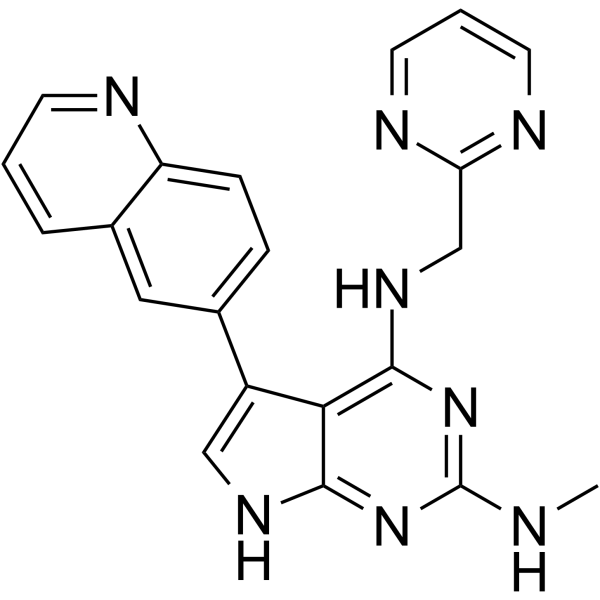
    ML167 is a highly selective Cdc2-like kinase 4 (Clk4) inhibitor with IC50 of 136 nM, >10-fold selectivity for closely related kinases Clk1, Clk2, Clk3 and Dyrk1A/1B .
    ML167
  • HY-108709
    CC-671
    1 Publications Verification

    CDK Cancer
    CC-671 is a dual TTK protein kinase/CDC2-like kinase (CLK2) inhibitor with IC50s of 0.005 and 0.006 μM for TTK and CLK2, respectively.
    CC-671
  • HY-W011428
    Olomoucine
    1 Publications Verification

    CDK Others Cancer
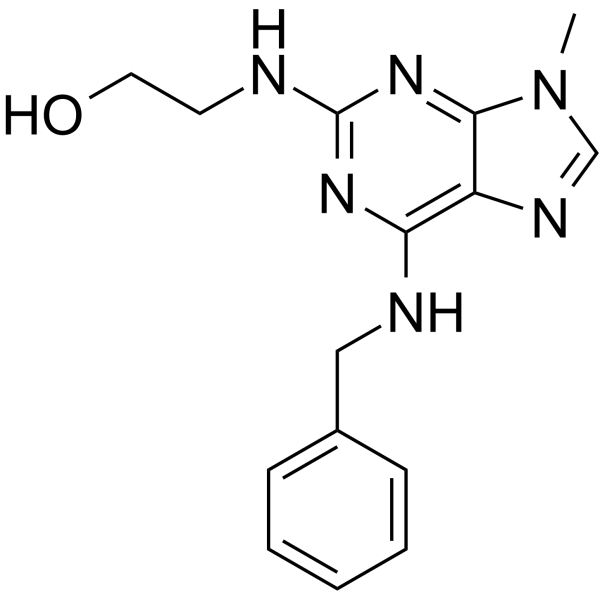
    Olomoucine is an ATP competitive inhibitor of CDKs. Olomoucine is a purine (HY-34431) derivative and inhibits CDC2/cyclin B, Cdk2/cyclin A, Cdk2/cyclin E (both IC50=7 μM), CDK/p35 kinase (IC50=3 μM) and ERK1/p44 MAP kinase (IC50=25 μM) [2]. Olomoucine regulates cell cycle and shows anti-melanin tumor activity .
    Olomoucine
  • HY-12828
    KH-CB19
    1 Publications Verification

    CDK Infection Neurological Disease
    KH-CB19 is a potent CLK (cdc2-like kinase) inhibitor (CLK1 IC50=19.7 nM; CLK3 IC50=530 nM). KH-CB19 shows antiviral activity and inhibits influenza virus replication (IC50=13.6?μM) [2].
    KH-CB19
  • HY-103647

    CDK VEGFR GSK-3 Cancer
    K00546 is a potent CDK1 and CDK2 inhibitor with IC50s of 0.6 nM and 0.5 nM for CDK1/cyclin B and CDK2/cyclin A, respectively. K00546 is also a potent CDC2-like kinase 1 (CLK1) and CLK3 inhibitor with IC50s of 8.9 nM and 29.2 nM, respectively [2] .
    K00546
  • HY-10182R

    CHIR-99021 (Standard); CT99021 (Standard)

    Organoid GSK-3 Autophagy Wnt β-catenin Reference Standards Cancer
    Laduviglusib (Standard) is the analytical standard of Laduviglusib. Laduviglusib (CHIR-99021) is a potent, selective and orally active GSK-3α/β inhibitor with IC50s of 10 nM and 6.7 nM. Laduviglusib shows >500-fold selectivity for GSK-3 over CDC2, ERK2 and other protein kinases. Laduviglusib is also a potent Wnt/β-catenin signaling pathway activator. Laduviglusib enhances mouse and human embryonic stem cells self-renewal. Laduviglusib induces autophagy [2] .
    Laduviglusib (Standard)
  • HY-111237

    Olomoucin

    CDK NF-κB PERK Bcl-2 Family Reactive Oxygen Species (ROS) Apoptosis Metabolic Disease Inflammation/Immunology Cancer
    Butyrolactone I is an orally active and ATP-competitive inhibitor of CDK1. Butyrolactone I inhibits NF-κB, cdc2 kinase, Bax, ROS production, modulates the PERK/CHOP. Butyrolactone I mitigates heat-stress-induced Apoptosis. Butyrolactone I shows anti-inflammatory and intestinal protective activity. Butyrolactone I has antitumor effects against non-small cell lung, small cell lung, prostate cancer and leukemia. Butyrolactone I can be used in NASH research [2] .
    Butyrolactone I
  • HY-103082
    CLK1-IN-1
    2 Publications Verification

    CDK Others
    CLK1-IN-1 is a potent and selective of Cdc2-like kinase 1 (CLK1) inhibitor, with an IC50 of 2 nM.
    CLK1-IN-1
  • HY-145817

    (Rac)-RP-6306

    Wee1 Cancer
    (Rac)-lunresertib (compound 181) is a potent membrane-associated tyrosine and threonine-specific cdc2-inhibitory kinase (Myt1) (Gene name PKMYT1) inhibitor with an IC50 of <10 nM. (Rac)-lunresertib (compound 181) has anticancer effects .
    (Rac)-lunresertib
  • HY-153708

    CAF-170

    CDK Cancer
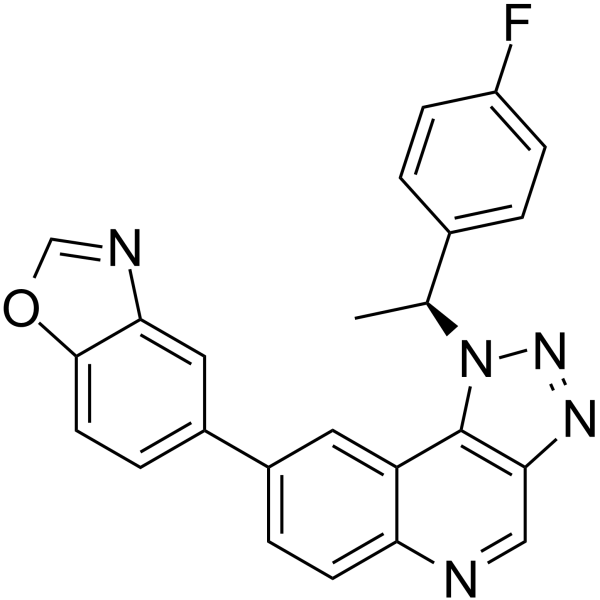
    SGC-CLK-1, a chemical probe, is a potent and selective inhibitor of Cdc2-like kinases CLK1, CLK2, and CLK4. SGC-CLK-1 can inhibit the growth of melanoma and glioblastoma cells .
    SGC-CLK-1
  • HY-N3000

    JNK IRE1 Akt mTOR YAP Reactive Oxygen Species (ROS) Autophagy Apoptosis Ferroptosis Fungal Infection Inflammation/Immunology Cancer
    6-Methoxydihydrosanguinarine is an alkaloid with activity across multiple cancer cell types. 6-Methoxydihydrosanguinarine activates IRE1/JNK signaling, blocks Akt/mTOR and PI3K/AKT/mTOR pathways, reduces expression of Cdc25C, CyclinB1, Cdc2, YAP/TAZ, Survivin, GPX4, and EGFR, upregulates IRE1 and DR5, and activates JNK and caspases. 6-Methoxydihydrosanguinarine induces apoptosis, G2/M phase arrest, DNA damage, ROS generation, lipid peroxidation, ferroptosis, autophagy, and suppresses cancer cell growth. 6-Methoxydihydrosanguinarine disruptes the biofilm formation of Candida albicans (C. albicans). 6-Methoxydihydrosanguinarine can be used for the research of non-small cell lung cancer, hepatocellular carcinoma, melanoma, colon carcinoma, ovarian cancer and breast cancer [2] .
    6-Methoxydihydrosanguinarine
  • HY-118798

    NSC663285

    Phosphatase Cancer
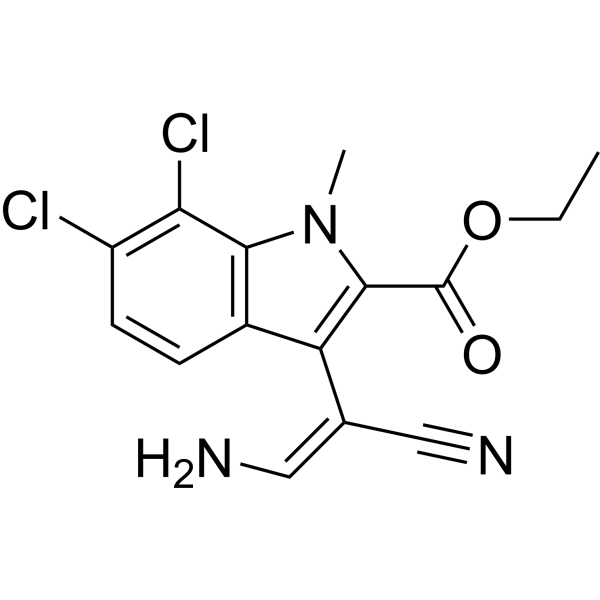
    DA 3003-2 is a potent and selectively Cdc25 inhibitor. DA 3003-2 shows antiproliferative activity. DA 3003-2 induces cell cycle arrest at the G2/M phase and increases the expression of P-tyr 15 Cdc2. DA 3003-2 has the potential for the research of prostate cancer .
    DA 3003-2
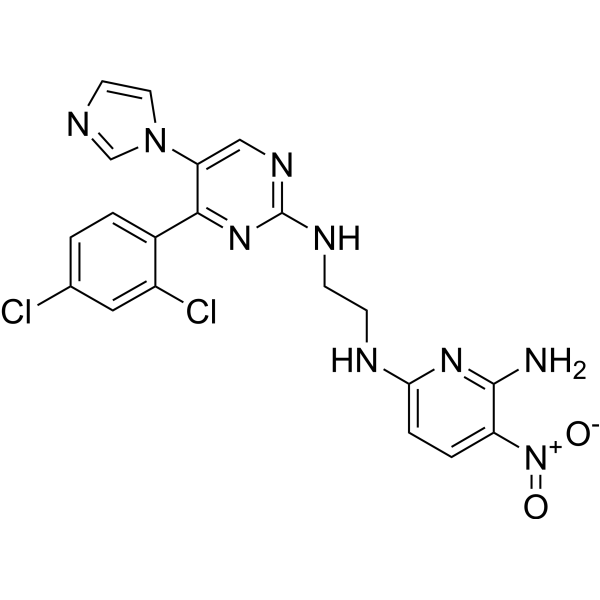
  • HY-131978

    CDK Cancer
    DB18 is a potent and selective inhibitor of CDC2-like kinases (CLKs), with IC50 values in the range of 10-30 nM for CLK1, CLK2 and CLK4. DB18 has anti-tumor activity .
    DB18
  • HY-145817B

    (R)-RP-6306

    Wee1 Cancer
    (R)-lunresertib is a membrane-associated tyrosine and threonine-specific cdc2-inhibitory kinase (Myt1) (Gene name PKMYT1) inhibitor, with IC50 of 1360 nM. (R)-lunresertib can be used in the study of Myt1-mediated cancers .
    (R)-lunresertib
  • HY-112622

    DDD-853651

    Parasite Cancer
    GSK3186899 (DDD-853651) is an inhibitor of cdc-2-related kinase 12 (CRK12), with an EC50 of 1.4 μM for L. donovani in an intra-macrophage assay.
    GSK3186899
  • HY-103257

    NSC656158

    Microtubule/Tubulin Cancer
    CHM-1, a microtubule-destabilizing agent, inhibits tubulin polymerization. CHM-1 is a potent and selective antimitotic antitumor activity against human hepatocellular carcinoma. CHM-1 induces growth inhibition and apoptosis via G2-M phase arrest in human hepatocellular carcinoma cells by activation of Cdc2 kinase activity [2] .
    CHM-1
  • HY-W747572

    (R)-(+)-Perillyl alcohol

    Ras Cancer
    (+)-Perillyl alcohol is the enantiomer of S-(-)-Perillyl alcohol (HY-116514). (+)-Perillyl alcohol can inhibit the growth of polypeptides and block the cell cycle in the G0/G1 phase. (+)-Perillyl alcohol induces cell signaling that is associated with changes in cytoskeletal actin organization and reduced protein expression of growth regulatory proteins such as Ras and CDC2 kinase .
    (+)-Perillyl alcohol
  • HY-10182C

    CHIR-99021 dihydrochloride; CT99021 dihydrochloride

    GSK-3 β-catenin Wnt Autophagy Organoid Neurological Disease Metabolic Disease Inflammation/Immunology Cancer
    Laduviglusib dihydrochloride (CHIR-99021 dihydrochloride; CT99021 dihydrochloride) is a potent, selective and orally active GSK-3α/β inhibitor with IC50s of 10 nM and 6.7 nM. Laduviglusib dihydrochloride shows >500-fold selectivity for GSK-3 over CDC2, ERK2 and other protein kinases. Laduviglusib dihydrochloride is also a potent Wnt/β-catenin signaling pathway activator. Laduviglusib dihydrochloride enhances mouse and human embryonic stem cells self-renewal. Laduviglusib dihydrochloride induces autophagy [2] .
    Laduviglusib dihydrochloride
  • HY-P5428

    CDK Others
    Cdc2 kinase substrate is a biological active peptide. (The native peptide HATPPKKKRK is a substrate for cyclin-dependent protein kinase 1 (CDC2; CDK1).)
    Cdc2 kinase substrate
  • HY-162398

    CDK Inflammation/Immunology
    LQ23 is a selective inhibitor for CDC2-like kinase 2 (CLK2) with an IC50 of 1.4 nM. LQ23 exhibits anti-inflammatory activity .
    LQ23
  • HY-RS02348

    Small Interfering RNA (siRNA) CDK Others

    CDK1 Human Pre-designed siRNA Set A contains three designed siRNAs for CDK1 gene (Human), as well as a negative control, a positive control, and a FAM-labeled negative control.

    CDK1 Human Pre-designed siRNA Set A
    CDK1 Human Pre-designed siRNA Set A
  • HY-145664

    Wee1 Cancer
    Myt1-IN-1 is a potent membrane-associated tyrosine and threonine-specific cdc2-inhibitory kinase (Myt1) (Gene name PKMYT1) inhibitor with an IC50 of <10 nM. Myt1-IN-1 has anticancer effects (WO2021195782A1; compound 132) .
    Myt1-IN-1
  • HY-146817

    Microtubule/Tubulin Apoptosis Cancer
    Tubulin polymerization-IN-11 is a potent tubulin polymerization inhibitor with an IC50 value of 3.4 μM. Tubulin polymerization-IN-11 shows antiproliferative activity. Tubulin polymerization-IN-11 induces Apoptosis and cell cycle arrest at G2/M phase. Tubulin polymerization-IN-11 decreases the expression of cyclin B1, p-cdc2, and Bcl-2 protein levels and increases the expression of cleaved PARP .
    Tubulin polymerization-IN-11
  • HY-B0294R

    Reference Standards Parasite Microtubule/Tubulin STAT MDM-2/p53 Apoptosis Autophagy Infection Cancer
    Flubendazole (Standard) is the analytical standard of Flubendazole. This product is intended for research and analytical applications. Flubendazole is an anthelmintic drug based on altering microtubule structure, inhibition of tubulin polymerization and disruption of microtubule function. Flubendazole induces apoptosis in human colorectal cancer (CRC) by blocking the STAT3 signaling axis and activation of autophagy. Flubendazole induces P53 expression and reduced Cyclin B1 and p-cdc2 expression. Flubendazole is an antitumor agent. Flubendazole can be used for worm and intestinal parasites [2].
    Flubendazole (Standard)
  • HY-162988

    Wee1 Cancer
    Myt1-IN-5 (compound 4) is a membrane-associated tyrosine and threonine-specific cdc2-inhibitory kinase (Myt1) (Gene name PKMYT1) inhibitor with an IC50 of less than 200 nM.
    Myt1-IN-5
  • HY-N0417R

    α-Elaterin (Standard); α-Elaterine (Standard)

    Reference Standards CDK Autophagy PANoptosis Cancer
    Cucurbitacin E (Standard) is the analytical standard of Cucurbitacin E. This product is intended for research and analytical applications. Cucurbitacin E is a natural compound which from Cucurbitaceae plants. Cucurbitacin E significantly suppresses the activity of the cyclin B1/CDC2 complex.
    Cucurbitacin E (Standard)
  • HY-145666

    Wee1 Cancer
    Myt1-IN-3 is a potent membrane-associated tyrosine and threonine-specific cdc2-inhibitory kinase (Myt1) (Gene name PKMYT1) inhibitor with an IC50s of <10 nM (WO2021195782 A1, compound 95) .
    Myt1-IN-3
  • HY-145665

    Wee1 Cancer
    Myt1-IN-2 is a potent membrane-associated tyrosine and threonine-specific cdc2-inhibitory kinase (Myt1) (Gene name PKMYT1) inhibitor with an IC50 of <10 nM. Myt1-IN-2 has anticancer effects (WO2021195782A1; compound 28) .
    Myt1-IN-2
  • HY-125201

    CDK Inflammation/Immunology
    Indazole 1 is a potent CDC2-like kinase 2 (CLK2) inhibitor (IC50=12.3 nM). Indazole 1 inhibits the phosphorylation of SR proteins (e.g., SRSF1, SRSF3) and modulates alternative splicing of Wnt signaling-related genes. Indazole 1 is promising for research of osteoarthritis .
    Indazole 1
  • HY-W011428R

    Reference Standards CDK Others Cancer
    Olomoucine is an ATP competitive inhibitor of CDKs. Olomoucine is a purine (HY-34431) derivative and inhibits CDC2/cyclin B, Cdk2/cyclin A, Cdk2/cyclin E (both IC50=7 μM), CDK/p35 kinase (IC50=3 μM) and ERK1/p44 MAP kinase (IC50=25 μM) [2]. Olomoucine regulates cell cycle and shows anti-melanin tumor activity .
    Olomoucine (Standard)
  • HY-168209

    Wnt CDK Apoptosis Cancer
    LBM22 is a CDC2-like kinase 2 (CLK2) inhibitor with the IC50 of 3.9 nM. LBM22 has antiproliferative activity and inhibits serine/arginine-rich (SR) protein phosphorylation. LBM22 down-regulates the expression of Wnt-related proteins and anti-apoptotic proteins and can be used for study of non-small cell lung cancer .
    LBM22
  • HY-N12625

    CDK DYRK GSK-3 Cancer
    (R)-(+)-O-Demethylbuchenavianine is an inhibitor for Cyclin-dependent kinases (CDK). (R)-(+)-O-Demethylbuchenavianine inhibits CDK1, CDK5, glycogen synthase kinase-3 (GSK3), cdc2-like kinase (CLK1) and dual specificity tyrosine-phosphorylation-regulated kinase 1A (DYRK1A), with IC50s of 1.1, 0.95, >10, >10 and >10 μM, respectively .
    (R)-(+)-O-Demethylbuchenavianine
  • HY-P3904

    Biochemical Assay Reagents Others
    P34cdc2 Kinase Substrate Peptide is a synthetic peptide substrates for P34 cdc2 kinase, with a Km of 74 μM for the purified human enzyme. P34cdc2 Kinase Substrate Peptide can be used in a rapid assay of P34 cdc2 phosphorylation in vitro. P34 cdc2, a protein serinehhreonine kinase, is a cell division cycle-regulated protein kinase .
    P34cdc2 Kinase Substrate Peptide
  • HY-100035

    ROCK ERK CDK Apoptosis Cancer
    PT-262 is a potent ROCK inhibitor with an IC50 value of around 5 μM. PT-262 induces the loss of mitochondrial membrane potential and elevates the caspase-3 activation and apoptosis. PT-262 inhibits the ERK and CDC2 phosphorylation via a p53-independent pathway. PT-262 blocks cytoskeleton function and cell migration. PT-262 has anti-cancer activity [2].
    PT-262
  • HY-10182AR

    CHIR-99021 monohydrochloride (Standard); CT99021 monohydrochloride (Standard)

    Organoid Reference Standards GSK-3 Wnt β-catenin Autophagy Cancer
    Laduviglusib (monohydrochloride) (Standard) is the analytical standard of Laduviglusib (monohydrochloride). This product is intended for research and analytical applications. Laduviglusib (CHIR-99021) monohydrochloride is a potent and selective GSK-3α/β inhibitor with IC50s of 10 nM and 6.7 nM. Laduviglusib monohydrochloride shows >500-fold selectivity for GSK-3 over CDC2, ERK2 and other protein kinases. Laduviglusib monohydrochloride is also a potent Wnt/β-catenin signaling pathway activator. Laduviglusib monohydrochloride enhances mouse and human embryonic stem cells self-renewal. Laduviglusib monohydrochloride induces autophagy [2] .
    Laduviglusib monohydrochloride (Standard)
  • HY-175261

    CDK Wee1 Checkpoint Kinase (Chk) Cancer
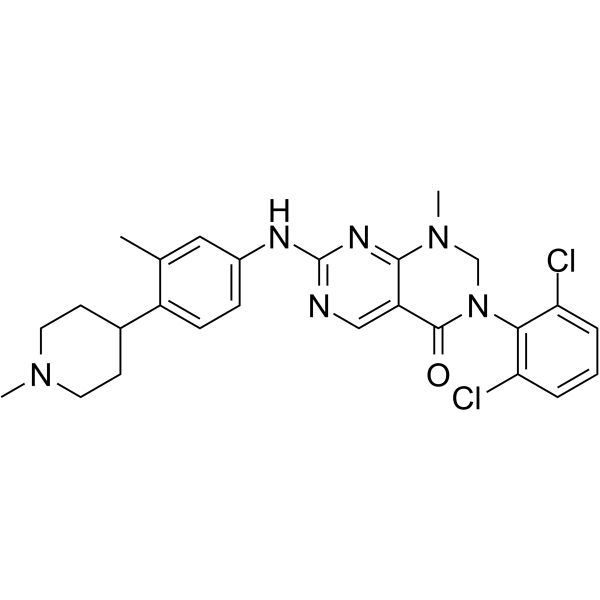
    DHI1 is an anti-leukemia agent with high selectivity for Jurkat (IC50 = 21.83 μM) and HL-60 (IC50 = 19.14 μM) leukemia cells and has low toxicity to non-cancerous cells. DHI1 can induce G2/M phase cell arrest in Jurkat and HL-60 leukemia cells, as well as S phase arrest in HL-60 cells, and has significant effects on cell cycle signaling molecules Wee1, cyclin B1, cdc2 on Tyr15, and Chk1. DHI1 inhibits the migration and invasion of Jurkat and HL-60 cells by disrupting cytoskeletal actin filaments. DHI1 can be used to study hematological malignancies .
    DHI1

Inquiry Online

Your information is safe with us. * Required Fields.

Salutation


Country or Region *

Applicant Name *


Organization Name *

Department *


Email Address *


Product Name *

Cat. No.


Requested quantity *

Phone Number *


Remarks

Inquiry Online

Inquiry Information

Product Name:
Cat. No.:
Quantity:
MCE Japan Authorized Agent:

