
1. Search Result
Search Result
Results for "

Chronic kidney disease

" in MedChemExpress (MCE) Product Catalog:

121

Inhibitors & Agonists

3

Screening Libraries

2

Biochemical Assay Reagents

9

Peptides

5

Inhibitory Antibodies

11

Natural
Products

10

Isotope-Labeled Compounds

2

Oligonucleotides

Cat. No. Product Name Target Research Areas Chemical Structure
  • HY-112879
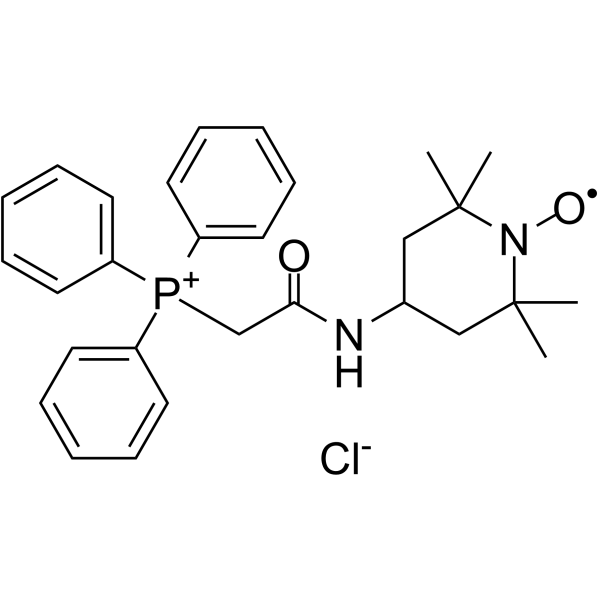
    Mito-TEMPO
    Maximum Cited Publications
    164 Publications Verification

    Calcium Channel PINK1/Parkin Mitochondrial Metabolism Apoptosis Autophagy NOD-like Receptor (NLR) Cardiovascular Disease Neurological Disease Metabolic Disease Inflammation/Immunology
    Mito-TEMPO is a mitochondria-targeted antioxidant. Mito-TEMPO induces mitophagy by activating the PINK1/Parkin pathway, inhibits NLRP3 inflammasome activation, restores mitochondrial membrane potential, and improves renal function and podocyte injury. Mito-TEMPO regulates Ca 2+ homeostasis, inhibits Bnip3 overexpression, shortens action potential duration, and exerts antiarrhythmic effects. Mito-TEMPO reverses premature senescence, reduces trabecular bone loss, and decreases cell apoptosis. Mito-TEMPO can be used in studies of chronic kidney disease, age-related cardiac dysfunction, postmenopausal osteoporosis, and ischemic stroke .
    Mito-TEMPO
  • HY-111372
    Finerenone
    5+ Cited Publications

    BAY 94-8862

    Mineralocorticoid Receptor Cardiovascular Disease Metabolic Disease
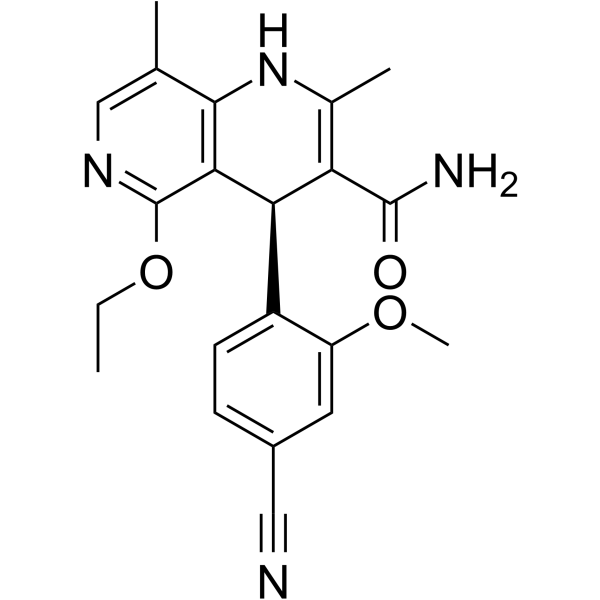
    Finerenone (BAY 94-8862) is a third-generation, selective, and orally active nonsteroidal mineralocorticoid receptor (MR) antagonist (IC50 = 18 nM). Finerenone displays excellent selectivity versus glucocorticoid receptor (GR), androgen receptor (AR), and progesterone receptor (> 500-fold). Finerenone has the potential for cardiorenal diseases research, such as type 2 diabetes mellitus and chronic kidney disease .
    Finerenone
  • HY-17608
    Daprodustat
    15+ Cited Publications

    GSK1278863

    HIF/HIF Prolyl-Hydroxylase Cardiovascular Disease
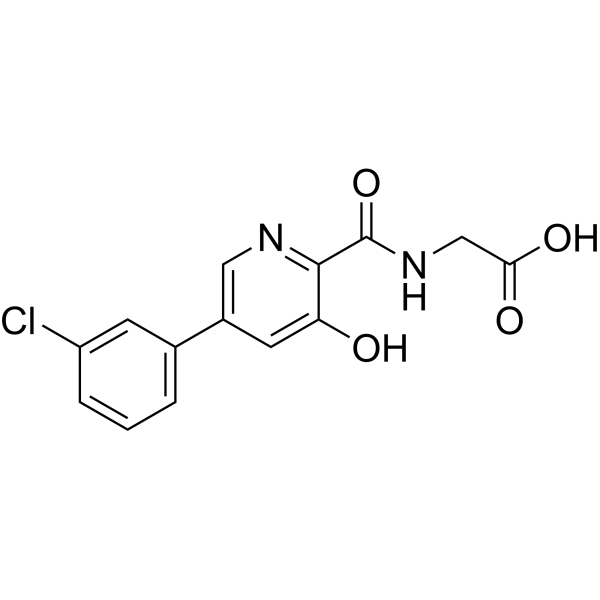
    Daprodustat (GSK1278863) is an orally active hypoxia-inducible factor prolyl hydroxylase (HIF-PH) inhibitor being developed for the treatment of anemia associated with chronic kidney disease.
    Daprodustat
  • HY-135772

    12-Ketolithocholic acid

    Endogenous Metabolite Metabolic Disease
    12-Ketodeoxycholic acid (12-Ketolithocholic acid) is a bile acid, metabolite from kidney. 12-Ketodeoxycholic acid can be a detectable marker for evidence of kidney injury
    12-Ketodeoxycholic acid
  • HY-N1428C
    Ferric citrate
    5 Publications Verification

    Iron(III) citrate; Zerenex

    Reactive Oxygen Species (ROS) Antibiotic Metabolic Disease
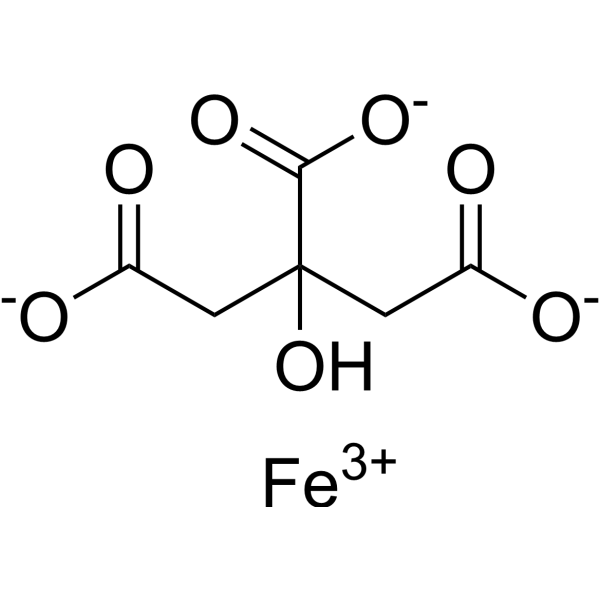
    Ferric citrate (Iron(III) citrate), an orally active iron supplement, is an efficacious phosphate binder. Ferric citratee can be used for iron deficiency anemia and chronic kidney disease (CKD) research .
    Ferric citrate
  • HY-B0130
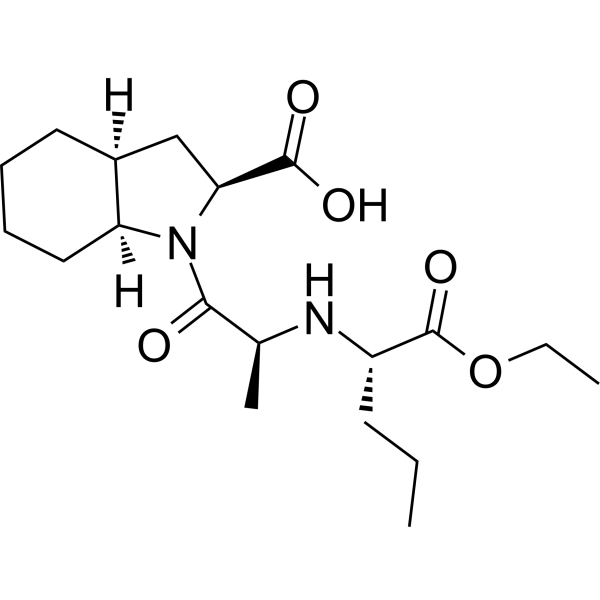
    Perindopril
    Maximum Cited Publications
    7 Publications Verification

    S-9490

    Angiotensin-converting Enzyme (ACE) NF-κB STAT Sirtuin Cardiovascular Disease Neurological Disease Cancer
    Perindopril erbumine is an angiotensin-converting enzyme inhibitor. Perindopril erbumine modulates NFκB and STAT3 signaling and inhibits glial activation and neuroinflammation. Perindopril erbumine can be used for the research of Chronic Kidney Disease and high blood pressure .
    Perindopril
  • HY-B0504S
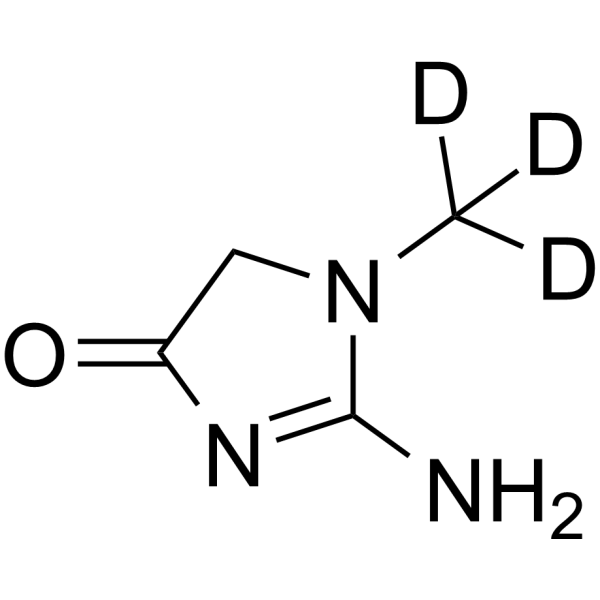
    Creatinine-d3
    5 Publications Verification

    NSC13123-d3

    Isotope-Labeled Compounds Endogenous Metabolite iGluR GABA Receptor Metabolic Disease Cancer
    Creatinine-d3 is a deuterium labeled Creatinine. Creatinine (NSC13123) is an orally active, blood-brain barrier-permeable modulator of GABAA and NMDA receptors, with activities of antioxidation and metabolic regulation. Creatinine is generated via non-enzymatic conversion of creatine and phosphocreatine in muscle. Creatinine serum levels correlate with muscle mass, glomerular filtration rate, and extrarenal clearance, serving as an evaluation biomarker for renal function, muscle mass, and clinical outcomes, and used for perioperative renal risk assessment. In addition, Creatinine can induce specific Cryptococcus species to produce creatinine deiminase and act as their nitrogen source, while it can be secreted via renal tubules. Creatinine is widely used in research related to various diseases such as neurodegenerative diseases, psychiatric disorders, acute kidney injury, chronic kidney disease, and renal failure .
    Creatinine-d3
  • HY-101277
    Vadadustat
    5+ Cited Publications

    PG-1016548; AKB-6548

    HIF/HIF Prolyl-Hydroxylase Cardiovascular Disease
    Vadadustat (PG-1016548) is a titratable, oral hypoxia-inducible factor prolyl hydroxylase (HIF-PH) inhibitor . Vadadustat is an erythropoiesis-stimulating agent and has the potential for anemia treatment in chronic kidney disease in vivo .
    Vadadustat
  • HY-B0504
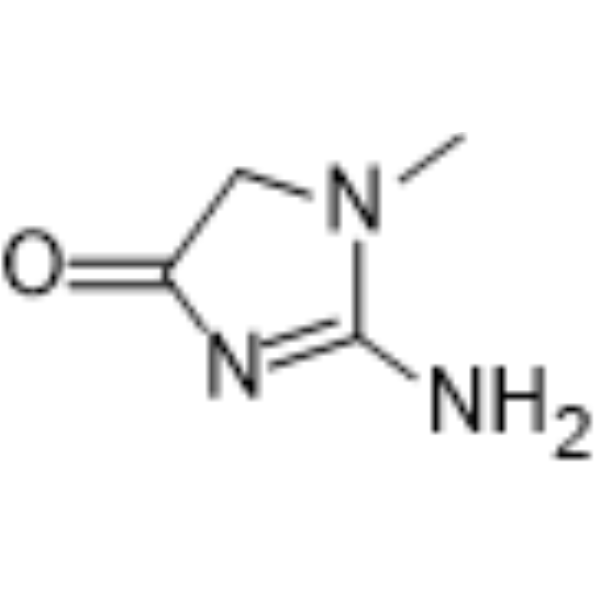
    Creatinine
    5+ Cited Publications

    NSC13123

    Endogenous Metabolite GABA Receptor iGluR Infection Neurological Disease Metabolic Disease Cancer
    Creatinine (NSC13123) is an orally active, blood-brain barrier-permeable modulator of GABAA and NMDA receptors, with activities of antioxidation and metabolic regulation. Creatinine is generated via non-enzymatic conversion of creatine and phosphocreatine in muscle. Creatinine serum levels correlate with muscle mass, glomerular filtration rate, and extrarenal clearance, serving as an evaluation biomarker for renal function, muscle mass, and clinical outcomes, and used for perioperative renal risk assessment. In addition, Creatinine can induce specific Cryptococcus species to produce creatinine deiminase and act as their nitrogen source, while it can be secreted via renal tubules. Creatinine is widely used in research related to various diseases such as neurodegenerative diseases, psychiatric disorders, acute kidney injury, chronic kidney disease, and renal failure .
    Creatinine
  • HY-17609
    Difelikefalin
    1 Publications Verification

    CR-845; FE-202845

    Opioid Receptor Neurological Disease Inflammation/Immunology
    Difelikefalin (CR-845) is a peripherally restricted and selective agonist of kappa opioid receptor (KOR). Difelikefalin produces anti-inflammatory effects and has the potential in modulating pruritus in conditions such as chronic kidney disease .
    Difelikefalin
  • HY-18627A
    PFI-2 hydrochloride
    10+ Cited Publications

    (R)-PFI-2 hydrochloride

    Histone Methyltransferase Infection Inflammation/Immunology Cancer
    PFI-2 ((R)-PFI-2 hydrochloride) hydrochloride is a potent and selective SET domain containing lysine methyltransferase 7 (SETD7) inhibitor. (R)-PFI-2 shows high inhibiting activity with IC50 value of 2.0  nM and (S)-PFI-2 shows inhibiting activity with IC50  value of 1.0  μM. PFI-2 hydrochloride can be used for the research of chronic kidney disease and inflammation response in the development of renal fibrosis .
    PFI-2 hydrochloride
  • HY-P1955A
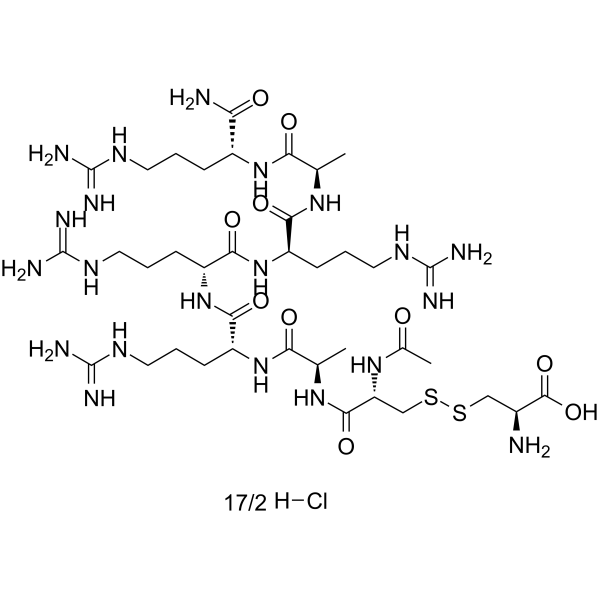
    Etelcalcetide hydrochloride
    2 Publications Verification

    Velcalcetide hydrochloride; AMG 416 hydrochloride; KAI-4169 hydrochloride

    CaSR Endocrinology
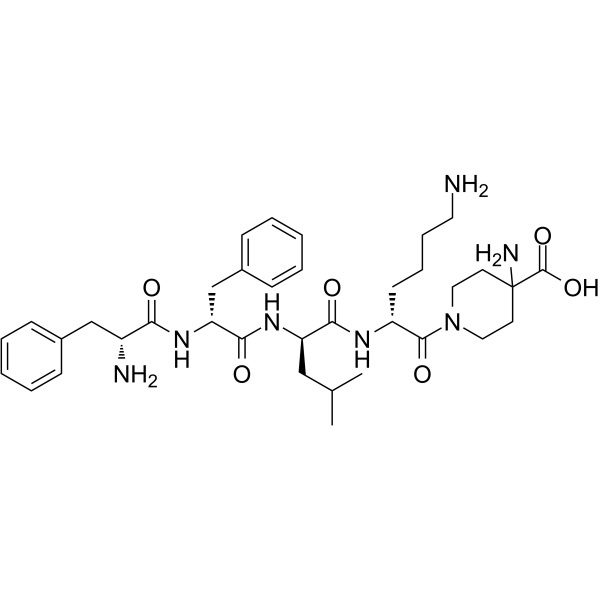
    Etelcalcetide hydrochloride (AMG 416 hydrochloride; KAI-4169 hydrochloride) is a synthetic calcimimetic as an activator of the calcium sensing receptor (CaSR). Etelcalcetide hydrochloride is effective in lowering parathyroid hormone (PTH) concentrations in patients receiving dialysis with secondary hyperparathyroidism receiving hemodialysis, which is promising for research in the field of secondary hyperparathyroidism and chronic kidney disease .
    Etelcalcetide hydrochloride
  • HY-126397
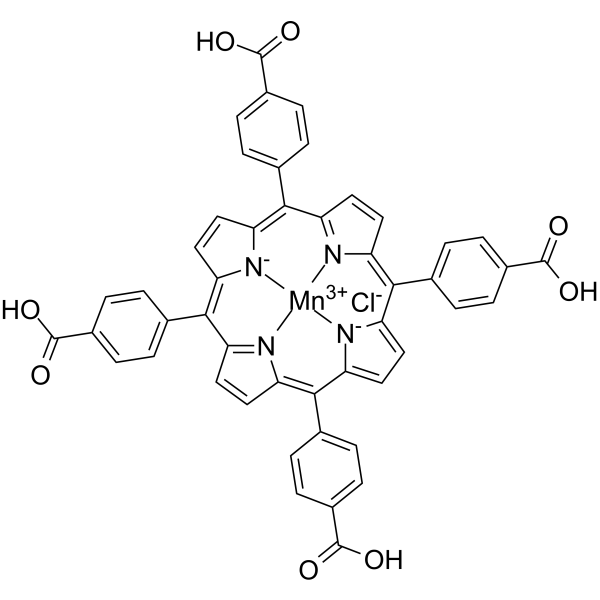
    MnTBAP chloride
    5+ Cited Publications

    NF-κB Inflammation/Immunology
    MnTBAP chloride is a superoxide dismutase (SOD) mimetic and peroxynitrite scavenger. MnTBAP chloride is a manganic porphyrin complex and has anti-oxidative property. MnTBAP chloride mediates anti-inflammatory effects through upregulation of BMPR-II and inhibition of the NFκB signaling. MnTBAP chloride has the potential for the fibrotic response in chronic kidney diseases (CKDs) research .
    MnTBAP chloride
  • HY-13995A
    Sevelamer (hydrochloride)
    1 Publications Verification

    FXR Metabolic Disease Endocrinology
    Sevelamer hydrochloride is an orally active polymeric phosphate binder and bile acid sequestrant. Sevelamer hydrochloride binds dietary phosphate in the gastrointestinal tract, reducing phosphate absorption and serum phosphorus levels, and reduces urinary phosphate excretion. Sevelamer hydrochloride binds polyanion bile acids, increases bile acid faecal excretion, and reduces total cholesterol and LDL cholesterol levels. Sevelamer hydrochloride can be used for the research of hyperphosphataemia, hyperparathyroidism, chronic renal failure, kidney disease, and type 2 diabetes .
    Sevelamer (hydrochloride)
  • HY-111372R

    BAY 94-8862 (Standard)

    Reference Standards Mineralocorticoid Receptor Cardiovascular Disease
    Finerenone (Standard) is the analytical standard of Finerenone. This product is intended for research and analytical applications. Finerenone (BAY 94-8862) is a third-generation, selective, and orally available nonsteroidal mineralocorticoid receptor (MR) antagonist (IC50=18 nM). Finerenone displays excellent selectivity versus glucocorticoid receptor (GR), androgen receptor (AR), and progesterone receptor (>500-fold). Finerenone has the potential for cardiorenal diseases research, such as type 2 diabetes mellitus and chronic kidney disease .
    Finerenone (Standard)
  • HY-171099

    LI-2124

    IPK Superfamily Cardiovascular Disease Endocrinology
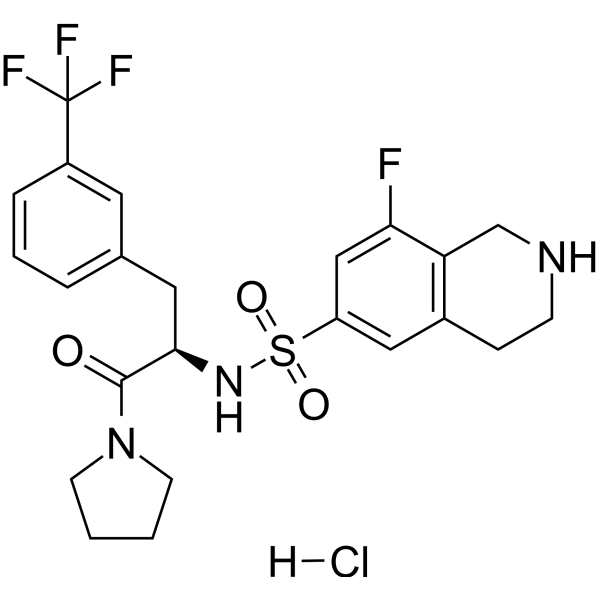
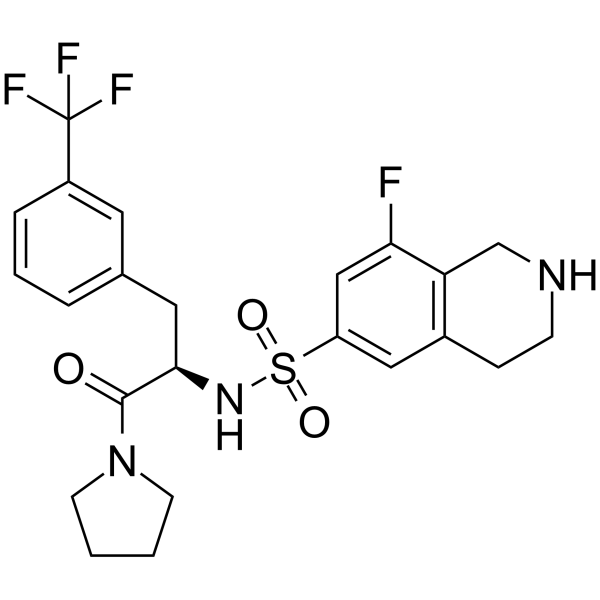
    SC-919 is an orally active IP6K inhibitor, with an IC50 of < 5.2 nM against IP6K1, < 3.8 nM against IP6K2, and 0.65 nM against IP6K3. By inhibiting the activity of IP6K, SC-919 reduces intracellular IP7 levels, thereby suppressing XPR1-mediated cellular phosphate efflux. SC-919 increases intracellular phosphate and ATP levels while reducing phosphate entry into the bloodstream, thus decreasing plasma phosphate levels. SC-919 can be used in research related to chronic kidney disease and hyperphosphatemia .
    SC-919
  • HY-13102

    Procollagen C Proteinase Others
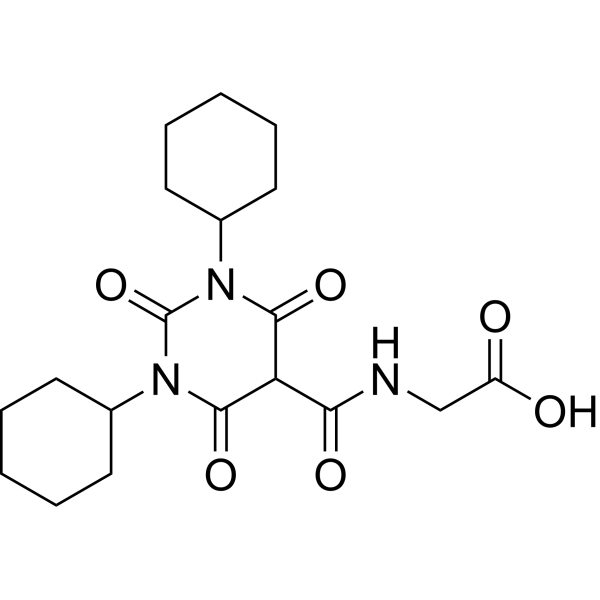
    UK-383367 is an orally available pro-collagen C-protease inhibitor (BMP-1) with an IC50 value of 44 nM. UK-383367 can reduce renal fibrosis and inflammation in chronic kidney disease (CKD) and may be used to study postoperative skin scarring .
    UK-383367
  • HY-B0504S2

    NSC13123-d5

    Isotope-Labeled Compounds Endogenous Metabolite iGluR GABA Receptor Metabolic Disease
    Creatinine-d5 is the deuterium labeled Creatinine. Creatinine (NSC13123) is an orally active, blood-brain barrier-permeable modulator of GABAA and NMDA receptors, with activities of antioxidation and metabolic regulation. Creatinine is generated via non-enzymatic conversion of creatine and phosphocreatine in muscle. Creatinine serum levels correlate with muscle mass, glomerular filtration rate, and extrarenal clearance, serving as an evaluation biomarker for renal function, muscle mass, and clinical outcomes, and used for perioperative renal risk assessment. In addition, Creatinine can induce specific Cryptococcus species to produce creatinine deiminase and act as their nitrogen source, while it can be secreted via renal tubules. Creatinine is widely used in research related to various diseases such as neurodegenerative diseases, psychiatric disorders, acute kidney injury, chronic kidney disease, and renal failure .
    Creatinine-d5
  • HY-112671

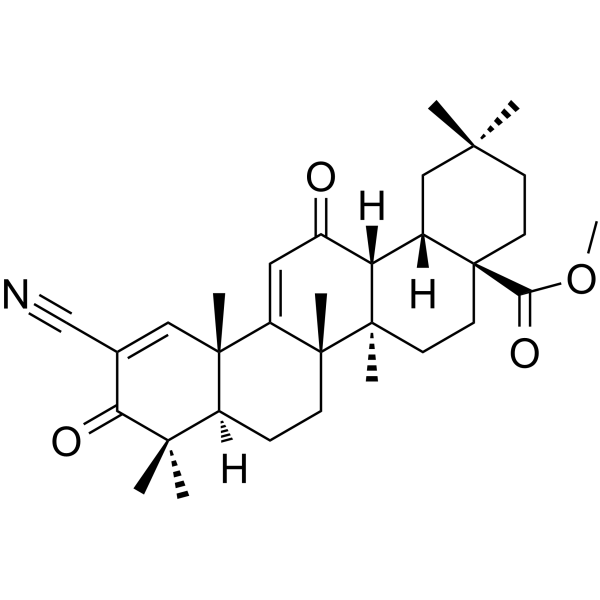
    RTA dh404

    Keap1-Nrf2 NF-κB Apoptosis Cardiovascular Disease Inflammation/Immunology
    CDDO-dhTFEA (RTA dh404) is a synthetic oleanane triterpenoid compound which potently activates Nrf2 and inhibits the pro-inflammatory transcription factor NF-κB . CDDO-dhTFEA restores hypertension (MAP), increases Nrf2 and expression of its target genes, attenuates activation of NF-κB and transforming growth factor-β pathways, and reduces glomerulosclerosis, interstitial fibrosis and inflammation in the chronic kidney disease (CKD) rats .
    CDDO-dhTFEA
  • HY-P99505

    COR-001; MEDI-5117; MEDI-5117; NN-6018; WBP-216

    Interleukin Related LDLR Inflammation/Immunology Endocrinology
    Ziltivekimab (COR-001) is a fully human monoclonal antibody and also an IL-6 inhibitor. Ziltivekimab significantly reduces inflammatory biomarkers and Lipoprotein (a) in chronic kidney disease patients with systemic inflammation. Ziltivekimab does not increase pro-atherosclerotic lipid levels. Ziltivekimab is used in studies related to atherosclerotic thrombotic diseases and chronic kidney disease .
    Ziltivekimab
  • HY-120274

    AZD9977

    Mineralocorticoid Receptor Cardiovascular Disease Metabolic Disease
    Balcinrenone (AZD9977) is a potent, selective, and orally active mineralocorticoid receptor (MR) modulator. Balcinrenone is used for heart failure, and chronic kidney disease research .
    Balcinrenone
  • HY-107929

    Poly(styrenesulfonic acid) calcium salt

    Potassium Channel Metabolic Disease
    Calcium polystyrene sulfonate (Poly(styrenesulfonic acid) calcium salt) is an orally active potassium-lowering agent. Calcium polystyrene sulfonate binds potassium in the distal colon in exchange for Ca 2+. Calcium polystyrene sulfonate can be used for the research of hyperkalemia in chronic kidney disease .
    Calcium polystyrene sulfonate
  • HY-B0130A
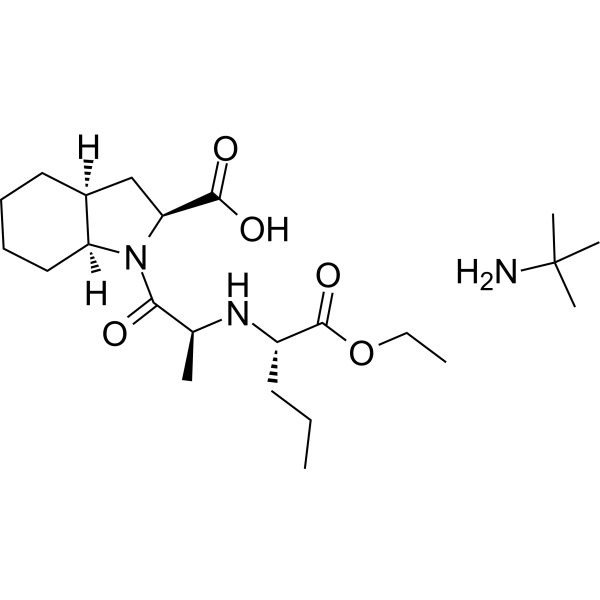
    Perindopril erbumine
    5+ Cited Publications

    Perindopril (tert-butylamine salt); S-9490 erbumine

    Sirtuin NF-κB STAT Angiotensin-converting Enzyme (ACE) Cardiovascular Disease Cancer
    Perindopril erbumine is an angiotensin-converting enzyme inhibitor. Perindopril erbumine modulates NF-κB and STAT3 signaling and inhibits glial activation and neuroinflammation. Perindopril erbumine can be used for the research of Chronic Kidney Disease and high blood pressure .
    Perindopril erbumine
  • HY-13995B
    Sevelamer carbonate
    1 Publications Verification

    FXR Metabolic Disease Endocrinology
    Sevelamer carbonate is an orally active polymeric phosphate binder and bile acid sequestrant. Sevelamer carbonate binds dietary phosphate in the gastrointestinal tract, reducing phosphate absorption and serum phosphorus levels, and reduces urinary phosphate excretion. Sevelamer carbonate binds polyanion bile acids, increases bile acid faecal excretion, and reduces total cholesterol and LDL cholesterol levels. Sevelamer carbonate can be used for the research of hyperphosphataemia, hyperparathyroidism, chronic renal failure, kidney disease, and type 2 diabetes .
    Sevelamer carbonate
  • HY-18627
    PFI-2
    10+ Cited Publications

    (R)-PFI-2

    Histone Methyltransferase Infection Inflammation/Immunology Cancer
    PFI-2 ((R)-PFI-2 hydrochloride) hydrochloride, a chemical probe, is a potent and selective SET domain containing lysine methyltransferase 7 (SETD7) inhibitor. (R)-PFI-2 shows high inhibiting activity with IC50 value of 2.0 nM and (S)-PFI-2 shows inhibiting activity with IC50 value of 1.0 μM. PFI-2 hydrochloride can be used for the research of chronic kidney disease and inflammation response in the development of renal fibrosis .
    PFI-2
  • HY-163689

    BI 690517

    Mineralocorticoid Receptor Cardiovascular Disease Metabolic Disease
    Vicadrostat (BI 690517) is an orally active aldosterone synthase (aldosterone synthase) inhibitor, with IC50 values of 19 nM, 16 nM, and 18 μM against human, cynomolgus monkey, and rat aldosterone synthase, respectively. Vicadrostat has an in vivo IC50 of 25 nM for aldosterone synthesis. Vicadrostat exhibits high selectivity for cortisol synthase; it reduces aldosterone production and decreases plasma aldosterone levels. Vicadrostat can be used in the research of chronic kidney disease, heart failure, and hypertension .
    Vicadrostat
  • HY-125944
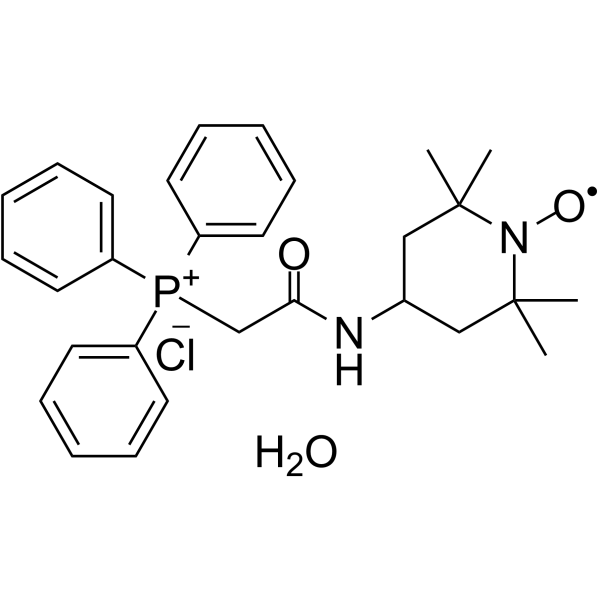
    MitoTEMPO hydrate
    Maximum Cited Publications
    164 Publications Verification

    Mitochondrial Metabolism PINK1/Parkin NOD-like Receptor (NLR) Autophagy Calcium Channel Apoptosis Cardiovascular Disease Neurological Disease Metabolic Disease Endocrinology
    MitoTEMPO hydrate is a mitochondria-targeted antioxidant . MitoTEMPO hydrate induces mitophagy by activating the PINK1/Parkin pathway, inhibits NLRP3 inflammasome activation, restores mitochondrial membrane potential, and improves renal function and podocyte injury. MitoTEMPO hydrate regulates Ca 2+ homeostasis, inhibits Bnip3 overexpression, shortens action potential duration, and exerts antiarrhythmic effects. MitoTEMPO hydrate reverses premature senescence, reduces trabecular bone loss, and decreases cell apoptosis. MitoTEMPO hydrate can be used in studies of chronic kidney disease, age-related cardiac dysfunction, postmenopausal osteoporosis, and ischemic stroke .
    MitoTEMPO hydrate
  • HY-N0249
    Saikosaponin C
    2 Publications Verification

    MMP Infection Inflammation/Immunology
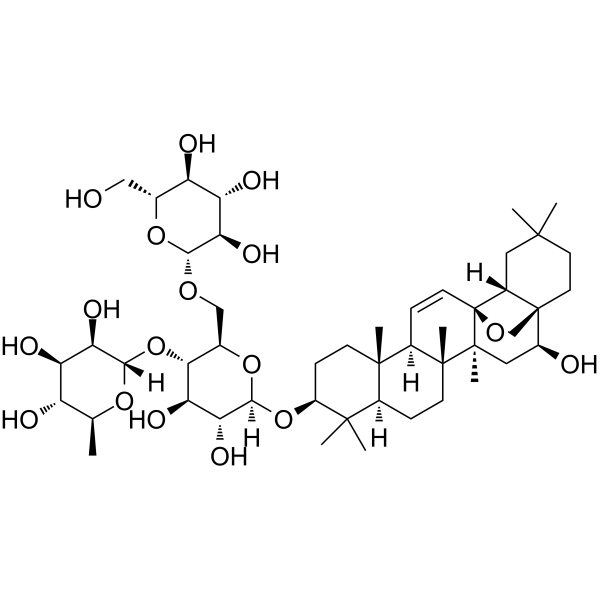
    Saikosaponin C is an orally active MMP-2 inducer. Saikosaponin C induces the survival, growth, migration and capillary tube formation of endothelial cells. Saikosaponin C inhibits the early stage of hepatitis C virus infection. Saikosaponin C can be used in research related to ischemic tissue diseases, chronic kidney diseases and hepatitis C virus infection .
    Saikosaponin C
  • HY-13569A

    TRK-100; ML 1129 sodium

    Prostaglandin Receptor Cardiovascular Disease Inflammation/Immunology
    Beraprost sodium (TRK-100), a prostacyclin analog, is a stable and orally active proagent of PGI2. Beraprost sodium (TRK-100) is a potent vasodilator, has the potential for pulmonary arterial hypertension treatment through expanding renal vessels, improving microcirculation . Beraprost sodium (TRK-100) is a click chemistry reagent, it contains an Alkyne group and can undergo copper-catalyzed azide-alkyne cycloaddition (CuAAc) with molecules containing Azide groups.
    Beraprost sodium
  • HY-119572

    Biochemical Assay Reagents Inflammation/Immunology
    Sodium zirconium cyclosilicate is an orally administered, non-absorbed, novel, inorganic microporous zirconium silicate compound, is a highly selective cation exchanger that selectively removes excess K + in vivo. Sodium zirconium cyclosilicate can be used in research of chronic kidney disease (CKD) .
    Sodium zirconium cyclosilicate
  • HY-P11178

    Apoptosis SARS-CoV Infection Metabolic Disease Inflammation/Immunology
    Corisin is a pro-apoptotic small peptide produced by Staphylococcus species. Corisin binds to serum albumin to target organs such as the lungs and kidneys, induces cellular senescence, apoptosis and epithelial-mesenchymal transition, and accelerates the progression of organ fibrosis including pulmonary fibrosis and diabetic renal fibrosis. Corisin levels are closely associated with coronavirus disease 2019 (COVID-19), diabetic chronic kidney disease (CKD), non-diabetic CKD, and idiopathic pulmonary fibrosis (IPF) .
    Corisin
  • HY-120897

    Bcl-2 Family Apoptosis Inflammation/Immunology
    NS-3-008 hydrochloride is an orally active transcriptional inhibitor of G0/G1 switch 2 (G0s2) with an IC50 of 2.25 μM. NS-3-008 hydrochloride can be used for chronic kidney disease .
    NS-3-008 hydrochloride
  • HY-P2921

    Uox, Microorganism

    Endogenous Metabolite Metabolic Disease Inflammation/Immunology
    Uricase, Microorganism (Uox, Microorganism) is a uricase (urate oxidase) derived from Microorganism. Uricase, Microorganism converts uric acid into allantoin. The absence of Uricase in mammals causes kidney diseases resulting from uric acid accumulation. Uricase, Microorganism can be used for research on chronic refractory gout and hyperuricemia .
    Uricase, Microorganism
  • HY-Y0262B

    Ethanedioic acid sodium,ACS, 99.5%

    Environmental Pollutants Biochemical Assay Reagents Mitochondrial Metabolism Metabolic Disease Cancer
    Sodium oxalate is an orally active dispersant and coordination agent. Sodium oxalate causes mitochondrial dysfunction. Sodium oxalate has catalytic enhancing activity. Sodium oxalate induces stable chronic kidney disease. Sodium oxalate induces highly malignant and undifferentiated breast tumors .
    Sodium oxalate,ACS,99.5%
  • HY-151123A

    AKCEA-APO(a)-LRx sodium; ISIS 681257 sodium; TQJ230 sodium

    Apolipoprotein DNA/RNA Synthesis Metabolic Disease
    Pelacarsen sodium (ISIS 681257 sodium) is a GalNAc3-conjugated 2′-MOE-modified antisense oligonucleotide. Pelacarsen sodium reduces apo (a) .
    Pelacarsen sodium
  • HY-B0504R

    NSC13123 (Standard)

    Reference Standards Endogenous Metabolite iGluR GABA Receptor Metabolic Disease Cancer
    Creatinine (Standard) is the analytical standard of Creatinine. This product is intended for research and analytical applications. Creatinine (NSC13123) is an orally active, blood-brain barrier-permeable modulator of GABAA and NMDA receptors, with activities of antioxidation and metabolic regulation. Creatinine is generated via non-enzymatic conversion of creatine and phosphocreatine in muscle. Creatinine serum levels correlate with muscle mass, glomerular filtration rate, and extrarenal clearance, serving as an evaluation biomarker for renal function, muscle mass, and clinical outcomes, and used for perioperative renal risk assessment. In addition, Creatinine can induce specific Cryptococcus species to produce creatinine deiminase and act as their nitrogen source, while it can be secreted via renal tubules. Creatinine is widely used in research related to various diseases such as neurodegenerative diseases, psychiatric disorders, acute kidney injury, chronic kidney disease, and renal failure .
    Creatinine (Standard)
  • HY-111547

    HIF/HIF Prolyl-Hydroxylase Cancer
    M1001 is a weak hypoxia-inducible factor-2α (HIF-2α) agonist. M1001 can bind to the HIF-2α PAS-B domain, with a Kd of 667 nM. M1001 can be used in chronic kidney disease research .
    M1001
  • HY-123572

    AG1717

    Dynamin HIV Integrase Infection Metabolic Disease Inflammation/Immunology
    Bis-T-23 (AG1717), tyrphostin derivative, is an HIV-I integrase inhibitor. Bis-T-23 can promote actin-dependent dynamin oligomerization. Bis-T-23 can be used for the research of HIV and chronic kidney diseases (CKD) .
    Bis-T-23
  • HY-112961

    JAK Interleukin Related STAT Metabolic Disease
    Patiromer is an orally active, selective and non-absorbable intestinal potassium (K +) polymer binder that reversibly binds potassium ions in exchange for calcium (Ca 2+). Patiromer can rapidly and continuously reduce serum potassium levels, maintain a normal blood potassium state, and reduce serum aldosterone levels. Patiromer also increases fecal potassium excretion. Patiromer is mainly used in the study of hyperkalemia associated with diseases such as chronic kidney disease, diabetes, and heart failure, and is particularly suitable for improving renin-angiotensin-aldosterone system inhibitor (RAASi) therapy .
    Patiromer
  • HY-B0504S1

    NSC13123-13C

    Isotope-Labeled Compounds Endogenous Metabolite iGluR GABA Receptor Metabolic Disease
    Creatinine- 13C is the 13C-labeled Creatinine. Creatinine (NSC13123) is an orally active, blood-brain barrier-permeable modulator of GABAA and NMDA receptors, with activities of antioxidation and metabolic regulation. Creatinine is generated via non-enzymatic conversion of creatine and phosphocreatine in muscle. Creatinine serum levels correlate with muscle mass, glomerular filtration rate, and extrarenal clearance, serving as an evaluation biomarker for renal function, muscle mass, and clinical outcomes, and used for perioperative renal risk assessment. In addition, Creatinine can induce specific Cryptococcus species to produce creatinine deiminase and act as their nitrogen source, while it can be secreted via renal tubules. Creatinine is widely used in research related to various diseases such as neurodegenerative diseases, psychiatric disorders, acute kidney injury, chronic kidney disease, and renal failure .
    Creatinine-13C
  • HY-P5314

    EGFR STAT Others
    OK2, a specific inhibitor of the CCN2/EGFR interaction, efficiently blocks CCN2/EGFR interaction through binding to the CT domain of CCN2. OK2 can be used for kidney fibrosis and chronic kidney disease research .
    OK2
  • HY-P2921C

    Uox (Recombinant)

    Endogenous Metabolite Metabolic Disease Inflammation/Immunology
    Uricase (Recombinant) (Uox (Recombinant)) is a uricase (urate oxidase). Uricase (Recombinant) converts uric acid into allantoin. The deficiency of Uricase in mammals causes kidney diseases resulting from uric acid accumulation. Uricase (Recombinant) can be used for research on chronic refractory gout and hyperuricemia .
    Uricase (Recombinant)
  • HY-151369

    RIP kinase Cardiovascular Disease Neurological Disease Metabolic Disease Inflammation/Immunology
    AV123 (compound 12) is a non-cytotoxic RIPK1 inhibitor (IC50=12.12 µM). AV123 blocks the TNF-α-induced necroptotic (EC50=1.7 μM) but not the apoptotic cell death. AV123 can be used in the study of necrotic chronic conditions such as ischemia-reperfusion injury of the brain, heart and kidney, inflammatory diseases, neurodegenerative diseases and infectious diseases .
    AV123
  • HY-120441

    GK115

    Phospholipase Prostaglandin Receptor Inflammation/Immunology
    CAY10590 (GK115) is an inhibitor of secreted phospholipase A2 (sPLA2) and can be used for the research of chronic inflammatory kidney diseases .
    CAY10590
  • HY-W416250

    Drug Metabolite Cardiovascular Disease
    p-Cresol glucuronide, a metabolite of p-cresol, is a prototype protein-bound uremic toxin. p-Cresol glucuronide is associated with chronic kidney disease (CKD) .
    p-Cresol glucuronide
  • HY-145150
    TRPC5-IN-1
    1 Publications Verification

    TRP Channel Metabolic Disease
    TRPC5-IN-1 (Compound 6j) is a selective TRPC5 inhibitor with 50.5 % Inhibition for TRPC5 at 3 μM. TRPC5-IN-1 can be used for the research of chronic kidney disease (CKD) .
    TRPC5-IN-1
  • HY-47030

    Environmental Pollutants Biochemical Assay Reagents Metabolic Disease
    Ferric citrate hydrate, an orally active iron supplement, is an efficacious phosphate binder. Ferric citrate hydrate can be used for iron deficiency anemia and chronic kidney disease (CKD) research .
    Ferric citrate hydrate
  • HY-141411A

    (S)-MRI-1867

    Cannabinoid Receptor NO Synthase Metabolic Disease
    Zevaquenabant ((S)-MRI-1867) is a peripherally restricted, orally bioavailable dual cannabinoid CB1 receptor and inducible NOS antagonist. Zevaquenabant ameliorates obesity-induced chronic kidney disease (CKD) .
    Zevaquenabant
  • HY-120268A

    SphK Inflammation/Immunology
    SLM6031434 hydrochloride is the hydrochloride salt form of SLM6031434 (HY-120268). SLM6031434 is a highly selective sphingosine kinase 2 (SphK2) inhibitor with an IC50 value of 0.4 μM for SphK2. SLM6031434 exerts anti-fibrotic effects by increasing sphingosine accumulation and Smad7 expression. SLM6031434 demonstrates effective anti-fibrotic efficacy in a unilateral ureteral obstruction (UUO)-induced tubulointerstitial fibrosis mouse model. SLM6031434 can be used for the study of proteinuric kidney diseases or chronic kidney disease (CKD) .
    SLM6031434 hydrochloride
  • HY-P2921D

    Uox, candida utilis

    Endogenous Metabolite Metabolic Disease Inflammation/Immunology
    Uricase, candida utilis (Uox, candida utilis) is a uricase (urate oxidase) derived from Candida utilis. Uricase, candida utilis converts uric acid into allantoin. The absence of Uricase in mammals causes kidney diseases resulting from uric acid accumulation. Uricase, candida utilis can be used for research on chronic refractory gout and hyperuricemia .
    Uricase, candida utilis

Inquiry Online

Your information is safe with us. * Required Fields.

Salutation


Country or Region *

Applicant Name *


Organization Name *

Department *


Email Address *


Product Name *

Cat. No.


Requested quantity *

Phone Number *


Remarks

Inquiry Online

Inquiry Information

Product Name:
Cat. No.:
Quantity:
MCE Japan Authorized Agent:

