1. Search Result
Search Result
Pathways Recommended: Stem Cell/Wnt Cell Cycle/DNA Damage
Results for "

Endothelial Cells

" in MedChemExpress (MCE) Product Catalog:

599

Inhibitors & Agonists

2

Screening Libraries

3

Fluorescent Dye

32

Biochemical Assay Reagents

99

Peptides

1

MCE Kits

33

Inhibitory Antibodies

127

Natural
Products

1

Recombinant Proteins

18

Isotope-Labeled Compounds

21

Oligonucleotides

1

GMP Molecules

Cat. No. Product Name Target Research Areas Chemical Structure
  • HY-113046
    5-Methyltetrahydrofolic acid
    5+ Cited Publications

    5-Methyl THF; 5-MTHF

    Endogenous Metabolite Cardiovascular Disease Metabolic Disease
    5-Methyltetrahydrofolic acid (5-Methyl THF) is the main circulating form of folic acid in the body and is involved in a variety of biochemical reactions. 5-Methyltetrahydrofolic acid regulates cardiovascular function by increasing the production of endothelin-1 (ET-1) in low-density lipoprotein-treated endothelial cells and can be used in the study of cardiovascular diseases .
    5-Methyltetrahydrofolic acid
  • HY-B0636
    Triamcinolone acetonide
    5+ Cited Publications

    Glucocorticoid Receptor FGFR Cardiovascular Disease Inflammation/Immunology Endocrinology Cancer
    Triamcinolone acetonide inhibits basic fibroblast growth factor (bFGF) induced proliferation of retinal endothelial cells. Triamcinolone acetonide reduces chondrocyte viability and leads to cartilage destruction. Triamcinolone acetonide activates macrophage with anti-inflammatory characteristics. Triamcinolone acetonide can be used in the study of diseases such as atopic dermatitis .
    Triamcinolone acetonide
  • HY-N0784
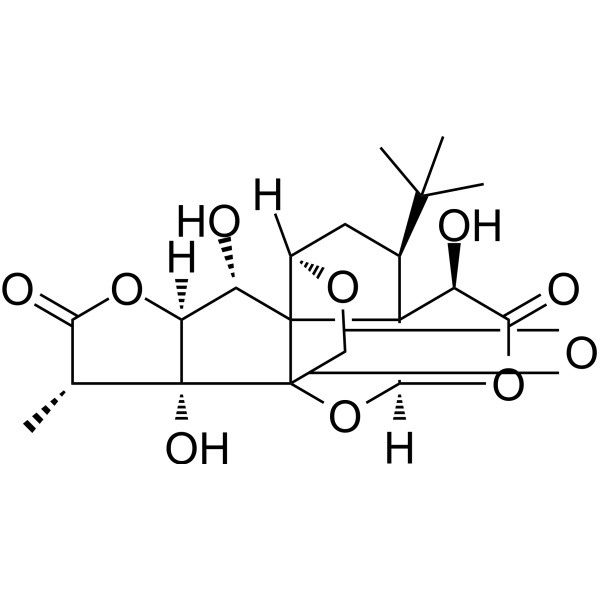
    Ginkgolide B
    10+ Cited Publications

    BN-52021

    Platelet-activating Factor Receptor (PAFR) Apoptosis Cardiovascular Disease Neurological Disease Inflammation/Immunology Cancer
    Ginkgolide B (BN-52021), a terpene lactone, is a potent platelet activating factor antagonist. Ginkgolide B protects endothelial cells via the activation of PXR from injuries induced by xeno- and endobiotics. Ginkgolide B can pass through the brain-blood barrier. Ginkgolide B has anti-oxidant, anti-inflammatory, anti-tumor, and anti-apoptotic activity. Ginkgolide B has marked neuroprotective effects against ischemia-induced impairments .
    Ginkgolide B
  • HY-W009749
    L-Cystathionine
    1 Publications Verification

    Endogenous Metabolite Apoptosis Cardiovascular Disease
    L-Cystathionine is a nonprotein thioether and is a key amino acid associated with the metabolic state of sulfur-containing amino acids. L-Cystathionine protects against Homocysteine-induced mitochondria-dependent apoptosis of vascular endothelial cells (HUVECs). L-Cystathionine plays an important role in cardiovascular protection .
    L-Cystathionine
  • HY-170230

    ECGS,Bovine

    Biochemical Assay Reagents Others
    Bovine Endothelial cell growth supplement, suitable for cell culture (ECGS, Bovine) is a culture medium supplement, endothelial cell growth supplement (ECGS), which promotes the proliferation of human saphenous vein endothelial cells (HSVEC) and human umbilical vein endothelial cells (HUVEC) .
    Bovine Endothelial cell growth supplement,suitable for cell culture
  • HY-P5423

    Exosomes Liposome Cancer
    GALA is a pH-responsive amphipathic peptide consisting of 30 amino acids, which acts as a lung endothelium-targeting ligand. GALA undergoes a conformational transition from random coil to α-helix in an acidic environment at pH 5.0, thereby inducing endosomal membrane destabilization and fusion. GALA-modified liposomes traverse lung endothelial cells via clathrin-dependent endocytosis and transcytosis, and specifically accumulate in the lungs after intravenous injection. GALA significantly promotes the cytosolic release of cargos carried by exosomes, plasmids and liposomes, effectively enhances gene transfection efficiency, and drives gene knockdown of functional macromolecules (such as siRNA) in alveolar epithelial cells (with no significant cytotoxicity at effective concentrations). GALA serves as a critical tool for studies on lung cancer metastasis (e.g., melanoma lung metastasis) and lung-targeted drug delivery systems .
    GALA
  • HY-16697
    CID 16020046
    2 Publications Verification

    GPR55 Cancer
    CID 16020046 is a potent and selective GPR55 antagonist and inhibits GPR55 constitutive activity with an IC50 of 0.15 μM. CID 16020046 inhibits GPR55-mediated Ca 2+ signaling and GPR55-mediated ERK1/2 phosphorylation. CID 16020046 reduces wound healing in endothelial cells and is involved in the regulation of platelet function .
    CID 16020046
  • HY-N0249
    Saikosaponin C
    2 Publications Verification

    MMP Infection Inflammation/Immunology
    Saikosaponin C is an orally active MMP-2 inducer. Saikosaponin C induces the survival, growth, migration and capillary tube formation of endothelial cells. Saikosaponin C inhibits the early stage of hepatitis C virus infection. Saikosaponin C can be used in research related to ischemic tissue diseases, chronic kidney diseases and hepatitis C virus infection .
    Saikosaponin C
  • HY-12246
    XEN445
    1 Publications Verification

    Lipase Cardiovascular Disease Metabolic Disease Cancer
    XEN445 is a potent, selective and orally active endothelial lipase (EL) inhibitor with an IC50 value of 0.237 μM. XEN445 selectively inhibits phospholipase enzymatic activity of LIPG. XEN445 raises plasma HDL and cholesterol levles. XEN445 induces G1 cell cycle arrest, reduces cell viability, suppresses cancer stem cell self-renewal, and inhibits tumor formation in LIPG-expressing triple-negative breast cancer cells, while showing no inhibitory effect on invasiveness or cancer stem cell stemness in these cells. XEN445 can be used for the research of cancer and metabolic disease, such as triple-negative breast cancer .
    XEN445
  • HY-N0859

    Schizanhenol; Gomisin-K3

    UGT Cholinesterase (ChE) Tau Protein SOD Sirtuin Neurological Disease Inflammation/Immunology Cancer
    Schisanhenol (Schizanhenol), a lignan, is an orally active antioxidant. Schisanhenol reduces AChE activity, increases SIRT1 and PGC-1α expression, and decreases phosphorylated Tau (Ser 396) levels. Schisanhenol increases SOD and glutathione peroxidase activity, decreases malondialdehyde (MDA) content, and inhibits UGT2B7 activitY. Schisanhenol attenuates ox-LDL-induced apoptosis, intracellular reactive oxygen species generation, and cytotoxicity in endothelial cells. Schisanhenol inhibits LDL oxidation, brain mitochondrial and membrane peroxidative damage, and brain mitochondrial swelling and disintegration. Schisanhenol can be used for the research of Alzheimer’s disease, atherosclerosis, brain ischemia, and age-related brain deterioration .
    Schisanhenol
  • HY-P1408
    Obtustatin
    4 Publications Verification

    Integrin VEGFR Cancer
    Obtustatin is a non-RGD disintegrin consisting of 41 residues. Obtustatin inhibits the adhesion of α1β1 integrin to type IV Collagen (HY-NP003), blocks α1β1 integrin signaling in endothelial cells, and suppresses FGF2-induced angiogenesis. Obtustatin inhibits tumor progression in mouse models and upregulates VEGF expression in sarcoma-bearing mice. Obtustatin can be used in research related to Lewis lung carcinoma and S-180 sarcoma .
    Obtustatin
  • HY-NP181
    Testosterone/BSA
    1 Publications Verification

    Biochemical Assay Reagents Others
    Testosterone/BSA, a conjugate of Testosterone (HY-113415) and bovine serum albumin (BSA), acts as a nuclear transporter and cytoplasmic accumulator. Testosterone/BSA can enter the nuclei of rat testicular spermatocytes, spermatids and rat liver endothelial cells, while the antigenicity of BSA remains intact. Testosterone/BSA accumulates in the cytoplasm of rat hepatocytes in granular form. Testosterone/BSA can be used to investigate the membrane-initiated or non-genomic activities of steroid hormones .
    Testosterone/BSA
  • HY-E70005K

    Proteasome Others
    Collagenase (Type A, animal free) is a proteolytic enzyme targeting collagen, capable of releasing corneal endothelial cells (CECs) without damaging cell junctions .
    Collagenase (Type A, animal free)
  • HY-P0132
    YIGSR
    1 Publications Verification

    Laminin Fragment 929-933

    NO Synthase Cancer
    YIGSR (Laminin Fragment 929-933) is a polypeptide that inhibits tumor growth and metastasis of leukemia cells. YIGSR specifically binds to the 67kDa laminin receptor and regulates the expression of eNOS in endothelial cells. YIGSR can be used in leukemia-related research .
    YIGSR
  • HY-B0862

    Environmental Pollutants Herbicide Apoptosis Bcl-2 Family Caspase SOD Mitochondrial Metabolism Others
    Pendimethalin is an orally active herbicide that controls annual grasses and certain broadleaf weeds. Pendimethalin induces Apoptotic cell death through activating ER stress-mediated mitochondrial dysfunction in human umbilical vein endothelial cells .
    Pendimethalin
  • HY-119443

    Phosphatase Metabolic Disease
    Neridronate is an aminobisphosphonate. Neridronate induces osteoblast differentiation, enhances alkaline phosphatase activity and mineralized nodule formation. Neridronate inhibits endothelial cell proliferation, fibroblast growth factor-2-induced capillary-like tube formation, and angiogenesis. Neridronate can be used for osteogenesis imperfecta and Paget’s disease of bone .
    Neridronate
  • HY-N0724
    Mesaconitine
    2 Publications Verification

    TNF Receptor Neurological Disease
    Mesaconitine is a nitric oxide synthase activator. Mesaconitine drives extracellular Na + and Ca 2+ influx into endothelial cells, increases intracellular Na + and Ca 2+ concentrations, and triggers nitric oxide release. Mesaconitine is applicable for pain-related research .
    Mesaconitine
  • HY-P5098

    Integrin Neurological Disease Cancer
    E (c (RGDfK)) 2 is a αvβ3 integrin ligand and tumor-targeting agent. E (c (RGDfK)) 2 binds to αvβ3 integrin, mediates receptor-mediated endocytosis of conjugated payloads, and inhibits integrin-dependent cell adhesion to fibrinogen. E (c (RGDfK)) 2 inhibits the proliferation of cancer cells and endothelial cells. E (c (RGDfK)) 2 preferentially accumulates in orthotopic mouse breast tumors and human ovarian cancer xenograft tumors. E (c (RGDfK)) 2 can be used in research related to glioblastoma, lung cancer, breast adenocarcinoma and ovarian cancer .
    E(c(RGDfK))2
  • HY-P1181A
    Pam2CSK4 TFA
    1 Publications Verification

    Toll-like Receptor (TLR) NO Synthase IKK Akt PKC NF-κB p38 MAPK Interleukin Related Cardiovascular Disease Infection Inflammation/Immunology Cancer
    Pam2CSK4 TFA is a TLR2 agonist. Pam2CSK4 TFA induces the expression of iNOS and NO in macrophage cell lines via TBK1 and MyD88 molecules. Pam2CSK4 TFA activates the NF-κB and Bruton's tyrosine kinase signaling pathways in platelets, and promotes platelet-endothelial cell interactions. TLR2 activation triggered by Pam2CSK4 TFA expands myeloid-derived suppressor cells (MDSCs) and suppresses anti-tumor immune responses in the tumor microenvironment. Pam2CSK4 TFA acts as a Th2-polarizing adjuvant in mouse vaccine models against Leishmania major and Brugia malayi. Pam2CSK4 TFA can be used in the research of various diseases, including thromboinflammatory diseases, sepsis, atherosclerosis, heart failure, influenza, lymphoma, melanoma, cutaneous leishmaniasis and lymphatic filariasis .
    Pam2CSK4 TFA
  • HY-B1076
    Medrysone
    1 Publications Verification

    HMS; 6α-Methyl-11β-hydroxyprogesterone

    VEGFR CCR STAT Neurological Disease
    Medrysone (HMS; 6α-Methyl-11β-hydroxyprogesterone) is a STAT6 modulator and M2 macrophage polarization inducer. Medrysone enhances IL-4-triggered STAT6 activation, upregulates the expression of M2 markers, and promotes the secretion of VEGF and CCL2. Medrysone also enhances the pro-migratory activity of M2-like macrophages toward endothelial cells. By regulating macrophage polarization and related repair pathways, Medrysone significantly promotes corneal wound repair in a rat mechanical injury model. Medrysone can be used for research related to corneal injury .
    Medrysone
  • HY-N3677

    OGT Akt mTOR GSK-3 Reactive Oxygen Species (ROS) Apoptosis PARP MDM-2/p53 Inflammation/Immunology Cancer
    Dammarenediol II is a ginsenoside precursor . Dammarenediol II reduces the activity of O-GlcNAc transferase (OGT) and downregulates the global O-GlcNAcylation level. Dammarenediol II inhibits the phosphorylation of Akt, mTOR and GSK3β. Dammarenediol II inhibits human carboxylesterase activity, VEGF-induced ROS production, stress fiber formation and vascular endothelial cadherin disruption. Dammarenediol II promotes cell apoptosis (apoptosis), increases the levels of cleaved PARP1 and p53, and inhibits retinal microvascular leakage. Dammarenediol II can be used in studies related to liver cancer and diabetic retinopathy .
    Dammarenediol II
  • HY-E70005M

    Proteasome Others
    Collagenase (Type C, animal free) is a proteolytic enzyme targeting collagen, capable of releasing corneal endothelial cells (CECs) without damaging cell junctions .
    Collagenase (Type C, animal free)
  • HY-125864C

    Biochemical Assay Reagents Cardiovascular Disease
    Porcine Fibrinogen is a coagulation protein, purified from porcine plasma with no plasminogen contained. Porcine Fibrinogen has excellent biocompatibility and does not induce aggregation of porcine platelets when in contact with porcine hepatocytes, aortic endothelial cells or hepatic sinusoidal endothelial cells. Porcine Fibrinogen is widely used in studies on the pathological mechanisms of cardiovascular diseases such as atherosclerosis and the development of related drugs .
    Porcine Fibrinogen
  • HY-158082B

    Tetramethyl rhodamine isothiocyanate glucan, MW 40000

    Fluorescent Dye Others
    TRITC-dextran (Tetramethyl rhodamine isothiocyanate glucan), MW 40000 is a TRITC (HY-D0791)-labeled neutral 40 kDa fluorescent polysaccharide probe. TRITC-dextran, MW 40000 forms a membrane layer on the surface of protocells composed of protamine/folate condensates, and is used to assess membrane fluidity via fluorescence recovery after photobleaching. TRITC-dextran, MW 40000 can also be used to evaluate the anti-bacterial invasion ability and colloidal stability of coated condensates, as well as analyze the permeability of vascular and lymphatic endothelial cell layers .
    TRITC-dextran, MW 40000
  • HY-B0708
    β-Estradiol 17-acetate
    1 Publications Verification

    1,3,5(10)-Estratriene-3,17β-diol 17-acetate

    Estrogen Receptor/ERR Endocrinology
    β-Estradiol 17-acetate (1,3,5(10)-Estratriene-3,17β-diol 17-acetate) is a long-acting endogenous estrogen precursor and also a cell viability and proliferation enhancer. β-Estradiol 17-acetate promotes the adhesion and proliferation of freshly isolated and revived female-derived human brain microvascular endothelial cells, and reverses the decreased viability of revived male-derived human brain microvascular endothelial cells. β-Estradiol 17-acetate exerts the microvascular protective effect of estrogen, enabling non-tumor human brain microvascular endothelial cells to be cultured in vitro for 2 months after cryopreservation. β-Estradiol 17-acetate is biotransformed into β-estradiol via hydrolase action in the in vitro skin of humans, hairless dogs, rats and hairless mice .
    β-Estradiol 17-acetate
  • HY-124314

    MAGL DAGL Metabolic Disease
    LEI-106 is a dual ABHD6 and DAGL-α inhibitor, with a Ki of 0.8 μM for ABHD6, and an IC50 of 18 nM and a Ki of 0.7 μM for DAGL-α. LEI-106 blocks the synthesis of 2-arachidonoylglycerol, reduces the level of endothelial cell-derived 2-arachidonoylglycerol, without altering the levels of cannabinoids and diacylglycerol. LEI-106 is applicable to research related to diet-induced obesity and metabolic syndrome .
    LEI-106
  • HY-P10580

    Tie PI3K Akt Cadherin Claudin Cardiovascular Disease Infection Inflammation/Immunology
    Vasculotide is a blood-brain barrier (BBB)-penetrant Tie2 agonist. Vasculotide binds to a unique domain of Tie2, induces receptor clustering to drive phosphorylation, activates downstream PI3K/Akt and eNOS pathways, enhances inter-endothelial cell junctions (such as VE-cadherin and claudin-5), and inhibits inflammatory adhesion molecules, ultimately stabilizing the vascular endothelial barrier and reducing its permeability . Vasculotide alleviates pulmonary microvascular leakage and microcirculatory dysfunction caused by cardiopulmonary bypass, acts as an adjuvant radioprotective agent to reduce acute radiation dermatitis, and promotes BBB recovery after focused ultrasound (FUS). Combination of Vasculotide with antibiotics reduces lung injury .
    Vasculotide
  • HY-P1181

    Toll-like Receptor (TLR) NO Synthase IKK Akt PKC NF-κB p38 MAPK Interleukin Related Cardiovascular Disease Infection Inflammation/Immunology Cancer
    Pam2CSK4 is a TLR2 agonist. Pam2CSK4 induces the expression of iNOS and NO in macrophage cell lines via TBK1 and MyD88 molecules. Pam2CSK4 activates the NF-κB and Bruton's tyrosine kinase signaling pathways in platelets, and promotes platelet-endothelial cell interactions. TLR2 activation triggered by Pam2CSK4 expands myeloid-derived suppressor cells (MDSCs) and suppresses anti-tumor immune responses in the tumor microenvironment. Pam2CSK4 acts as a Th2-polarizing adjuvant in mouse vaccine models against Leishmania major and Brugia malayi. Pam2CSK4 can be used in the research of various diseases, including thromboinflammatory diseases, sepsis, atherosclerosis, heart failure, influenza, lymphoma, melanoma, cutaneous leishmaniasis and lymphatic filariasis .
    Pam2CSK4
  • HY-W008956

    Microtubule/Tubulin DNA/RNA Synthesis Cardiovascular Disease Inflammation/Immunology
    Myoseverin is a microtubule-binding molecule and angiogenesis inhibitor. Myoseverin can induce the reversible fission of multinucleated myotubes into mononucleated fragments. In addition, Myoseverin exerts anti-angiogenic effects by inhibiting endothelial cell function and endothelial progenitor cell differentiation .
    Myoseverin
  • HY-P99215

    Anti-EGFL7; RG 7414

    VEGFR Cancer
    Parsatuzumab (Anti-EGFL7; RG 7414) is a humanized monoclonal antibody, acts as an immunomodulator and binds to EGFL7. Parsatuzumab selectively blocks the interaction between EGFL7 and endothelial cells, potentially inhibiting vascular regrowth and reducing vascular endothelial growth factor (VEGF) inhibition .
    Parsatuzumab
  • HY-P3695

    FGFR Cancer
    VSPPLTLGQLLS is a small peptide FGFR3 inhibitor, peptide P3, inhibits FGFR3 phosphorylation. VSPPLTLGQLLS inhibits 9-cisRA-induced tracheal lymphangiogenesis and blocks lymphatic endothelial cell (LEC) proliferation, migration, and tubule formation .
    VSPPLTLGQLLS
  • HY-176886

    Large Tumor Suppressor (LATS) YAP Others
    LATS-IN-2 is an efficiently acting LATS (large tumor suppressor kinase) inhibitor. LATS-IN-2 shows potent inhibitory activity against LATS1 with an IC50 value of 1.3 nM. LATS-IN-2 suppresses the phosphorylation of YAP by inhibiting LATS kinase activity. LATS-IN-2 increases the thickness of the epidermis in mice. LATS-IN-2 can be used for the study of ocular diseases such as limbal stem cell deficiency and corneal endothelial dysfunction .
    LATS-IN-2
  • HY-118824A

    (E/Z)-Moschamine

    Calcium Channel PDGFR ERK Cardiovascular Disease Inflammation/Immunology
    N-Feruloylserotonin ((E/Z)-Moschamine) is a serotonin hydroxycinnamic acid amide. It can be isolated from a variety of plants, particularly the seeds of safflower (Carthamus tinctorius L.). N-Feruloylserotonin inhibits KCl- and 5-HT-induced elevation of intracellular [Ca 2+]i. It suppresses PDGF-BB-induced phosphorylation of PDGFRβ and ERK1/2. N-Feruloylserotonin exerts anti-inflammatory effects on aortic endothelial cells. It inhibits atherosclerotic plaque formation in apolipoprotein E-deficient mice .
    N-Feruloylserotonin
  • HY-P990961

    IMM-2510; SYN-2510

    VEGFR PD-1/PD-L1 Cardiovascular Disease Inflammation/Immunology Cancer
    Palverafusp alfa (IMM-2510; SYN-2510) is a PD-L1/VEGF-targeting IgG1κ type humanized antibody. Palverafusp alfa blocks PD-1/PD-L1 binding, relieves immune suppression, mediates PD-L1-directed antibody-dependent cellular cytotoxicity (ADCC). Palverafusp alfa blocks VEGF/VEGFR binding, inhibits angiogenic signaling, relieves VEGF-induced immune suppression. Palverafusp alfa reduces endothelial cell proliferation, enhances ADCC and antibody-dependent cellular phagocytosis (ADCP), inhibits tumor growth, reverses T cell immune suppression. Palverafusp alfa exhibits immune stimulatory, antiangiogenic, and anti-tumor activity in the tumor microenvironment. Palverafusp alfa can be used for the research of cancer, such as solid tumors, non-small cell lung cancer .
    Palverafusp alfa
  • HY-122753

    MDM-2/p53 Cancer
    SLMP53-1 is a wild-type and mutant p53 reactivator with promising antitumor activity. SLMP53-1 mediates the reprograming of glucose metabolism in cancer cells. SLMP53-1 depletes angiogenesis, decreasing endothelial cell tube formation and vascular endothelial growth factor (VEGF) expression levels .
    SLMP53-1
  • HY-P10586A

    MALP-2 TFA

    Toll-like Receptor (TLR) NO Synthase Cardiovascular Disease Metabolic Disease
    Macrophage-activating lipopeptide 2 TFA is an agonist of Toll like receptors TLR-2/TLR-6. Macrophage-activating lipopeptide-2 enhances endothelial nitric oxide synthase (eNOS) phosphorylation and endothelial cell release of NO, thereby improving vasodilation. Macrophage-activating lipopeptide-2 enhances endothelial adhesion of white blood cells and improve perfusion recovery and collateral growth in the hind limbs of hypercholesterolemic Apoe deficient mice undergoing experimental femoral artery ligation (FAL) .
    Macrophage-activating lipopeptide 2 TFA
  • HY-P4641

    Trp-Phe

    Angiotensin-converting Enzyme (ACE) Endothelin Receptor Cardiovascular Disease
    H-Trp-Phe-OH (Trp-Phe) is an ACE inhibitor and endothelial function regulator, with an ACE IC50 of 0.318 mg/mL. H-Trp-Phe-OH increases nitric oxide concentration, reduces endothelin-1 (ET-1) levels, and reverses norepinephrine-mediated endothelial cell dysfunction. H-Trp-Phe-OH exhibits antihypertensive activity. H-Trp-Phe-OH can be used in studies related to hypertension and atherosclerosis .
    H-Trp-Phe-OH
  • HY-P10831

    VEGFR Cardiovascular Disease Cancer
    GNQWFI, an anti-Flt1 peptide, is a VEGFR1-specific antagonist. GNQWFI blocks the interaction of VEGFR1 with various VEGFR1 ligands, such as VEGFA, VEGFB, and placental growth factor (PIGF) and inhibits VEGF-induced endothelial cell migration and tube formation. GNQWFI is promising for research of cancer, asthma, and other ocular diseases .
    GNQWFI
  • HY-P990832

    MHC Inflammation/Immunology
    Anti-MHC Class I Antibody (W6/32) is a kind of mouse IgG2a κ chimeric antibody inhibitor, targeting to human MHC Class I. Anti-MHC Class I Antibody (W6/32) reacts with the human major histocompatibility complex (MHC) class I, HLA-A, B, and C. Anti-MHC Class I Antibody (W6/32) increases adherence of monocytes to human endothelial cells. Anti-MHC Class I Antibody (W6/32) can be used for the research of immunology .
    Anti-MHC Class I Antibody (W6/32)
  • HY-P10323

    Tumstatin (74-98), human

    Integrin FAK mTOR Apoptosis Cancer
    T7 Peptide is a protein synthesis inhibitor and anti-angiogenic agent, with a Kd of 10 nM for human transferrin receptor. T7 Peptide inhibits the phosphorylation of focal adhesion kinase, the activation of phosphatidylinositol 3-kinase and Akt, the kinase activity of mTOR, as well as the phosphorylation of 4E-BP1 in endothelial cells. T7 Peptide induces G0/G1 cell cycle arrest, apoptosis and protective autophagy in hepatocellular carcinoma cells, and suppresses tumor growth in mouse models. T7 Peptide is applicable to research related to cancer, glioblastoma, hepatocellular carcinoma and glioma .
    T7 Peptide
  • HY-W440983

    PC(18:0/22:6); DHA-PC; 1-Stearoyl-2-docosahexaenoyl-sn-glyerco-3-phosphocholine

    PPAR Cardiovascular Disease Cancer
    SDPC (DHA-PC) is a new generation of omega-3 lipids, which contains an ester bond linking DHA at the sn-2 position of phospholipid. 1-Stearoyl-2-docosahexaenoyl-sn-glyerco-3-phosphocholine exerts anti-angiogenesis effect through activating PPARγ. 1-Stearoyl-2-docosahexaenoyl-sn-glyerco-3-phosphocholine significantly declines the proliferation, migration, tube formation of human umbilical vein endothelial cells. 1-Stearoyl-2-docosahexaenoyl-sn-glyerco-3-phosphocholine has the potential for anti-tumor angiogenesis research .
    SDPC
  • HY-W023144

    Tris(1-chloropropan-2-yl) phosphate

    Environmental Pollutants Apoptosis DNA/RNA Synthesis Reactive Oxygen Species (ROS) Mitochondrial Metabolism Biochemical Assay Reagents Cardiovascular Disease
    Tris (1-chloro-2-propyl) phosphate (Tris (1-chloropropan-2-yl) phosphate) is a chlorinated organophosphate flame retardant. Tris (1-chloro-2-propyl) phosphate induces DNA damage, elevates intracellular ROS levels, and triggers oxidative stress. Tris (1-chloro-2-propyl) phosphate disrupts mitochondrial membrane potential, leading to mitochondrial dysfunction. Tris (1-chloro-2-propyl) phosphate can trigger cell Apoptosis. Tris (1-chloro-2-propyl) phosphate reduces the survival rate of umbilical vein endothelial cells at relatively high concentrations .
    Tris(1-chloro-2-propyl) phosphate
  • HY-118622

    Others Others
    Isogentisin is a cell protector. Isogentisin can shield human umbilical vein endothelial cells (HUVEC) from cell death caused by H202 and UV exposure. Isogentisin can also prevent endothelial damage triggered by smoking by activating cell repair functions to promote cell survival .
    Isogentisin
  • HY-103653

    MetAP Cardiovascular Disease Cancer
    CKD-731 is a Fumagillin (HY-B0751) analogue. CKD-731 inhibits the proliferation of calf pulmonary artery endothelial cells (CPAE), lymphoma EL-4 cells and murine leukemia P388D1 cells. CKD-731 exerts the effect of inhibiting MetAP-2 activity and blocking angiogenesis. CKD-731 can be used for the research of anti-angiogenesis-related cancer .
    CKD-731
  • HY-P991423

    21H3RK

    Notch Cancer
    MEDI0639 (21H3RK) is a human monoclonal antibody (mAb) targeting DLL4. MEDI0639 inhibits Notch1 binding to Dll4. MEDI0639 reverses Notch1-mediated growth inhibition of human umbilical vein endothelial cells in vitro. MEDI0639 promotes human angiogenesis and reduces the number of vessels covered by smooth muscle actin-positive mural cells. MEDI0639 can be used in Small cell lung cancer and solid tumors research .
    MEDI0639
  • HY-P0316

    Thrombin NO Synthase Cardiovascular Disease
    TP508 is a 23-amino acid nonproteolytic thrombin peptide that represents a portion of the receptor-binding domain of thrombin molecule. TP508 activates endothelial NO synthase (eNOS) and stimulates production of NO in human endothelial cells. TP508 activates endothelial cells and stem cells to revascularize and regenerate tissues .
    TP508
  • HY-21290
    SU-4942
    1 Publications Verification

    Tyrosinase Cancer
    SU-4942 is a tyrosine kinase signal signal modulator. SU-4942 inhibits VEGF- and endothelial cell growth factor (ECGF)-induced mitogenesis in endothelial cells (US5792783A) .
    SU-4942
  • HY-N0784R

    BN-52021 (Standard)

    Reference Standards Platelet-activating Factor Receptor (PAFR) Apoptosis Cardiovascular Disease Neurological Disease Inflammation/Immunology Cancer
    Ginkgolide B (Standard) is the analytical standard of Ginkgolide B. This product is intended for research and analytical applications. Ginkgolide B (BN-52021), a terpene lactone, is a potent platelet activating factor antagonist. Ginkgolide B protects endothelial cells via the activation of PXR from injuries induced by xeno- and endobiotics. Ginkgolide B can pass through the brain-blood barrier. Ginkgolide B has anti-oxidant, anti-inflammatory, anti-tumor, and anti-apoptotic activity. Ginkgolide B has marked neuroprotective effects against ischemia-induced impairments .
    Ginkgolide B (Standard)
  • HY-E70005O

    Proteasome Others
    Collagenase (Type A, filtered, animal free) is a proteolytic enzyme targeting collagen, capable of releasing corneal endothelial cells (CECs) without damaging cell junctions .
    Collagenase (Type A, filtered, animal free)
  • HY-P10586

    MALP-2

    Toll-like Receptor (TLR) NO Synthase Cardiovascular Disease
    Macrophage-activating lipopeptide 2 (MALP-2) is an agonist of Toll like receptors TLR-2/TLR-6. Macrophage-activating lipopeptide-2 can enhance endothelial nitric oxide synthase (eNOS) phosphorylation and endothelial cell release of NO, thereby improving vasodilation. Macrophage-activating lipopeptide-2 can enhance endothelial adhesion of white blood cells and improve perfusion recovery and collateral growth in the hind limbs of hypercholesterolemic Apoe deficient mice undergoing experimental femoral artery ligation (FAL) .
    Macrophage-activating lipopeptide 2

Inquiry Online

Your information is safe with us. * Required Fields.

Salutation


Country or Region *

Applicant Name *


Organization Name *

Department *


Email Address *


Product Name *

Cat. No.


Requested quantity *

Phone Number *


Remarks

Inquiry Online

Inquiry Information

Product Name:
Cat. No.:
Quantity:
MCE Japan Authorized Agent:

