
1. Search Result
Search Result
Pathways Recommended: Anti-infection
Results for "

HCV infection

" in MedChemExpress (MCE) Product Catalog:

88

Inhibitors & Agonists

2

Screening Libraries

1

Biochemical Assay Reagents

5

Peptides

3

Inhibitory Antibodies

8

Natural
Products

1

Isotope-Labeled Compounds

5

Oligonucleotides

Targets Recommended:
Cat. No. Product Name Target Research Areas Chemical Structure
  • HY-N6798
    Myriocin
    Maximum Cited Publications
    11 Publications Verification

    Thermozymocidin; ISP-I

    HCV Antibiotic Infection
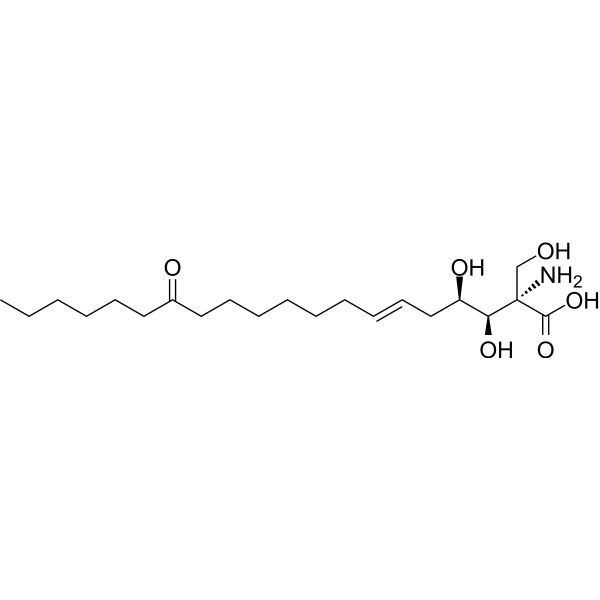
    Myriocin (Thermozymocidin), a fungal metabolite could be isolated from Myriococcum albomyces, Isaria sinclairi and Mycelia sterilia, is a potent inhibitor of serine-palmitoyl-transferase (SPT) and a key enzyme in de novo synthesis of sphingolipids. Myriocin suppresses replication of both the subgenomic HCV-1b replicon and the JFH-1 strain of genotype 2a infectious HCV, with an IC50 of 3.5 μg/mL for inhibiting HCV infection .
    Myriocin
  • HY-19840

    GS-9857

    HCV Protease Infection Cancer
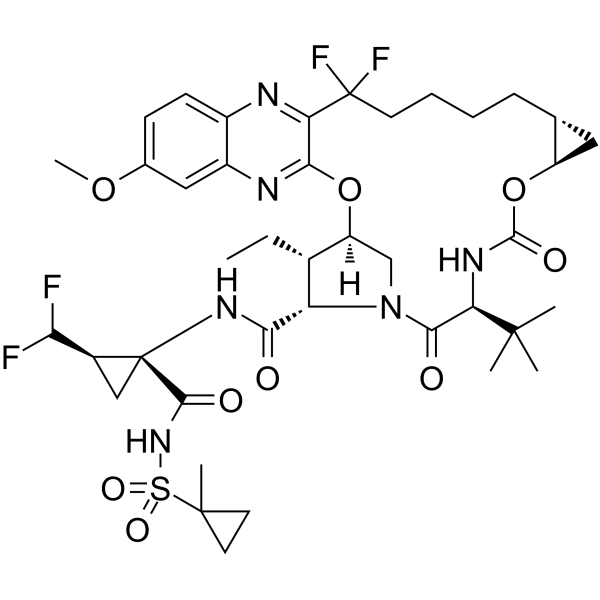
    Voxilaprevir (GS-9857) is a noncovalent, reversible inhibitor of HCV NS3/4A protease inhibitor (PI) with pangenotypic antiviral activity . Voxilaprevir inhibits genotype 1b and 3a wild-type NS3 proteases with Ki values of 0.038 nM and 0.066 nM, respectively . Voxilaprevir is an orally active direct-acting antiviral agent (DAA) and can be used for HCV infection research .
    Voxilaprevir
  • HY-13998
    Dasabuvir
    Maximum Cited Publications
    15 Publications Verification

    ABT-333

    HCV DNA/RNA Synthesis Infection
    Dasabuvir (ABT-333) is a nonnucleoside hepatitis C virus (HCV) polymerase inhibitor. Dasabuvir inhibits RNA-dependent RNA polymerase encoded by the HCV NS5B gene. Dasabuvir inhibits genotype 1a (strain H77) and 1b (strain Con1) replicons, with EC50 values of 7.7 and 1.8 nM, respectively .
    Dasabuvir
  • HY-P1934
    Cyclo(Phe-Pro)
    5+ Cited Publications

    Cyclo(phenylalanylprolyl); A-64863

    HCV Bacterial Antibiotic Reactive Oxygen Species (ROS) Infection
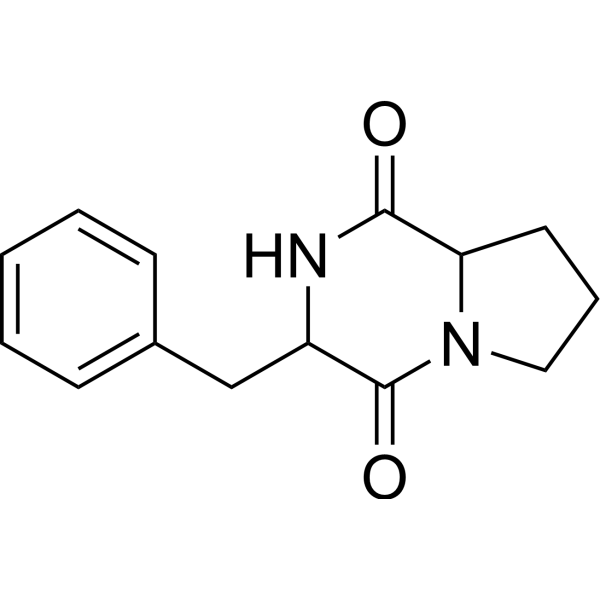
    Cyclo(Phe-Pro) (Cyclo(phenylalanylprolyl)) is a quorum-sensing molecule of Vibrio vulnificus that specifically interacts with RIG-I, inhibiting RIG-I polyubiquitination, suppressing IRF-3 activation, and reducing type I interferon production. Cyclo(Phe-Pro) enhances susceptibility to HCV and influenza virus and also alleviates plant aluminum toxicity stress. The mechanism of Cyclo(Phe-Pro) involves the regulation of host immune signaling pathways, bacterial virulence gene expression, and plant antioxidant systems, making it a promising candidate for research in viral infections, bacterial virulence regulation, and agricultural stress resistance .
    Cyclo(Phe-Pro)
  • HY-N3519
    Platycodin D3
    1 Publications Verification

    HCV Branched Chain Amino Acid Transaminase (BCAT) Interleukin Related NF-κB ERK p38 MAPK JNK Infection Inflammation/Immunology
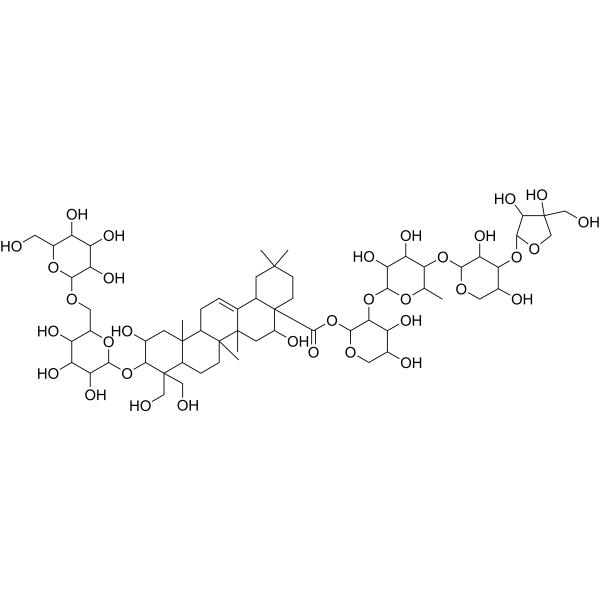
    Platycodin D3 is a triterpenoid saponin that can be found in Platycodon grandiflorum. Platycodin D3 exhibits multiple activities including anti-inflammation, regulation of airway mucus secretion, improvement of asthmatic airway inflammation and remodeling, and inhibition of hepatitis C virus (HCV) replication. The IC50 value of Platycodin D3 against HCV NS5B RNA-dependent RNA polymerase is 8 μg/mL. Platycodin D3 can be used in studies related to asthma, hepatitis C virus infection and inflammatory diseases .
    Platycodin D3
  • HY-173011

    PROTACs Cyclophilin HIV HCV Infection
    RJS308 is a selective Cyclophilin A (CypA) PROTAC degrader. RJS308 induces ubiquitin-dependent CypA degradation by recruiting the VHL E3 ligase complex, and forms a ternary complex with CypA and VHL/elongin C/elongin B. RJS308 exhibits anti-HIV-1 and anti-HCV activities. RJS308 can be used in studies related to viral infections .
    RJS308
  • HY-E70529

    DNA/RNA Synthesis Bacterial Infection
    Ribonucleoside vanadyl complexes are a class of potent RNase and Taq polymerase inhibitors. Ribonucleoside vanadyl complexes protect RNA during RNA isolation by inhibiting ribonucleases, and also reduce the viability of bacteria and eukaryotic cells by interfering with ribosomal subunit assembly. Ribonucleoside vanadyl complexes block PCR and reverse transcription reactions templated by viral nucleic acids and enhance the effects of antibiotics against Staphylococcus aureus, but do not directly inhibit protein synthesis. Ribonucleoside vanadyl complexes can be effectively removed by phenol-chloroform extraction, thus enabling subsequent PCR analysis. Ribonucleoside vanadyl complexes can be applied in research related to chronic hepatitis C (HCV) and Staphylococcus aureus infection .
    Ribonucleoside vanadyl complexes
  • HY-150217
    CpG ODN 10101
    2 Publications Verification

    ODN 10101

    Toll-like Receptor (TLR) Infection Inflammation/Immunology
    CpG ODN 10101 (ODN 10101; CPG 10101) is a selective agonist targeting TLR9, a synthetic oligodeoxynucleotide modified with phosphate thioester. CpG ODN 10101 activates B cells and plasmacytoid dendritic cells (pDCs), inducing the production of cytokines and chemokines such as interferon-IFN-α, interferon-inducible protein IP-10, and 2'5'-oligoadenylate synthase (2'5'-OAS), regulating innate immunity and promoting Th1 adaptive immune responses. CpG ODN 10101 also possesses antiviral properties and enhances vaccine immunogenicity, making it suitable as an immunomodulator and vaccine adjuvant for vaccine development in chronic hepatitis C and infectious diseases such as melioidosis, pertussis, and respiratory syncytial virus (RSV) .
    CpG ODN 10101
  • HY-P991200

    HCV Claudin Infection
    OM-7D3-B3 is an antibody-based antiviral agent targeting the tight junction protein CLDN1 (Kd=4 nM). By binding to the first extracellular domain of CLDN1, OM-7D3-B3 disrupts the formation of the CLDN1-CD81 co-receptor complex, thereby effectively inhibiting the entry of hepatitis C virus (HCV). OM-7D3-B3 not only prevents de novo and chronic HCV infections in humanized liver chimeric mice and uPA-SCID mice transplanted with human livers, but also exhibits favorable safety with no toxic effects observed. OM-7D3-B3 serves as a critical tool for research on HCV infection mechanisms and antiviral drug development .
    OM-7D3-B3
  • HY-13718

    H-Glu-Trp-OH; L-Glutamyl-L-tryptophan

    VEGFR HCV Endogenous Metabolite Infection Cardiovascular Disease Inflammation/Immunology Cancer
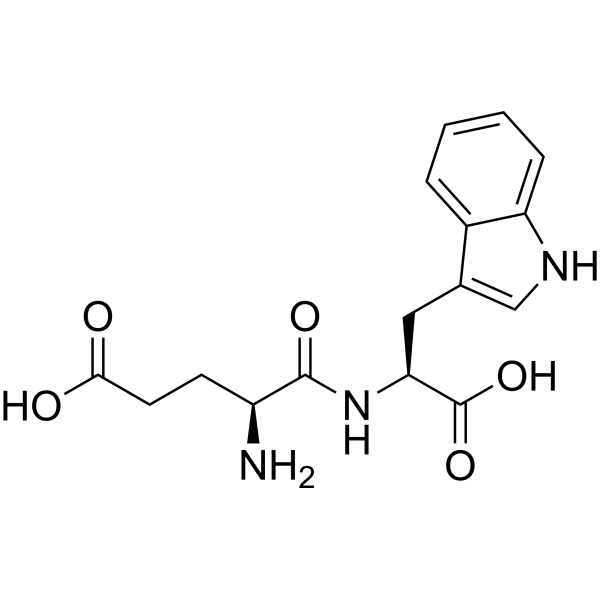
    Oglufanide (H-Glu-Trp-OH) is a dipeptide immunomodulator isolated from calf thymus. Oglufanide inhibits vascular endothelial growth factor (VEGF). Oglufanide can stimulate the immune response to hepatitic C virus (HCV) and intracellular bacterial infections. Oglufanide shows antitumor and anti-angiogenesis activities .
    Oglufanide
  • HY-137958
    Bemnifosbuvir hemisulfate
    4 Publications Verification

    AT-527

    HCV SARS-CoV Infection
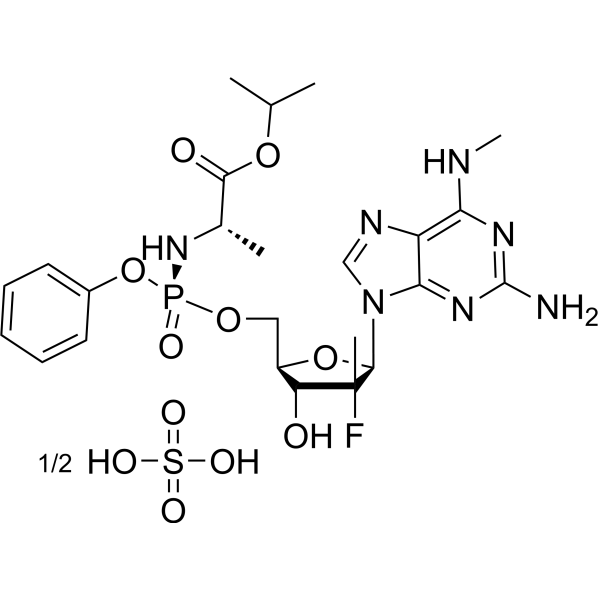
    Bemnifosbuvir hemisulfate (AT-527), a hemisulfate salt of AT-511, a guanosine nucleotide proagent, is a potent and orally active HCV viral replication inhibitor. Bemnifosbuvir hemisulfate is highly effective in the control of SARS-CoV-2 (COVID-19) infection in vitro (EC90=0.47 μM). Bemnifosbuvir hemisulfate has pangenotypic antiviral activity .
    Bemnifosbuvir hemisulfate
  • HY-N0248
    Saikosaponin B2
    2 Publications Verification

    HCV P-glycoprotein Infection Cancer
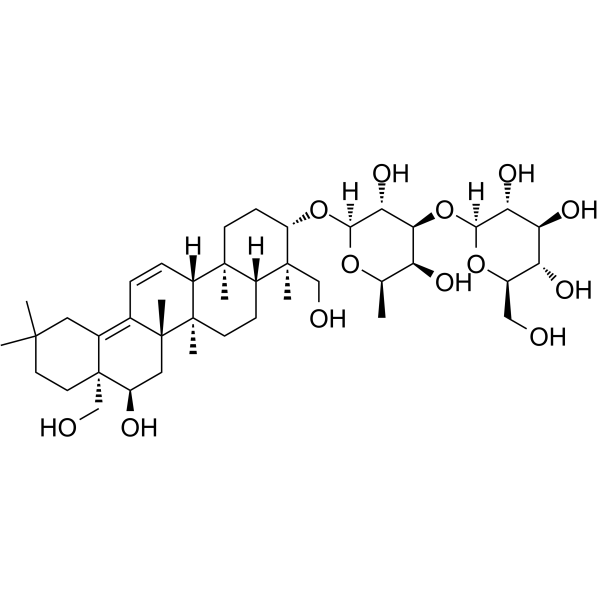
    Saikosaponin B2 is an antiviral and anticancer agent that regulates multiple transporters (such as various solute carriers and ATP-binding cassette transporters including MRP1, MRP2, and OCT2). Saikosaponin B2 is isolated from the plant glycoside component of the roots of Bupleurum scorzonerifolium. Saikosaponin B2 enhances the liver targeting of anticancer drugs via vinegar-baked Radix Bupleuri. Saikosaponin B2 inhibits HCV entry, replication, and translation, is effective against Daclatasvir (HY-10466)-resistant strains, and exerts a synergistic effect when used in combination with Daclatasvir. Saikosaponin B2 is commonly used in studies related to hepatocellular carcinoma and HCV infection .
    Saikosaponin B2
  • HY-10242

    BILN 2061; BILN 2061ZW

    HCV HCV Protease DNA/RNA Synthesis Infection
    Ciluprevir (BILN 2061; BILN 2061ZW) is an orally active macrocyclic peptide inhibitor of hepatitis C virus (HCV)NS3 protease, with an IC50 of 3 nM. Ciluprevir has Kᵢ values of 0.66 nM and 0.30 nM against genotypes 1b and 1a, respectively. Ciluprevir inhibits HCV RNA replication with an EC50 of 1.2 nM, and its EC50 values against genotypes 1b and 1a are 3 nM and 4 nM, respectively. Ciluprevir shows no significant inhibition against human leukocyte elastase and hepatic cathepsin B. Ciluprevir can be used for genotype 1 HCV infection .
    Ciluprevir
  • HY-13337

    INX-08189

    HCV Infection
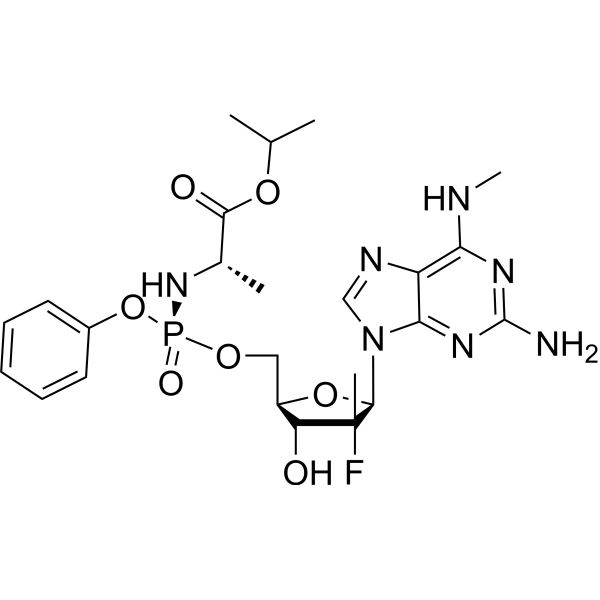
    BMS-986094 (INX-08189) is a potent inhibitor of hepatitis C virus (HCV) replication, with an EC50 of 35 nM at 24 h in Huh-7 cells. BMS-986094 is a phosphoramidate proagent of 6-O-methyl-2’-C-methyl guanosine. BMS-986094 can be used for the research of chronic HCV infection .
    BMS-986094
  • HY-150217A
    CpG ODN 10101 sodium
    2 Publications Verification

    ODN 10101 sodium

    Toll-like Receptor (TLR) Infection
    CpG ODN 10101 sodium, a synthetic oligodeoxynucleotide (ODN), is a toll-like receptor 9 (TLR9) agonist. CpG ODN 10101 sodium is a potent inducer of cytokine/chemokine expression ex vivo when used in combination with HH2(VQLRIRVAVIRA-NH2). CpG ODN 10101 sodium induces IFN- secretion from dendritic cells (DCs) and stimulates B-cells.CpG ODN 10101 sodium has antiviral and immunomodulatory properties that can influence chronic infection with HCV .
    CpG ODN 10101 sodium
  • HY-N1341

    HCV HCV Protease DNA/RNA Synthesis Bacterial Infection
    Roseoside is an inhibitor of DNA gyrase and HAV 3C protease, and also inhibits HCV NS5A/B replicase in human systems with an IC50 of 20 μM. Roseoside binds to the active site of enzymes and stabilizes the interaction by forming hydrogen bonds with key amino acid residues. Roseoside inhibits the growth of Gram-positive bacteria, Gram-negative bacteria, and Candida albicans, and interferes with HCV RNA replication in vitro by inhibiting HCV NS5A/B replicase (IC50=20 μM). Roseoside shows no cytotoxicity and serves as a research tool for studies related to bacterial infections, candidiasis, HAV and HCV .
    Roseoside
  • HY-137958A
    Bemnifosbuvir
    4 Publications Verification

    AT-511

    HCV SARS-CoV Infection
    Bemnifosbuvir (AT-511) is a potent and orally active HCV viral replication inhibitor. Bemnifosbuvir is highly effective in the control of SARS-CoV-2 (COVID-19) infection in vitro (EC90=0.47 μM). Bemnifosbuvir has pangenotypic antiviral activity .
    Bemnifosbuvir
  • HY-W013827

    1,4:3,6-Dianhydromannitol

    Biochemical Assay Reagents Drug Derivative Drug Intermediate Infection
    Isomannide (1,4:3,6-Dianhydromannitol) is a common intermediate compound and derivative of Isosorbide (HY-B1469). Some derivatives of isomannide have potent inhibitory effects on KLK5 and KLK7. Isomannide can be used in the research of HCV infection and KLK5/KLK7-related diseases .
    Isomannide
  • HY-P10056

    Human ezrin peptide (324-337)

    HIV HCV HPV Influenza Virus Interleukin Related Infection Inflammation/Immunology
    HEP-1 (Human ezrin peptide (324 - 337)) is an orally active peptide with antiviral, anti-inflammatory, and immunomodulatory activities. HEP-1 is effective against infections by various viruses such as HIV, HCV, herpes viruses, HPV, and influenza viruses. As an immunomodulator, HEP-1 can enhance the adaptive immunity mediated by B cells and T cells. HEP-1 can also increase the antibody titers after hepatitis B vaccination. HEP-1 can be used in the research of viral infections and inflammation-related diseases .
    HEP-1
  • HY-100603

    PI4K PI3K Infection
    GSK-F1 (Compound F1) is an orally active PI4KA inhibitor with pIC50 values of 8.0, 5.9, 5.8, 5.9, 5.9 and 6.4 against PI4KA, PI4KB, PI3KA, PI3KB, PI3KG and PI3KD, respectively. GSK-F1 can be used for HCV infection research .
    GSK-F1
  • HY-P1684
    Peptide P60
    1 Publications Verification

    FOXP3 inhibitor P60

    NF-κB Nuclear Factor of activated T Cells (NFAT) Infection Inflammation/Immunology Cancer
    Peptide P60 is a FOXP3 inhibitor. Peptide P60 reduces the nuclear translocation of FOXP3 and impairs FOXP3-mediated inhibition of NF-κB and NFAT activity. Peptide P60 inhibits the immunosuppressive activity of regulatory T cells and restores the proliferation and activation of effector T cells. Peptide P60 induces lymphoproliferative autoimmune syndrome in neonatal ICR mice and reduces the number of CD4 +CD25 +Foxp3 + T cells in the spleen. Peptide P60 enhances the efficacy of AH1 (HY-P4193) peptide vaccine and recombinant adenovirus-based HCV NS3 vaccine in BALB/c mice, including protective effects against CT26 tumor implantation. Peptide P60 can be used in studies related to tumor immunity, viral infection and lymphoproliferative autoimmune syndrome .
    Peptide P60
  • HY-147358

    Emitasvir diphosphate; DAG-181 diphosphate

    HCV Infection
    Yimitasvir diphosphate (Emitasvir diphosphate; DAG-181 diphosphate) is an orally active inhibitor of hepatitis C virus (HCV) nonstructural protein 5A (NS5A). Yimitasvir diphosphate is applicable to research related to HCV infection .
    Yimitasvir diphosphate
  • HY-15256

    BI 201335

    HCV Protease Infection
    Faldaprevir (BI 201335) is a potent, orally active and selective noncovalent inhibitor of NS3/4A protease of HCV (hepatitis C virus) genotypes 1a and 1b, with Ki values of 2.6 and 2.0 nM, respectively. Faldaprevir inhibits HCV RNA replication, with EC50 values of 6.5 and 3.1 nM, respectively. Faldaprevir has potent antiviral activity against chronic HCV infection .
    Faldaprevir
  • HY-107902

    HBV HCV HIV Influenza Virus Infection
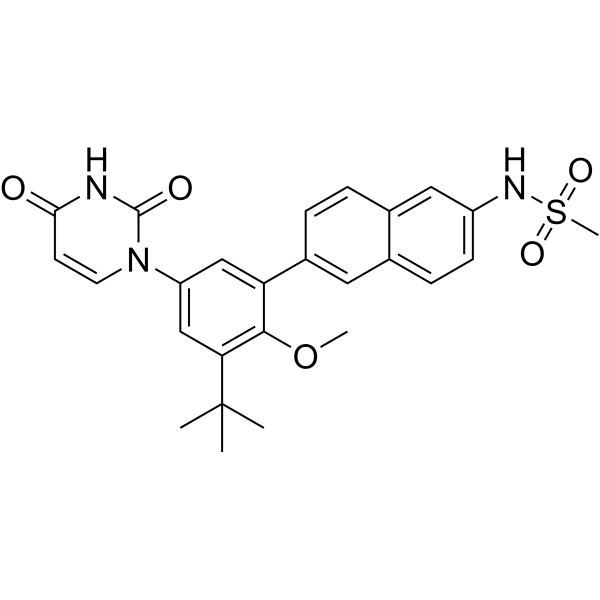
    RIG-1 modulator 1 (Compound of claim 13) is an anti-viral compound which can be used against viral infections including influenza virus, HBV, HCV and HIV .
    RIG-1 modulator 1
  • HY-173011A

    PROTACs Cyclophilin HIV HCV Infection
    RJS308 TFA is a selective Cyclophilin A (CypA) PROTAC degrader. RJS308 TFA induces ubiquitin-dependent CypA degradation by recruiting the VHL E3 ligase complex, and forms a ternary complex with CypA and VHL/elongin C/elongin B. RJS308 TFA exhibits anti-HIV-1 and anti-HCV activities. RJS308 TFA can be used in studies related to viral infections .
    RJS308 TFA
  • HY-13465
    VCH-916
    1 Publications Verification

    HCV Infection
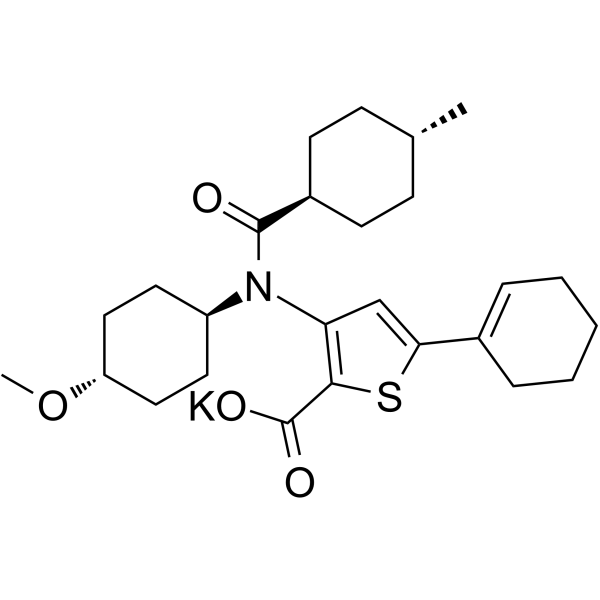
    VCH-916 is a thiophene derivative and non-nucleoside inhibitor of HCV NS5B polymerase with sub-micromolar IC50 values versus genotype 1a and 1b replicons. VCH-916 binds to Thumb Site II. VCH-916 can be used for the research of hepatitis c virus (hcv) infection .
    VCH-916
  • HY-132598A

    SPC-3649 sodium

    MicroRNA Infection
    Miravirsen sodium is a potent miR-122 inhibitor and inhibits the biogenesis of miR-122. Miravirsen sodium is a 15-nucleotide locked nucleic acid-modified phosphorothioate antisense oligonucleotide. Miravirsen sodium inhibits HCV replication, and can be used in research of HCV infection .
    Miravirsen sodium
  • HY-132598

    SPC-3649

    MicroRNA HCV Infection Inflammation/Immunology
    Miravirsen (SPC-3649) is a potent miR-122 inhibitor and inhibits the biogenesis of miR-122. Miravirsen is a 15-nucleotide locked nucleic acid-modified phosphorothioate antisense oligonucleotide. Miravirsen inhibits HCV replication. Miravirsen can be used in research of HCV infection .
    Miravirsen
  • HY-P990828

    PD-1/PD-L1 Infection
    Anti-PD-L1/B7-H1 Antibody (29E.2A3) is a kind of mouse IgG2b κ chimeric antibody inhibitor, targeting to human PD-L1/B7-H1. Anti-PD-L1/B7-H1 Antibody (29E.2A3) can block the binding of PD-1 to PD-L1. Anti-PD-L1/B7-H1 Antibody (29E.2A3) can be used for the research of infection, such as hepatitis C virus (HCV) .
    Anti-PD-L1/B7-H1 Antibody (29E.2A3)
  • HY-147358A

    Emitasvir; DAG-181

    HCV Infection
    Yimitasvir (Emitasvir; DAG-181) is an orally active inhibitor of hepatitis C virus (HCV) nonstructural protein 5A (NS5A). Yimitasvir is applicable to research related to HCV infection .
    Yimitasvir
  • HY-14391

    GS-558093

    HCV Infection
    PSI-353661 (GS-558093) is a purine nucleotide NS5B polymerase inhibitor against HCV infection. PSI-353661 shows EC90s of 8 nM and 11 nM for wild type and S282T resistant replicons of HCV. PSI-353661 can produce high concentrations of the active triphosphate in primary human hepatocytes .
    PSI-353661
  • HY-N7934

    (-)-Trachelogenin

    HCV Infection Neurological Disease Inflammation/Immunology
    Trachelogenin ((-)-Trachelogenin) is an HCV entry inhibitor without genotype specificity, and with low cytotoxicity. Trachelogenin inhibits HCVcc infection and HCVpp cell entry in a dose-dependent manner with an IC50 of 0.325 and 0.259 μg/mL in HCVcc and HCVpp models, respectively. Trachelogenin exhibits effective antiviral, anti-inflammatory and analgesic effects .
    Trachelogenin
  • HY-N8188

    HCV HCV Protease Infection
    Dehydrojuncusol, a potent HCV inhibitor, targets HCV NS5A and is able to inhibit RNA replication of replicons harboring resistance mutations to anti-NS5A direct-acting antivirals. Dehydrojuncusol significantly inhibits HCV infection when added after virus inoculation of HCV genotype 2a (EC50=1.35?μM) .
    Dehydrojuncusol
  • HY-124182

    ACH-3102; JNJ64289901

    HCV Infection
    Odalasvir (ACH-3102) is a potent and selective inhibitor of HCV NS5A, and can be used in research on hepatitis C virus infection .
    Odalasvir
  • HY-153062

    HCV Infection
    6-Chloro-7-deazapurine-2F-β-D-arabinofuranose is a nucleoside derivative. 6-Chloro-7-deazapurine-2F-β-D-arabinofuranose can be used for synthesis of antiviral agent against hepatitis C virus infection .
    6-Chloro-7-deazapurine-2F-β-D-arabinofuranose
  • HY-128924

    Cyclophilin HCV Infection
    NIM258 is a potent nonimmunosuppressive cyclophilin inhibitor (cyclophilin A Kd = 1.2 nM) with anti-HCV activity (EC50 = 40 nM). NIM258 can be used for HCV infection research .
    NIM258
  • HY-102030

    HCV Infection
    BMS-961955 is an orally active inhibitor of HCV NS5B polymerase. BMS-961955 exhibits potent inhibitory activity against HCV genotype 1 (GT-1a/1b) replicons with EC50s of 4.3 nM and 7.9 nM, respectively. BMS-961955 can be used for the study of HCV infection .
    BMS-961955
  • HY-12474

    HCV Infection
    BI 207524 is a selective non-nucleoside polymerase inhibitor targeting thumb pocket 1 of the HCV NS5B polymerase. BI 207524 exhibits antivirus activity. BI 207524 can be used for the research of infection, such as HCV infection .
    BI 207524
  • HY-128660

    HCV Dengue Virus Influenza Virus Infection
    RYL-634 is a potent broad-spectrum antiviral agent. RYL-634 exerts its antiviral effect by inhibiting the activity of human dihydroorotate dehydrogenase (HsDHODH) and blocking the supply of pyrimidines required for viral replication. RYL-634 shows significant inhibition against many viruses, with the EC50 values against DENV, ZIKV, EV71, HCV and HIV are 7 nM, 20 nM, 4 nM, 5 nM and 13 nM respectively. RYL-634 can be used for the study of various virus infection-related diseases .
    RYL-634
  • HY-111204

    HCV Infection
    MK3281 (Compound 33) is a non-nucleoside hepatitis C virus (HCV) NS5B polymerase inhibitor, with an EC50 of 28 nM for gt1a .
    MK3281
  • HY-12633

    HCV Inflammation/Immunology
    GS-6620 is potent and selective HCV inhibitor. GS-6620 inhibits HCV replication in genotype 1-6 subgenomic replicons and genotype 2a infectious virus, with EC50 values of 0.048-0.68 μM. GS-6620 can be used for the researches of infection and inflammation, such as Hepatitis C Virus (HCV) .
    GS-6620
  • HY-123186

    RG-7348

    HCV Infection
    MB-11362 is an orally active, selective HCV NS5B polymerase inhibitor and 4′-azidouridine triphosphate prodrug. MB-11362 can be converted to 4′-azidouridine triphosphate after oral administration. MB-11362 can be used in the research of HCV infection .
    MB-11362
  • HY-13998A

    ABT-333 sodium

    HCV DNA/RNA Synthesis Infection
    Dasabuvir (ABT-333) sodium is a nonnucleoside hepatitis C virus (HCV) polymerase inhibitor. Dasabuvir sodium inhibits RNA-dependent RNA polymerase encoded by the HCV NS5B gene. Dasabuvir sodium inhibits genotype 1a (strain H77) and 1b (strain Con1) replicons, with EC50 values of 7.7 and 1.8 nM, respectively .
    Dasabuvir sodium
  • HY-177020

    1'-Cyano-2'-C-methyl 4-aza-7,9-dideaza adenosine

    Nucleoside Antimetabolite/Analog Infection
    GS-6620 PM (Compound 2) is an analog of 2′-C-methyl 4-aza-7,9-dideaza adenosine. 2′-C-methyl 4-aza-7,9-dideaza adenosine is an inhibitor of HCV replication in cell culture. GS-6620 PM can be used in the study of hepatitis C virus (HCV) infection .
    GS-6620 PM
  • HY-124666

    Scavenger Receptor Class B type I (SR-BI) HCV Infection Cardiovascular Disease
    ML279 is a potent scavenger receptor, class B, type I (SR-BI) inhibitor. ML279 can inhibit SR-BI-mediated lipid uptake by stabilizing the binding of HDL to SR-BI (EC50 = 0.27 μM). ML279 can be used for the researches of infection and cardiovascular disease, such as atherosclerosis and HCV infection .
    ML279
  • HY-131905S

    Isotope-Labeled Compounds HCV Protease HCV Infection Inflammation/Immunology Cancer
    BMS-986144 is a third-generation, pan-genotype (GT) NS3/4A protease inhibitor. BMS-986144 inhibits HCV replicon with EC50s of 2.3, 0.7, 1.0, 12, 8.0, and 5.8 nM for GT-1a, GT-1b, GT-2a, GT-3a, 1a R155X, and 1b D168V, respectively. BMS-986144 has the potential for the research of HCV infection .
    BMS-986144
  • HY-19557

    Drug Derivative HCV Protease Infection
    IDX-320 is a Pipecolic acid (HY-Y0669) derivative. IDX-320 inhibits NS3/4a proteases across genotypes 1a, 1b, 2a, and 4a with an IC50 0.8-1.9 nM. IDX-320 can be used in the research of HCV infection .
    IDX-320
  • HY-19932

    HCV Protease HCV Infection
    MK-2748 is a hepatitis C virus (HCV) NS3/4a protease inhibitor. MK-2748 exhibits broad-spectrum and potent antiviral activity, with nanomolar-level activity against all genotypes (gt1a-gt6) (IC₅₀ < 0.115 nM), showing only slightly weaker activity against gt3a (1.212 nM), and maintaining high inhibitory activity against drug-resistant mutant strains such as gt1b R155K (IC₅₀ = 0.032 nM) and D168Y (IC₅₀ = 0.057 nM). MK-2748 can be used in the research of HCV infection .
    MK-2748
  • HY-14404

    HBV HCV Protease Infection
    MK-1220 is a covalently reversible inhibitor of the hepatitis C virus (HCV) NS3/4A protease (NS3/4A protease) with a Ki of 0.02 nM. MK-1220 in cell models simulating viral replication exhibits EC50s of 4 (with 10% fetal bovine serum) and 11 nM (50% normal human serum). MK-1220 can be used for the study of chronic hepatitis C virus infection .
    MK-1220
  • HY-19869

    HIV Reverse Transcriptase Infection
    VRX-480773 is an efficient non-nucleoside reverse transcriptase inhibitor (NNRTI), used for HIV infection. VRX-480773 has high specificity for HIV-1, with an EC50 for wild-type HIV-1 being 0.14 nM. VRX-480773 does not inhibit HIV-2, HBV or HCV, and has no effect on human DNA polymerase α/β. VRX-480773 retains inhibitory activity against Efavirenz (HY-10572) resistant strains, with EC50s mostly < 1 nM. VRX-480773 can be used for research on AIDS .
    VRX-480773

Inquiry Online

Your information is safe with us. * Required Fields.

Salutation


Country or Region *

Applicant Name *


Organization Name *

Department *


Email Address *


Product Name *

Cat. No.


Requested quantity *

Phone Number *


Remarks

Inquiry Online

Inquiry Information

Product Name:
Cat. No.:
Quantity:
MCE Japan Authorized Agent:

