

Search Result
Results for "
IL-17 inhibitor
" in MedChemExpress (MCE) Product Catalog:
1
Biochemical Assay Reagents
1
Isotope-Labeled Compounds
| Cat. No. |
Product Name |
Target |
Research Areas |
Chemical Structure |
-
- HY-15826
-
SGC-CBP30
Maximum Cited Publications
20 Publications Verification
|
Epigenetic Reader Domain
Histone Acetyltransferase
|
Inflammation/Immunology
Cancer
|
|
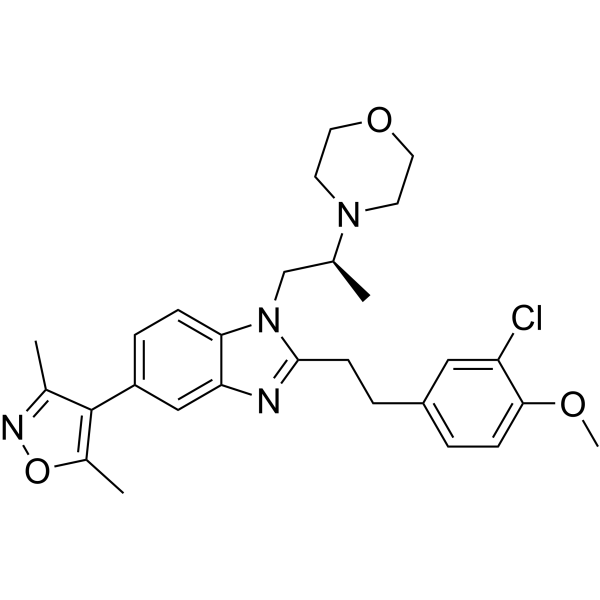
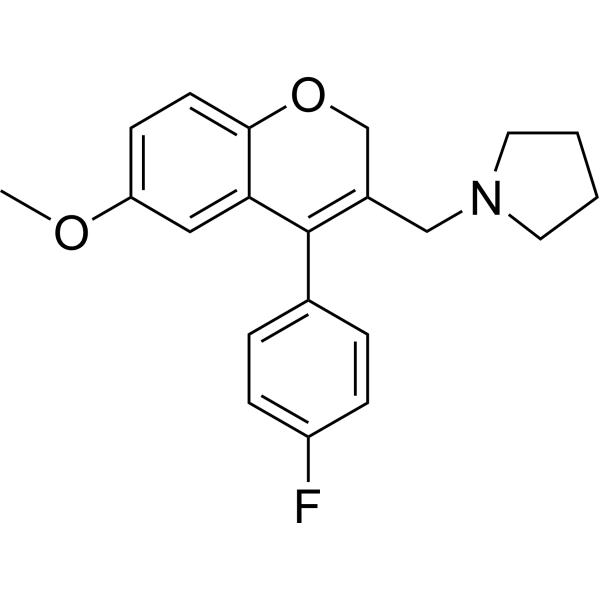
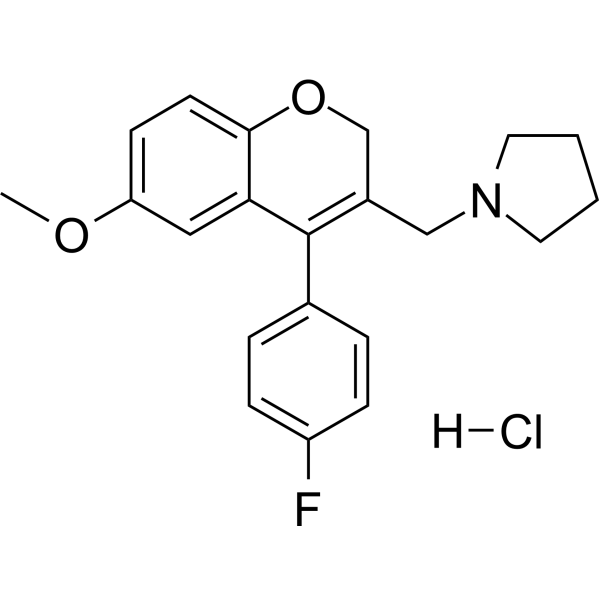
SGC-CBP30, a chemical probe, is a potent and highly selective CBP/p300 bromodomain (Kds of 21 nM and 32 nM for CBP and p300, respectively) inhibitor, displaying 40-fold selectivity over the first bromodomain of BRD4 [BRD4(1)] bound. SGC-CBP30 strongly reduces secretion of IL-17A in Th17 cells and has anti-inflammatory effects .
|
-
-
- HY-P99248
-
|
Risankizumab rzaa; BI 655066; ABBV-066
|
Interleukin Related
|
Inflammation/Immunology
|
|
Risankizumab (BI 655066) is a humanised IgG monoclonal antibody, targeting IL-23 p19 subunit (Kd <10 pM) and inhibiting IL-17 production induced by human IL-23 in mouse splenocytes (IC50 = 2 pM). Risankizumab can be used to research immunological and inflammatory disorders such as psoriasis vulgaris, psoriatic arthritis, generalized pustular psoriasis and erythrodermic psoriasis .
|
-
-
- HY-139206
-
-
-
- HY-P990222
-
|
|
Interleukin Related
|
Infection
Metabolic Disease
Inflammation/Immunology
|
|
Anti-Mouse/Rat IL-17A Antibody (17F3) is a mouse-derived IgG1κ type antibody inhibitor, targeting to mouse and rat IL-17A. Anti-Mouse IL-17A Antibody (17F3) can neutralize IL-17. Anti-Mouse/Rat IL-17A Antibody (17F3) can be used for the researches of infection, immunology and metabolic disease, such as M.intracellulare infection and diabetes .
|
-
-
- HY-15898
-
Y-320
5 Publications Verification
|
Interleukin Related
Apoptosis
|
Inflammation/Immunology
Cancer
|
|
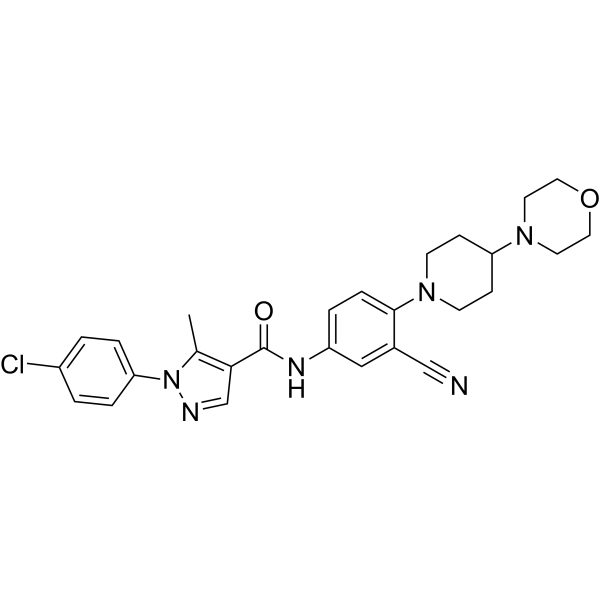
Y-320 is a potent, orally active phenylpyrazoleanilide immunomodulator. Y-320 inhibits IL-17 production by CD4 T cells stimulated with IL-15 with IC50 values of 20 to 60 nM. Y-320 enhances TP53, DMD, and COL17A1 PTC readthrough by G418 and increases cellular protein levels and protein synthesis. Y-320 concomitants use of with a low dose of Paclitaxel (HY-B0015) significantly sensitized multidrug resistance (MDR) tumors by inducing G2/M phase arrest and apoptosis. Y-320 can be used for research of rheumatoid arthritis (RA) and cancer .
|
-
-
- HY-153780
-
|
DC-806; LY4100504; S-011806
|
Interleukin Related
|
Inflammation/Immunology
|
|
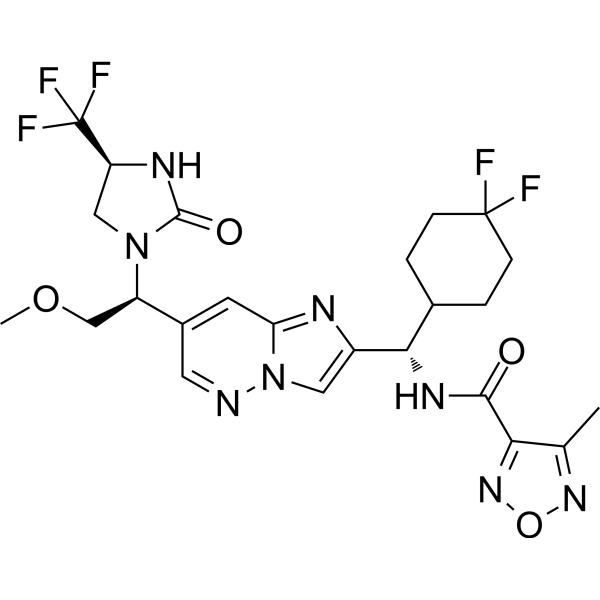
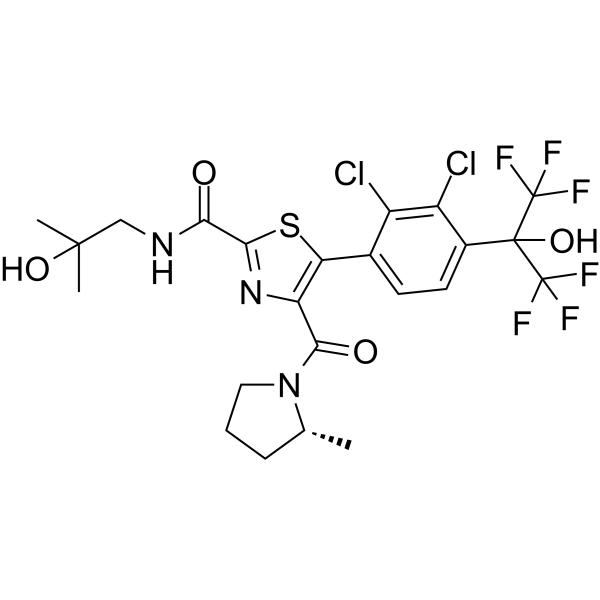
Navepdekinra (DC-806) is an orally active, potent interleukin-17A (IL-17A) inhibitor (IC50 = 10.81 nM). Navepdekinra disrupts the IL-17A protein-receptor interaction, suppressing the downstream pro-inflammatory signaling pathway. Navepdekinra inhibits arthritis in a collage-induced arthritis (CIA) rat model. Navepdekinra can be used for psoriasis, psoriatic arthritis, and ankylosing spondylitis .
|
-
-
- HY-N3029
-
|
|
Interleukin Related
Apoptosis
Glutathione Peroxidase
SOD
Glutathione S-transferase
Necroptosis
|
Inflammation/Immunology
|
|
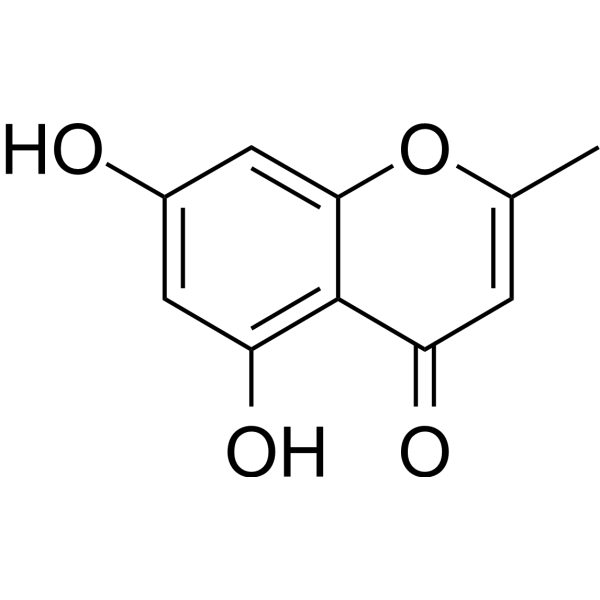
Noreugenin is a phenolic compound found in Calea uniflora Less. Noreugenin inhibits myeloperoxidase activity and reduces levels of proinflammatory cytokines IL-1β and IL-17A levels in LPS (HY-D1056)-induced murine pleurisy model. Noreugenin reduces apoptosis and necrosis. Noreugenin reduces lipid peroxidation, and antioxidant enzyme (CAT, SOD, GST) activity. Noreugenin exhibits anti-inflammatory and antioxidant effects. Noreugenin can be used for the research of inflammatory conditions, such as pleurisy .
|
-
-
- HY-153701S
-
|
Envudeucitinib; ESK-001
|
JAK
Interleukin Related
IFNAR
Isotope-Labeled Compounds
|
Inflammation/Immunology
|
|
Envudeucitinibum (Envudeucitinib) is a highly selective, allosteric and orally active TYK2 inhibitor binding to the JH2 domain of TYK2. Envudeucitinibum has no off-target effects on other kinases (JAK1-3). Envudeucitinibum reduces signaling and production of proinflammatory cytokines including IL-12, IL-23, IL-17, and type I interferons (IFNs). Envudeucitinibum can be used for the research of plaque psoriasis, systemic lupus erythematosus (SLE), and other immune-mediated diseases .
|
-
-
- HY-P991598
-
|
MOR12743; MOR03207
|
Interleukin Related
NF-κB
|
Inflammation/Immunology
|
|
MOR-106 (MOR12743) is a humanized anti-IL-17C IgG1 monoclonal antibody. MOR-106 inhibits the NF-κB signaling pathway by specifically binding to IL-17C (IC50 = 59 pM for human IL-17C, IC50 = 55 pM for mouse IL-17C). MOR-106 can effectively inhibit skin inflammation and reduce related inflammatory factors in animal models of psoriasis and atopic dermatitis .
|
-
-
- HY-139780
-
|
|
ROR
|
Inflammation/Immunology
|
|
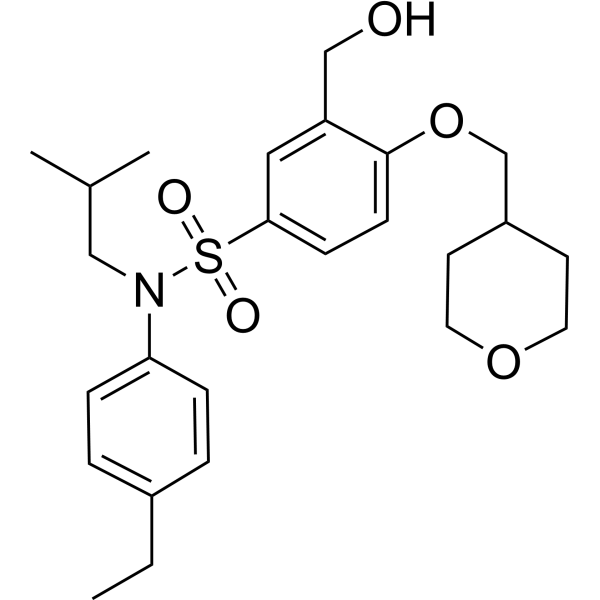
JNJ-61803534 is a potent and orally active RORγt inverse agonist with an IC50 of 9.6 nM. JNJ-61803534 has anti-inflammatory activity. JNJ-61803534 inhibits IL-17A production in human CD4+ T cells under Th17 differentiation conditions .
|
-
-
- HY-107390A
-
|
|
TNF Receptor
Interleukin Related
IFNAR
|
Inflammation/Immunology
Cancer
|
|
AX-024 hydrochloride is an orally available, first-in-class inhibitor of the TCR-Nck interaction that selectively inhibits TCR-triggered T cell activation with an IC50 ~1 nM. AX-024 hydrochloride modulates cell signaling by targeting SH3 domains. AX-024 hydrochloride has low-acute toxicity and high potency and selectivity, and strongly inhibit the production of IL-6, TNF-α, IFN-γ, IL-10 and IL-17A.
|
-
-
- HY-107390
-
AX-024
3 Publications Verification
|
TNF Receptor
Interleukin Related
IFNAR
|
Inflammation/Immunology
Cancer
|
|
AX-024 is an orally available, first-in-class inhibitor of the TCR-Nck interaction that selectively inhibits TCR-triggered T cell activation with an IC50 ~1 nM. AX-024 modulates cell signaling by targeting SH3 domains. AX-024 has low-acute toxicity and high potency and selectivity, and strongly inhibit the production of IL-6, TNF-α, IFN-γ, IL-10 and IL-17A.
|
-
-
- HY-P991266
-
|
|
Interleukin Related
|
Inflammation/Immunology
|
|
SM-17 is a humanized monoclonal antibody inhibitor targeting interleukin 25 (IL-25) and interleukin-17 receptor B (IL17RB). SM-17 is promising for research of immune system diseases .
|
-
-
- HY-19770
-
|
|
ROR
|
Inflammation/Immunology
|
|
GSK2981278 is a potent and selective RORγ inverse agonist. GSK2981278 inhibits activation of the il17 promoter and interferes RORγ-DNA binding .
|
-
-
- HY-P99124
-
|
|
CD3
|
Inflammation/Immunology
|
|
Anti-Mouse CD3 Antibody (17A2) is an anti-mouse CD3 IgG2b antibody inhibitor derived from the host Rat. Anti-Mouse CD3 Antibody (17A2) enhances T-cell proliferation and activation and stimulate IFN-γ or IL-17 production in splenic T cells. Anti-Mouse CD3 Antibody (17A2) significantly suppresses mortality in Graft-versus-host disease (GVHD) mice models .
|
-
-
- HY-126328
-
|
|
PKC
Interleukin Related
|
Inflammation/Immunology
|
|
PKC-theta inhibitor 1 is an orally active and selective ATP-competitive inhibitor of Protein Kinase Cθ (PKCθ), with a Ki value of 6 nM. PKC-theta inhibitor 1 inhibits T-cell-mediated inflammatory responses by suppressing the release of proinflammatory cytokines (IL-2 IC50 = 0.21 μM in anti-CD3/CD28-stimulated PBMCs; IL-17 IC50 = 1 μM in CD3/CD28-stimulated Th17 cells) PKC-theta inhibitor 1 significantly reduces symptoms in mice with ongoing experimental autoimmune encephalomyelitis (EAE). PKC-theta inhibitor 1 can be used for the study of T-cell-mediated inflammatory diseases such as multiple sclerosis .
|
-
-
- HY-P99335
-
|
Anti-Human IL17A Recombinant Antibody; SHR-1314
|
Interleukin Related
|
Inflammation/Immunology
|
|
Vunakizumab (Anti-Human IL17A Recombinant Antibody) is a recombinant human IgGκ monoclonal antibody and an Interleukin-17A (IL-17A) inhibitor. Vunakizumab binds to IL-17A to inhibit downstream cytokines and block inflammatory signaling. Vunakizumab can be used for the research of chronic plaque psoriasis and ankylosing spondylitis .
|
-
-
- HY-P99515
-
|
GR 1501
|
Interleukin Related
|
Inflammation/Immunology
|
|
Xeligekimab (GR 1501) is an anti-human interleukin 17A (IL-17A) humanized monoclonal antibody. Xeligekimab inhibits the pro-inflammatory cascade. Xeligekimab can be used for the research of inflammatory disease, such as radiographic axial spondyloarthritis .
|
-
-
- HY-124686
-
|
|
STAT
Interleukin Related
TNF Receptor
|
Inflammation/Immunology
|
|
ER-464195-01 is an orally active calreticulin (CRT) and integrin α subunits (ITGAs) binding inhibitor. ER-464195-01 inhibits leukocyte infiltration and subsequent inflammatory cascade reactions by dissociating the binding between CRT and ITGA. ER-464195-01 down-regulates the expression of pro-inflammatory genes (such as TNF-α, IL-1β, IL-6, IL-17f) induced by DSS (HY-116282C), and inhibit the phosphorylation of STAT3 and the production of serum amyloid A (SAA). ER-464195-01 can be used for the study of inflammatory bowel disease (IBD) .
|
-
-
- HY-N0902
-
|
13,14-Dihydrosanguinarine
|
Fungal
Bacterial
Interleukin Related
|
Infection
Inflammation/Immunology
|
|
Dihydrosanguinarine (13,14-Dihydrosanguinarine) is an alkaloid with antibacterial and anti-inflammatory activities, and also an important precursor of Sanguinarine (HY-N0052). Dihydrosanguinarine targets and regulates the TNF/IL-17/PI3K signaling pathway, downregulates the levels of pro-inflammatory factors such as IL-17A, TNF-α and IL-6, upregulates the expression of TGF-β, inhibits myeloperoxidase activity, and regulates the transcription of multiple inflammation-related genes. Dihydrosanguinarine exhibits antibacterial activity against a variety of oral microorganisms. Dihydrosanguinarine can be used in research related to liver inflammation and oral flora dysbiosis .
|
-
-
- HY-145429
-
|
|
Interleukin Related
|
Neurological Disease
Inflammation/Immunology
Cancer
|
|
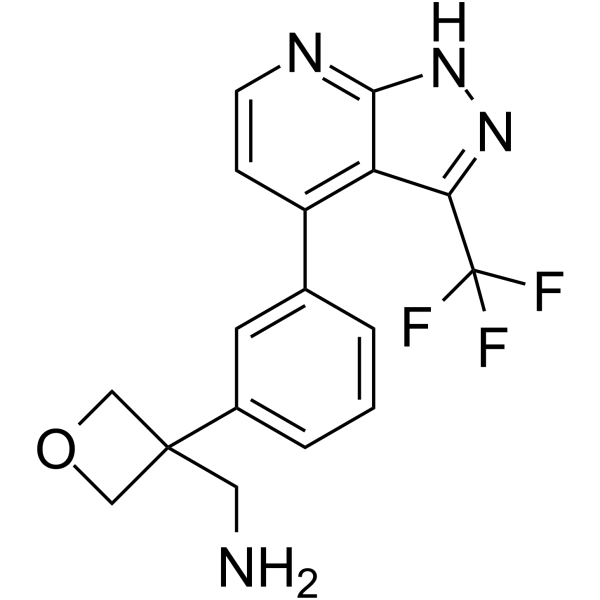
IL-17A modulator-2 is a IL-17A modulator, extracted from patent WO2021239743+A1, example 27. IL-17A modulator-2 inhibits the biological action of IL-17A with a pIC50 of 8.3. IL-17A modulator-2 can be used for the research of diseases or disorders associated with modulation of IL-17A activity including diseases with an immune component or autoimmune pathol, cancer and neurodegenerative disorders .
|
-
-
- HY-P5963
-
-
-
- HY-155830
-
|
ME3183; PDE4-IN-14
|
Phosphodiesterase (PDE)
Interleukin Related
|
Neurological Disease
Metabolic Disease
Inflammation/Immunology
Cancer
|
|
Morcamilast (ME3183) is a selective and orally active PDE4 inhibitor, with IC50s of 1.28 nM (PDE4A1A), 2.33 nM (PDE4B1), and 1.63 nM (PDE4D2) respectively. Morcamilast shows weak inhibition of PDEs other than PDE4s Morcamilast is an anti-inflammatory agent and inhibits LPS (HY-D1056)-induced release of TNF-α, IL-12/23p40, IL-23, and IL-17A in human PBMCs and T cells. Morcamilast has antipruritic effect and can be used in the study of psoriasis, atopic dermatitis, and other inflammatory diseases .
|
-
-
- HY-164826
-
|
|
Interleukin Related
Reactive Oxygen Species (ROS)
MMP
Pyroptosis
Ferroptosis
Notch
Keap1-Nrf2
PINK1/Parkin
Mitophagy
Caspase
Apoptosis
|
Inflammation/Immunology
Cancer
|
|
Acetyl zingerone is an analog of Zingerone (HY-14621). Acetyl zingerone downregulates the expression of ROS metabolism-related genes, fibroblast senescence-related genes, keratinocyte differentiation-related genes, and IL-17A target genes. Acetyl zingerone inhibits the activities of MMP-1, MMP-3, and MMP-12, as well as the activation of NLRP3 inflammasome, pyroptosis (pyroptosis), ferroptosis (ferroptosis), cartilage destruction, and UVA-induced cyclobutane pyrimidine dimer formation. Acetyl zingerone upregulates the expression of collagen, proteoglycan, extracellular matrix glycoprotein, Notch pathway, and GPX4 gene, activates Nrf2 and HO-1, induces extracellular matrix synthesis and PINK1/Parkin-mediated mitophagy (mitophagy), and promotes chondrocyte survival. Acetyl zingerone alleviates the progression of osteoarthritis in mice . Acetyl zingerone can be used in research related to skin aging, inflammatory skin diseases, osteoarthritis, melanoma, and non-melanoma skin cancer .
|
-
-
- HY-P990221
-
|
|
Interleukin Related
|
Infection
Neurological Disease
Cancer
|
|
Anti-Mouse IL-17F Antibody (MM17F8F5.1A9) is a mouse-derived IgG1 κ type antibody inhibitor, targeting to mouse IL-17F. Anti-Mouse IL-17F Antibody (MM17F8F5.1A9) can neutralize IL-17. Anti-Mouse IL-17F Antibody (MM17F8F5.1A9) can be used for the researches of cancer, infection and neurological disease, such as Alzheimer’s disease (AD) and pancreatic cancer .
|
-
-
- HY-120785
-
|
|
ROR
|
Inflammation/Immunology
|
|
SR1555 is a specific retinoic acid receptor-related orphan nuclear receptor γ (RORγ) inverse agonist with an IC50 value of 1 μM. SR1555 not only inhibits TH17 cell development and function but also increases the frequency of T regulatory cells, as well as inhibits the expression of IL-17. SR1555 can be used for researching autoimmune diseases .
|
-
-
- HY-148272
-
|
|
Interleukin Related
|
Inflammation/Immunology
Cancer
|
|
IL-17A modulator-3 (compound 253) is a IL-17A modulator. IL-17A modulator-3 inhibits IL-17A/A with an IC50 value <10 μM. IL-17A modulator-3 can be used for the research of inflammation, cancer and autoimmune disease .
|
-
-
- HY-145430
-
|
|
Interleukin Related
|
Neurological Disease
Inflammation/Immunology
Cancer
|
|
IL-17A modulator-1 is a IL-17A modulator, extracted from patent WO2021239743+A1, example 9. IL-17A modulator-1 inhibits the biological action of IL-17A with a pIC50 of 8.2. IL-17A modulator-1 can be used for the research of diseases or disorders associated with modulation of IL-17A activity including diseases with an immune component or autoimmune pathol, cancer and neurodegenerative disorders .
|
-
-
- HY-139686
-
-
-
- HY-103637
-
|
VTP-43742
|
ROR
|
Inflammation/Immunology
|
|
Vimirogant (VTP-43742) is a potent, selective, and orally active RORγt inhibitor (Ki=3.5 nM; IC50=17 nM). Vimirogant exhibits >1000-fold selectivity versus the RORα and RORβ isotypes. Vimirogant inhibits Th17 differentiation and IL-17A secretion from mouse splenocytes (IC50=57 nM) without affecting Th1, Th2, or Treg cell differentiation. Vimirogant has the potential for autoimmune disorders research .
|
-
-
- HY-136527
-
|
|
ROR
Interleukin Related
|
Inflammation/Immunology
|
|
BMS-986251 is an orally active and selective RORγt inverse agonist with an EC50 of 12 nM for RORγt GAL4. BMS-986251 inhibits IL-17 with an EC50 of 24 nM in human whole blood assay. BMS-986251 demonstrates robust efficacy in mouse acanthosis and Imiquimod-induced (HY-B0180) models (preclinical models of psoriasis) .
|
-
-
- HY-103637A
-
|
VTP-43742 hydrochloride
|
ROR
|
Inflammation/Immunology
|
|
Vimirogant (VTP-43742) hydrochloride is a potent, selective, and orally active RORγt inhibitor (Ki=3.5 nM; IC50=17 nM). Vimirogant hydrochloride exhibits >1000-fold selectivity versus the RORα and RORβ isotypes. Vimirogant hydrochloride inhibits Th17 differentiation and IL-17A secretion from mouse splenocytes (IC50=57 nM) without affecting Th1, Th2, or Treg cell differentiation. Vimirogant hydrochloride has the potential for autoimmune disorders research .
|
-
-
- HY-155244
-
|
|
Lipoxygenase
DNA/RNA Synthesis
|
Inflammation/Immunology
|
|
12R-LOX-IN-2 (compound 7b) is an inhibitor of 12R-lipoxygenase (12R-LOX). 12R-LOX-IN-2 inhibits imiquimod (IMQ)-induced hyperproliferation of psoriatic keratinocytes and suppresses colony formation. 12R-LOX-IN-2 also reduced the protein level of Ki67 and the mRNA expression of IL-17A in IMQ-induced cells. 12R-LOX-IN-2 can be used in research into psoriasis and other skin-related inflammatory diseases .
|
-
-
- HY-147128
-
|
|
Aryl Hydrocarbon Receptor
Cytochrome P450
Interleukin Related
|
Inflammation/Immunology
|
|
PY109 is an orally active and highly selective aryl hydrocarbon receptor (AHR) agonist. PY109's EC50 values in human-derived HepG2 and mouse Hepa-1c1c7 cells are 1.2 nM and 1.4 nM respectively. PY109 significantly upregulates the expression of CYP1A1 and IL-22, and inhibits the expression of IL-17A. PY109 significantly improves colitis in mice. PY109 can be used for research on colitis .
|
-
-
- HY-178714
-
|
|
Interleukin Related
|
Inflammation/Immunology
|
|
JNJ627 is a small molecule allosteric inhibitor of IL-17A with a KD of 92 nM. JNJ627 effectively inhibits the binding of IL-17A and IL-17RA, with an IC50 value of 16 nM. JNJ627 is capable of inhibiting the secretion of G-CSF (granulocyte colony-stimulating factor) caused by IL-17A stimulation. JNJ627 can be used for the study of autoimmune diseases (such as psoriasis) .
|
-
-
- HY-P991596
-
|
|
Interleukin Related
|
Inflammation/Immunology
|
|
ANB004 is a humanized monoclonal antibody inhibitor, targeting IL-17. ANB004 can be used for autoimmune and inflammatory diseases like multiple sclerosis and rheumatoid arthritis (RA) research .
|
-
-
- HY-160040
-
|
|
Toll-like Receptor (TLR)
|
Inflammation/Immunology
|
|
Cobitolimod is a DNA oligonucleotide agonist of TLR-9 with anti-inflammatory activity. Cobitolimod suppresses Th17 cells and induces anti-inflammatory FoxP3 and IL-10 expression, inhibiting the IL-17 signaling pathway .
|
-
-
- HY-P991274
-
|
|
Interleukin Related
|
Inflammation/Immunology
|
|
BMS-986010 is a monoclonal antibody inhibitor targeting the p19 subunit of interleukin-23 (IL-23). BMS-986010 reduces IL-23-induced STAT3 phosphorylation and inhibits Th17 cell differentiation and the release of proinflammatory cytokines (such as IL-17 and TNF-α). BMS-986010 is promising for research of autoimmune diseases such as psoriasis and Crohn's disease .
|
-
-
- HY-127023
-
|
EPA-5-HT
|
Endogenous Metabolite
FAAH
Interleukin Related
Tyrosine Hydroxylase
|
Metabolic Disease
|
|
Eicosapentaenoyl serotonin (EPA-5-HT) is an endogenous fatty acid-serotonin conjugate lipid mediator. Eicosapentaenoyl serotonin acts as an inhibitor of fatty acid amide hydrolase (FAAH). Eicosapentaenoyl serotonin suppresses IL-17 release in Concanavalin A (HY-P2149)-stimulated human peripheral blood mononuclear cells. Eicosapentaenoyl serotonin is regulated by polyunsaturated fatty acids and modulates intestinal immunity and Th17 signaling. Eicosapentaenoyl serotonin can be used for the study of inflammatory bowel disease-related mechanisms .
|
-
-
- HY-P991091
-
-
-
- HY-158159
-
|
|
Interleukin Related
|
Inflammation/Immunology
Cancer
|
|
IL17A-IN-1 (compound 72) is an orally active Interleukin 17A inhibitor. IL17A-IN-1 can be used in the study of inflammatory and autoimmune diseases (plaque psoriasis, psoriatic arthritis, and ankylosing spondylitis, etc.), as well as cancer .
|
-
-
- HY-168971
-
|
CP-25
|
IFNAR
STAT
TNF Receptor
Interleukin Related
CXCR
JAK
G Protein-coupled Receptor Kinase (GRK)
|
Inflammation/Immunology
|
|
Paeoniflorin-6′-O-benzene sulfonate (CP-25) is the inhibitor for G protein-coupled receptor kinase 2 (GRK2) that inhibits the translocation of GRK2 to the cell membrane, inhibits JAK1/STAT3 signaling pathway. Paeoniflorin-6′-O-benzene sulfonate inhibits IL-17A/CXCL2-induced proliferation of HaCaT. Paeoniflorin-6′-O-benzene sulfonate reduces the levels of inflammatory factors and chemokines such as IL-17A, IL-17F, IFN-γ, TNF-α, IL-22, IL-23, CXCL2, CXCL3 and CXCL9, alleviates Imiquimod (HY-B0180)-induced psoriasis in mouse model .
|
-
-
- HY-169306
-
|
|
Interleukin Related
|
Inflammation/Immunology
|
|
IL-17A inhibitor 4 (Example 449) is a potent IL-17A inhibitor. IL-17A inhibitor 4 inhibits HTRF and NHK cells viability with IC50s of 0.028 and 0.0047 μM, respectively .
|
-
-
- HY-162490
-
|
|
ROR
|
Inflammation/Immunology
|
|
TF-S14 is a reverse agonist of RORγt. TF-S14 reduces Th17 cell-associated cytokine production, including IL-17A, IL-21, and IL-22 by binding to and inhibiting RORγt activity. TF-S14 can be used in the study of autoimmune diseases and rejection in allotransplantation .
|
-
-
- HY-172806
-
|
|
PARP
Interleukin Related
|
Inflammation/Immunology
|
|
PARP14 inhibitor 1 is an orally active, selective PARP14 inhibitor with an IC50 of 5.52 nM. PARP14 inhibitor 1 exhibits favorable pharmacokinetic properties and in vivo safety. PARP14 inhibitor 1 enhances and stabilizes intracellular endogenous PARP14 protein levels, while effectively reducing the expression levels of IL-4, IL-13 and IL-17A. PARP14 inhibitor 1 can be used in research related to atopic dermatitis .
|
-
-
- HY-145434
-
-
-
- HY-144373
-
|
|
Interleukin Related
|
Inflammation/Immunology
|
|
IL-17 modulator 6 (compound 61) is a potent Interleukin 17 (IL-17) modulator (pIC50=9.1). IL-17 modulator 6 has the ability to inhibit IL-17 and can be used for the research of inflammatory and autoimmune diseases .
|
-
-
- HY-168582
-
-
-
- HY-168084
-
|
|
Interleukin Related
|
Inflammation/Immunology
|
|
IL-17-IN-1 (26) is an orally active IL-17 inhibitor, with IC50 values of 0.013 μM and 0.004 μM for IL-17A and IL-6 release, respectively. IL-17-IN-1 (26) effectively reduces knee swelling in a rat arthritis model .
|
-
-
- HY-160040A
-
|
|
Toll-like Receptor (TLR)
|
Inflammation/Immunology
|
|
Cobitolimod sodium is a DNA oligonucleotide agonist of TLR-9 with anti-inflammatory activity. Cobitolimod sodium inhibits Th17 cells and induces anti-inflammatory FoxP3 and IL-10 expression, inhibiting the IL-17 signaling pathway .
|
-
- HY-131397
-
|
DHA-5-HT
|
Interleukin Related
|
Inflammation/Immunology
|
|
Docosahexaenoyl serotonin (DHA-5-HT) is an endogenous n-3 fatty acid-serotonin conjugate. Docosahexaenoyl serotonin is an inhibitor of IL-17. Docosahexaenoyl serotonin has anti-inflammatory activity .
|
-
- HY-142703
-
|
|
ROR
|
Inflammation/Immunology
|
|
RORγt inverse agonist 28 is a potent reverse agonist of RORγt. RORγt inverse agonist 28 regulates the differentiation of Th17 cells and inhibits the production of IL-17. RORγt inverse agonist 28 has the potential for the research of inflammation and autoimmune diseases (extracted from patent WO2021228215A1, compound 6) .
|
-
- HY-142806
-
|
|
ROR
|
Inflammation/Immunology
|
|
RORγt inverse agonist 26 is a potent reverse agonist of RORγt. RORγt inverse agonist 26 regulates the differentiation of Th17 cells and inhibits the production of IL-17. RORγt inverse agonist 26 has the potential for the research of inflammation and autoimmune diseases (extracted from patent WO2021228215A1, compound 1) .
|
-
- HY-179113
-
-
- HY-181826
-
|
|
Interleukin Related
|
Inflammation/Immunology
|
|
IL-17-IN-6 is a IL-17 inhibitor with a pIC50 of 7.6 against human targets. IL-17-IN-6 binds to IL-17A and blocks downstream pro-inflammatory signaling pathways. IL-17-IN-6 inhibits the release of IL-6 from normal human skin fibroblasts stimulated by IL-17A and TNF. IL-17-IN-6 can be used for research on inflammatory and autoimmune diseases .
|
-
- HY-170611
-
|
|
Interleukin Related
|
Inflammation/Immunology
|
|
IL-17-IN-3 (compound 11) is an IL-17A inhibitor with an IC50 value of 35 nM. IL-17-IN-3 exhibits no adverse effects in a rat tolerability study after a four-day administration of up to 300 mg/kg/day .
|
-
- HY-179590
-
-
- HY-P991261
-
|
|
Interleukin Related
|
Inflammation/Immunology
|
|
CJM-112 is a humanized monoclonal antibody inhibitor targeting interleukin-17A (IL-17A). CJM-112 is promising for research of inflammatory diseases, such as hidradenitis suppurativa associated with abnormal IL-17A-related pathways .
|
-
- HY-P991595
-
|
|
Interleukin Related
|
Inflammation/Immunology
|
|
HB-0017 is a humanized IgG1κ monoclonal antibody inhibitor, targeting IL-17A. HB-0017 inhibits the IL-6 secretion induced by IL-17A with an IC50 of 2.09 nM. HB-0017 significantly decreases ear thickness in Imiquimod (HY-B0180)-induced psoriasis-like mice model and alleviates inflammations in IL-17A-induced arthritis and air pouch mice model. The isotype control for the HB-0017 can be referenced as Human IgG1 kappa, Isotype Control (HY-P99001) .
|
-
- HY-153276
-
|
|
Androgen Receptor
|
Cancer
|
|
Androgen receptor-IN-5 is an androgen receptor inhibitor with potent anticancer effects. Androgen receptor-IN-5 also inhibits the production of IL-17A, IL- 17F and INF-γ (WO2023281097A1,Example 1/1) .
|
-
- HY-P991260
-
|
|
Interleukin Related
|
Infection
|
|
CNTO-6785 is a humanized monoclonal antibody inhibitor targeting interleukin-17A (IL-17A). CNTO-6785 is promising for research of chronic obstructive pulmonary disease (COPD) .
|
-
- HY-P991263
-
|
|
Interleukin Related
|
Inflammation/Immunology
|
|
SCH-900117 is a humanized monoclonal antibody inhibitor targeting interleukin-17A (IL-17A). SCH-900117 is promising for research of autoimmune diseases such as psoriasis and rheumatoid arthritis .
|
-
- HY-W545294
-
|
|
ROR
|
Inflammation/Immunology
|
|
RORγ-IN-2 (Compound 22) is a RORγ inhibitor, with a Ki of 16.6 nM for hRORγ. RORγ-IN-2 can be used for the research of IL-17-dependent autoimmune diseases .
|
-
- HY-169007
-
|
|
STAT
|
Inflammation/Immunology
|
|
STAT3-IN-34 (Compound 15E) is an inhibitor for STAT3, and inhibits the nuclear translocation and transcriptional regulator activity of STAT3. STAT3-IN-34 inhibits the proliferation of cell HaCaT with IC50 of 0.008 μM. STAT3-IN-34 inhibits IL-17A expression and ameliorates Imiquimod (HY-B0180)-induced psoriasis in mice .
|
-
- HY-N11768
-
|
|
NF-κB
Interleukin Related
Toll-like Receptor (TLR)
|
Inflammation/Immunology
|
|
4-Methoxylonchocarpin is an orally active anti-inflammatory agent. 4-methoxylonchocarpin inhibits the binding of LPS to Toll-like Receptor (TLR) TLR4 to inhibit NF-κB activation and TNF Receptor and IL-6 expression. 4-Methoxylonchocarpin also inhibits the phosphorylation of TGF-beta activated kinase 1 and TNBS-induced expression of IL-1β, IL-17A, and TNF. 4-methoxylonchocarpin can improve 2,4, 6-trinitrobenzene sulfonic acid (TNBS)-induced colitis mouse model .
|
-
- HY-155243
-
|
|
DNA/RNA Synthesis
|
Inflammation/Immunology
|
|
12R-LOX-IN-1 (Compound 4a) is a 12R-LOX inhibitor (IC50: 28.25 μM). 12R-LOX-IN-1 inhibits the hyper-proliferative state and colony forming potential of Imiquimod (HY-B0180)-induced psoriatic keratinocytes. 12R-LOX-IN-1 inhibits reactive oxygen species, Ki67, IL-17A, TNF-α and IL-6 production. 12R-LOX-IN-1 can be used for antipsoriatic research .
|
-
- HY-N3029R
-
|
|
Reference Standards
Interleukin Related
Apoptosis
Glutathione Peroxidase
SOD
Glutathione S-transferase
|
Inflammation/Immunology
|
|
Noreugenin (Standard) is the analytical standard of Noreugenin. This product is intended for research and analytical applications. Noreugenin is a phenolic compound found in Calea uniflora Less. Noreugenin inhibits myeloperoxidase activity and reduces levels of proinflammatory cytokines IL-1β and IL-17A levels in LPS (HY-D1056)-induced murine pleurisy model. Noreugenin reduces apoptosis and necrosis. Noreugenin reduces lipid peroxidation, and antioxidant enzyme (CAT, SOD, GST) activity. Noreugenin exhibits anti-inflammatory and antioxidant effects. Noreugenin can be used for the research of inflammatory conditions, such as pleurisy .
|
-
- HY-181827
-
-
- HY-180947
-
-
- HY-P990252
-
|
|
Notch
Interleukin Related
NF-κB
VEGFR
FGFR
NO Synthase
|
Metabolic Disease
Inflammation/Immunology
Cancer
|
|
Anti-Mouse Delta-like protein 4/DLL4 Antibody (HMD4-2) is an anti-mouse Delta-like protein 4/DLL4 IgG monoclonal antibody. Anti-Mouse Delta-like protein 4/DLL4 Antibody (HMD4-2) can reduce angiogenesis and density by blocking the DLL4-Notch signaling pathway. Anti-Mouse Delta-like protein 4/DLL4 Antibody (HMD4-2) reduces inflammatory response by decreasing NF-κB activity and pro-inflammatory factors (IL-1β, iNOS, IL-6) levels. Anti-Mouse Delta-like protein 4/DLL4 Antibody (HMD4-2) can inhibit Th17 cell differentiation and IL-17A production. Anti-Mouse Delta-like protein 4/DLL4 Antibody (HMD4-2) can reduce macrophage infiltration and alleviate insulin resistance. Anti-Mouse Delta-like protein 4/DLL4 Antibody (HMD4-2) can be used for researches on inflammation, metabolic conditions and cancer such as atherosclerosis, pancreatic cancer and asthma .
|
-
- HY-180813
-
|
|
ROR
Interleukin Related
|
Inflammation/Immunology
|
|
RORγ-IN-3 (Compound 21) is a potent and highly selective RORγ inhibitor with an EC50 of 84 nM. RORγ-IN-3 can effectively inhibit the production of IL-17, with an IC₅₀ value of 1.0 μM. RORγ-IN-3 can be used for the study of autoimmune diseases .
|
-
- HY-182267
-
|
|
Bacterial
Interleukin Related
TNF Receptor
|
Infection
Inflammation/Immunology
|
|
Antibiofilm agent-20 is an orally active Escherichia coli biofilm inhibitor (IC50 = 5.5 μg/mL) and show low antibacterial activity (MIC >128 μg/mL). Antibiofilm agent-20 exhibits high lipophilicity and low solubility, resulting in low colon delivery rate. Antibiofilm agent-20 demonstrates anti-inflammatory and reduces IL-17 and TNF-α levels. Antibiofilm agent-20 can be used for the research of inflammatory bowel disease .
|
-
- HY-184001
-
|
|
RIP kinase
Akt
PI3K
NF-κB
Interleukin Related
Necroptosis
|
Metabolic Disease
|
|
LT-1339-553 is a selective, orally active RIPK1 inhibitor with IC50 values of 4.32, 95.74 and 84.33 nM against RIPK1, RIPK2 and RIPK3, respectively. LT-1339-553 exerts anti-necroptotic activity by inhibiting the AKT/PI3K/NF-κB pathway and the IL-17 pathway. LT-1339-553 reduces liver injury, inflammatory responses and collagen deposition. LT-1339-553 can be used in studies related to schistosomiasis-induced liver fibrosis .
|
-
- HY-183763
-
|
|
ROR
Interleukin Related
|
Inflammation/Immunology
|
|
RORγt inverse agonist 37 is an orally active RORγt inverse agonist with an IC50 of 10.8 nM against human targets. RORγt inverse agonist 37 destabilizes helix 12 of RORγt in the agonist-bound conformation, thereby inhibiting transcriptional activity. RORγt inverse agonist 37 inhibits the secretion of IL-17 in cells and in LPS-induced systemic inflammation mouse models. RORγt inverse agonist 37 improves disease-related symptoms in mouse models of psoriasiform dermatitis. RORγt inverse agonist 37 can be used in research related to psoriasiform dermatitis and systemic inflammation .
|
-
- HY-N12481
-
|
|
Others
|
Inflammation/Immunology
|
|
Cephalandole B is an indigo alkaloid that has the activity of inhibiting IL-17A gene expression. Cephalandole B significantly inhibited the activity of IL-17A luciferase reporter gene in Jukat cells, and this inhibitory effect was dose-dependent. Cephalandole B may have important application prospects in inflammation-related research .
|
-
- HY-180608
-
-
- HY-12292G
-
|
|
NF-κB
STAT
GSK-3
β-catenin
Bcr-Abl
|
Cancer
|
|
IM-12 GMP is IM-12 (HY-12292) produced by using GMP guidelines. GMP small molecules works appropriately as an auxiliary reagent for cell therapy manufacture. IM-12 is an orally active anti-inflammatory agent that targets and inhibits the NF-κB and STAT3 signaling pathways. IM-12 activates the Wnt signaling pathway and promotes the nuclear translocation of β-catenin by inhibiting GSK3β, while also blocking the tyrosine kinase activity of p210BCR/ABL. IM-12 reduces the levels of IL-6, IL-17, NO, prostaglandin E2, iNOS and COX-2, and induces ER stress, Ca 2+ release, autophagy and apoptosis. IM-12 is heat-sensitive and does not induce autophagy in IM-resistant p210BCR/ABL T315I mutant cells. IM-12 is also a component of the 5iLA medium used for naive pluripotent stem cell research. IM-12 has been applied in studies related to carrageenan (HY-125474)-induced hind paw edema, TNBS-induced colitis, and acute and chronic myeloid leukemia .
|
-
- HY-183370
-
|
|
JAK
STAT
Interleukin Related
|
Inflammation/Immunology
|
|
JAK2/STAT3-IN-2 is an orally active JAK2/STAT3 inhibitor. JAK2/STAT3-IN-2 inhibits the phosphorylation of tyrosine residues in JAK2 and STAT3, blocks downstream signal transduction, disrupts the dimerization and nuclear translocation of STAT3, and suppresses pro-inflammatory transcriptional activity. JAK2/STAT3-IN-2 inhibits the expression of IL-17A and IL-17F, reduces immune cell infiltration, and inhibits the production of NO simultaneously. JAK2/STAT3-IN-2 exerts a protective effect in a mouse model of ulcerative colitis induced by DSS (HY-116282C). JAK2/STAT3-IN-2 can be used for the research of ulcerative colitis .
|
-
- HY-N8529
-
|
|
NF-κB
p38 MAPK
Adenosine Deaminase
Interleukin Related
|
Inflammation/Immunology
|
|
Eupalestin is an anti-inflammatory agent. Eupalestin reduces the levels of p-p65 NF-κB and p-p38 MAPK. Eupalestin inhibits MPO and adenosine deaminase. Eupalestin decreases the levels of pro-inflammatory cytokines including IL-17A, IL-6, TNF and IFN-γ. Eupalestin exerts anti-inflammatory activity in a carrageenan (HY-125474)-induced mouse pleurisy model .
|
-
- HY-107390AR
-
|
|
Reference Standards
TNF Receptor
Interleukin Related
IFNAR
|
Inflammation/Immunology
Cancer
|
|
AX-024 hydrochloride (Standard) is the analytical standard of AX-024 (hydrochloride) (HY-107390A). This product is intended for research and analytical applications. AX-024 hydrochloride is an orally available, first-in-class inhibitor of the TCR-Nck interaction that selectively inhibits TCR-triggered T cell activation with an IC50 ~1 nM. AX-024 hydrochloride modulates cell signaling by targeting SH3 domains. AX-024 hydrochloride has low-acute toxicity and high potency and selectivity, and strongly inhibit the production of IL-6, TNF-α, IFN-γ, IL-10 and IL-17A.
|
-
- HY-183548
-
|
|
PARP
|
Inflammation/Immunology
|
|
XW-17 is a PARP14 inhibitor with an IC50 of 3.03 nM and selectivity over other PARP family members.XW-17 suppresses PARP14-mediated mono-ADP-ribosylation, engages and stabilizes endogenous PARP14 protein.XW-17 attenuates skin lesions and decreases expression of IL-4, IL-13, IgE, and IL-17A in an atopic dermatitis-like mouse model.XW-17 can be used for the research of atopic dermatitis .
|
-
- HY-182795
-
|
|
MMP
Interleukin Related
TGF-beta/Smad
|
Metabolic Disease
|
|
Colchicine derivative-1 is a colchicine derivative. Colchicine derivative-1 exhibits cytotoxicity against various cells. Colchicine derivative-1 arrests cancer cells at the G2/M phase of the cell cycle. Colchicine derivative-1 increases the levels of MMP-2, MMP-8, MMP-9, IL-2, IL-6, IL-17A, IL-22, IL-4, and IL-5 in the blood, inhibits the gene expression of hepatic fibrinogen α, β, γ and TGF-β1, and alleviates hepatic fibrosis symptoms in mice. Colchicine derivative-1 has antifibrotic activity and can be used in studies related to hepatic fibrosis .
|
-
| Cat. No. |
Product Name |
Type |
-
- HY-12292G
-
|
|
Fluorescent Dyes
|
|
IM-12 GMP is IM-12 (HY-12292) produced by using GMP guidelines. GMP small molecules works appropriately as an auxiliary reagent for cell therapy manufacture. IM-12 is an orally active anti-inflammatory agent that targets and inhibits the NF-κB and STAT3 signaling pathways. IM-12 activates the Wnt signaling pathway and promotes the nuclear translocation of β-catenin by inhibiting GSK3β, while also blocking the tyrosine kinase activity of p210BCR/ABL. IM-12 reduces the levels of IL-6, IL-17, NO, prostaglandin E2, iNOS and COX-2, and induces ER stress, Ca 2+ release, autophagy and apoptosis. IM-12 is heat-sensitive and does not induce autophagy in IM-resistant p210BCR/ABL T315I mutant cells. IM-12 is also a component of the 5iLA medium used for naive pluripotent stem cell research. IM-12 has been applied in studies related to carrageenan (HY-125474)-induced hind paw edema, TNBS-induced colitis, and acute and chronic myeloid leukemia .
|
| Cat. No. |
Product Name |
Type |
-
- HY-12292G
-
|
|
Biochemical Assay Reagents
|
|
IM-12 GMP is IM-12 (HY-12292) produced by using GMP guidelines. GMP small molecules works appropriately as an auxiliary reagent for cell therapy manufacture. IM-12 is an orally active anti-inflammatory agent that targets and inhibits the NF-κB and STAT3 signaling pathways. IM-12 activates the Wnt signaling pathway and promotes the nuclear translocation of β-catenin by inhibiting GSK3β, while also blocking the tyrosine kinase activity of p210BCR/ABL. IM-12 reduces the levels of IL-6, IL-17, NO, prostaglandin E2, iNOS and COX-2, and induces ER stress, Ca 2+ release, autophagy and apoptosis. IM-12 is heat-sensitive and does not induce autophagy in IM-resistant p210BCR/ABL T315I mutant cells. IM-12 is also a component of the 5iLA medium used for naive pluripotent stem cell research. IM-12 has been applied in studies related to carrageenan (HY-125474)-induced hind paw edema, TNBS-induced colitis, and acute and chronic myeloid leukemia .
|
| Cat. No. |
Product Name |
Target |
Research Area |
| Cat. No. |
Product Name |
Target |
Research Area |
Image |
-
- HY-P99248
-
|
Risankizumab rzaa; BI 655066; ABBV-066
|
Interleukin Related
|
Inflammation/Immunology
|
|
Risankizumab (BI 655066) is a humanised IgG monoclonal antibody, targeting IL-23 p19 subunit (Kd <10 pM) and inhibiting IL-17 production induced by human IL-23 in mouse splenocytes (IC50 = 2 pM). Risankizumab can be used to research immunological and inflammatory disorders such as psoriasis vulgaris, psoriatic arthritis, generalized pustular psoriasis and erythrodermic psoriasis .
|
-
(5)
-
- HY-P990222
-
|
|
Interleukin Related
|
Infection
Metabolic Disease
Inflammation/Immunology
|
|
Anti-Mouse/Rat IL-17A Antibody (17F3) is a mouse-derived IgG1κ type antibody inhibitor, targeting to mouse and rat IL-17A. Anti-Mouse IL-17A Antibody (17F3) can neutralize IL-17. Anti-Mouse/Rat IL-17A Antibody (17F3) can be used for the researches of infection, immunology and metabolic disease, such as M.intracellulare infection and diabetes .
|
-
(5)
-
- HY-P991598
-
|
MOR12743; MOR03207
|
Interleukin Related
NF-κB
|
Inflammation/Immunology
|
|
MOR-106 (MOR12743) is a humanized anti-IL-17C IgG1 monoclonal antibody. MOR-106 inhibits the NF-κB signaling pathway by specifically binding to IL-17C (IC50 = 59 pM for human IL-17C, IC50 = 55 pM for mouse IL-17C). MOR-106 can effectively inhibit skin inflammation and reduce related inflammatory factors in animal models of psoriasis and atopic dermatitis .
|
-
(5)
-
- HY-P991266
-
|
|
Interleukin Related
|
Inflammation/Immunology
|
|
SM-17 is a humanized monoclonal antibody inhibitor targeting interleukin 25 (IL-25) and interleukin-17 receptor B (IL17RB). SM-17 is promising for research of immune system diseases .
|
-
(5)
-
- HY-P99124
-
|
|
CD3
|
Inflammation/Immunology
|
|
Anti-Mouse CD3 Antibody (17A2) is an anti-mouse CD3 IgG2b antibody inhibitor derived from the host Rat. Anti-Mouse CD3 Antibody (17A2) enhances T-cell proliferation and activation and stimulate IFN-γ or IL-17 production in splenic T cells. Anti-Mouse CD3 Antibody (17A2) significantly suppresses mortality in Graft-versus-host disease (GVHD) mice models .
|
-
(5)
-
- HY-P99335
-
|
Anti-Human IL17A Recombinant Antibody; SHR-1314
|
Interleukin Related
|
Inflammation/Immunology
|
|
Vunakizumab (Anti-Human IL17A Recombinant Antibody) is a recombinant human IgGκ monoclonal antibody and an Interleukin-17A (IL-17A) inhibitor. Vunakizumab binds to IL-17A to inhibit downstream cytokines and block inflammatory signaling. Vunakizumab can be used for the research of chronic plaque psoriasis and ankylosing spondylitis .
|
-
(5)
-
- HY-P99515
-
|
GR 1501
|
Interleukin Related
|
Inflammation/Immunology
|
|
Xeligekimab (GR 1501) is an anti-human interleukin 17A (IL-17A) humanized monoclonal antibody. Xeligekimab inhibits the pro-inflammatory cascade. Xeligekimab can be used for the research of inflammatory disease, such as radiographic axial spondyloarthritis .
|
-
(5)
-
- HY-P990221
-
|
|
Interleukin Related
|
Infection
Neurological Disease
Cancer
|
|
Anti-Mouse IL-17F Antibody (MM17F8F5.1A9) is a mouse-derived IgG1 κ type antibody inhibitor, targeting to mouse IL-17F. Anti-Mouse IL-17F Antibody (MM17F8F5.1A9) can neutralize IL-17. Anti-Mouse IL-17F Antibody (MM17F8F5.1A9) can be used for the researches of cancer, infection and neurological disease, such as Alzheimer’s disease (AD) and pancreatic cancer .
|
-
(5)
-
- HY-P991596
-
|
|
Interleukin Related
|
Inflammation/Immunology
|
|
ANB004 is a humanized monoclonal antibody inhibitor, targeting IL-17. ANB004 can be used for autoimmune and inflammatory diseases like multiple sclerosis and rheumatoid arthritis (RA) research .
|
-
(5)
-
- HY-P991274
-
|
|
Interleukin Related
|
Inflammation/Immunology
|
|
BMS-986010 is a monoclonal antibody inhibitor targeting the p19 subunit of interleukin-23 (IL-23). BMS-986010 reduces IL-23-induced STAT3 phosphorylation and inhibits Th17 cell differentiation and the release of proinflammatory cytokines (such as IL-17 and TNF-α). BMS-986010 is promising for research of autoimmune diseases such as psoriasis and Crohn's disease .
|
-
(5)
-
- HY-P991091
-
-
(5)
-
- HY-P991261
-
|
|
Interleukin Related
|
Inflammation/Immunology
|
|
CJM-112 is a humanized monoclonal antibody inhibitor targeting interleukin-17A (IL-17A). CJM-112 is promising for research of inflammatory diseases, such as hidradenitis suppurativa associated with abnormal IL-17A-related pathways .
|
-
(5)
-
- HY-P991595
-
|
|
Interleukin Related
|
Inflammation/Immunology
|
|
HB-0017 is a humanized IgG1κ monoclonal antibody inhibitor, targeting IL-17A. HB-0017 inhibits the IL-6 secretion induced by IL-17A with an IC50 of 2.09 nM. HB-0017 significantly decreases ear thickness in Imiquimod (HY-B0180)-induced psoriasis-like mice model and alleviates inflammations in IL-17A-induced arthritis and air pouch mice model. The isotype control for the HB-0017 can be referenced as Human IgG1 kappa, Isotype Control (HY-P99001) .
|
-
(5)
-
- HY-P991260
-
|
|
Interleukin Related
|
Infection
|
|
CNTO-6785 is a humanized monoclonal antibody inhibitor targeting interleukin-17A (IL-17A). CNTO-6785 is promising for research of chronic obstructive pulmonary disease (COPD) .
|
-
(5)
-
- HY-P991263
-
|
|
Interleukin Related
|
Inflammation/Immunology
|
|
SCH-900117 is a humanized monoclonal antibody inhibitor targeting interleukin-17A (IL-17A). SCH-900117 is promising for research of autoimmune diseases such as psoriasis and rheumatoid arthritis .
|
-
(5)
-
- HY-P990252
-
|
|
Notch
Interleukin Related
NF-κB
VEGFR
FGFR
NO Synthase
|
Metabolic Disease
Inflammation/Immunology
Cancer
|
|
Anti-Mouse Delta-like protein 4/DLL4 Antibody (HMD4-2) is an anti-mouse Delta-like protein 4/DLL4 IgG monoclonal antibody. Anti-Mouse Delta-like protein 4/DLL4 Antibody (HMD4-2) can reduce angiogenesis and density by blocking the DLL4-Notch signaling pathway. Anti-Mouse Delta-like protein 4/DLL4 Antibody (HMD4-2) reduces inflammatory response by decreasing NF-κB activity and pro-inflammatory factors (IL-1β, iNOS, IL-6) levels. Anti-Mouse Delta-like protein 4/DLL4 Antibody (HMD4-2) can inhibit Th17 cell differentiation and IL-17A production. Anti-Mouse Delta-like protein 4/DLL4 Antibody (HMD4-2) can reduce macrophage infiltration and alleviate insulin resistance. Anti-Mouse Delta-like protein 4/DLL4 Antibody (HMD4-2) can be used for researches on inflammation, metabolic conditions and cancer such as atherosclerosis, pancreatic cancer and asthma .
|
-
(5)
| Cat. No. |
Product Name |
Category |
Target |
Chemical Structure |
| Cat. No. |
Product Name |
Chemical Structure |
-
- HY-153701S
-
|
|
|
Envudeucitinibum (Envudeucitinib) is a highly selective, allosteric and orally active TYK2 inhibitor binding to the JH2 domain of TYK2. Envudeucitinibum has no off-target effects on other kinases (JAK1-3). Envudeucitinibum reduces signaling and production of proinflammatory cytokines including IL-12, IL-23, IL-17, and type I interferons (IFNs). Envudeucitinibum can be used for the research of plaque psoriasis, systemic lupus erythematosus (SLE), and other immune-mediated diseases .
|
-
| Cat. No. |
Product Name |
|
Classification |
-
- HY-160040
-
|
|
|
Antisense Oligonucleotides
|
|
Cobitolimod is a DNA oligonucleotide agonist of TLR-9 with anti-inflammatory activity. Cobitolimod suppresses Th17 cells and induces anti-inflammatory FoxP3 and IL-10 expression, inhibiting the IL-17 signaling pathway .
|
-
- HY-160040A
-
|
|
|
Antisense Oligonucleotides
|
|
Cobitolimod sodium is a DNA oligonucleotide agonist of TLR-9 with anti-inflammatory activity. Cobitolimod sodium inhibits Th17 cells and induces anti-inflammatory FoxP3 and IL-10 expression, inhibiting the IL-17 signaling pathway .
|
| Cat. No. |
Product Name |
Target |
Research Areas |
Chemical Structure |
-
- HY-12292G
-
|
|
NF-κB
STAT
GSK-3
β-catenin
Bcr-Abl
|
Cancer
|
|
IM-12 GMP is IM-12 (HY-12292) produced by using GMP guidelines. GMP small molecules works appropriately as an auxiliary reagent for cell therapy manufacture. IM-12 is an orally active anti-inflammatory agent that targets and inhibits the NF-κB and STAT3 signaling pathways. IM-12 activates the Wnt signaling pathway and promotes the nuclear translocation of β-catenin by inhibiting GSK3β, while also blocking the tyrosine kinase activity of p210BCR/ABL. IM-12 reduces the levels of IL-6, IL-17, NO, prostaglandin E2, iNOS and COX-2, and induces ER stress, Ca 2+ release, autophagy and apoptosis. IM-12 is heat-sensitive and does not induce autophagy in IM-resistant p210BCR/ABL T315I mutant cells. IM-12 is also a component of the 5iLA medium used for naive pluripotent stem cell research. IM-12 has been applied in studies related to carrageenan (HY-125474)-induced hind paw edema, TNBS-induced colitis, and acute and chronic myeloid leukemia .
|
-
Your information is safe with us. * Required Fields.
Inquiry Information
- Product Name:
- Cat. No.:
- Quantity:
- MCE Japan Authorized Agent:

