



Ericaceae Extract
-
- Rhododendron molle G. Don (10)
- Rhododendron dauricum Linn. (9)
- Vaccinium myrtillus Linn. (7)
- Vaccinium uliginosum L. (6)
- Rhododendron simsii Planch. (4)
- Vaccinium macrocarpon Aiton (4)
- Vaccinium vitis-idaea L. (4)
- Gaultheria yunnanensis (3)
- Pieris japonica (Thunb.) D. Don ex G. Don (3)
- Rhododendron anthopogonoides Maxim. (3)
- Chimaphila japonica Miq. (2)
- Kalmia latifolia L. (2)
- Rhododendron tomentosum Harmaja (2)
- Arbutus unedoL. (1)
- Chimaphila umbellata (L.) W. Barton (1)
- Enkianthus quinqueflorus Lour. (1)
- Erica scoparia L. (1)
- Pyrola elliptica Nutt. (1)
- Pyrola rotundifolia L. (1)
- Rhododendron anthopogon D. Don (1)
- Rhododendron brachycarpum D.Don ex G.Don (1)
- Rhododendron collettianum Aitch. & Hemsl. (1)
- Rhododendron formosanum Hemsl. (1)
- Rhododendron hainanense Merr. (1)
- Rhododendron irroratum Franch. (1)
- Rhododendron mucronulatum Turcz. (1)
- Rhododendron nivale Hook. f. (1)
- Rhododendron primuliflorum Bureau & Franch. (1)
- Rhododendron simiarum Hance (1)
- Vaccinium corymbosum L. (1)
- Vaccinium dunalianum Wight (1)
-
Ericaceae Extract (80)

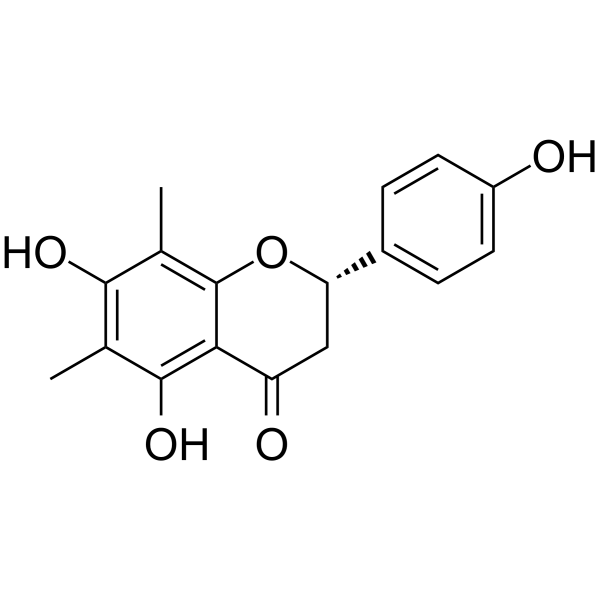
- Formula: C17H16O5
- Molecular Weight: 300.31
Farrerol is a bioactive constituent of Rhododendron, with broad activities such as anti-oxidative, anti-inflammatory, anti-tumor, neuroprotective and hepatoprotective effects.
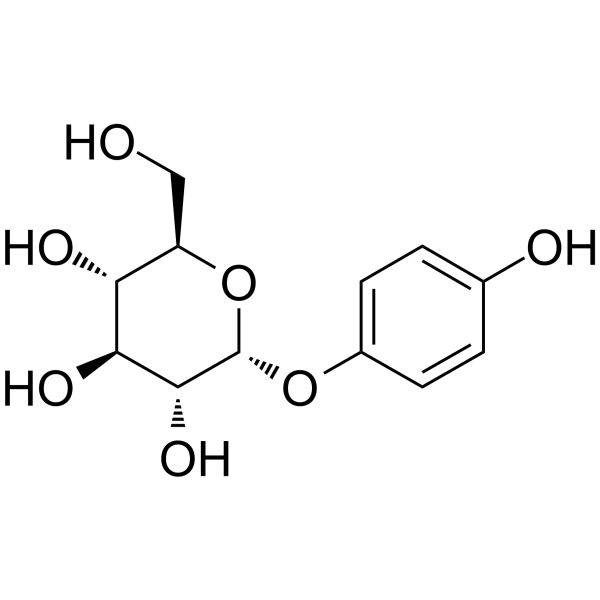
- Formula: C12H16O7
- Molecular Weight: 272.25
α-Arbutin (4-Hydroxyphenyl α-D-glucopyranoside) is a tyrosinase inhibitor, which is used as an effective skin whiteners. α-Arbutin is promising for research of various diseases such as hyperpigmentation disorders, types of cancers, central nervous system disorders, osteoporosis, diabetes.
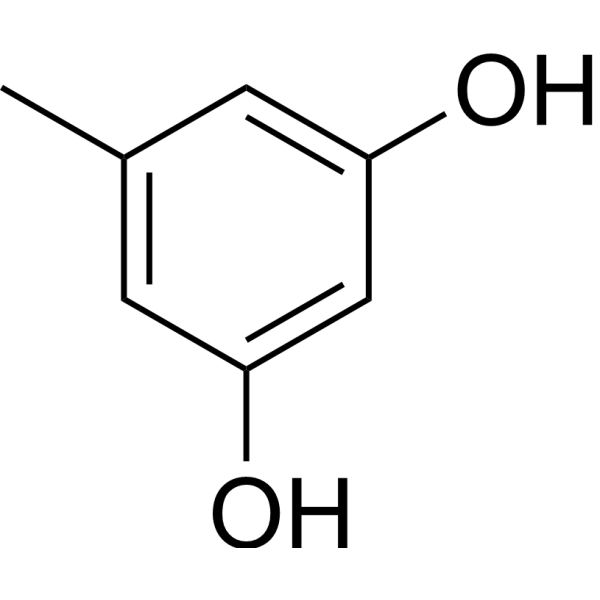
- Formula: C7H8O2
- Molecular Weight: 124.14
Orcinol (3,5-Dihydroxytoluene) is an organic compound used in biological dyeing and proteomics research. Orcinol inhibits melanogenesis in B16F10 cells by upregulating the MAPK/ERK signaling pathway, and suppresses the expression of MITF, tyrosinase (TYR), TRP1, and DCT. Orcinol exhibits certain DPPH radical scavenging activity. In addition, Orcinol can alter nitrogen balance in animals. Orcinol holds promise for research in cancer and metabolic diseases.
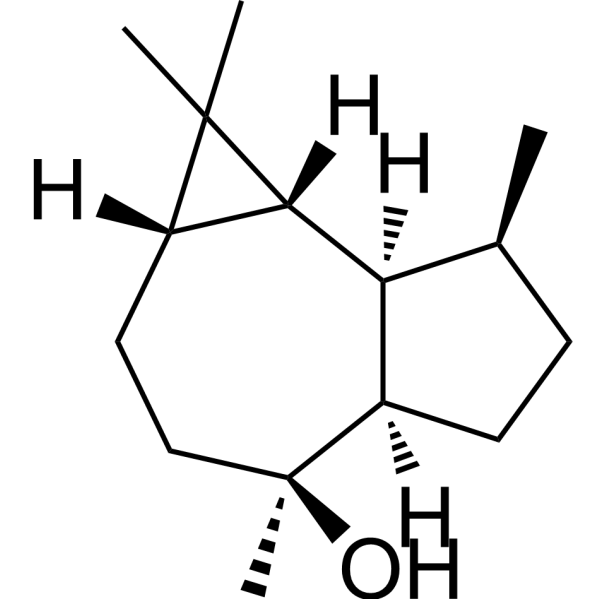
- Formula: C15H26O
- Molecular Weight: 222.37
Ledol ((+)-Ledol) is an antifungal agent isolated from the volatile oil components of Rhododendron tomentosum. Ledol also acts as an expectorant and antitussive, while it can cause adverse reactions such as dizziness, nausea and vomiting.
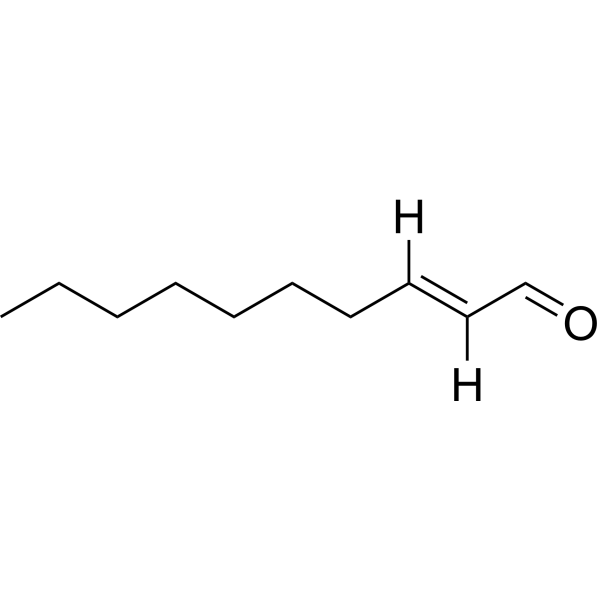
- Formula: C10H18O
- Molecular Weight: 154.25
trans-2-Decenal ((E)-Dec-2-enal) acts as a urease inhibitor and antibacterial agent against Helicobacter pylori, with an IC50 of 9.484 μg/mL against Helicobacter pylori urease. trans-2-Decenal reduces the urease activity of Helicobacter pylori, and possesses antibacterial, bactericidal, anti-biofilm and anti-migratory activities. It alters the morphology of Helicobacter pylori, induces bacterial rupture, inhibits biofilm formation, reduces the number of mature biofilms and impairs the migratory capacity of Helicobacter pylori. trans-2-Decenal disrupts the cell wall integrity of Phytophthora capsici, damages membrane integrity and permeability, triggers intracellular reactive oxygen species (ROS) accumulation, decreases glutathione levels and disrupts the mitochondrial membrane potential of Phytophthora capsici. trans-2-Decenal is applicable to studies related to Helicobacter pylori and plant diseases induced by and Phytophthora capsici.

- Formula: C29H50O2
- Molecular Weight: 430.72
5α,6α-Epoxysitosterol is a minor β-sitosterol oxidation product and 5,6-epoxy thermo-oxidation product of sitosterol .

- Formula: C24H40O6
- Molecular Weight: 424.57
3α,6β,7α,12α-Tetrahydroxy bile acid is a tetrahydroxy derivative of bile acids.

- Formula: C22H36O7
- Molecular Weight: 412.52
Rhodomollein XIII is a grayanane diterpenoid found in Rhododendron molle and is the 6-O-acetyl derivative of Grayanotoxin III.
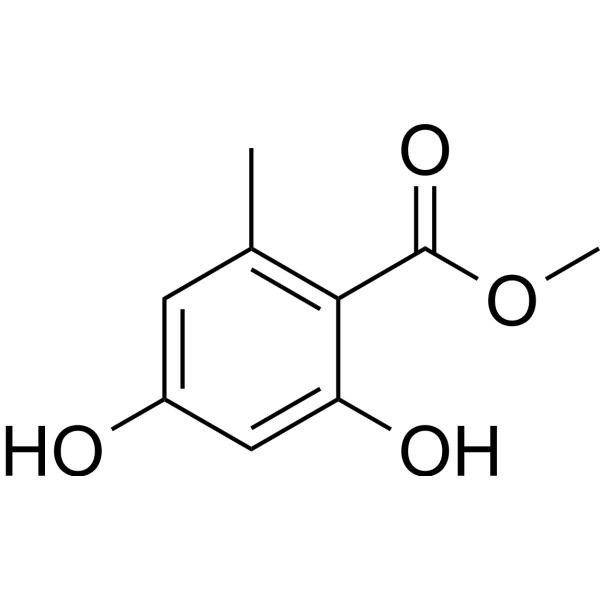
- Formula: C9H10O4
- Molecular Weight: 182.17
Methyl orsellinate acts as an antiviral agent and insecticide. Methyl orsellinate exhibits enzyme inhibitory activity, with an IC50 of 59.6 µM against porcine leukocyte 5-lipoxygenase (5-LOX); it inhibits soybean 15-lipoxygenase (15-LOX), and shows weak inhibitory activity against acetylcholinesterase (AChE) and glutathione S-transferase (GST). Methyl orsellinate displays contact toxicity against adult Drosophila suzukii. Methyl orsellinate shows anti-HSV-1 activity. Methyl orsellinate can be used in studies related to *Drosophila suzukii* infestation and HSV-1 infection.
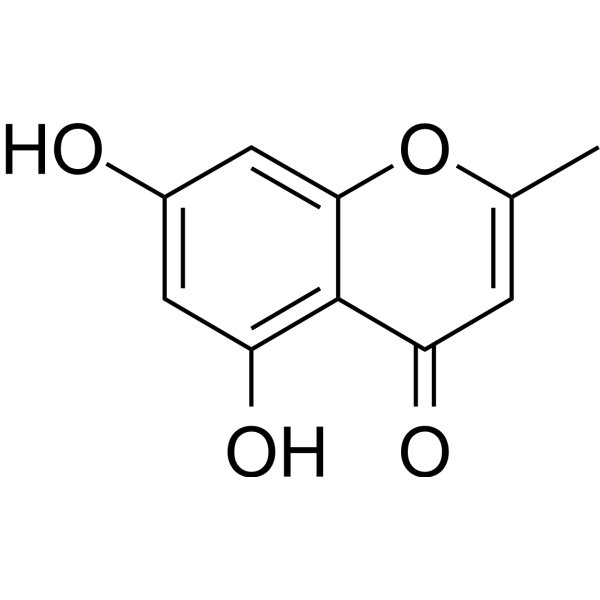
- Formula: C10H8O4
- Molecular Weight: 192.17
Noreugenin is a phenolic compound found in Calea uniflora Less. Noreugenin inhibits myeloperoxidase activity and reduces levels of proinflammatory cytokines IL-1β and IL-17A levels in LPS (HY-D1056)-induced murine pleurisy model. Noreugenin reduces apoptosis and necrosis. Noreugenin reduces lipid peroxidation, and antioxidant enzyme (CAT, SOD, GST) activity. Noreugenin exhibits anti-inflammatory and antioxidant effects. Noreugenin can be used for the research of inflammatory conditions, such as pleurisy.
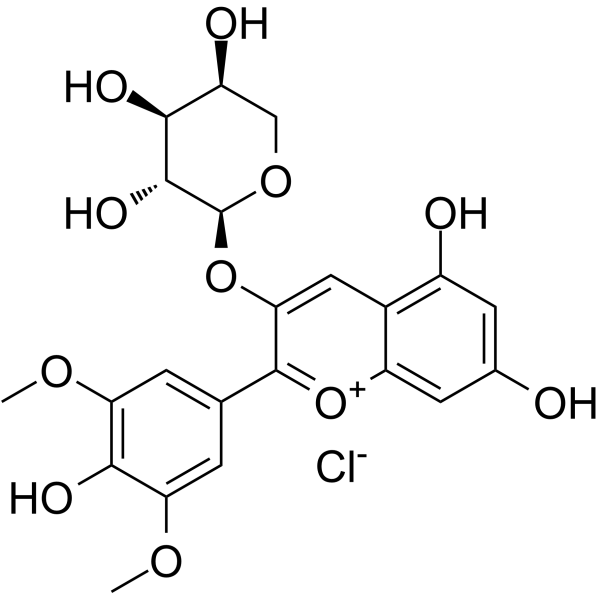
- Formula: C22H23ClO11
- Molecular Weight: 498.86
Malvidin-3-O-arabinoside chloride ameliorates ethyl carbamate-induced oxidative damage by stimulating AMPK-mediated autophagy.
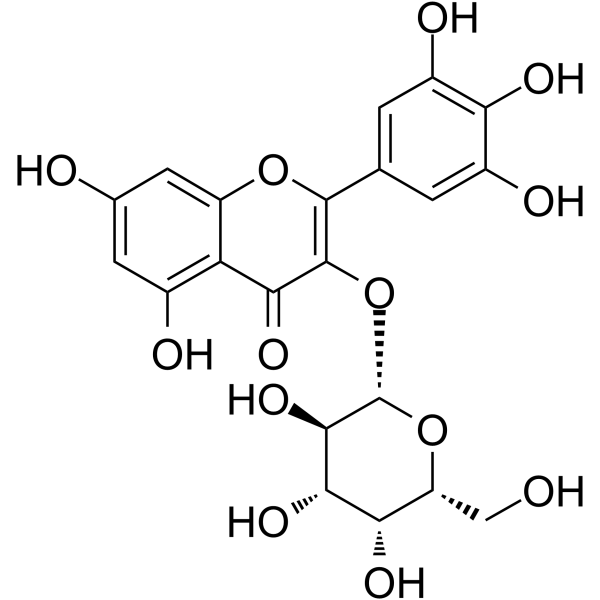
- Formula: C21H20O13
- Molecular Weight: 480.38
Myricetin 3-O-galactoside inhibits xanthine oxidase (XO) activity, lipid peroxidation and scavenges the free radical. Myricetin 3-O-galactoside inhibits lipid peroxidation with an IC50 of 160 μg/mL. Antioxidant activity.
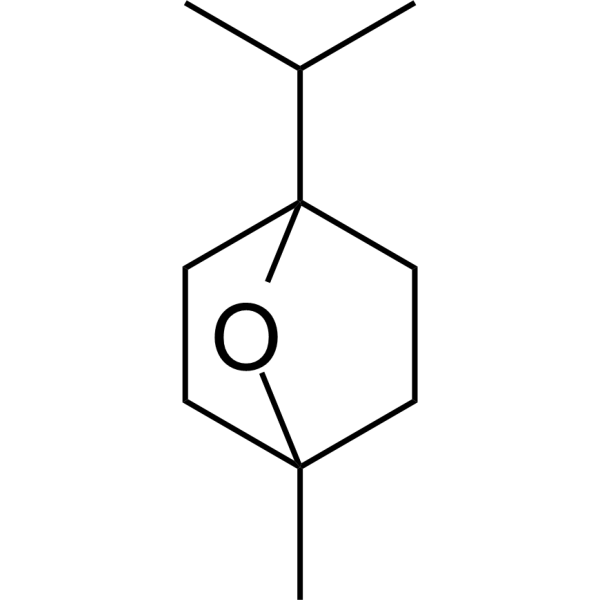
- Formula: C10H18O
- Molecular Weight: 154.25
1,4-Cineole is an oxygenated monoterpene found in eucalyptus oil. 1,4-Cineole is a hTRPM8 and hTRPA1 agonist. 1,4-Cineole can increase intracellular Ca2+ concentration. 1,4-Cineole exhibits anti-anxiety and anti-depression effects. 1,4-Cineole can be used for the research of neurological disease, such as depression .
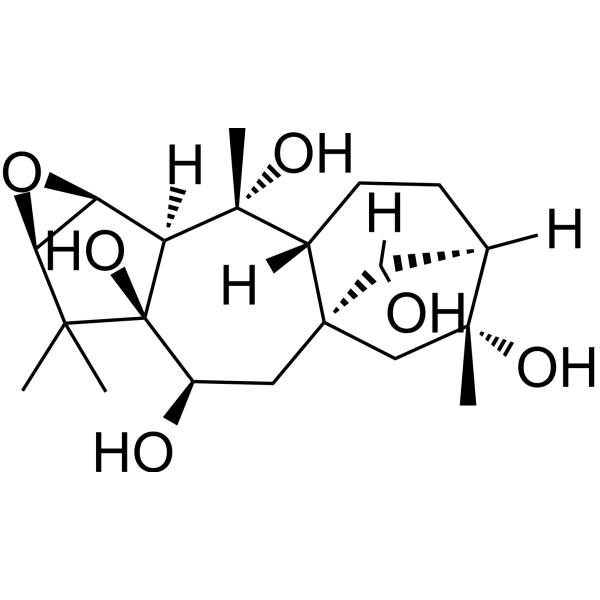
- Formula: C20H32O6
- Molecular Weight: 368.46
Rhodojaponin III is a diterpenoid from the leaves of Rhododendron molle with anti-inflammatory activity.

- Formula: C₁₂H₁₆O₇
- Molecular Weight: 272.25
α-Arbutin (Standard) is the analytical standard of α-Arbutin. This product is intended for research and analytical applications. α-Arbutin (4-Hydroxyphenyl α-D-glucopyranoside) is emerging as popular and effective skin whiteners, acting as tyrosinase inhibitor.
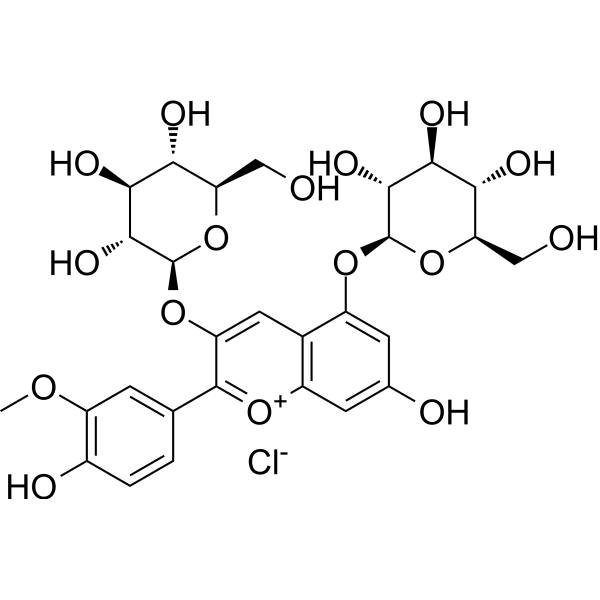
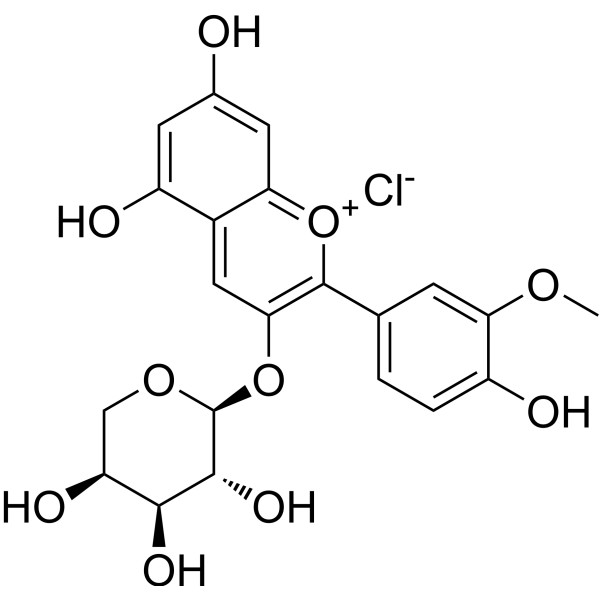
- Formula: C21H21ClO10
- Molecular Weight: 468.84
Peonidin-3-O-arabinoside chloride (Compound Ⅻ) is an anthocyanin that can be isolated from Vaccinium myrtillus L..

- Formula: C10H18O
- Molecular Weight: 154.25
1,4-Cineole (Standard) is the analytical standard of 1,4-Cineole (HY-N7117). 1,4-Cineole is an oxygenated monoterpene found in eucalyptus oil. 1,4-Cineole is a hTRPM8 and hTRPA1 agonist. 1,4-Cineole can increase intracellular Ca2+ concentration. 1,4-Cineole exhibits anti-anxiety and anti-depression effects. 1,4-Cineole can be used for the research of neurological disease, such as depression .
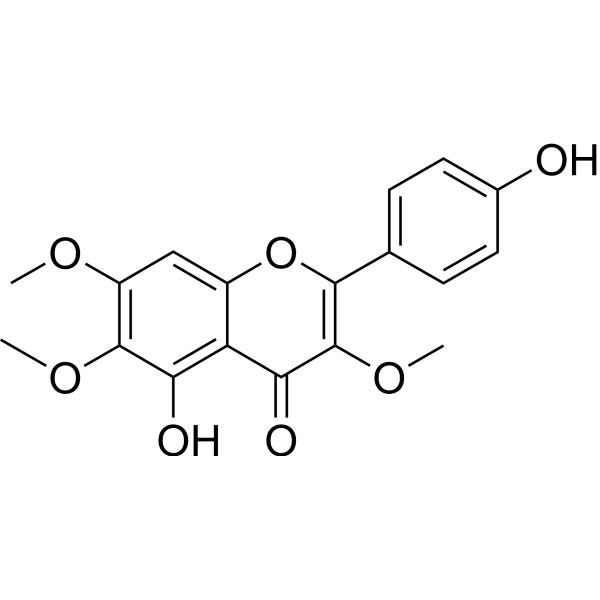
- Formula: C18H16O7
- Molecular Weight: 344.32
Penduletin is a flavone, that can be isolated from Brickelia pendula and Vitex negundo. Penduletin shows anticancer activity. Penduletin induces apoptosis in the cancer cells through ROS generation.
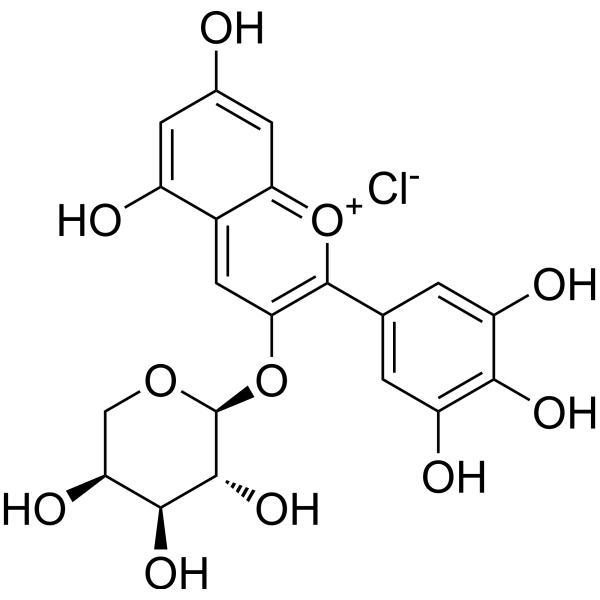
- Formula: C20H19ClO11
- Molecular Weight: 470.81
Delphinidin-3-O-arabinoside chloride is an anthocyanin chloride compound. It is formed by combining Delphinidin (an anthocyanin with a natural purple color) with the 3-O-arabinoside group. Delphinidin-3-O-arabinoside can be isolated from Rhododendron and is in the form of furanose.



