1. Search Result
Search Result
Results for "

Jurkat

" in MedChemExpress (MCE) Product Catalog:

299

Inhibitors & Agonists

3

Fluorescent Dyes

2

Biochemical Assay Reagents

11

Peptides

15

Inhibitory Antibodies

28

Natural
Products

5

Isotope-Labeled Compounds

2

Click Chemistry

1

Oligonucleotides

Cat. No. Product Name Target Research Areas Chemical Structure
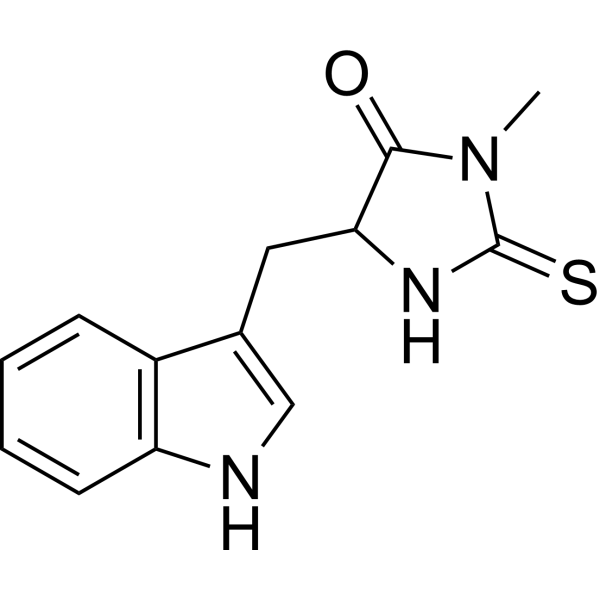
  • HY-15760
    Necrostatin-1
    Maximum Cited Publications
    508 Publications Verification

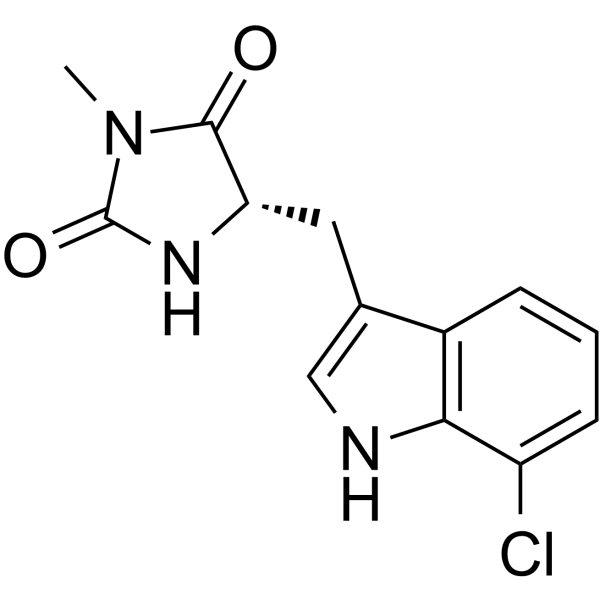
    Nec-1

    RIP kinase Autophagy Indoleamine 2,3-Dioxygenase (IDO) Ferroptosis Necroptosis Cancer
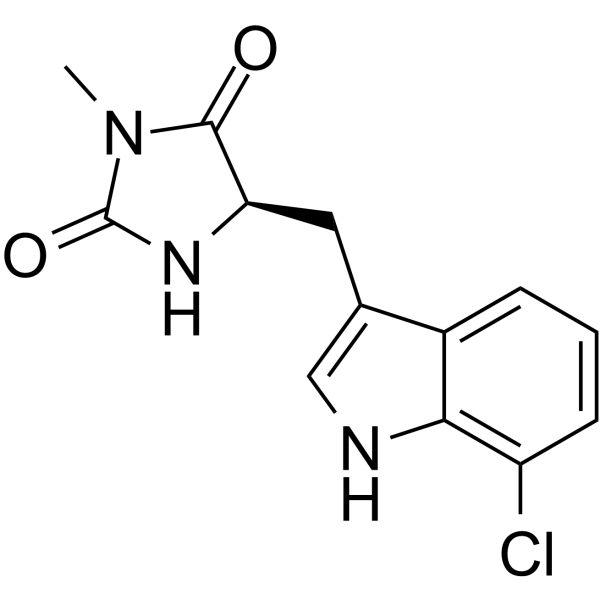
    Necrostatin-1 (Nec-1) is a potent and cross the blood-brain barrier necroptosis inhibitor with an EC50 of 490 nM in Jurkat cells. Necrostatin-1 inhibits RIP1 kinase (EC50=182 nM). Necrostatin-1 is also an IDO inhibitor .
    Necrostatin-1
  • HY-117433
    4-Hydroperoxy cyclophosphamide
    10+ Cited Publications

    DNA Alkylator/Crosslinker Apoptosis Reactive Oxygen Species (ROS) Drug Metabolite Inflammation/Immunology
    4-Hydroperoxy cyclophosphamide is the active metabolite form of the precursor Cyclophosphamide. 4-Hydroperoxy cyclophosphamide cross-links DNA to induce T cell apoptosis independent of caspase receptor activation, and can activate the mitochondrial death pathway by producing reactive oxygen species (ROS). 4-Hydroperoxy cyclophosphamide can be used in the study of rheumatoid arthritis and autoimmune diseases .
    4-Hydroperoxy cyclophosphamide
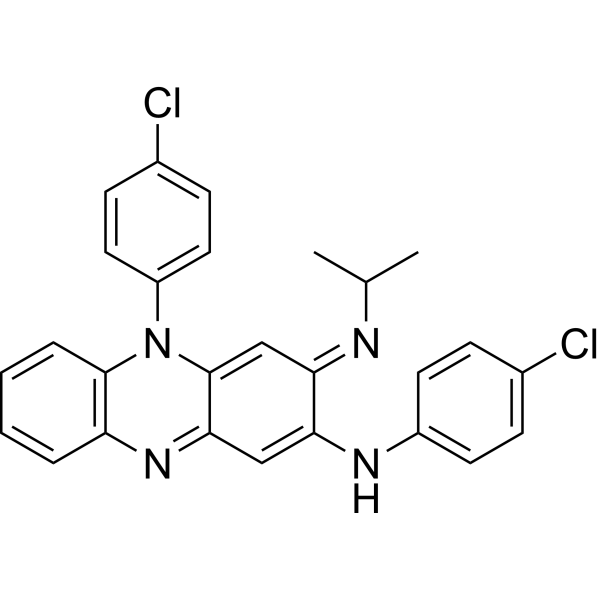
  • HY-B1046
    Clofazimine
    10+ Cited Publications

    Bacterial Antibiotic DNA/RNA Synthesis Interleukin Related Apoptosis Infection Inflammation/Immunology Cancer
    Clofazimine is an orally-active anti-mycobacterial agent with a wide range of anti-mycobacterial activity including leprosy and tuberculosis. Clofazimine exerts anti-inflammatory activities and anti-tumor activities by interfering DNA replication and inhibiting IL2 (IC50 = 1.10 ± 0.26 μM, Jurkat T) production. Clofazimine can be used in mycobacterial and cancer research .
    Clofazimine
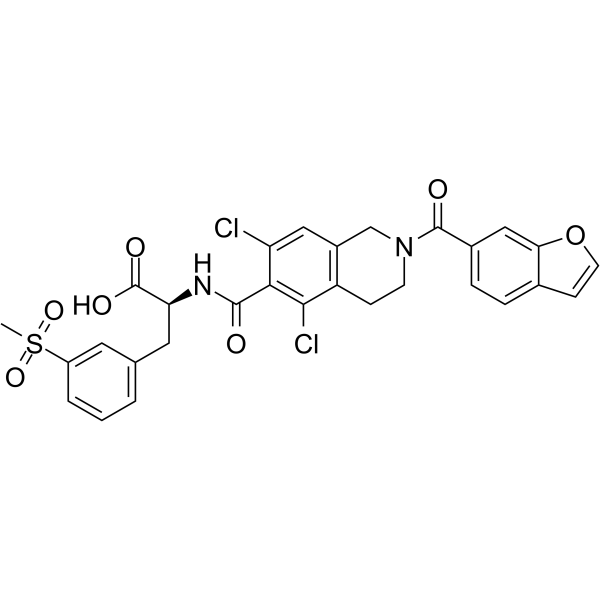
  • HY-19344
    Lifitegrast
    10+ Cited Publications

    SAR 1118; SHP-606

    Integrin Inflammation/Immunology
    Lifitegrast (SAR 1118) is a potent integrin antagonist. Lifitegrast blocks the binding of intercellular adhesion molecule 1 (ICAM-1) to lymphocyte function-associated antigen 1 (LFA-1), interrupting the T cell-mediated inflammatory cycle. Lifitegrast inhibits Jurkat T cell attachment to ICAM-1 with an IC50 of 2.98 nM. Lifitegrast can be used for researching dry eye disease .
    Lifitegrast
  • HY-12546

    Brevetoxin-2; PbTx-2

    Sodium Channel Apoptosis Calcium Channel Potassium Channel Caspase Neurological Disease Cancer
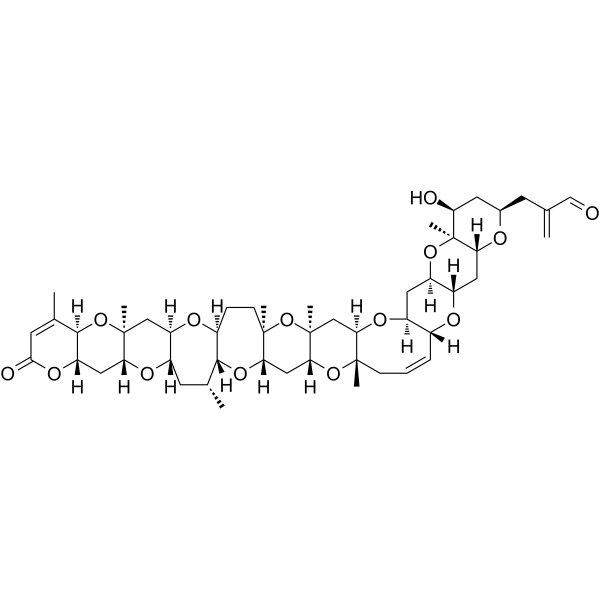
    Brevetoxin B (Brevetoxin-2) is a red tide toxin. Brevetoxin B affects sodium, potassium and calcium currents in nerve terminals. Brevetoxin B also modulates the metabolic activity of Jurkat cells, reduces cell viability and induces apoptosis. Brevetoxin B can be used in research on synaptic transmission and tumors .
    Brevetoxin B
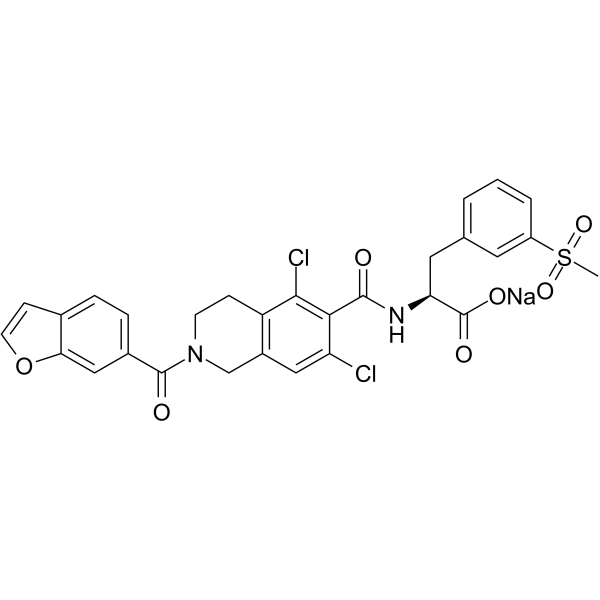
  • HY-19344A
    Lifitegrast sodium
    10+ Cited Publications

    SAR 1118 sodium; SHP-606 sodium

    Integrin Inflammation/Immunology
    Lifitegrast (SAR 1118) sodium is a potent integrin antagonist. Lifitegrast sodium blocks the binding of intercellular adhesion molecule 1 (ICAM-1) to lymphocyte function-associated antigen 1 (LFA-1), interrupting the T cell-mediated inflammatory cycle. Lifitegrast sodium inhibits Jurkat T cell attachment to ICAM-1 with an IC50 of 2.98 nM. Lifitegrast sodium can be used for researching dry eye disease .
    Lifitegrast sodium
  • HY-145322

    Casein Kinase Molecular Glues Cancer
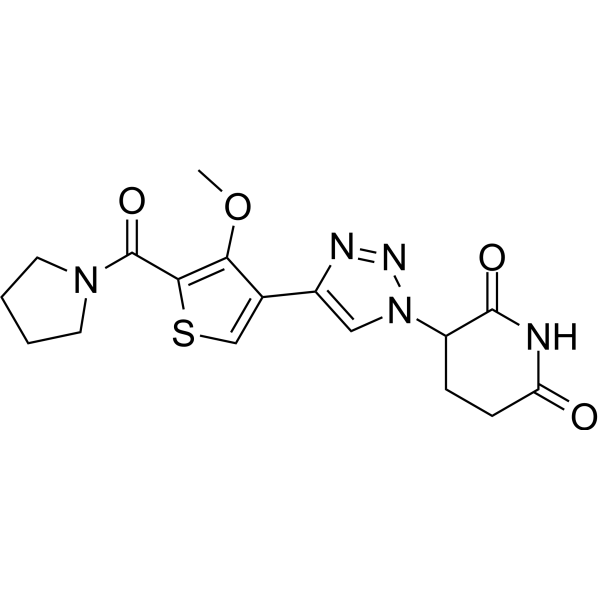
    TMX-4116 is a casein kinase 1α (CK1α) degrader. TMX-4116 shows the degradation preference for CK1α with DC50s less than 200 nM in MOLT4, Jurkat, and MM.1S cells. TMX-4116 can be used for the research of multiple myeloma .
    TMX-4116
  • HY-110177
    SP-100030
    1 Publications Verification

    NF-κB Inflammation/Immunology
    SP-100030 is a potent NF-κB and activator protein-1 (AP-1) double inhibitor (IC50s=50 and 50 nM, respectively). SP-100030 inhibits IL-2, IL-8, and TNF-alpha production in Jurkat and other T cell lines. SP-100030 decreases murine collagen-induced arthritis (CIA) .
    SP-100030
  • HY-14622
    Necrostatin 2
    10+ Cited Publications

    RIP kinase Cancer
    Necrostatin 2 is a potent necroptosis inhibitor. EC50 for inhibition of necroptosis in FADD-deficient Jurkat T cells treated with TNF-α is 0.05 μM. Necrostatin 2 is also a RIPK1 inhibitor.
    Necrostatin 2
  • HY-148847

    MAP4K Cancer
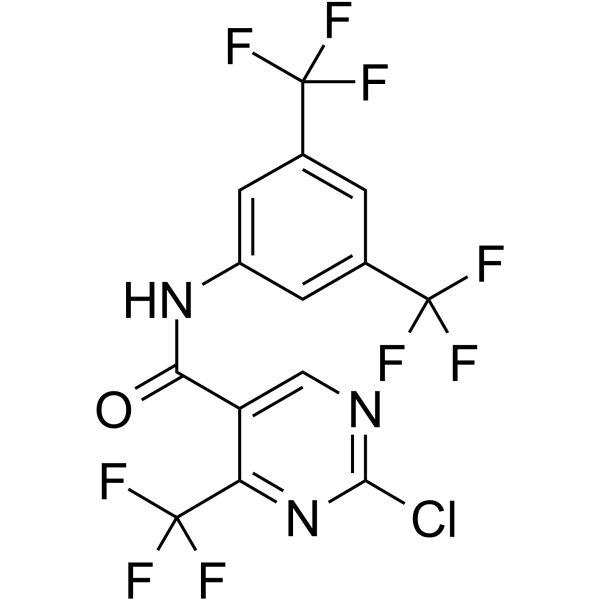
    HPK1-IN-32 is a potent and selective HPK1 inhibitor with an IC50 of 65 nM. HPK1-IN-32 can be used for the research of HPK1 related disorders or diseases .
    HPK1-IN-32
  • HY-145934A

    OGT Biochemical Assay Reagents Glycosidase Metabolic Disease
    UDP-GlcNAz disodium is the analogue of UDP-GlcNAc disodium (HY-112174). UDP-GlcNAc disodium is the donor substrate of many N-acetylgalactosaminyltransferases, enzymes which transfer GlcNAc from the nucleotide sugar to a saccharide or peptide acceptor. UDP-GlcNAc disodium is a click chemistry reagent, it contains an Azide group and can undergo copper-catalyzed azide-alkyne cycloaddition reaction (CuAAc) with molecules containing Alkyne groups. It can also undergo strain-promoted alkyne-azide cycloaddition (SPAAC) reactions with molecules containing DBCO or BCN groups .
    UDP-GlcNAz disodium
  • HY-100712
    DPO-1
    1 Publications Verification

    Potassium Channel Calcium Channel NOD-like Receptor (NLR) Interleukin Related Cardiovascular Disease Inflammation/Immunology
    DPO-1 is a potent Kv1.5 and Kv1.3 (EC50 = 3.1 μM) channels inhibitor with potential immunomodulatory and anti-inflammatory effects. DPO-1 reduces Kv1.3 current density, blunts Ca 2+ influx in Ca 2+-depleted Jurkat cells, and inhibits IL-2 secretion in activated Jurkat cells. DPO-1 inhibits Uric acid sodium (HY-B2130A) (MSU)-induced NLRP3 inflammasome activation by blocking Kv1.5-mediated K + efflux. DPO-1 can be used for the study of immunologic disorders and atrial fibrillation .
    DPO-1
  • HY-163786

    PROTACs CDK Apoptosis Cancer
    PROTAC CDK4/6 degrader 1 is a CDK4/CDK6 PROTAC degrader, with DC50 values of 10.5 nM and 2.5 nM, respectively. PROTAC CDK4/6 degrader 1 inhibits the proliferation of Jurkat cells (IC50 = 0.18 μM), arrests the cell cycle at the G1 phase, and induces apoptosis. PROTAC CDK4/6 degrader 1 can be used for cancer research.
    PROTAC CDK4/6 degrader 1
  • HY-135644
    Rencofilstat
    1 Publications Verification

    CRV431

    Cyclophilin Sirtuin Nuclear Factor of activated T Cells (NFAT) Interleukin Related Cancer
    Rencofilstat (CRV431) is an orally active pan-cyclophilin inhibitor with IC50 values of 2.5 nM, 3.1 nM, 2.8 nM, 7.3 nM for Cyp A, CypB, Cyp D and Cyp G, respectively. Rencofilstat reduces fibrosis and tumor growth in models of chronic liver disease. Rencofilstat can be used for the study of nonalcoholic steatohepatitis (NASH), hepatocellular carcinoma and viral hepatitis-induced liver disease .
    Rencofilstat
  • HY-145776

    Molecular Glues Ligands for E3 Ligase IKZF Family Interleukin Related Inflammation/Immunology Cancer
    ALV1 is a molecular glue degrader for Ikaros (IKZF1) and Helios (IKZF2) with DC50 of 2.5 nM and 10.3 nM respectively. ALV1 bind CRBN with an IC50 of 0.55 μM, and induces CRBN-Helios dimerization. ALV1 can be used to study the properties and functions of regulatory T cells .
    ALV1
  • HY-136252

    PROTACs CDK Cancer
    BSJ-04-132 is a PROTAC connected by ligands for Cereblon and CDK. BSJ-04-132 is a potent and selective Ribociclib-based CDK4 degrader (PROTAC), with IC50s of 50.6 nM and 30 nM for CDK4/D1 and CDK6/D1, respectively. BSJ-04-132 does not induce CDK6 and IKZF1/3 degradation. BSJ-04-132 has anti-cancer activity .
    BSJ-04-132
  • HY-139875
    JH-XVI-178
    1 Publications Verification

    CDK Cancer
    JH-XVI-178 is a highly efficient and selective CDK8/19 inhibitor, with IC50 values of 1 and 2 nM for CDK8 and CDK19, respectively. JH-XVI-178 has a low clearance rate and moderate oral pharmacokinetic properties .
    JH-XVI-178
  • HY-145321

    Phosphodiesterase (PDE) Molecular Glues Cancer
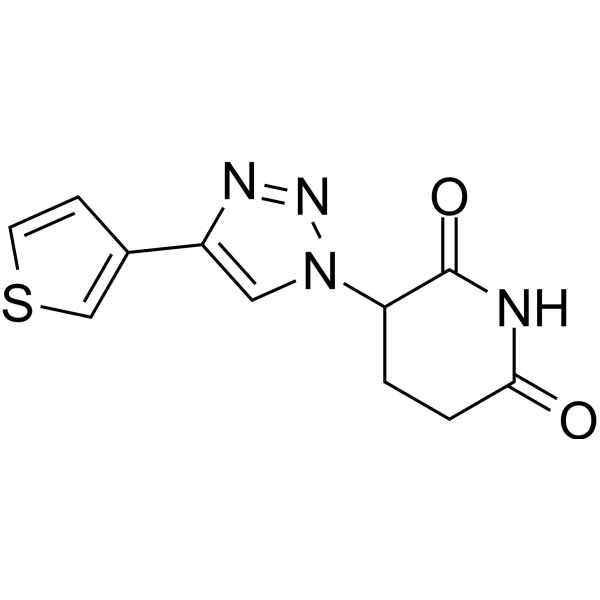
    TMX-4100 is a selective phosphodiesterase 6D (PDE6D) degrader. TMX-4100 shows a high degradation preference for PDE6D with the DC50 values less than 200 nM in MOLT4, Jurkat, and MM.1S cells. TMX-4100 can be used for the research of multiple myeloma .
    TMX-4100
  • HY-150879

    PD-1/PD-L1 Ligands for Target Protein for PROTAC Cancer
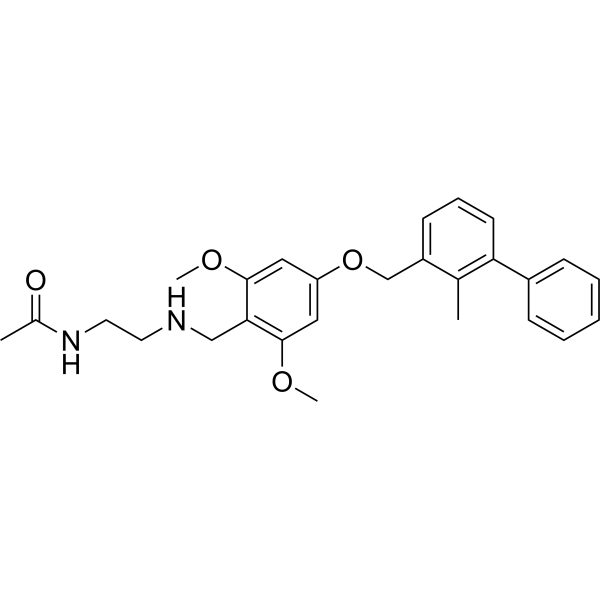
    BMS-37 is a PD-1/PD-L1 immune checkpoint inhibitor with an IC50 towards the PD-L1/PD-1 complex in the range of 18 to 200 nM. BMS-37 shows unspecific toxicity against modified Jurkat T cells with an EC50 between 3 and 6 µM. BMS-37 can be used for the study of the PD-L1-induced exhaustion of T-cells or as PD-L1 ligand to synthesize PROTAC molecules .
    BMS-37
  • HY-153161

    Caspase Apoptosis Cancer
    CASP8-IN-1 (Compound 63-R) is a selective inhibitor for caspase 8 (CASP8), with an IC50 of 0.7 μM. CASP8-IN-1 inhibits FasL-induced apoptosis in cell Jurkat .
    CASP8-IN-1
  • HY-148454

    Necroptosis 11β-HSD Inflammation/Immunology Cancer
    Necroptosis-IN-3 (Compound 69) is a necroptosis inhibitor that inhibits TNF-α induced necroptosis . Necroptosis-IN-3 (Compound STX1638) also inhibits 11β-HSD1 .
    Necroptosis-IN-3
  • HY-155219

    Methylenetetrahydrofolate Dehydrogenase (MTHFD) Cancer
    TH9028 is an inhibitor of MTHFD2 (IC50 = 11 nM) with IC50 values against hMTHFD2, MTHFD2L, and MTHFD1 being 7.97 nM, 27 nM, and 0.5 nM, respectively. TH9028 also exhibits anti-cancer cell proliferation activity .
    TH9028
  • HY-174830

    PD-1/PD-L1 Cancer
    GJ19 is a PD-L1 inhibitor with an IC50 of 32.06 nM. GJ19 can effectively bind to human/murine PD-L1 protein with Kd values of 171 and 290 nM, respectively. GJ19 concentration-dependently promotes HepG2 cell mortality in a co-culture model of HepG2/hPD-L1 and Jurkat T/hPD-1 cells. GJ19 effectively suppresses tumor growth in a B16-F10 melanoma mouse model. GJ19 can be used for the study of tumor immunotherapy .
    GJ19
  • HY-173357

    PROTACs JAK STAT Inflammation/Immunology
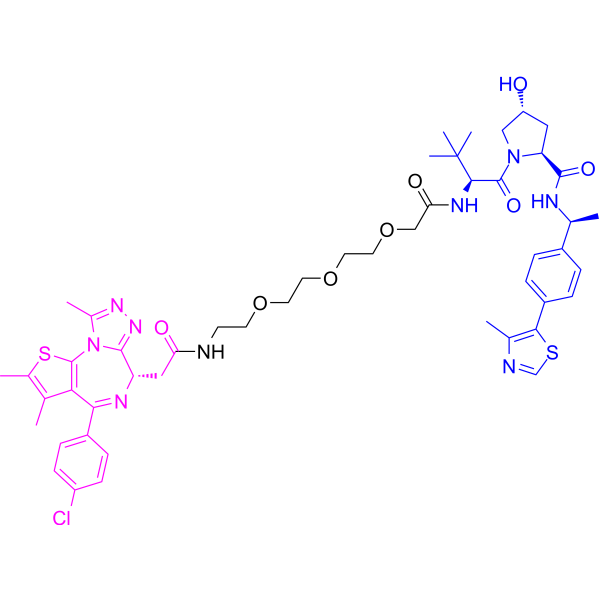
    TYD-68 is a highly efficient and selective CRBN-recruited TYK2 PROTAC degrader with a DC50 value of 0.42 nM. TYD-68 significantly inhibits IL-12 and IFN-α-induced STAT4 and STAT1 phosphorylation, thereby blocking TYK2-dependent signaling pathways. TYD-68 can be used in the study of psoriasis. (Pink: Target protein ligand (HY-173359); Black: Linker (HY-W007732B); Blue: E3 ligase ligand (HY-14658); E3 ligase ligand + Linker (HY-173358)) .
    TYD-68
  • HY-14622B

    RIP kinase Cardiovascular Disease Neurological Disease
    Necrostatin 2 S enantiomer is the S enantiomer of Necrostatin 2 (HY-14622). Necrostatin 2 S enantiomer inhibits TNF-α-induced necroptosis in Jurkat T cells. Necrostatin 2 S enantiomer can be used for the research of ischemic brain injury (stroke) .
    Necrostatin 2 (S enantiomer)
  • HY-175087

    Ins(1,2,4,5,6)P5 sodium salt; 1,2,4,5,6-IP5 sodium salt

    Calcium Channel Others
    D-myo-Inositol-1,2,4,5,6-pentaphosphate (Ins(1,2,4,5,6)P5) sodium salt is one of several different inositol oligophosphate isomers involved in signal transduction. In human Jurkat T lymphocytes, Ins(1,2,4,5,6)P5 (sodium salt) is phosphorylated to InsP6 by 1/3 kinase. D-myo-Inositol-1,2,4,5,6-pentaphosphate sodium salt is involved in calcium signaling .
    D-myo-Inositol-1,2,4,5,6-pentaphosphate sodium salt
  • HY-P5640

    Bacterial Parasite Infection
    Tritrpticin is a porcine-derived antimicrobial peptide with properties such as membrane disruption and hemolysis. Tritrpticin disrupts the cell membranes of bacteria, fungi and Jurkat T cell leukemia cells and induces their death. Tritrpticin also enhances the efficacy of Metronidazole (HY-B0318) against *Trichomonas vaginalis*, reduces plasma endotoxin and inflammatory cytokine levels, restricts bacterial growth in blood and visceral tissues, decreases the mortality rate of septic shock in rats and enhances the therapeutic effect of ertapenem. Tritrpticin exhibits selective cytotoxicity against Jurkat T cell leukemia cells, while showing low toxicity to normal peripheral blood mononuclear cells and red blood cells, and can serve as a template for antimicrobial peptide design. Tritrpticin can be applied to research related to bacterial infections, fungal infections, trichomoniasis, septic shock and leukemia .
    Tritrpticin
  • HY-W033813

    Caspase Apoptosis Cancer
    Caspase-3/7 inhibitor I is a potent and reversible inhibitor of caspase-3 and caspase-7, with Kis of 60 and 170 nM, respectively. Caspase-3/7 inhibitor I can inhibit apoptosis in Camptothecin (HY-16560)-treated Jurkat cells and in chondrocytes .
    Caspase-3/7 Inhibitor I
  • HY-P10815

    Apoptosis Calcium Channel Others
    IP3RCYT is an IP3R inhibitory peptide, which can inhibit the binding of cytochrome C to IP3R with an IC50 about 100 nM. IP3RCYT regulates calcium signaling within cells. P3RCYT inhibits apoptosis in HeLa and Jurkat cells treated with Staurosporine (HY-15141) or Membrane-bound Fas ligand (FasL) .
    IP3RCYT
  • HY-137704

    TRP Channel Others
    2′-Deoxy-ADPR is an agonist for transient receptor potential melastatin 2 channel (TRPM2 channel). 2′-Deoxy-ADPR may acts as the signaling molecule in Jurkat T-lymphocytes .
    2′-Deoxy-ADPR
  • HY-179234

    PROTACs RIP kinase Apoptosis Caspase PARP Cancer
    LD5097 is a highly effective and selective PROTAC degrader targeting RIPK1. LD5097 can rapidly and efficiently downregulate RIPK1 and significantly enhance TNFα-mediated apoptosis in Jurkat cells. LD5097 significantly increases the levels of cleaved caspase-3/7 and PARP. LD5097 can be used for the study of acute T-lymphoblastic leukemia .
    LD5097
  • HY-15760R

    Nec-1 (Standard)

    RIP kinase Autophagy Indoleamine 2,3-Dioxygenase (IDO) Ferroptosis Reference Standards Cancer
    Necrostatin-1 (Standard) is the analytical standard of Necrostatin-1. This product is intended for research and analytical applications. Necrostatin-1 (Nec-1) is a potent and cross the blood-brain barrier necroptosis inhibitor with an EC50 of 490 nM in Jurkat cells. Necrostatin-1 inhibits RIP1 kinase (EC50=182 nM). Necrostatin-1 is also an IDO inhibitor .
    Necrostatin-1 (Standard)
  • HY-145934B

    OGT Biochemical Assay Reagents Glycosidase Metabolic Disease
    UDP-GlcNAz is the analogue of UDP-GlcNAc disodium (HY-112174). UDP-GlcNAc disodium is the donor substrate of many N-acetylgalactosaminyltransferases, enzymes which transfer GlcNAc from the nucleotide sugar to a saccharide or peptide acceptor. UDP-GlcNAc disodium is a click chemistry reagent, it contains an Azide group and can undergo copper-catalyzed azide-alkyne cycloaddition reaction (CuAAc) with molecules containing Alkyne groups. It can also undergo strain-promoted alkyne-azide cycloaddition (SPAAC) reactions with molecules containing DBCO or BCN groups .
    UDP-GlcNAz
  • HY-175261

    CDK Wee1 Checkpoint Kinase (Chk) Cancer
    DHI1 is an anti-leukemia agent with high selectivity for Jurkat (IC50 = 21.83 μM) and HL-60 (IC50 = 19.14 μM) leukemia cells and has low toxicity to non-cancerous cells. DHI1 can induce G2/M phase cell arrest in Jurkat and HL-60 leukemia cells, as well as S phase arrest in HL-60 cells, and has significant effects on cell cycle signaling molecules Wee1, cyclin B1, cdc2 on Tyr15, and Chk1. DHI1 inhibits the migration and invasion of Jurkat and HL-60 cells by disrupting cytoskeletal actin filaments. DHI1 can be used to study hematological malignancies .
    DHI1
  • HY-173009

    PROTACs Cyclophilin HCV HIV Infection
    PROTAC CG167 is a selective and potent CypA PROTAC degrader. PROTAC CG167 degrades CypA in a dose-dependent manner (Jurkat: DC50: 123 nM). PROTAC CG167 can inhibit HIV-1 and HCV and exhibits antiviral activity . (Pink: CypA Ligand (HY-170997); Black: Linker (HY-W123015); Blue: E3 Ligase Ligand (HY-112078))
    PROTAC CG167
  • HY-163787

    CDK Cancer
    YY173 is a dual inhibitor for CDK4 and CDK6 with IC50 of 7.7 and 88 nM. YY173 inhibits the proliferation of cell Jurkat with an IC50 of 1.46 μM. YY173 can be used for synthesis of PROTAC CDK4/6 degrader 1 (HY-163786) .
    YY173
  • HY-157838

    MAP4K Cancer
    HMC-B17 is a selective, orally bioavailable HPK1 inhibitor (IC50 = 1.39 nM) that potentiates anti-PD-L1 efficacy. HMC-B17 potently enhances the IL-2 secretion in Jurkat cells (EC50 = 11.56 nM). HMC-B17 can be used for the research of cancer .
    HMC-B17
  • HY-P3083

    PKC Inflammation/Immunology
    N-Myristoyl-Lys-Arg-Thr-Leu-Arg is a protein kinase C (PKC) inhibitor with an IC50 value of 75 μM. N-Myristoyl-Lys-Arg-Thr-Leu-Arg inhibits IL-2 receptor induction and IL-2 production in the human leukemic cell line Jurkat .
    N-Myristoyl-Lys-Arg-Thr-Leu-Arg
  • HY-151066

    PD-1/PD-L1 Cancer
    BMS-1233 is an orally active inhibitor for programmed cell death-ligand 1 (PD-L1), with IC50 of 14.5 nM. BMS-1233 promotes cell death of HepG2 in a Jurkat T cell and HepG2 cell co-culture model, exhibits antitumor activity against melanoma in mouse model .
    BMS-1233
  • HY-P991393

    Transmembrane Glycoprotein IFNAR TNF Receptor Cancer
    ASP8374 is a human IgG4 monoclonal antibody (mAb) targeting TIGIT. ASP8374 increases IL-2 production in Jurkat cells and IFN-γ and TNF-α production in human PBMCs. ASP8374 can be used in advanced solid tumors research. Recommended isotype control: Human IgG4 kappa, Isotype Control (HY-P99003) .
    ASP8374
  • HY-177786

    Molecular Glues CDK Cancer
    CDK12 ligand-3 is a molecular glucose degrading agent that targets the CDK12 protein (DC50 = 35 nM). CDK12 ligand-3 degrades CDK12, CDK13 and their regulatory subunit Cyclin K in a concentration dependent manner, and inhibits RNA polymerase II CTD (Ser2) phosphorylation. CDK12 ligand-3 exhibits potent anti proliferative activity against Jurkat cells. CDK12 ligand-3 can be used for research on cancers such as leukemia .
    CDK12 ligand-3
  • HY-19344R

    SAR 1118 (Standard); SHP-606 (Standard)

    Reference Standards Integrin Inflammation/Immunology
    Lifitegrast (Standard) is the analytical standard of Lifitegrast. This product is intended for research and analytical applications. Lifitegrast (SAR 1118) is a potent integrin antagonist. Lifitegrast blocks the binding of intercellular adhesion molecule 1 (ICAM-1) to lymphocyte function-associated antigen 1 (LFA-1), interrupting the T cell-mediated inflammatory cycle. Lifitegrast inhibits Jurkat T cell attachment to ICAM-1 with an IC50 of 2.98 nM. Lifitegrast can be used for researching dry eye disease .
    Lifitegrast (Standard)
  • HY-B1046R

    Reference Standards Bacterial Antibiotic DNA/RNA Synthesis Interleukin Related Apoptosis Infection Inflammation/Immunology Cancer
    Clofazimine (Standard) is the analytical standard of Clofazimine. This product is intended for research and analytical applications. Clofazimine is an orally-active anti-mycobacterial agent with a wide range of anti-mycobacterial activity including leprosy and tuberculosis. Clofazimine exerts anti-inflammatory activities and anti-tumor activities by interfering DNA replication and inhibiting IL2 (IC50 = 1.10 ± 0.26 μM, Jurkat T) production. Clofazimine can be used in mycobacterial and cancer research .
    Clofazimine (Standard)
  • HY-115756

    Others Others
    4-Maleimidosalicylic acid is a polar maleimide, and does not suppress IL-2 production in JURKAT T cells .
    4-Maleimidosalicylic acid
  • HY-109151

    E6007

    Integrin Inflammation/Immunology
    Milategrast is useful as cell adhesion inhibitor or cell infiltration inhibitor. Milategrast in vitro inhibites the adhesion of Jurkat cells to human fibronectin with an IC50 of <5 μM .
    Milategrast
  • HY-N6681

    Caspase Bacterial Apoptosis Antibiotic Infection
    15-acetoxyscirpenol, one of acetoxyscirpenol moiety mycotoxins (ASMs), strongly induces apoptosis and inhibits Jurkat T cell growth in a dose-dependent manner by activating other caspases independent of caspase-3 .
    15-Acetoxyscirpenol
  • HY-163902

    CRM1 Cancer
    SP100030 analogue 1 (compound 11), a SP100030 (HY-110177) analogue, is a selective inhibitor of transcriptional activation (SITA) with an EC50 of 137 nM for suppressing the XPO1-dependent upregulation of IL2 by Jurkat-based IL2-Luc reporter assay .
    SP100030 analogue 1
  • HY-168963

    PROTACs Btk Itk p38 MAPK Inflammation/Immunology Cancer
    PROTAC BTK Degrader-13 (Compound 25) is the PROTAC degrader for BTK with a DC50 of 0.27 μM. PROTAC BTK Degrader-13 inhibits the activity of BTK with an IC50 of 0.44 μM, inhibits IL-2-induced T cell kinase (ITK) with an IC50 of 2.16 μM. PROTAC BTK Degrader-13 inhibits p38 MAPK signaling pathway, block the activation of the BCR (B cell receptor) signaling pathway . (Pink: ligand for target protein BTK ligand 15 (HY-168965); Black: linker (HY-Y0524); Blue: ligand for E3 ligase cereblon (HY-103596))
    PROTAC BTK Degrader-13
  • HY-159123

    MAP4K Cancer
    KHK-6 is an inhibitor for serine/threonine kinase hematopoietic progenitor kinase 1 (HPK 1) with an IC50 of 20 nM. KHK-6 enhances CD3/CD28-induced cytokine production, enhances CD69, CD25 and HLA-DR markers on CD4+ and CD8+ T cells, and enhances T cell-mediated killing activity of SKOV3 and A549 cells .
    KHK-6
  • HY-172396

    PD-1/PD-L1 VISTA Cancer
    PD-L1/VISTA-IN-2 (Compound S8) is an orally active bifunctional PD-L1/VISTA inhibitor with an IC50 of 1.4 μM for PD-L1 and a KD of 2.1 μM for VISTA. PD-L1/VISTA-IN-2 can activate the tumor immune microenvironment and exert anti-cancer effects .
    PD-L1/VISTA-IN-2

Inquiry Online

Your information is safe with us. * Required Fields.

Salutation


Country or Region *

Applicant Name *


Organization Name *

Department *


Email Address *


Product Name *

Cat. No.


Requested quantity *

Phone Number *


Remarks

Inquiry Online

Inquiry Information

Product Name:
Cat. No.:
Quantity:
MCE Japan Authorized Agent:

